
China · the visa
Beijing
Beijing suits a remote worker with a settled client base, a pre-installed VPN and a tolerance for cold who wants a big, safe, well-wired capital at less than half a Western city's monthly cost. The catch is that the open web only works through a paid tunnel, winter air is poor, and there is no visa that plainly permits remote work.
- A month · September 2026$1,700–2,250Coworking4 spacesPieces10
The sheet
Researched 10 September 2026 · figures hold for September 2026
- One-bedroom rent, Dongcheng hutongs or inner Chaoyang
- ¥5,000–9,000 ($700–1,270)
- April 2026 city average ¥5,000–8,000; live listings in September 2026 run from a ¥3,000 courtyard loft in Gulou to ¥9,000 near Houhai. Landlords usually want three months' rent plus a one-month deposit up front.
- Coworking hot desk, month
- ¥1,410–2,850 ($199–400)
- CEO Suite at the Kyobo Building lists hot desks from US$199 a month for September 2026; WeWork Sanlitun's fixed desk starts at ¥2,850. A crowd-sourced median sits near $249.
- Coffee in a laptop café
- ¥25–38 ($3.50–5.35)
- House blend ¥25 in Dongcheng, espresso ¥30 in Sanlitun, pour-over ¥38 on Guijie, per a June 2026 survey; September 2026 listings put a coffee at $4–5.
- Lunch, local or street
- ¥12–20 ($1.70–2.80)
- June 2026 figure for a noodle or rice plate; a sit-down dinner is about $4 in September 2026 data.
- SIM and data on arrival
- ¥30–128 ($4.30–18.40)
- China Unicom 4 GB data-only for 30 days at ¥30; China Mobile 30 GB for 30 days at ¥128. A locals' phone plan runs ¥60–180 a month.
- Transport
- ¥3–9 ($0.40–1.30) per subway ride
- No monthly pass; fares are by distance and paid by Alipay QR or a Yikatong card. Two rides a day comes to roughly ¥200–400 ($28–56) a month.
- Gym
- ¥250–1,500 ($35–210) a month
- Chains sell annual contracts of ¥3,000–18,000; the monthly figure is that spread over twelve months.
- Beer
- ¥6–10 ($0.85–1.40) shop, about $1 for 0.5 L
- Bar prices in Sanlitun are several times that.
- Home broadband
- ¥83–133 ($12–19) a month
- Sold as annual contracts of ¥1,000–1,600; usually included in furnished lets.
- VPN
- $30 a month (about ¥213)
- Astrill's one-month rate; it was the most reliable in a September 2026 test. Must be installed and logged in before landing.
A month in Beijing
CNY (¥)¥12,000–16,000 ($1,700–2,250) for September 2026, on the basis of a one-bedroom in Gulou or inner Chaoyang, a hot desk, local lunches with a few Western dinners, subway travel, a ¥128 data plan and a paid VPN; a June 2026 expat guide puts a frugal single at ¥12,000–15,000 and a September 2026 crowd-sourced figure puts a nomad at about $2,500.
Fixed lines are fast: central cafés measure 50–150 Mbps down and 20–60 Mbps up in 2026, coworking floors in Guomao and Zhongguancun exceed 200 Mbps, and hutong cafés drop to 20–30 Mbps at peak. The useful speed is set by the firewall, not the line; a September 2026 crowd-sourced figure gives 96 Mbps raw against about 12 Mbps effective to blocked services through a VPN. Google, Gmail, WhatsApp, Slack at times, GitHub at times, Dropbox and Reddit are all blocked; Zoom works with variable quality. Install, update and log in to a VPN before landing, because the vendors' sites are unreachable afterwards; Astrill at $30 a month needed the least troubleshooting in a September 2026 test, NordVPN was a workable backup, ExpressVPN was inconsistent. On arrival, China Unicom sits at Gate 13 in Terminal 1 and opposite Gate D7 in Terminal 2 at Capital Airport; China Mobile is near Gate E5 in Terminal 3. Passport required and photocopied. Unicom's 30-day 4 GB data SIM is ¥30 ($4.30) and China Mobile's 30-day 30 GB plan is ¥128 ($18.40). Foreign eSIMs from $7 for 3 GB over five days to $36.90 for 30 GB over 30 days route data offshore, so the blocked apps work without a VPN, at a cost per gigabyte several times the local SIM.
Where to work
- WeWork Sanlitun (Taikoo Li North, Tower N3) · Sanlitun, Chaoyangday Not published on wework.cn; WeWork's Guomao site charges ¥150 ($21) · month Fixed desk from ¥2,850 ($400); private office from ¥4,044 per deskThird floor of the mall most nomads already drink and eat in, two stops on Line 10 (Tuanjiehu or Agricultural Exhibition Center); the only Beijing operator publishing a clean monthly price in English.
- WeWork Guomao (China World Trade Center, 11th floor) · Guomao, CBDday ¥150 ($21) · month Not published; WeWork Beijing fixed desks start at ¥2,850 ($400)Floor-to-ceiling view of the CCTV tower, ¥25 coffee, and the phone booths on the east side are better soundproofed for calls, per a June 2026 visit.
- SOHO 3Q Dawanglu · Dawanglu, east CBDday ¥120 ($17) · month Not published; ask at the deskOpens at 08:30, rooftop garden on the 14th floor, drip coffee at ¥15 and consistently fast wifi; the cheapest named day pass found in central Beijing.
- CEO Suite, Kyobo Building · Jianguomenwai, CBDday Not listed · month Hot desk from US$199 (about ¥1,410)A serviced-office operator with the lowest published monthly hot desk in the CBD for September 2026; suits someone who wants a fixed address and reception rather than a scene.
Cafés that tolerate laptops
- Cafe Zarah · Gulou Dongdajie 46, DongchengFast free wifi measured at 40 Mbps, wall sockets along most seats, open 10:00 to midnight and until 01:00 on Friday and Saturday; the long-standing freelancer default in the hutongs.
- Cafe Groove Coffee & Bistro · Tunsanli Mall, Gongti Beilu 21, SanlitunLarge Korean-fusion café with plentiful sockets, stable 20 Mbps wifi and a midnight close; the nearest thing to a free coworking floor in Sanlitun.
- Voyage Coffee · Beiluoguxiang 80, DongchengSpacious Scandinavian-style room, 25 Mbps wifi and sockets, 09:00 to 21:00; quieter than the Nanluoguxiang end of the same hutong.
- Fu 3 Coffee · Meishuguan Dong Street 22, near the National Art MuseumThe upper floor works like a library with free wifi at about 25 Mbps and sockets; 09:30 to 21:00.
- Metal Hands Coffee · Wudaoying Hutong 61, near the Lama TempleGood coffee and 20 Mbps wifi but few sockets; arrive charged and treat it as a two-hour stop, not a desk.
Where nomads live
- Gulou, Andingmen and the Dongcheng hutongs¥3,000–9,000 ($420–1,270) for a one-bed on September 2026 listingsCourtyard lofts and hutong conversions at the low end, floor-heated modern units near Houhai at the top; the densest run of laptop cafés in the city and walkable to the Lama Temple and Line 2.
- Sanlitun and Dongzhimen, ChaoyangNo one-beds on open listings this month; two-beds ¥12,000–28,000 ($1,700–3,950), so budget the top of the ¥5,000–8,000 city average and aboveWhere the bars, WeWork and most foreigners are; Line 10 and Line 2 on the doorstep. Priced accordingly and noisy at weekends.
- Lidu and the north Chaoyang embassy fringe¥6,400 ($900) for a furnished one-bed with wifi and washer, listed September 2026Quieter, near Lines 12 and 14, twenty minutes from Sanlitun; good value for a furnished flat without an agent.
- Wudaokou and HaidianRooms ¥3,500–4,300 ($490–605); two-beds ¥8,000–15,000 ($1,130–2,110)University district with the fastest coworking wifi in the city near Haidian Huangzhuang and student-priced food; far from the eastern social scene.
The scene as it is
Beijing is not a nomad hub in the Bali or Lisbon sense. There is no digital nomad visa, no dedicated coliving, and the foreigners who stay are mostly employed, studying or attached to embassies. The remote-worker population is thin and scattered, which is why the coworking market sells to Chinese startups first and publishes prices in Chinese. The trade is that the city is large, safe, cheap to eat in and has more good cafés per hutong than most European capitals.
The two poles are the Dongcheng hutongs around Gulou and the Lama Temple, where the cafés and cheaper flats are, and Sanlitun to Guomao in Chaoyang, where the bars, WeWork and the embassies are. Line 2 and Line 10 join them in about twenty minutes. Wudaokou in the north-west is the student option: fastest wifi, cheapest food, furthest from anything social.
How a month works
Most arrivals take a furnished flat through an agent or a classifieds site and pay three months up front plus a deposit, so the first outlay is closer to ¥25,000–40,000 than a month's rent. Furnished lets usually include a broadband line of the kind that measures 100 Mbps and up. Coworking is a luxury rather than a necessity: a ¥120–150 day pass at SOHO 3Q or WeWork buys a call-friendly booth, but the working week for many is a rotation of Cafe Zarah, Voyage and Cafe Groove, all of which sell a ¥25–38 coffee and tolerate a laptop for hours.
The subway is the transport answer. Fares are ¥3–9 by distance, paid by an Alipay QR code at the gate, and the network runs to 27 lines. Taxis and Didi are cheap by Western standards but slow at rush hour. Food is where Beijing is cheapest: a local lunch at ¥12–20, a dinner around $4, shop beer under ¥10.
Money and paperwork
Cash is almost gone. Alipay and WeChat Pay accept foreign Visa and Mastercard for everything from street food to the metro, and the airport SIM counters take cards for the plan but want cash for the first top-up. A Chinese bank account can be opened on a passport at a major branch and makes rent transfers easier, though it is not required for a month.
Entry for a month is the 30-day visa-free arrangement now covering 77 countries, or the 240-hour transit rule for 55 nationalities with an onward ticket to a third country. Beyond that it is an L tourist visa at about $140 for up to 30 days, extendable but unreliably, or an M business visa for 60–90 days. Working remotely for a foreign employer on any of these is a grey area that technically breaches the conditions; the guides that cover it say enforcement is inconsistent and solo workers report little friction. Police registration within 24 hours of arrival is mandatory; hotels do it automatically, private landlords often do not, and it has to be done at the local station with the lease.
What recent arrivals report
The consistent complaint in 2026 accounts is not speed but friction. VPN testers who travelled in spring and summer 2026 found Astrill needed the least fiddling, Surfshark needed reconnecting, ExpressVPN dropped, and everyone who had not installed before the flight lost a day. A June 2026 desk-by-desk survey of Beijing workspaces noted that hutong café wifi halves at peak hours, that the Guomao WeWork's east-side booths are the ones to take calls from, and that the Haidian coworking floors near Huangzhuang are the fastest in the city.
Air is the other recurring note: winter readings above 150 US AQI are treated as normal, purifiers are standard in furnished lets, and the same guides that praise a 24 AQI September day warn that the average for the year is around 101. Rent is the one figure moving against the visitor; the two-bed bands in Sanlitun and Dongzhimen of ¥12,000–28,000 are well above the ¥5,000–8,000 city average quoted for one-beds in April 2026, and the open listings in September 2026 have no one-beds in Sanlitun at all.
Seasons
September and October are the months to arrive: 17–27°C in September, 9–19°C in October, about six rain days and clear skies, with April and May the spring equivalent. Avoid landing in the National Day week of 1–7 October or Labour Day on 1–5 May, when trains, hotels and the Great Wall are full, and give the Spring Festival in February a wide berth as the city empties and shops close. July and August are 24–33°C with a dozen rain days a month and the summer crowds. November to March is the working nomad's real test: -6 to 3°C in January, dry, and the season when air quality hits hazardous readings; the annual average is about 101 US AQI against a reading of 24 on 10 September 2026, so an air purifier in the flat is standard kit.
Researched from wework.cn · coworkbooking.com · pickbestplaces.com · geronimo-ai.com · thebeijinger.com · expatden.com · nomads.com · go2-china.com · figures hold for September 2026
Where to live
9 pieces by the writers on the ground
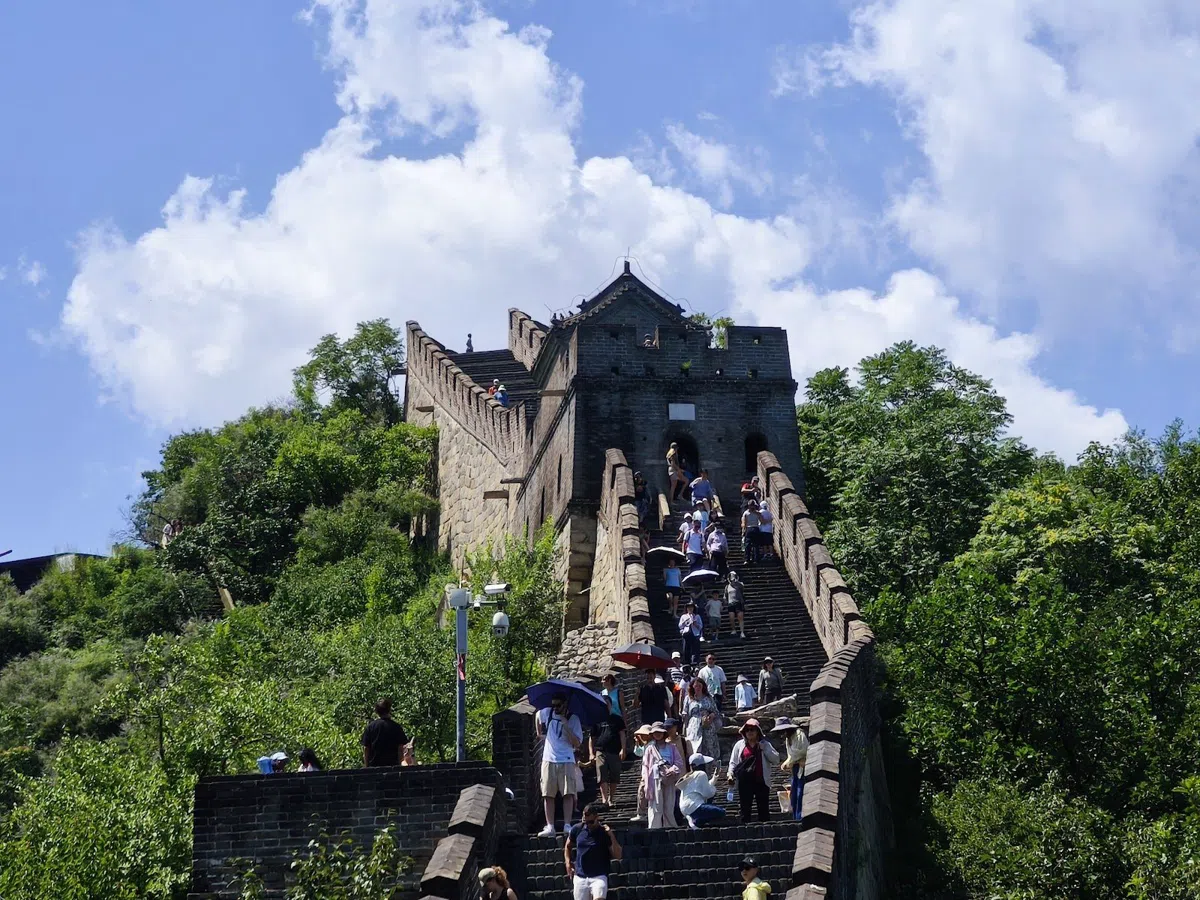
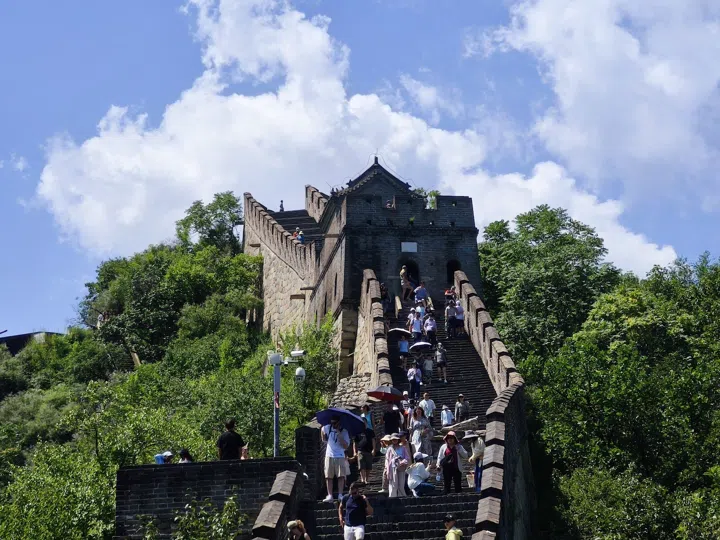 Where to live · BeijingBeijing's Day-Trip Duel with the Crowds: Conquering the Great Wall at MutianyuCorporate district with transport and dining info
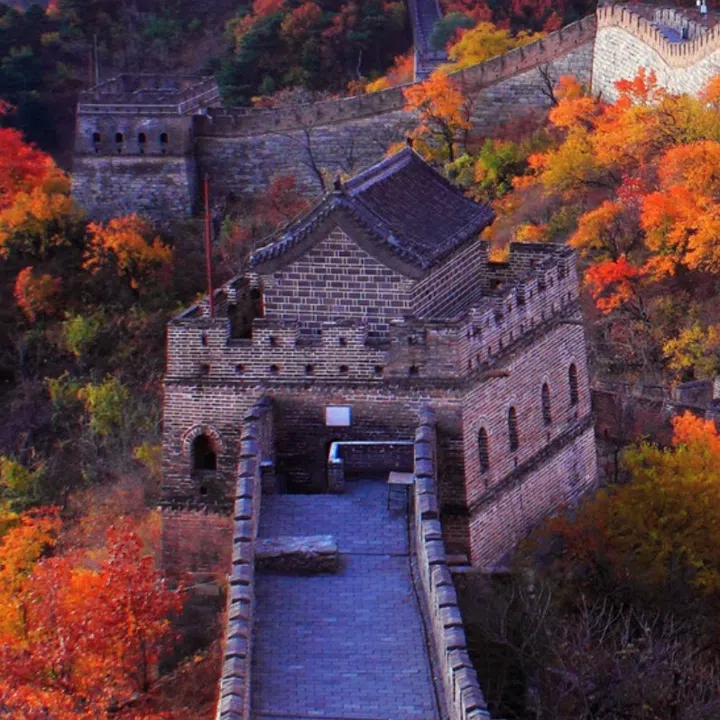 Where to live · BeijingThe best Mutianyu Great Wall tours for first-timers in BeijingCentral district with museums, restaurants, walkability
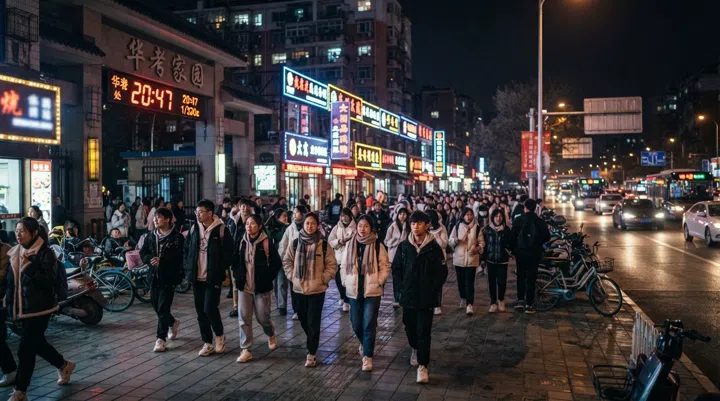 Where to live · BeijingWudaokou, Beijing: the student quarter that eats, studies and stays up lateNeighbourhood with monastery, coffee, and local rhythm
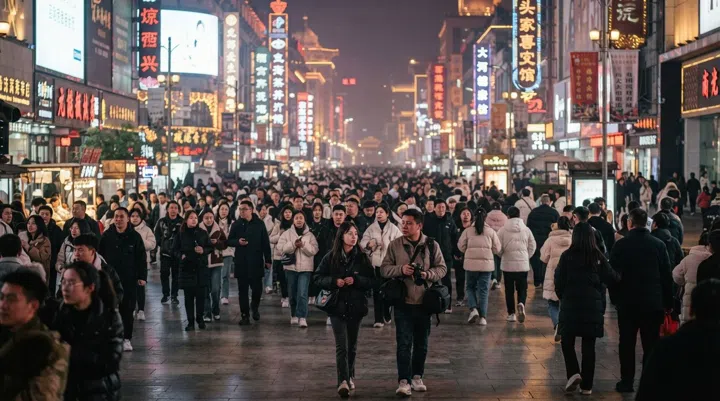 Where to live · BeijingWangfujing, Beijing: the city’s most practical first baseStudent quarter with 24-hour cafes and bars
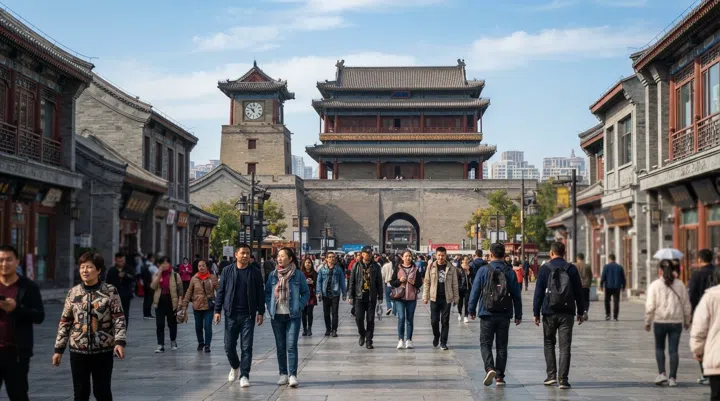 Where to live · BeijingQianmen & Dashilar, Beijing: where old commercial China still haggles, steams and sellsCosmopolitan nightlife and shopping neighbourhood
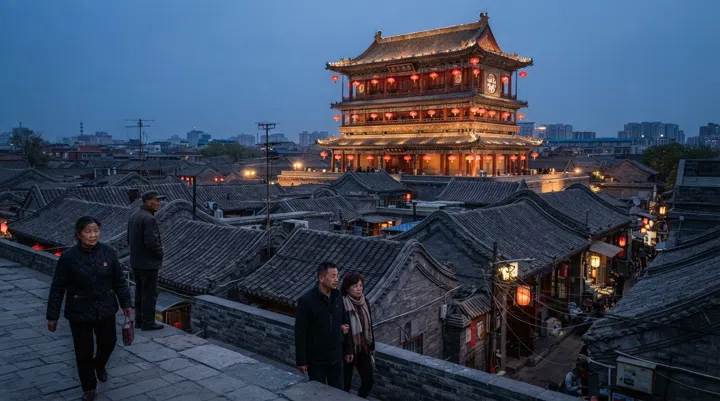 Where to live · BeijingGulou & Beiluoguxiang, Beijing: Drum Towers, Courtyards and Late-Night BeerMerchant quarter walk with local shopping and food
 Where to live · BeijingGuanyuan & Xicheng Lakes, Beijing: Water, Willows and Old BeijingOld Beijing quarter with nightlife and coffee spots
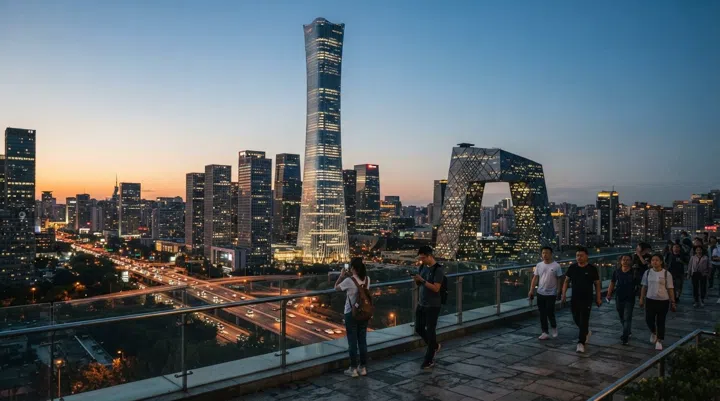 Where to live · BeijingChaoyang CBD, Beijing: glass towers, sky bars and the city’s sharpest modern addressNeighbourhood with food, culture and lakeside bars
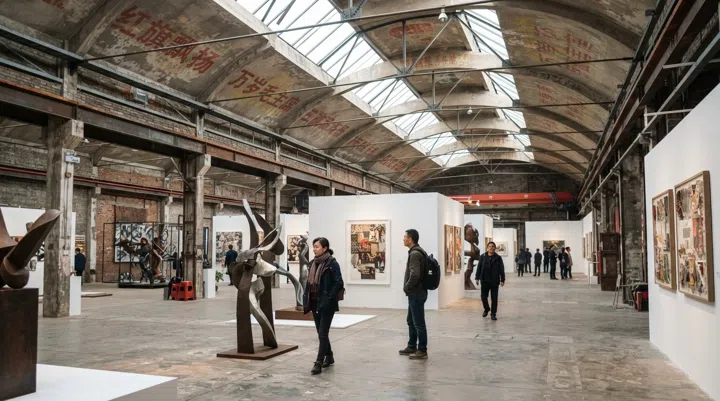 Where to live · Beijing798 Art District, Beijing: Factory Bones, Gallery LightWalkable hutong neighbourhood with arrival and route tips
Where to work
1 piece by the writers on the ground
The kit
Some links pay us a commission
- eSIM before you landAiralo
- Nomad insurance, monthlySafetyWing
- A multi-currency accountWise
- Visa applications, handlediVisa
- A VPN for the bankNordVPN
A first week before the flat: the Beijing hotel directory