Berlin · Getting around · 12 min
Getting Across Berlin Without Losing Half Your Day
Fares, the Ringbahn trick, the €6 taxi rule and the bike lanes that actually connect: how to cross Berlin in 2026 without losing an afternoon on a platform.
Berlin does not have one centre. It has half a dozen, the legacy of a city that spent forty years as two, each half with its own transport spine, its own shopping street and its own idea of where the middle was. That history is why a route that looks trivial on a map can eat an hour, and why people who live here plan journeys by line rather than by distance. Learn four or five habits and the city shrinks to a manageable size; ignore them and you will spend your afternoons standing under the departure board at Alexanderplatz wondering where the day went.
Buy the ticket before you touch the platform
BVG (Berliner Verkehrsbetriebe, the operator behind the whole city network) runs nine U-Bahn lines, 22 tram lines, the bus network and a handful of ferries, and one ticket covers all of it. The zones are the first thing to understand and the thing visitors most often get wrong. Zone A is the inner city inside the Ringbahn, B stretches out to the edge of the built-up districts, and C reaches the outer towns and the airport. An AB ticket is right for almost everything you will want to see. It is not right for arriving.
Fares for 2026 are €4.00 for a single AB, €2.80 for the Kurzstrecke short-hop ticket (three stops on the U-Bahn or S-Bahn, six on bus or tram, no changes), €11.20 for 24 hours in AB and €12.90 for 24 hours across ABC. There is no gate line anywhere in Berlin, no barrier to push a ticket into, and that is exactly the trap. Buy before you board: buses take no cash at all, and a paper ticket bought from a machine is worthless until you stamp it in the small yellow or red box on the platform or inside the vehicle. Inspectors work in plain clothes, board in pairs and are unmoved by tourist confusion. An unstamped ticket is a €60 fine, collected on the spot.
Groups have a genuinely good option here. The 24-hour Kleingruppenkarte costs €35.30 in AB and covers up to five people travelling together on the single ticket. Do the arithmetic before you buy it: three separate day tickets come to €33.60, so the group card only starts winning at four people, where five individual cards would cost €56. There is no booking and no door policy. You all just get on together.
The Ringbahn is the map you actually need
The most useful orientation trick in this city belongs to S-Bahn Berlin (the commuter rail arm, sharing every VBB ticket with BVG, so your day card works on both without a thought). The Ringbahn, lines S41 and S42, is a 37.5 km closed loop around the inner city that never terminates. It runs clockwise and anticlockwise forever, which means you can use it to cut cleanly across town instead of riding into Mitte, changing, and riding back out again, which is what every first-time visitor does. If your start and end points both sit near the Ring, take the Ring. Crossing the middle is almost always the slower move.
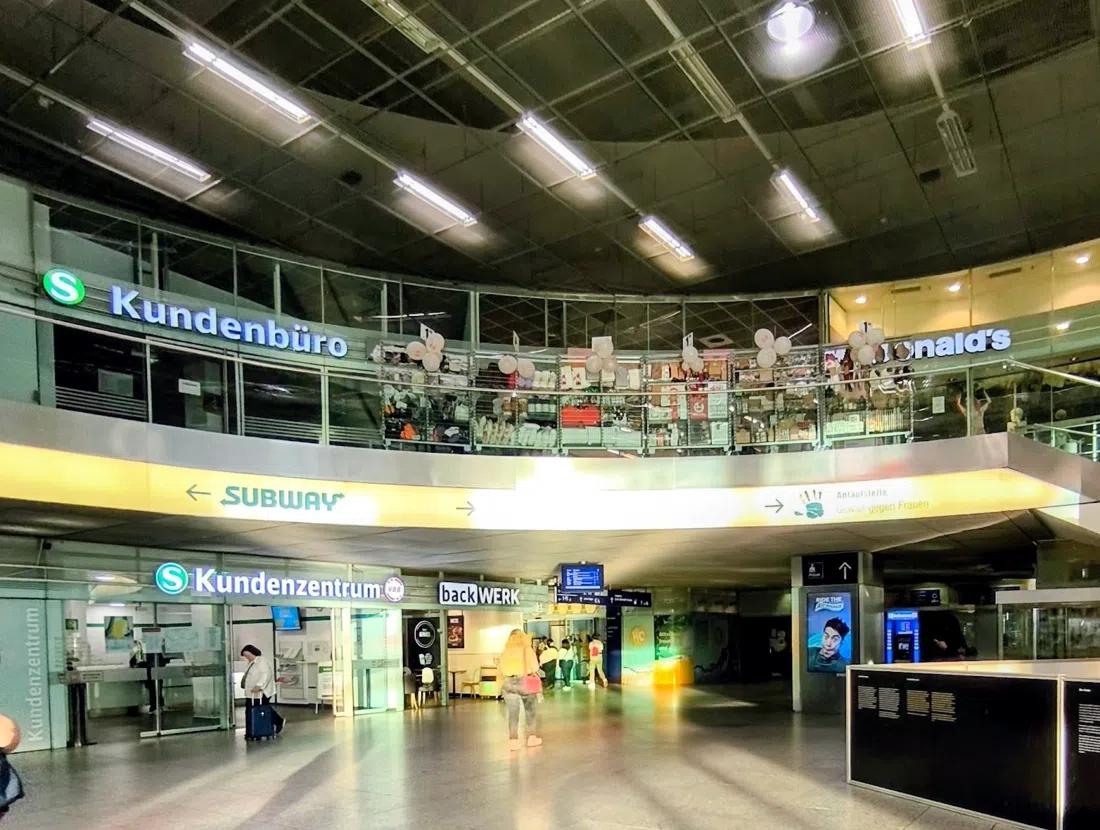
The other half of the S-Bahn worth knowing is the Stadtbahn, the elevated east-west viaduct that carries you through Hauptbahnhof, Friedrichstraße, Hackescher Markt and Alexanderplatz on a raised line with a view. It is the closest thing Berlin has to a sightseeing train that is not a sightseeing train.
Two caveats for 2026. The A100 motorway bridge rebuild between Halensee and Westend still forces intermittent weekend closures on the western arc of the Ring, and will until the new spans are finished in 2027, so check the line status before you plan a Saturday crossing through the west. And a new short line, the S15 between Gesundbrunnen and Hauptbahnhof, opened on 15 June 2026, which is handy if you are staying north of the centre and heading for a mainline train.
Coming in from the airport without paying taxi money
FEX Airport Express (DB Regio Nordost, running between BER and the central stations) is the answer to the airport question and has been since the Dresdner Bahn upgrade opened in December 2025. It takes 23 minutes to Hauptbahnhof, 19 to Potsdamer Platz and 14 to Südkreuz, and runs four times an hour from 04:00 until 01:00. It is an unreserved regional train with wide vestibules and proper luggage racks, so a group with cases simply walks on, with nothing to book and no queue for a seat reservation.
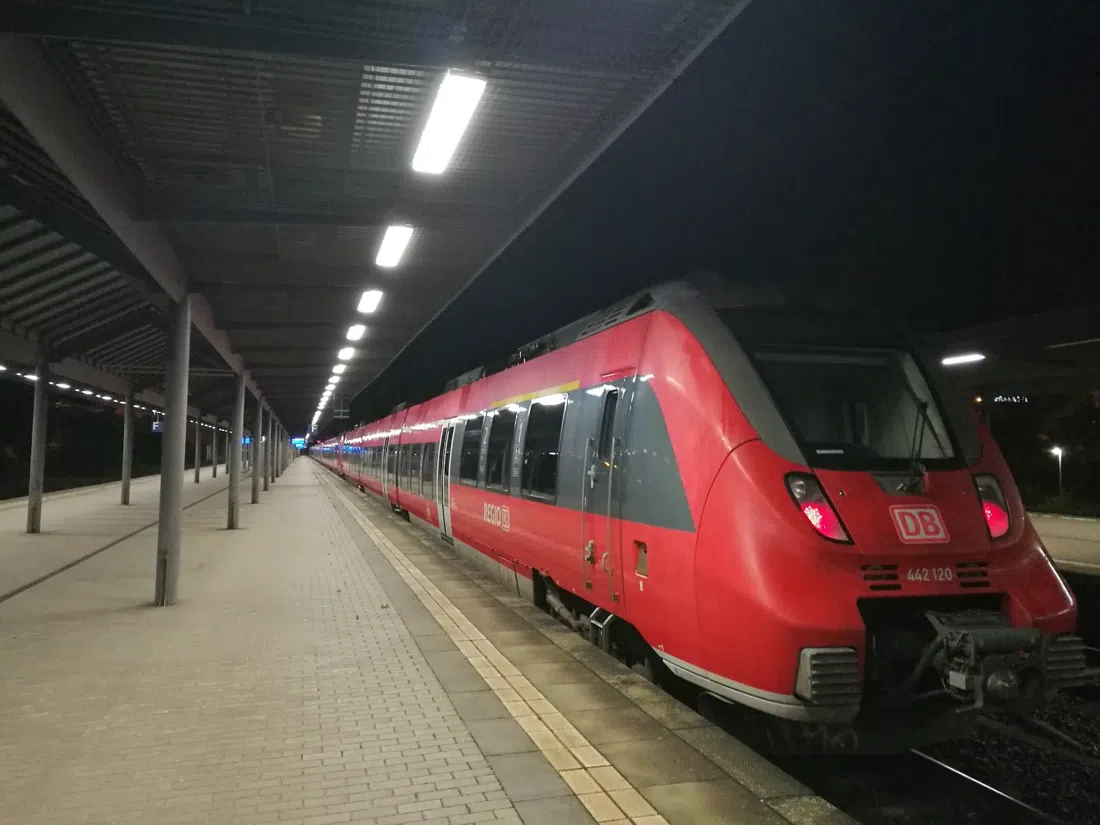
The ticket is €5.00 as an ABC single, or free within an ABC day ticket. This is where the zone trap bites: the airport is in zone C, so the AB ticket you have been using all week is not enough, and an inspector on the FEX is not going to take your word for it. Set against an airport taxi at roughly €58 to €63, the train is hard to argue with unless you are four people with a mountain of luggage at an hour when nothing else is moving.
Where you sleep shapes how much of the network you will actually need. A bed inside the Ring means most of your days start with a ten-minute walk rather than a change at Friedrichstraße, so it is worth filtering a Berlin hotel search by proximity to a U-Bahn line before price.
The tourist card only pays off if you were spending anyway
Berlin WelcomeCard (visitBerlin, sold online and at every Tourist Info desk including the airport and Hauptbahnhof) bundles unlimited transport with a book of discounts. Classic AB runs from €28.50 for 48 hours up to €58.50 for six days; the Museum Island version is €62 for 72 hours; All-Inclusive starts at €99. It is sold per person, never per group, so a family buys four.
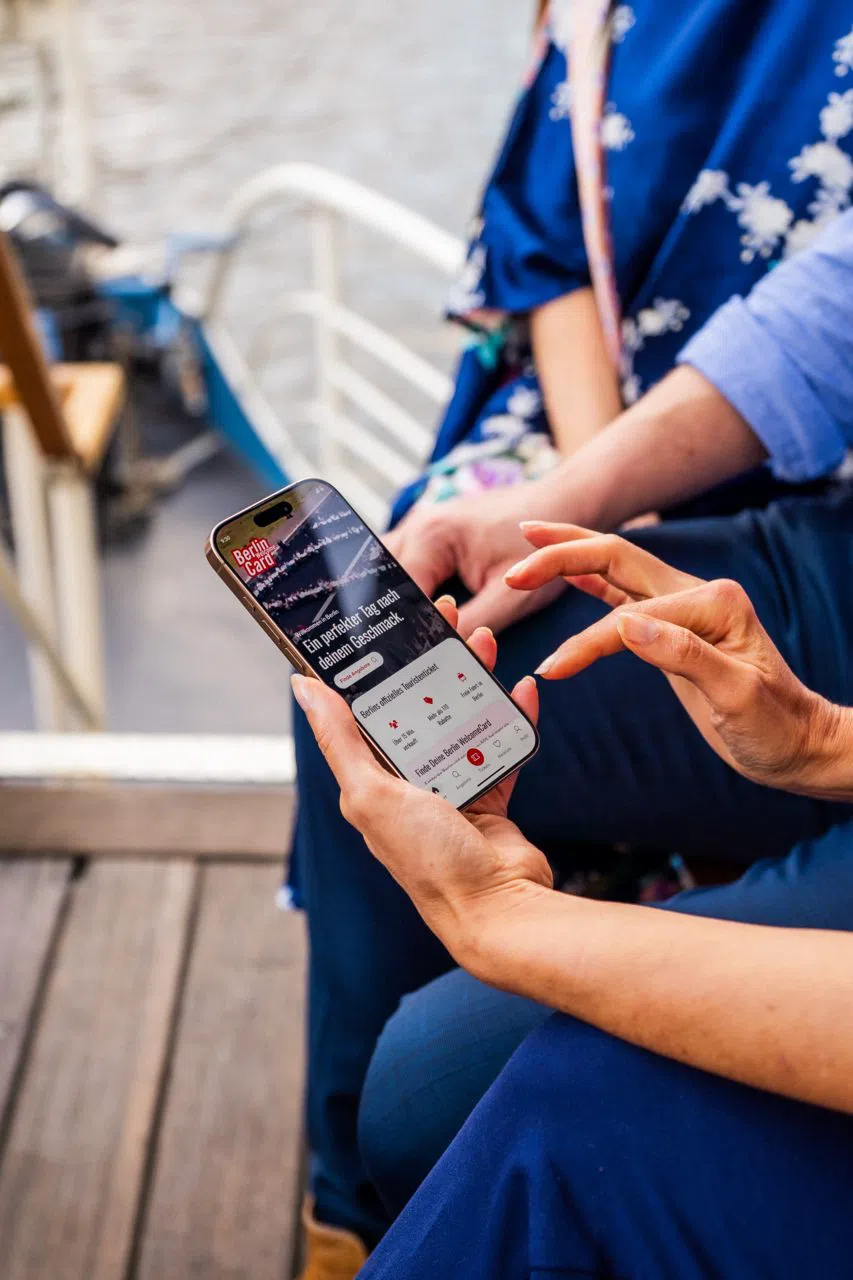
Be honest with yourself about the maths. Two 24-hour AB tickets cost €22.40, so the 48-hour card is already €6 more before you have saved anything. It wins only if you would otherwise be paying full museum admission and using the discounts properly. If you are arriving or leaving through BER, buy the ABC version. The AB card stops short of the airport and leaves you at a machine with your bags, buying an extension you should have bought at the start.
One app instead of six
Jelbi (BVG's own mobility app, with more than 340 physical hubs across the city) does the most work of any app here. It puts public transport tickets, Miles and Sixt share cars, Emmy e-mopeds, and Lime, Bolt, Dott and Voi scooters and e-bikes behind one login, which spares you the tedium of installing six apps and entering a card into each. Nothing is booked in advance and there is no group function, so each rider needs their own account. A group can still split across several vehicles at one hub and regroup at the other end.
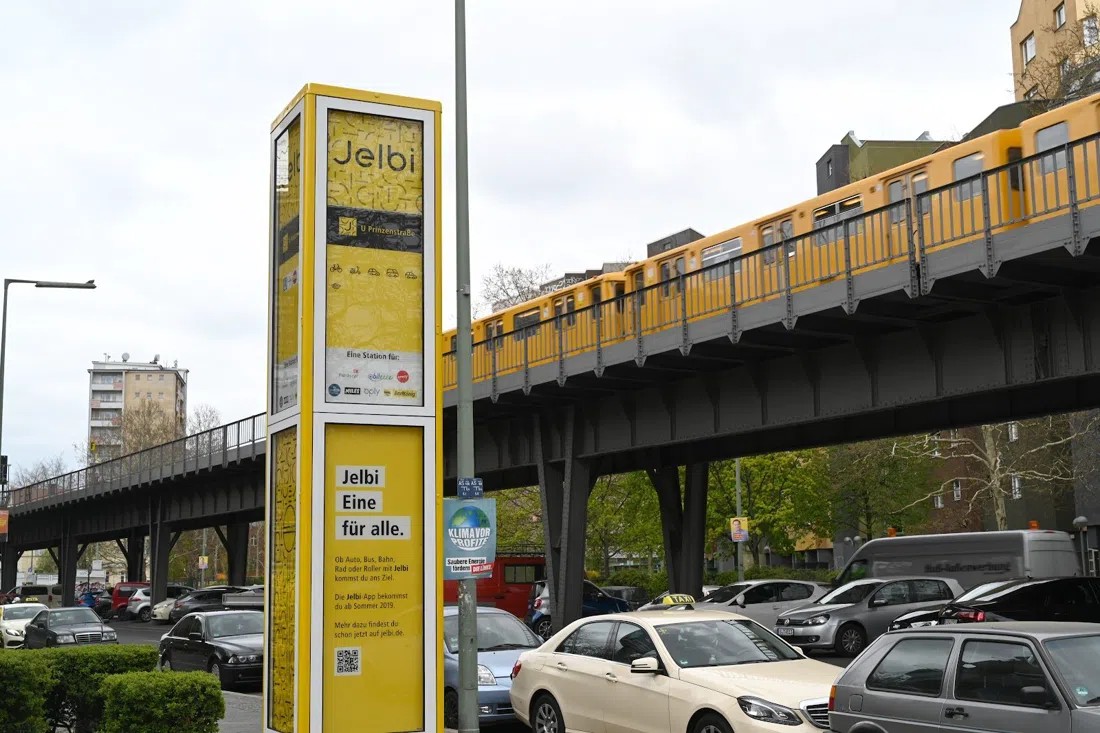
The app also still lists nextbike, whose city-wide Berlin fleet was ordered off public streets by the Higher Administrative Court in January 2026. What survives is a small campus scheme out in Berlin-Buch, so do not plan a day around finding one.
Scooters, e-bikes and the parking rules that cost money
Berlin is flat, and its protected bike lanes along the big boulevards are wide and continuous, which changes the calculation between two wheels and two feet. Lime (dense across the central districts) is the clearest example. Its e-bikes are the useful half of the fleet rather than its scooters, because on a long straight like Karl-Marx-Allee or Kurfürstendamm an e-bike simply covers ground a scooter cannot, and you are forbidden from riding a scooter on the pavement anyway. Check the blue-outlined parking zones in the app before you end a ride.
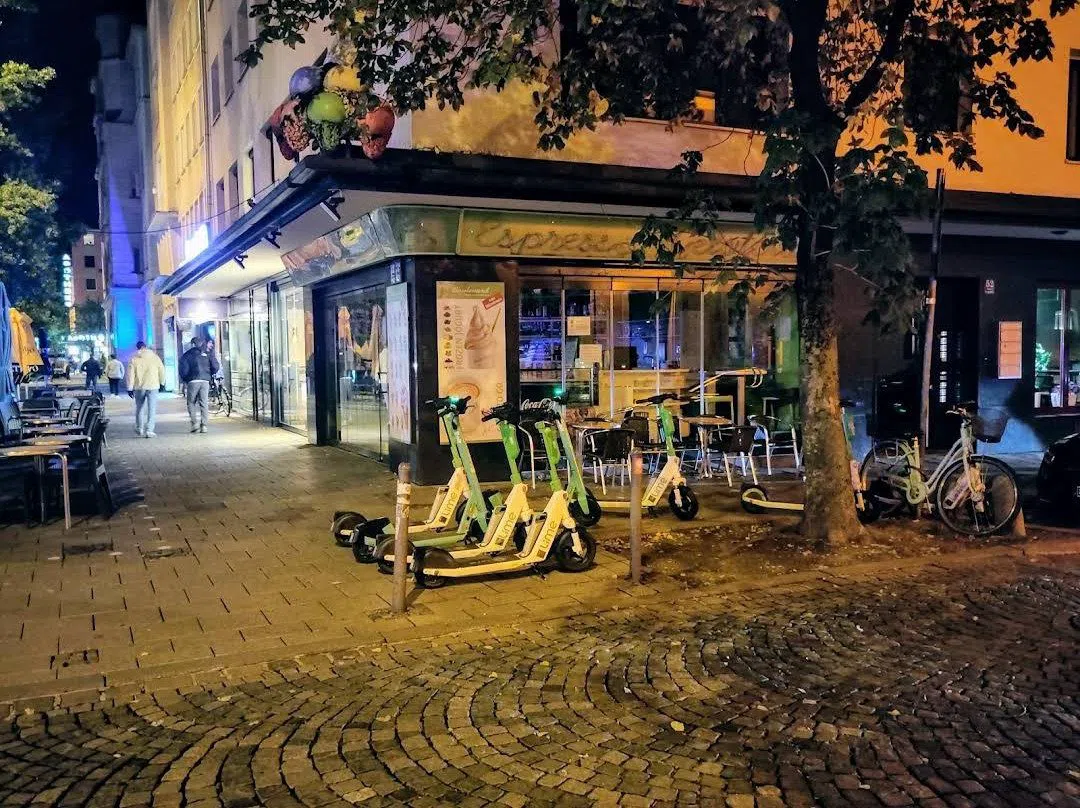
Bolt (also concentrated inside the Ring) earns its place by doing two jobs from one app. Berlin.de lists five cents a minute for its scooters with no unlock fee, which you should treat as a floor rather than a quote, so check the live rate before you unlock. The same app hails a car, roughly €10 to €18 across the centre, which is what you want at two in the morning when you are on the wrong side of town. Past the Ring, the fleet thins out fast.
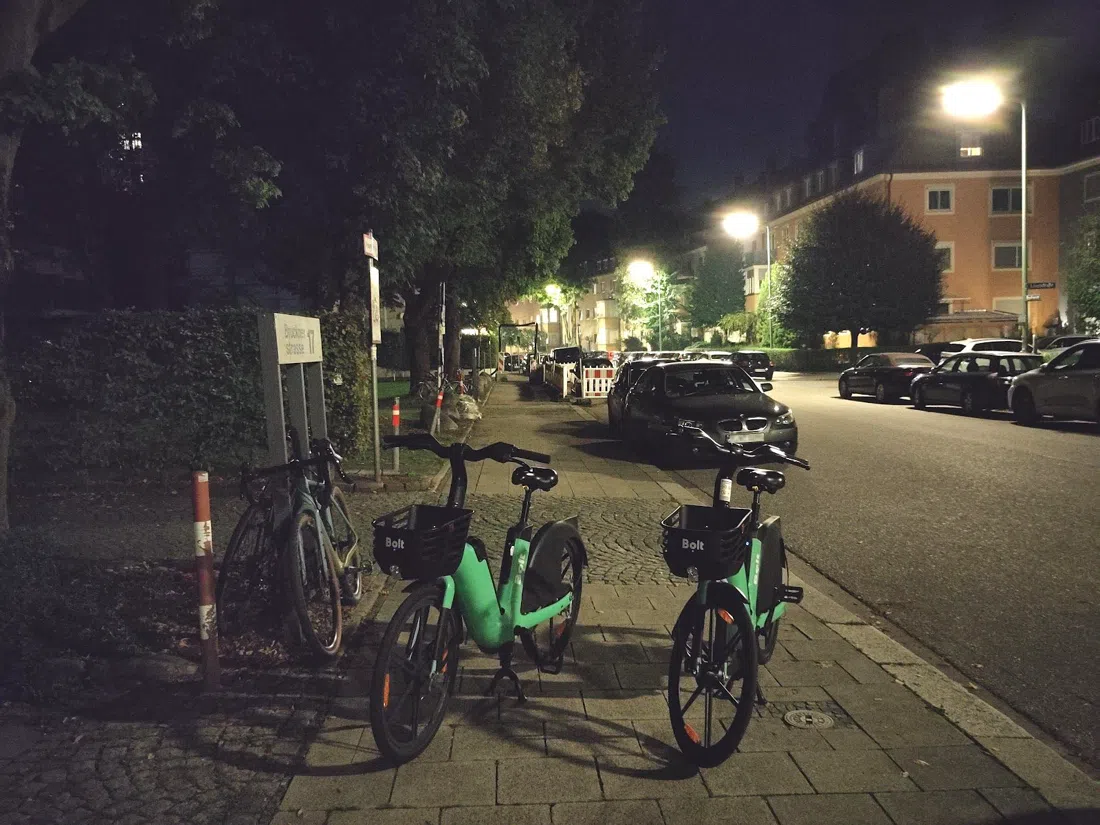
Dott (formerly Tier, city-wide) charges €1 to unlock and then bills by the minute. The rebrand completed on 21 October 2024, so ignore any guide still telling you to download Tier. Berlin now also bans parking a shared scooter within 100 metres of a Jelbi station, and the police can remove a badly parked one at €62 a vehicle. All three operators require individual accounts, and one person cannot reliably unlock four vehicles at a busy hour, so a group should sort out accounts over breakfast rather than on a kerb.
When you want a real bike and a route that connects
Dockless bikes are fine for a hop. For a day, you want a bike that fits you and a route that makes sense. Berlin on Bike (Prenzlauer Berg, through the archway at Knaackstraße 97, 200 metres from Eberswalder Straße on the U2) is the best introduction to the city's geography I know, because the guided routes run 12 to 20 km and teach you which bike lanes actually join up, which pays off for the rest of your stay. Public tours cost €24 to €27 and run with six to ten riders, capped at fifteen; private groups book online with a custom route, from €35 per person, and anything over sixteen people is split across two guides. Rentals start at €15 a day, e-bikes at €40, and the shop runs 09:00 to 19:00 daily.
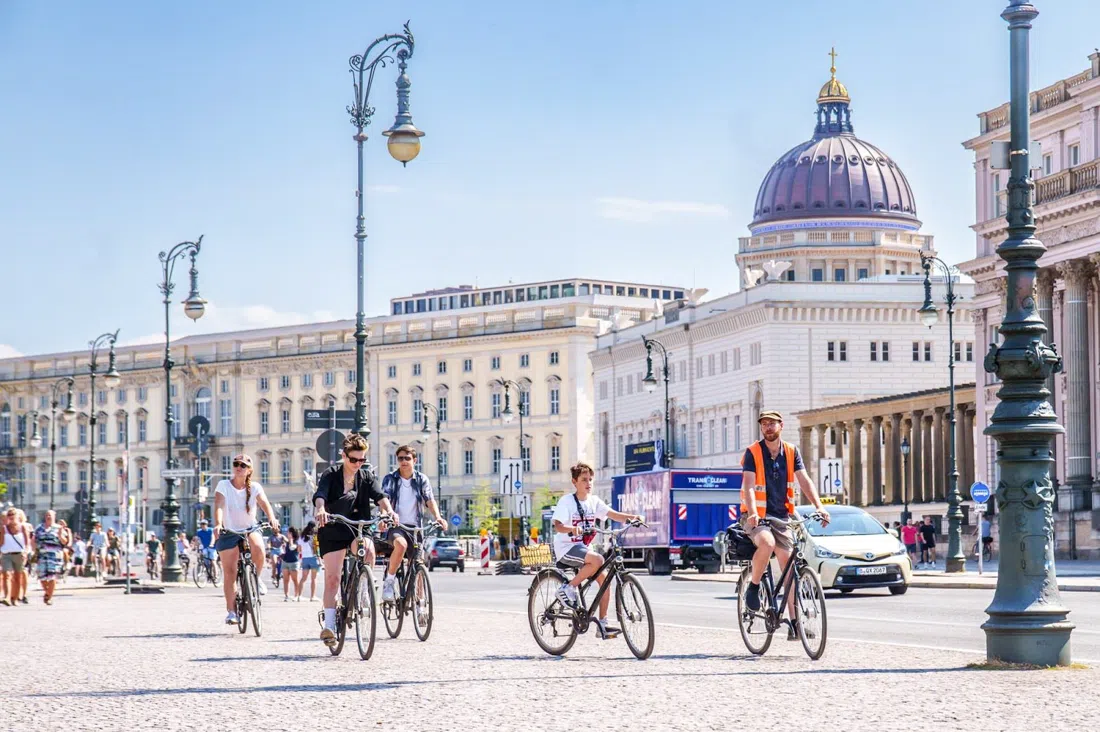
Fat Tire Tours Berlin (Mitte, at the base of the TV Tower) runs the larger fleet of the two big operators, over 500 bikes, and has the easiest meeting point in the city to find (you cannot miss the tower). Tours run €35 to €69, and it keeps an explicit private-tour desk with bookings from around €300 and up past €650 for bigger groups, which suits a company outing or an extended family far better than trying to squeeze onto a public departure.
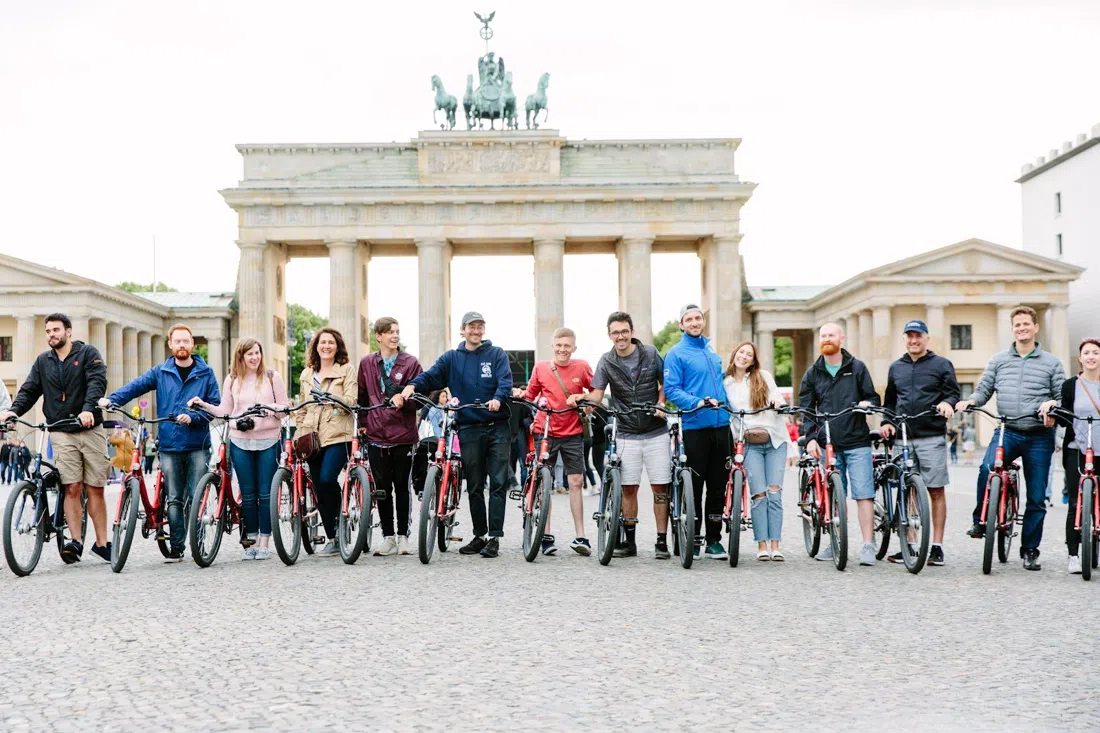
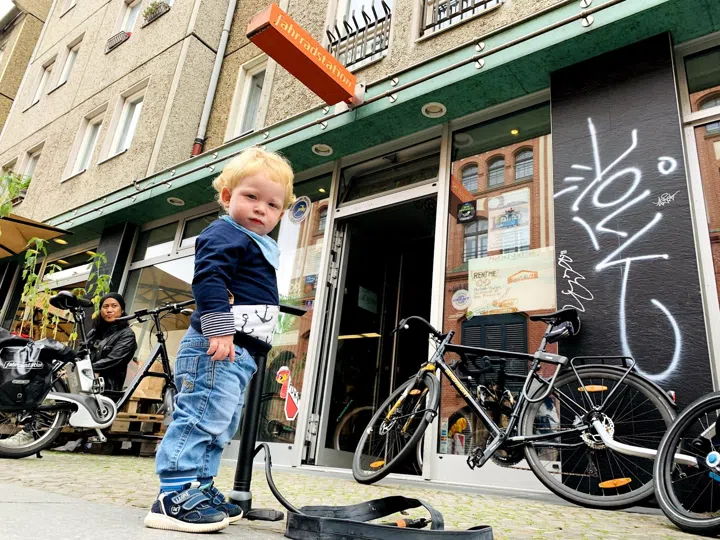
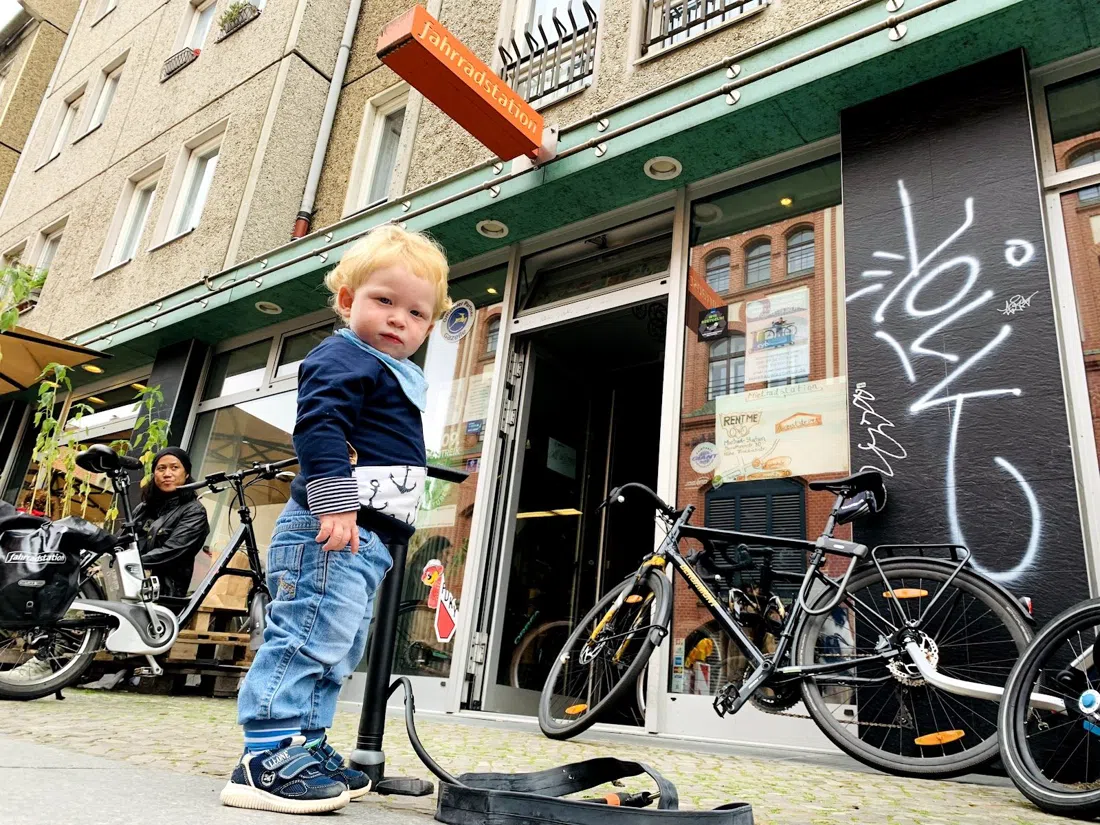
Fahrradstation (Mitte, two central pick-up points) is the choice for several days rather than several hours. Berlin's oldest bike shop, trading since 1992, it rents properly maintained trekking bikes from about €25 a day on the Monday-to-Thursday weekday rate, for periods from one day to a month. Bring ID and a credit card. It also has the two oddest machines in this list, seven- and eight-seat conference bikes that carry an entire group on one frame. It runs guided tours in five languages, and it will store your luggage while you ride, which solves the awkward gap between checkout and a late train.
Cars, vans and the run out to the lakes
Driving inside the Ring is usually the slow choice, and parking will cost you your temper. There is one clear exception. MILES Mobility (free-floating across the city, with pick-up bays on deck P4 at BER Terminal 1) bills by the kilometre rather than the minute: from €0.79/km plus a €1 unlock, or €34.99 for three hours and €49.99 for a day, with vans from €1.09/km. That is the right way round in a city where you will sit in traffic on the arterials that cross the Ring, because a queue stops costing you money. For a group with luggage, or a day out to the lakes on the city's eastern and western edges, it is the sensible option. One named driver per booking; anyone else who wants to drive must be registered first.
Taxis, the Kurzstrecke and the late run home
Taxi Berlin (the cream-coloured metered fleet, at ranks by every station) is regulated rather than surge-priced, which makes it predictable in a way ride-hailing in other markets is not. The meter starts at €4.30, then €2.80/km for the first three kilometres, €2.60 to seven, and €2.10 after that. BER to the centre lands at roughly €58 to €63.
Visitors rarely hear about the Kurzstrecke. Flag a cab on the street (not at a rank, not by phone, not through an app) and say the word the moment you sit down, and any trip under two kilometres is a flat €6. It is the cheapest way to cross a river or rescue a late night. Drivers are not obliged to take every card, so keep some cash on you. Estates and vans take four, sometimes more if you ask at the rank.
Freenow by Lyft (city-wide, app only) hails licensed Berlin taxis rather than private cars, at the same metered tariff plus the occasional app fee. That licensing is why it tends to be the reliable one for an early airport run with bags: you can request a larger vehicle in-app for four or more people, and a real taxi turns up. It kept the Freenow name after Lyft completed the acquisition in July 2025, so that double-barrelled branding is correct and not a clone. None of it carries child seats.
Crossing the city by water
STERN+KREIS Schiffahrt (jetties at Friedrichstraße, Hackescher Markt and the Uber Arena) is the largest operator on the Spree and the lakes, with 30 routes and prices from €20.50 to €59.50. The one-hour historic city run, from €22.50, is the fastest way to take in the government quarter and Museum Island without walking the length of both; the 2h15 city tour is €30.50, and trips out on the Müggelsee start at €22.50. Groups are welcome on scheduled sailings and whole vessels can be chartered. The boats keep running through the shoulder season, when the open decks get properly cold. Sit inside, or bring the coat you were not planning to bring.
Ninety minutes of Cold War in a two-stroke
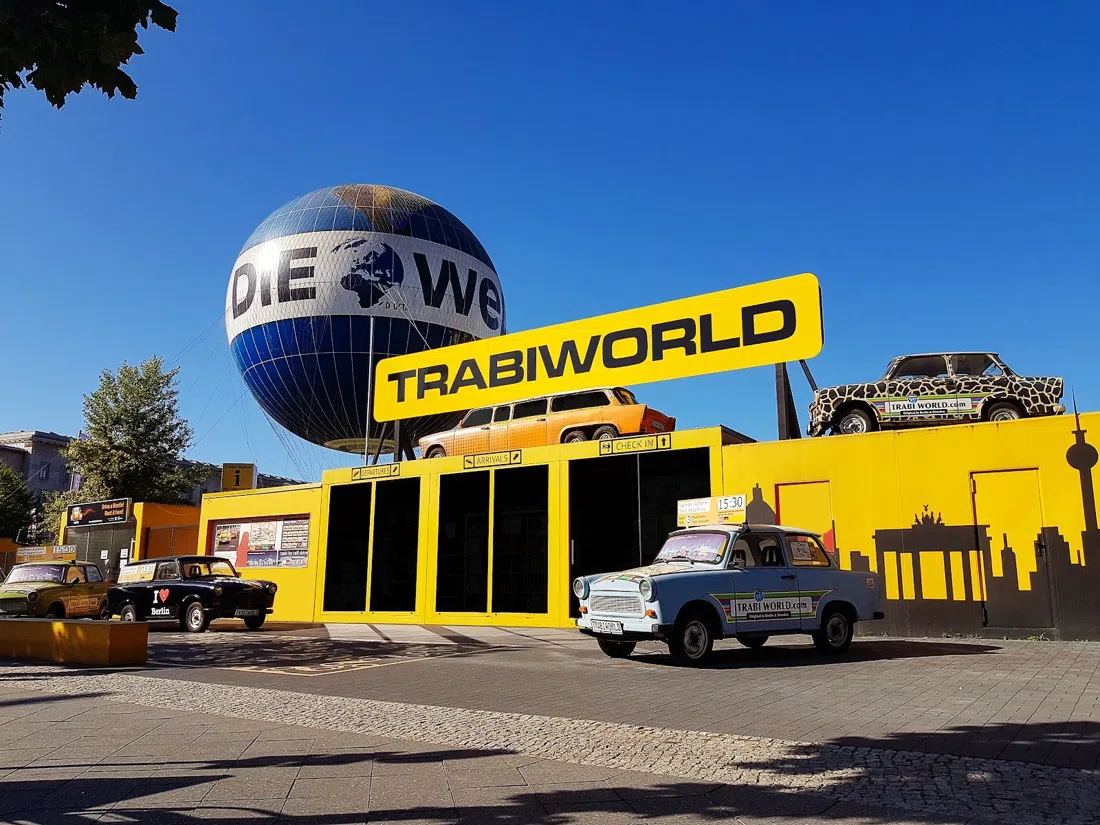
TrabiWorld (Zimmerstraße 97-100, on the old border strip near Checkpoint Charlie) is a tour rather than transport, and worth the distinction. You drive the two-stroke yourself in a radio-linked convoy past Potsdamer Platz, the Brandenburg Gate, the East Side Gallery and the Oberbaumbrücke, which puts more Cold War ground behind you in 75 minutes than a walking day manages. From roughly €80 a head, in 1h15 compact or 2h15 XXL routes, up to four per car, every day of the year. Because the convoy is radio-linked, a party of ten or more stays together across several cars instead of fragmenting, which is rare in group sightseeing. A standard driving licence is all you need. For what to point the convoy at afterwards, the wider Berlin guide covers the districts in more detail.
Practical notes
On transport, default to an AB day ticket at €11.20 and upgrade to ABC on airport days. Buy in the app, or stamp the paper ticket the second you buy it. Use the Ringbahn to cross town rather than the middle, and check the western arc for weekend engineering work before you rely on it.
Berlin is further behind on cards than visitors expect. Buses take no cash for tickets, but plenty of bakeries, kiosks and taxi drivers take nothing else, so carry €40 to €50 in notes and coins as a matter of course.
Autumn is the best season to move around here: mild, dry more often than not, the boats still sailing. Plan for dark by six in late October, and remember that the lit streets are the main ones. The bike lanes on the side streets are not.
A realistic transport day is €11.20 for the day ticket, €5 to €10 in scooter or e-bike unlocks if you use them, and €6 for one Kurzstrecke taxi when you misjudge a distance, so call it €25 a person. Add €22.50 for a boat hour or €24 for a guided bike morning, and you have a full day of movement for well under €60 without ever waiting for a transfer you did not plan.
13 September 2026 · a first week before the flat: the Berlin hotel directory