
Colombia · the visa
Bogota
Bogotá suits a remote worker who wants a big, working city with dense coworking, specialty coffee and one-bed rents well under a thousand dollars in the northern districts. The catch is a peso that has strengthened about a fifth in a year, a capital where the safe map is drawn by district, and rain in most months.
- A month · September 2026$1,090–1,440Coworking6 spacesPieces18
The sheet
Researched 8 September 2026 · figures hold for September 2026
- One-bedroom flat, Chapinero (unfurnished)
- COP 1,200,000–1,800,000 ($380–575)
- Central Chapinero listings, April 2026; Chapinero Alto around Calle 72 runs COP 1,800,000–2,500,000 ($575–800)
- Coworking hot desk, month
- COP 550,000–840,000 ($175–270)
- WeWork coworking membership COP 713,741–839,695 shown September 2026; Plugin fixed desk about COP 550,000 (September 2025 figure)
- Coworking day pass
- COP 37,500–50,000 ($12–16)
- Emprendu and Cowork 93 about COP 50,000, Co-Work Latam about COP 37,500 (September 2025); HubBOG lists €16 a day, September 2026
- Prepaid mobile data, Claro
- COP 30,000–100,000 ($10–32)
- 30-day packages from COP 30,000 with 12 GB up to COP 100,000 for 80 GB; a 7-day 2 GB package is COP 9,000 (prices listed April 2026)
- Home fibre, month
- COP 50,000–97,000 ($16–31)
- 100–300 Mbps packages from Claro, Movistar or Tigo, September 2026; a second guide puts a 60–100 Mbps line at $20–30
- TransMilenio or SITP single fare
- COP 3,550 ($1.13)
- Unified fare since 14 January 2026; free transfers within 125 minutes only with a personalised TuLlave card
- TransMiPass, 65 trips
- COP 160,000 ($51)
- Price held from 2025; the nearest thing to a monthly pass
- Furnished one-bed, Teusaquillo
- COP 1,200,000–1,800,000 ($380–575)
- April 2026; unfurnished in the same district COP 800,000–1,400,000 ($255–450)
A month in Bogota
COP (Colombian peso); USD equivalents at the official TRM of about COP 3,130 per dollar on 7–8 September 2026COP 3,400,000–4,500,000 ($1,090–1,440) — the range spanned by three 2026 guides' single-nomad budgets including a furnished rental, coworking, food and transport, converted at the September 2026 rate; pushing above COP 6,000,000 ($1,900) is easy in Chicó with a private flat and full-time desk.
Fixed lines are the strength: Claro, Movistar and Tigo fibre at 100–300 Mbps for COP 50,000–97,000 ($16–31) a month in September 2026, with a second guide quoting 60–100 Mbps at $20–30; the crowd-sourced nomad index still shows an 11 Mbps average, which reads as stale against current fibre packages and member comments that the internet is great. Cafés indexed in September 2026 average about 25 Mbps. On arrival the SIM to buy is Claro prepaid, activated with a passport in any Claro shop: a 7-day 2 GB package is COP 9,000 ($2.90), 30-day packages start at COP 30,000 ($10) for 12 GB and top out at COP 100,000 ($32) for 80 GB, all with unlimited WhatsApp, prices listed April 2026. Airalo and Holafly eSIMs work for the first days but cost more per gigabyte than a local package. Public wifi on TransMilenio is not usable for work.
Where to work
- WeWork (five sites: Calle 81, Carrera 11B at Calle 99, Carrera 7 at Calle 116, Carrera 19 at Calle 100, Calle 26) · Zona Rosa, El Chicó, Santa Bárbara and Salitreday Not listed on the Bogotá page, September 2026 · month COP 713,741–839,695 ($228–268) coworking membership, September 2026The most locations and the only chain with a published peso price; the Calle 81 and Carrera 11B sites sit in the districts nomads actually rent in
- HubBOG · Chicó Norte, Calle 98 #18-71day €16 (about COP 58,000 / $19), September 2026 · month €300 (about COP 1,090,000 / $350) desk, September 2026Startup-oriented house that long-term members on nomad forums still name first; priced in euros by the listing site
- Plugin Coworking · Chicóday About COP 49,000 ($16); hourly COP 16,000 (September 2025 figures) · month About COP 550,000 ($176) for a fixed desk (September 2025)Hourly billing suits a nomad who mostly works from cafés and needs a desk for calls
- Tinkko Ecotek · Parque de la 93day Not published · month About COP 1,200,000 ($383) dedicated desk (September 2025)A 6,000 square metre campus beside Parque 93, the largest single workspace in the city
- Emprendu · El Chicó–Chapinero borderday About COP 50,000 ($16) (September 2025) · month About COP 700,000 ($224) and up (September 2025)Weekly passes at COP 200,000–300,000 make it the sensible first-week option
- Panda Lab · Santa Bárbara, Carrera 8B #106-45day Not published · month €300 (about COP 1,090,000 / $350) desk, September 2026Quieter northern base near the Carrera 7 corridor for those living toward Usaquén
Cafés that tolerate laptops
- Café 18 · El ChicóSpecialty roaster set up for long stays: sockets, quiet room, wifi measured at about 25 Mbps; open 7:30 to 17:00 so afternoons run short
- Casa Café Cultor · ChapineroGarden patio with gas heaters for the cold afternoons, sockets, open until 19:30; rated good for laptop work by both café indexes
- Bogotá Coffee Roasters · TeusaquilloAmple plug sockets throughout, quiet, open 9:00 to 18:00 and to 20:00 Friday to Sunday; the pick for the cheaper side of town
- Libertario Coffee Roasters · ChapineroOpens at 7:00 and runs to 19:30, outdoor patio, reliable wifi; a local roaster rather than a chain
- MASA · Usaquén (also branches south)Bakery-café open 7:00 to 21:00 that explicitly welcomes remote workers; busy at brunch, easy at 15:00
- Azahar Coffee Parque 93 · Parque de la 93Bright, spacious, staff used to solo laptop customers, close to the Chicó coworking cluster
- Colo Coffee Candelaria · La CandelariaStrong wifi and a laptop-friendly policy in the old town for those on a short stay downtown
Where nomads live
- Chapinero (Central and Alto)COP 1,200,000–1,800,000 ($380–575) one-bed unfurnished; COP 1,800,000–2,500,000 ($575–800) in Chapinero Alto, April 2026The default nomad district: cafés, coworking, the Zona G restaurants and TransMilenio on Caracas; the streets between Calles 67 and 82 feel safest, the lower blocks less so at night
- Quinta Camacho and PalermoCOP 1,400,000–2,000,000 ($447–640) one or two bedrooms, April 2026Tree-lined English-style brick streets on Chapinero's northern edge; the best mix of price, quiet and safety in the guides read
- TeusaquilloCOP 800,000–1,400,000 ($255–450) unfurnished; COP 1,200,000–1,800,000 ($380–575) furnished, April 2026Central, residential and cheaper; the blocks near Avenida Caracas are noisier, and it is the district the cost-of-living guides file under local rather than expat
- Chicó and Zona Rosa (Parque 93, El Retiro)COP 2,500,000–4,500,000 ($800–1,440) one-bed, April 2026Where most of the coworking sits and where residents say they stop worrying about safety; priced accordingly
- UsaquénCOP 1,800,000–3,500,000 ($575–1,120) one-bed, April 2026Village feel, Sunday market, consistently the best safety perception; the trade is a slow trip to anything south of Calle 100
The scene in September 2026
Bogotá is the working capital rather than the nomad resort. Coworking clusters along the Carrera 7 and Carrera 11 corridor from Calle 72 to Calle 100, with WeWork's five sites, Tinkko's campus at Parque 93, HubBOG on Calle 98 and a dozen independents priced between COP 550,000 and 1,200,000 ($175–383) a month. Specialty coffee is everywhere and most roasters tolerate laptops through the working day.
Recent members on the nomad index describe a city that is less saturated than Medellín, with fast connections and plenty of desks, and then spend most of their words on traffic and on which side of a street to live. Where a person stays matters more here than in any other Colombian city, and the class divide is stated plainly in the reviews.
How nomads live here
The usual pattern is a furnished flat in Chapinero, Quinta Camacho or Teusaquillo at COP 1,200,000–2,000,000 ($380–640), a hot desk or a rota of cafés, and TransMilenio or a taxi app for anything beyond walking range. A personalised TuLlave card unlocks free transfers for 125 minutes; the anonymous card does not.
Coworking pricing is quoted month to month with no lock-in, and the independents sell weekly passes at COP 150,000–300,000 ($48–96), which is how most first-week arrivals test a district before signing a lease. Rents in the northern districts have moved little in pesos since the spring listings; what has moved is the dollar.
Money and paperwork
The official rate fell from roughly COP 4,000 to COP 3,126 per dollar over the year to 7 September 2026, a drop of about a fifth. A COP 1,800,000 flat that cost $450 in 2025 costs $575 now, and the dollar budgets in older guides should be inflated by about a quarter before use.
Most Western passports get a 90-day stamp, extendable once to 180 days in a year. The digital-nomad visa, tied to three months' minimum wage, requires foreign income of about COP 5,252,715 ($1,680) a month in 2026 plus private health insurance, and grants up to two years; figures still circulating of $1,100 predate the 2026 minimum-wage rise. Cash is accepted everywhere but Nequi and card payments dominate in the north, and a local SIM is needed for most banking and delivery apps.
What recent arrivals report
The consistent line from people who have stayed a while is that Chicó, Rosales and Usaquén need little day-to-day caution, that Chapinero needs it after dark, and that the south of the city is not on the map for a visitor. La Candelaria draws first-week tourists and gets marked down for night-time security, cold and early noise by those who have tried living there.
On the practical side, arrivals praise the fibre and the density of desks, and complain about commutes of 40–60 minutes from anywhere outside the northern strip. Café indexes updated in September 2026 list 28 laptop-tolerant spots across Chicó, Chapinero, Teusaquillo and Usaquén, with the best seats free between 10:00 and 12:00 and again from 15:00 to 17:00.
Seasons
Bogotá sits at 2,600 metres and holds 13–18°C all year, so the question is rain, not heat. The drier windows are December to February and July to September; March is the wettest month at around 165 mm, and the guides describe rain in nearly every month, usually as afternoon showers that clear the smog. Any month works for a base provided the first two or three days are kept light while the body adjusts to altitude; heaters in cafés and a proper jacket matter more than sun cream. Airfares and hotel rates rise around Christmas and Easter, and the city empties and quietens over public-holiday long weekends.
Researched from wework.com · onecoworking.com · medellinguru.com · colombiamove.com · getwherenext.com · thenomadhq.com · nomads.com · selectra.com.co · figures hold for September 2026
Where to live
7 pieces by the writers on the ground
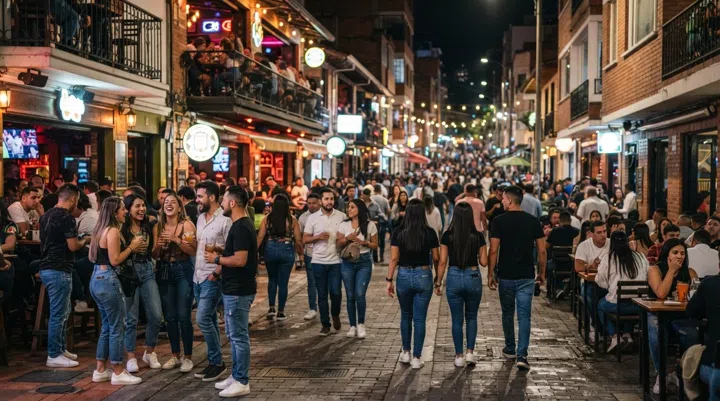 Where to live · BogotaZona T / El Retiro, Bogotá: where the city dresses up after darkZona T/El Retiro's polished, walkable district with nightlife
 Where to live · BogotaZona G, Bogotá: Where the City Goes to DinnerZona G's serious dining scene in quiet six-block grid
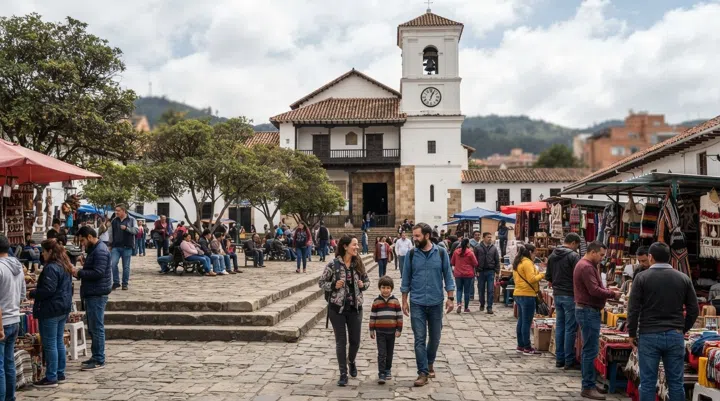 Where to live · BogotaUsaquen, Bogota: a village-slow northside with a Sunday pulseUsaquen's village feel with Sunday market and dining options
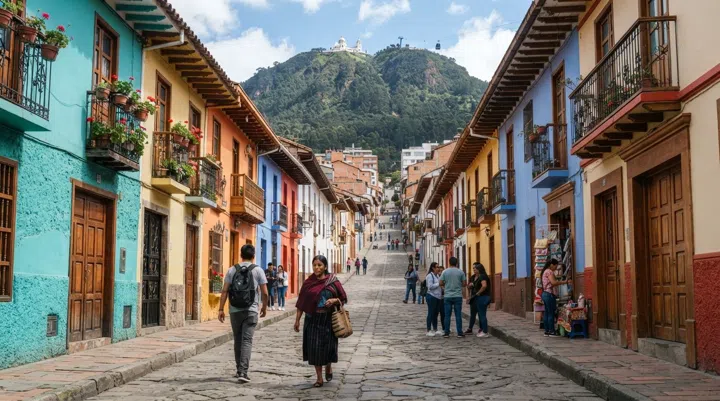 Where to live · BogotaLa Candelaria, Bogota: where the city began and still tells on itselfHistoric, walkable La Candelaria with colonial core described
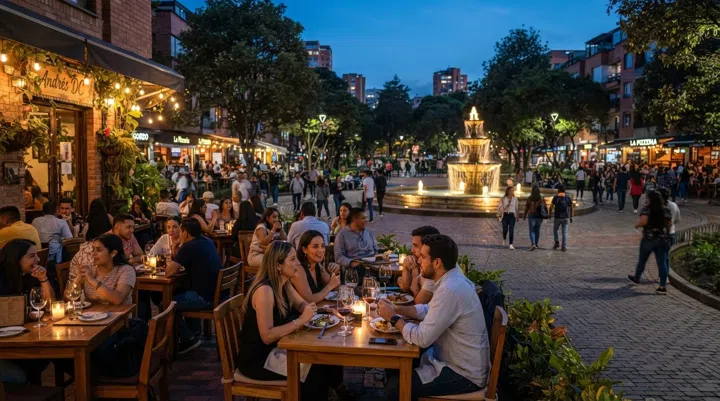 Where to live · BogotaChicó & Parque 93, Bogotá: terraces, trees and the city’s polished northPolished north Bogotá with terraces, parks, and walkability
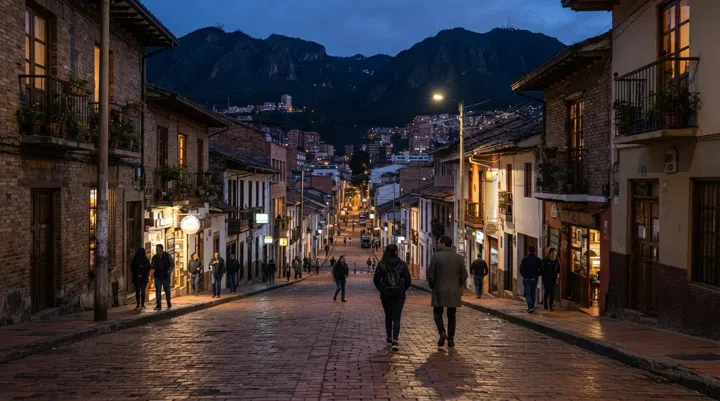 Where to live · BogotaChapinero Alto, Bogotá: where the city eats, drinks and goes outChapinero Alto's food, drink, nightlife on a steep slope
 Where to live · BogotaWhere to Wait Out Bogota's Two O'Clock DownpourUseful for planning daily life around Bogota's rain patterns
Where to work
2 pieces by the writers on the ground
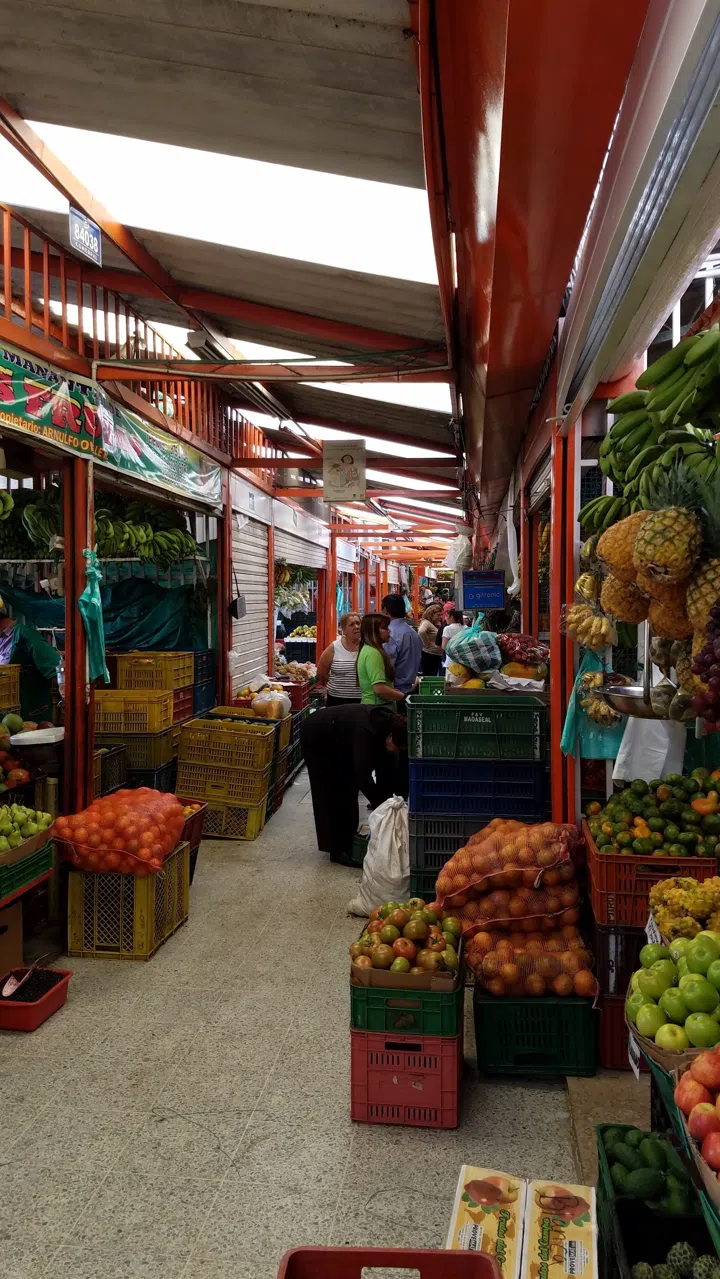
Getting around
1 piece by the writers on the ground
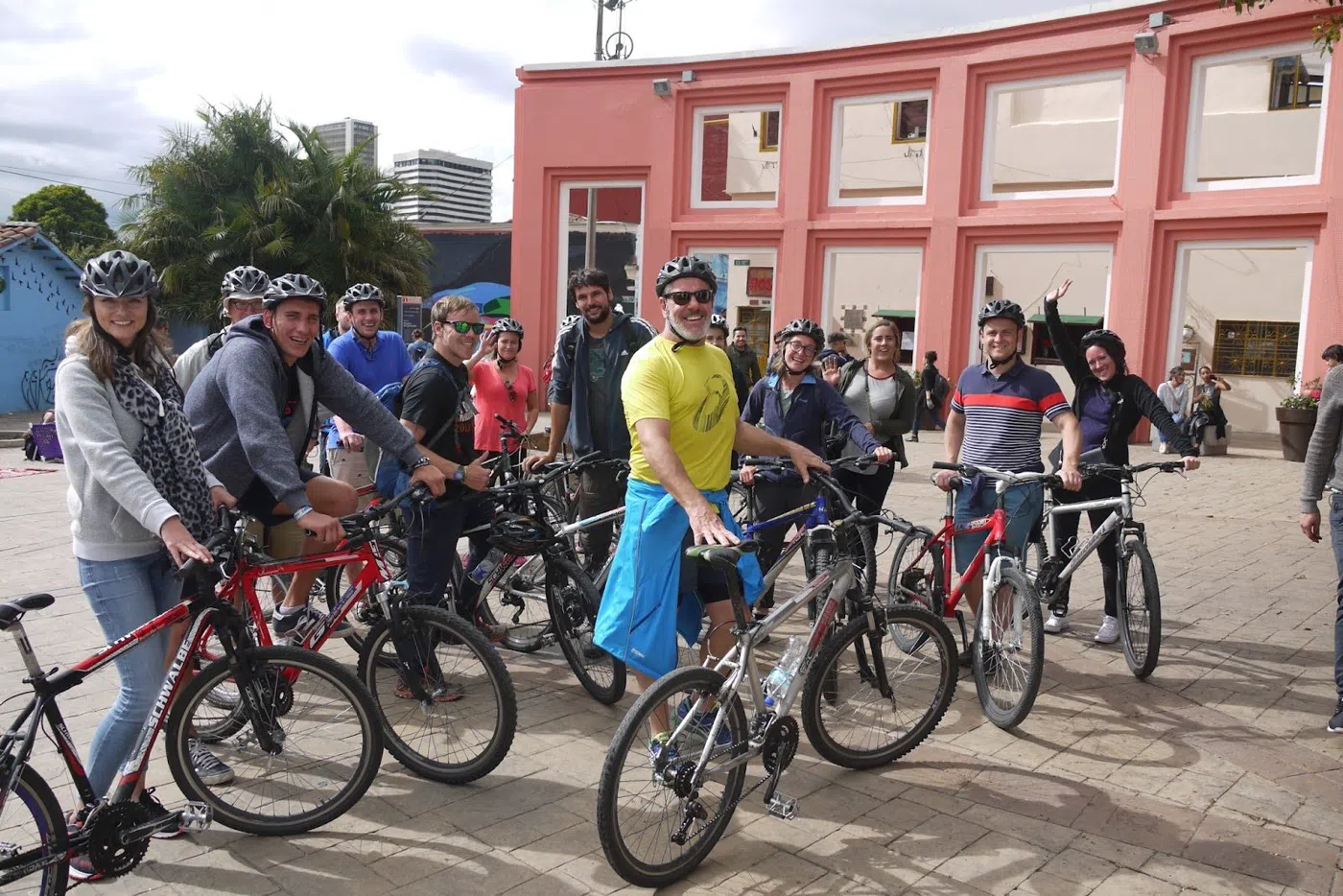
The weekend
8 pieces by the writers on the ground
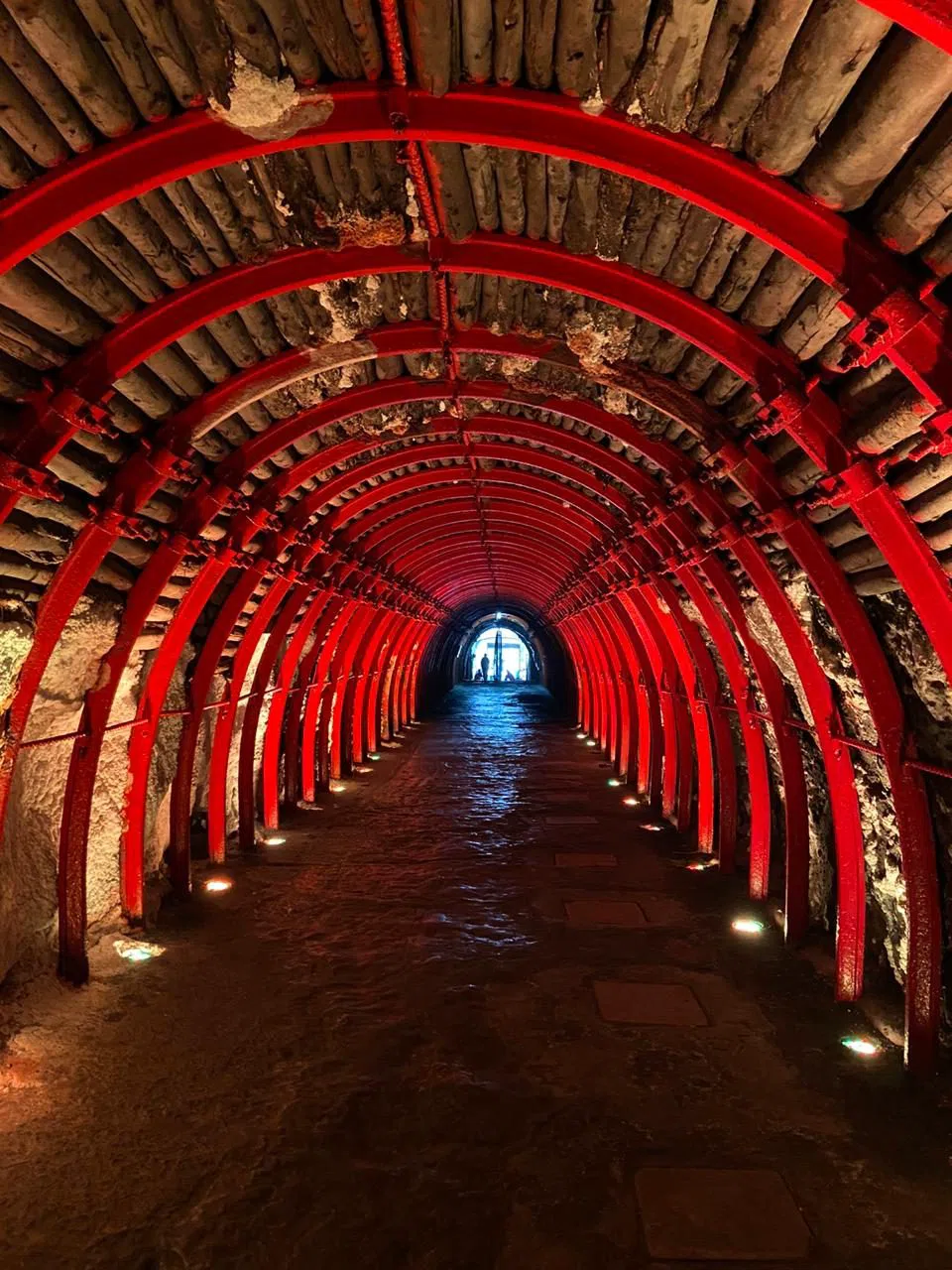
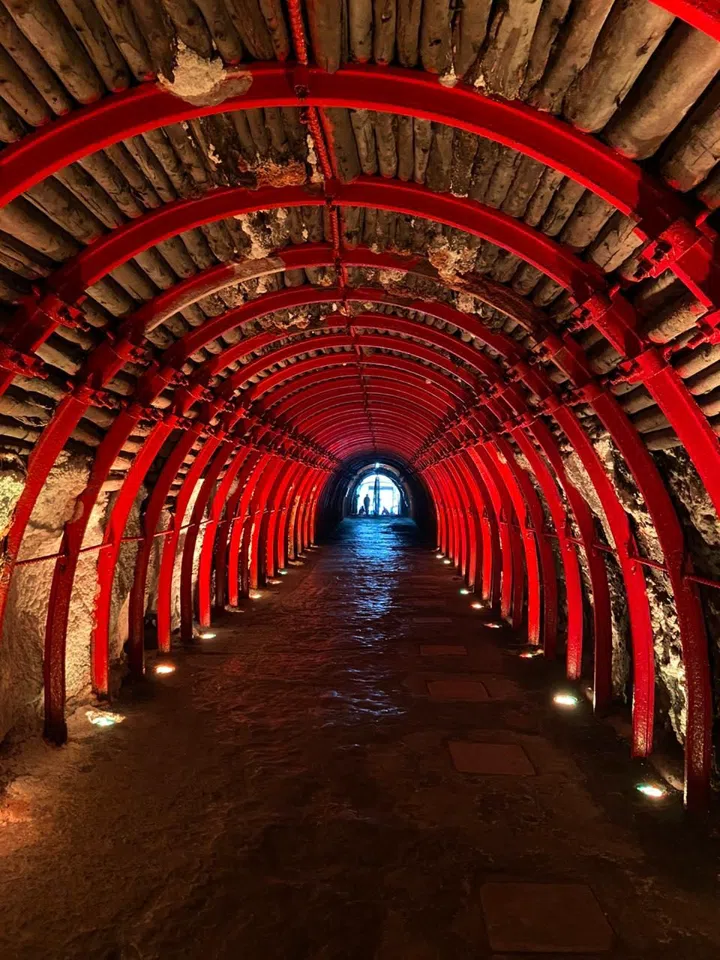 The weekend · BogotaThe Salt Cathedral Day Trip From Bogota, Hour by HourDetailed day trip timing and ticket info from Bogota
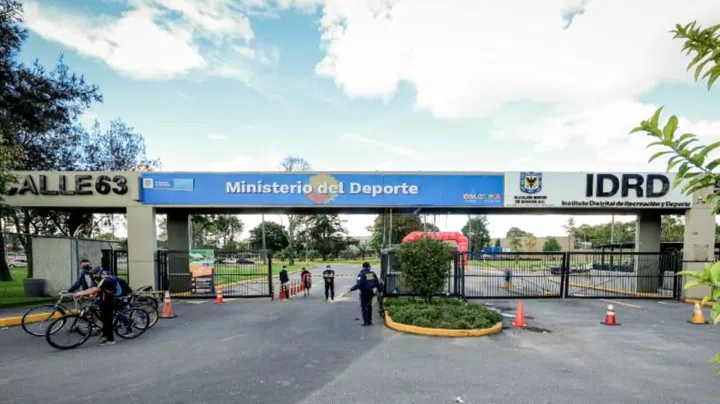 The weekend · BogotaCycling the Flat Sabana on Weekends Out of BogotáDetailed cycling day trips just outside Bogotá for weekend escapes
 The weekend · BogotaZipaquirá's Salt Cathedral Doubles as a Working MineSalt Cathedral day trip with travel and eating tips
 The weekend · BogotaBogotá by Bike: 48 Hours on Two Wheels48-hour bike itinerary including Ciclovía and city climbs
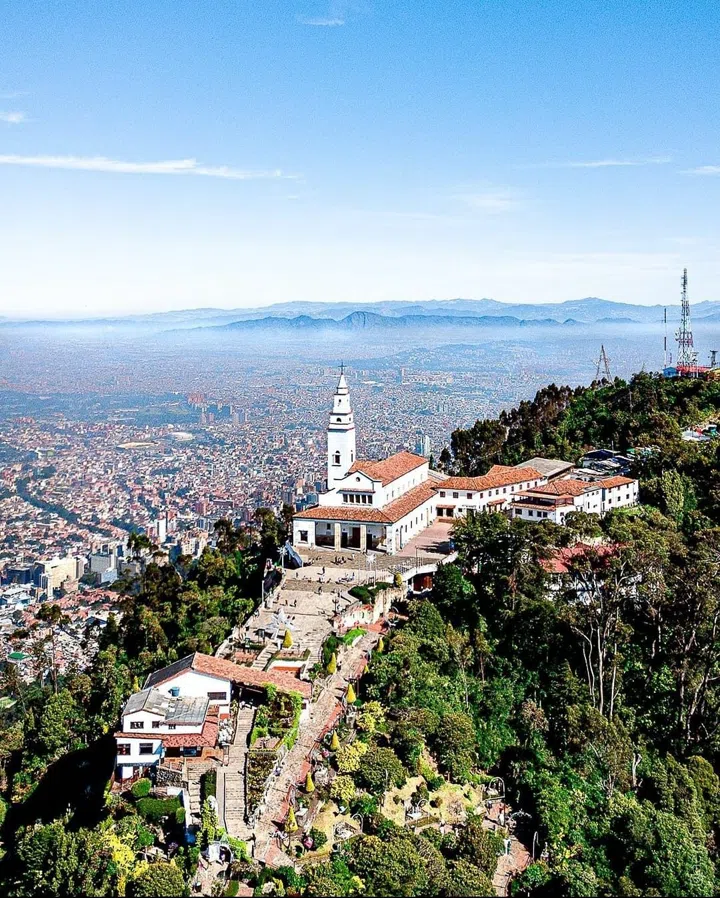 The weekend · BogotaMonserrate vs. Guadalupe: Bogotá's Mountain RivalryHow to climb Bogotá's two sacred peaks efficiently
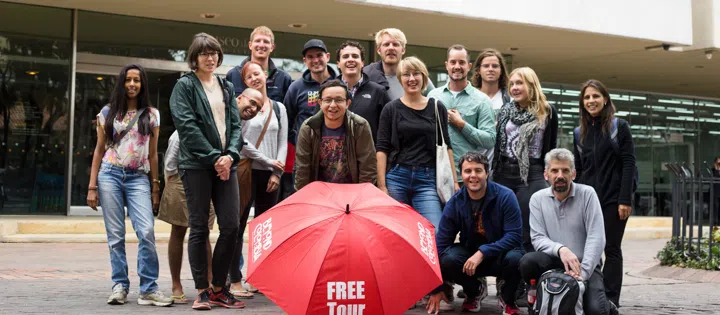 The weekend · BogotaThe Walls That Talk: How Bogotá Turned a Graffiti Crackdown Into an Open-Air GalleryHistory of Bogotá's street art crackdown and open-air gallery
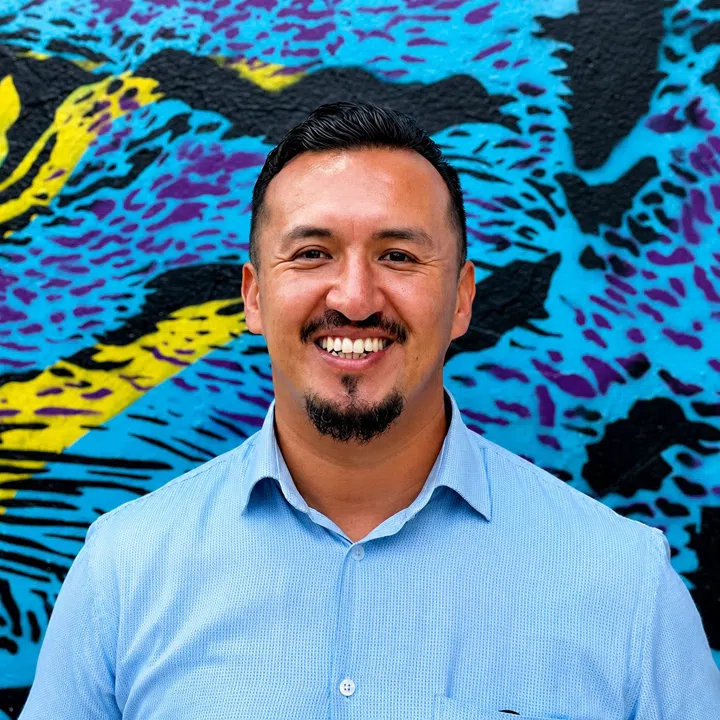 The weekend · BogotaThe Walls That Talk: Bogotá's Street Art and the City's Open-Air GalleryStreet art tour routes and access beyond main tourist spots
 The weekend · BogotaRiding Up Monserrate, Bogota's Shrine at 3,152 MetresPractical info for a day trip from Bogota, including fares and timing
The kit
Some links pay us a commission
- eSIM before you landAiralo
- Nomad insurance, monthlySafetyWing
- A multi-currency accountWise
- Visa applications, handlediVisa
- A VPN for the bankNordVPN
A first week before the flat: the Bogota hotel directory
More bases in Colombia
- Cartagena17 pieces