Budapest · The weekend · 11 min
What's Open on Budapest's Margaret Island After the Pools Close
The wave pool drains in September and the island turns into the version Budapesters actually use: steaming outdoor lanes, a fogged Japanese garden, ruins in the rain and a running loop that never shuts.
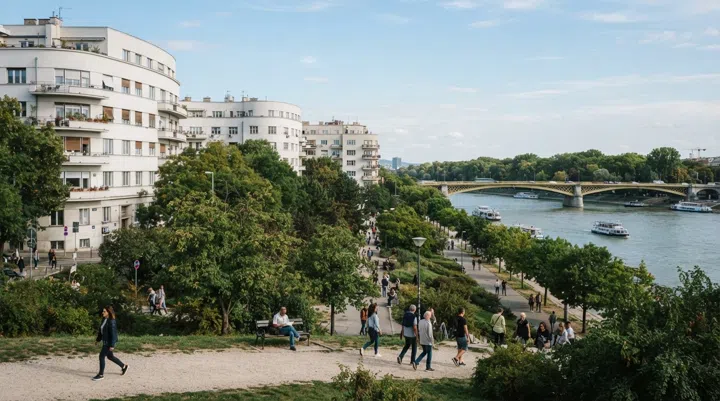
The wave pool drained in the first week of September and the crowds went with it. What is left on Margaret Island through autumn and winter is the version Budapesters have always used: two and a half kilometres of car-free ground in the middle of the Danube, a thermal spring running underneath it, and a rubber running circuit busier at seven on a November morning than the lido is in August. The trees come bare, the Japanese garden starts to fog, and the walk from the southern bridgehead to the northern one takes about forty minutes.
Swimming when the outdoor season is over
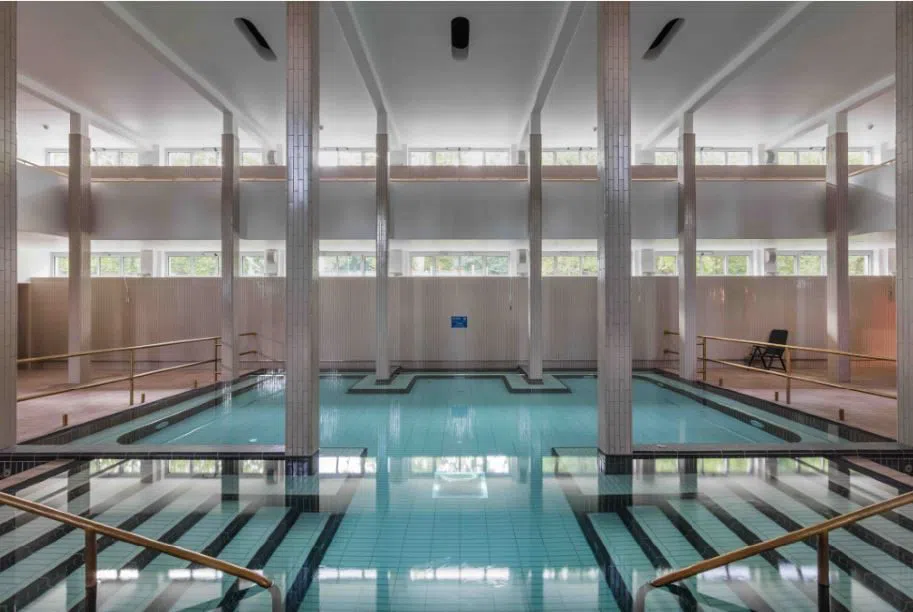
Palatinus Strand (mid-island, on the western bank) answers the question of what happens when the pools close. The wave pool, the slides and the beach pools shut between 31 August and 27 September 2026. What stays open is the half nobody photographs: four indoor pools, a wellness section, and two outdoor pools, one thermal and one a 40-metre swimming pool, running all winter. Swimming outdoors in steam with a dozen other people in the water is a better hour than the August equivalent and costs the same money: HUF 3,800 on a weekday, HUF 4,200 at the weekend, or HUF 2,600 for a two-hour ticket if you only want a soak between other things. It is walk-in, with no door policy whatsoever. Family tickets for three and four are sold, and group cabins are available. Stag and hen groups are tolerated rather than courted, and the winter wing is small and quiet enough that a loud party of eight becomes the only thing anyone else can hear. Couples, swimmers and families get the better end of this deal; large groups should think about whether they want to be that group.
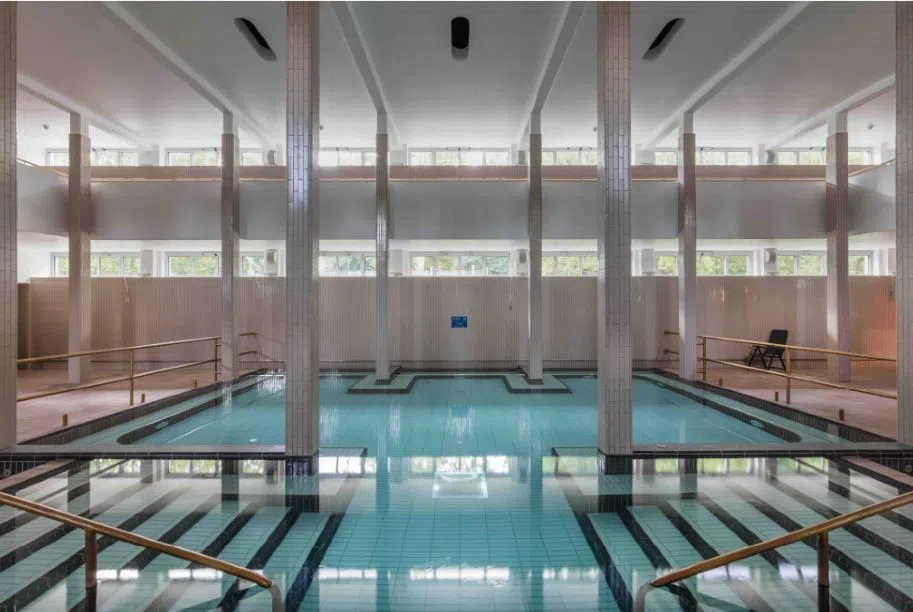
Ensana Thermal Margaret Island (north end, set back from the promenade) is the island's only proper indoor thermal complex, and the fallback when the rain comes in sideways and the outdoor half of Palatinus has no appeal. Day-spa entry for non-residents depends on how full the hotel is that day, so phone ahead on +36 1 889 4737 rather than turning up hopeful. A day ticket starts at HUF 12,000; treatment packages run HUF 30,000 to 74,000. Two dates matter. It is closed to non-residents from 19 December 2026 to 10 January 2027, and its outdoor pool only operates 1 May to 13 September, so in shoulder season you are buying indoor pools and saunas, not a view. There is no published group rate, and no real reason to bring a group. This is a two-people-and-a-towel place.
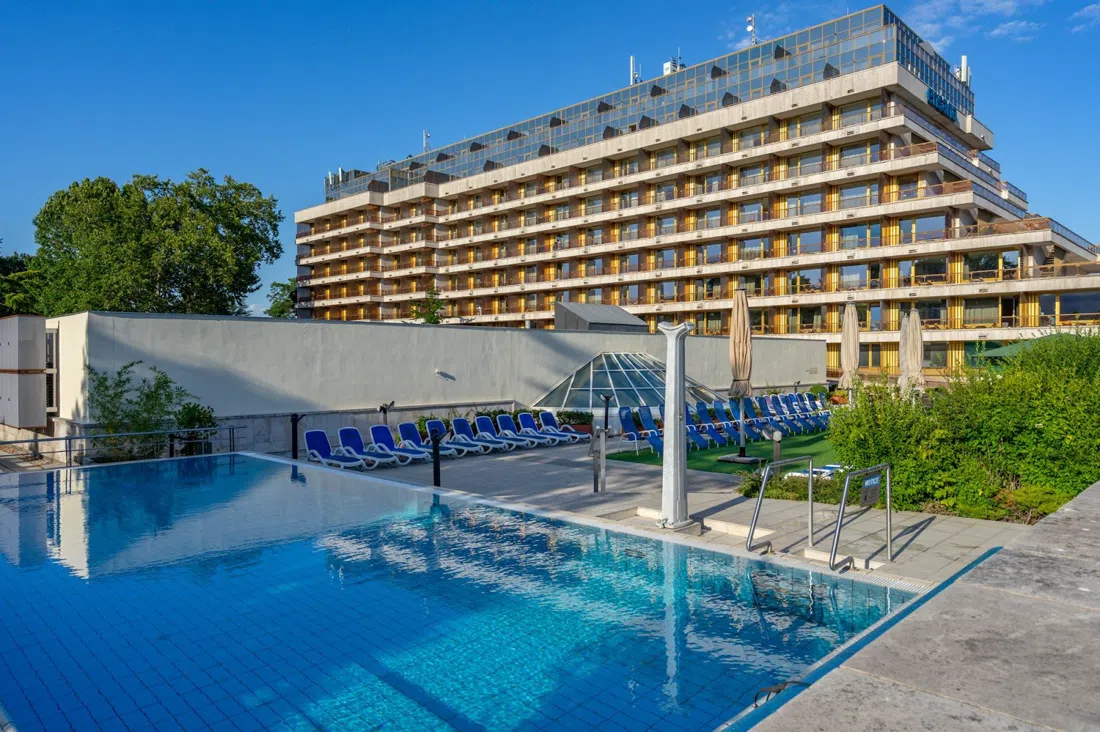
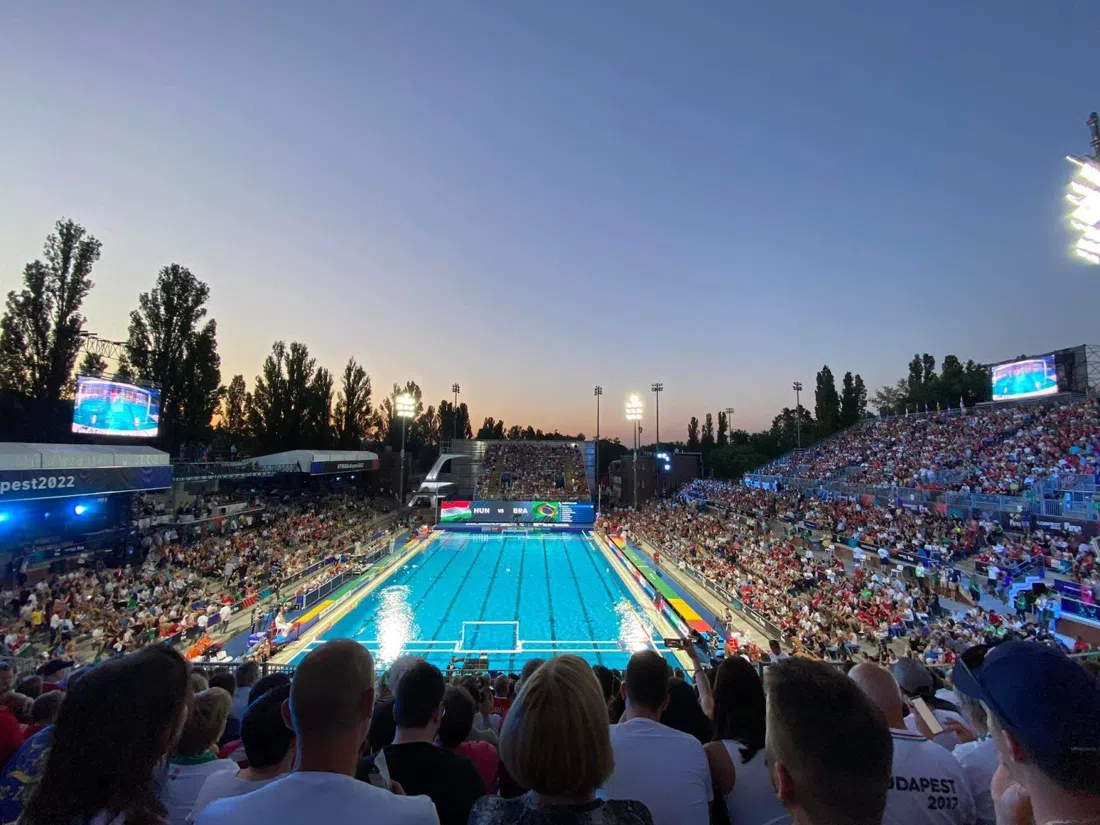
Hajós Alfréd National Swimming Pool (southern end, a short walk in from the bridge) is the one building on the island where the shoulder season is unambiguously the right time to come. It was designed by Alfréd Hajós, Hungary's first Olympic champion, who won his golds in open water before pools like this existed. The public swims in lanes alongside national squads, and from September the water polo and swimming teams are back in full training, so you can pay for a swim and then sit in the gallery and watch people considerably faster than you. Expect roughly HUF 3,000 to 4,000 per adult swim, with season passes for anyone staying longer. Sessions are broken up by training blocks and competitions, so ring +36 1 450 4200 before you bring more than a couple of people; a group that arrives unannounced can find the water gone for two hours.
The promenade that improves when the trees are bare
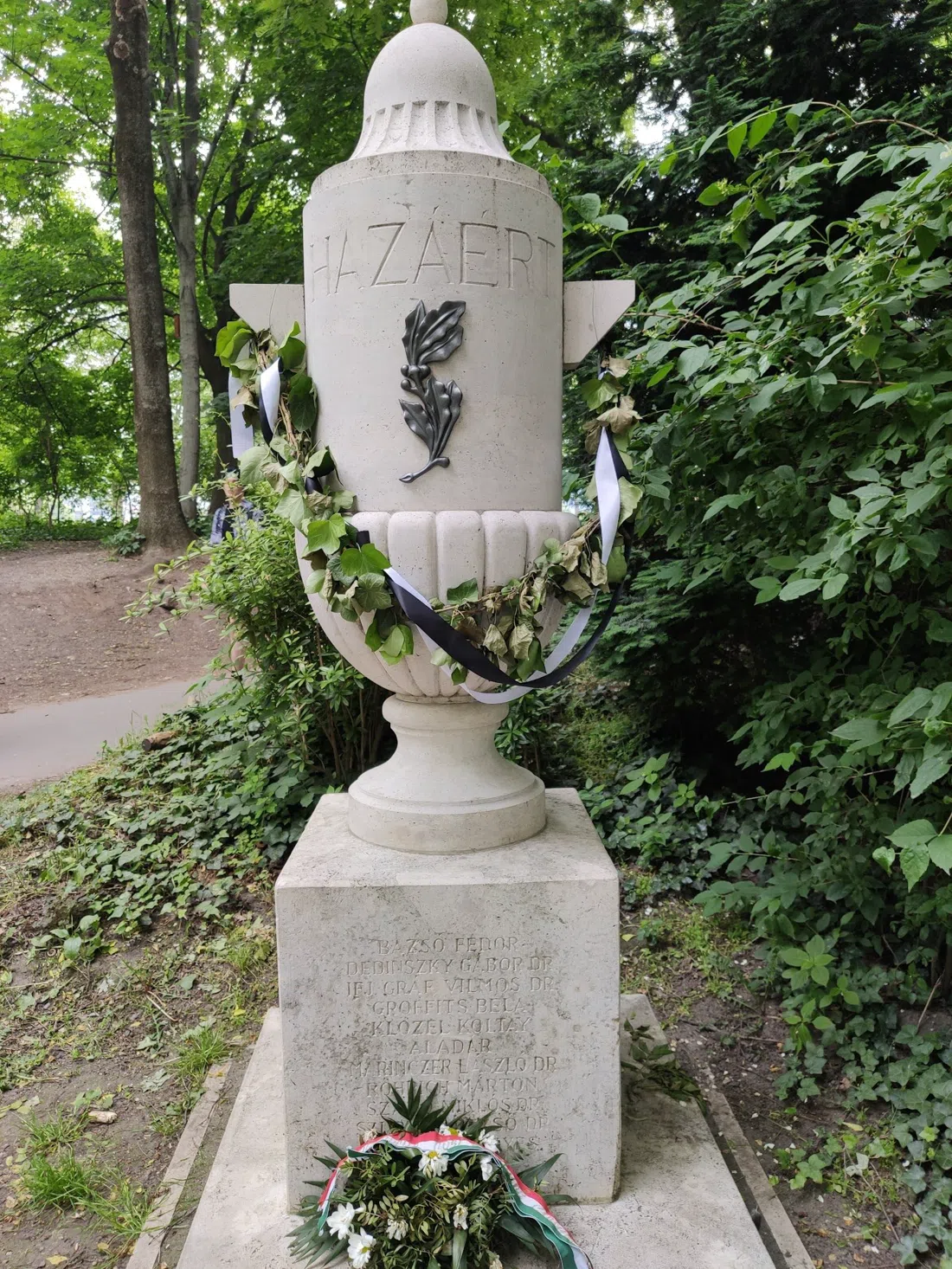
Walk in from the southern gate and you are immediately on Művész sétány (the Artists' Promenade, running up the island's spine). Liszt, Bartók, Kodály, Arany, Attila József and Balassi stand in a row, a compressed lesson in who Hungary thinks it is, delivered in about ten minutes. It is free, open at all hours, and it is the standard route for guided walking groups crossing the island, so you will not have it to yourself at eleven on a Saturday. You will have it to yourself at eight. With the leaves down the busts stand clear of the foliage and you actually read the names instead of walking past a hedge.
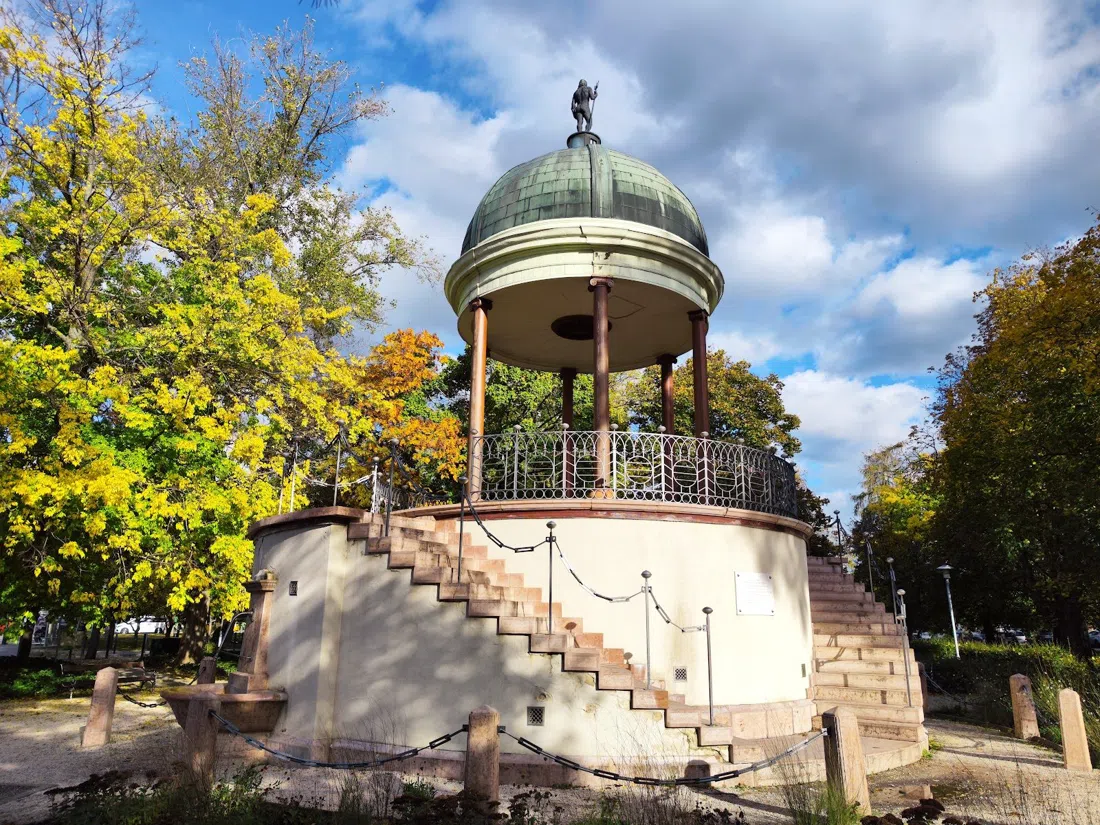
Halfway along, Bodor Well (the Zenélő kút, just off the promenade) is easy to miss and worth two minutes. It is a 1936 replica of Péter Bodor's 1820s Transylvanian original, and it plays turn-of-the-century tunes through hidden speakers on the hour. Free, unstaffed, no queue, fine for any size of group. Do not confuse it with the large musical fountain at the southern end: the small one keeps working all winter, when its famous cousin is dry.
The ruins and the chapel
The Dominican Convent Ruins (Domonkos kolostor romjai, centre of the island) are the reason the island has its name. Béla IV built the convent in the 1250s for his daughter Margaret, and the low walls and grave slab are still an active pilgrimage spot rather than a heritage display. The ground is open, free and unstaffed, with no door policy and enough room for a coachload without anyone crowding anyone. In August it flattens into a lawn ornament with a hundred people photographing it. In November rain, with candles guttering in the corner, it reads as what it is.
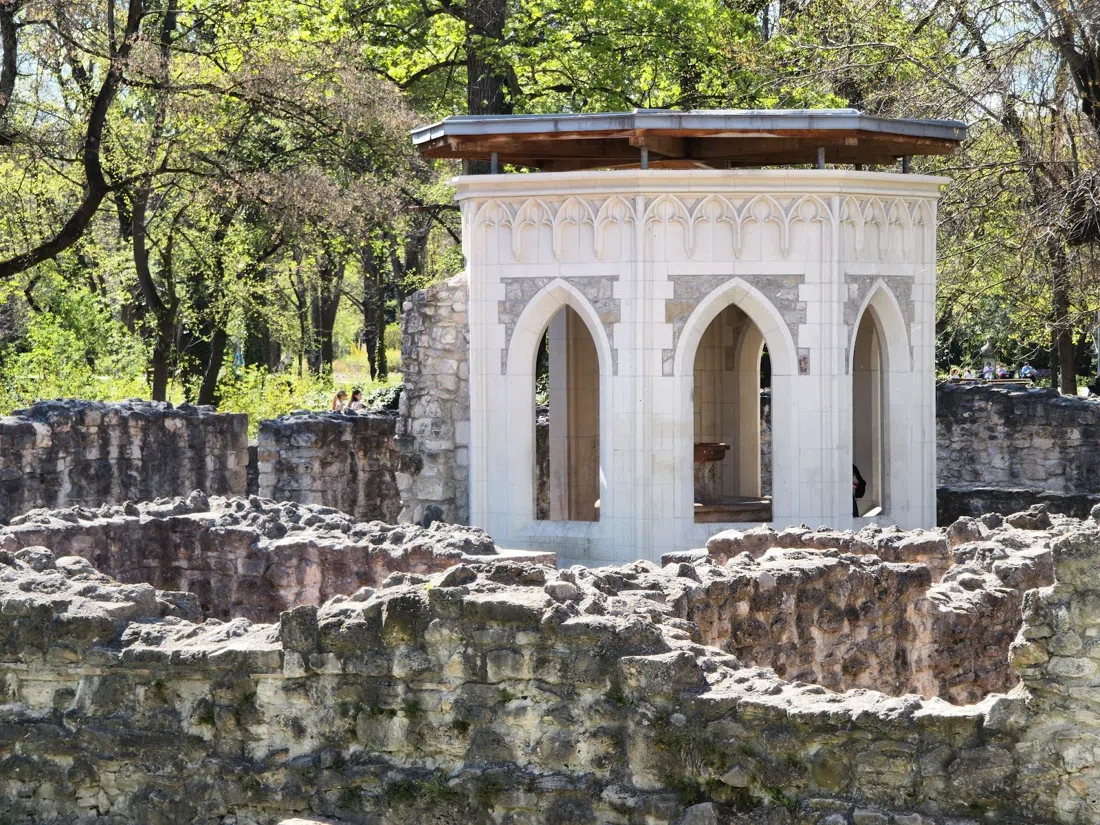
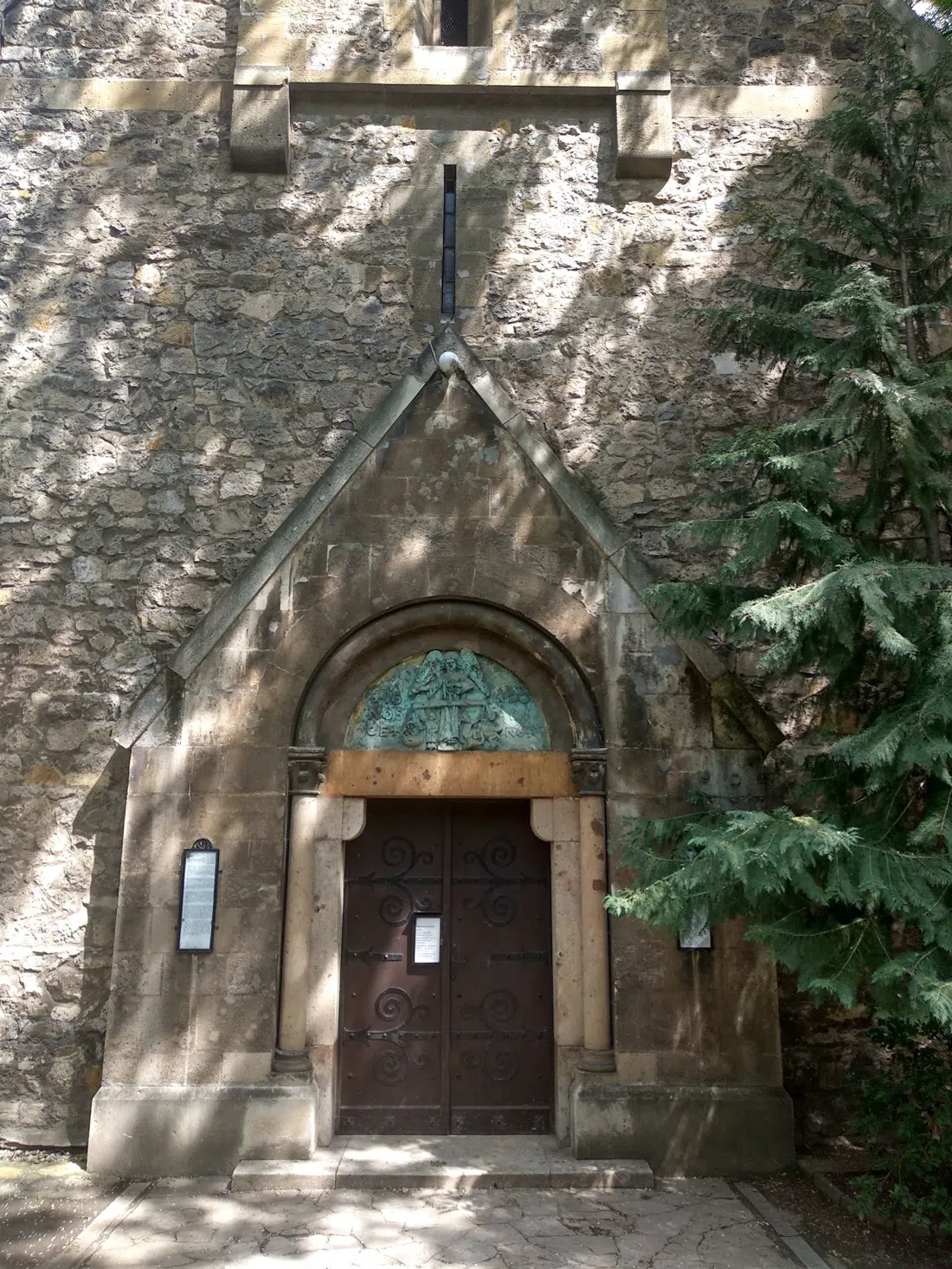
A couple of minutes north, St Michael's Chapel (Margitszigeti Szent Mihály-kápolna, beside the ruins) was rebuilt in 1932 by Kálmán Lux on Premonstratensian foundations, and hung with a 15th-century bell that was dug out of a tree root here in 1914. It is one of the oldest working bells in the country, and it still rings. The chapel is a working church of the archdiocese and measures only 145 square metres. That is fine for a dozen people and hopeless for a party of thirty, and because it is a live church, do not walk in mid-Mass and start narrating.
Two gardens with nothing in flower
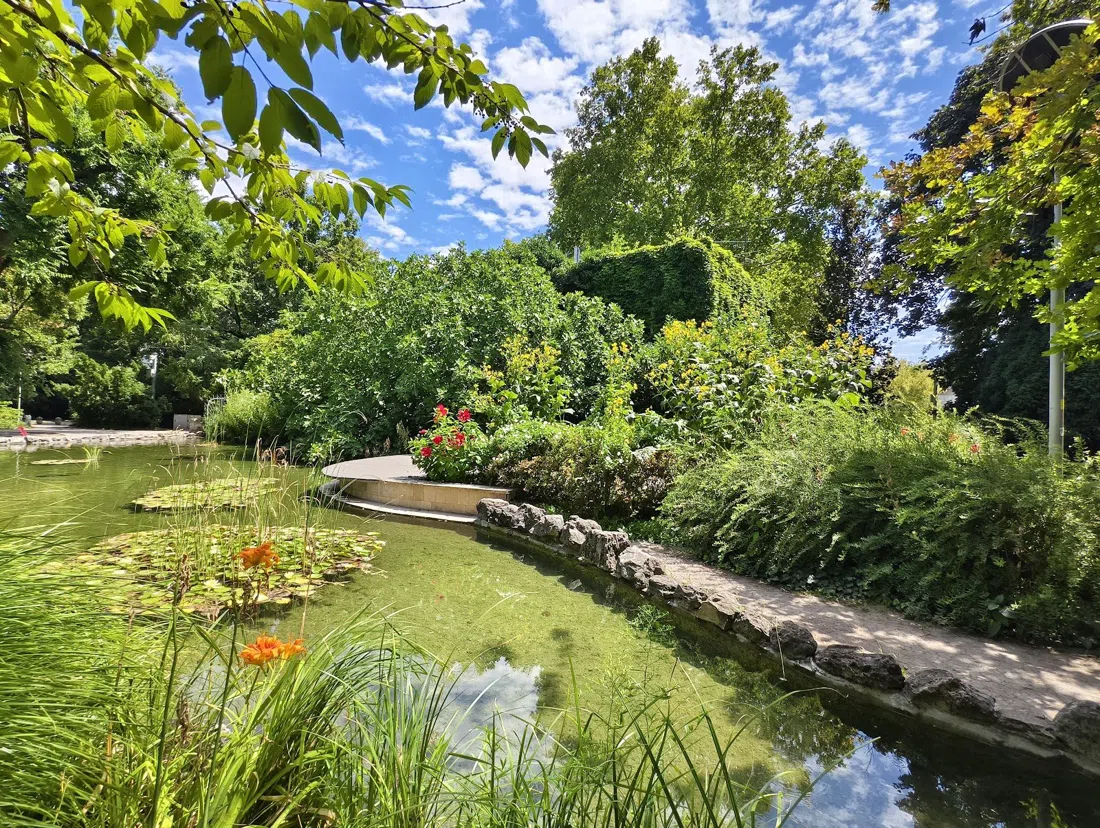
The Japanese Garden (Margitszigeti Japánkert, north end) is the single best argument for coming here in the cold. It is fed by the island's thermal spring, so the pond stays warm and the whole garden fogs while the rest of the park is frozen solid. Between November and March it is the most photographable thing on Margaret Island and very close to deserted, particularly in the first hour after opening light. It is free with no gate, but the paths are narrow and part of the route is stepping stones over water, so a group of fifteen should split into threes and fours rather than form a queue across the pond.
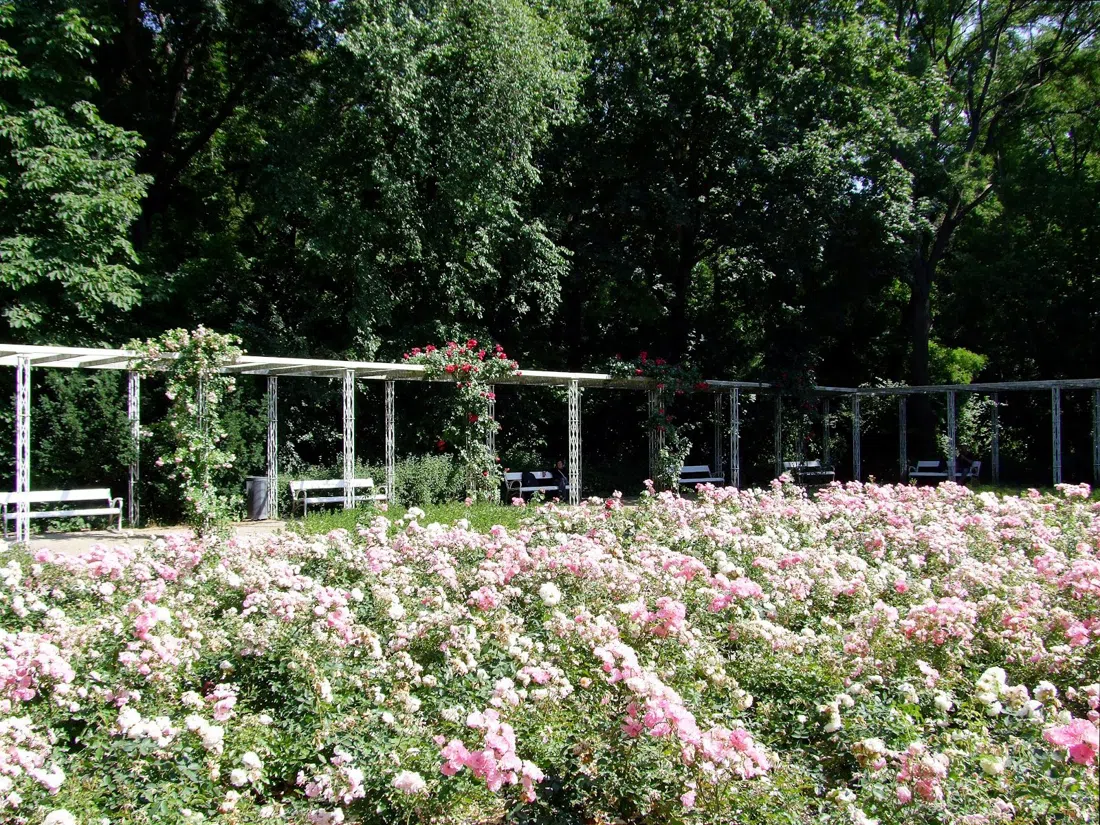
Rózsakert (the Rose Garden, north of the ruins) comes with a warning. In deep shoulder season there are no roses, only structure: beds, clipped hedges, gravel lines and a great many benches. That is a real part of this island's winter character and not a reason to skip it, but it is not a flower visit. The garden earns a proper hour in the last week of September and again from mid-May, when the roses are there and the crowds still are not. Free, unstaffed, wide paths, and a group can simply turn up.
Things with a date on them
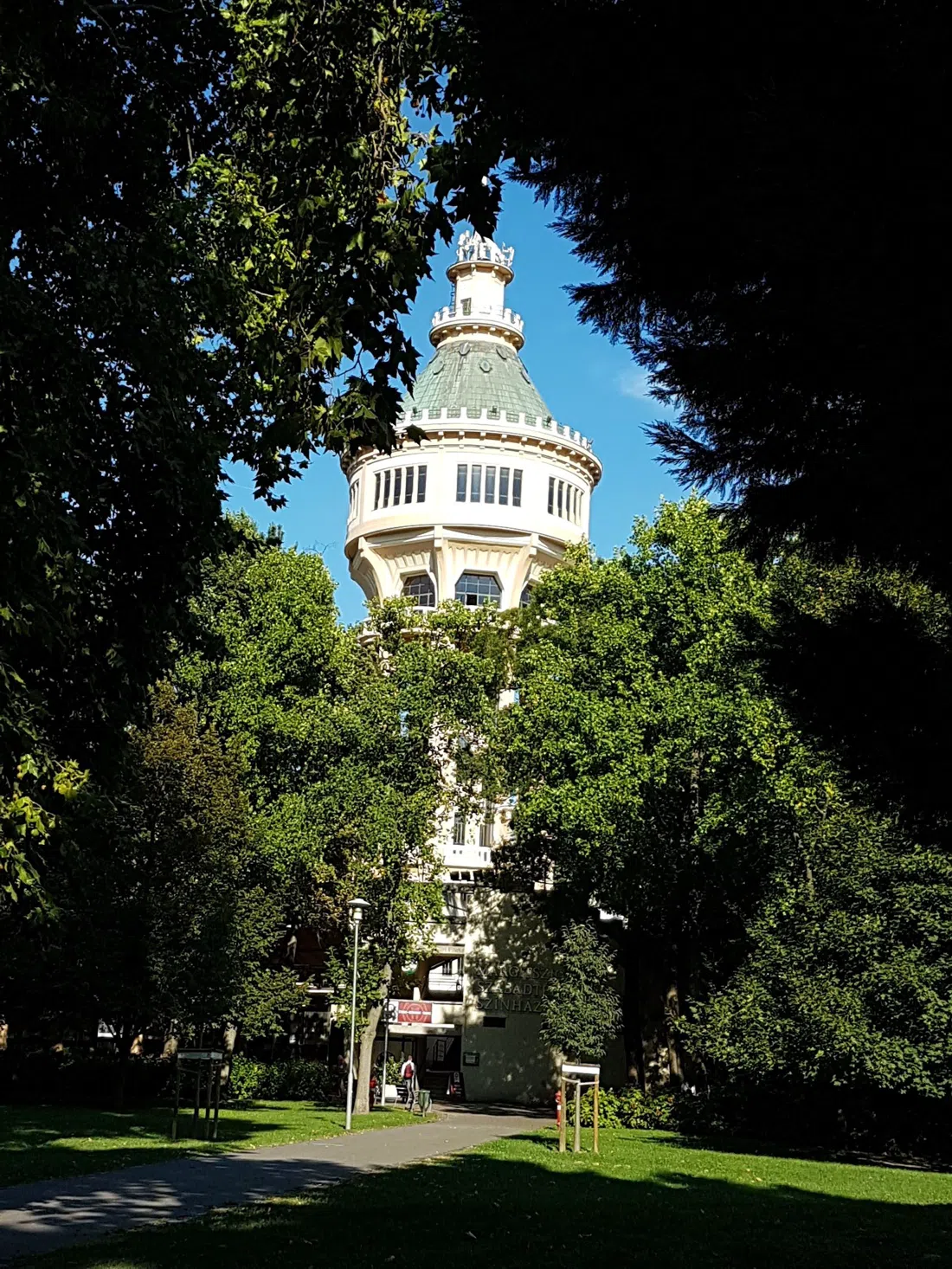
Margaret Island Water Tower (Margitszigeti Víztorony, beside the open-air stage) costs HUF 500 for an adult, HUF 300 for ages 6 to 18, free under six and free with a Budapest Card, and gives you the only elevated view of the island. The timing is the catch: it opens daily 10:00 to 18:00 through September 2026 and then closes for the winter until spring. It belongs to the early shoulder and again to May, not to January. A maximum of 30 people are allowed inside at once, and group visits need prior arrangement on +36 1 340 4196.
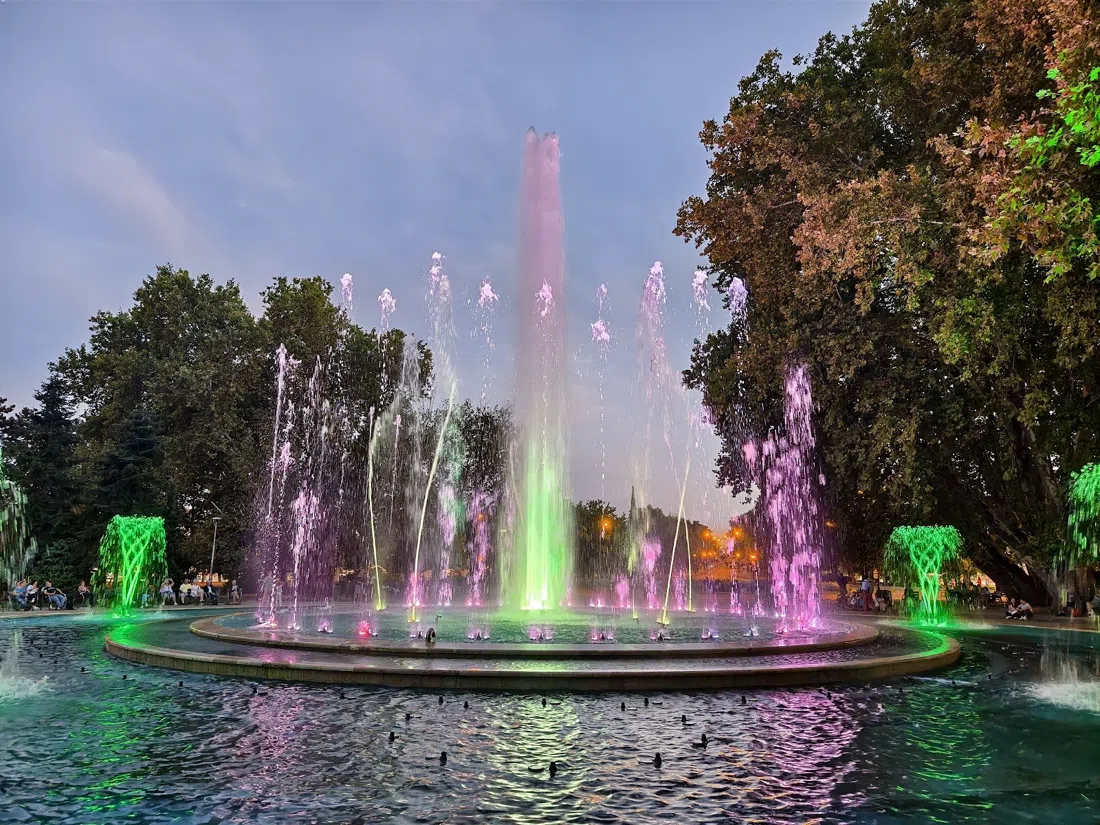
The Margitszigeti Zenélő Szökőkút (the Musical Fountain, southern end near the bridge) has a harder deadline. Its last show of 2026 is on 30 September, after which it shuts for a rebuild (over 200 square metres of basin, the robot jets, the LEDs, the speakers and the multimedia rig all replaced) and returns in spring 2027 with new music. It is free, the ring of benches absorbs a crowd, and shows run hourly so no group has to time anything. If you are on the island in the second half of September, that is the one appointment worth keeping.
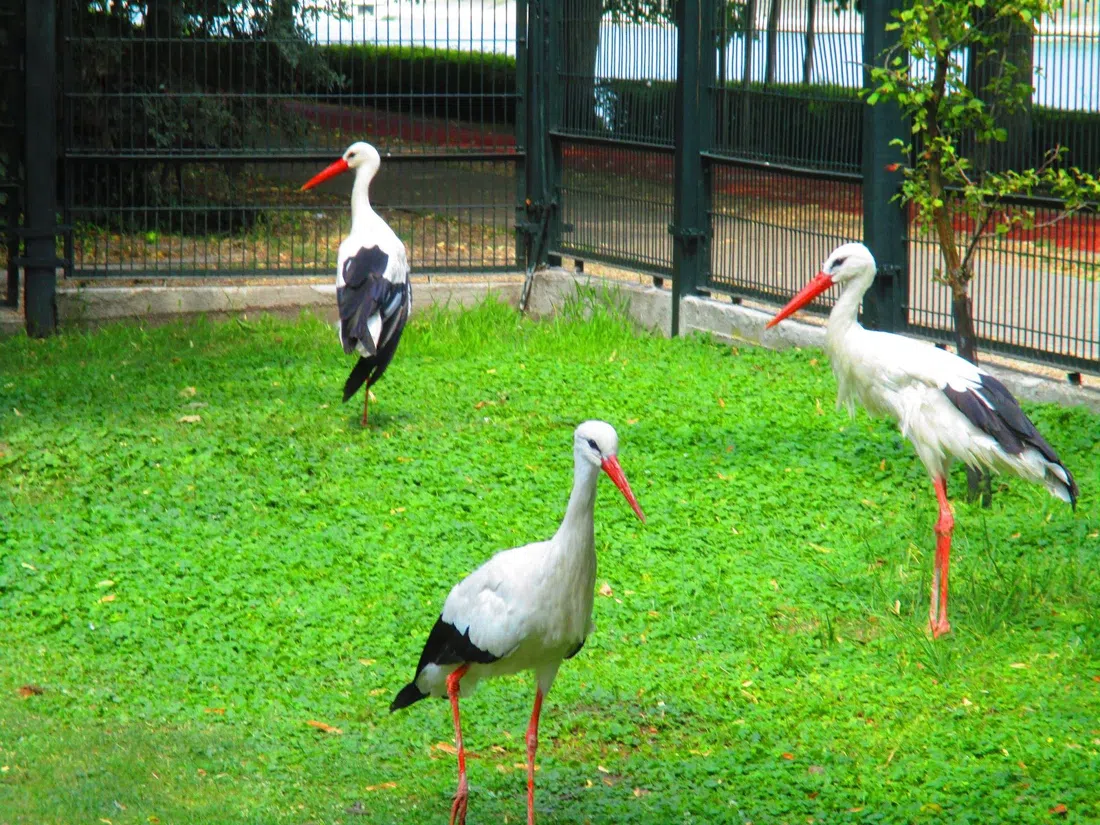
Margitszigeti Kisállatkert (the Vadaskert wildlife park, north end) has run since the 1950s and is stocked mainly with Hungarian native species. Free, open-air, no booking, roughly 10:00 to 18:00 daily, and the paths handle school groups as a matter of routine. It is a seasonal opener, April to late October, so it covers the September and October shoulder and the April and May one, and nothing in between.
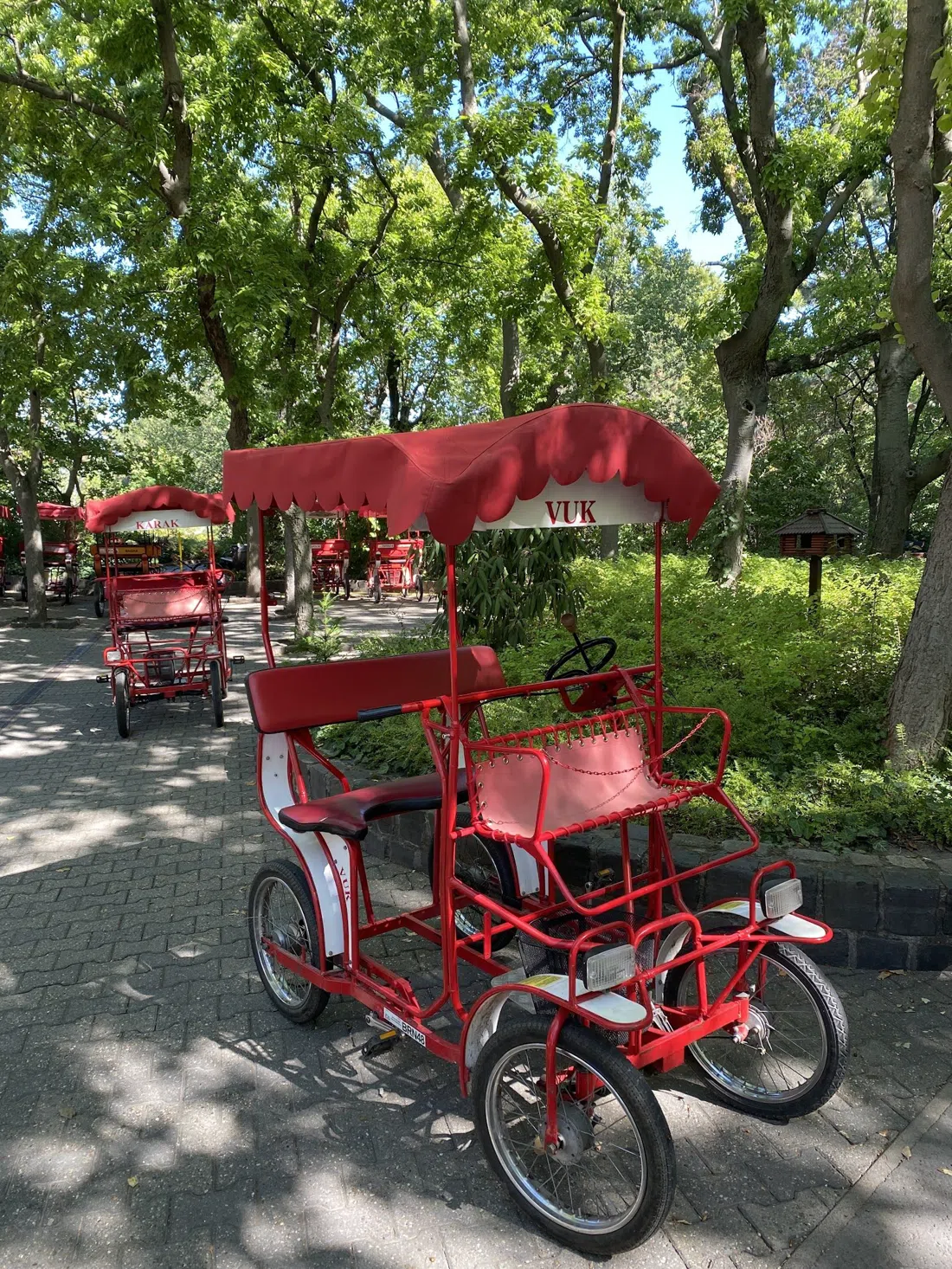
Bringóhintó (pedal-carriage and bike rental, north end near the water tower) is how Budapesters actually cover 2.5 km of car-free island with children in tow. Carriages seat two to six, the fleet is large enough to absorb a group, and you should budget roughly HUF 3,000 to 6,000 an hour depending on the machine. Two practical points: rentals are legally confined to the island, and taking one off it triggers a police report, not a quiet word. They operate 1 March to 31 October, so the pedal carriage covers the shoulder's edges and disappears for deep winter, when you walk.
Where the island goes indoors
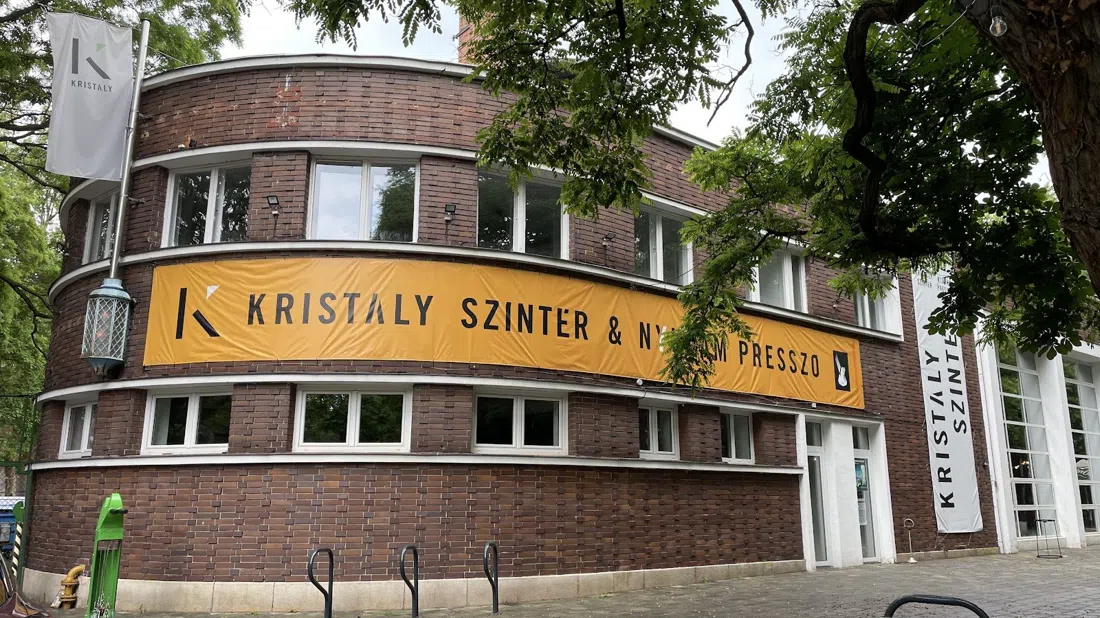
Kristály Színtér (mid-island, near the open-air stage) is run by Szabad Tér Színház as the year-round indoor counterweight to the summer-only outdoor programme, and visitors never find out about it. There is a crime-fiction festival in October, Balkan dance houses and salsa nights through the winter, and the Tavaszi Margó literature festival in April. Typical tickets run HUF 3,000 to 9,000 and some festival programmes are free. Seating is ticketed, groups are welcome, and a separate events arm handles private hire and block bookings. Check the programme before you fix your dates rather than after: a Friday with a dance house on it is a different trip.
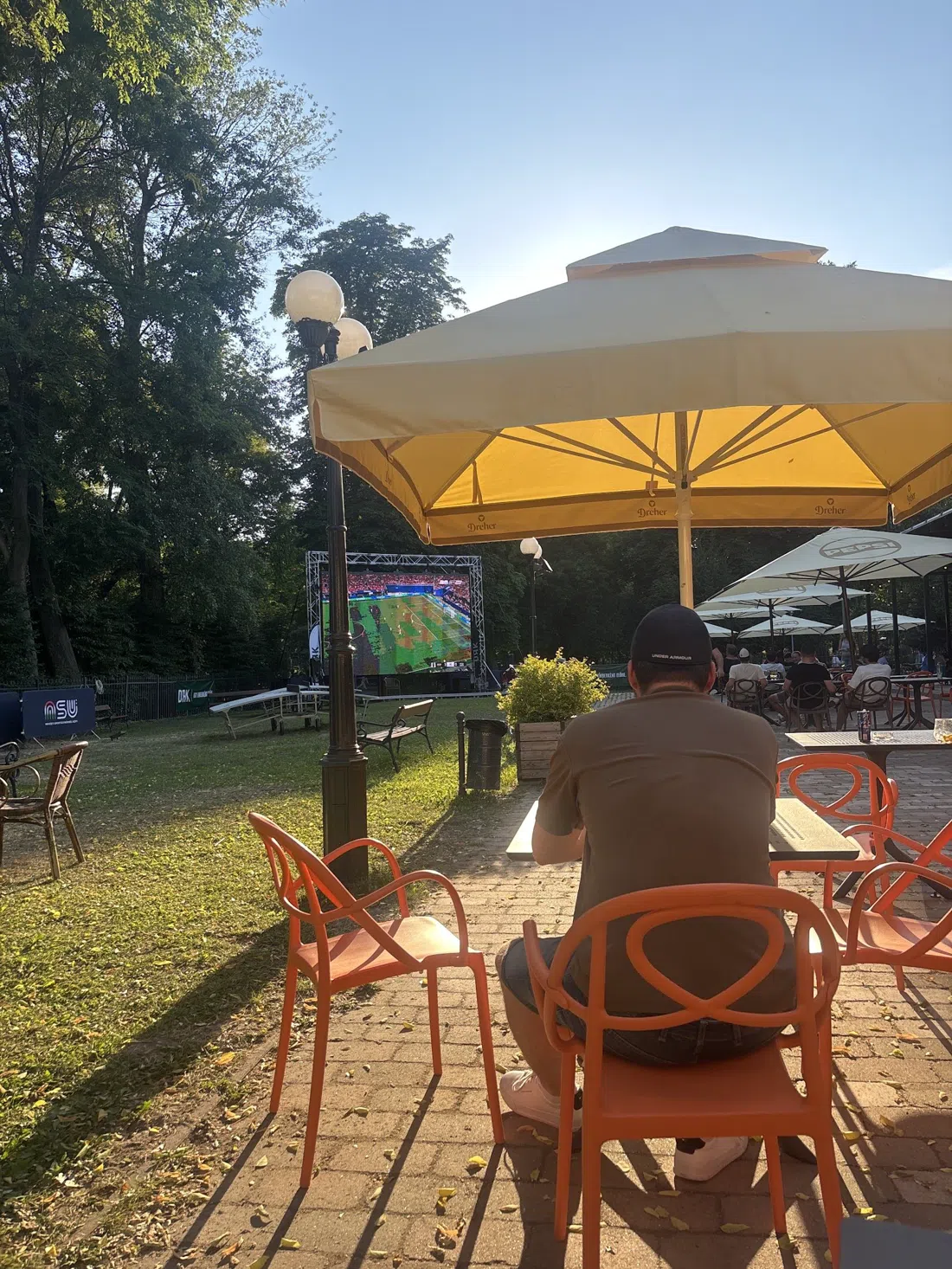
Holdudvar (garden bar and restaurant, southern half) reopened in June 2026 after a decade dark, and for now runs Thursday to Sunday only: Thursday 15:00 to 22:00, Friday 15:00 to 23:00, Saturday and Sunday 11:00 to 23:00. Reckon on HUF 3,500 to 7,000 for pizza and a drink, with cocktails around HUF 3,000. It is explicitly built for numbers, 230 to 300 seated indoors and 350 to 800 in the garden, with catering and AV for weddings and company parties, so if you are the one organising twenty people, this is the address. It is also a spring-to-autumn garden venue at heart, serving the September to October and April to May edges of the shoulder rather than a wet January.
The reason locals come in November
Monspart Sarolta Futókör (the running loop and athletics centre, circling the island) is why the island is full of people in the cold. The rubber circuit is 5.3 km, free and unrestricted at any hour, with cleaner air than anywhere else in the city and no traffic at all: no junctions, no lights, no kerbs. It is named for Sarolta Monspart, the first non-Scandinavian woman to win orienteering world gold. The athletics centre itself is bookable and heavily used by clubs, so contact it directly for organised group sessions rather than assuming you can drop in. Bring shoes. It is also the strongest argument for sleeping near a bridgehead, and a Budapest hotel search turns up plenty on both banks within ten minutes' walk of one.
Practical notes
No private cars reach the island. Trams 4 and 6 stop in the middle of Margaret Bridge at the southern gate, and tram 6 runs through the night. From the north, bus 26 crosses from Árpád Bridge and is the only vehicle allowed to drive the island's length. The efficient version is to ride it to the north end and walk back south through the gardens, ruins and promenade in one line rather than doubling back.
Cards work anywhere with a counter: the baths, the theatre, the restaurant, the rental kiosk. Most of the island has no counter at all, so carry a few thousand forint for the chapel donation box and small purchases, and note there is no exchange desk on the island. All prices here are 2026 rates in forint.
September is the richest month of the shoulder. The fountain, the water tower, the wildlife park, the rental carriages and the roses are all still running, and the outdoor crowds are not. From November to March you trade those for fog on the thermal pond, empty ruins, an empty 40-metre pool under the open sky and a promenade you can read. In December it is dark by about half past four; the main promenade is lit and the northern paths are not, so do the gardens and the ruins in daylight and keep the evening for the theatre or the pools.
A complete day here costs nothing: promenade, ruins, chapel, both gardens, the well, the wildlife park in season and the running loop are all free and unstaffed. A mid-range day of Palatinus, the water tower and a pizza lands under HUF 10,000 a head. The expensive version is Ensana with a treatment, which clears HUF 40,000 per person and is the only thing on the island that needs a phone call the day before. For everything on the far side of the bridges, the Budapest guide covers the rest of the city.
18 September 2026 · a first week before the flat: the Budapest hotel directory