Cardiff · Where to live · 8 min
Llandaff, Cardiff: The Cathedral Village That Never Quite Joined the City
Two and a half miles upriver from Cardiff Castle sits a village with a 1,500-year-old cathedral, a Bib Gourmand pub on Bridge Street and a pub site licensed since 1310 — and no real interest in being a suburb.
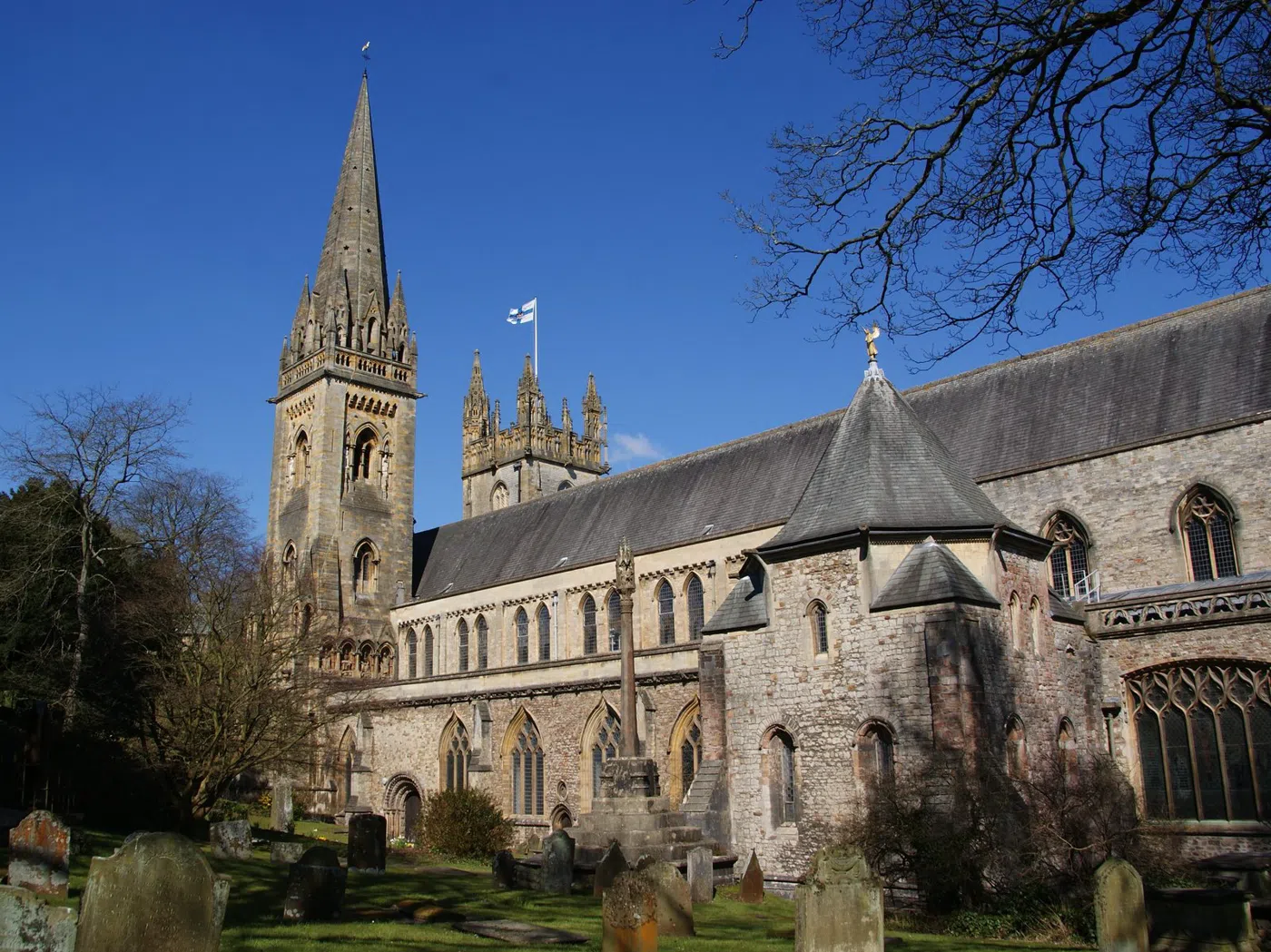
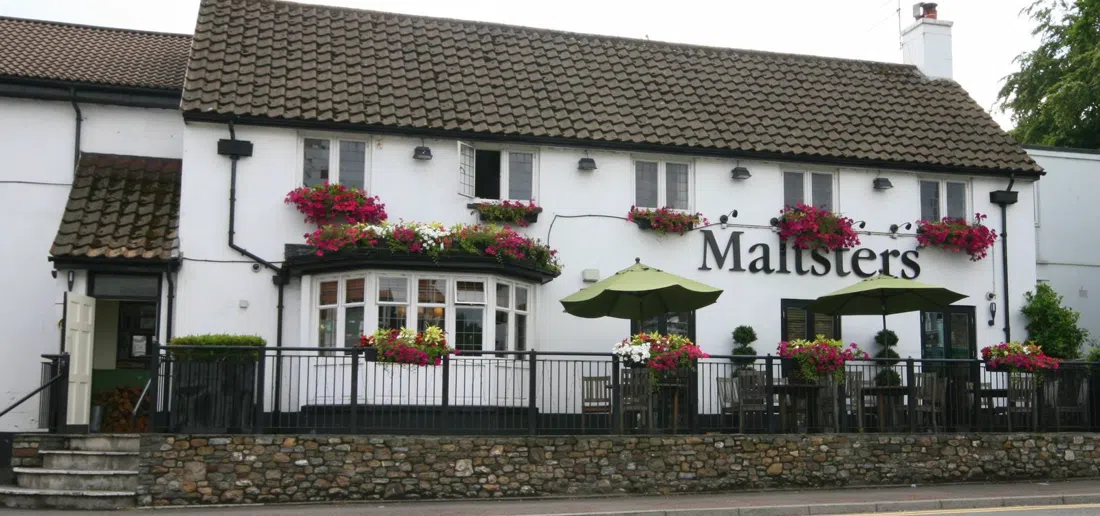
The Maltsters Arms on Cardiff Road has had a pub standing on its site since 1310 — the longest licensed history in Cardiff, by its own reckoning — and in Llandaff that barely counts as old. A few hundred metres away, the cathedral's present stone walls were begun in 1120, on ground where Saints Dyfrig and Teilo had founded a church some six centuries before that. Llandaff sits inside its own loop of the River Taff, two and a half miles upriver from Cardiff Castle, and it spent almost the whole of its existence as a village rather than a suburb. Cardiff only drew the city boundary around it in 1922. Nobody seems to have passed the message on to the village itself.
A cathedral the city grew around
Start with the fact that does all the heavy lifting. There has been a church on this bend of the Taff since the 6th century, when Dyfrig and Teilo chose the spot — a river loop, sheltered, defensible, convenient. What stands there now is substantially Bishop Urban's project: he began rebuilding in stone in 1120, and the nine hundred years since have been a continuous sequence of addition, alteration and restoration, including one major repair that the building needed badly and eventually got.
None of it is roped off. Entry is free, and the place is still entirely at work: the Bishop of Llandaff keeps his seat here, the choir still rehearses and sings, and inside, Epstein's Christ in Majesty rides above the nave on its concrete arch in a way that tends to stop first-time visitors mid-stride. It is worth checking what's on before you come. Choir recitals and the candlelight concerts the cathedral programmes through the year turn a twenty-minute look round into something you'll actually remember — the acoustics were designed for exactly this and they have had a long time to practise. Outside, the cathedral green does duty as the village square, which is the sort of thing a planner would have had to invent if history hadn't already supplied it.
The quirk locals enjoy most is the status question. Llandaff calls itself a city — a claim resting on the cathedral and the bishop's seat rather than on any charter, and never formally granted. Officially it has belonged to Cardiff since 1922. Locally, that is filed under administrative detail; the local history society's own description of the place reaches for the word city, and residents will use it with a straight face. Television crews like the geography too. Doctor Who has filmed up and down the High Street and across Cathedral Green, so a certain kind of visitor walks these pavements with a phone held at arm's length, matching shopfronts to episodes.
A Bib Gourmand pub and a village high street
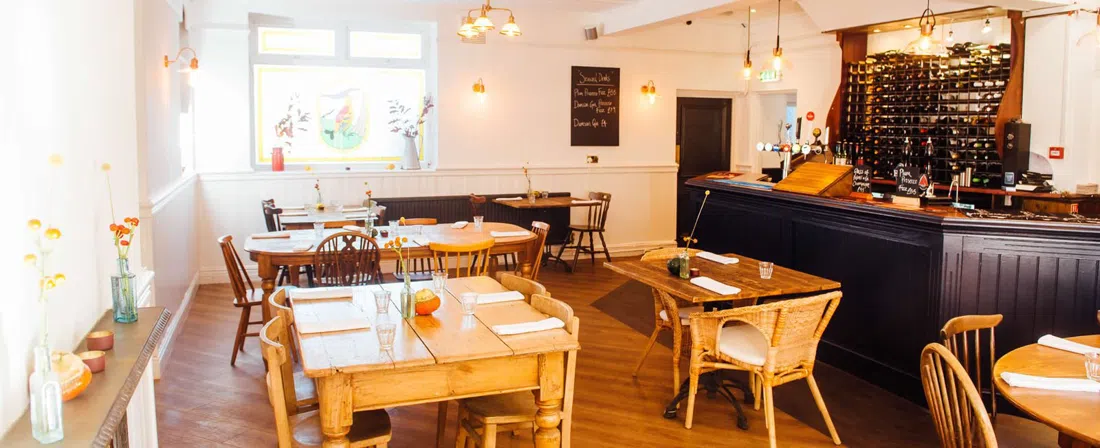
The reason food writers make the trip upriver is on Bridge Street. The Heathcock is a pub-restaurant that has held a Michelin Bib Gourmand since 2023, awarded for nose-to-tail British cooking that doesn't flinch: confit pork belly with homemade black pudding, crispy ham hock, a menu that treats the whole animal as the argument rather than a garnish. It's run by the same team as the Hare & Hounds in Aberthin, which goes some way to explaining the confidence in the cooking. Reckon on £30 to £50 depending on whether you take three courses or commit to all seven, and ask about the saver menu if you want the kitchen's work at a gentler price. Book. This is a village with one destination restaurant and a lot of people who know it.
Roald Dahl was born a few minutes' walk from the Heathcock's door, in 1916 — which is a neat piece of symmetry for a writer who gave children's literature some of its most memorable meals.
The rest of the eating happens along the High Street and the roads feeding into it, and it is better than a village of this size has any right to expect. Porro runs a modern, Italian-leaning menu and is the High Street's reliable grown-up dinner. Il Giglio does wood-fired pizza and pasta, with gluten-free options that mean nobody in the party has to negotiate. Summer Palace has been serving Chinese food here long enough to count as an institution, and does it inside one of the village's historic buildings, which gives the whole thing a pleasing incongruity. Over on Fairwater Road, close to Dahl's birthplace, Bay Leaf handles the Indian end of the evening.
Daytime belongs to Jaspers Tea Rooms, where afternoon tea and home-baked cakes are served in a listed building with a courtyard garden out the back — the kind of place that fills with cathedral visitors at half past three and churchgoers on Sunday, and deserves to.
Two old pubs, not a strip
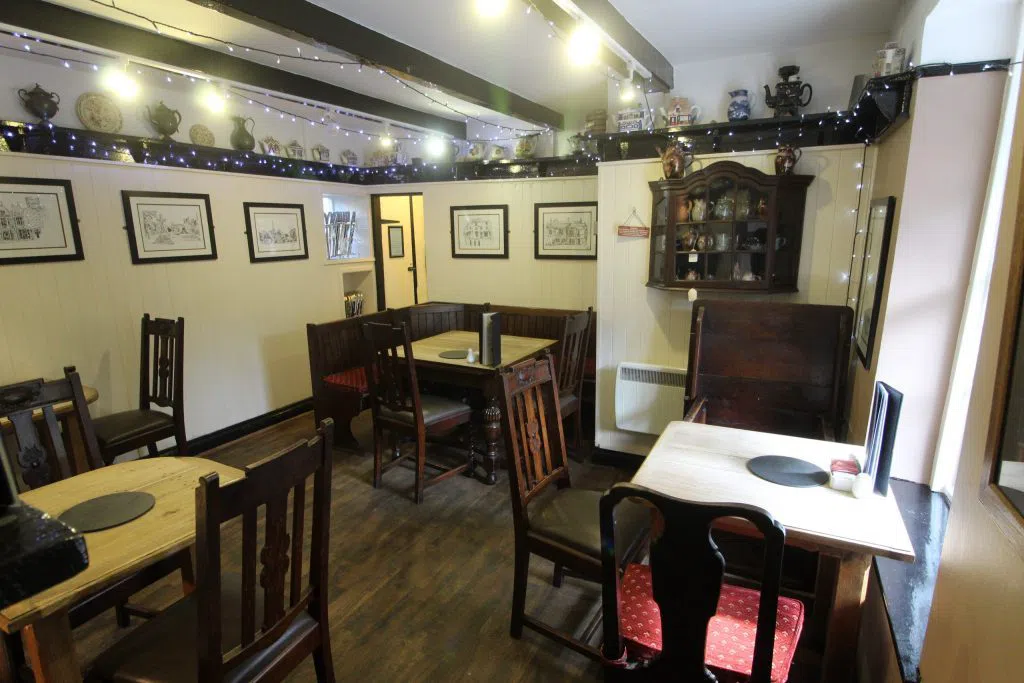
Be clear-eyed about this: Llandaff does not have nightlife. What it has is two pubs that have been doing the job for a very long time, and if that isn't enough, the city centre and Cardiff Bay are a bus ride away and keep their kitchens open far later than anything here.
The Maltsters Arms on Cardiff Road is the headline — a pub site licensed, by its own claim, longer than anywhere else in Cardiff, with real ales on and rooms upstairs if the evening runs away from you. It sits a few hundred metres from the cathedral, which makes it the natural full stop after evensong.
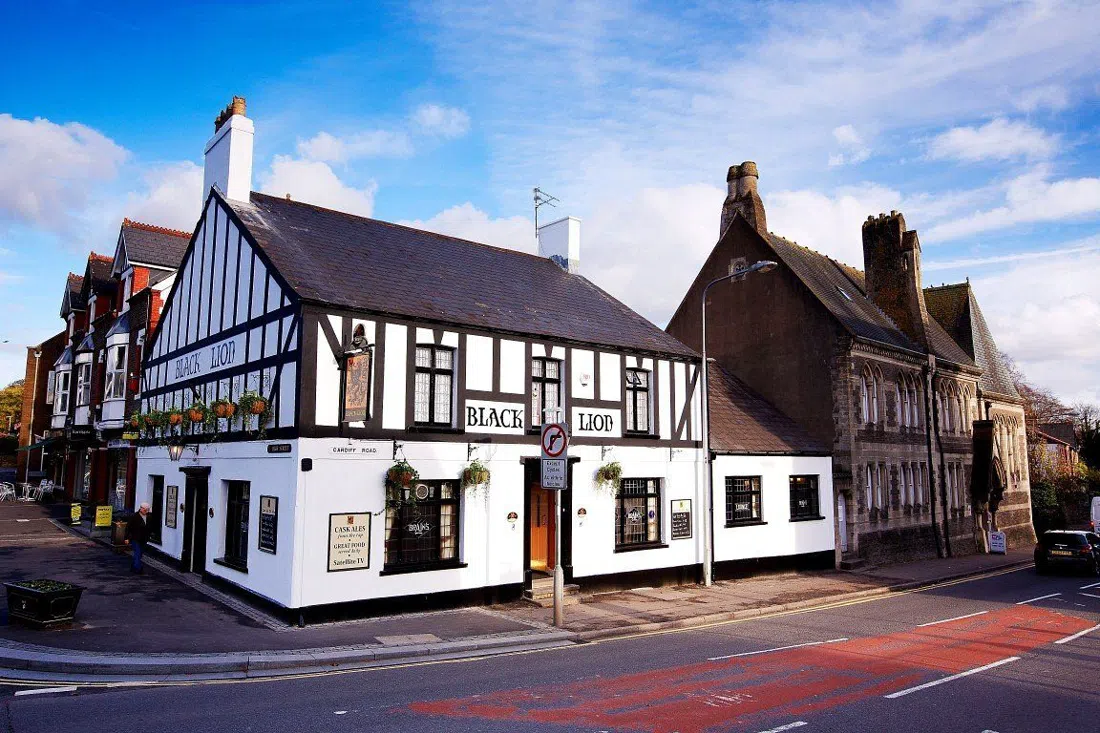
The Black Lion Hotel is the other half of the equation: a traditional locals' pub, cask ales, and a Saturday live-music night that is the closest thing the village has to a late session. Neither of these is a scene. Both are the real thing, which is a different and in some moods better proposition.
Cathedral close, a mansion and two parks
The cathedral is the obvious opening move — free, working, and best timed around music. From the green, Cathedral Close runs past the ruins of the Bishop's Palace, a small medieval fortress put up by William de Braose, now walls and gateway rather than rooms, and all the better for being walked through rather than toured.
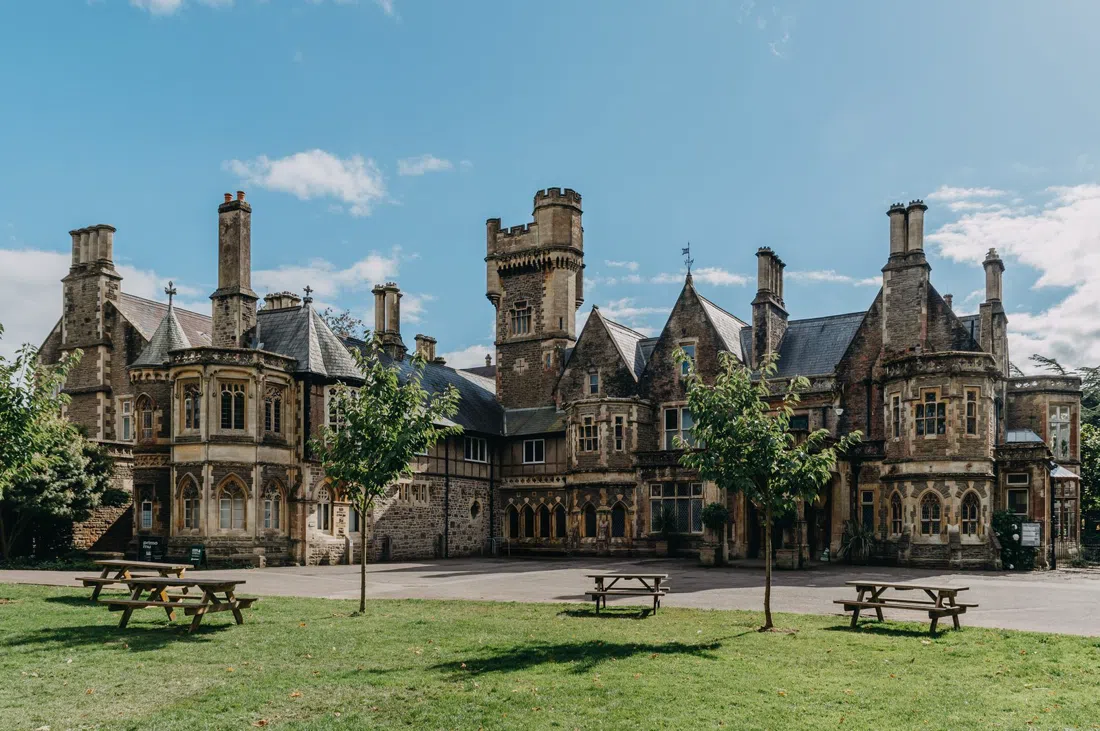
A short way south, Insole Court is the village's other serious building: a Grade II*-listed Victorian Gothic mansion, restored after years of decline, with gardens that cost nothing to wander and a café on site for when the weather turns, which in Cardiff it will. The scale of the place is domestic rather than stately, which makes it unusually easy to spend an hour in.
Then there is the green space, which is the quiet reason families keep choosing Llandaff. Llandaff Fields is Grade II-listed historic parkland with tennis courts, bowls and a playground, flat and open and entirely free. The Taff towpath runs along the river for anyone who wants to walk or cycle rather than stroll, and it will carry you all the way towards the city centre if you let it.
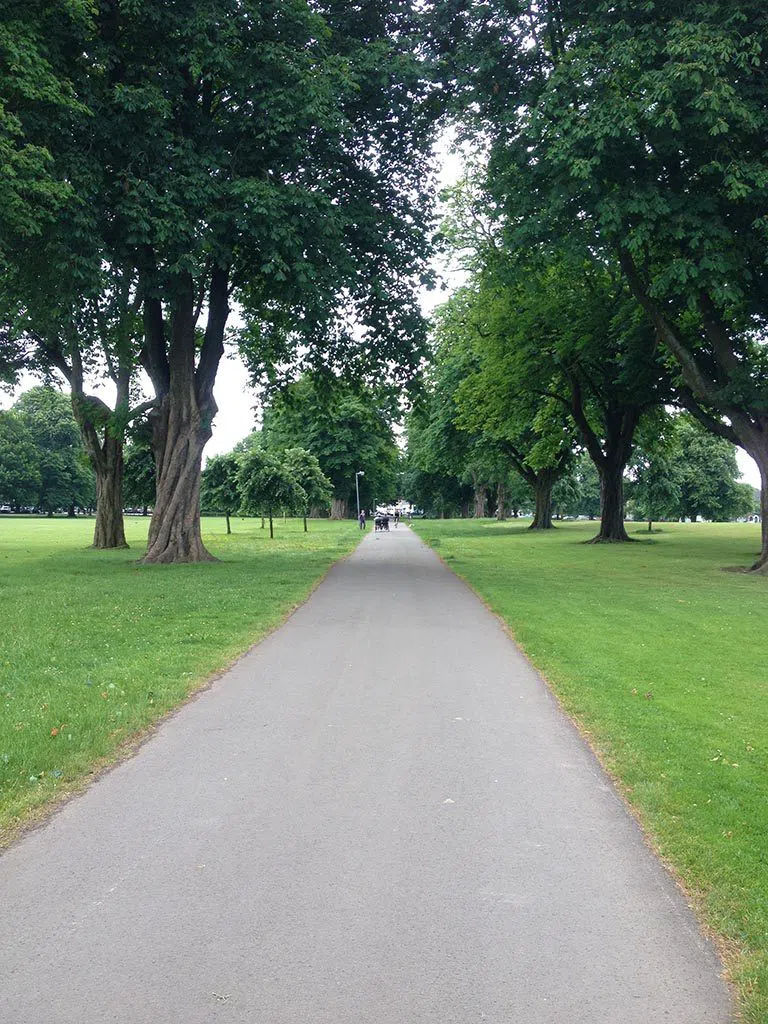
Worth knowing: the fields and the riverside paths are lightly used after dark. The streets around the cathedral and the High Street are well lit and quiet in the reassuring sense; the parks are simply empty. Walk the lit roads at night and save the towpath for daylight.
A working high street, not a shopping trip
Llandaff's High Street is a shopping street for people who live here, not a retail destination, and it is more interesting for it. There's a pharmacy, a post office, a small supermarket, a cluster of independent cafés, and a scattering of gift, florist and homeware shops — and, notably, not a single recognisable chain name among them. Like plenty of suburban high streets, it functions as a village errand run rather than an afternoon's browsing.
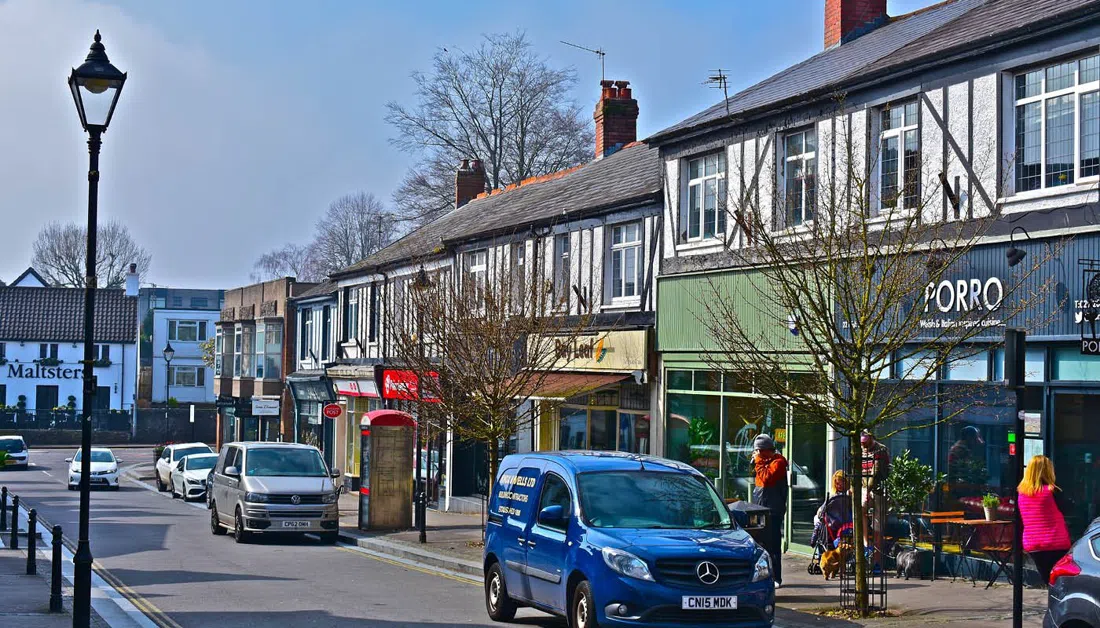
Treat it accordingly. Buy a card, buy flowers, buy something small and local, then go and have cake. If you came to Cardiff to shop properly, the city-centre arcades are the bus ride you already know about.
Where to stay in Llandaff
There is no hotel district here, because this is a residential cathedral village and never pretended otherwise. The options are smaller, fewer and more specific than anything in the centre. The Maltsters Arms has five en-suite rooms above the pub on Cardiff Road, each with a Nespresso machine and a rain shower — which means you can stay the night a few hundred metres from a 900-year-old cathedral and be in bed four minutes after last orders. Prices across the village sit mid-range and below city-centre equivalents; The Heathcock is the one deliberate splash-out, and everything else runs at village-pub and high-street-caff money.
It suits a particular traveller: someone who wants quiet, history and green space on both sides, and who is happy to bus into Cardiff rather than walk out of a hotel lobby into it.
Bus in, don't rely on the nearest train station
Llandaff is about 2.5 miles — 4.6km — from Cardiff city centre. Walking it is genuinely possible and genuinely long: 45 to 60 minutes along Cardiff Road, or the prettier version through Llandaff Fields and Bute Park, which is one of the better urban walks in Wales and a poor idea in heavy rain with luggage.
The practical answer is the bus. Cardiff Bus routes 24 and 25 run from the Cardiff Bus Interchange and Westgate Street, and the Western Avenue or Black Lion stops put you in the village in roughly 15 to 20 minutes. Learn those two stop names before you arrive and the rest sorts itself out.
The trap is the railway. Llandaf station sounds like the obvious choice and isn't — it serves Llandaff North, across the river, not the village. If you want a train, Fairwater station is the one that works, about a 15-minute walk away. Arrive by bus, keep a pass or a card handy for the return journeys, and the two and a half miles between the cathedral and the castle stop feeling like a barrier at all.
24 October 2026