Cardiff · Where to live · 8 min
Pontcanna, Cardiff: the Victorian village that became Wales's best dinner reservation
Lime trees, cask ale and a Michelin star — how a quiet broadcasting suburb a 20-minute walk from Cardiff Castle turned into the city's strongest dining postcode.
Nine o'clock on a Saturday morning and the queue outside Ground Bakery on Pontcanna Street has already pushed past the shopfront next door, a slow shuffle of tote bags, prams and people who have clearly done this before.
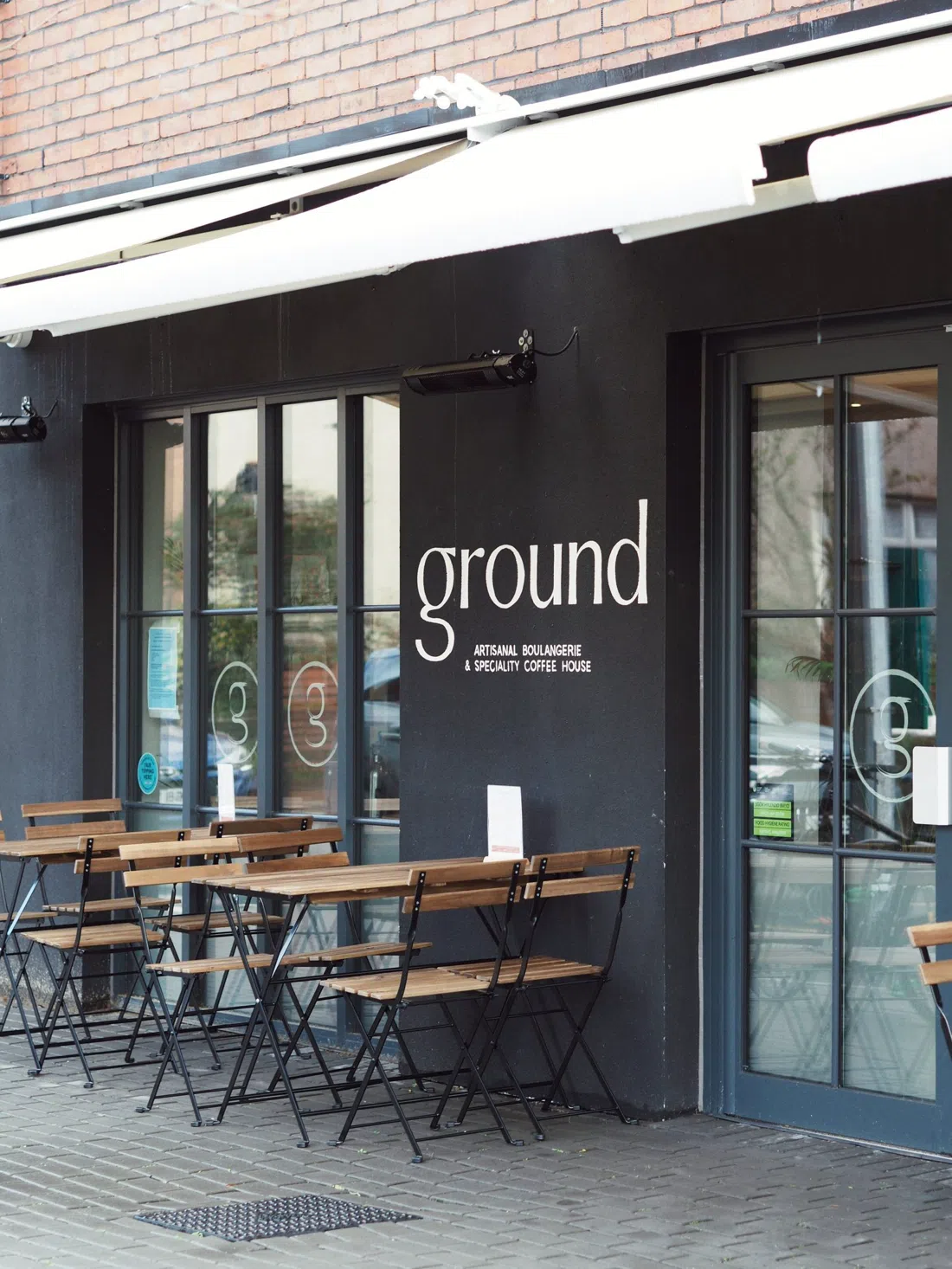
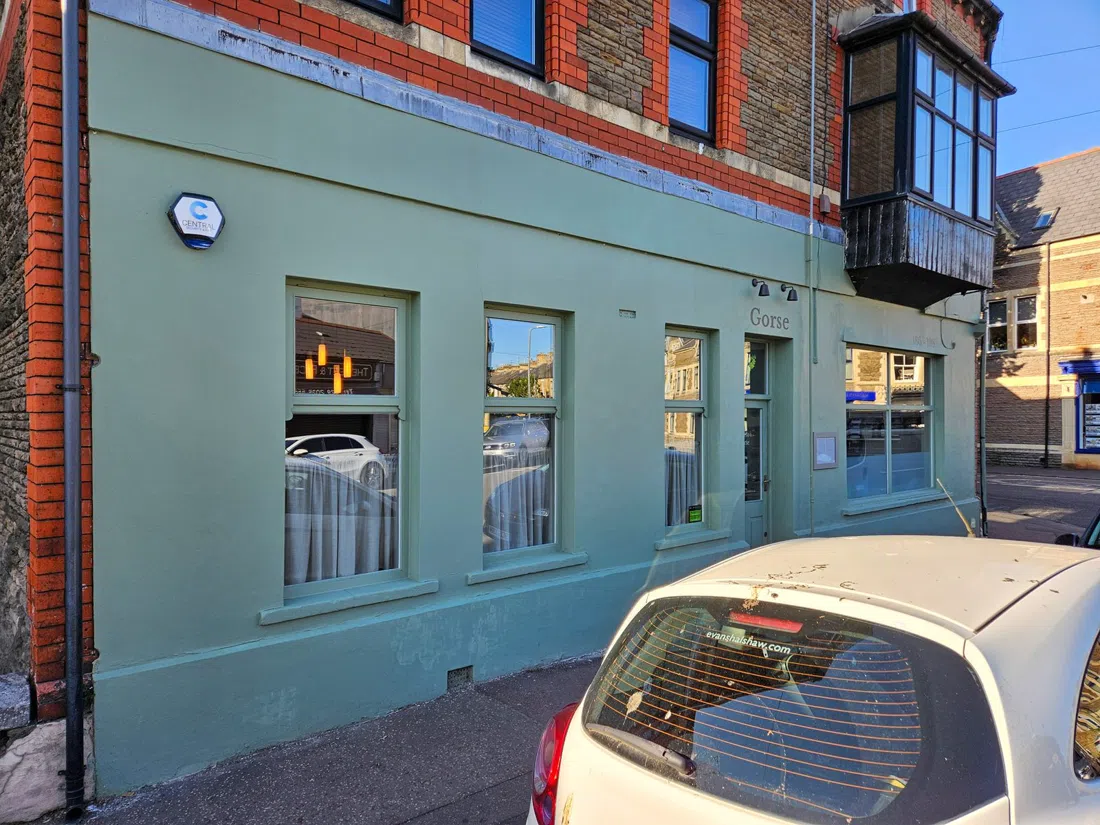
Fifty yards away, behind a frontage that gives almost nothing away, chef Tom Waters is plating the tasting menu that won Gorse the first Michelin star in Cardiff's history. That is Pontcanna in a single block. Two neighbourhoods stacked on top of each other: a sleepy residential grid of bay windows and lime trees, and one of the most serious small concentrations of cooking in Britain.
A broadcasting village turned dining destination
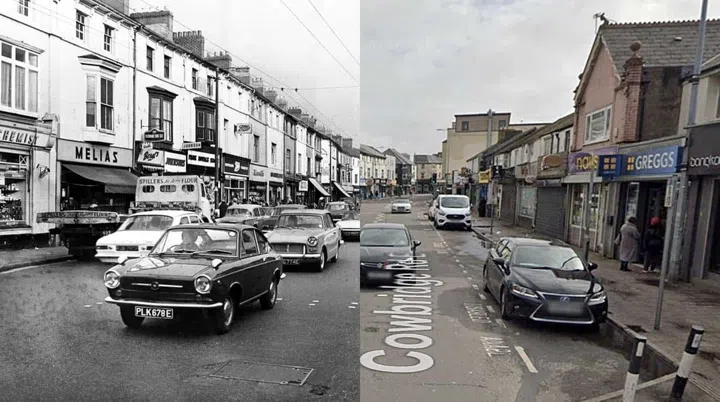
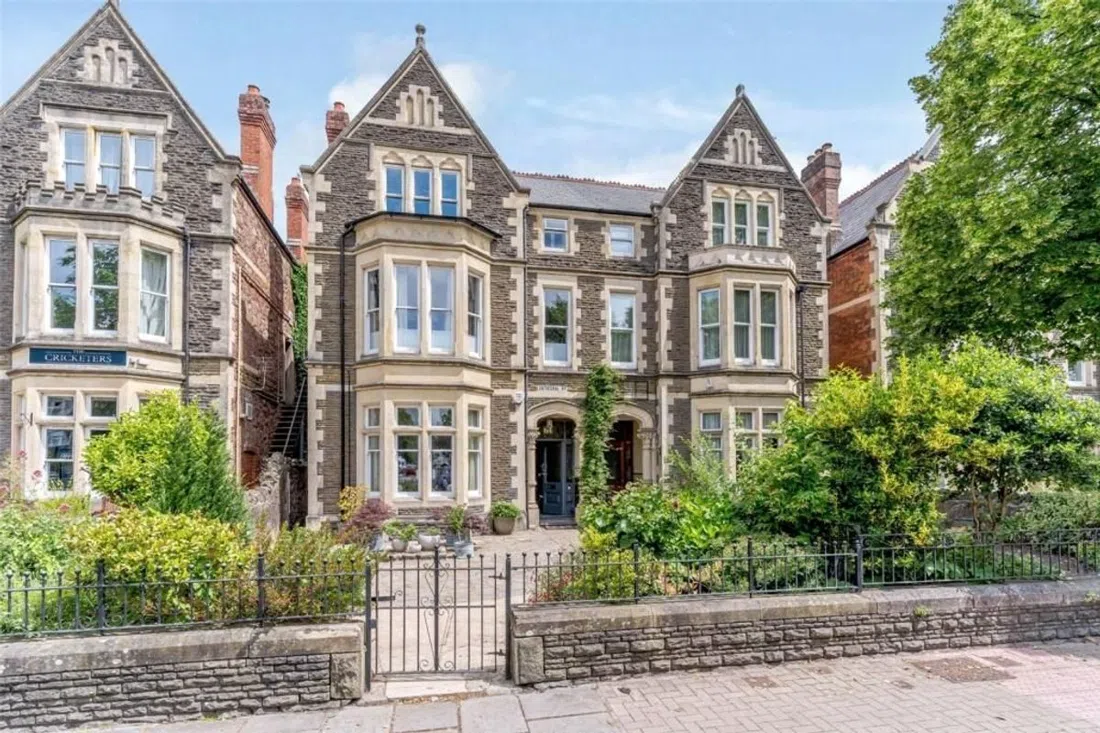
Pontcanna reads first as architecture. Walk the length of Cathedral Road and you get row after row of bay-windowed Victorian villas, built between 1885 and 1900 for the merchants and professionals of a city growing rich on coal exports. They were designed to impress, and they still do, though their lives have changed: many have been carved into flats, others into consulting rooms, a few into the small guest houses that give the area its accommodation. The streets are wide — wider than Cardiff really needed — and that generosity of scale is what makes the place feel calm rather than cramped.
The second wave was broadcasting. Wales's television and film industry put down roots here through TWW, HTV and later S4C, and the consequence is audible rather than visible. Pontcanna has a higher-than-average Welsh-speaking population, and you hear the language in the bakery queue, in the park, at the bar — spoken as a working language, not displayed as heritage. For visitors who want Welsh culture to be something other than a bilingual road sign, that alone justifies the postcode.
What has arrived most recently is the food. In the space of a few years this residential district has become the address ambitious Welsh chefs want, and the restaurants have clustered tightly enough that you can eat at the top of the national game and walk home in ten minutes.
Where to eat and drink in Pontcanna
The range here runs from a tasting counter for twelve to a bakery queue that spills onto the pavement, and almost all of it sits within a few streets of each other around Pontcanna Street, Kings Road and Romilly Crescent. You could eat your way through the neighbourhood's entire reputation without ever hailing a taxi.
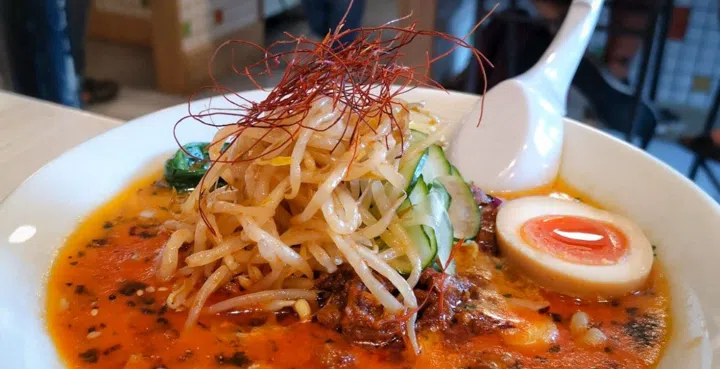
Gorse is the summit. Tom Waters builds seven-to-ten-course tasting menus out of Welsh coastal and mountain produce, and in February 2025 that cooking took Cardiff's first Michelin star. Dinner is a commitment; the £45 four-course lunch is the sly way in, and the one I'd push on anyone who thinks a starred restaurant is necessarily an evening-long ordeal.
A short walk away at 3 & 5 Pontcanna Street, Tom Simmons runs Thomas, The Brasserie, French-inspired and considerably more relaxed about itself, which has not stopped it being named Best Restaurant in Wales 2026 and landing in the Good Food Guide UK Top 100. It is the kind of room where you can order properly or order lightly and feel equally well treated.
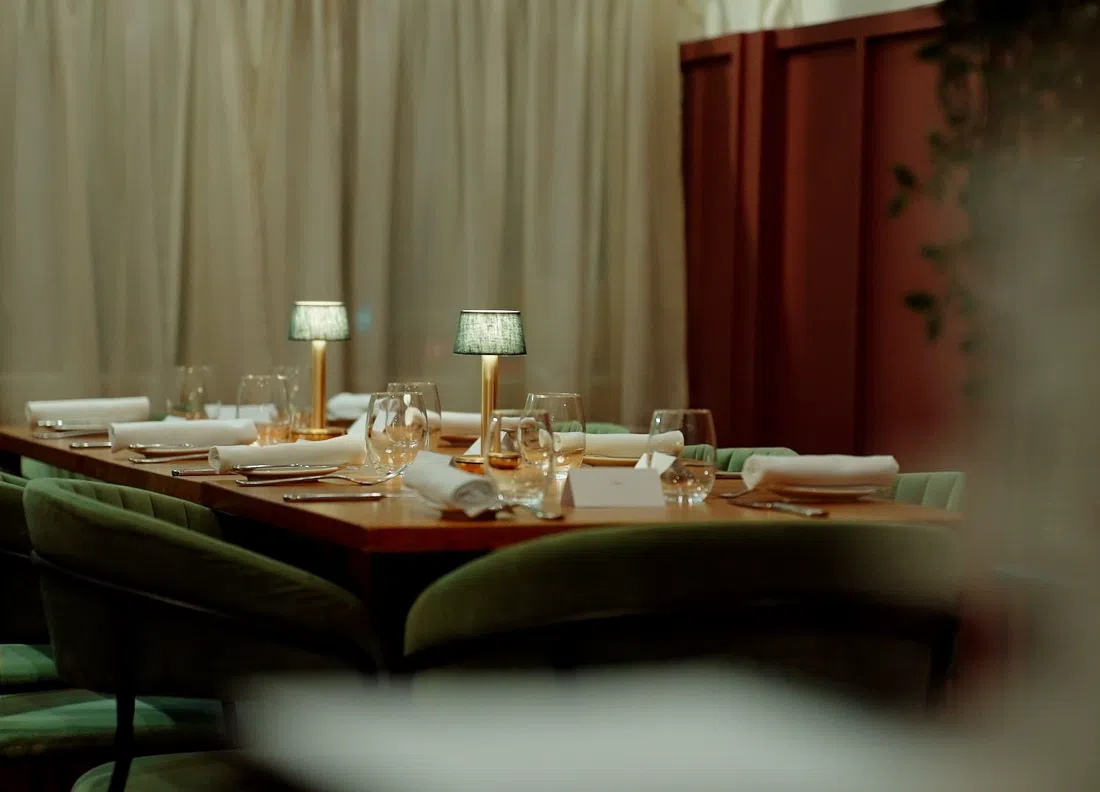
Above it, something smaller and stranger: Lofft, a twelve-seat chef's table that opened in February 2026 and runs a ten-course menu built on Welsh produce. Twelve seats means the whole evening has the texture of a dinner party you happen to be paying for.
Over on Romilly Crescent, Tommy Heaney's Heaneys takes a different line — a bar-restaurant of sharing plates with barbecue smoke running through them, and a wine list good enough to draw comparisons with the city's Michelin dining. It is loose where Gorse is precise, and the two make an excellent argument with each other across a weekend. Milkwood, back on Pontcanna Street, is the all-day option: seasonal modern British cooking that starts as weekend brunch and slides into an evening wine bar without ever changing its clothes. On Kings Road, Canna Deli works the Italian deli-restaurant angle around locally sourced produce, the sort of place you intend to visit for a coffee and leave having eaten lunch.
And then there is bread, which Pontcanna takes unusually seriously. Ground Bakery — Tom Simmons and the rugby player George North's venture on Pontcanna Street — is the source of Cardiff's best sourdough and a brunch that routinely generates that round-the-block queue. A few streets over on Wyndham Crescent, Brød is the Danish answer: Copenhagen-trained baker Betina Skovbro's bakery, where the cinnamon buns and cream snegls are baked fresh on site and disappear accordingly.
Pubs and late drinks
Set your expectations correctly: Pontcanna's night is pub-shaped, not club-shaped. This is a residential district, and on most evenings the loudest thing in the room is a cricket match on the big screen. If you want DJs and a 3am taxi queue, the city centre is twenty minutes away and welcome to you.
The Halfway on Cathedral Road is the unpretentious heart of it — cask ales, a skittle alley, sport on the screen, dogs and children entirely unremarkable. Further along the same road, The Pontcanna Inn is the opposite instinct: a grand Victorian townhouse turned Young's pub, with a walled garden that fills the moment the sun appears and a smart-casual dress code at weekends that tells you something about who drinks there.
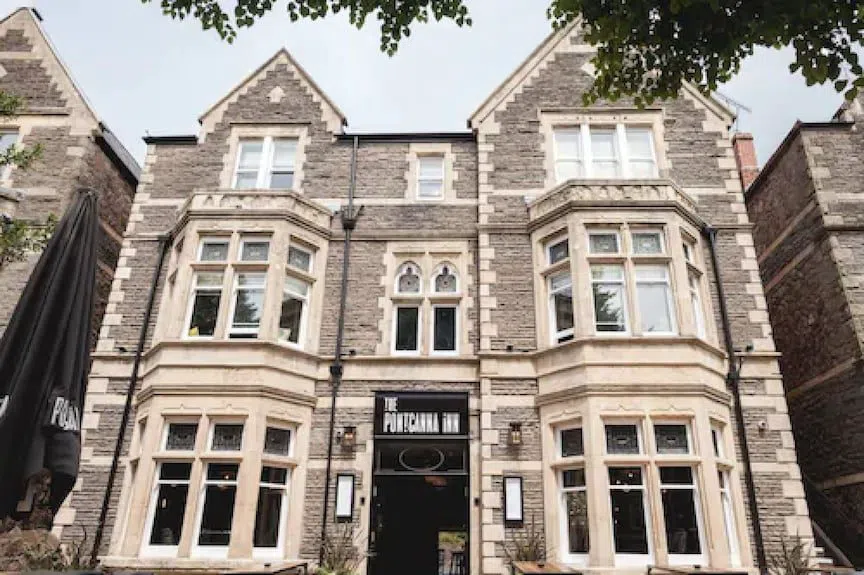
My own pick is Y Mochyn Du, a free house and microbrewery tucked into Sophia Close beside the cricket ground, brewing its own real ales on site. On a match day it is the most Welsh room in Cardiff and the best place in the neighbourhood to eavesdrop. For a late, quieter drink, Uisce by Heaneys — the wine and oyster bar next door to the restaurant — does the job without any of the volume.
Parks, cricket and the Taff Trail
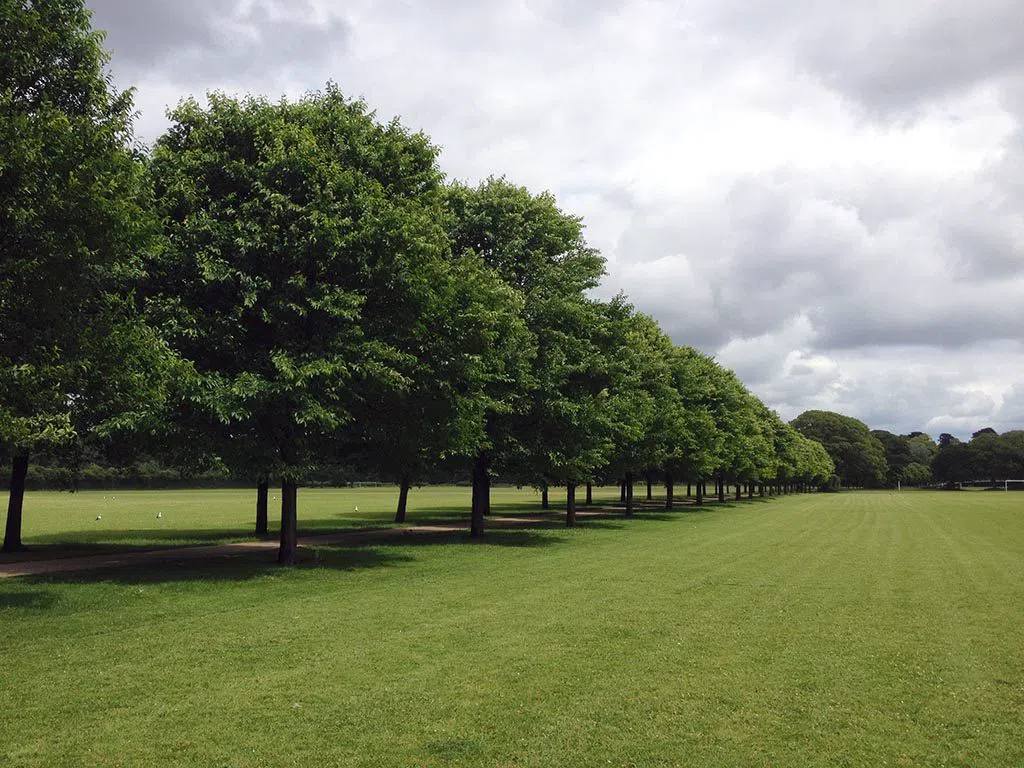
Ask a resident what they love about Pontcanna and they will mention the space before the restaurants. Pontcanna Fields runs 157 acres of parkland alongside the River Taff, and its defining feature is an avenue of lime trees planted in the winter of 1879-80 by Andrew Pettigrew, head gardener to the Marquis of Bute. Nearly a century and a half on, it is still the best five minutes of walking in the city — dead straight, cathedral-tall, and busy at dawn with runners and dog walkers who nod at each other.
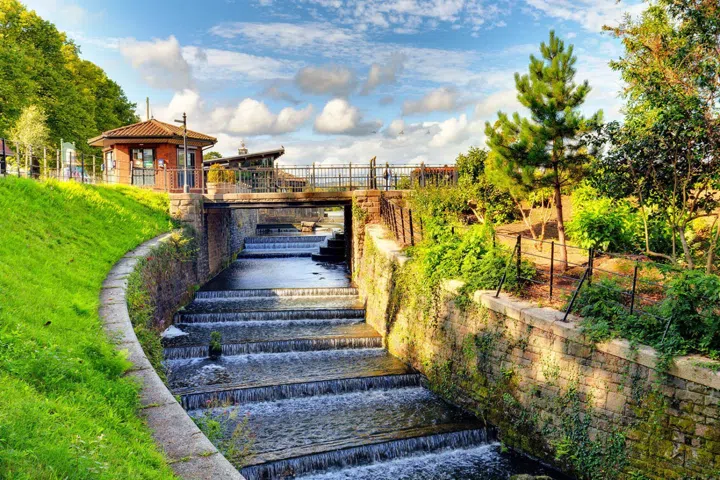
The fields run north into Llandaff Fields and south along the river into Bute Park, which means you can leave your front door in Pontcanna and reach the castle without touching a main road. The connective tissue is the Taff Trail, the riverside walking and cycling route that links Pontcanna Fields to Bute Park and the city centre in one direction and Llandaff in the other. Hire wheels or don't; on foot it is just as good.
Sport is woven in. Sophia Gardens — the SWALEC Stadium — is Glamorgan County Cricket Club's home ground and doubles as a summer concert venue, so a July evening here can mean either a Twenty20 crowd or a stadium gig drifting across the park. The Sport Wales National Centre sits on the parkland too: an elite athletics and training facility that opens its gym, pool and tennis courts to the public, which is a rare thing to be able to say about a national institute.
Independent shops on Pontcanna Street
Pontcanna Street and the lower stretch of Cathedral Road hold a tight, walkable run of independents rather than chains — the shopping equivalent of the neighbourhood's attitude generally. Kiti, a womenswear boutique at 85 Pontcanna Street, has stocked a curated edit of contemporary designer clothing since its founder Gwenno moved the shop to this address in 2022, and it sets the tone: considered, small, not trying to be anywhere else.
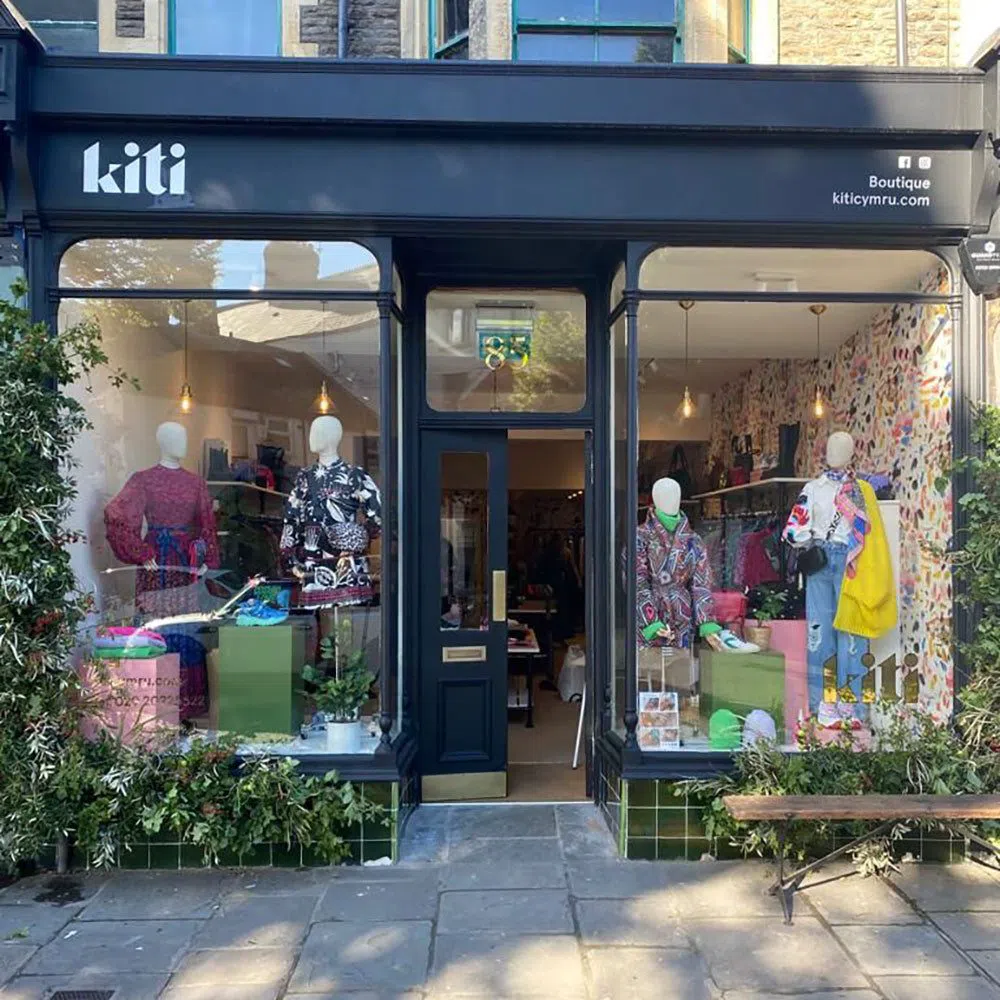
Factor in Canna Deli on Kings Road for produce and Ground Bakery for a loaf to carry home, and an hour's browsing here is less about hauling bags than about understanding how the district feeds and clothes itself.
Where to stay in Pontcanna
There is no cluster of big hotels in Pontcanna, and that absence is precisely the point. The accommodation is smaller and more residential — Cathedral Road's grand Victorian houses hold most of it, converted into guest houses and boutique rooms with high ceilings and original bay windows. The trade-off is clear: you are twenty minutes on foot from the castle rather than across the street from it, and in exchange you get quiet nights, parkland at the end of the road and a Michelin-starred restaurant within walking distance of your bed.
Budget-wise, expect mid-to-upper. Tasting menus and boutique guest houses sit alongside bakery coffee and straightforward pub grub, so the neighbourhood flexes further than its reputation suggests. It is also a quiet, affluent district with low reported crime relative to the city centre; the usual caution applies on a late walk back from town, but Pontcanna itself feels calm.
Getting around Pontcanna
Pontcanna sits roughly a 20-minute walk from Cardiff city centre, most directly along Cathedral Road and Pontcanna Street — or, if the weather holds, through Bute Park and Sophia Gardens, which is the version worth taking. By bus it is under 15 minutes: Cardiff Bus services 24 and 25 run from the Bus Interchange and Westgate Street, near Gate 4 of the Principality Stadium, with 62 and 63 also serving the area from the city centre and Cardiff Central station.
For the airport, allow about 25 minutes by car or taxi via the A4232. Without a car it is slower — a bus or train into the centre, then the airport's rail link from Rhoose, closer to 45 minutes door to door. Worth knowing before you book an early flight, and worth ignoring entirely if your plan is simply to walk this neighbourhood, eat extremely well and go to sleep under a Victorian ceiling.
24 October 2026