Chicago · Where to live · 8 min
Wrigleyville, Chicago, from the ballpark to the lakefront
Tours of a 1914 ballpark, a landmark block of 40 doors, Graceland's architects and the bars on Clark Street, with the 2026 prices, hours and booking rules that decide what order you do them in.
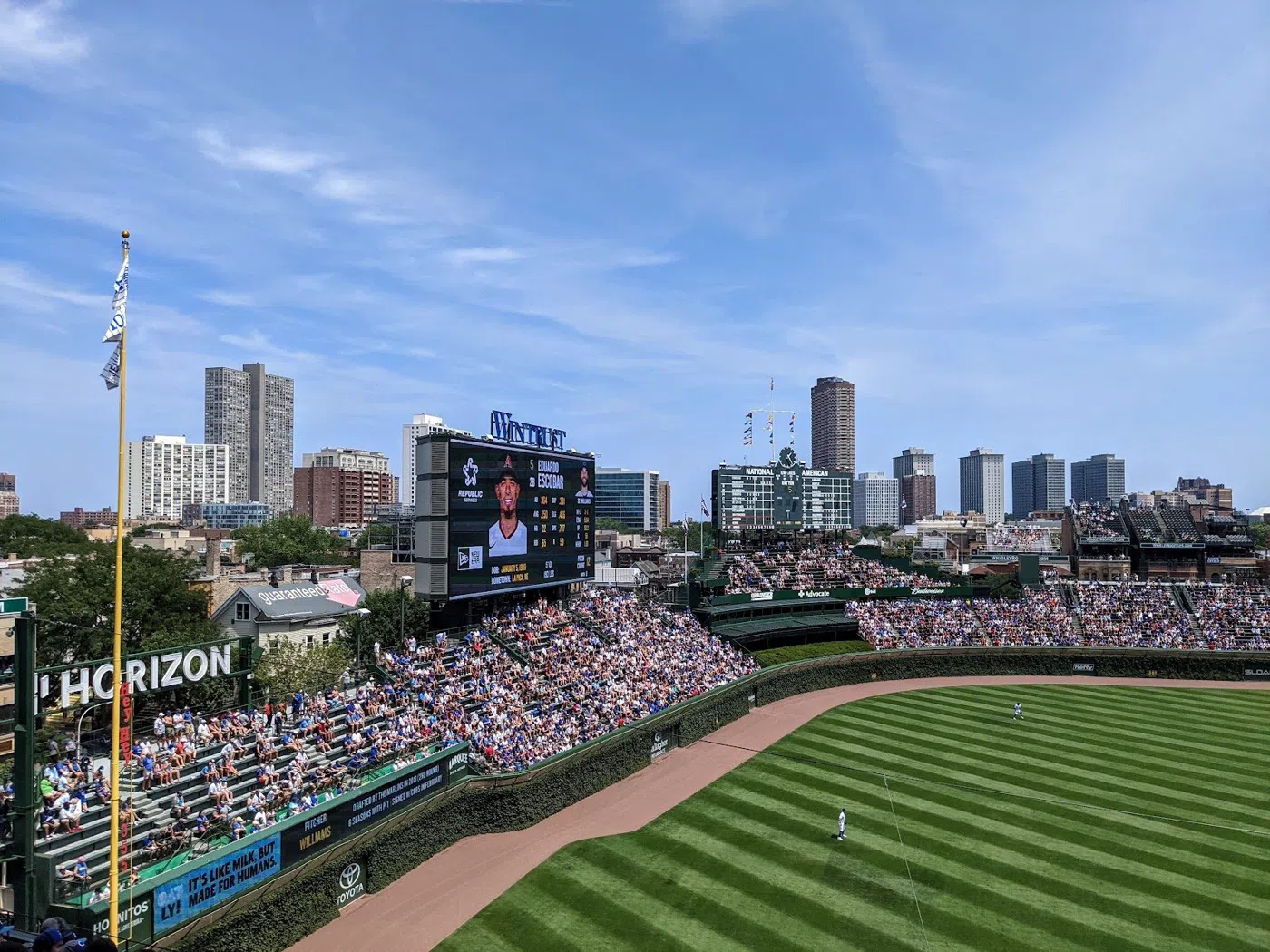
Wrigley Field opened in 1914, and the streets around it grew up to serve it. The red Art Deco marquee on the corner at Clark and Addison reads 'Wrigley Field, Home of Chicago Cubs'. Behind it are an ivy-covered brick outfield wall and a hand-turned green centre-field scoreboard.
The ballpark on a non-game day
Wrigley Field (Clark and Addison) runs public tours year-round on days when the Cubs are not playing. A tour lasts 75 to 90 minutes and costs $30 for an adult, and the route goes into the dugout, the bleachers and the press box. It is the only quiet way to see the place. Educational groups and other groups of more than 30 pay $15 a head on weekdays, and a private buyout for up to 50 people costs $2,000. Game tickets vary widely in price. Every other stop in this guide is within a walk of that corner.
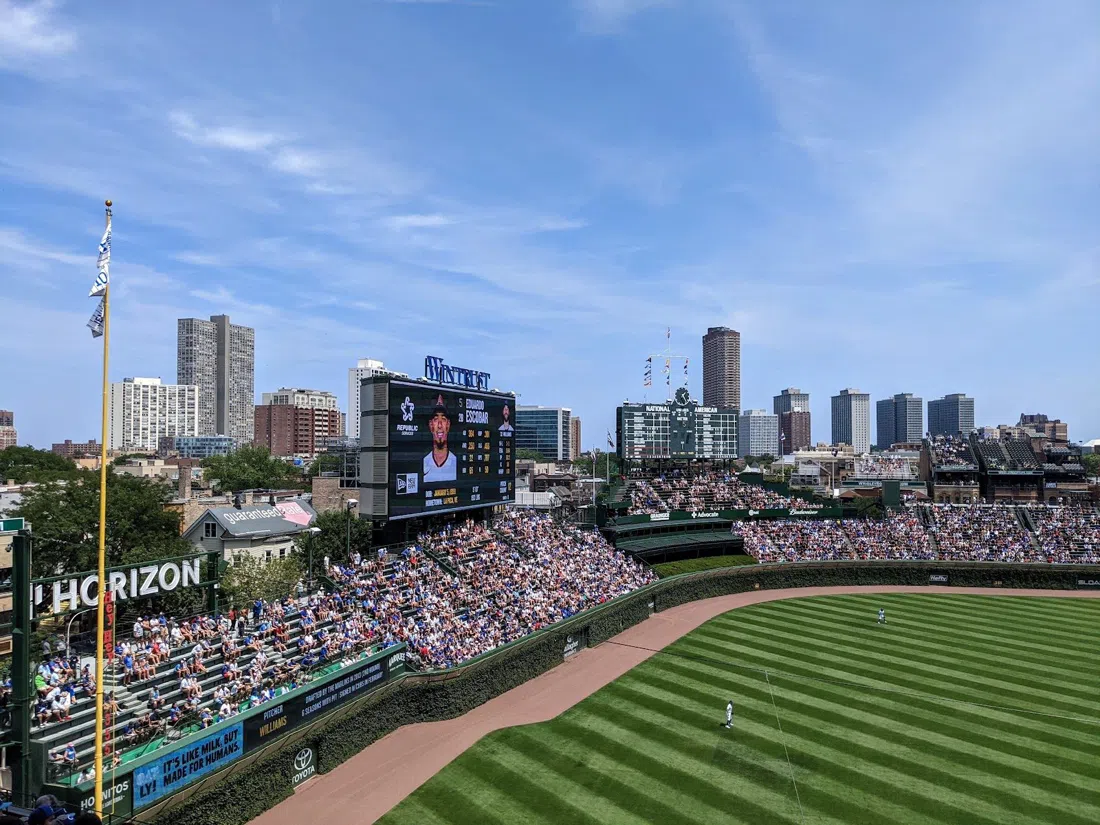
Gallagher Way (beside the west wall of Wrigley Field) has been the neighbourhood's gathering space since 2017. Brick paving and bronze statues of Cubs legends ring the lawn, and a large outdoor screen faces it from one end. Free films, farmers' markets and fitness classes run through the year, string lights go up over the market stalls, and in winter an ice rink takes the lawn. Entry is free on non-game days; on game days, only ticket holders get in. With children, it is the easiest free hour here, and the plaza can also be hired privately.
One block north on Alta Vista Terrace
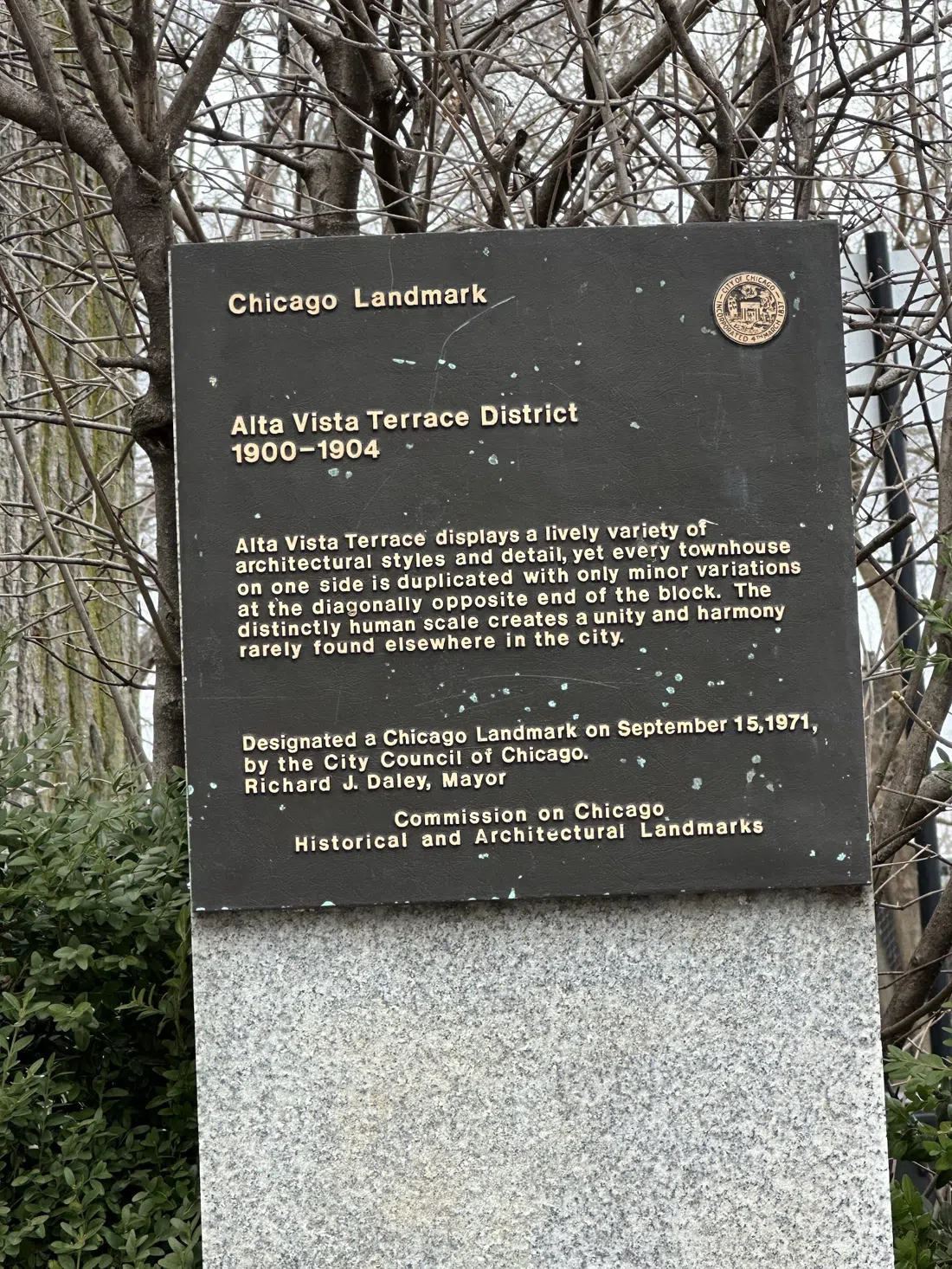
Alta Vista Terrace District (one block north of the ballpark) was the first district Chicago designated a landmark. One narrow block holds 40 mirrored rowhouses from 1904, built in a London style, with bay windows and stone stoops above tightly parked cars. No shops interrupt it. The block is known as the Street of Forty Doors, it is free to walk at any hour, and the detour takes 10 minutes. People live here, so go in twos and threes and keep your voices down. It is also the fastest way to get Clark Street out of your ears.
Graceland Cemetery at the northern edge
Graceland Cemetery & Arboretum (4001 N Clark) marks the northern edge of Wrigleyville, under huge mature trees. Burnham, Sullivan and Mies van der Rohe are buried here, as is Marshall Field. Entry is free, and this is the best architecture walk in the area. Lorado Taft's hooded bronze 'Eternal Silence' stands in a blackened granite niche, Sullivan's Getty Tomb carries filigreed bronze doors, and the Palmer sarcophagus sits beside a small lake. The gates open 365 days a year, 8 a.m. to 6 p.m. on summer weekdays and until 4 p.m. in winter and at weekends. The cemetery runs guided tours and offers a self-guided audio tour, and you must register a group visit in advance.
East down Addison to the lakefront
Walk straight east along Addison and through the Waveland tunnel, and the lakefront arrives in 15 minutes. Kwanusila Totem Pole (Lincoln Park at Addison) is a 40-foot red cedar pole, brightly painted: a grimacing sea monster at the base, a man riding a whale above it, and the Thunderbird spreading its wings on top. Belmont Harbor masts and Lake Michigan fill the view behind it, and the Waveland clock tower and the Lakefront Trail are the same walk. The pole is outdoors, free and there at any hour. Half an hour of this is worth more than another day of bars.
The Music Box and Metro
Two of the older rooms in Wrigleyville have nothing to do with baseball. Music Box Theatre (Southport) is a 15-minute walk west along the Southport Corridor, and it has been a working picture palace since 1929. The auditorium ceiling is dark blue, pricked with twinkling stars and crossed by projected clouds, above ornate faux-Italianate side walls, and a tall vertical neon marquee runs up the Southport frontage. The programme takes in 35mm prints, midnight cult screenings and a live organ at Christmas. Tickets cost $7 to $17 depending on the show, at the door or online. This is the room to keep for a wet afternoon, and the theatre also rents out for private events.

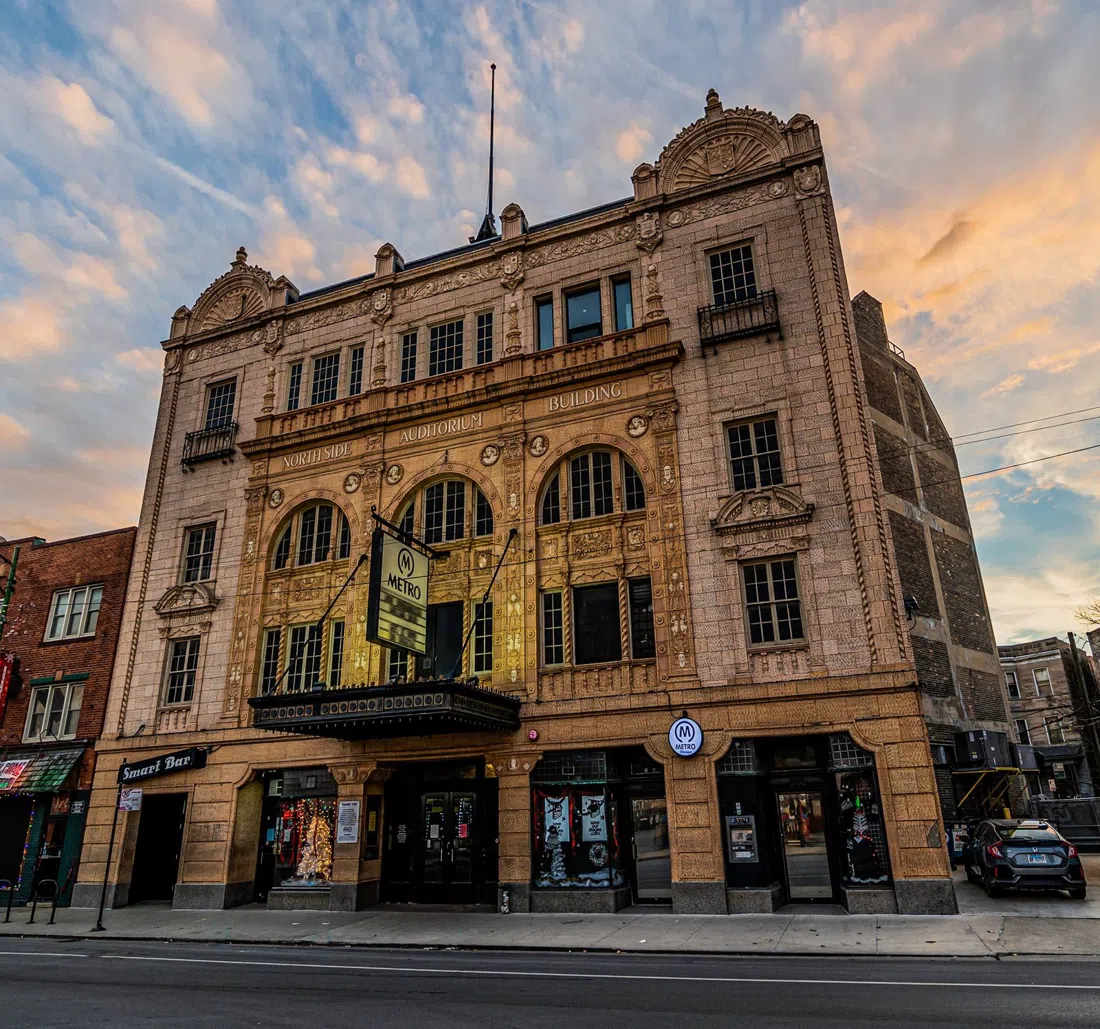
Metro Chicago (3730 N Clark) is two blocks from the marquee in a pale brick building from 1927, under a vertical METRO sign. The balcony is steep and narrow, and it hangs straight over the stage. Smashing Pumpkins and Nirvana both broke in Chicago in this room. Shows are standing-room, tickets run $25 to $60, and popular nights sell out, so buy ahead. Downstairs, smartbar is a serious house and techno club with one long bar. The building occasionally hires out in full for all-building events.
Game-day drinking on Sheffield and Waveland
Wrigley Rooftops (Sheffield and Waveland) are tiered bleachers bolted onto the flat roofs of century-old apartment blocks, looking straight over the outfield wall into the ivy and the scoreboard. It is the most distinctive way to watch a Cubs game. Tickets cost $125 to $350 a person, with unlimited food, beer and wine included in that figure. Most buildings sell all-inclusive per-head tickets and whole-rooftop buyouts for corporate parties, so confirm which specific building your ticket is for. Outside game and event days, nothing happens up there.
Murphy's Bleachers (Sheffield and Waveland) is the green-and-white corner tavern directly under the bleacher wall, with hand-painted signage, pennants inside and a big fenced patio of picnic tables. Ball hawks wait for home runs at the right-field corner outside the door. It opens 11 a.m. to 2 a.m., and until 3 a.m. on Saturdays, and queues form on game days. The bar takes bookings for corporate nights, birthdays and stag or hen parties, and it runs a separate rooftop under the same group. If you want one pre-game pint, have it on this patio.
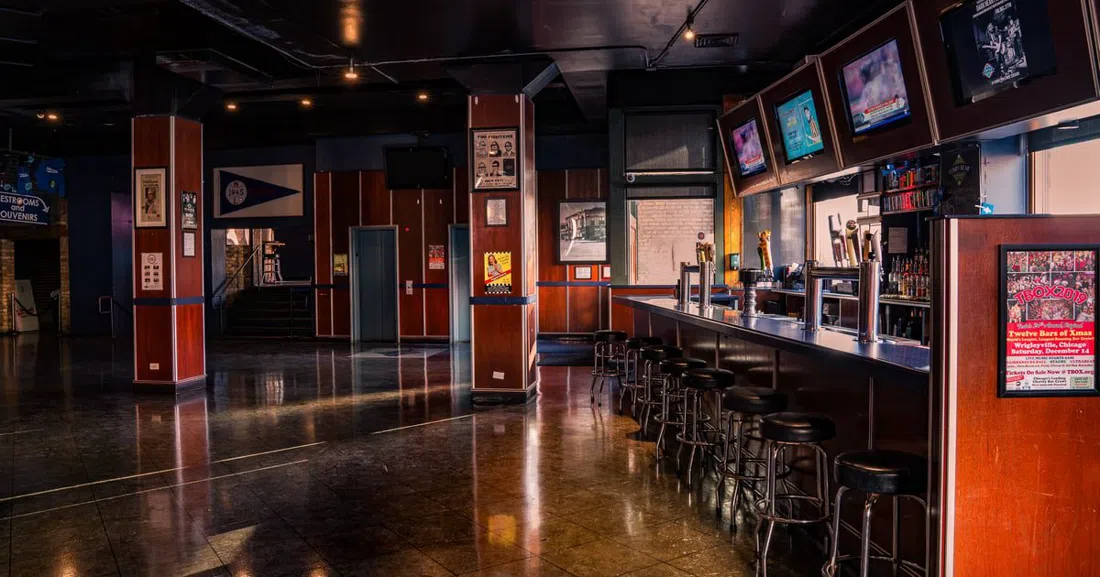
The Cubby Bear (1059 W Addison) faces the Wrigley marquee head-on and has been open since 1953. Cubs-blue signage marks the corner, a bandstand stands at one end, and a wall of screens hangs over a long island bar. It is still booking bands into 2026, with ticketed gigs most weeks, and it hires out for private events. The room is cavernous and loud, and it absorbs a stag party or a bus tour without noticing. Some nights call for a tourist bar, and this is unapologetically one.
Bars along Clark and Sheffield
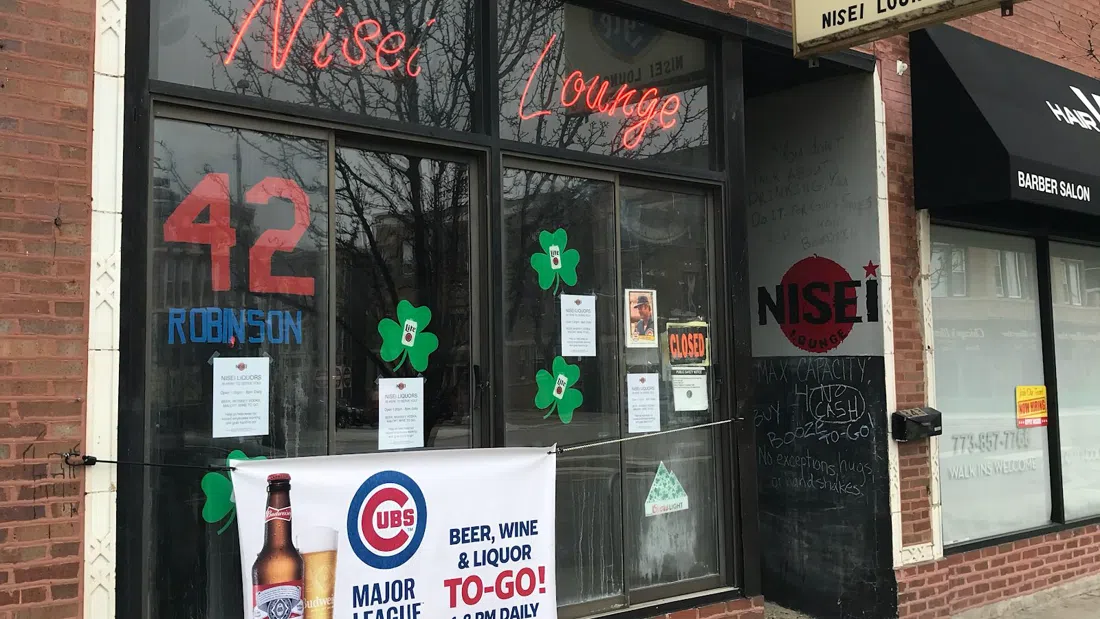
Nisei Lounge (3439 N Sheffield) is the oldest bar in Wrigleyville. Hiroto Hirabayashi opened it straight out of a wartime internment camp, and the bar marks 75 years in 2026. The room is one narrow box with a red-painted wall behind the bar, dart boards and a jukebox. The Cubs game plays on a small TV, and jars of fruit-infused Malört wait on the back bar. There is no door policy. Six of you will fit; 20 will not. Prices sit at $, cash is welcome, and locals come first.
Sluggers World Class Sports Bar (3540 N Clark) has been family-owned for more than 35 years, and the baseball theme here is participatory. Netted batting cages fill the upper floor of the two-storey bar, along with skee-ball and arcade machines, and downstairs there is a dueling pianos stage and more than 40 screens. The cages run late, which covers an early stop with children and a 2 a.m. one equally. Party packages and a patio make it a standard call for stag and birthday groups, and the events team takes bookings at [email protected].
Pilot Project Brewing (3473 N Clark) is a brewery incubator. The taps carry a rotating wall of different small brewers' logos and the beer list changes constantly, which is the reason to come. The darker Devious Lounge alongside pours cocktails, and both rooms take private hire. It closes earlier in the week, so check the day before you bring anyone.

Mordecai (3632 N Clark) takes its name from the Cubs pitcher Mordecai 'Three Finger' Brown, and it is the grown-up room in the neighbourhood. The bar is dark wood and brass, with leather banquettes, a deep backlit whiskey shelf and windows looking across the street at the ballpark. The cocktail and whiskey list is the serious one here, the kitchen does American bistro food, and the price band is $$$. It takes reservations and private events, and it keeps walk-up space. Book around games.

Barbecue below Hotel Zachary
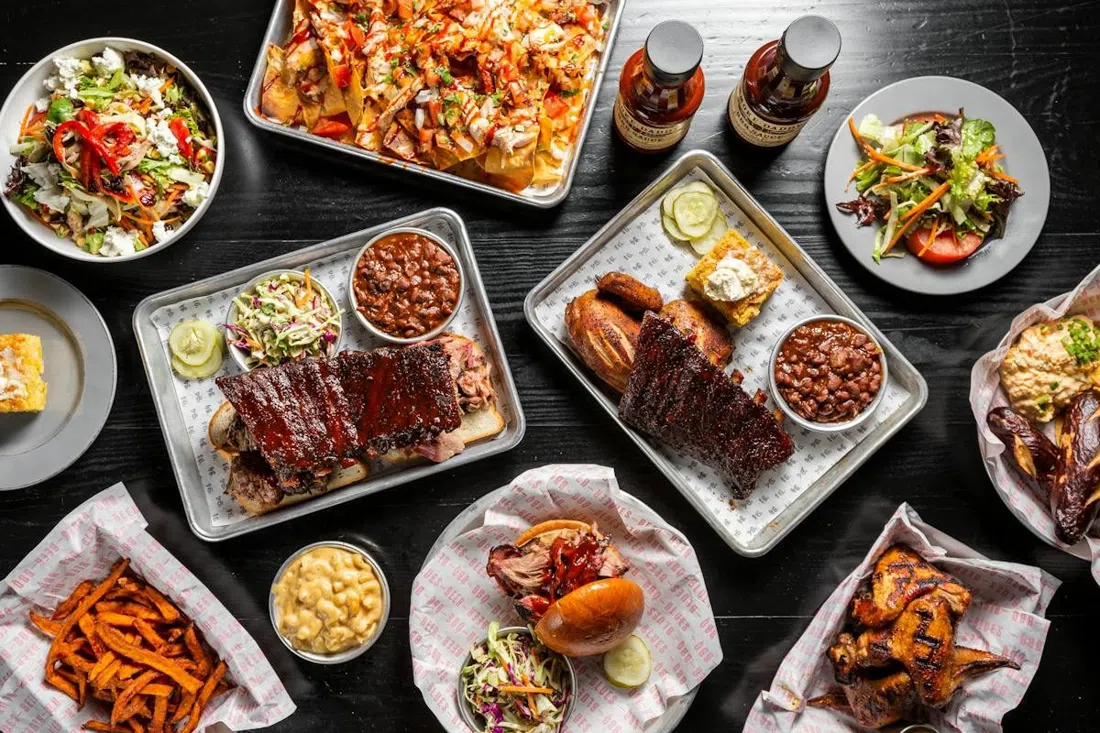
Smoke Daddy Wrigleyville (3636 N Clark) has been smoking meat since 1994, starting in Wicker Park before this outpost opened. The room fills the brick base of Hotel Zachary under a neon BBQ sign, with metal trays of ribs and brisket and a small stage for live blues. It opens at 10 a.m. for afternoon Cubs games and at 11 a.m. on other days, and it handles large tables, catering and private events. This is the best meal within sight of the marquee, and the blues turns dinner into an evening.
Staying by the marquee
Hotel Zachary (3630 N Clark) carries the name of Zachary Taylor Davis, who designed the ballpark. The brick-and-terracotta building faces the marquee, the lobby runs to dark wood, steel, copper and leather, and the upper rooms look into Wrigley Field. Rooms go for $200 to $450 a night and climb far higher on game weekends. Street noise on a game night is part of the deal. Meeting space and the adjacent Wrigley Field Event Center take groups, room blocks are available, and the restaurants in the base absorb the overflow.
Before you go
Tours of Wrigley Field run only on non-game days, Gallagher Way turns away everyone without a ticket on game days, and Pilot Project is shut earlier in the week. Book Metro tickets and a table at Mordecai ahead, register any group visit to Graceland in advance, and confirm the building named on a rooftop ticket. See the Chicago guide and the Chicago hotel search.
30 October 2026 · a first week before the flat: the Chicago hotel directory