Granada · What it costs · 10 min
Why October Is the Month to Book Your First Granada Trip
Mild afternoons, a thinner monument circuit and two hour changes that reshape the week: how to plan a first Granada visit in October 2026, starting with the one ticket that sells out anyway.
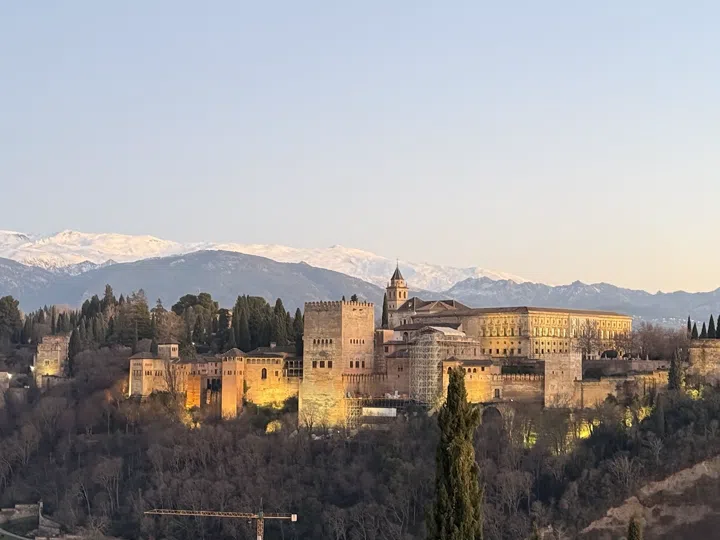
The light on the Alhambra hill changes in October: lower, longer, gold instead of white, and the city underneath it finally stops sweating. Granada spends August at 38°C with the shutters closed and its best walks too hot to attempt, then hands you, six weeks later, mild afternoons, cool nights and a monument circuit that has just lost the coach season. For a first visit that combination is as good as this city gets, and it comes with exactly one deadline you cannot talk your way past.
What the month actually changes
In a normal year the first days of October still reach around 24°C in the afternoon and the last days struggle past 19°C, with nights dropping into single figures once the sun is off the Vega. That is the whole argument. Granada is built on a slope, and nearly everything worth seeing in it (the Albaicín, the Alhambra hill, the Sacromonte road) has to be climbed. In high summer the climb is a penance you postpone until dark; in October it is a walk, and you can take it at two in the afternoon. Pack one warm layer for the evenings and something light and waterproof for the occasional grey day. The rain comes back this month, gently.
October is also a hinge in the opening-hours calendar, the kind of detail that ruins an afternoon without ever announcing itself. Two dates matter. From 15 October the gardens at Carmen de los Mártires (Alhambra hill, five minutes from the ticket office) shorten to 10:00 to 14:00 and 16:00 to 18:00 on weekdays. From 26 October the Museo Cuevas del Sacromonte (Sacromonte) moves to winter hours of 10:00 to 18:00. Sunset walks forward by roughly an hour across the month, so the golden light you planned a viewpoint around on the 3rd has gone by early evening on the 30th. Check the hours the day before and none of this costs you anything. Skip the check and any of it can cost you the afternoon.
Book the Nasrid Palaces before you book anything else
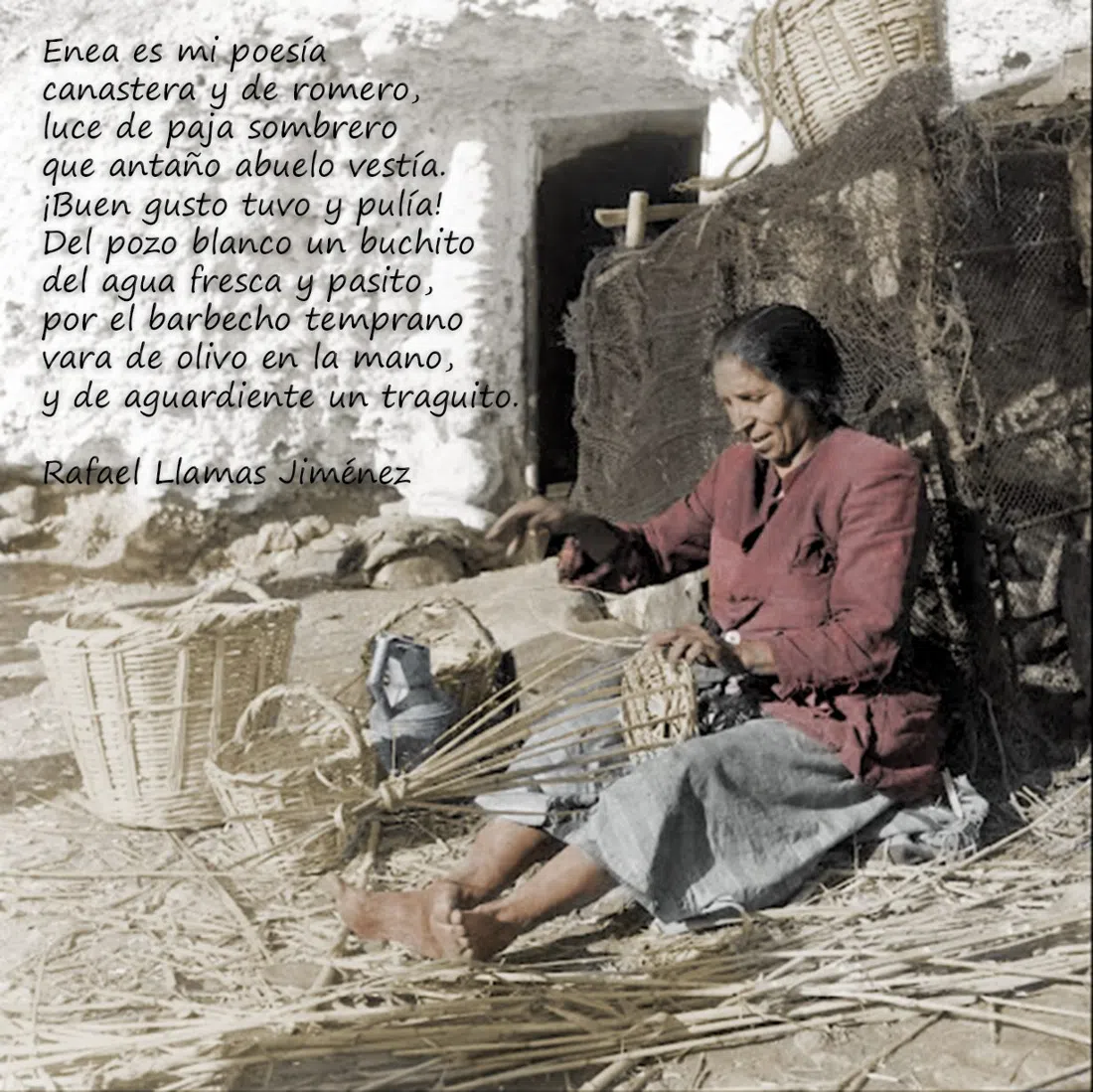
The Alhambra and Generalife (Alhambra hill) is the one unmissable thing here, and also the one thing October will not save you from. General admission runs to about €19, but the price is the easy part. What matters is the timed, named entry slot for the Nasrid Palaces, which sells out weeks ahead even outside peak season. Book it direct on the official Patronato site, choose your dates around the slot you can actually get, and only then think about hotels, trains or dinner. Every person in your party needs their own named, timed ticket; there is no group workaround. Official guided groups are capped, so a large party is better off booking a licensed guide slot together than improvising at the gate. Night visits and the Dobla de Oro combination cost more and are worth it for different reasons: the first for the quiet, the second for the doors it opens elsewhere in the Albaicín.
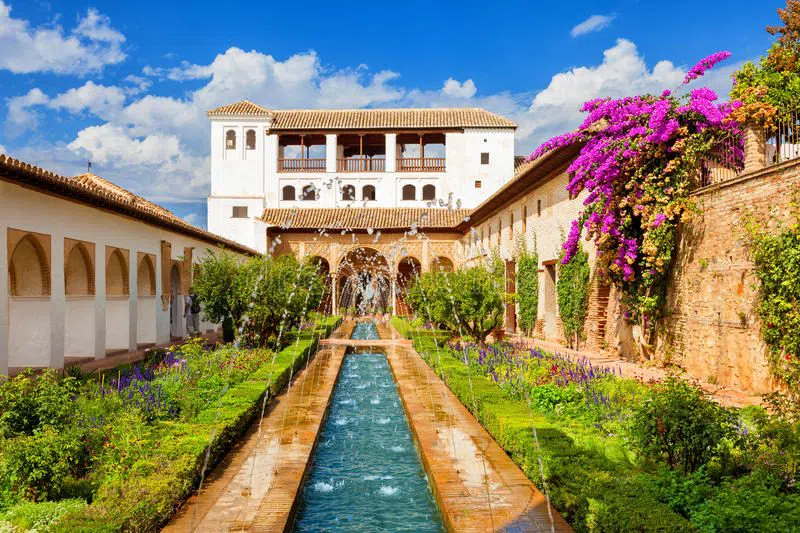
While you are up there, walk five minutes to Carmen de los Mártires. It is free, unticketed, almost always empty, and it is the best free hour in the city: terraced gardens, a cypress avenue, peacocks that have clearly never been told to move along. Any size group walks in. There are no facilities to speak of, so do not plan lunch around it. Plan a sit-down around it, which after a morning of palace floors is the more useful thing anyway.
The Albaicín rewards the walk more than the photograph
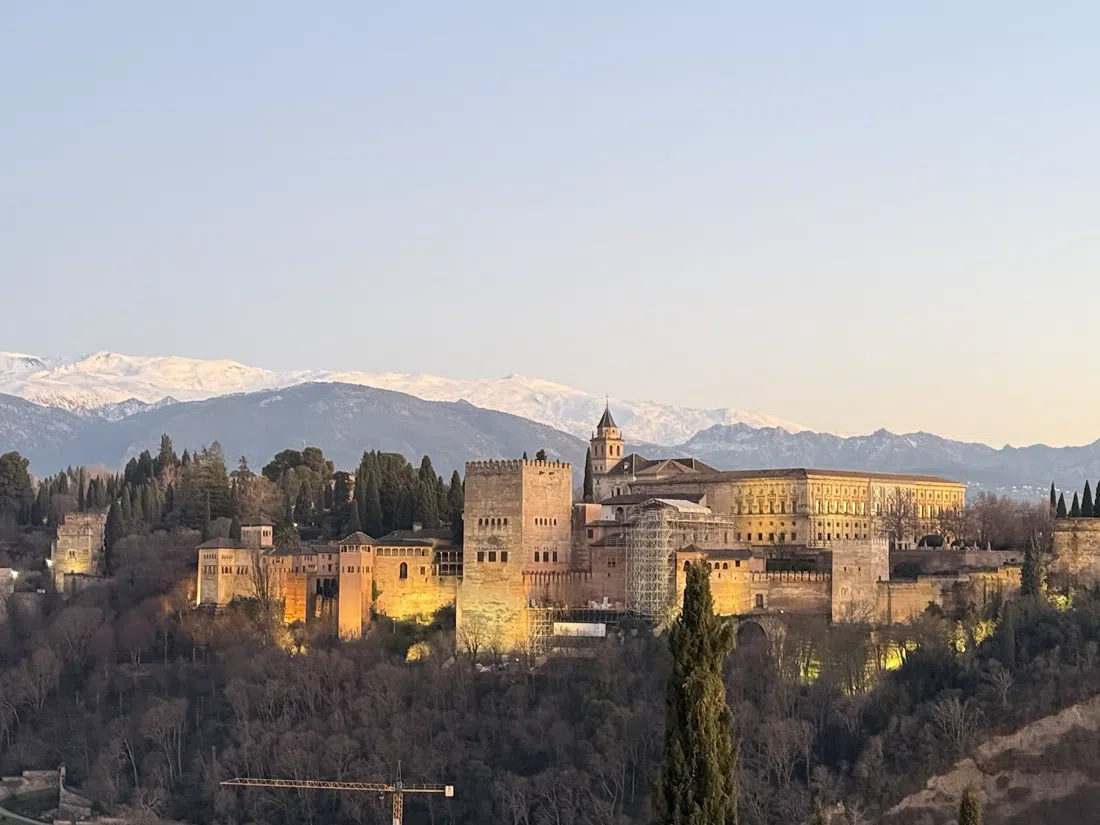
Mirador de San Nicolás (Albaicín) is the classic Granada view and deserves the reputation, with one correction worth knowing before you climb: the Alhambra faces south, so you are watching the palaces catch the last light rather than watching the sun drop behind them. Arrive around 45 minutes before sunset if you want a spot on the wall. It is an open public square with no door and no booking, fine for any size group, and the C31 or C32 minibuses from Plaza Nueva will spare you the steep cobbled approach if legs are already complaining.
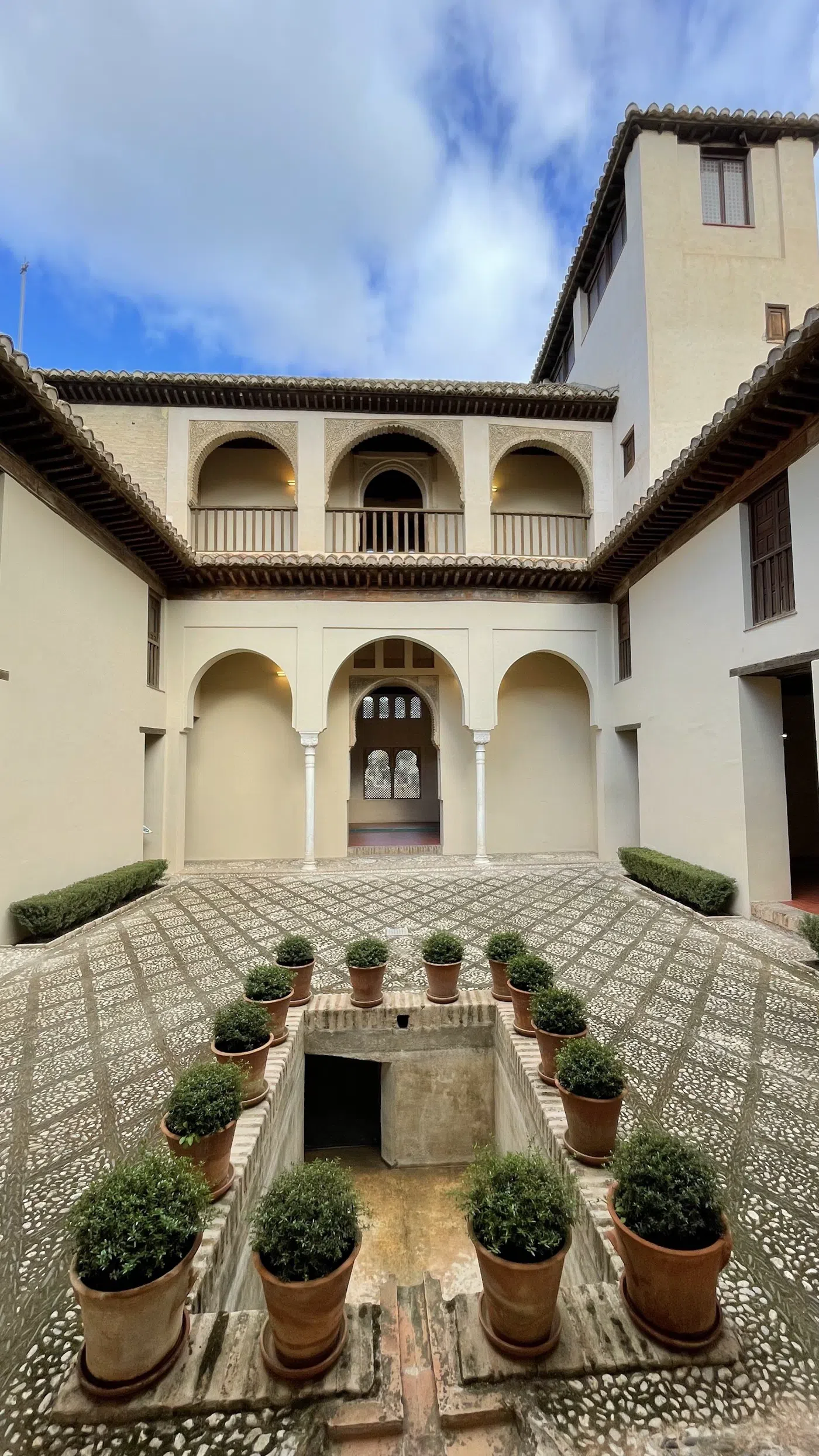
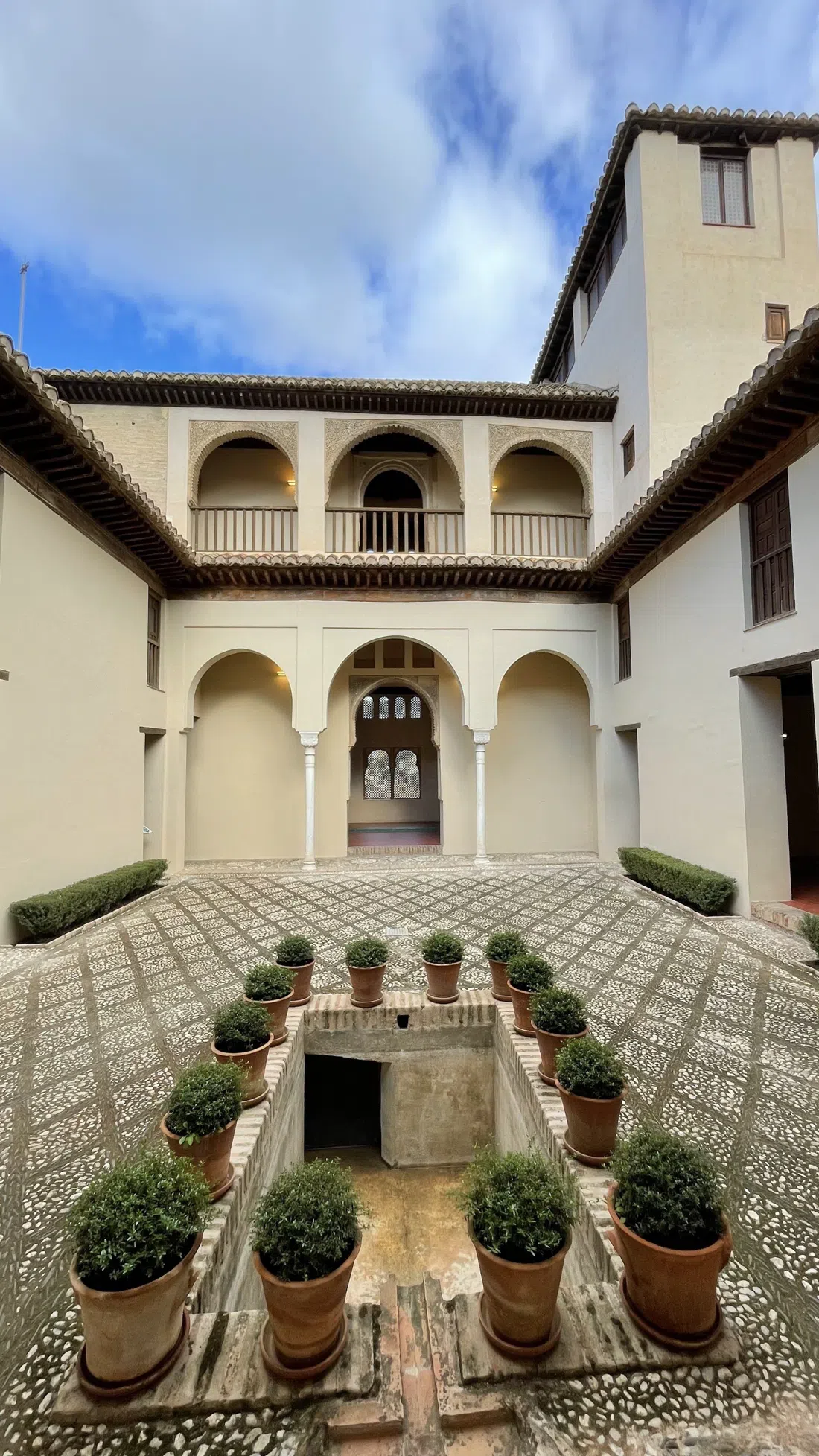
Higher up, Palacio de Dar al-Horra (upper Albaicín) is the counter-programme to everything the hill does loudly. It was the home of Boabdil's mother and it is the quietest Nasrid interior in Granada: the same carved plasterwork, the same geometry of light and water, without the queue. That matters more than it sounds, because it is the honest answer when the Nasrid slot you wanted was already gone. Entry costs a few euros on its own, or it is folded into the €30.48 Dobla de Oro ticket with the Alhambra. The rooms are small and the stair is narrow, so it works best in parties of six or fewer; a bigger group should split across two entry times rather than arrive as a block.
The city's other half sits downhill from all this
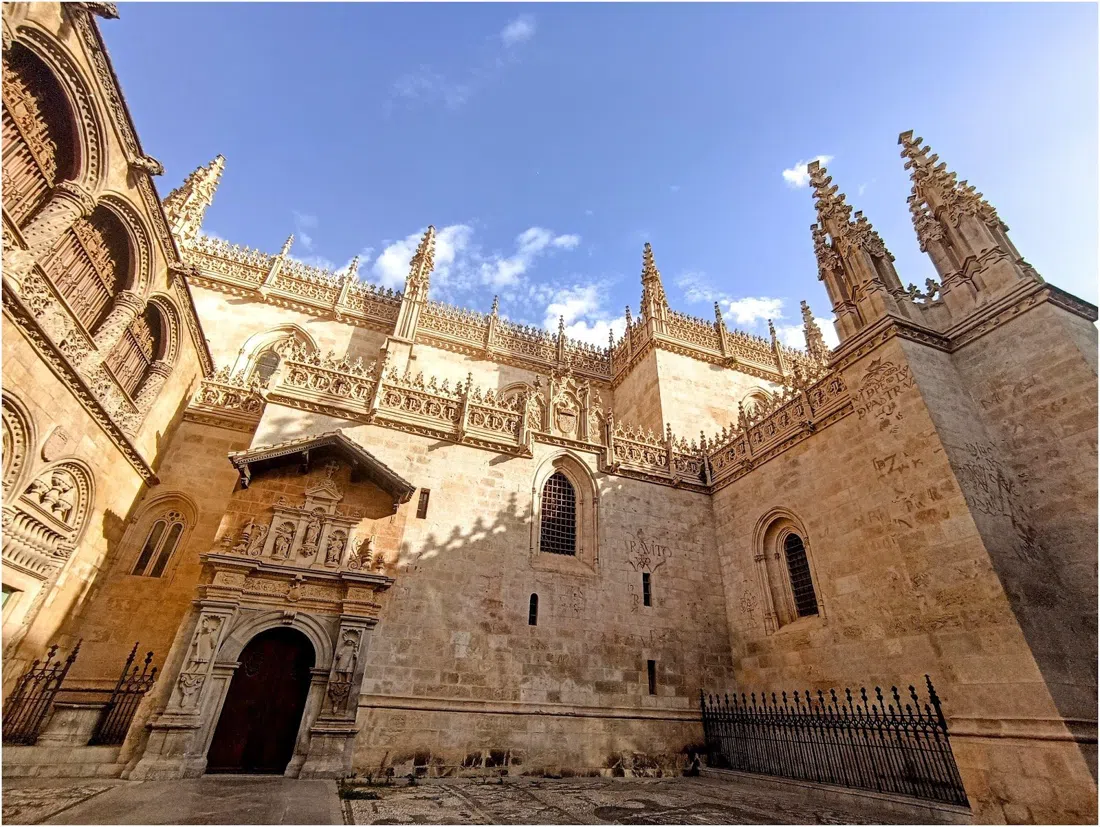
Granada's story does not end on the Moorish hill, and two buildings in the centre make that plain. Capilla Real de Granada (centre, sharing a wall with the cathedral) is where the Reconquista actually concludes. The Catholic Monarchs lie in the crypt, and Boabdil handed over the keys a few streets from where you are standing. Admission is €7, or €5 reduced and for students, with under-12s free on a family ticket. No photography inside, and the crypt stair is narrow enough that groups should go through in waves. Last entry is 30 minutes before the 18:30 close, which makes it a late-afternoon stop and not an after-dinner one.
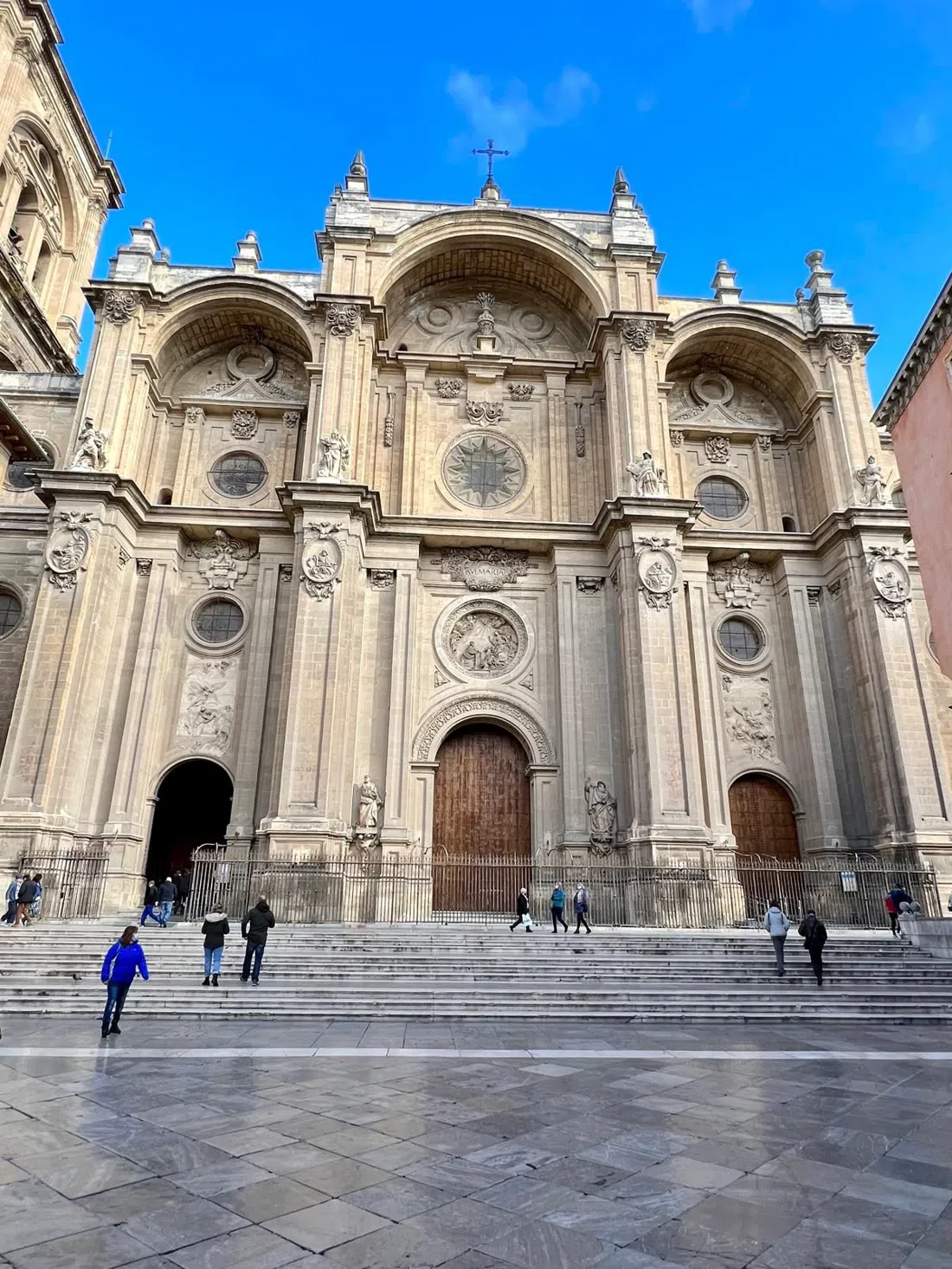
Next door, the Catedral de Granada (centre) is the deliberate counter-argument to the Alhambra: a blazing white Renaissance nave built to say something specific, and it says it. Entry is low single-digit euros, though a Kerygma exhibition runs to 28 November 2026 with altered pricing, so check the current rate rather than the one in an old guidebook. It closes to visitors during Mass and celebrations, which is the most common way a group loses a slot here, so confirm the day before if timings are tight.
Sacromonte first, then flamenco, in that order
The Museo Cuevas del Sacromonte is a modest museum with an outsized effect on the rest of your trip. It explains where the zambra came from, domestic cave rooms in a hillside community rather than a stage built for visitors, so a flamenco night later in the week lands as something other than a floor show. It is €5 for adults, free for under-10s, walk-up with no booking, which makes it easy for groups; the caves themselves are single-file, so spread out inside. After 26 October, remember the 10:00 to 18:00 winter hours.
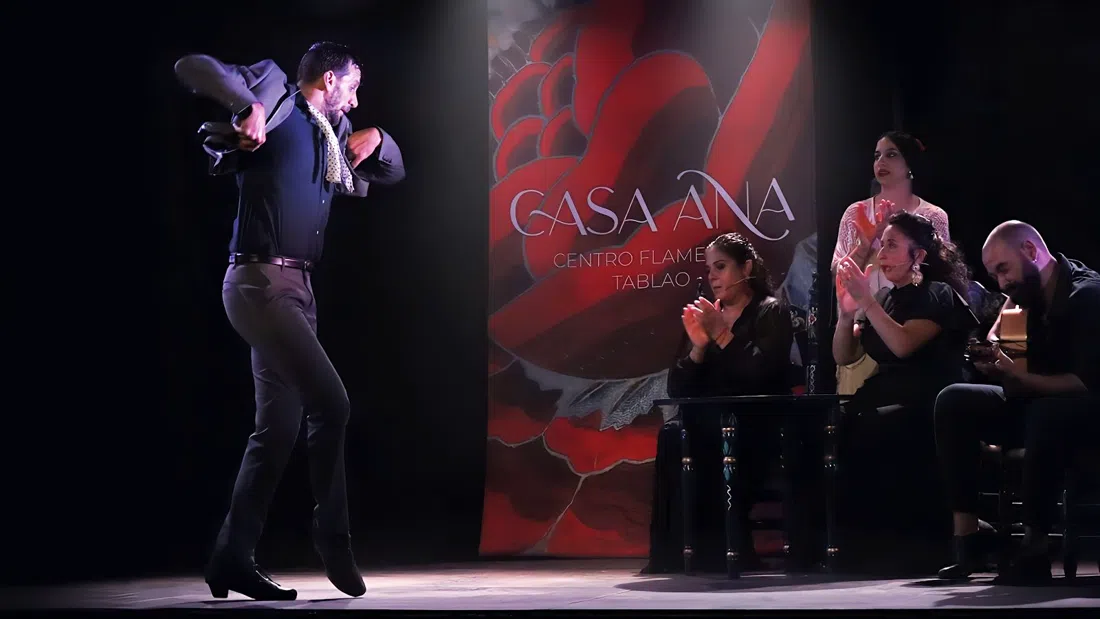
For the night itself, Tablao Flamenco Casa Ana (central, small enough that there is no bad seat) is the better first flamenco than the coach-party cave circuit above it. The format is theatrical, the artists come from established flamenco families, and there is a working school attached, which shows. Expect roughly €25 to €35 a head for an hour. It takes groups direct or through ticket platforms and is wheelchair accessible, ages 6+, but the room is genuinely small, so book a block early rather than hoping to add three people on the day.
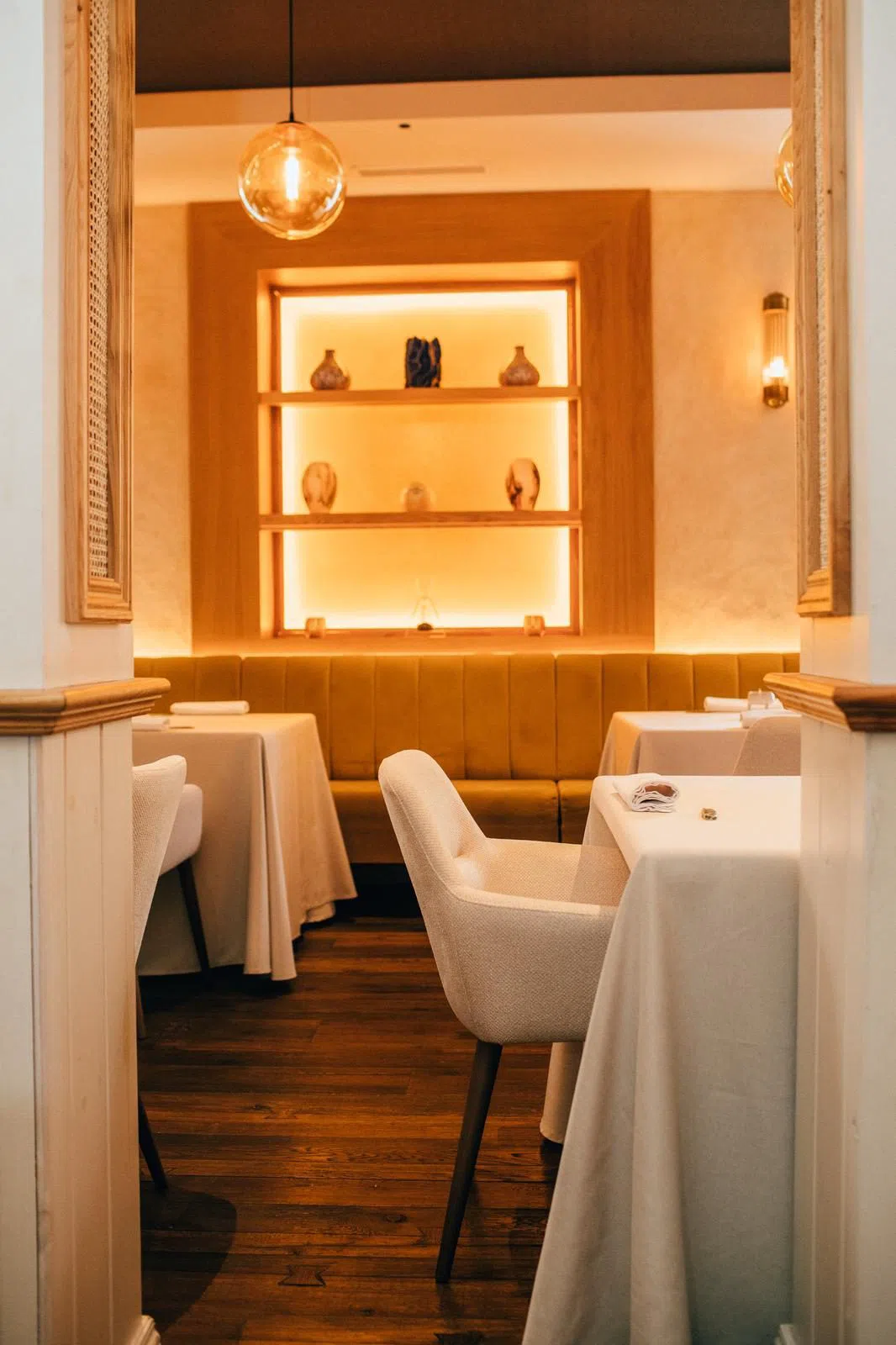
If you would rather spend the evening on dinner, Faralá holds Granada's Michelin star, with chef Cristina Jiménez cooking provincial recipes properly and a flamenco show attached. Tasting menus run €78, €98 and €130, with pairings adding €38 to €72. Show seating starts at 19:00, so a group has to arrive together or not at all; book direct on [email protected], or through the usual restaurant reservation platforms. If the dining room is full, El Quejío wine bar downstairs takes walk-ins, which is a decent consolation and a cheaper evening.
Eating well here mostly costs the price of a drink
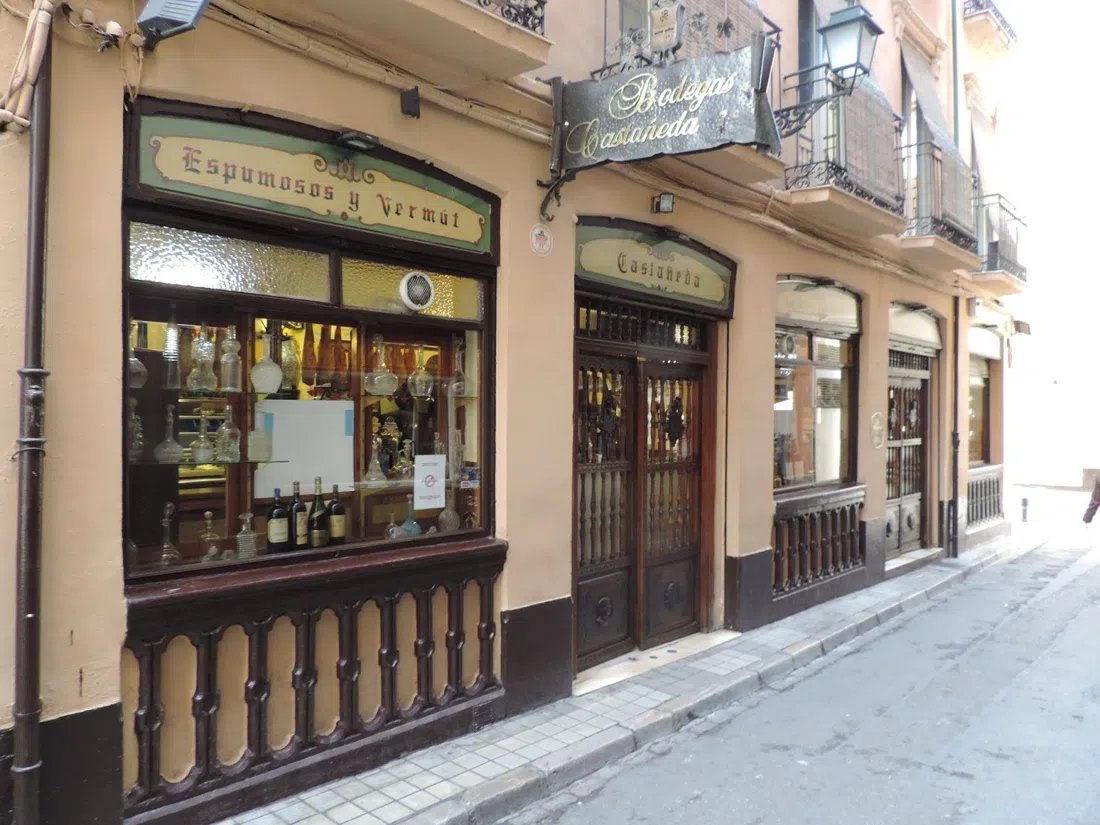
Granada still gives you a free tapa with every drink, and October's mild evenings are what make the crawl format work: you are moving between bars on foot, standing up, outdoors half the time. Bodegas Castañeda (centre, a minute from Plaza Nueva) is the benchmark, with house vermouth on tap, around €3 a drink with the tapa included, cold and hot platters at €10 to €18, open 11:30 to 01:00. There are no reservations and barely any seats. Groups over four should arrive before 20:30 or split across the bar, and the trick is to treat it as the first of three or four stops rather than as dinner.
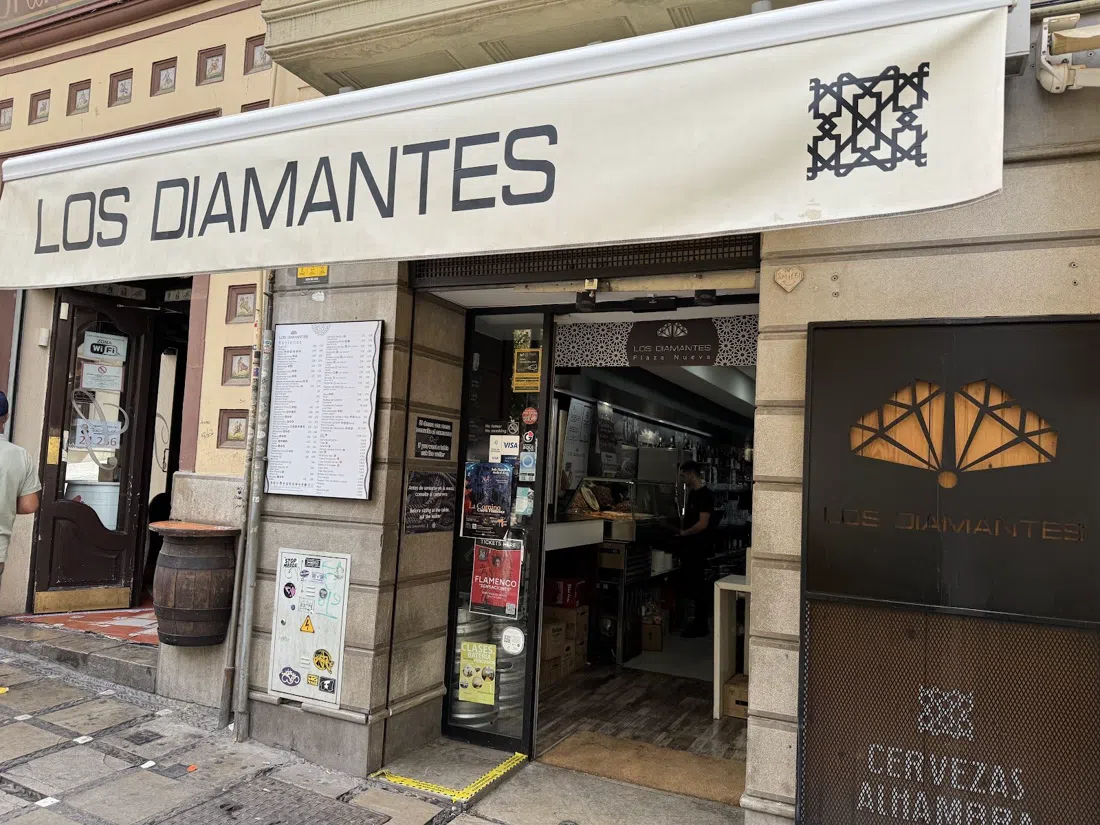
Los Diamantes (original on Calle Navas, roomier branch on Plaza Nueva) has been frying for locals since 1942 and now runs five bars across town. It does the seafood tapa this inland city is otherwise thin on: around €3.50 for a drink with a fried-fish tapa, raciones at €10 to €15. No reservations at any branch. The Navas original is a genuine crush and its kitchen breaks between roughly 16:30 and 20:00, so a group is better served at Plaza Nueva.
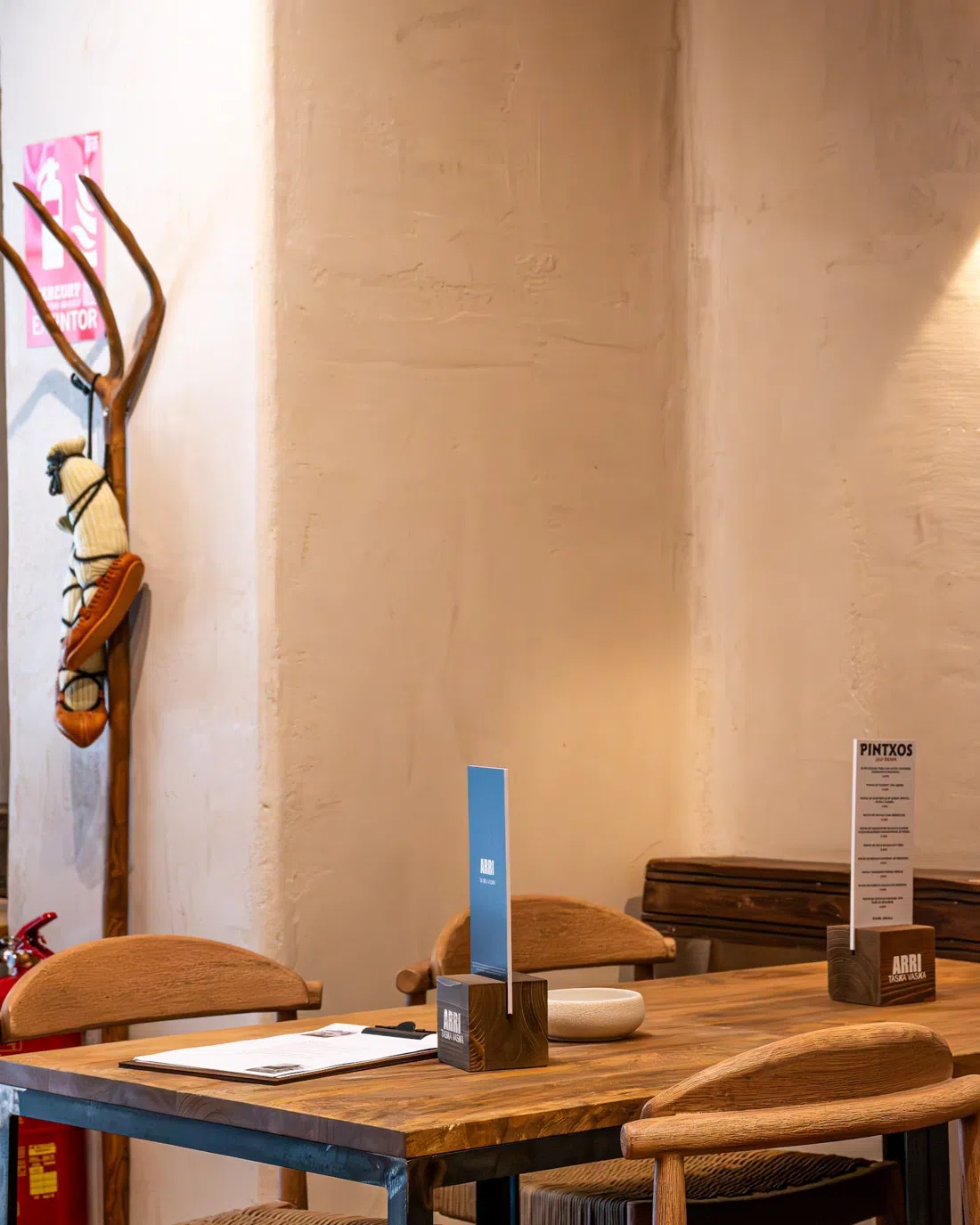
For lunch, Mercado San Agustín (centre, two minutes from the cathedral) is the cheapest good meal in the old town: buy fish or shellfish off the ice at a stall and a bar there will cook it to order, €10 to €25 a head depending on appetite and ambition. Counter seating in the gourmet section is limited, so mornings suit groups best, and stalls will happily cook for a table. And when you want a proper sit-down meal away from the monument circuit, Arri Taska Vaska is where Álvaro Arriaga landed after closing his long-running fine-dining room on Avenida de la Ciencia: a Basque grill house, mid-range à la carte, shared plates that suit a table of six far better than a tasting menu does. Reservations are strongly advised on 958 486 846, and book under the current name; the old one is gone.
Give one day to the gorge
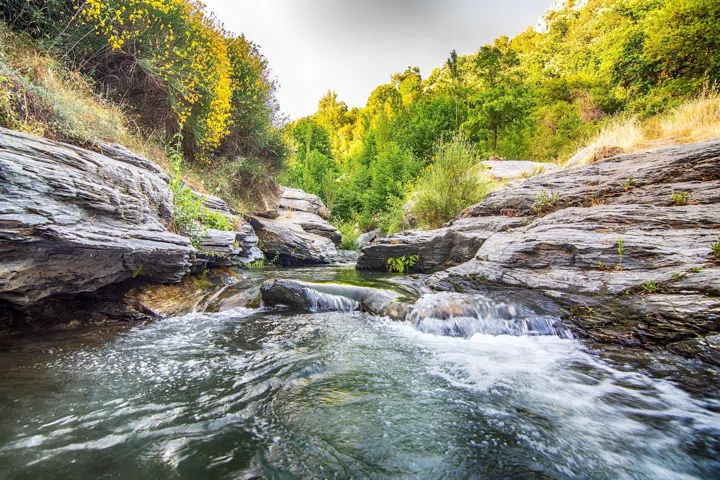
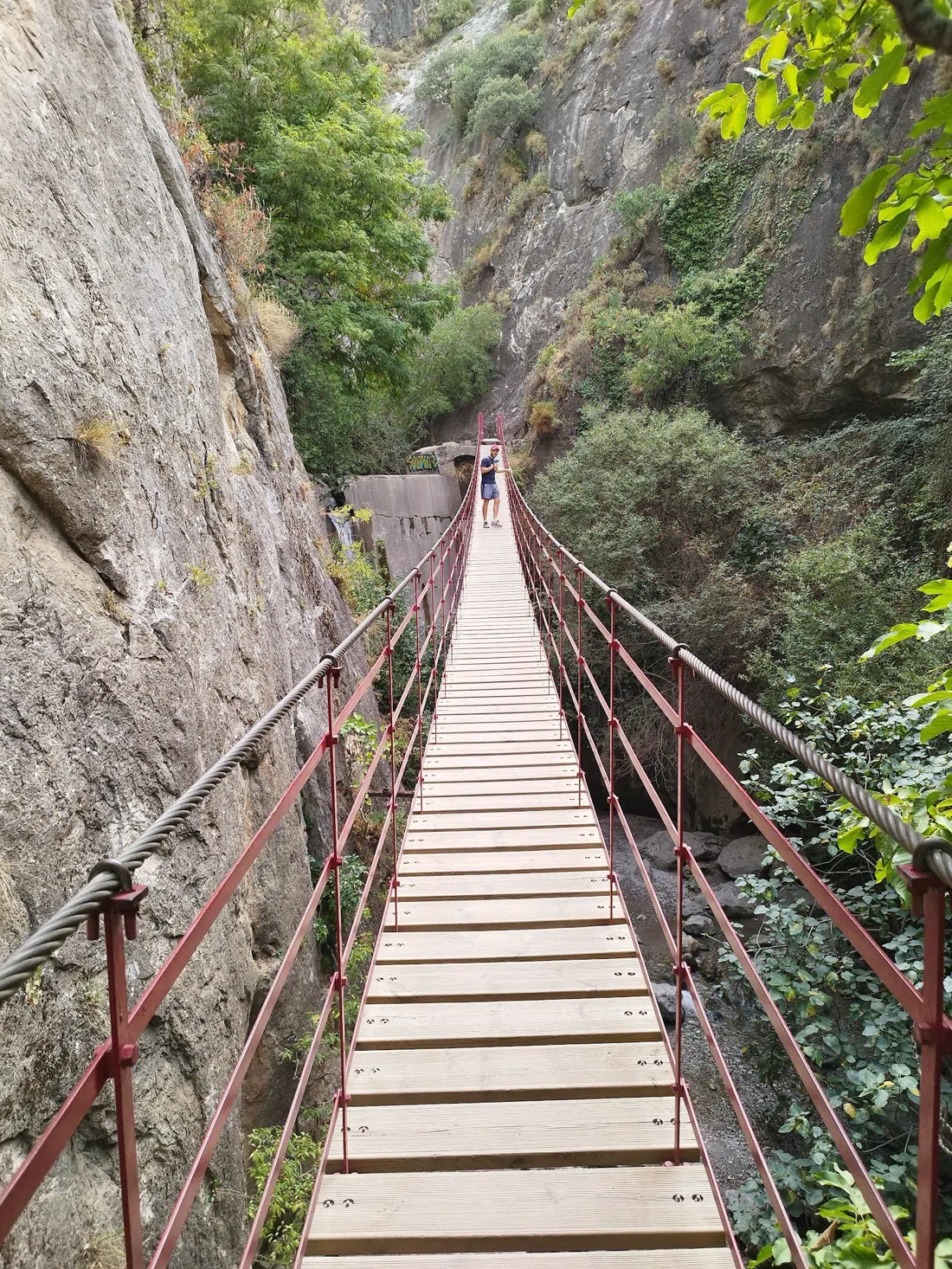
Los Cahorros de Monachil is the half-day that turns a city break into a trip. The loop takes about three hours through a gorge of hanging bridges and rock overhangs, and October is exactly when it is pleasant; in August it is the walk you sensibly skip. It is free and unticketed for independent walkers, and guided small-group tours with transport from the city run roughly €30 to €45 if you would rather not drive. The long bridge section reopened in July 2026 after works, but check the Monachil town hall notices before setting out, because the trail also closes temporarily when the river runs high. The bridges are single-file, so a group will string out; agree a meeting point at the far end.
The pacing trick most first visits miss
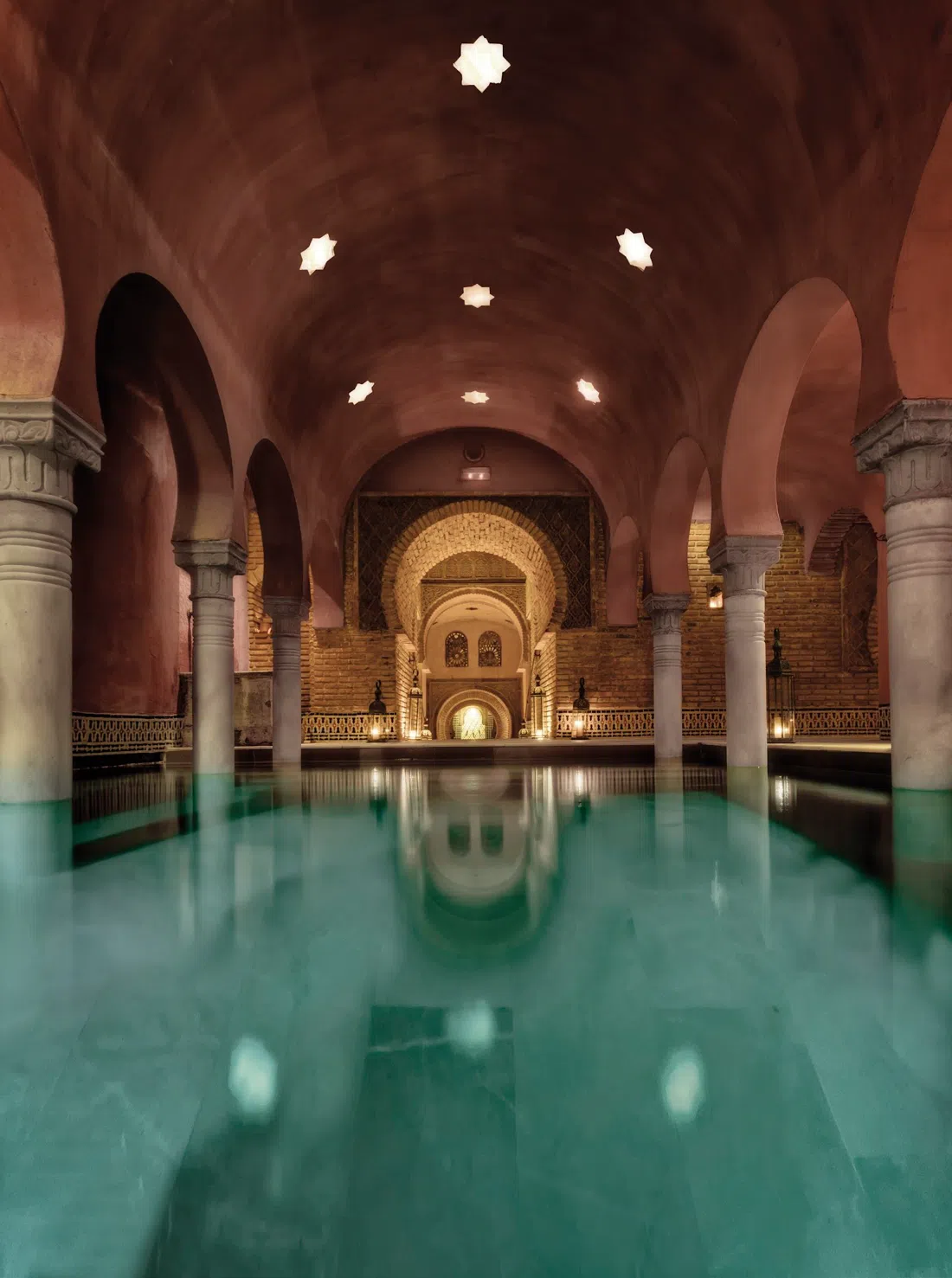
The cobbles win in the end. After a full Alhambra day, book a late slot at Hammam Al Ándalus Granada (centre) and let the week reset: sessions run in fixed two-hourly shifts from 10:00 to midnight, so a group can take one slot together, and 75 minutes costs roughly €59 with a 15-minute massage or €73 with 30. Reserve two or three days ahead. Phones stay in the locker, which is the point.
Stay in the centre or the lower Albaicín if you can, because the walking distances are what make this itinerary work, and October rates sit below the spring peak. Compare rooms on the Granada hotel search, and the wider Granada guide covers the areas in more detail.
Practical notes
The historic centre is walkable end to end in about 25 minutes, and taxis are cheap for the hill. The C31, C32 and C34 minibuses handle the Albaicín, Sacromonte and Alhambra climbs, while the single light-metro line mostly serves the suburbs and is only useful if your hotel is out that way. Nothing in this article needs a hire car except the gorge, and even that has guided transport.
Cards work almost everywhere, but carry €20 to €30 in small notes for tapas bars and market stalls, where a quick round is simply easier in cash.
Lunch peaks around 14:00, dinner rarely starts before 21:00, and many smaller places close between roughly 16:30 and 20:00. Build the afternoon around a garden, a museum or the hammam rather than around a kitchen.
A realistic day runs €19 for the Alhambra, €10 to €25 for a market lunch, €15 to €20 across three tapas stops in the evening, and nothing for the viewpoint and the gardens. Add €25 to €35 for a flamenco night, or €78 and up if you are giving the evening to the Michelin star. Three full days covers the city properly; four lets you walk the gorge without cutting anything.
18 September 2026 · a first week before the flat: the Granada hotel directory