Krakow · Staying safe · 12 min
Where to Find Company in Krakow When You Arrive Alone
Hostel dinners, Friday language exchanges, a Saturday 5k and the Kazimierz bars where one person at a table is completely normal, with prices, timings and honest door notes.
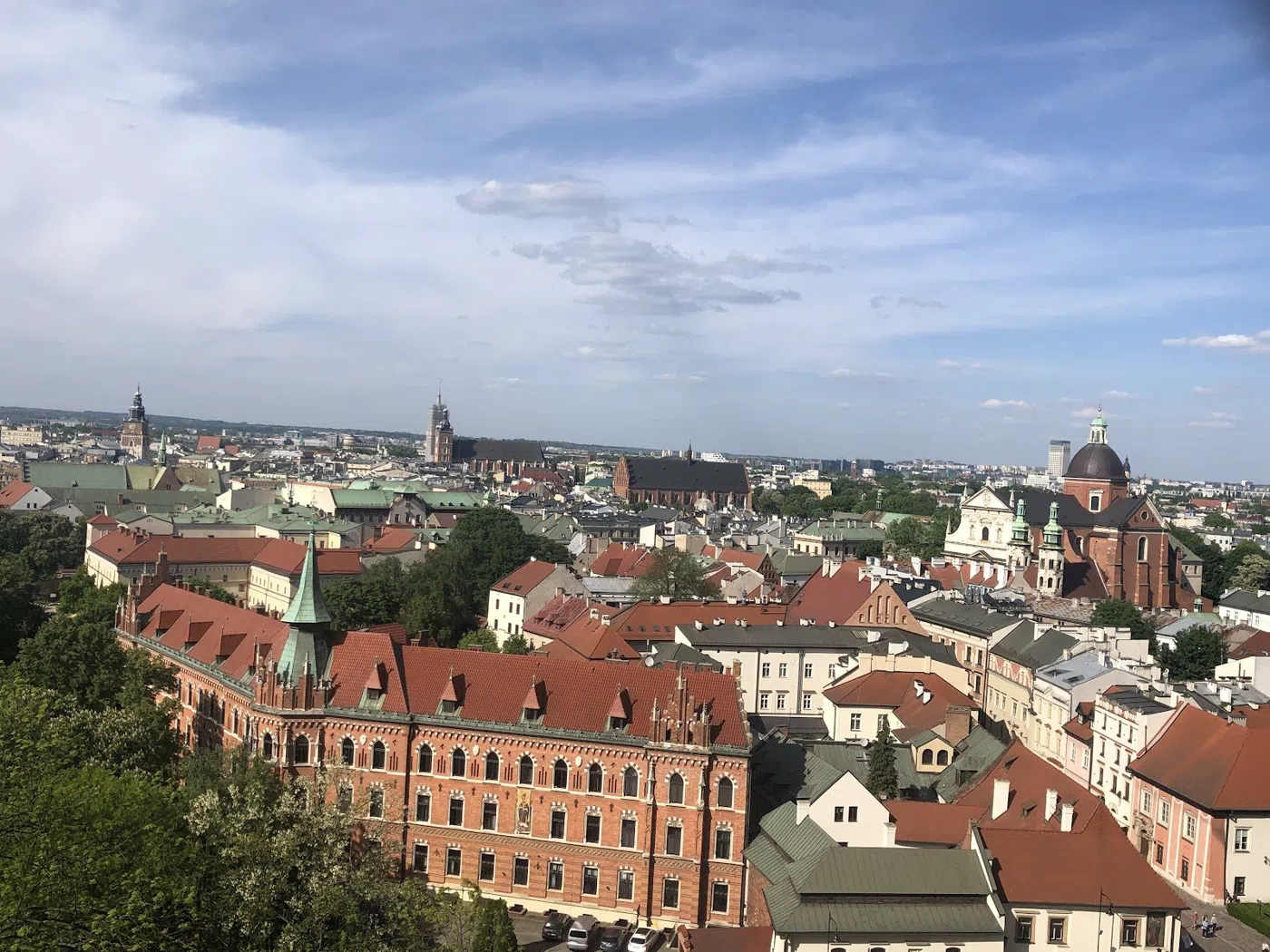
The Main Square was laid out in 1257 at roughly two hundred metres a side, and on a warm evening it holds several thousand people, none of whom have any particular reason to speak to you. That is the honest shape of arriving in Krakow on your own: the city is cheap, walkable and forgiving, and it will still let you pass a week here without one real conversation unless you deliberately point yourself at the places where conversation is the format rather than the accident. There are about a dozen of those, and nearly all of them sit within twenty minutes' walk of each other.
A bed that does half the work
Where you sleep decides more about a solo trip than where you eat, because it sets what happens between six and nine in the evening, the hours that decide whether a day felt sociable. Greg & Tom Hostel (Old Town, near the main station) has the most reliable answer in the city: a different free dinner is cooked seven nights a week and served at shared tables, with solo guests deliberately mixed in among everyone else. There is no door policy to negotiate and no need to look like you belong to a group. Dorm beds run roughly 60 to 120 zł a night depending on season, there are private rooms, and the house runs its own pub crawls. One operator runs three properties (the Hostel, the Beer House and the City), so treat them as a single entry in your address book and book whichever has space instead of agonising over which is which.
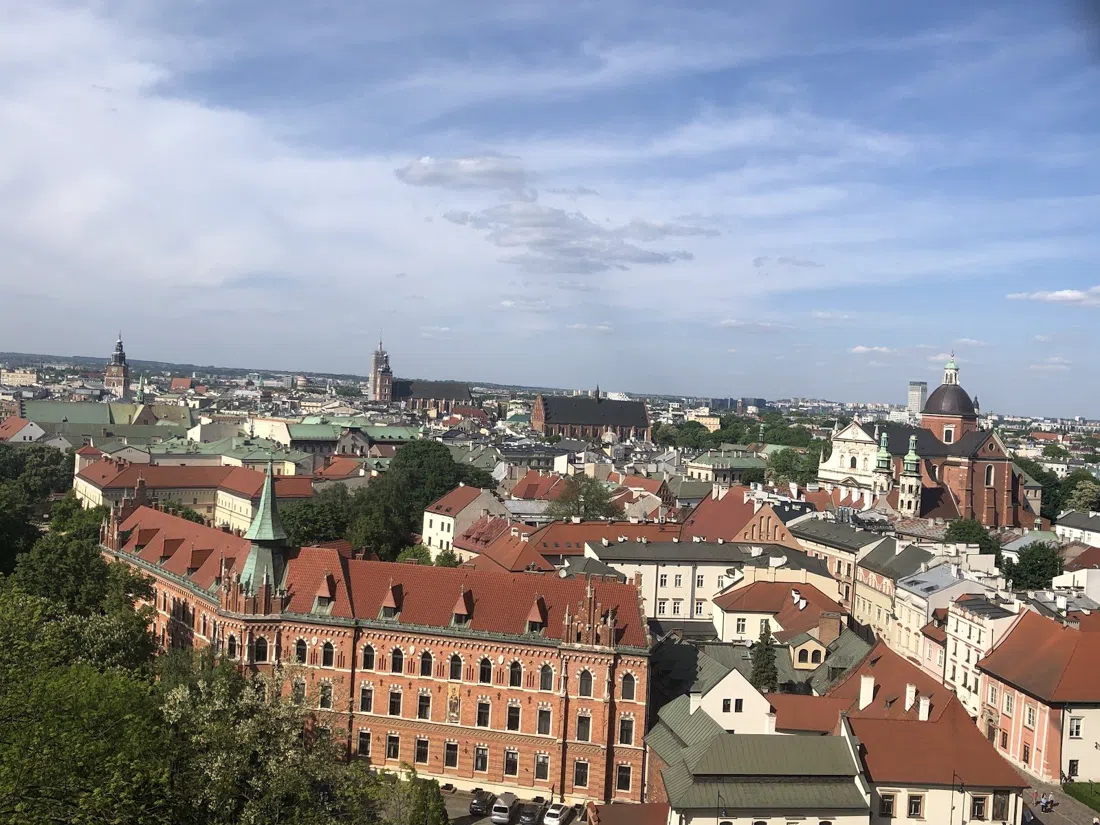
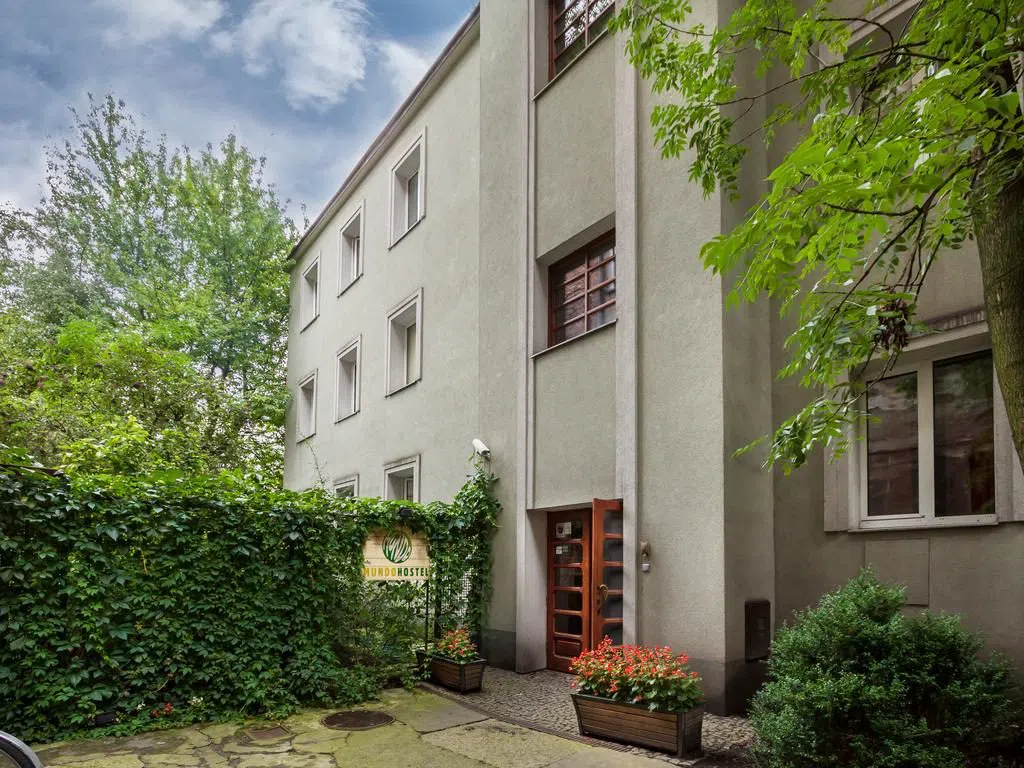
If that sounds like more noise than you want, Mundo Hostel (Stradom, on the line between the Old Town and Kazimierz) is the calmer version of the same idea: a kitchen and a small bar where conversation happens without a programme, dorms at roughly 70 to 120 zł and privates from around 250 zł. The house rules are calm rather than party-led, which is worth knowing in both directions: it is a good fit for small groups and families, and a bad fit for anyone planning a four-in-the-morning session. Its position is the real asset. You can walk home from either the Old Town or Kazimierz in about ten minutes, which removes the tax that makes solo travellers leave early.
A hostel is not compulsory. If you'd rather have a door that locks on silence and a proper breakfast, book a room through the Krakow hotel search and get your company from the organised evenings further down this page. The one thing to weigh is that a hotel gives you nothing for free; you have to go out and collect it.
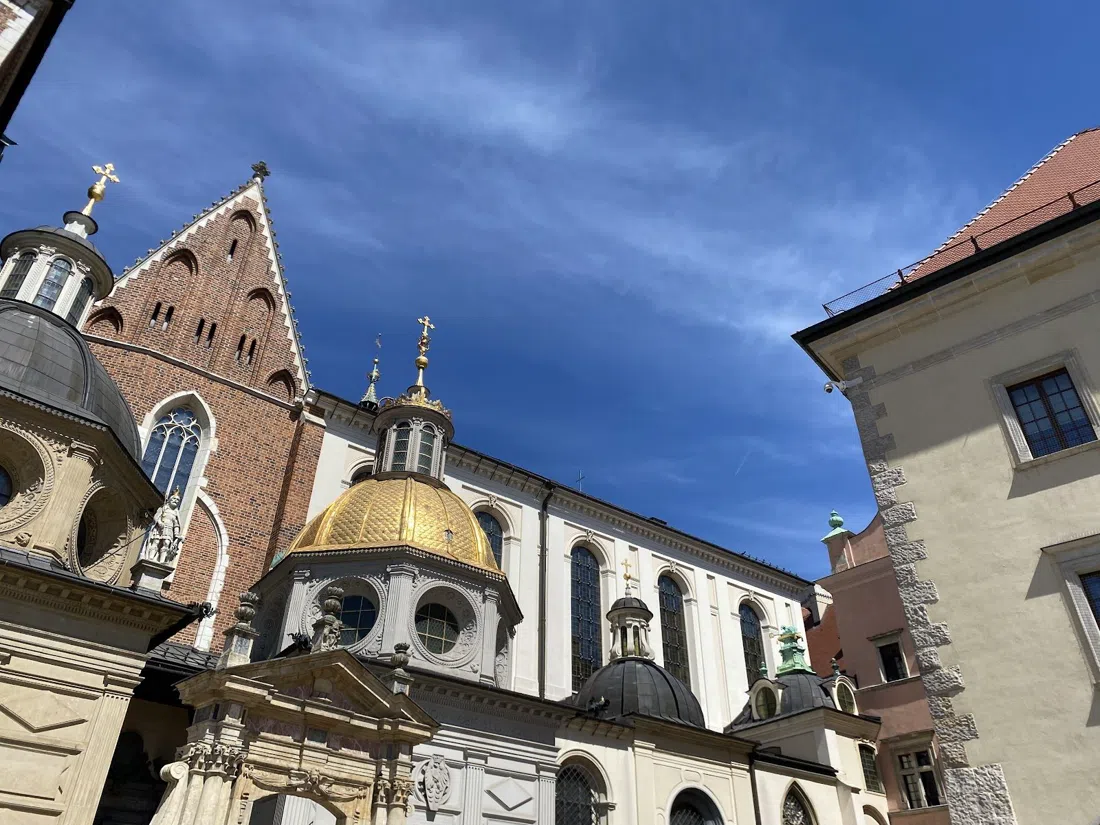
One piece of geography explains all of this. Kazimierz was founded in 1335 as a separate royal town and was only folded into Krakow in 1800, which is why the fifteen-minute walk between the two still feels like crossing from one place into another rather than moving between districts.
The ten o'clock walk
The most efficient thing a solo traveller can do on a first full morning is join a free walking tour, less for the history than for the two hours of standing next to other people who also arrived alone. Walkative! Kraków (departs from the Old Town) runs its Old Town tour daily at 10:00 and a Jewish Kraków tour that covers Kazimierz and the ghetto site across the river. Most departures need no booking; you turn up, though large groups should message ahead. It is pay-what-you-wish, and 40 to 60 zł per person is the normal tip. Anything less and you are effectively asking the guide to subsidise you.
The mechanics matter more than the route. Walk near the front, ask the guide one question in the first half hour so your voice has already been in the air, and when the tour breaks up, say out loud that you're going to find lunch and ask if anyone wants to come. In my experience roughly one in three people says yes, and the ones who say yes are usually in the same position you are. The Jewish Kraków tour is the heavier of the two and ends somewhere emotionally quiet, so if you only do one and you want the lunch to happen, take the 10:00 Old Town walk first.
The green ring you'll circle on that walk is the Planty, laid out where the medieval city walls stood until they were pulled down in the 1820s. It is also the simplest orientation trick in Krakow: if you can see the park, you are on the edge of the Old Town.
Saturday at nine on the Błonia
parkrun Kraków (Błonia, a fifteen-minute walk west of the Old Town) is free, happens every Saturday at 9:00 year-round, and you can walk it rather than run it without anyone minding. Registration is one-time and gives you a barcode that works at every parkrun anywhere, so if you already have one from home it is valid here with no further admin. The reason it belongs in a solo-travel piece is the twenty minutes afterwards: volunteers and regulars genuinely talk to newcomers, a good number of them speak English, and it is the only fixture in this article where you meet people who actually live in Krakow rather than people passing through.
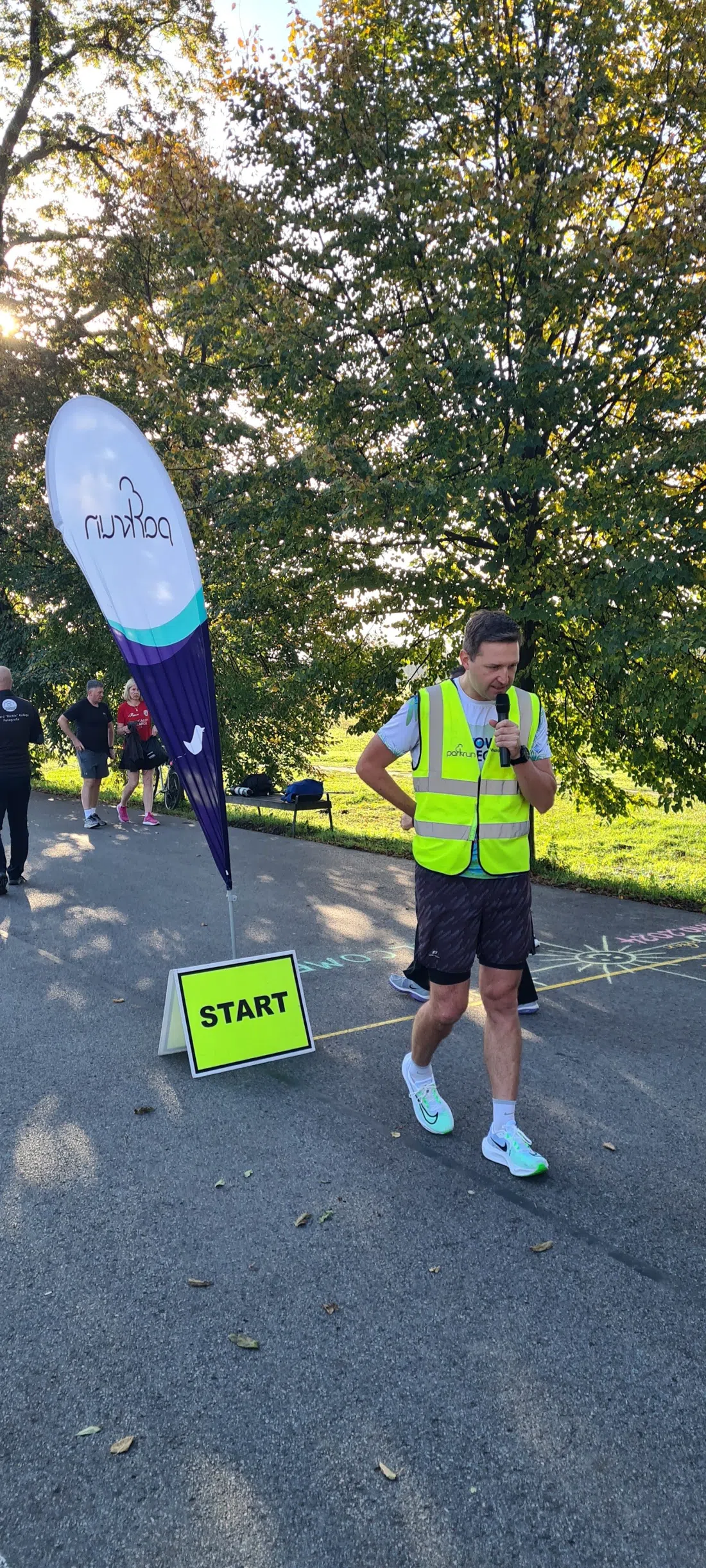
Two other parkruns exist in the city, at Zielony Jar and Łąki Nowohuckie, but Błonia is the one you can reach on foot. The Błonia itself is a flat, treeless meadow of common grazing land that has sat unbuilt on the edge of the city for centuries, so a 5k there is a loop of grass rather than a course.
Three evenings a week when the talking is organised
Language exchanges are the least romantic and most effective tool available to a solo traveller, because they remove the part that is hard: the opening.
Layla Lounge Bar (central Krakow, a short walk off the Main Square) hosts an English Speaking Club on Tuesdays and Saturdays, at 18:00 in winter and 19:00 in summer. There is no entrance fee and no sign-up; you walk in after the start time and join a table of locals, expats and people passing through. The unwritten rule is that you buy something, because the venue is carrying the cost of the room; drinks are around 20 to 35 zł and mezze from about 30 zł. Groups are welcome, but a group of five will accidentally form its own island, so split up if you came with people and actually want to meet others.
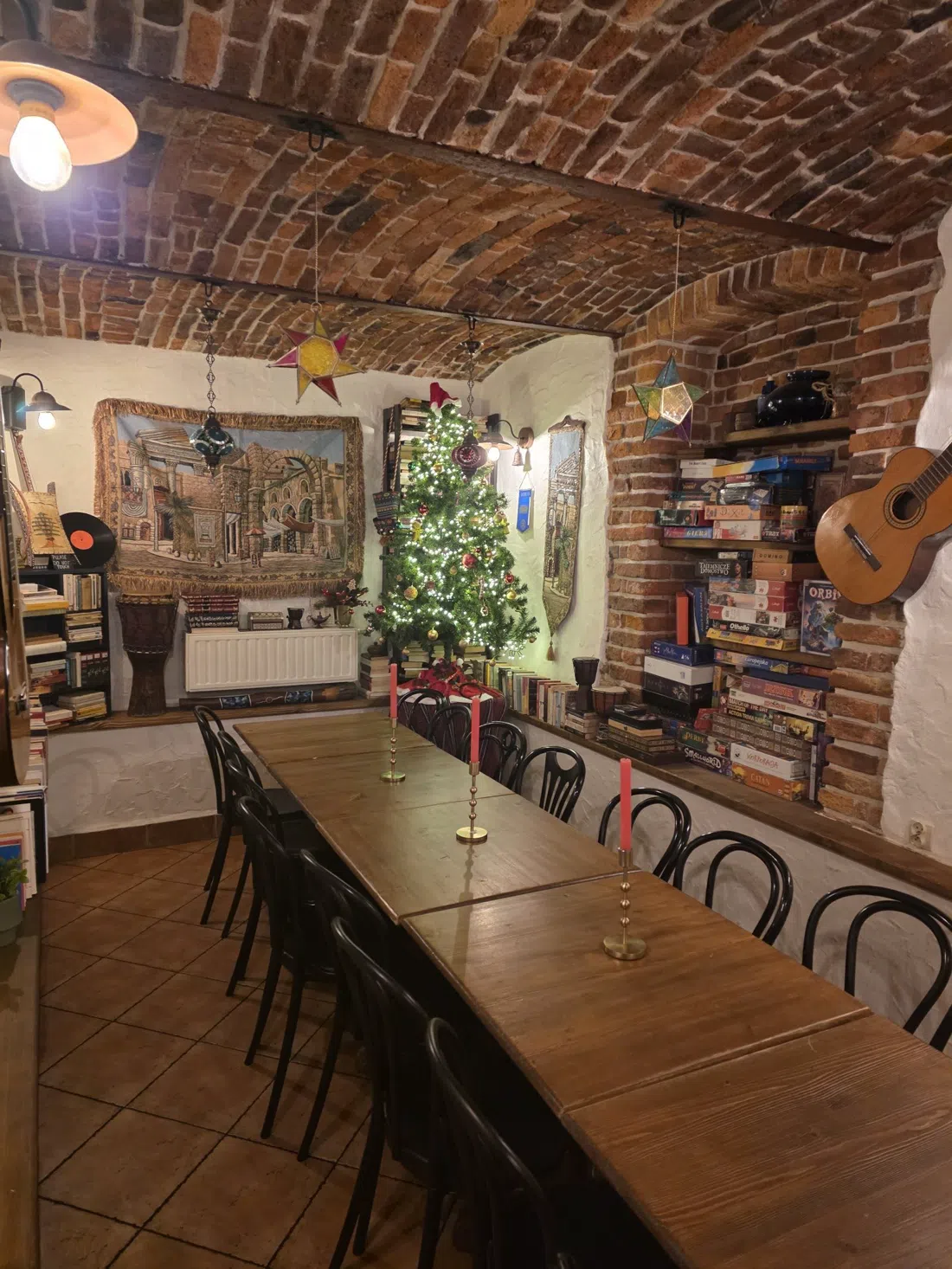
Pub Polski (Main Square) hosts the Krakow Social language exchange from 18:00 every Friday. It costs 15 zł, and the part people get wrong is that tickets are sold online only, with no door sales. Decide by Friday afternoon or don't go. The trade-off is a manageable room rather than a crush, and the session is run in English and aimed squarely at people who arrived knowing nobody. Outside Friday it is a straightforward square-side pub with fairer prices than the address suggests and pierogi at around 30 zł.
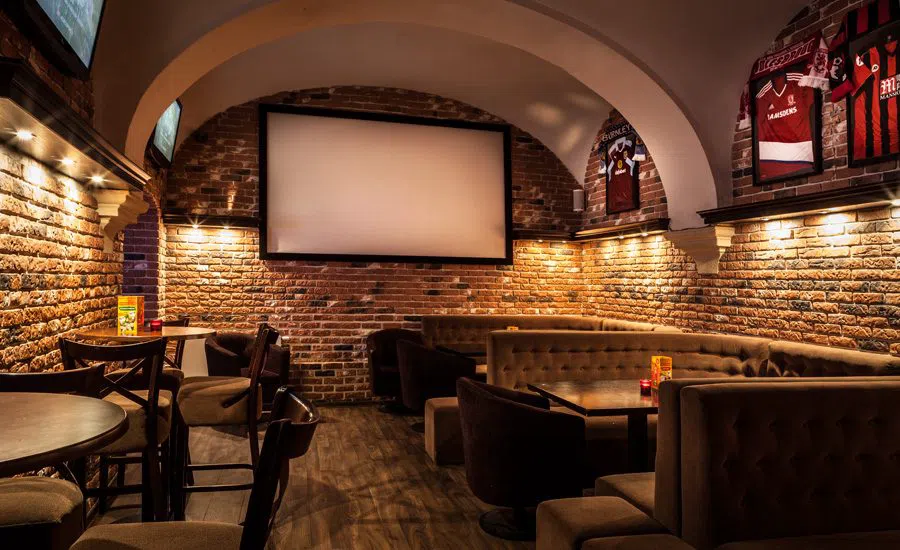
Both sit above or below street level in buildings whose ground floors became cellars as the level of the Old Town rose over the centuries, which is why so much of Krakow's social life happens one flight down.
Dinner with eleven strangers
Delicious Poland (Kazimierz) runs a food and drink tour capped at twelve people, starting at 17:00 daily, with English-speaking guides, at 385 zł per person. Booked as a solo traveller you join a mixed table; groups can book privately, which defeats the purpose if company is what you came for. It works as a dinner with strangers rather than a lecture. You eat enough that it replaces your evening meal, and three hours of sitting down with the same eleven people does something that three hours of standing in a bar does not.
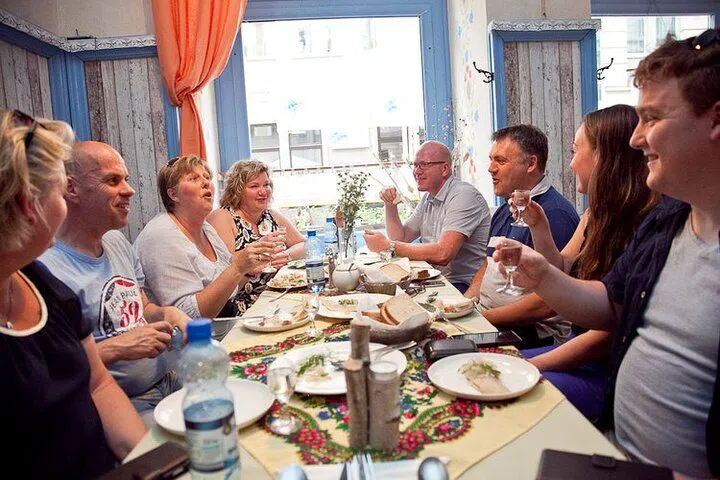
Be clear-eyed about the price. At 385 zł it costs more than two nights in a dorm, and it is the single biggest line in this article. The same operator also runs vodka, craft beer and pierogi-making versions; book one of them, not all four, and treat it as the night you spend money on instead of a night out.
The route passes Plac Nowy and its round brick hall, built around 1900 as the market and slaughterhouse for the Jewish quarter's poultry trade, now ringed with the food hatches that keep the square awake.
Bars where one person at a table is normal
Kazimierz is where solo evenings are easiest, because its bars are built out of old rooms rather than designed as venues, and small rooms make a single person look ordinary rather than stranded.
Alchemia (Kazimierz, on Plac Nowy) has been open since 1999, when much of the quarter was still derelict, and remains the benchmark: candlelit, dark, running from breakfast until 4am, with concerts and meetings in the cellar. Walk-in, no door policy worth the name, and the warren of rooms absorbs groups easily; cellar gig nights are ticketed separately. Beer is around 16 to 22 zł and cocktails 30 to 45 zł. Nursing one beer alone here for an hour reads as completely normal behaviour.
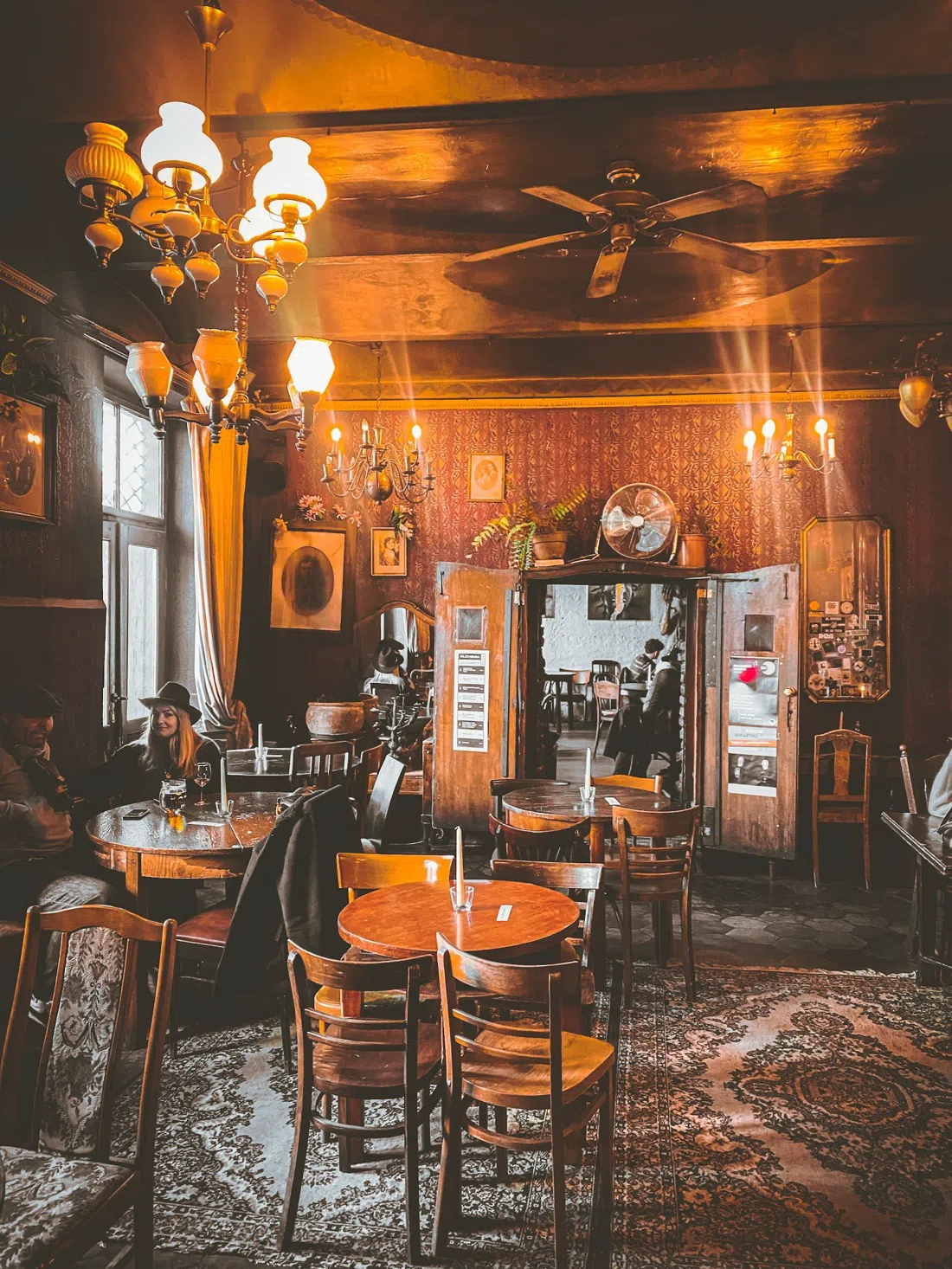
Eszeweria (Kazimierz) is the least performative bar in the quarter: candles, a fire in winter, and a series of nooks that are genuinely built for one person with a book. Beer runs about 14 to 20 zł and it's open from noon to 2am. Any group over six will be broken up across separate corners, so it is the wrong choice for a party and the right one for the evening when you want other people nearby but no obligation to talk to them.

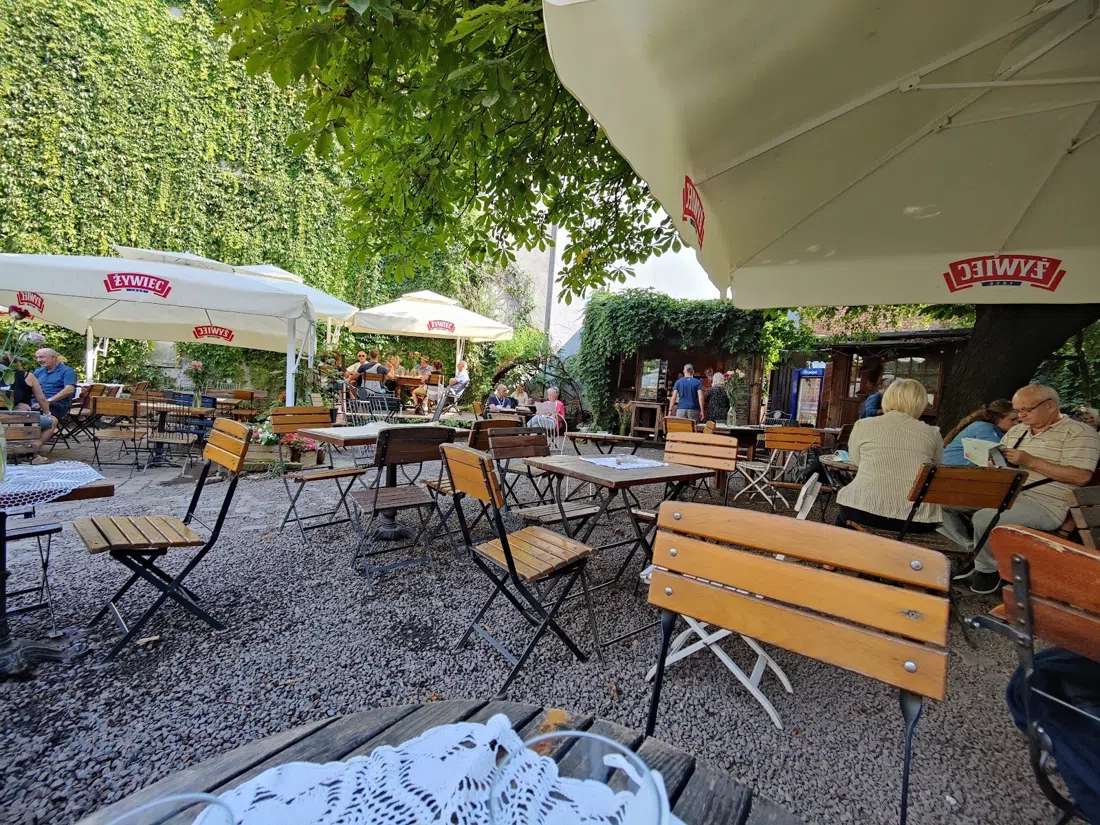
Mleczarnia (Kazimierz) is the opposite bet. The garden across the road from the bar runs roughly April to mid-October, 10:00 to 23:00 and to midnight on Friday and Saturday, and the benches are shared, which means you sit next to strangers whether or not that was the plan. It was named among the top 100 bars in Europe in 2024 and still charges around 15 to 20 zł for a beer; in winter the hot and mulled beer moves indoors and the garden advantage disappears.
Daytime, when a bar isn't the answer
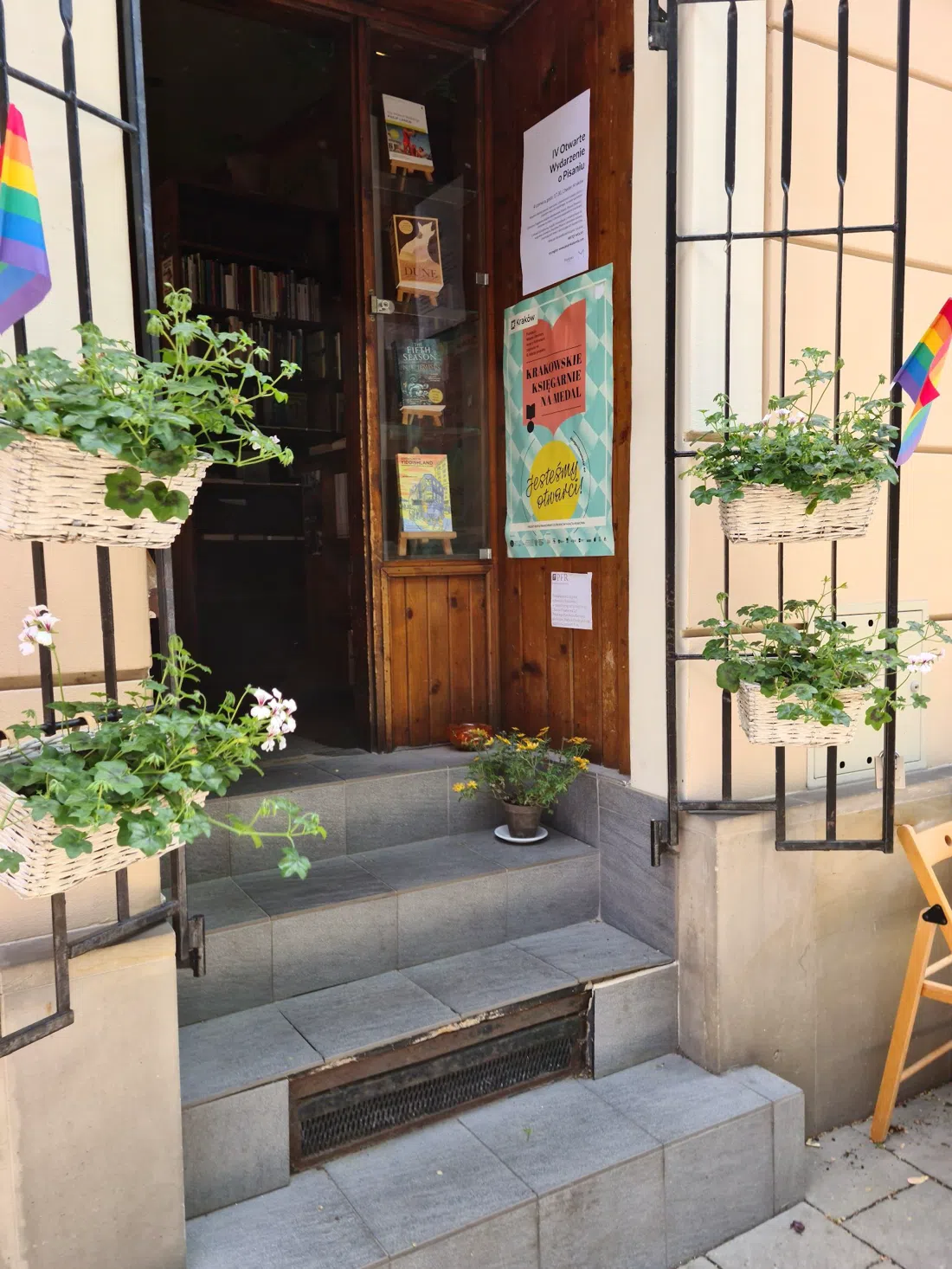
Massolit Books & Café (just west of the Planty) holds over 20,000 new and secondhand English-language books with a café in the middle, free Wi-Fi, and an evening programme of readings and discussions. It is the daytime counterweight to everything above: somewhere to be around people in your own language without performing sociability. Coffee and cake come to about 20 to 35 zł. It is quiet by nature, fine for two or three and wrong for a group of eight.
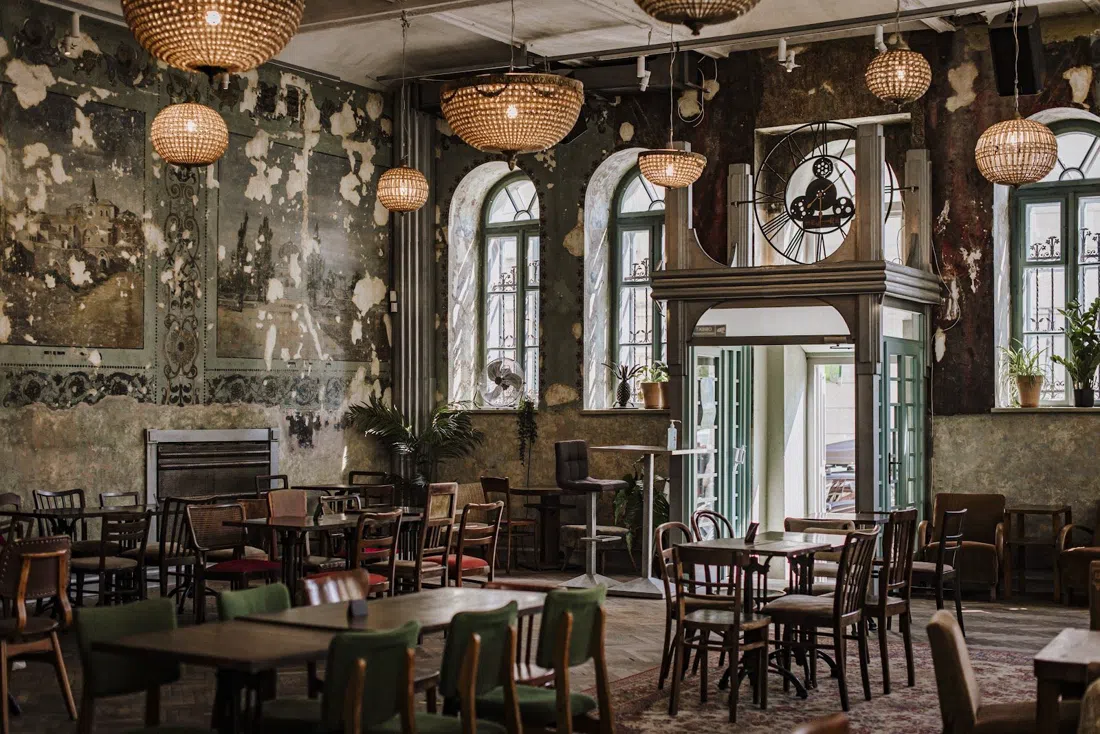
Hevre (Kazimierz) does something rarer. The building is the 1896 Chewra Tehilim prayer house, deliberately left half-stripped, and it works as an informal workspace during the day and a bar with DJ sets at weekends. That double life is useful on a solo trip: you can sit with a laptop and a coffee at 15 to 20 zł in the afternoon, leave, and come back to the same room at eleven when it has turned into somewhere else entirely. Beer is 16 to 22 zł, mains 40 to 60 zł, and the multi-room layout swallows groups without anyone having to queue.
A night out that asks nothing of you
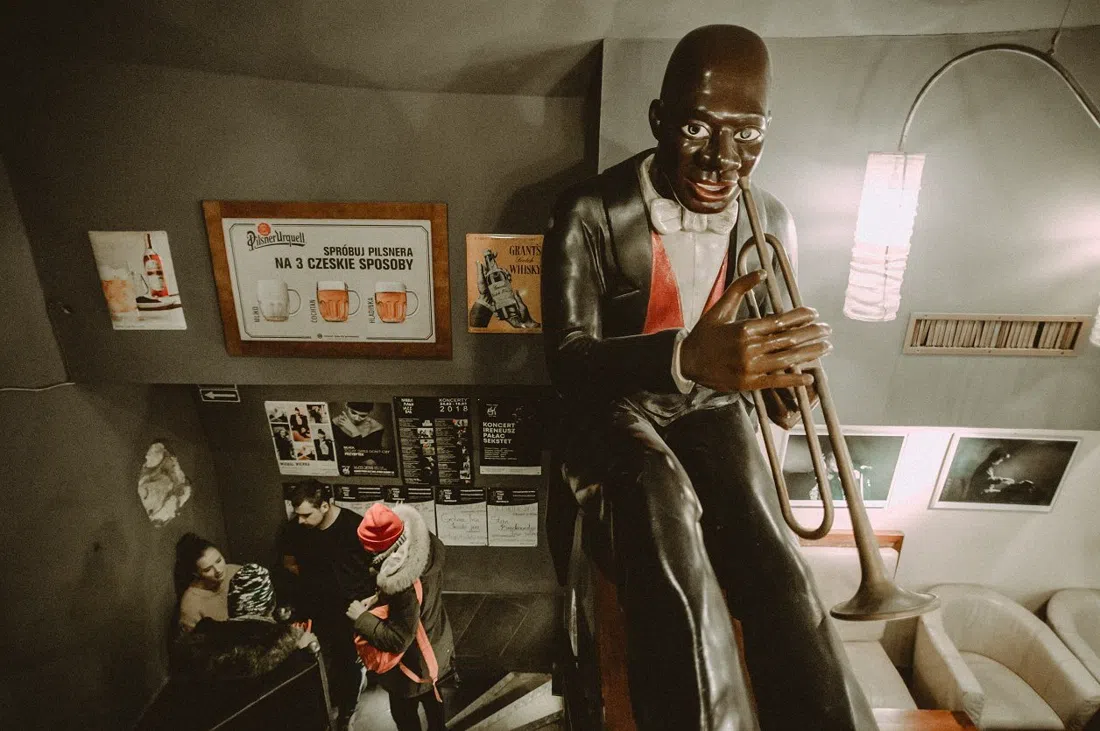
The easiest solo night is a gig, because nobody expects you to speak until the music stops. Harris Piano Jazz Bar (Main Square) has live music every night in a cellar directly off the square, with open jam sessions where audience members bring instruments up. Cover is typically 30 to 50 zł depending on the act and drinks run 20 to 35 zł. The room is small: arrive early for a good seat, and book ahead if you are more than three people.
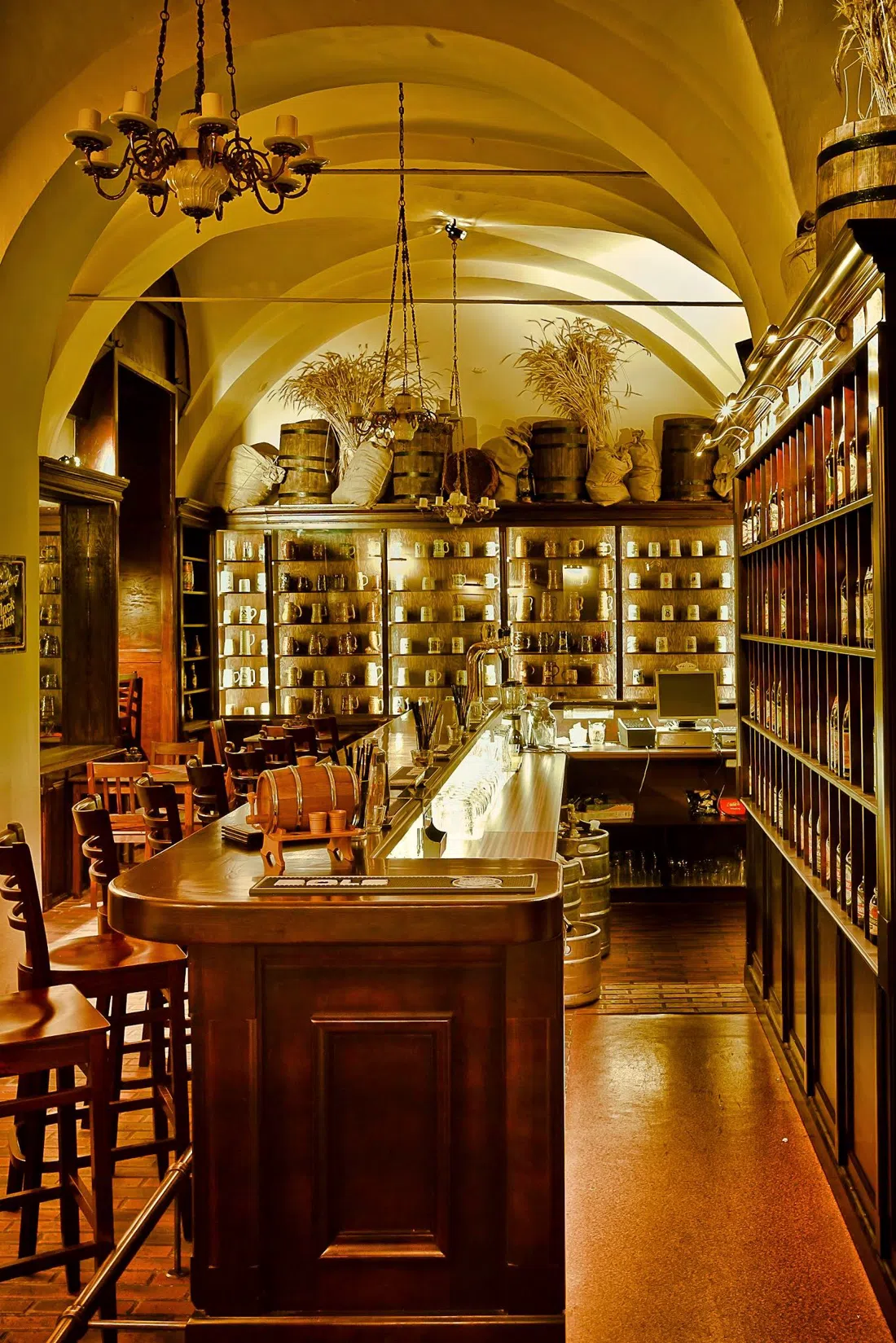
House of Beer (Old Town) is the city's largest craft multitap, open since 2010, with a rotating Polish, Czech, German, British and American tap list and a full kitchen. Two levels means it handles groups, but the solo move is the bar counter, where asking the staff what has just gone on tap is a conversation that starts itself. A 0.5l craft pour is around 18 to 28 zł.
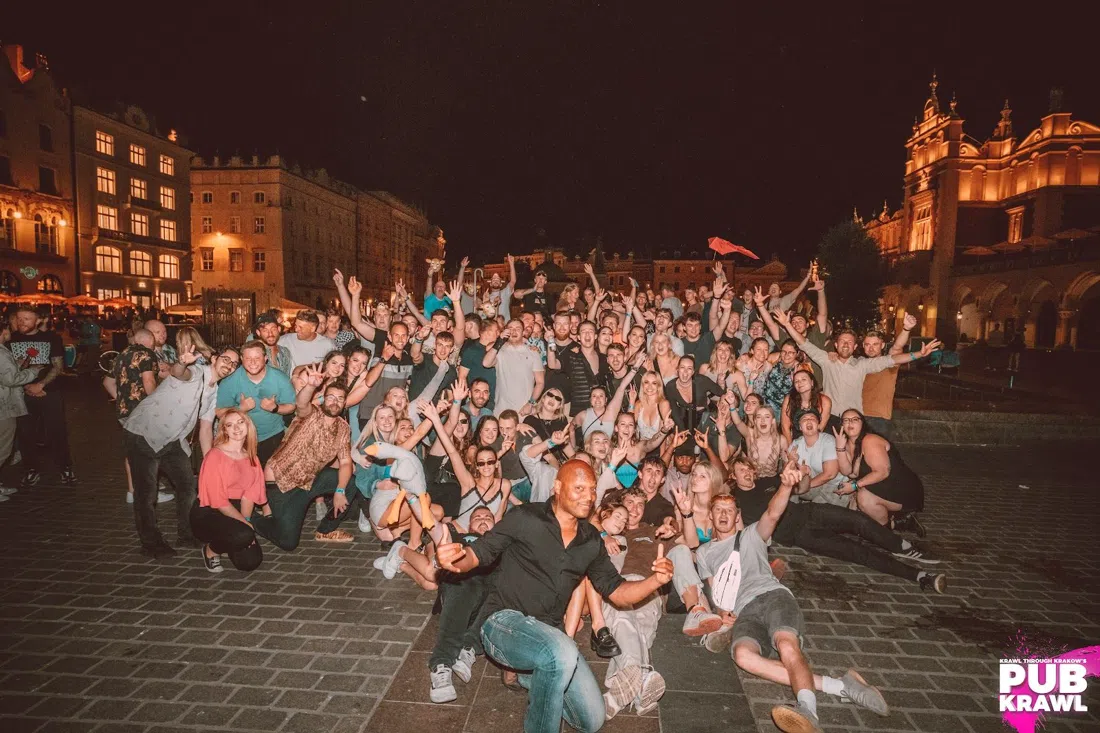
If you want the loud option, Krawl Through Krakow (meets at the Adam statue on the Main Square) runs every single night of the year, costs 120 zł including an hour of unlimited drinks, and moves through four or five bars and clubs. Solo arrivals and groups go out together, and the drinking games, which sound like a reason to avoid it, are precisely the mechanism that forces a room of strangers to talk. Book online to guarantee a place, and skip it entirely if what you actually wanted was a quiet drink. The meeting point is the Adam Mickiewicz monument, unveiled in 1898, destroyed during the war and re-erected in 1955; it has been the city's default "meet me at" ever since.
One in the morning on Plac Nowy
Endzior (Kazimierz, on Plac Nowy) is the local pick among the square's food hatches, open until 2am Monday to Saturday and closed Sunday, at around 15 to 20 zł for a zapiekanka. It is counter service with no seats to speak of, so groups queue and eat standing up. That is the point: at one in the morning the square outside is where every Kazimierz night converges, and standing there alone with a zapiekanka is the most sociable thing you can do in Krakow without saying a word first. The zapiekanka itself is a 1970s invention that never went away, which is roughly the story of the square.

The practical part
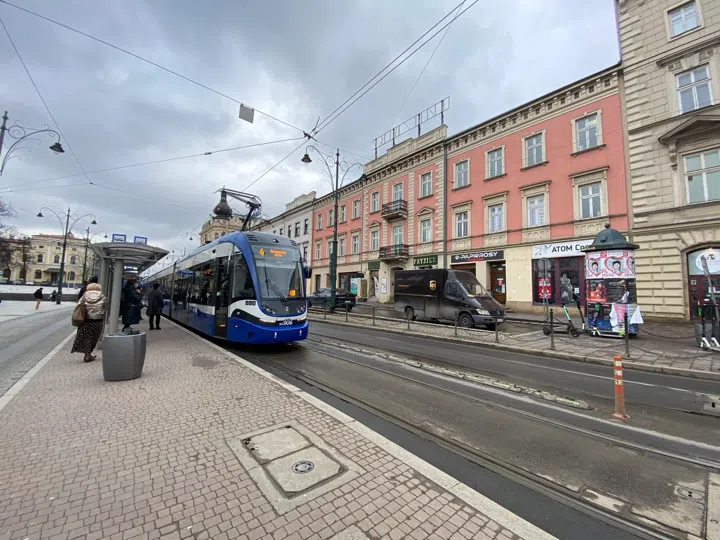
Getting around is mostly a matter of walking. The Old Town, Kazimierz and Stradom are all within fifteen to twenty minutes of each other on foot, and you will not need transport for anything in this article except the Błonia, which is a walk anyway. Trams and buses cover everything else; buy a short-hop or 90-minute ticket from the machine on board or in an app, and use a journey planner instead of guessing at tram numbers. A train links the airport to the main station in about twenty minutes and runs frequently.
Poland uses the złoty, not the euro, and cards work almost everywhere, including tram machines, but carry 100 to 200 zł in cash for walking-tour tips, the food hatches on Plac Nowy and the occasional cellar bar. Roughly, expect 60 to 120 zł for a dorm bed, 14 to 22 zł for a beer, 15 to 20 zł for late food, 15 zł for the Friday exchange, 120 zł for the pub crawl and 385 zł for the food tour.
Build the week around the fixtures: Tuesday and Saturday evenings at the English Speaking Club, Friday at 18:00 for the language exchange, Saturday at 9:00 for the 5k, 10:00 any morning for the walking tour, 17:00 for the food tour. Everything else is walk-in. The garden season runs about April to mid-October; from November onwards the sociable rooms are indoors and smaller, which makes for a different trip rather than a worse one.
The honest bit is that two organised things a day is too many. Pick one fixture, let the afternoon go loose, and keep the evening free enough that if someone from the walking tour suggests dinner you can say yes. For where to put the rest of your days (the sights, the day trips, the eating), start from the Krakow guide.
11 September 2026 · a first week before the flat: the Krakow hotel directory