Lisbon · Getting around · 10 min
What a Ride From Lisbon Airport Should Cost
The metro is €1.92, the meter is regulated, and the apps hide their pickup point in a car park. This is what every way out of Lisbon Airport costs in 2026, and where first arrivals lose money.

Aeroporto is the last stop on the red line, one level down from arrivals, and the ride into the city costs under two euros. Every other way out of Lisbon Airport is priced against that number, whether or not the person quoting you at the kerb says so. What follows is what each option actually costs in 2026, which ones suit two people with cabin bags and which suit six people with hold luggage, and the two or three moments where a first arrival loses money without noticing.
The two-euro baseline
Metro Lisboa — Red Line (Aeroporto station, inside the terminal) is the honest floor. A single is €1.92 loaded onto a navegante occasional card, and the card itself costs €0.50, bought once from the machines by the gates. Twenty-five minutes takes you to the centre. One change covers most hotels: Alameda for the green line, São Sebastião for the blue. Trains run from 06:30 to 01:00.

If you expect four or more journeys on your arrival day, the €7.25 Carris/Metro 24-hour pass earns its keep; below that, singles are cheaper. There is no group ticket and no family rate. One card per person, every time, including children old enough to need a seat.
Be honest with yourself about the luggage. The red line at 18:00 is a commuter line, and it is luggage-hostile in the plain sense that there is nowhere to put a large case except in front of you, where other people want to stand. Two travellers with cabin bags will have a fine time. A party of six with hold cases will clog a carriage and spend the whole ride apologising. If that is you, the metro is still the right price but the wrong vehicle, and the rest of this piece is for you.
The metro also decides which hotels are cheap to reach. Anything within a short walk of the red, green or blue lines costs you two euros from the airport for the whole trip. Anything up a hill in Alfama or Graça does not, and you will be paying a car for the last ten minutes every time. Worth weighing before you book; the Lisbon hotel search is where to compare that properly.
When the metro is shut, the bus still runs
Carris city buses 744 / 783 / 208 (kerbside outside arrivals) cost €1.90 on the same navegante card and cover the gaps the metro leaves. The 744 runs to Restauradores from 05:50 to 21:06. The 783 goes to Amoreiras via Marquês de Pombal, 05:17 to 00:13, which is useful if your hotel sits on that western spine. The important one is the 208, which runs from 00:30 to 05:35 to Cais do Sodré and is the only cheap way out of the airport in the metro's dead hours.
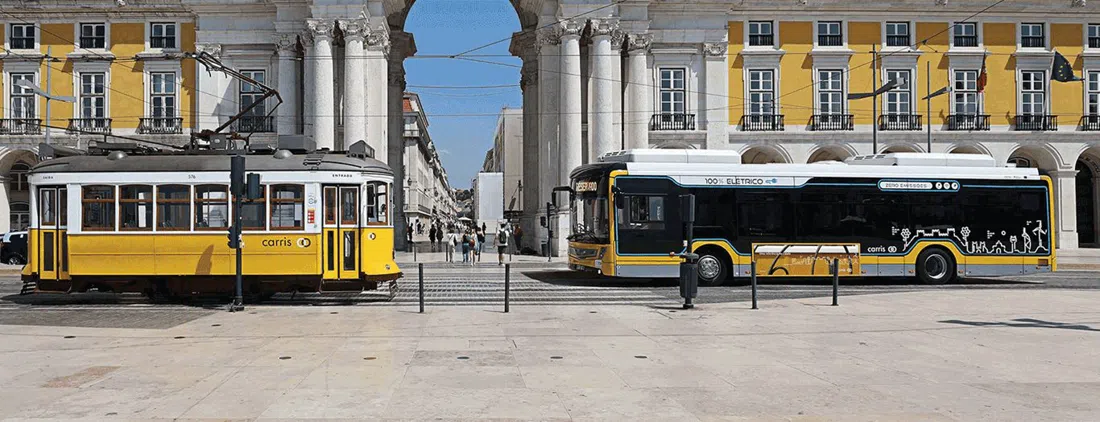
The catch is the luggage rule, and it is a real one: 50 by 40 by 20 centimetres. That is a cabin bag, not a suitcase. Drivers do enforce it when the bus is busy. For a solo traveller landing at 02:00 with a rucksack, the 208 saves you fifteen euros and gets you into the centre in reasonable time. For a group with hold bags at any hour, the buses are not an option, whatever the fare says.
The rank at Terminal 1, and how to keep it honest
The Lisbon Airport official taxi rank (Terminal 1 arrivals, follow the signs from the hall) is regulated, and when it works it is one of the better-value airport taxi ranks in Europe. The tariff is public: €3.32 flagfall by day, €3.98 at night, then €0.96 per kilometre by day and €1.21 at night, weekends and holidays, plus a flat €1.60 for luggage. Airport to Baixa lands somewhere around €11 to €20 depending on traffic and time.
That is a fair price. The problem is not the tariff, it is compliance. A PSP inspection at this rank in August 2026 checked roughly a hundred cars and logged 67 offences, 32 of them mispositioned taximeters, angled away from the passenger so you cannot read what is accruing. So take the rank, but take it on two conditions. First, you can see the meter and it is running before the car moves. Second, you refuse any fixed price quoted at the kerb. A driver who offers you €30 to Baixa is not doing you a favour; they are quoting you double the metered fare and betting you don't know it. If the meter isn't visible, get out and take the next car. The queue moves.
Standard cars take four. Estates appear in the queue if you ask the marshal, but a group of six is usually better served by splitting across two cars than by negotiating a van at the kerb, which is exactly the conversation where the price stops being regulated.
Hailing a licensed taxi from your phone
Three apps book the same regulated cars without the kerbside theatre, which is the neatest fix for everything above.
IzzyMove (licensed rank cars, Terminal 1) is the national taxi sector's own app, run by CNTD and backed in Lisbon by the Retális fleet. It gives you a fare estimate before you confirm, an identified driver and a tracked car, all on the regulated meter with no surge. It books car by car and lets you choose the vehicle type, so a group of six orders two and follows both on the map.
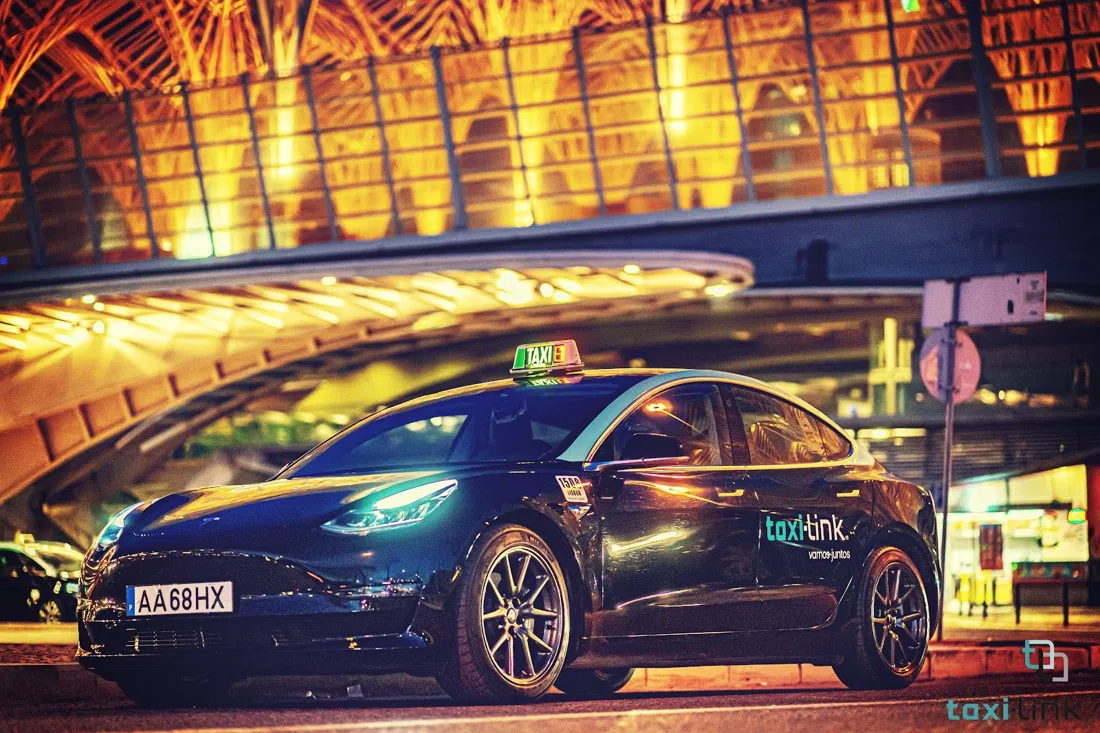
Taxi-Link (Táxis de Lisboa) (city-wide fleets) does much the same job, plugging into the largest taxi fleets in the city and running 24 hours a day. That last part matters: at 03:00, when the metro is shut and the ride-hailing apps have decided your flight is an event worth pricing, a metered taxi at the standard night tariff is often the cheapest car available. In-app estimate before you confirm, same as IzzyMove.
Cooptáxis (Autocoope) (nationwide fleet with a reservations desk) is Portugal's largest taxi cooperative, over 1,200 vehicles, and one of the two main operators working the airport. Street work is metered; a pre-booked airport transfer converts the meter into a fixed quote. If you dislike arriving to any kind of negotiation, that is the whole point of booking one. It is also the operator most likely to put several cars on the same arrival time, which is what a family of nine actually needs.
Bolt, Uber, and the walk to P2
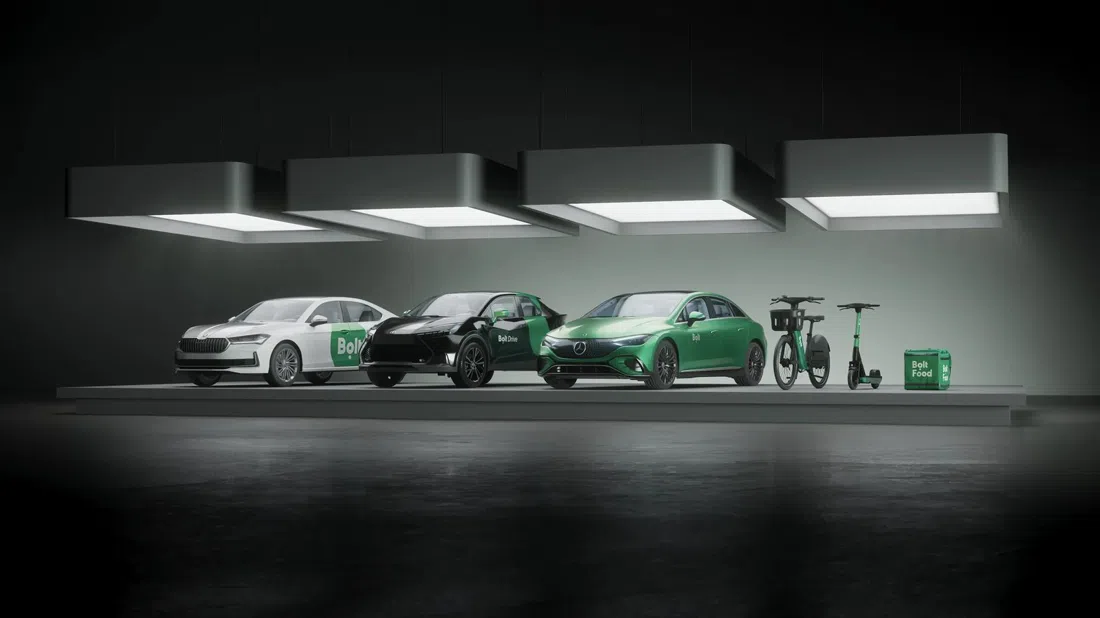
Bolt (pickup in the P2 car park, not at arrivals) is usually the cheapest door-to-door option in the city, typically 10 to 25 per cent under Uber on the same route, at €8 to €12 into Baixa in normal conditions. Surge can push it past €20 on a wet Friday evening, which is when the metered taxi becomes the better deal.
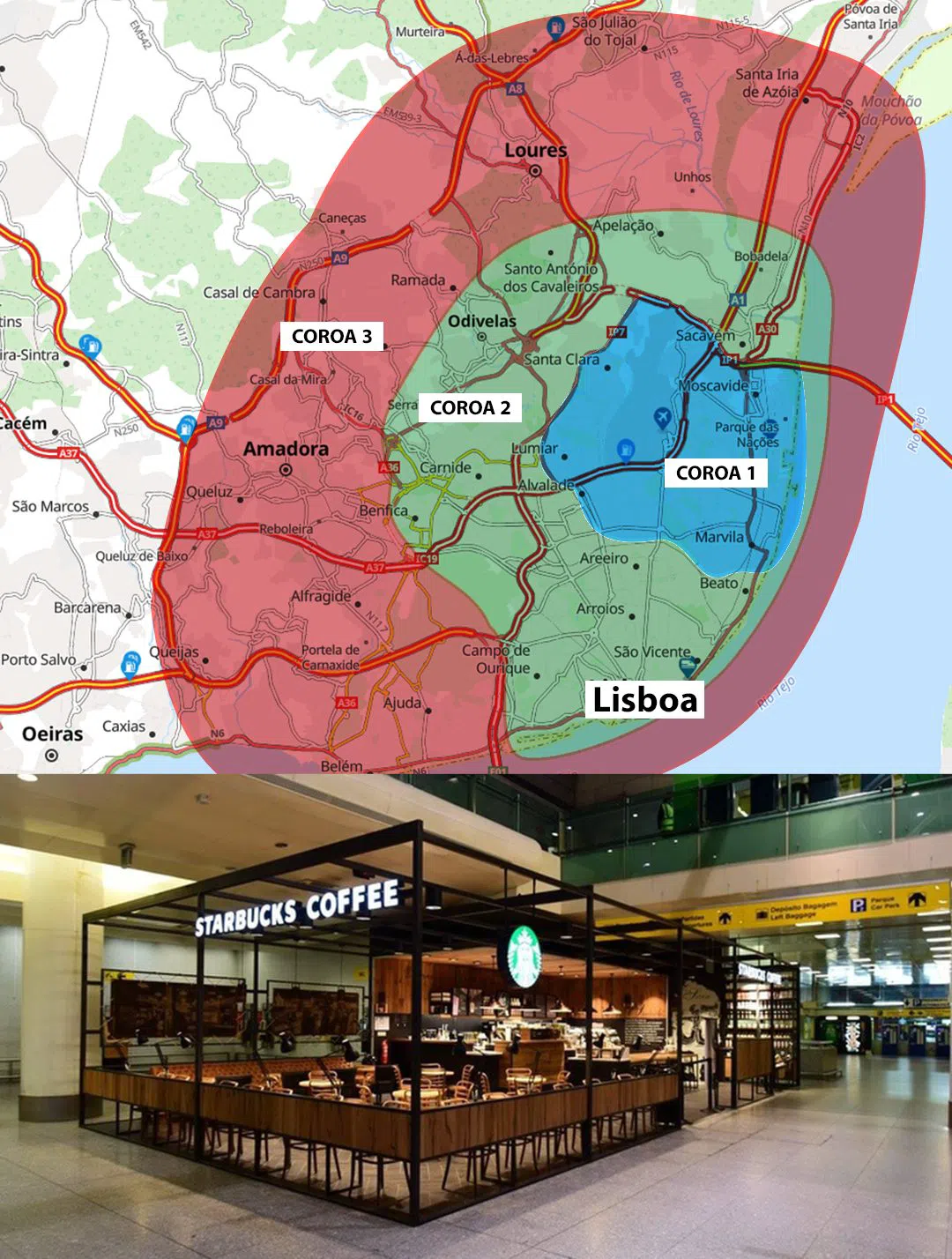
The part that catches people is the pickup. Ride-hailing cars are not allowed at arrivals. You exit the hall, turn left, walk past the Starbucks and through two sets of doors into the P2 car park, and you order the car only once you are standing at the pillars. Ordering from inside the terminal means a driver waiting in a car park you haven't reached yet, a cancellation fee, and a worse second quote.
Uber (same P2 pillars) runs €10 to €15 into Baixa and more under surge. Its best use on arrival day is as a price check: the two apps flip depending on demand, and having both open is the fastest way to know whether the €25 a driver just quoted you at the kerb is reasonable or not. For a group, UberXL and Uber Van seat six or more, and pre-booking through Uber Reserve is the reliable route when you have luggage and a fixed arrival time, although two standard cars still usually beat one van on price.

Mobile data in P2 is patchy. Join the airport Wi-Fi before you leave the terminal, or you will be standing among concrete pillars watching a map refuse to load.
Paying a fixed price before you land
If you would rather know the number in advance, four operators sell certainty at different heights.
Welcome Pickups (met inside arrivals) is the clearest answer for a first visit: flight-tracked, a driver waiting with your name, and prices set at booking. Expect from about €22, commonly €28 for a sedan into the centre. The group tiers are published. Airport to Oriente is listed at €29 for one to four, €39 for five to eight and €69 for nine to twelve, and that top tier works out cheaper per head than three taxis for a large family group.

Swingo (arrivals meet, vans available) sits in the same fixed band, above a metered taxi, and is worth it mainly when you want the ride to double as a first orientation, since the driver can continue as a guide. It is rated 4.8 across roughly 1,400 reviews, which is genuinely good. The recurring complaint is worth knowing: vague meeting points and late driver swaps when flights slip. Confirm your pickup instructions the day before and that mostly disappears.

Blacklane (chauffeur, arrivals) is the opposite trade to the metro. You pay a clear premium, well above a metered taxi, but the quote is all-in, tolls and fees included, the chauffeur waits an hour free if you are late off the stand, and you can cancel up to an hour before pickup. It also runs city-to-city if your onward leg is a long road journey.
Suntransfers (vans and coaches from the terminal) is the strongest option here for a real group, because it prices per vehicle rather than per head. A minivan for up to eight starts around €41 into central Lisbon, with minibuses and full coaches quoted by size. For a party of eight, one €41 van beats two taxis plus a pile of luggage charges, and the fare is fixed with free cancellation up to 48 hours out.
If Lisbon is not actually where you are going
This is where the biggest savings sit, and where most people overpay worst, by booking a long private transfer at the airport instead of a train fifteen minutes away.
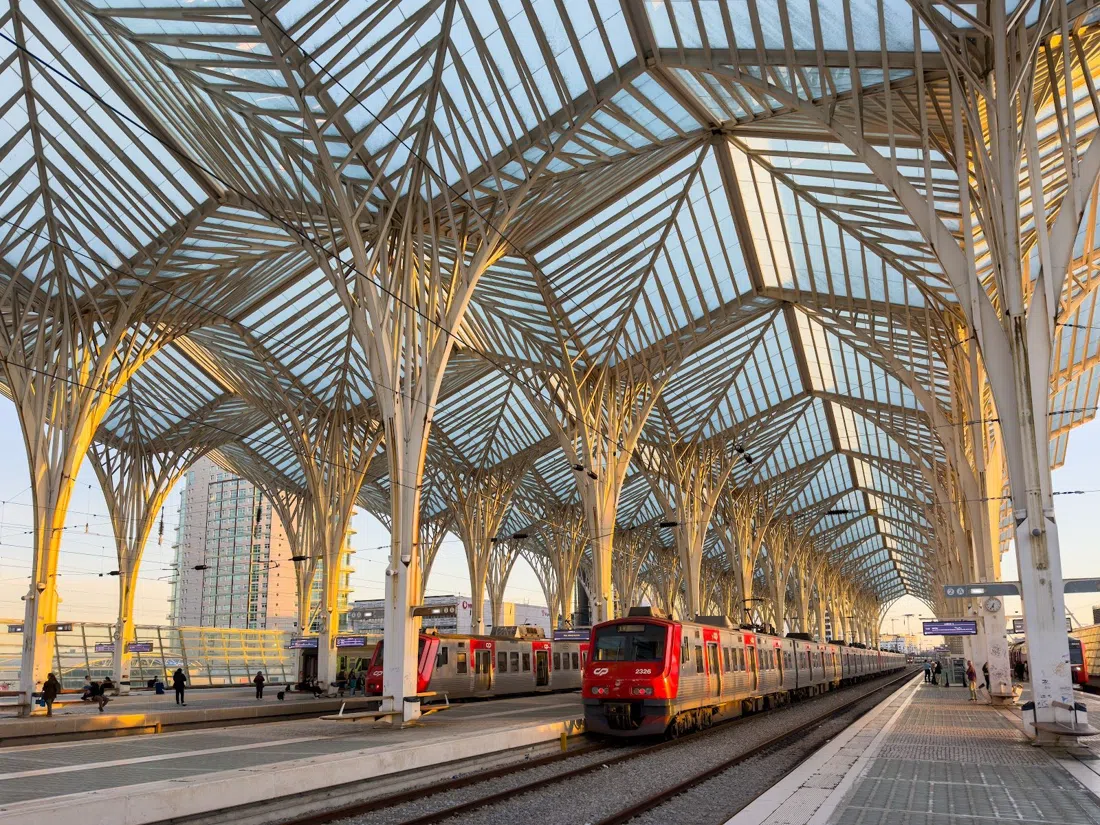
CP — Comboios de Portugal (reached via Gare do Oriente, a few minutes down the red line) has no group limit and generous luggage space. Urban-line fares are a couple of euros; the direct urban service to the hill town north-west of the city takes 47 minutes and leaves every 20 minutes. Long-distance trains run north and south from the same station, with fares that rise the later you book, so buy those before you fly. One thing to get right: if your onward destination is on the coast line west of the centre, you want Cais do Sodré, not Oriente. Those trains do not call at Oriente at all.
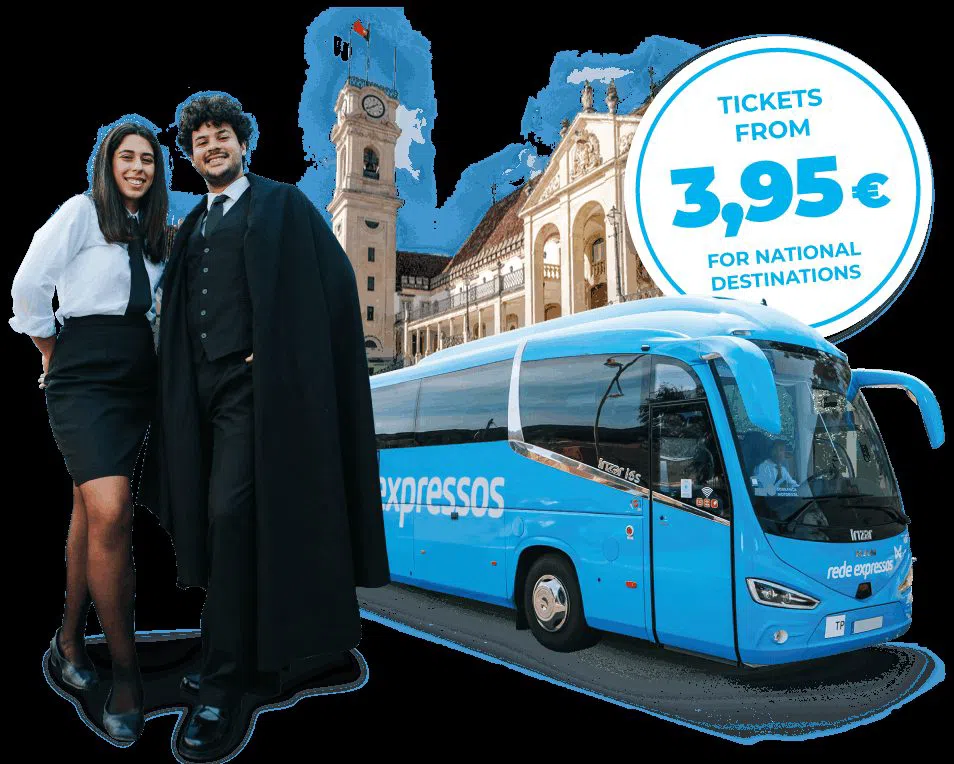
Rede Expressos (coach terminal at Sete Rios, red line then blue at Jardim Zoológico) is the cheapest onward link to the rest of the country, with tickets from around €2.95 depending on route and how far ahead you book. The group now includes Eva, so southern coastal destinations are bookable in the same place rather than through a separate operator. Coach seating keeps a group together cheaply, provided you book one departure early rather than six seats late.
Practical notes
Money. Buy the navegante occasional card at the machines by the metro gates: €0.50 once, then €1.92 a ride, and the same card works on the Carris buses. Cards are accepted almost everywhere, including in taxis, but carry €20 in small notes for a driver whose terminal has mysteriously stopped working. Meter fares are not negotiable and do not need rounding up; a euro or two is a normal tip, nothing more.
Timing. Metro 06:30 to 01:00. The 208 bus covers 00:30 to 05:35. Between roughly 01:00 and 05:00, your realistic choices are a metered taxi (rank, IzzyMove or Taxi-Link) or the night bus if you are travelling light. Avoid the red line with hold luggage between 08:00 and 09:30 and again from 17:30 to 19:00.
What to budget. Two people, cabin bags, daytime: €3.84 plus the cards, on the metro. Two people, hold bags: €11 to €20 metered, or €8 to €12 on Bolt if you make the walk to P2. Four people wanting no decisions at all: around €28 fixed with Welcome Pickups. Eight people: one €41 van. Six people at 03:00: two metered taxis on the night tariff.
The one rule. Nothing at this airport legitimately costs €30 to Baixa. If a number like that appears before the meter does, you are being quoted, not charged. Walk to the next car, open an app, or go down the escalator and spend €1.92. Once you are in the city, the rest of the trip is mostly on foot and mostly downhill, and the Lisbon guide picks up from there.
23 September 2026 · a first week before the flat: the Lisbon hotel directory