Liverpool · Where to live · 11 min
Walking from Liverpool's Chinese Arch Down to the Docks
Europe's oldest Chinese community is a fifteen-minute walk uphill from the Mersey, and that walk is where Liverpool's migration history is easiest to see.
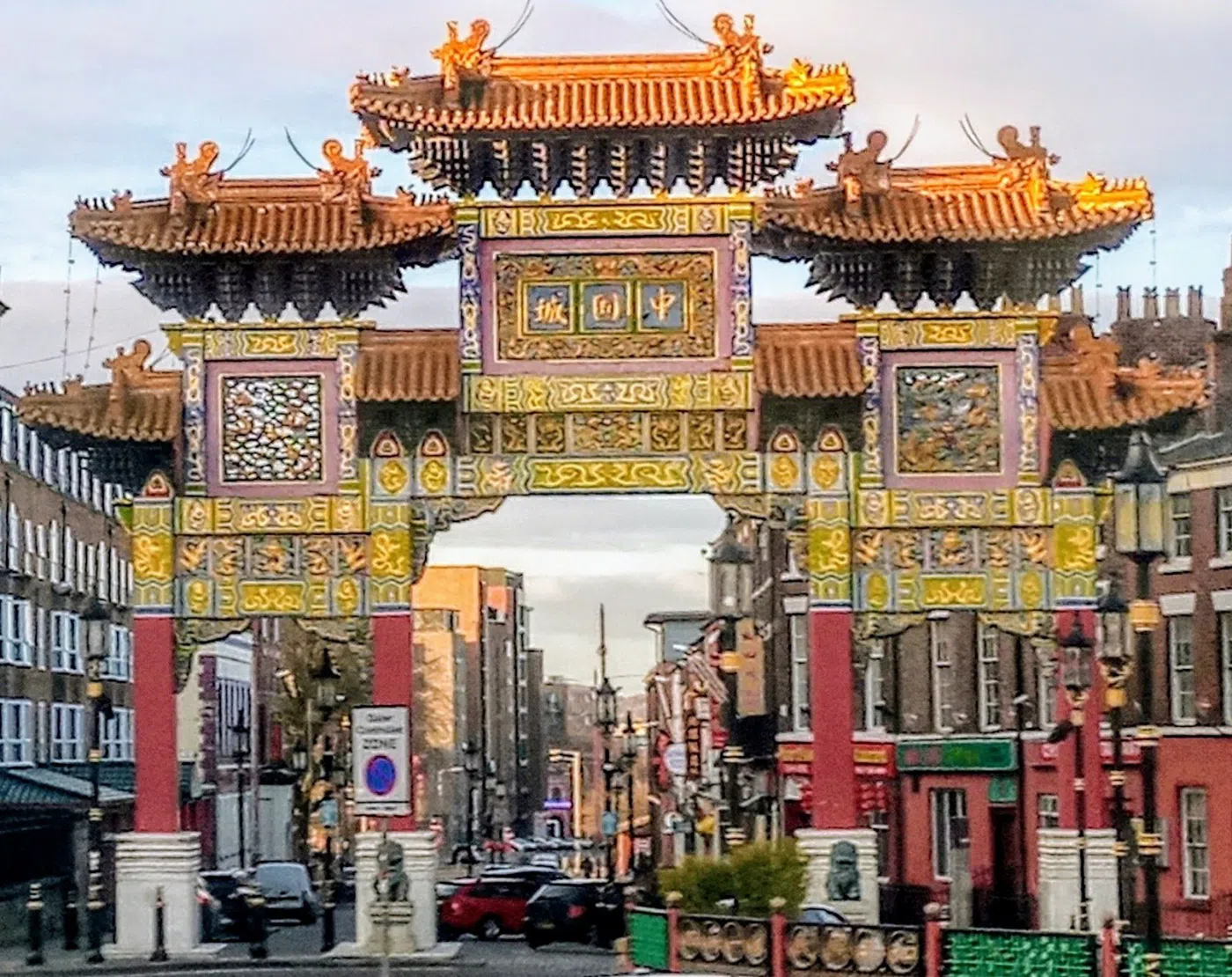
The arch on Nelson Street is the tallest in any Chinatown outside mainland China, and it stands in a run of plain Georgian brick a short walk from the Anglican cathedral. Most visitors photograph it from the kerb, turn around, and go back to the shops on Bold Street. The better move is to walk underneath it and keep going downhill, because the slope you are standing on is the whole argument of this piece — it runs to the river, and the river is what brought the men whose families still cook behind you.
Why the arch stands where it does
The Chinese Imperial Arch (Chinatown, Nelson Street) is a paifang of carved timber and glazed tile, free to visit, standing on an open public street with no door, no ticket and no closing time. It is also the single most photographed object in this part of the city, which matters if you want a clean picture of it. Coach parties and walking groups collect underneath it more or less continuously from mid-morning onwards, and parked cars fill the lower third of the frame for most of the working day. Come before nine in the morning and you will get the legs of the arch, the empty street behind it and the terrace roofline above — after eleven you will get bumpers and shoulders.
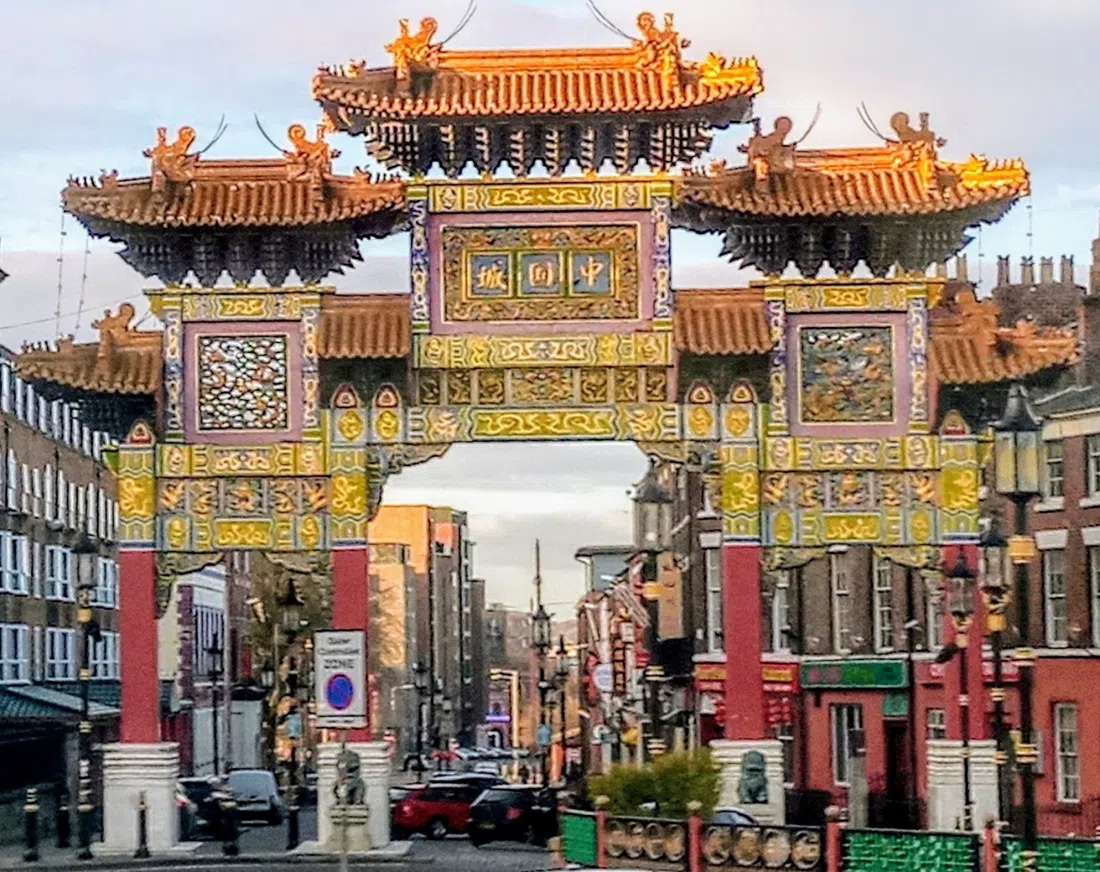
The community it marks did not start with restaurants. It started in the 1860s with seamen on the Blue Funnel Line, the Liverpool shipping company that ran the China route, and with the boarding houses, laundries and provision shops that grew up around crews who spent months at sea and weeks ashore. That is why the oldest Chinese community in Europe sits exactly here and not somewhere more convenient: it settled within walking distance of the berths. Stand under the arch and face downhill and you are looking along the route those men took to work. It takes about fifteen to eighteen minutes on foot, all of it descending, and nothing on the way is uninteresting.
This is not the trail the tour coaches run, and it is the better story for it.
Eating where Chinatown actually eats
Three restaurants, three genuinely different jobs, and picking the wrong one is the most common mistake visitors make here.
Yuet Ben (Chinatown) is the one to book if you care about the history. Family-run since 1968 and the longest continuously family-run restaurant in the city, its name means "welcome honoured guest", and the cooking is northern and Beijing-leaning rather than Cantonese — a different register from most of the street. It is a small room. Parties of six to ten are fine if you book ahead, but do not arrive with fifteen people expecting a banquet; that is not what this place is. Evenings only, closed Mondays, mains around £12–20. Reserve rather than chance it.
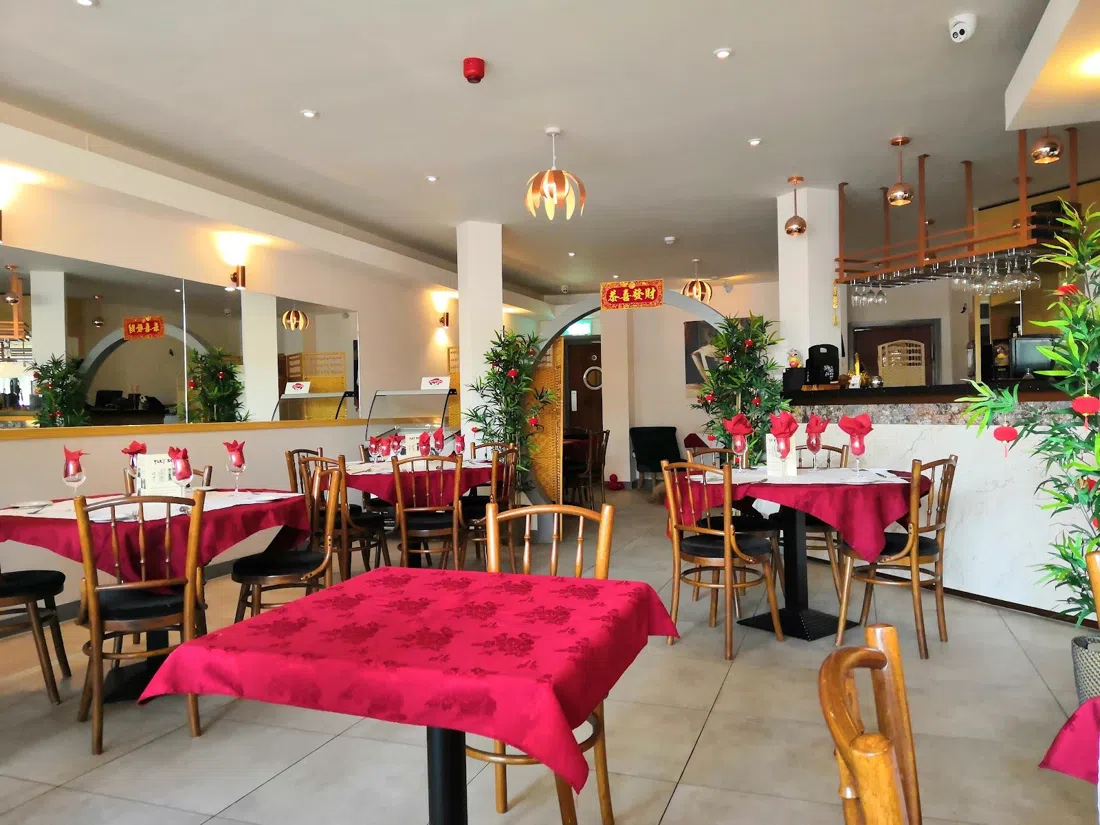
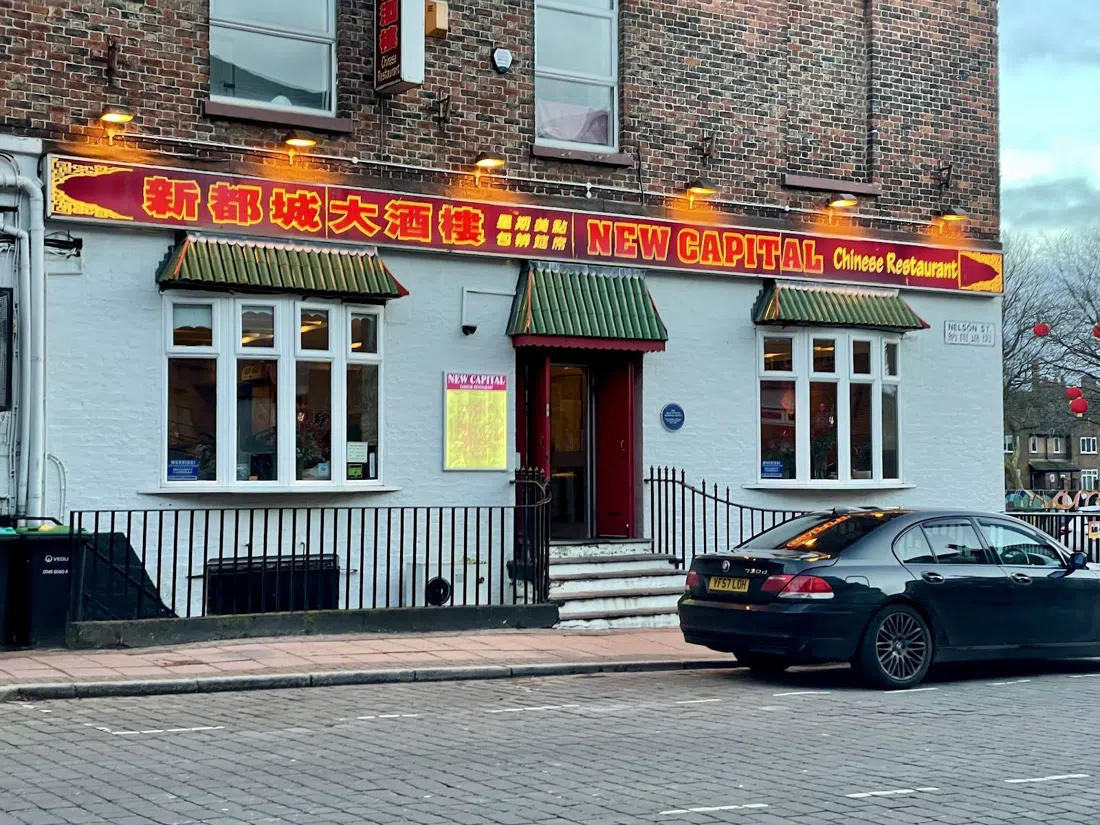
New Capital (Chinatown) is Cantonese, has been in the same spot for more than forty years, and is the Liverpool Chinese Business Association's own pick — which is to say it is where the community eats rather than where the city sends its visitors. The round tables take groups of eight to twelve comfortably if you phone ahead. Closed Wednesdays. Mains roughly £10–15, so it is also the cheapest proper sit-down meal in this section.
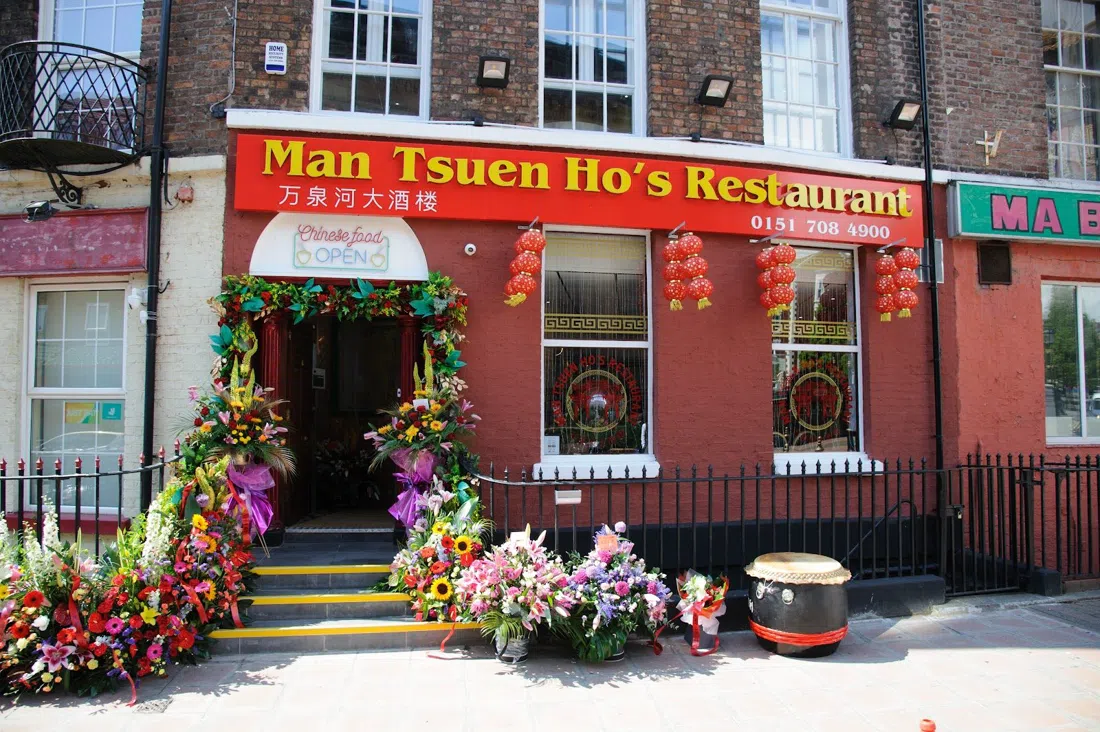
Man Tsuen Ho's Restaurant (Chinatown) is the volume option and the newest, reopened after a two-year refit as Chinatown's biggest modern room — private dining rooms, banquet tables, around 300 covers, and service that is noticeably more polished than the street average. Dim sum runs about £5–7 a plate and set banquets about £25–35 a head. Weekends need booking. If you are travelling as a family group, a stag or hen party, a work outing or anything above a dozen people, this is the obvious and only sensible answer, and a dim sum lunch here before the walk down to the water is a good way to build the day.
Short version: two people who want the real thread of the neighbourhood go to Yuet Ben or New Capital. Fifteen people who want to sit together go to Man Tsuen Ho's.
A bun for the walk and a supermarket worth ten minutes
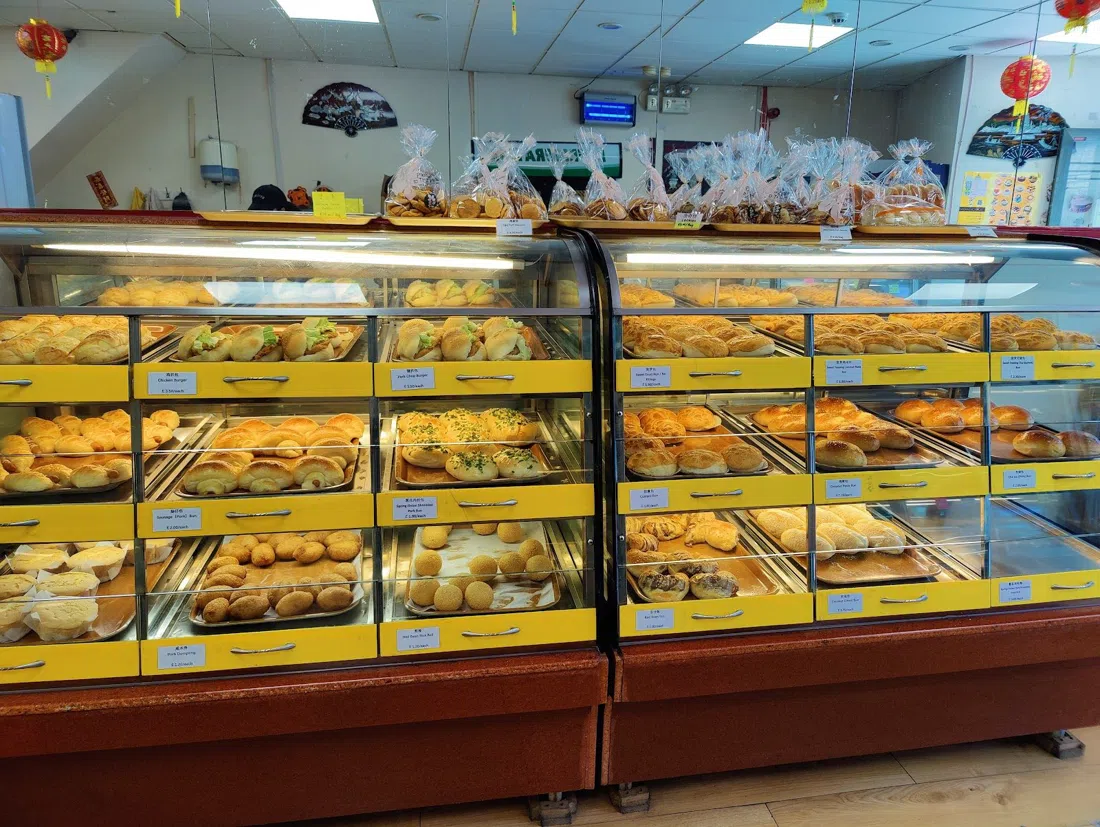
Bonbon Bakery (Chinatown) has been trading since 2013 and is the cheapest five minutes in the area — buns and tarts between £1.50 and £4, a queue out of the door at lunchtime, and barely any room to sit. Treat it as grab-and-go. A hot char siu bun eaten walking downhill towards the water is, for the money, the most atmospheric thing you will do all day.
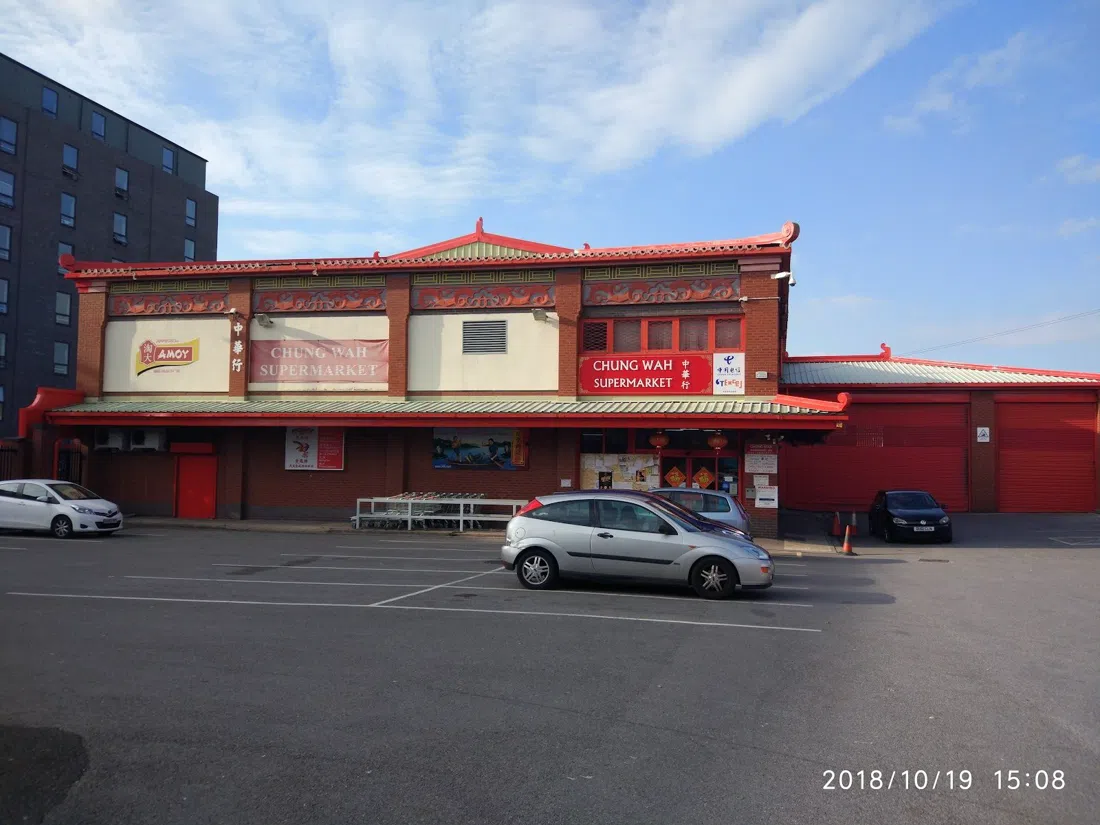
Chung Wah Supermarket (Chinatown) is not a tourist stop and does not pretend to be. It is the practical spine of the place — the direct descendant of the ship chandlers and provision shops that once supplied Chinese crews between voyages — and it is open daytime only, roughly 9.30am to 5.30pm. The aisles are wide enough that a group browsing causes nobody any trouble. If you want to take something home that is not a fridge magnet, this is where to do it.
Two stops on the way down that explain everything else
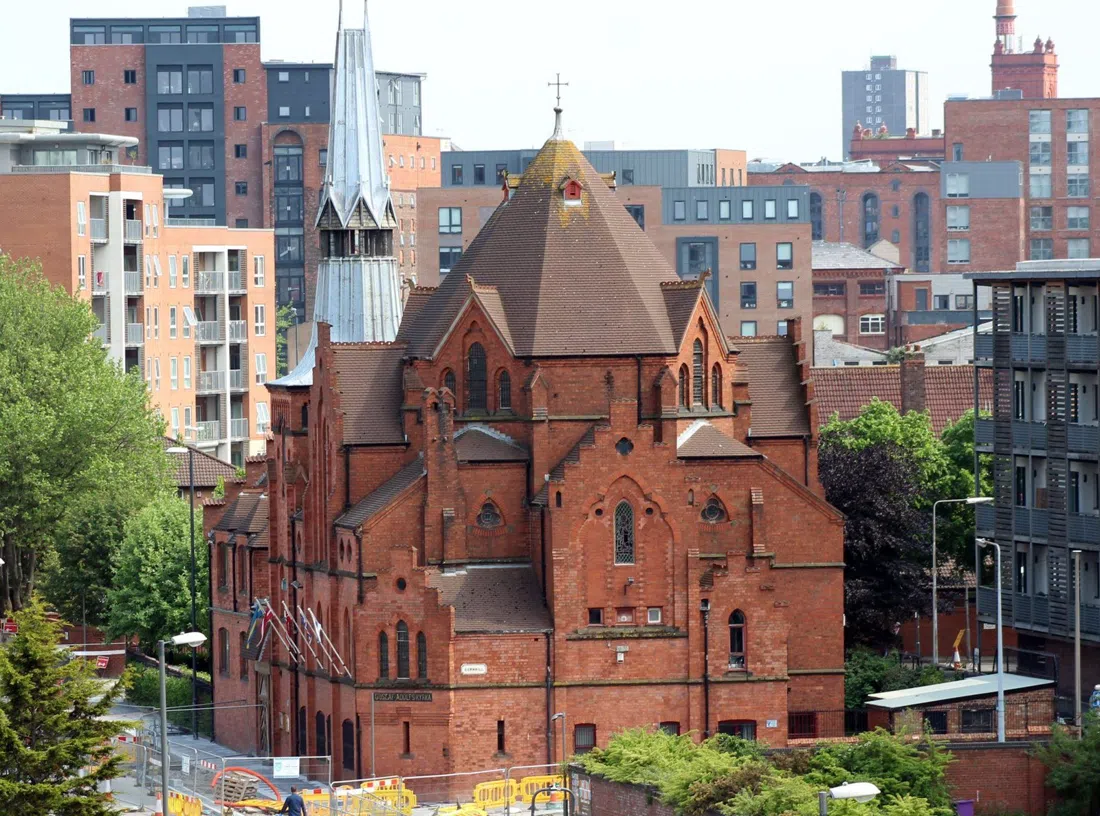
Gustav Adolf Church (Chinatown edge) is the reason to understand that this migration story was never only Chinese. Built in 1883–84 as the Scandinavian Seamen's Church for sailors and emigrants passing through the port, it is one of only two stave-style churches in Britain and the surviving seafarers' mission of the old dock quarter. One firm caveat: it is run by the Liverpool International Nordic Community and it is not a walk-in attraction. Group visits, services and café events must be arranged through LiNC in advance, so check dates before you promise anyone they are getting inside. Entry is free or by donation when it is open; event catering is extra.
A few minutes further down, at the water, is the Memorial to Chinese Merchant Seamen (Pier Head), and almost every visitor walks straight past it. It was unveiled in 2006 for the Chinese seamen forcibly repatriated in 1946 — men who had crewed merchant ships through the war and were then removed from the country, leaving Liverpool wives and children who in many cases never learned what had happened to them. It is an open riverside site, free at any hour, any size of group, and thoroughly exposed to the wind off the Mersey. Standing there having just walked down from the arch is the point of doing this on foot rather than by taxi. This memorial is the hinge between the two halves of the day.
The dock beneath the shopping streets
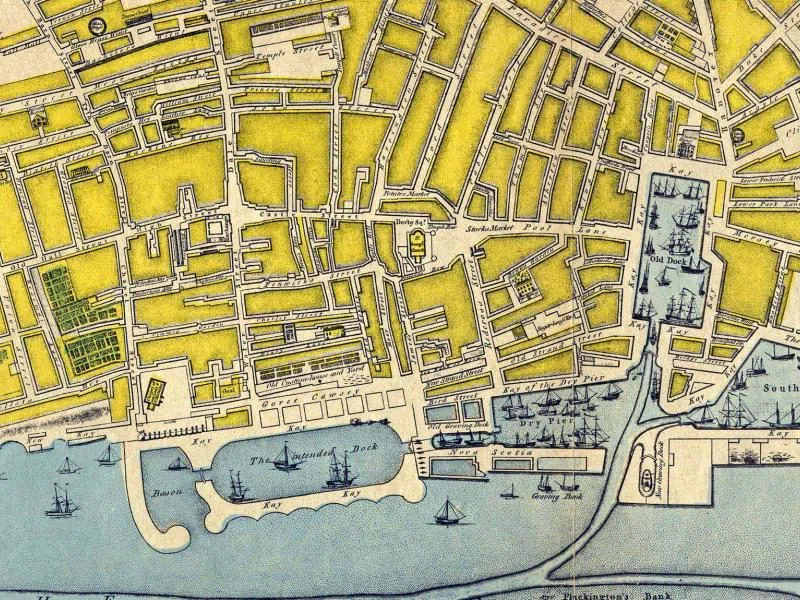
The Old Dock Tour (Royal Albert Dock, run by National Museums Liverpool) takes you underground to the world's first commercial enclosed wet dock, built in the early 1700s, buried for well over a century and rediscovered in 2001 during redevelopment. It is the literal foundation of everything else described here — no Old Dock, no dock system, no Blue Funnel Line, no Chinatown. Tickets are around £15 for adults and £5 for children, slots run roughly hourly on tour days, and the tour meets outside the Pump House. Groups of ten or more get a rate through the box office on 0151 478 4444.
One serious warning, and it catches people out constantly: dates are released in batches and sell out fast, so the online calendar frequently looks completely empty. That does not mean the tour has stopped. Check back and book the moment slots appear, ideally before you fix the rest of your dates.
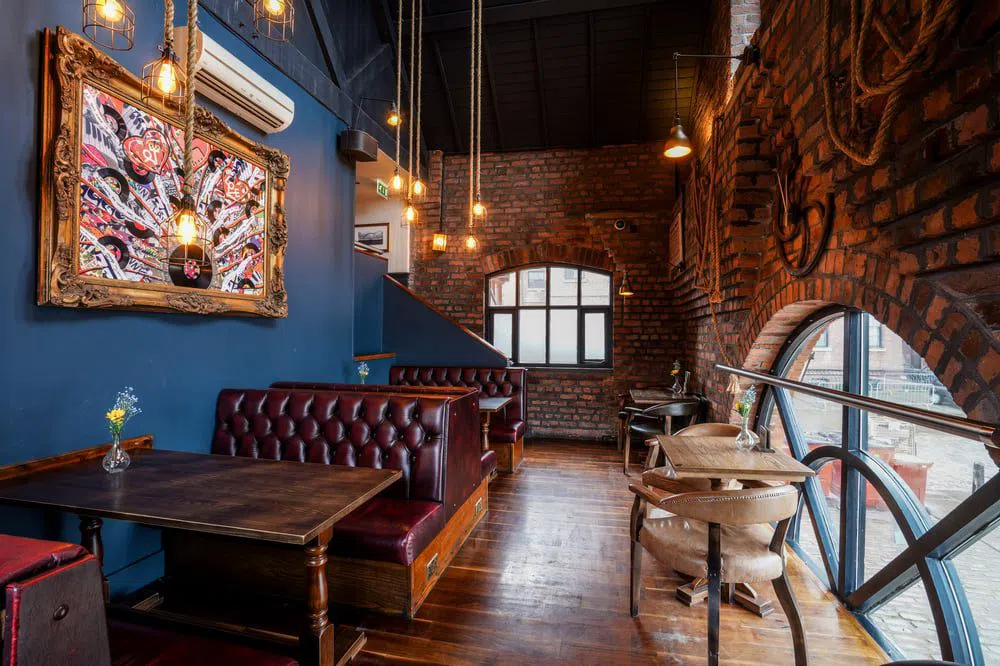
The Pump House (Royal Albert Dock) is where you wait for it. The building is the hydraulic pumping station that once drove the dock's cranes and gates, now a three-floor pub open 11am to 11pm daily, walk-in friendly, with space for large parties and food worth booking if there are ten or more of you. Pints around £5, mains around £14. It is the most convenient pint in the docklands and a genuine piece of industrial machinery, which is more than most waterfront bars can claim.
What is open at the Royal Albert Dock and what is not
Royal Albert Dock Liverpool (waterfront) is a UNESCO-listed set piece and the world's first non-combustible warehouse system — iron, brick and stone, no structural timber, built so a warehouse fire could not take the quay with it. The estate is public and free to walk at any hour, and the individual bars, restaurants and boat operators inside handle their own group bookings.
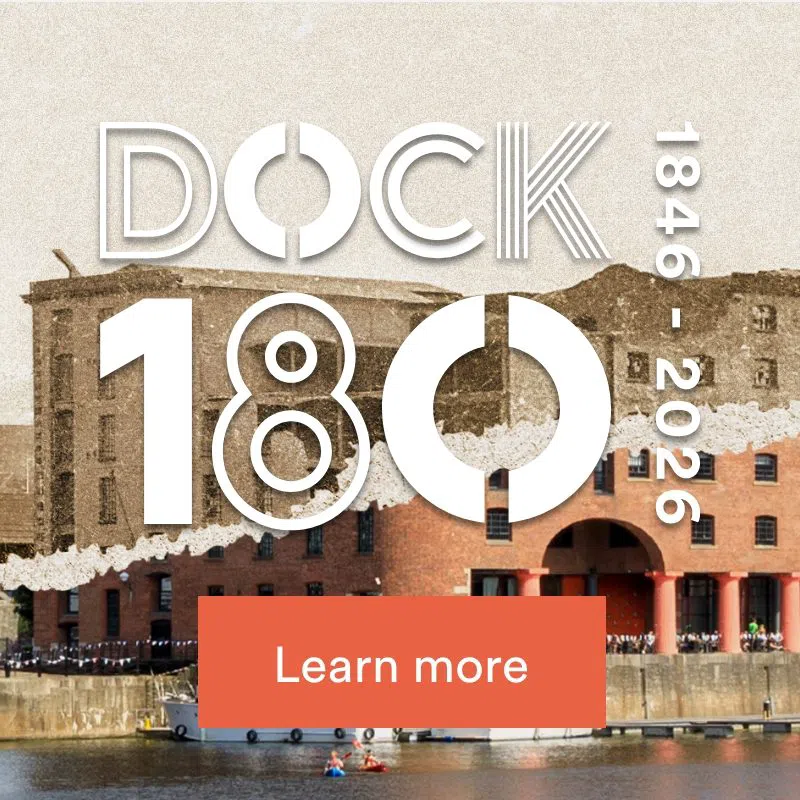
Be clear-eyed about one thing before you plan a day around it: the Maritime Museum and the International Slavery Museum inside the dock have been closed since January 2025 for the Waterfront Transformation project and are not expected back before 2028. If someone has told you to visit either, that advice is out of date.
That makes the Museum of Liverpool (Pier Head) more important than it would otherwise be. Entry is free, group and school visits are booked through the museum, and it currently carries the migration and dockside-labour material — the only place in the city where you can see Chinese, Irish and Somali community histories under one roof while the other two museums are shut. It sits next to the ferry terminal, which also makes it the obvious wet-weather anchor when the river weather does what the river weather does.

A pint on the dock road
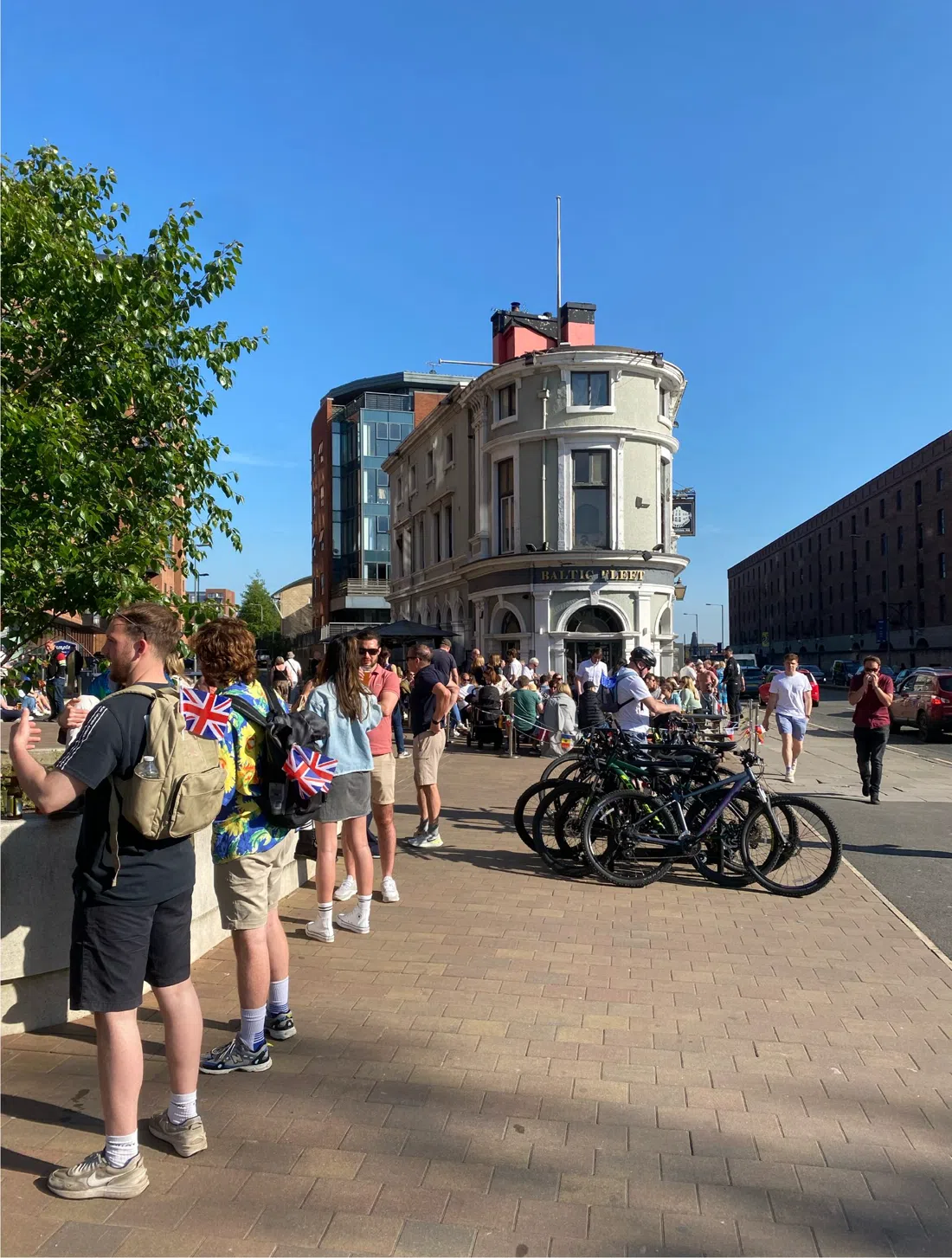
Baltic Fleet (Wapping, on the dock road) is the last true sailors' pub left on this stretch, an 1850s building with press-gang and smuggling stories attached to its cellars and a seriously good cask and local craft list. It is family-run, open noon to 11pm daily, and welcoming in a way the polished waterfront is not. The rooms are small and historic: eight to twelve people work, twenty do not. Cask pints run about £4.50–5.50. If you only have time for one drink between the Albert Dock and the city, have it here rather than on the quay.
The bunker and the river
Western Approaches Museum (city centre) is the strategic half of the dock story, hidden in a bunker beneath the streets: the nerve centre from which the Battle of the Atlantic was run, plotted on maps of the same convoy routes the merchant crews sailed — including the Chinese seamen commemorated down at the Pier Head. Open 10am to 5pm, around £14.50 for adults and £8.50 for children, and the day ticket doubles as a twelve-month pass, which is unusually generous. Guided tours for groups of up to fifteen cost about £75 per group on top of admission.
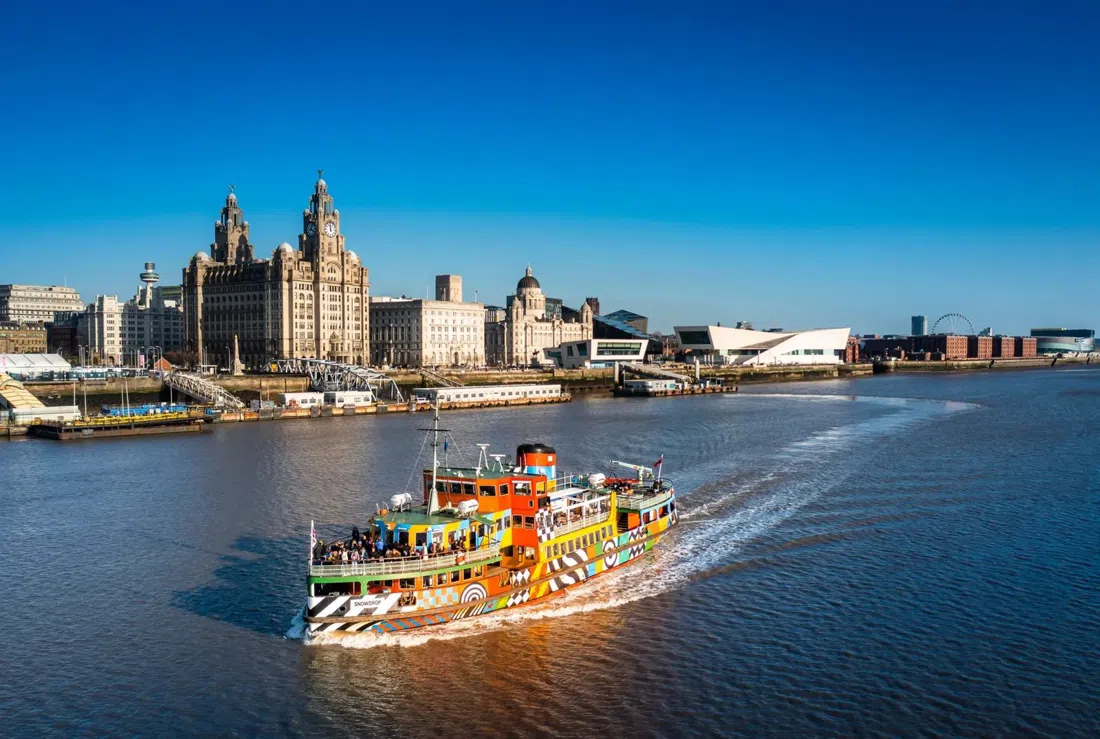
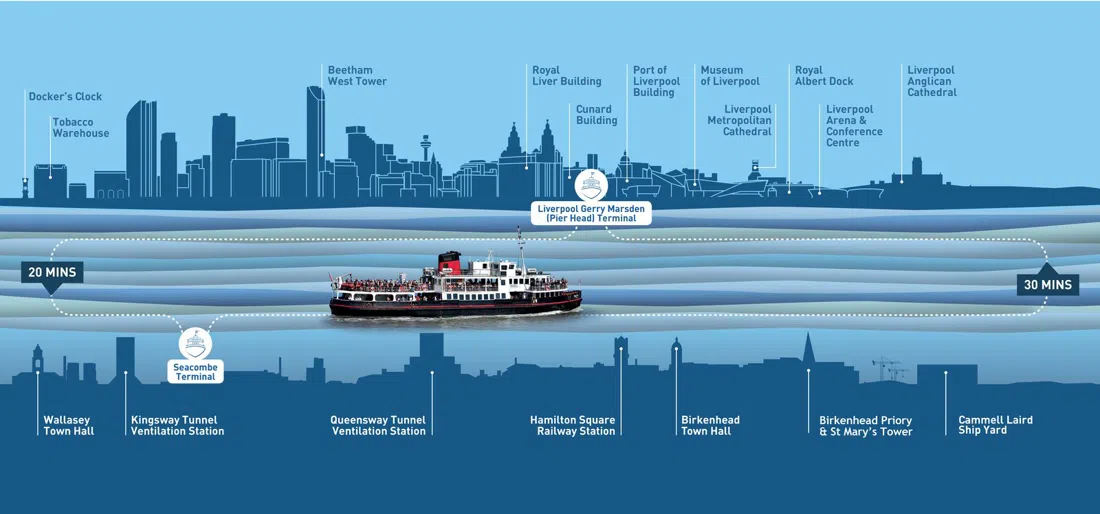
Mersey Ferries River Explorer Cruise (Pier Head) is the only way to grasp the scale of the dock system that drew the Blue Funnel crews here in the first place — miles of quay wall reading as one continuous structure from midstream. It is a 50-minute round trip, roughly hourly between about 10am and 4pm, around £12–14 for an adult return, with group bookings taken and the option of hopping off on the far bank and rejoining a later sailing. Sailings thin out badly in winter and individual cruises are cancelled at short notice in rough weather, so check the timetable on the day rather than the week before.
Sleeping inside the story
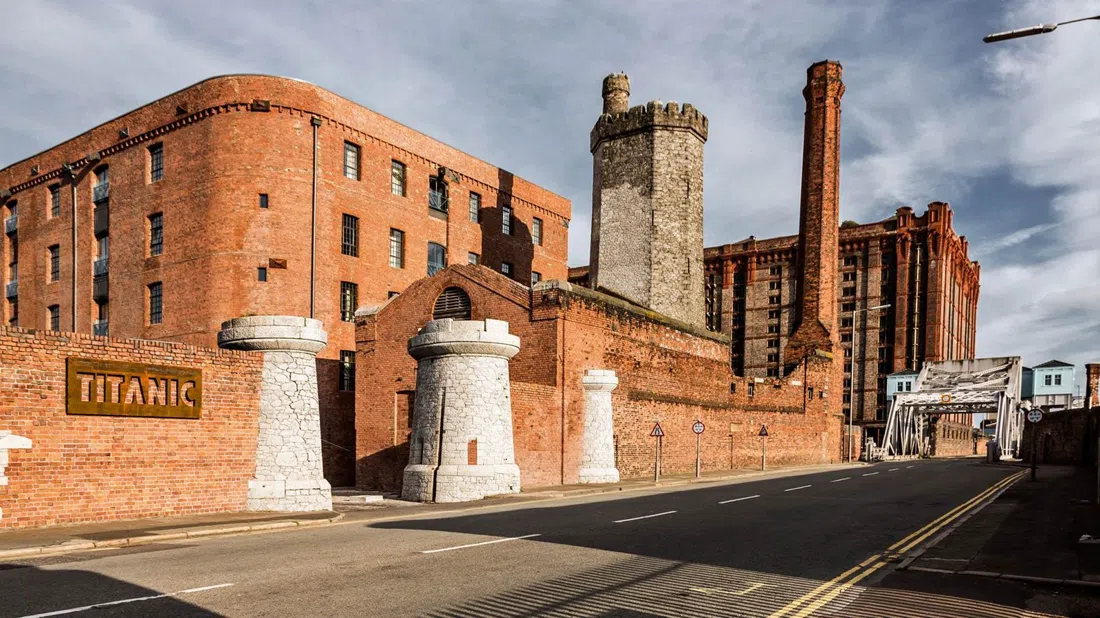
Titanic Hotel Liverpool (Stanley Dock) puts you inside a working nineteenth-century rum and tobacco dock about a mile north of the centre, on the walk out past Bramley-Moore Dock. It is built for volume — 150-plus rooms, coach parking on site, and the Rum Warehouse events hall taking up to 500 — with rooms roughly £120–£220. The honest caveat is the approach: the dock road is bleak and poorly peopled after dark, so take a taxi back rather than walking it at night. For something within stumbling distance of Chinatown and the arch instead, run a Liverpool hotel search and filter to the city centre.
Planning the walk
The core route — arch, Chinatown lunch, Gustav Adolf Church if LiNC has let you in, down past the cathedral quarter to the Pier Head memorial, then the Old Dock and Albert Dock — is comfortably done in half a day and is downhill the whole way. Coming back up is the tiring direction; buses run along the main roads and a taxi from the waterfront to Chinatown is a short, cheap hop if legs have gone.
Timing matters more than usual here. The arch photographs best before 9am. Chung Wah closes around 5.30pm and Bonbon Bakery is at its worst queue around lunchtime. Yuet Ben is evenings only and shuts Mondays; New Capital shuts Wednesdays. The Old Dock Tour must be booked in advance and the ferry must be checked on the day.
On money, the fixed sights cost nothing: the arch, both memorials and the Museum of Liverpool are free, and walking the Albert Dock estate is free. A realistic day is about £15 for the Old Dock Tour, £14.50 for Western Approaches, £12–14 for the ferry and £10–35 for lunch depending on which Chinatown room you choose — call it £60–80 a head with a decent meal and a pint, or under £20 if you stick to free sights and a bakery bun. Cards work everywhere listed, though a little cash is useful in the smallest Chinatown shops. Bring a coat you can fasten: the Pier Head is exposed, and the wind there is the same one that made this a port. For the rest of the city beyond the docks, start with the Liverpool guide.
22 September 2026 · a first week before the flat: the Liverpool hotel directory