Luxor · Where to live · 11 min
Three Extra Nights in Luxor When the Nile Cruise Ends
A cruise gives Luxor one hurried morning on each bank. What the extra nights buy you, where to sleep and what it all costs.

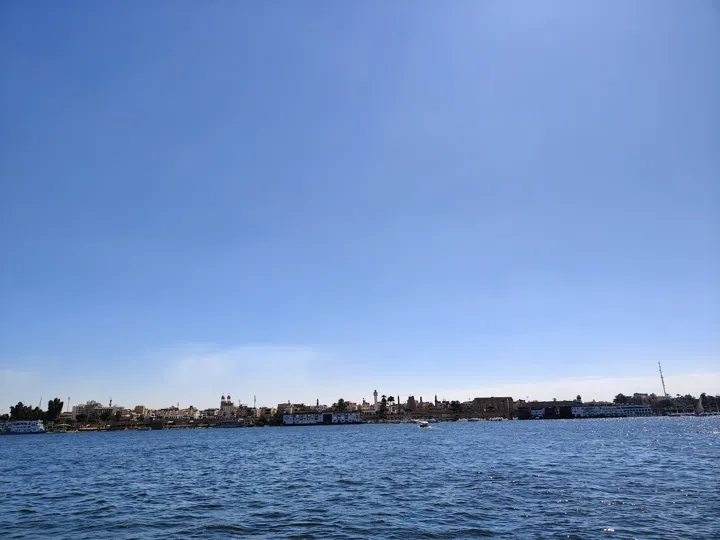
The cruise boats moor three and four deep along the Luxor corniche and empty out at seven in the morning, which is why the Valley of the Kings feels like a railway platform by eleven. The same valley at six is limestone, silence, and the sound of your own feet on gravel. Almost everything that makes Luxor worth a week rather than an afternoon happens in the two hours either side of the coach arrivals, and you cannot be there for them from a boat that sails at noon.
So the answer to whether you should stay on is yes, and the useful part is knowing what the extra nights actually buy. Two is the minimum that changes anything. Three lets you cover the West Bank properly and still take a day trip north. Four is not excessive if you care about tombs.
What the boat's schedule actually costs you
A standard Nile itinerary gives Luxor one morning on the West Bank and one on the East, both of them shared with every other boat in port. The tickets you buy are the same tickets. The difference is the hour.
Valley of the Kings (West Bank, in the wadi behind the Theban cliffs) opens at six. A cruise excursion typically reaches the gate somewhere around eleven, by which point the standard three-tomb ticket, roughly 600-750 EGP, has become a shuffle through three of whichever tombs are open and least congested. Guides are not permitted to lecture inside the tombs, so your briefing happens outside, standing in the sun, before you go in. At six in the morning that is a pleasant ten minutes. At eleven in June it is punishing.
Staying on land is also what makes the supplements worth paying. Seti I (KV17) costs around 2,000 EGP on top of the standard ticket, and Tutankhamun and Ramesses V/VI are extra again. Two thousand pounds Egyptian is a real sum, and in a crowd it buys you a queue through the most finely painted tomb in Egypt. At opening, with nobody at your shoulder, it buys you the deepest cut shaft in the valley with the ceiling astronomy still legible above you.
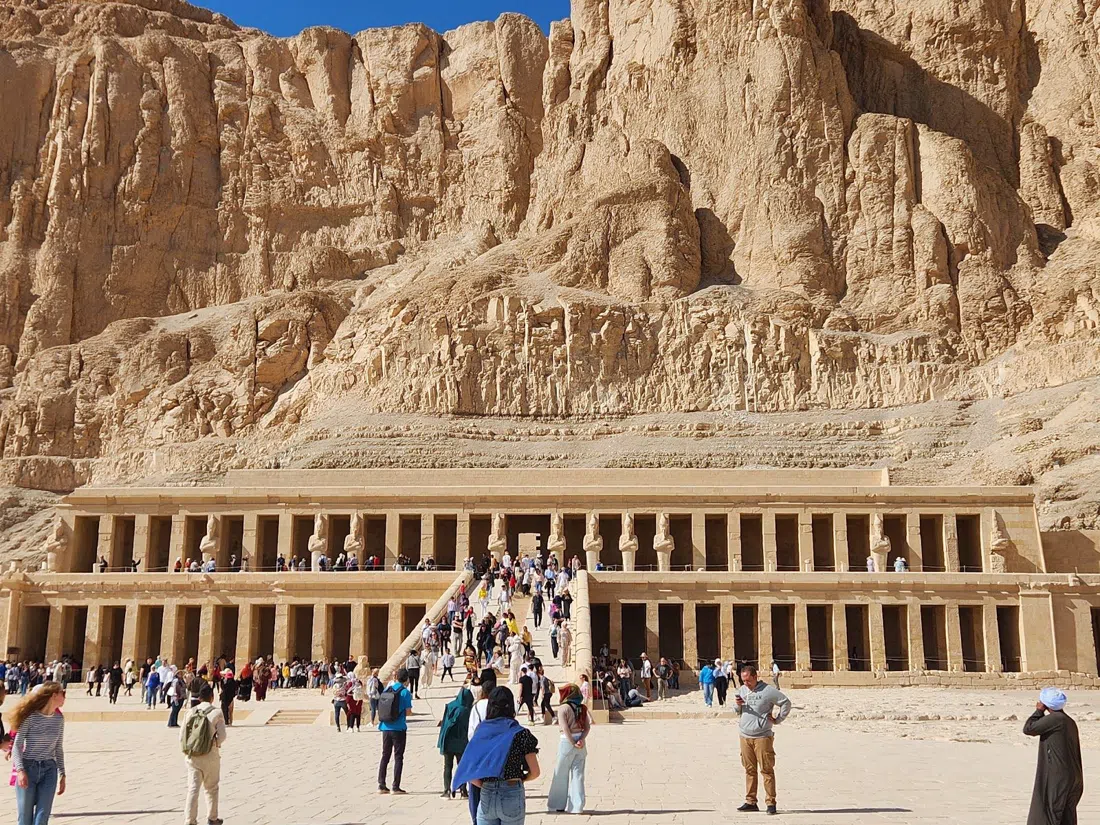
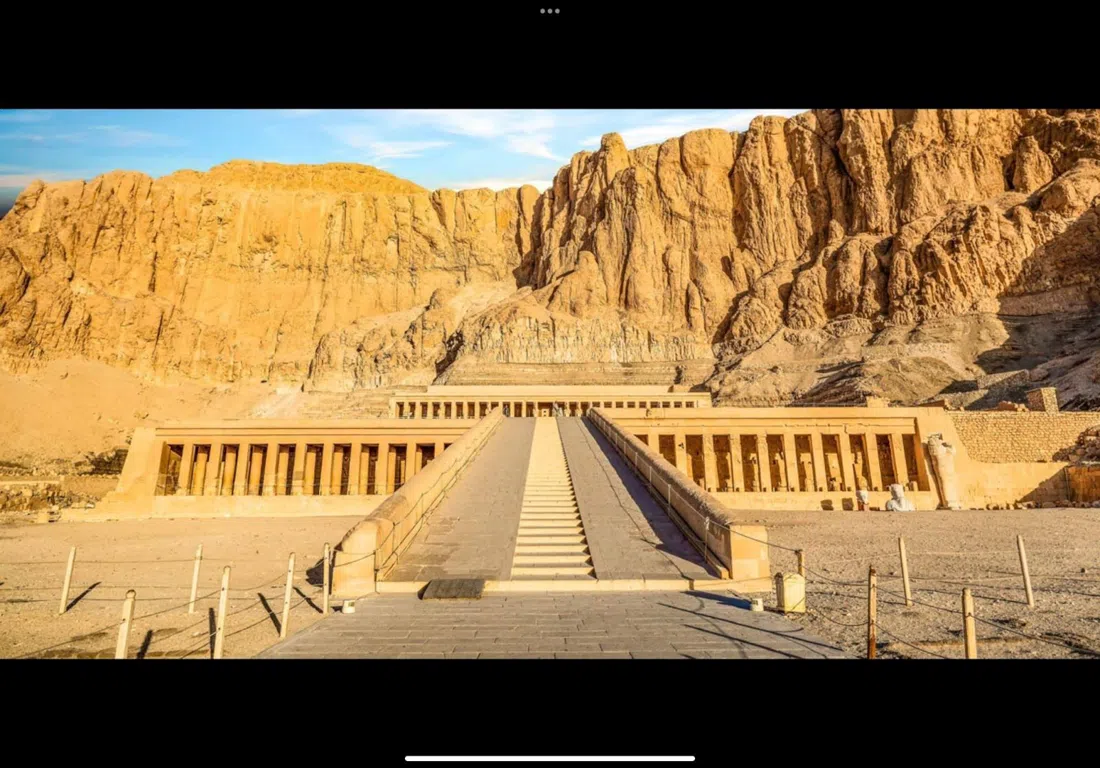
Temple of Hatshepsut (Deir el-Bahari, West Bank) makes the same argument more cheaply. Entry is around 400 EGP, half for students, and a shuttle tram runs from the car park to the foot of the ramp. It opens at six in summer, an hour later in winter, and the cliff behind it throws shade across the terraces only early. Arrive at opening and you get a temple. Arrive at ten and you get a queue on an unshaded ramp. The building is the same either way; your morning is not.
The sites no cruise itinerary has time for
This is the stronger case for staying, and it has nothing to do with crowds. Whole categories of Theban site simply do not fit a boat's turnaround.
Medinet Habu (southern end of the West Bank) is the clearest example. Ramesses III's mortuary temple is enormous, and it holds more surviving paint than anywhere else in Thebes: ceilings still blue, register after register of colour on the inner walls. It costs about 200 EGP, 100 for students, opens at six, and takes last entry at five in summer and four in winter. Give it ninety minutes. It handles groups easily and absorbs them, so even when a coach does arrive the place does not feel full. It is the quietest of the major West Bank temples, and there is no good reason for that.

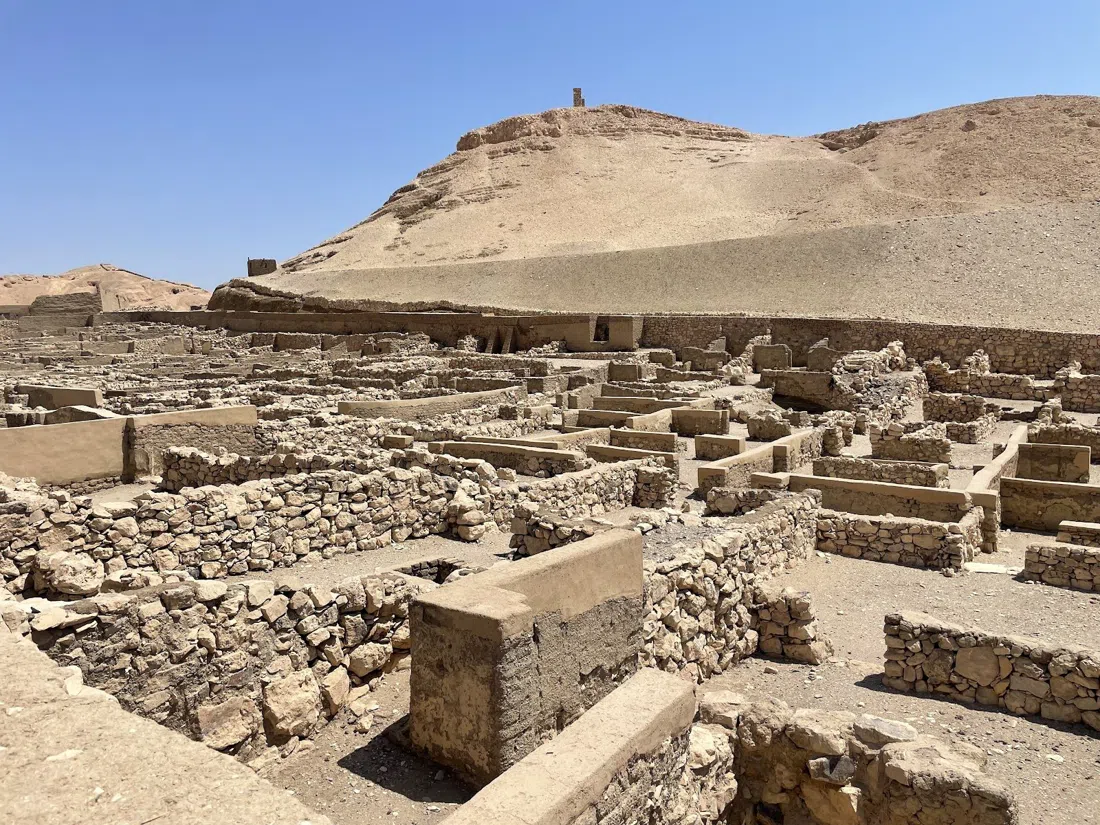
Deir el-Medina (West Bank, on the track between the two valleys) is where the men who cut the royal tombs lived, and where they cut their own. The village foundations run in a grid down the slope, with the tombs stacked above the street they walked home along. Sennedjem (TT1), Inherkhau (TT359) and the triple tomb come on the standard ticket, roughly 100-200 EGP, with supplements on a few others. The tombs take three or four people at a time, ducking, which is why no group itinerary bothers with them. It is the most human site on the West Bank and the one that makes the rest of the necropolis make sense.
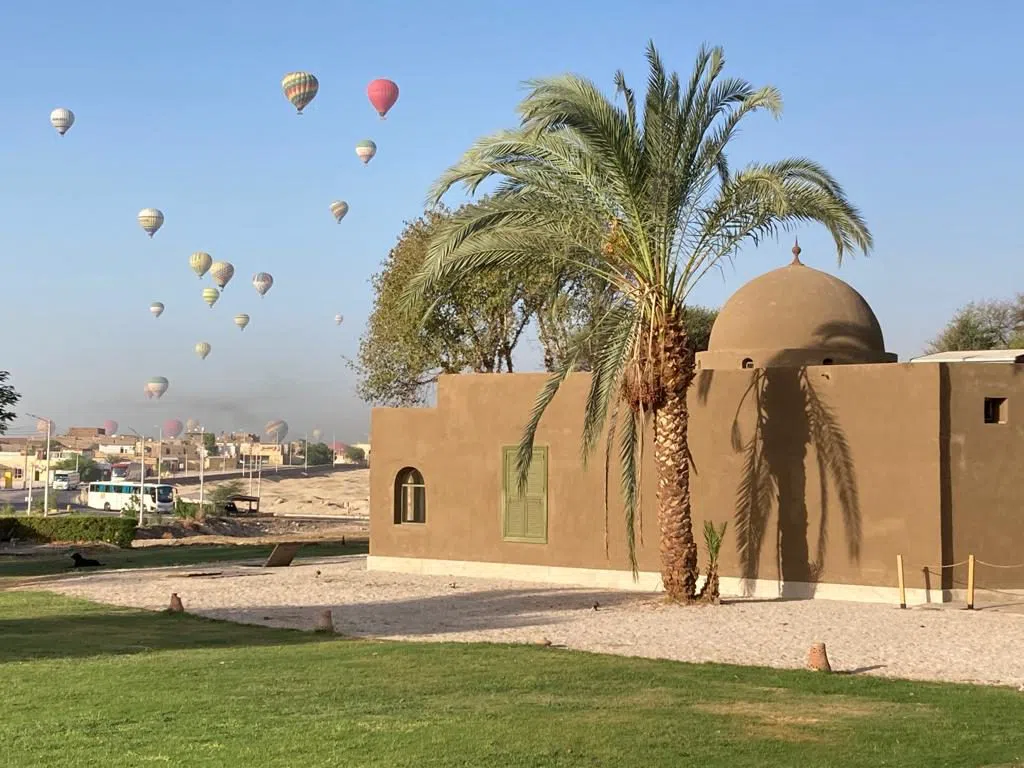
Howard Carter House & the Replica Tomb of Tutankhamun (West Bank, on the road up to the valley) is a handful of modest rooms where Carter lived from 1910 to 1939 and from which he walked to work. Small groups only; it is not a coach stop and would be ruined if it were. Entry runs about 100-200 EGP and you should buy online, because they do not print tickets on site. The facsimile burial chamber in the garden gives you a better look at the paintings than the real tomb allows, because you can stand still in front of them for as long as you like, which in KV62 you cannot.
Karnak twice and a museum that opens at night
On the East Bank, staying over changes the shape of the day rather than the list of sights.
Karnak Temple (East Bank, north of the town centre) is worth entering twice. Once at six, when the raking light comes in sideways through the hypostyle hall and the columns recover their scale. Once after dark for the sound-and-light show, which runs about 75 minutes and plays in ten languages across the week; English is usually the 7pm slot, with a multi-language sitting at 8pm. It takes coach parties without difficulty. The temple ticket is around 450 EGP; the show runs roughly $21-84 depending on package and whether transfers are included. Book it two or three days ahead in season, which is another thing you cannot do from a boat that arrives the same morning.

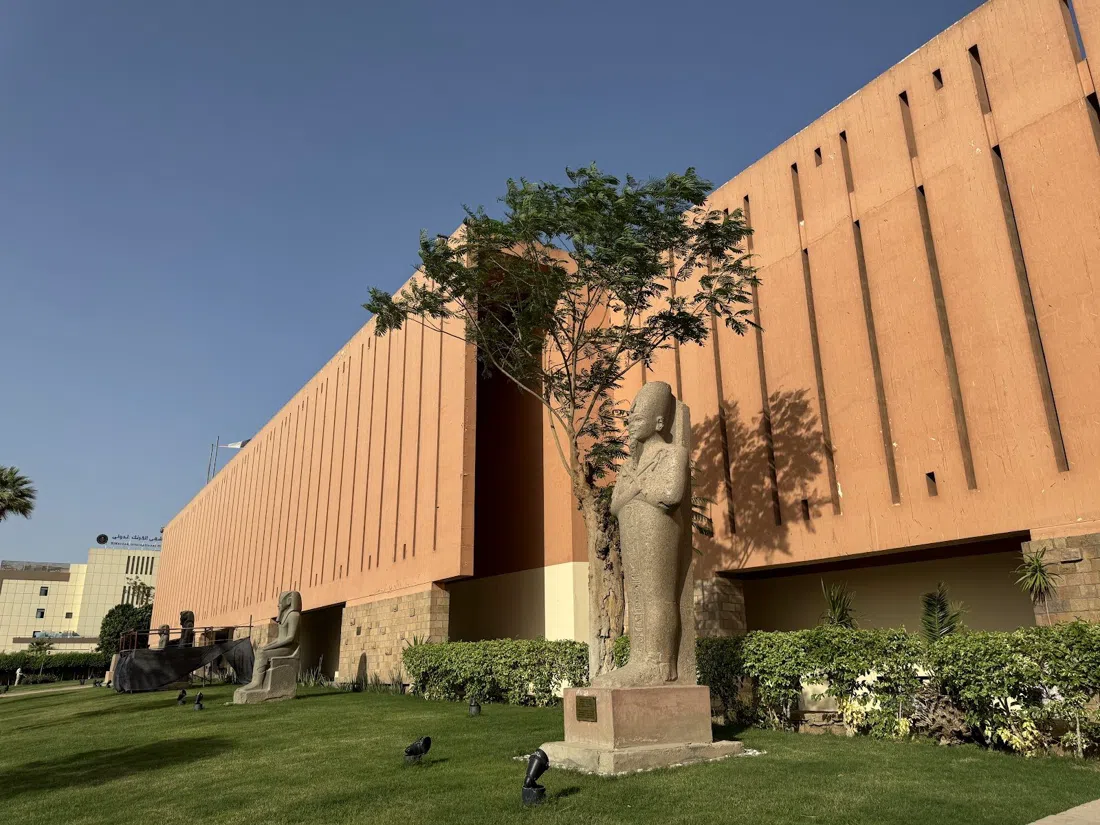
Luxor Museum (East Bank, on the corniche) is Egypt's best-edited museum: a few hundred superb objects, lit and labelled properly, instead of thousands stacked in cases. Entry is roughly 100-400 EGP depending on ticket. The detail that matters for a hot afternoon is the evening session, 5pm to 9pm, with the ticket office closing at 8.30. That is exactly the window when the sites have shut, the light has gone, and you want to be somewhere air-conditioned and interesting. Allow ninety minutes. It is small and well curated, so groups fit comfortably outside the peak evening hour.
Two hours north to Dendera
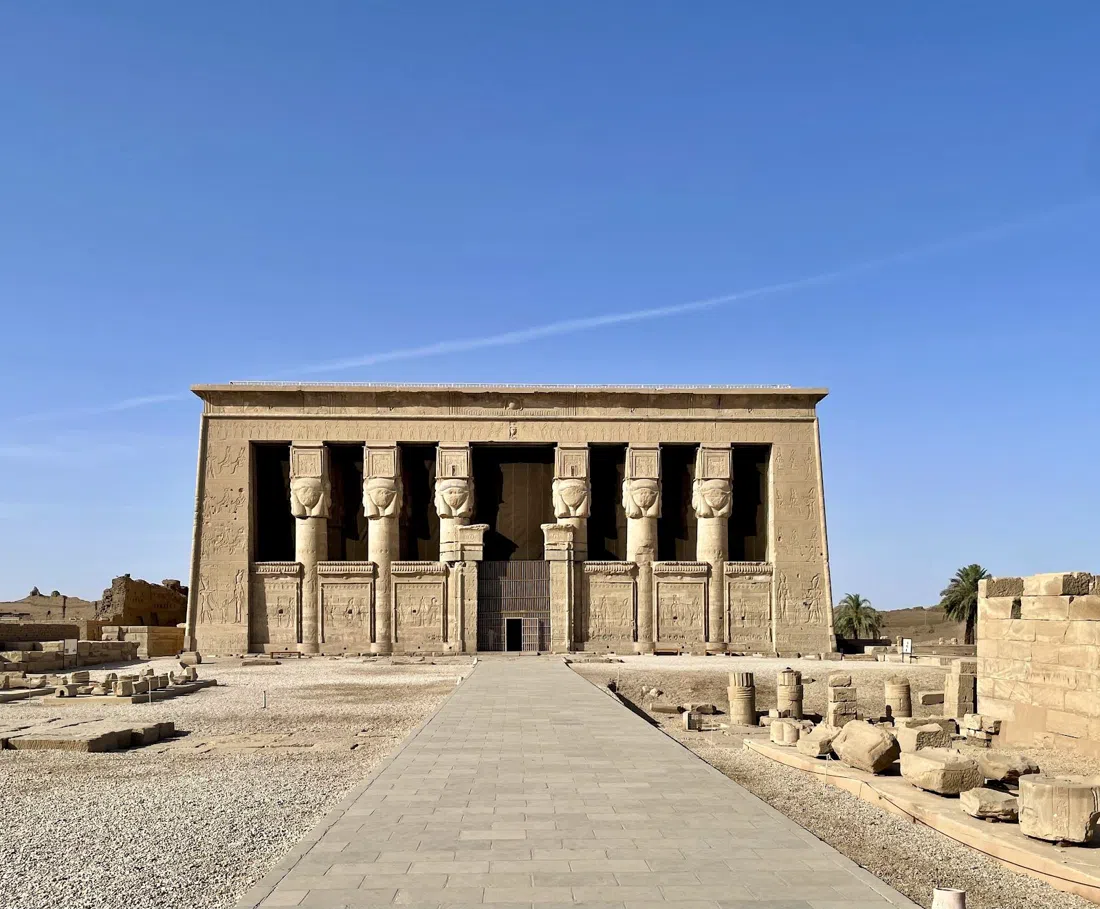
Dendera (Temple of Hathor) sits about two hours' drive north of Luxor and is unreachable on a cruise schedule. It has the best-preserved temple ceiling in Egypt: the zodiac, the sky goddess stretched across the hypostyle roof, the colour cleaned back to something close to what the painters intended. There is a crypt as well, and a roof chapel you can climb to. Entry is around 140 EGP adult, 70 for students. A guided half-day from Luxor typically runs $50-90 per person and groups of any size are routine. Open 8am to 5pm; allow two to three hours on site, or fold it into an eleven-hour day with a second temple further north if that is the kind of day you enjoy. This single day trip is a defensible reason to add two nights rather than one.
The balloon needs you on land
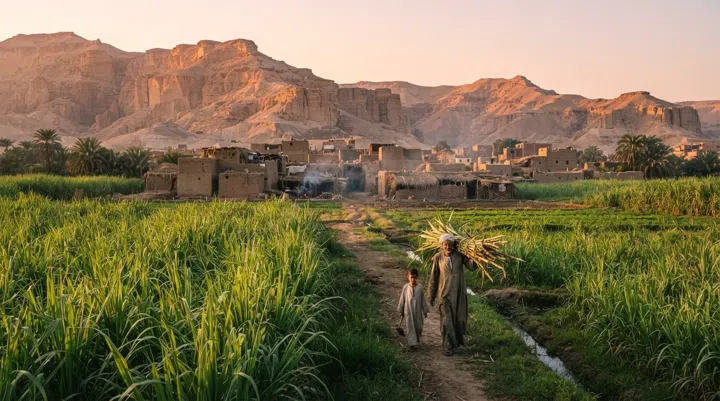
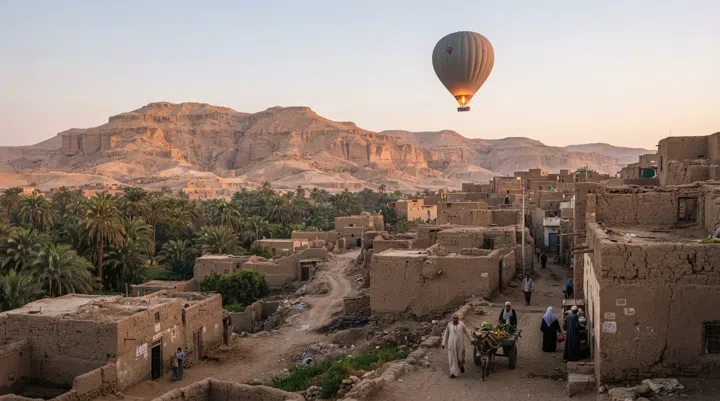
Sindbad Balloons (hotel pick-up on both banks) has been flying since 2005 with ECAA-certified pilots, and it is the only way to read the whole West Bank as one landscape: the cultivation stopping dead against the desert, the mortuary temples strung along that line, the wadis cutting back into the hills. Reckon on $50-120 per person depending on season and package. Baskets are compartmented and carry twenty or more; private baskets are bookable at a premium if you want the rail to yourself.
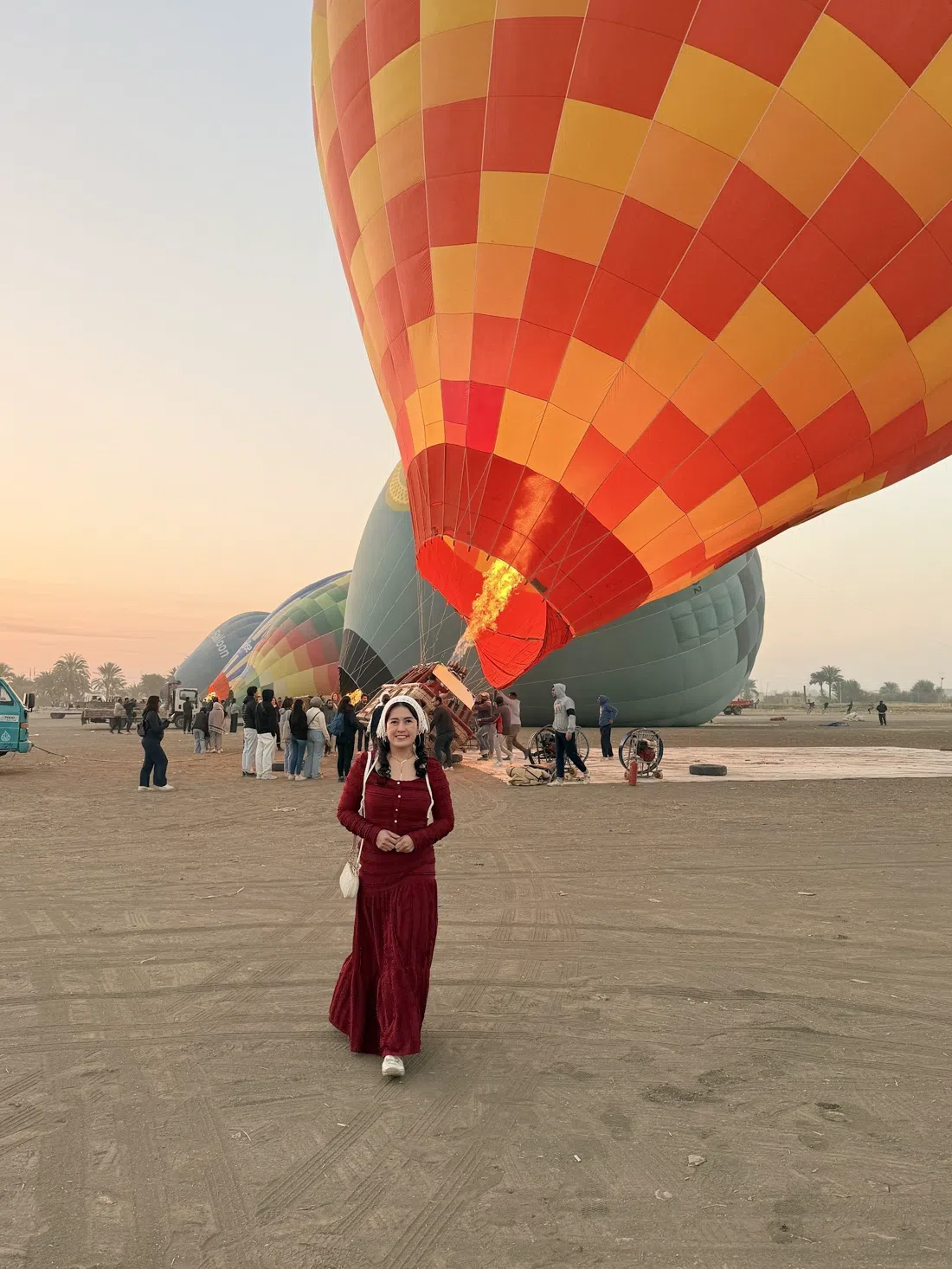
The timing is the point. Pick-up is around 5.30am for a 6.30am launch. No cruise dawn accommodates that, and no boat itinerary will hold for a cancelled and rescheduled flight when the wind is wrong. You need a bed on land and a spare morning.
Where to sleep on the West Bank
Staying on the West Bank is the single most effective decision you can make, because it removes the ferry or bridge crossing from the front of every early start.
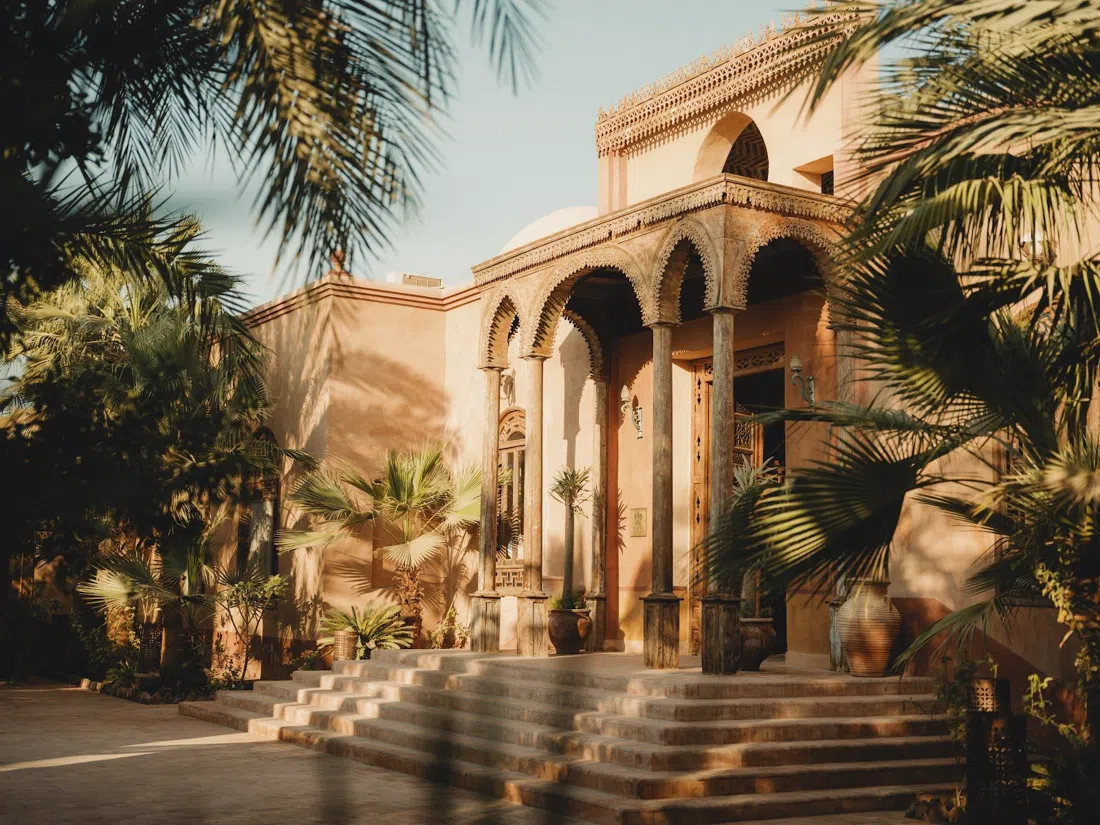
Al Moudira Hotel (West Bank, four kilometres from the Valley of the Kings) is the strongest version of that argument: the first Egyptian hotel accepted into Relais & Châteaux, 54 suites and villas arranged around ten courtyards in eight hectares of garden, with three dining rooms including the Ottoman Hall and Khan Al Moudira. It takes multi-room parties and private events readily. Expect roughly $250-500 a night and up. What you are paying for is waking up already on the right side of the river.
Marsam Hotel Luxor (West Bank, near the Colossi, in the fields below the necropolis) is the oldest guesthouse on the bank, built as a dig house for an American archaeological mission and run as a hotel by the Abdel Rassoul family since 1939. Twenty-nine rooms, five suites and a garden restaurant that seats a sizeable party. Archaeological teams still stay here by the week, so it is genuinely set up for long group bookings. Roughly €35-160 a night with breakfast. You sleep inside the archaeology.
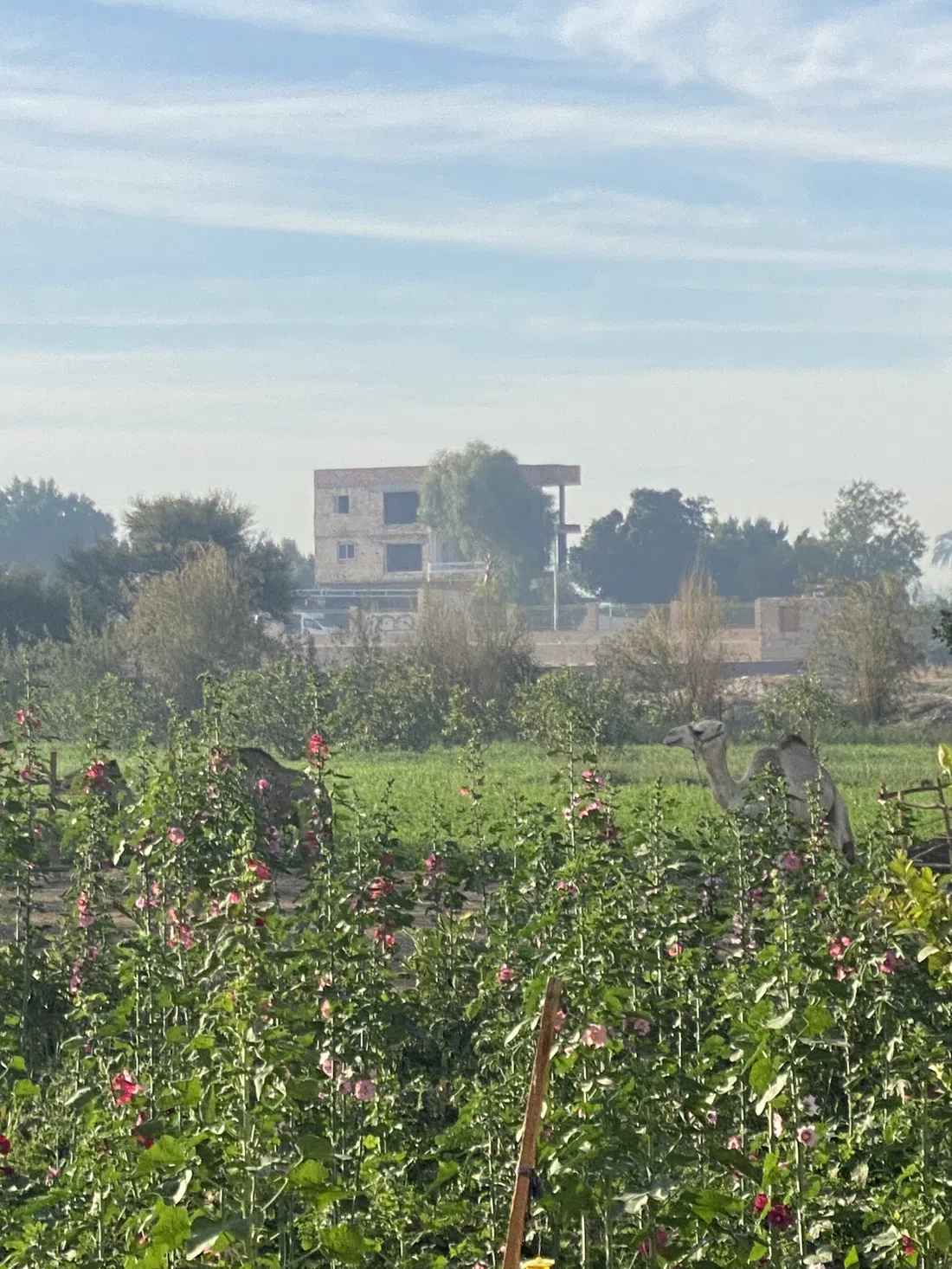
Beit Sabée (West Bank, facing Medinet Habu) has fifteen rooms and is owned by the people behind the Nour el Nil dahabiyas, which shows in the cooking and the service. It suits a family or a group of friends taking the whole house; it is not a coach proposition and should not be treated as one. Around $70-150 a night. The view of Medinet Habu from the roof is the best free thing in Luxor.

Nile Valley Hotel & Restaurant (West Bank, by the ferry landing) is the budget option that does not compromise on logistics. The Dutch-Egyptian owners organise your guides and your bikes themselves instead of handing you a phone number, the pool is open around the clock, and the rooftop restaurant takes walk-in groups for dinner whether or not you are staying. Twenty-seven rooms at roughly $35-60 a night. The rooms are plain and could use a refresh. The rooftop is worth the ferry crossing on its own.
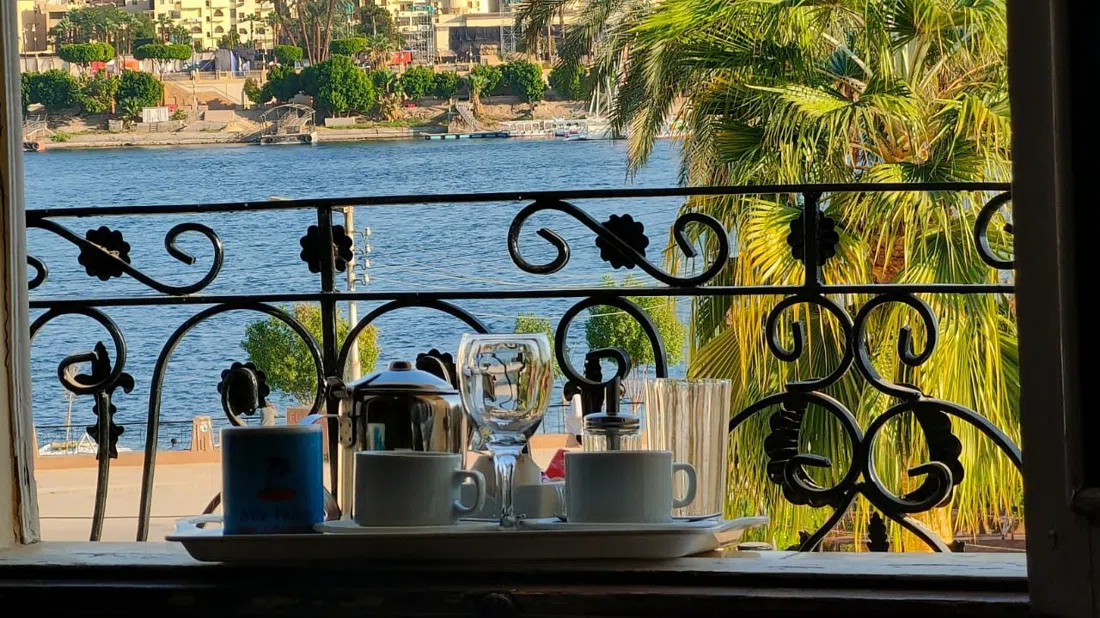
The East Bank case
Some people want a resort after a week on a boat, and that is a reasonable thing to want. Hilton Luxor Resort & Spa (East Bank, north of Karnak) is the reliable international-standard base: infinity pools over the river, three restaurants, a proper spa, conference space, and a location close enough to walk into Karnak before the coaches arrive. It handles tour groups and family blocks as standard. Roughly $110-220 a night. Rooms are comfortable, though some are showing their age, and drinks carry resort pricing. If you are travelling with someone who has had enough of early starts, this is the compromise that keeps everyone speaking.

For anything not listed here, start from the Luxor hotel search and filter by bank before you filter by price. The river crossing matters more to your mornings than a star rating does.
Dinner after the gates close
Sofra Restaurant & Café (East Bank, a few streets back from the corniche) is the default good dinner in Luxor and deservedly so: proper Egyptian home cooking, generous portions, fair prices, staff who speak English, several rooms plus a large roof terrace that takes big tables. Mains run roughly 150-350 EGP. Book ahead in season. There is no alcohol; order the fresh juices.

Al-Sahaby Lane Restaurant (East Bank, in the lane behind the souk) is the sunset table: camel tagine, spiced cauliflower, two floors with the roof filling as the light goes. Mains are roughly 150-300 EGP. Reserve if you are more than four, because the roof does fill. Two caveats: the stairs are steep and there is no lift, and service slows noticeably once the terrace is full.

Practical notes
The local ferry between the banks runs constantly, costs a few pounds Egyptian, and takes minutes. The bridge crossing by car is a detour of roughly forty minutes each way, which is why West Bank hotels arrange drivers on their own side. If you are staying on the East Bank and want a 6am start at the Valley of the Kings, book the car the night before.
Bring Egyptian pounds, in cash, for site tickets, the ferry, tips and taxis. ATMs on the East Bank are reliable; on the West Bank assume they are not, and draw what you need before you cross. Carry small notes for tipping, which is constant and expected. Howard Carter House is the exception that requires an online booking in advance.
Everything else hinges on opening time. Sites open at six and the coaches land between nine and eleven. Between May and September the useful day is over by eleven in the morning and does not resume until five in the afternoon, which is what the Luxor Museum evening session and the Karnak show are for. Winter is gentler, but the sites close an hour earlier.
Three nights at mid-range, per person sharing a double, comes to roughly $400-600: say $110-220 a night for a comfortable room, 600-750 EGP for the valley plus whichever supplements you choose, 450 EGP for Karnak, 200 for Medinet Habu, 400 for Hatshepsut, 100-200 for Deir el-Medina, a $50-90 half-day to Dendera, and $50-120 if you fly. Budget the same trip on the West Bank at Nile Valley or Marsam and you can do it for well under half that without missing a single site.
The cruise sells you the river, and the river is genuinely worth it. Luxor is the part the itinerary compresses, and it is the part that rewards being uncompressed. Three nights, a West Bank bed and a 5.30am alarm will do more for your understanding of Thebes than another leg of the sail. When you are planning the rest of it, the Luxor guide covers the practicalities season by season.
11 September 2026 · a first week before the flat: the Luxor hotel directory