Mexico City · Where to live · 12 min
A Day on Foot in Mexico City's Roma Norte
A flat two-kilometre grid of art nouveau houses, galleries, markets and late taquerías: how to walk Roma Norte in one day without wasting a meal on it.
Colonia Roma was drawn on a grid in the early 1900s for families who wanted wide streets, deep gardens and a European silhouette, and they got all three. The houses still stand, art nouveau and art deco with the occasional improbable castle, but the drawing rooms are galleries now and the service courtyards are coffee counters. The only sensible way to take the place in is on foot: one flat, shaded grid, roughly two kilometres end to end, with lunch built into the middle of it.
A grid you can read from the pavement
Roma Norte is not a sight. There is no ticket booth, no queue barrier, no single façade that everyone points a phone at. What you get instead is cumulative: a tiled entrance hall left open, a stone balcony held up by something that looks like a gargoyle, an ash tree that has lifted the paving into a small hill, a dog walker with nine leads in one hand. The district emptied out after the 1985 earthquake and stayed cheap for two decades, which is why so many original interiors survived long enough to be turned into galleries and kitchens rather than knocked down for towers.
The day, then, is this: you walk, you look up more than you look ahead, you go inside three or four rooms, and you eat twice. It suits people who like reading a city off its buildings and people who plan a day around meals. It will disappoint anyone expecting a monument at the end.
Where the walk starts
Plaza Río de Janeiro (Roma Norte) is the natural opening, and almost every organised walk meets at the bronze David in the middle of it. The square was rehabilitated after four decades of neglect, with new paving, new lighting and the David cleaned up, and it now works as a real residential plaza rather than a photograph. On the corner is the 1908 building known as the Casa de las Brujas, which gives you the whole architectural argument of the district in one frame: brick, turret, wrought iron, somebody's laundry. Entry is free and the plaza is public, but guides keep their parties to the perimeter paths so the benches stay available to the people who live around it. Do the same.
Five minutes east, Fuente de Cibeles (Roma Norte) sits in the middle of a working traffic circle, a gift copy of a famous fountain from the Spanish capital and the place the city's supporters of a certain Spanish football club gather when it wins something. It is a five-minute stop and nothing more, worth folding into the walk rather than making a trip for. Cross at the marked crossings; the roundabout is live and drivers here do not slow down for tourists reading a plaque.
The gallery hour
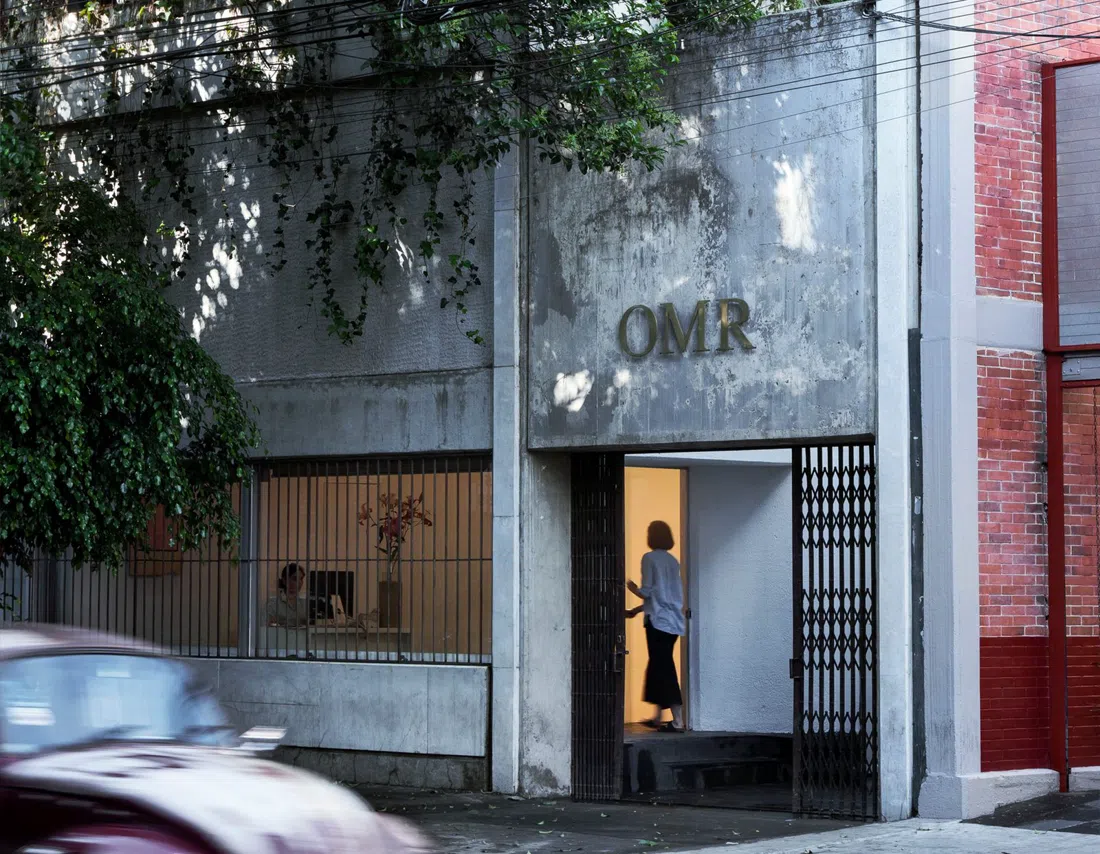
Galería OMR (Roma Norte) is the heavyweight of the local circuit and the reason international curators come and walk Córdoba street at all. Entry is free and walk-in, but this is a working commercial gallery with staff at desks, not a museum: keep the group small and quiet, and email ahead for anything over six people. The hours are narrow, Tuesday to Friday 10:00 to 18:00 and Saturday 11:00 to 16:00, and the larger group shows sometimes hang at the gallery's second Chapultepec space, so check what is actually on the walls before you build a route around it.
Casa Lamm (Roma Norte) is the grandest surviving Roma mansion still open to the public, and the reliable fallback when the smaller galleries are shut. It runs about six changing exhibitions a year alongside an art school, and the gallery is free, Monday to Saturday 10:00 to 19:00 and Sunday 10:00 to 18:00. The courtyard restaurant is a proper sit-down at MX$150-400 a head and takes larger bookings, which the gallery floors cannot comfortably absorb.
Museo del Objeto del Objeto (Roma Norte), known to everyone as MODO, is the district's own museum and the only collection of design and everyday objects of its kind in the country: packaging, toys, advertising, the visual debris of a century. Entry is MX$80 general and MX$40 for students, teachers, INAPAM card holders and Roma residents with ID; under-12s go free. Tuesday to Sunday, 10:00 to 18:00, and an hour covers it. The art nouveau house is half the visit. It is a small building, so parties over about ten should split or arrange a guided slot by phone.

When the rooms run out, Cafebrería El Péndulo (Roma Norte) is the one indoor stop that works at almost any hour: open 08:00 to 23:00 on weekdays and until 01:00 on Friday and Saturday, MX$80-350 for coffee, breakfast or a plate. There are no café reservations, so a group gets scattered across tables. The third-floor hall, Foro del Tejedor, is bookable and puts on live music, which turns a bookshop into a night venue.
Where Roma eats in daylight
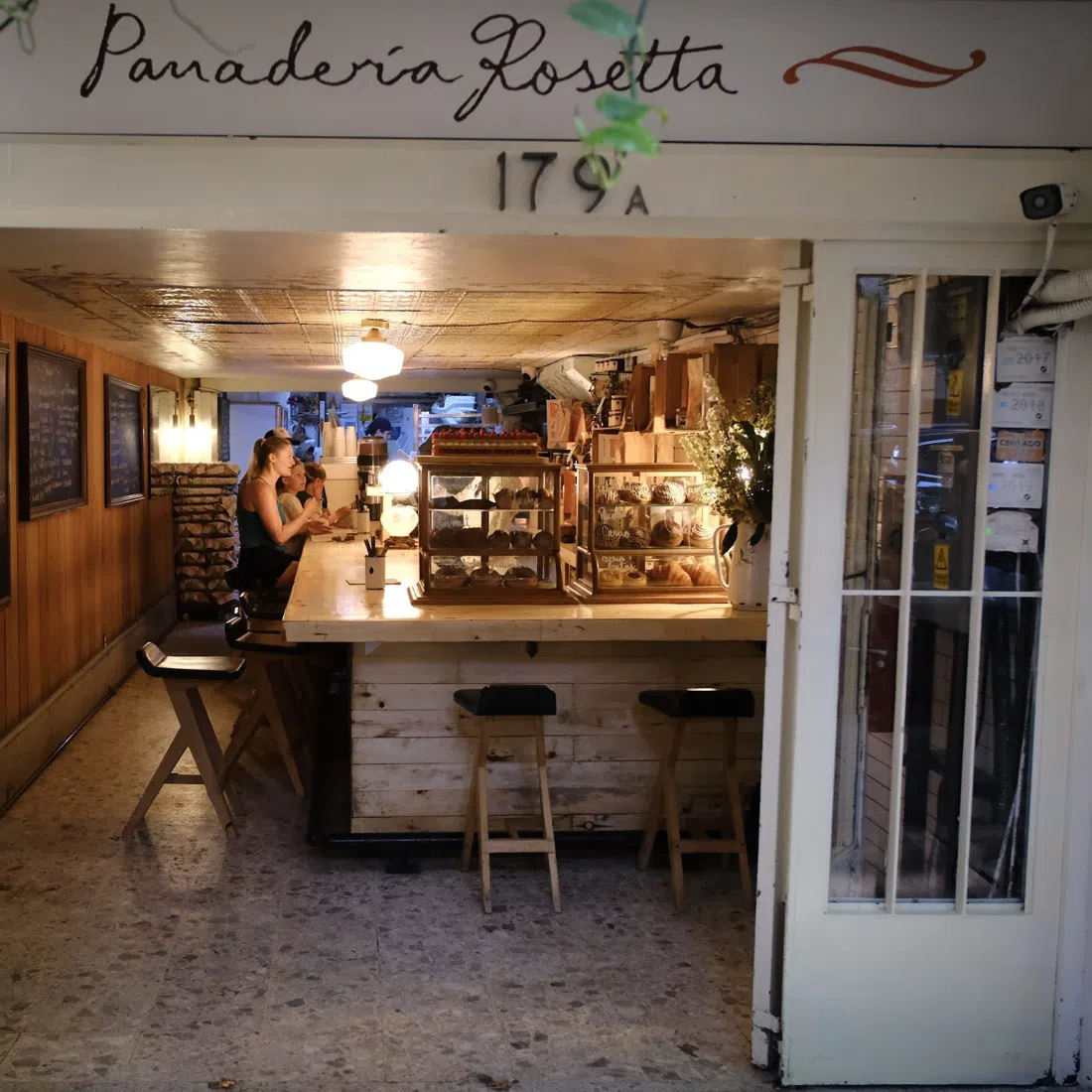
Start early. Panadería Rosetta (Roma Norte) is Elena Reygadas's bakery and the most queued-for door in the district. The line moves quickly, but the guava roll sells out, so arrive before 10:00. Seating is a handful of stools rather than a café, so the practical move for two or more is to send one person to queue and eat the bag on a bench in the nearest plaza. Reckon MX$60-120 for a pastry, MX$150-250 with coffee.
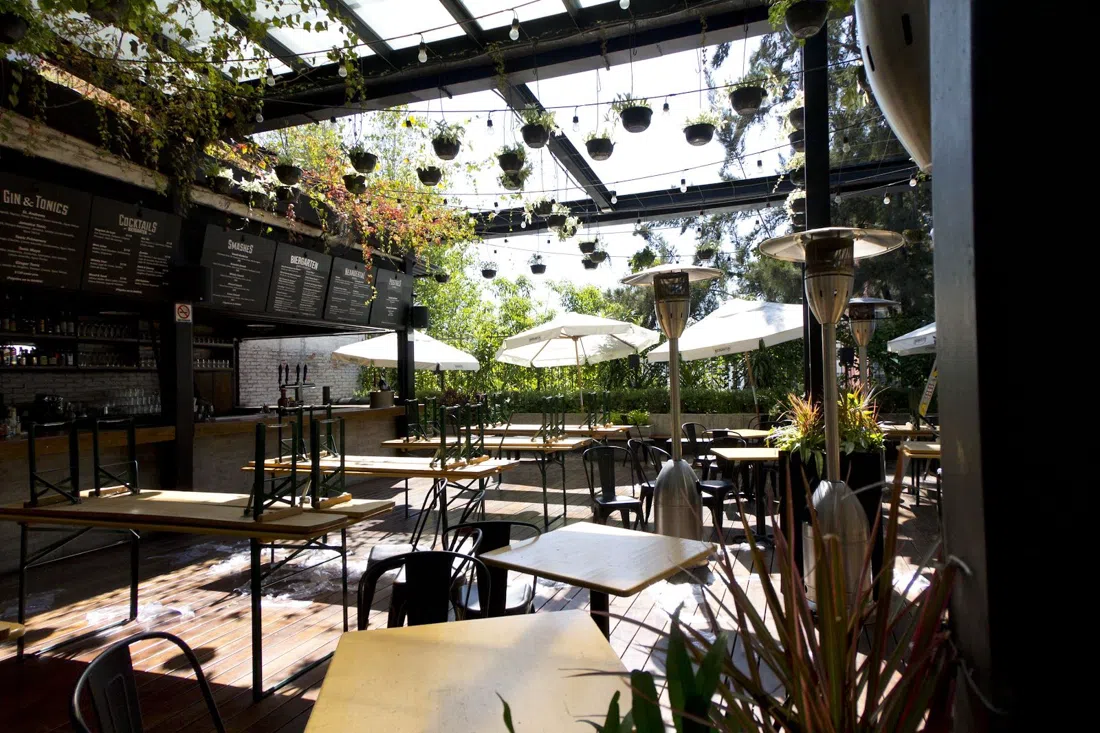
Mercado Roma (Roma Norte) is the 2014 food hall that set the template for the rest of the country: around fifty vendors over several floors with a beer garden on the roof, open from 09:00 and late on Thursday to Saturday. It is the easiest group meal in Roma, with no reservation, everyone buying from a different stall and regrouping at the long tables. The caveat is that it is considerably pricier than a street market at MX$100-400 a head, and opinion on the value is genuinely split.
Walk south and you get the counterweight. Mercado Medellín (Roma Sur) is an old-school public market of some five hundred stalls, strong on Caribbean, Central and South American produce, open from 06:00 on weekdays and 08:00 at weekends until about 17:00. A plate at one of the fondas runs MX$60-150; produce is sold by weight. The aisles are narrow, so a group moves single file, but the stallholders are used to being asked what things are, since food walks pass through constantly.
For the two sit-down institutions, plan properly. Contramar (Roma Norte) has been Gabriela Cámara's lunch room since 1998, carries a Michelin Bib Gourmand, and is the single table people build a trip around: 12:00 to 20:00 on weekdays, from 11:00 at weekends, lunch only, MX$700-1,200 a head with drinks. Reservations are genuinely hard to get, and parties over seven must ask by email rather than by phone. El Parnita (Roma Norte) is the far easier proposition and the better one for a group: handmade tortillas, antojitos collected from around the country, live guitar, MX$250-450 a head. Reserve for Thursday to Sunday and walk in Monday to Wednesday, and note that the weekend hours catch people out, since Sunday is 13:00 to 18:00 only.
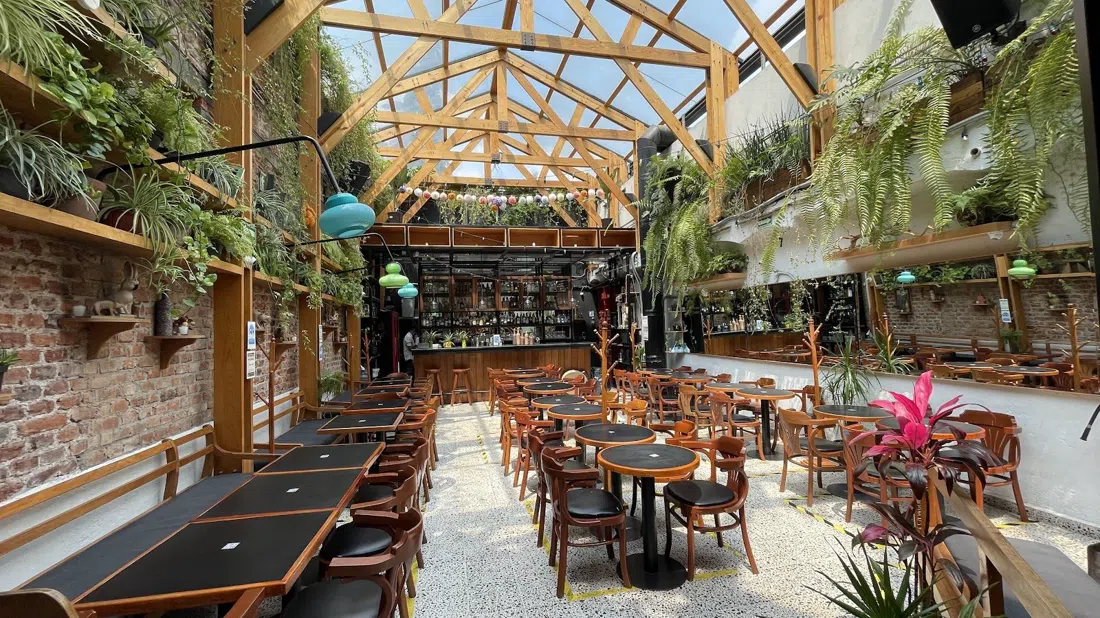
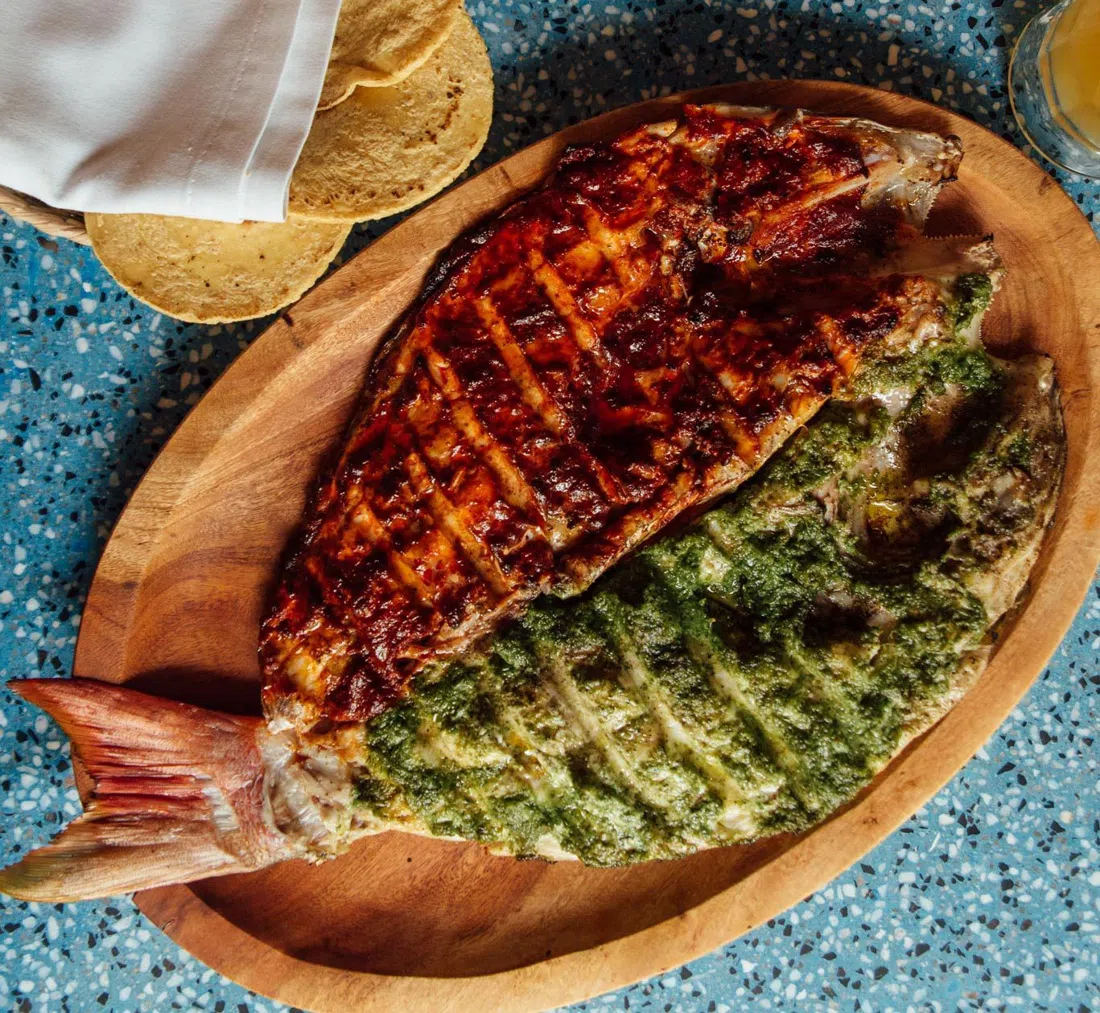
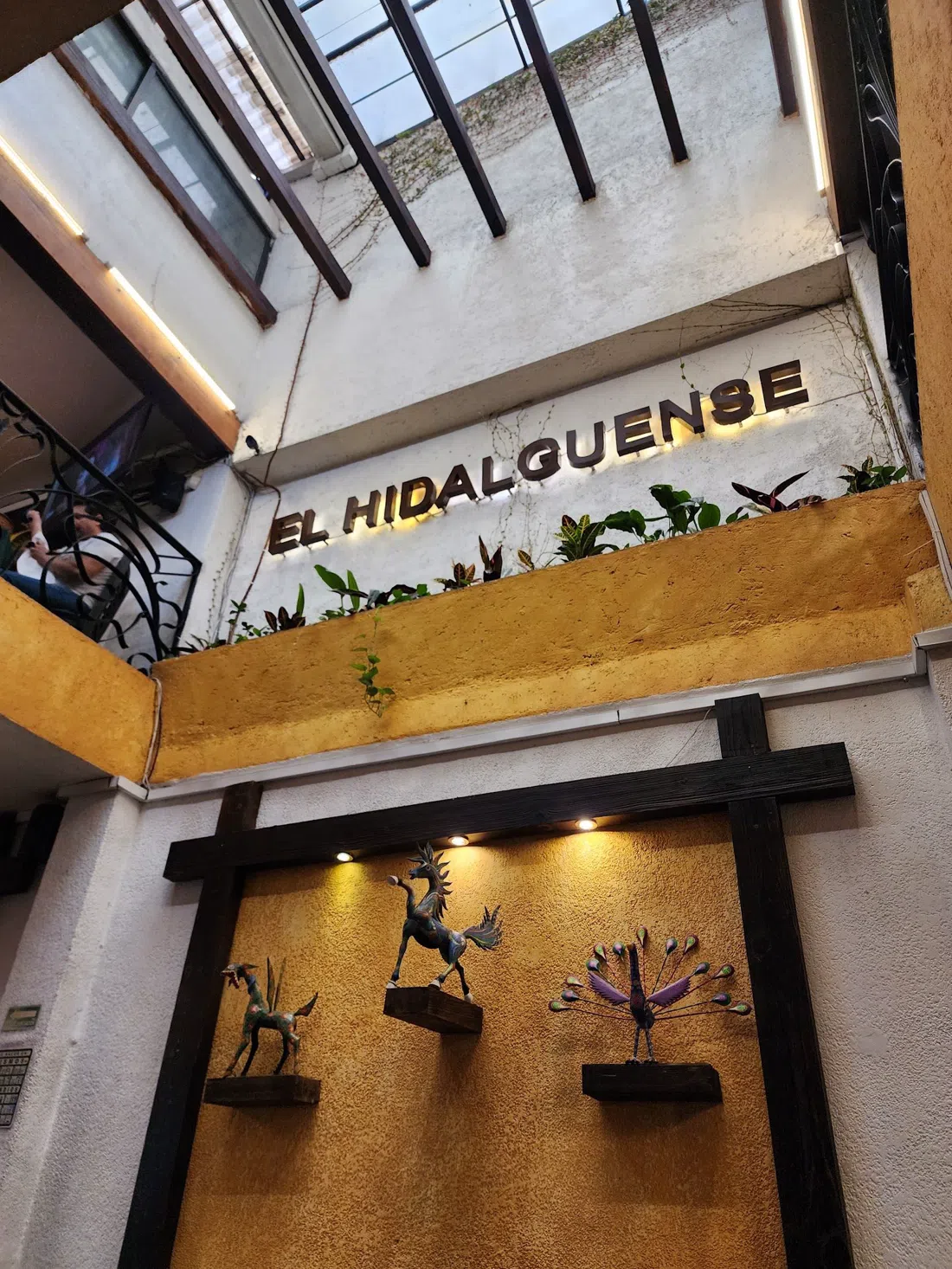
El Hidalguense (Roma Sur) opens Friday to Sunday only, 07:00 to 18:00, because the lamb barbacoa takes the rest of the week. It is the most traditional meal in the district and the reason people cross the city at breakfast time: communal tables, no reservations, MX$200-350 a head. Turn up after 11:00 at the weekend and you will wait.
After dark on Álvaro Obregón
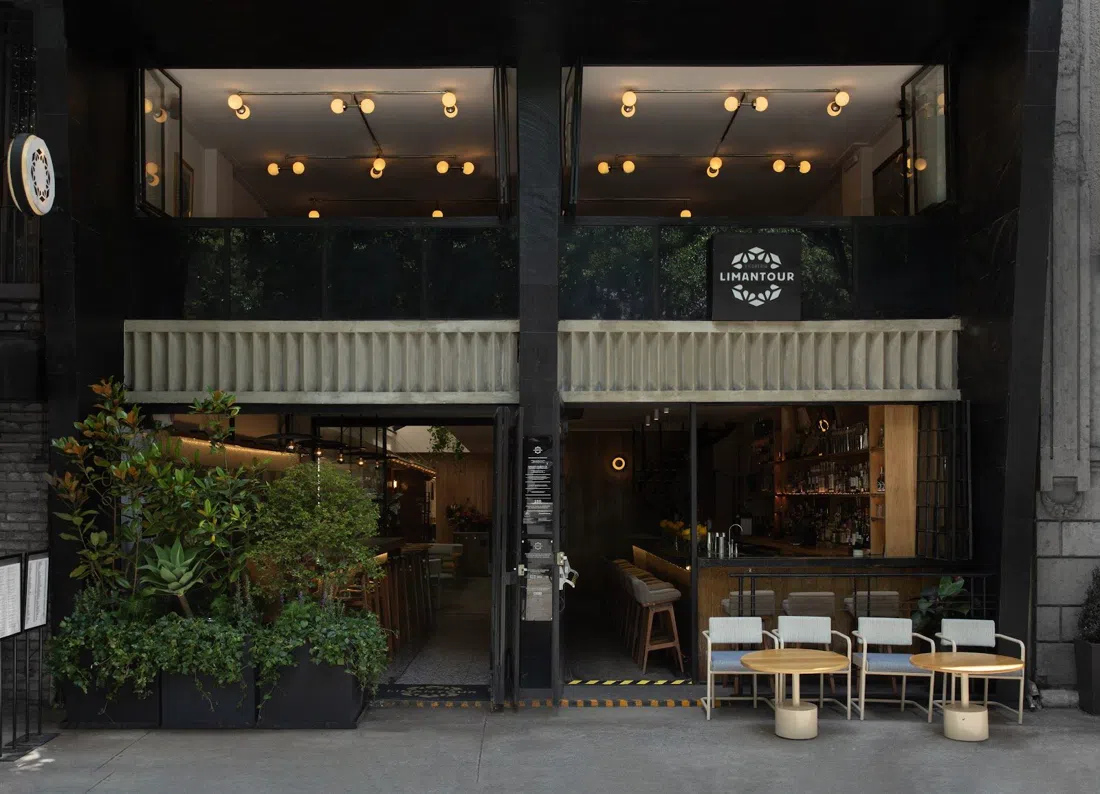
Licorería Limantour (Roma Norte) started the city's cocktail scene in 2011 and was still on North America's 50 Best list in 2026. Cocktails are MX$220-320, there are no reservations for small parties, and it fills after 21:00, so going at opening (18:00 midweek, 15:00 at weekends) is the only reliable way to sit downstairs without queuing. More than four people should expect to split across the two floors.
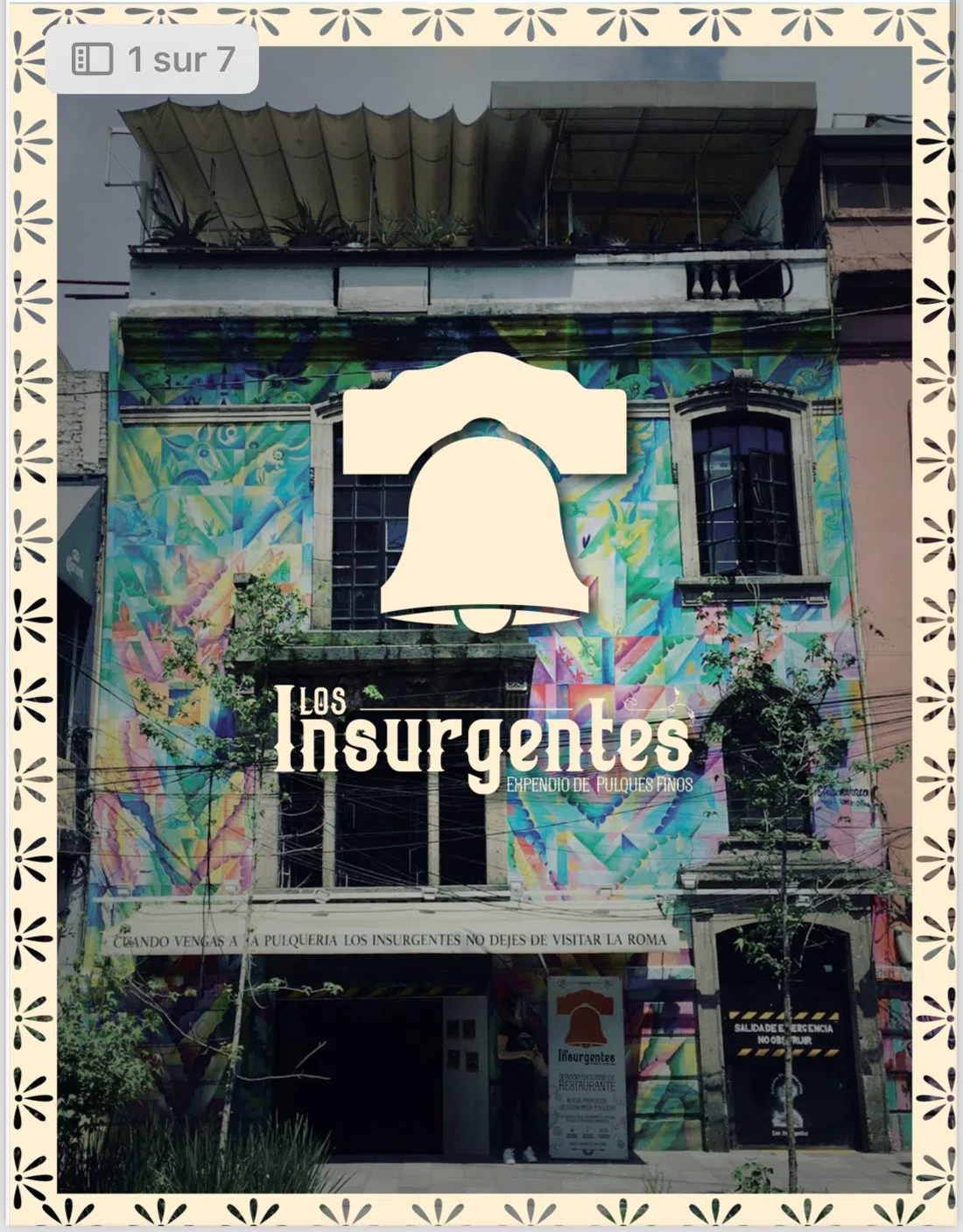
Pulquería Los Insurgentes (Roma Norte) is the opposite temperament and the most group-tolerant door in Roma: no bookings, no dress code, cheap pulque in grape, strawberry-cream and mango alongside mezcal, a dance floor, and a rooftop that gives you the district's only easy free viewpoint. It is open until 02:00 most nights, MX$80-200 a head, with a real queue at the door on Friday and Saturday.
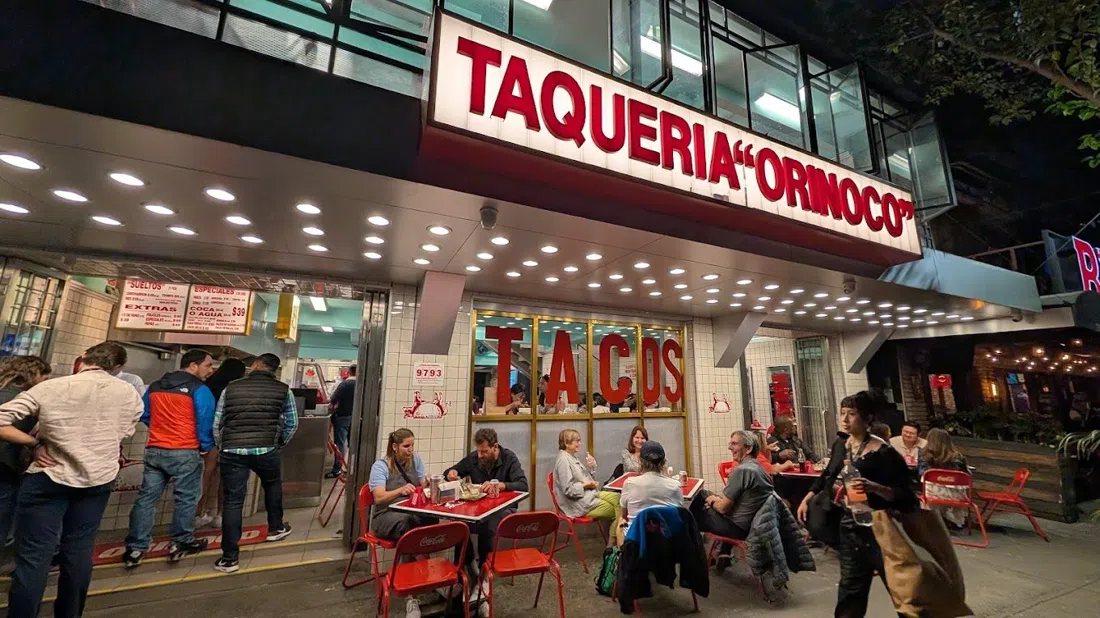
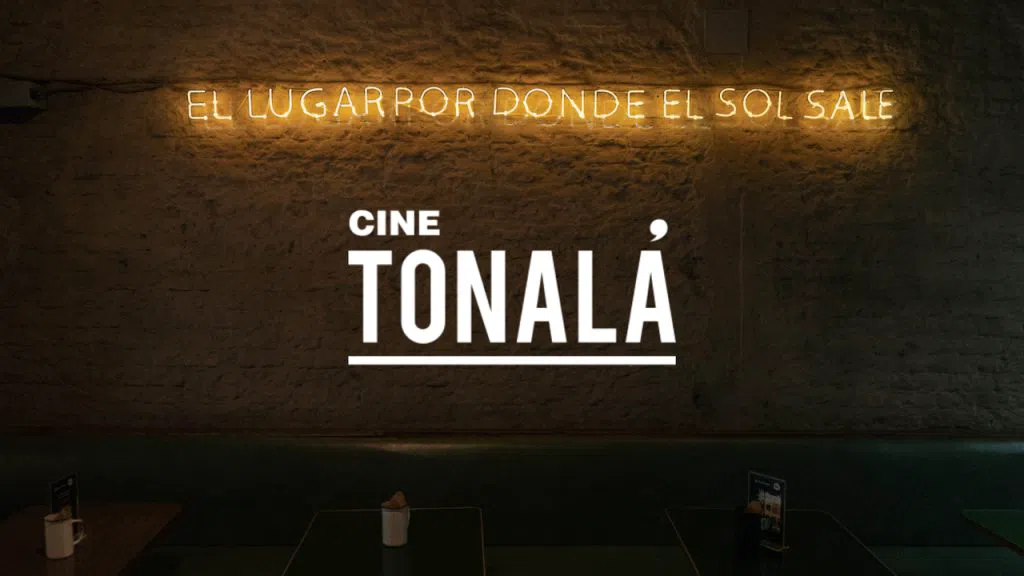
If you want the evening to be something other than drinking, Cine Tonalá (Roma) runs arthouse films, restored classics and documentaries in a house with a proper kitchen, bar and terrace, Tuesday to Sunday from 13:00 until 02:00. Tickets are around MX$80-120 with food and drink on top; buy seats together online if there are more than two of you. And whatever the night turns into, it tends to end at Taquería Orinoco (Roma Norte) on Álvaro Obregón, open until 03:30 on weeknights and 05:30 on Friday and Saturday. It is counter service, standing room, MX$25-40 a taco and MX$150-250 a head for a proper go at it. Order pastor and chicharrón, order for the whole group at once, and ignore the length of the line, which moves in minutes.
How long it takes
Half a day is the minimum that makes sense and a full day is comfortable. A realistic accounting: twenty minutes in the plaza, five at the fountain, an hour at MODO, half an hour at Casa Lamm, twenty at OMR, and ninety minutes for a proper lunch. Call it five hours of walking pace with two sittings. Guided walks through this part of the city generally run three to four hours and are built around eating rather than architecture, which is a different trip with the same streets underneath it.
The distances are short and the ground is flat. What slows you down is the stopping.
Queues, tables and what to book ahead
Nothing here requires a ticket in advance, which is the useful thing to know. The only three timing problems are a Contramar reservation, the bakery line and a seat at the cocktail bar, and two of those are solved by going early rather than by booking at all.
If you would rather have someone else handle the route and the ordering, guided walks here run seven days a week and start from 79 USD per person. Between them they carry 2,594 traveller reviews, and the most-booked one is rated 5.0 out of 5 from 1,107 reviews, which reads as steady demand rather than a scramble. If a specific day matters, arrange it before you land. Doing it unguided costs nothing beyond what you eat.
Walking it with a group
Six or more people changes which doors work. Mercado Roma and Los Insurgentes absorb a group without thinking about it. OMR does not, being a commercial gallery where a party of ten reading the price list is a nuisance. MODO asks groups over about ten to split or to arrange a guided visit by phone. Contramar needs an email for more than seven. El Parnita is the one restaurant genuinely built for a table of eight, as long as you reserve for Thursday to Sunday. Rosetta cannot seat you at all, so treat it as a takeaway stop.
Couples and solo walkers have the easier time of it and can improvise the whole day.
Is it worth it
Yes, with one condition: you have to actually like walking and looking. If your idea of a good day is a major monument and a view from the top of it, this is not that, and you will feel you have spent six hours going to lunch. If you like domestic architecture, contemporary art in small rooms, markets that still feed the people who live around them, and a dinner that starts at a bar and ends standing at a taco counter, Roma Norte is among the most rewarding walks in the city, and one of the very few that costs nothing until you are hungry.
It suits solo travellers, couples, and anyone on a second or third visit who has already done the big sites. It is a weak choice for a first afternoon with children in tow, and the pavements are uneven enough that anyone with limited mobility should plan a shorter loop around the plaza and Casa Lamm rather than the full grid.
Best time to go
Morning is the better half of the day: the bakery before 10:00, the market while the fondas are cooking, the light still low on the east-facing façades. Galleries open around 10:00 or 11:00, lunch lands at 13:30, and the bars start to make sense from 18:00.
Day of the week matters more than season. Tuesday to Saturday is the only window when the galleries, the museum and the restaurants are all open together. OMR closes Sunday and Monday, MODO closes Monday, and several kitchens run lunch-only hours at weekends. Friday to Sunday is the only time you can eat barbacoa at El Hidalguense, so a Friday or Saturday gets you both halves of the district at once. Sunday is the weakest day for galleries and the best for slow eating.
As for the calendar, the city sits above 2,200 metres and the evenings are cool all year, so carry a layer. From roughly May to October expect a heavy afternoon shower that clears in an hour, which is what El Péndulo and Cine Tonalá are for. Late spring brings the jacarandas out over the whole grid, and it is the one time of year the streets genuinely photograph better than the buildings.
Practical notes
Getting there is simple. The district is bounded by Avenida Insurgentes, served by Metro Line 1 and the Metrobús running its length, and the whole walk is a flat twenty-five minutes end to end. Ride-hailing is cheap and the obvious way home after the taquería, and the bike-share docks are plentiful if you would rather cover the Roma Sur legs on wheels.
Restaurants, galleries and the museum take cards. Market fondas, taco counters and the pulquería are effectively cash, so carry MX$500 in small notes and keep it in a front pocket, the same as in any busy city centre. Tipping runs 10-15% in restaurants and is not expected at counters.
On budget, a frugal day of plaza, gallery, market lunch and street tacos comes in around MX$400-500 a head. A comfortable one with MODO, a sit-down lunch, a cocktail and a film lands nearer MX$1,200. Book Contramar and you should plan on MX$700-1,200 for that meal alone before anything else.
Sleeping inside the grid is the whole trick, since it turns the walk into something you can do in two unhurried halves. Compare rates with the Mexico City hotel search, and for what to do with the rest of the week, the Mexico City guide covers the districts either side of this one.
26 September 2026 · a first week before the flat: the Mexico City hotel directory