Nairobi · Staying safe · 11 min
How to Plan a Solo Trip to Nairobi Without Guesswork
Gate fees, booking windows, how taxis actually work, and a day-by-day shape for anyone arriving alone in Nairobi in 2026.
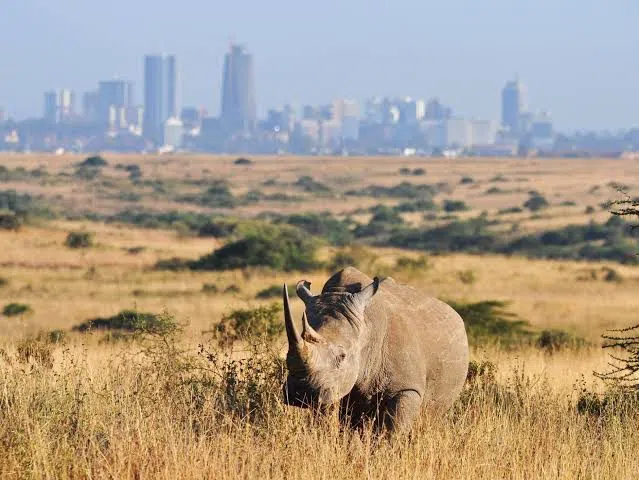
Nairobi is the only capital city with a national park inside its own boundary, and the fence between lion country and the southern suburbs sits roughly ten kilometres from the central business district. That proximity shapes almost every solo itinerary here. You can watch rhino at first light and be back in the city for a late breakfast, though the traffic in between is the thing most likely to break your day. The rest of planning a trip alone comes down to knowing which places must be booked two days ahead and which you can simply walk into.
Getting your bearings before you book anything
The city sits at about 1,795 metres, which is why evenings are cooler than most people expect two degrees south of the equator. Pack a layer for an early game drive and for any night that ends outdoors.
Four areas will orient you. The central business district is the compact grid around Kenyatta Avenue, walkable in daylight and worth seeing with a guide rather than a map. Westlands and Parklands, roughly five kilometres northwest, hold most of the newer restaurants, food halls and bars. Karen and Langata, fifteen to twenty kilometres southwest, hold most of the wildlife and museum attractions and the greener places to stay. Gigiri, north of Westlands, is diplomatic Nairobi and the edge of the city's largest forest. Jomo Kenyatta International is about eighteen kilometres southeast of the centre; Wilson Airport, the base for light aircraft heading to the coast and the northern parks, is six kilometres south on Langata Road.
The distances are short, the driving times are not. Karen to the CBD is a twenty-five-minute drive at 6.30am and can take ninety minutes at 6pm. The most useful planning rule for a solo trip here is to cluster each day by area and to move between areas outside the 7am to 9.30am and 4.30pm to 7.30pm peaks. If you want a wider read on how the areas differ before you choose a base, the Nairobi guide covers the ground.
The park that starts ten kilometres from the office towers
Nairobi National Park (main gate on Langata Road) was gazetted in 1946 as Kenya's first national park, which is why the city grew around it rather than over it. It holds black and white rhino, lion, buffalo, giraffe and eland on open plains, with the skyline standing behind them from several of the northern loops. It is the strongest single reason a short stop in Nairobi is worth taking seriously.
The 2026 non-resident conservation fee is USD 80. A bundled Nairobi Package at USD 105 adds the Safari Walk and the Animal Orphanage on the same site. Pay on eCitizen or KWSPay before you reach the gate: the entry lanes are card and app only, and sorting payment at the barrier costs you the light you got up for.
Fees are charged per head and there is nothing to negotiate at the gate. Without your own vehicle, book a seat on a shared 4x4. Those seat six or seven, operators run daily small-group departures, and a seat costs USD 50 to 100 depending on the operator and whether hotel pickup is included. For a solo traveller the shared vehicle is the cheaper option and the sociable one; three hours in a roof hatch with five strangers is how most people here end up with dinner company. Go at first light, because the animals move early and the gate road clogs later.
The Langata morning that has to be booked first
Sheldrick Wildlife Trust Nairobi Nursery (Langata, inside the park's northern boundary) is the detail that most often turns a Nairobi morning into a wasted drive. The nursery, where the trust has hand-raised orphaned elephants since the 1970s, opens to visitors for one hour only, 11am to noon, daily except Christmas Day, and strictly by advance booking. Email the Nairobi office with names and ages and allow two business days for confirmation. Third-party and agent bookings are not valid, so if a hotel desk or a tour operator offers to arrange it, check that the confirmation comes back in your own name. Entry is a USD 20 donation per adult, cash on arrival, and you still pay the separate KWS park gate fee to get to the site.
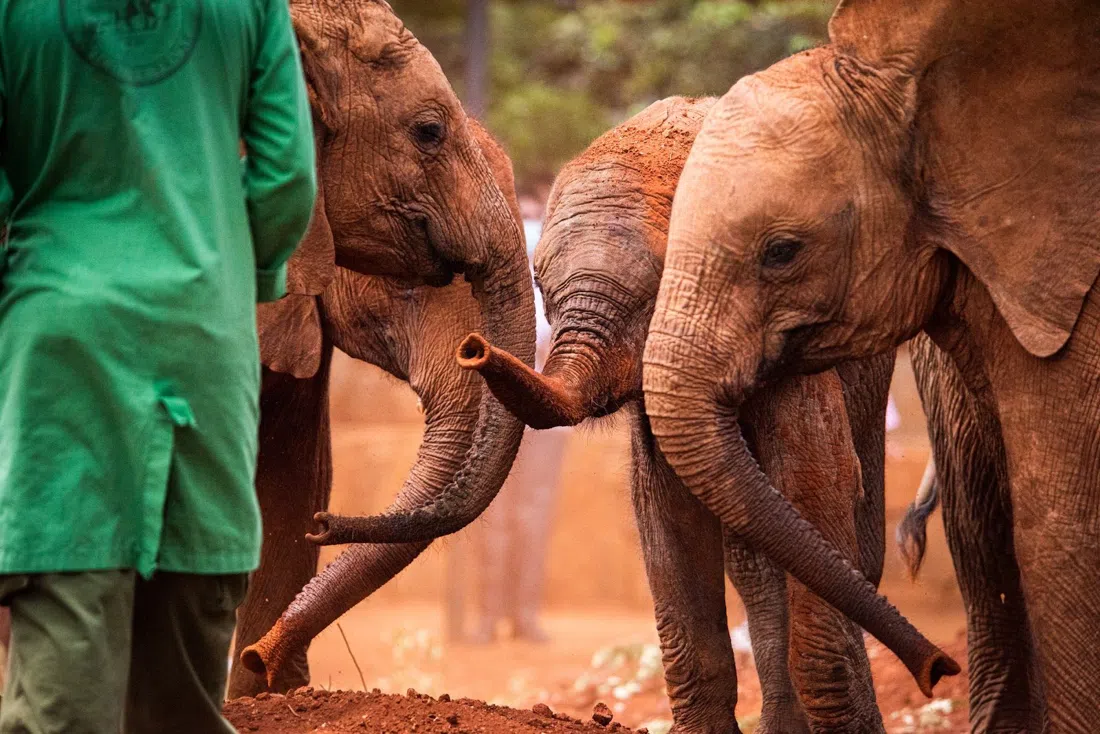
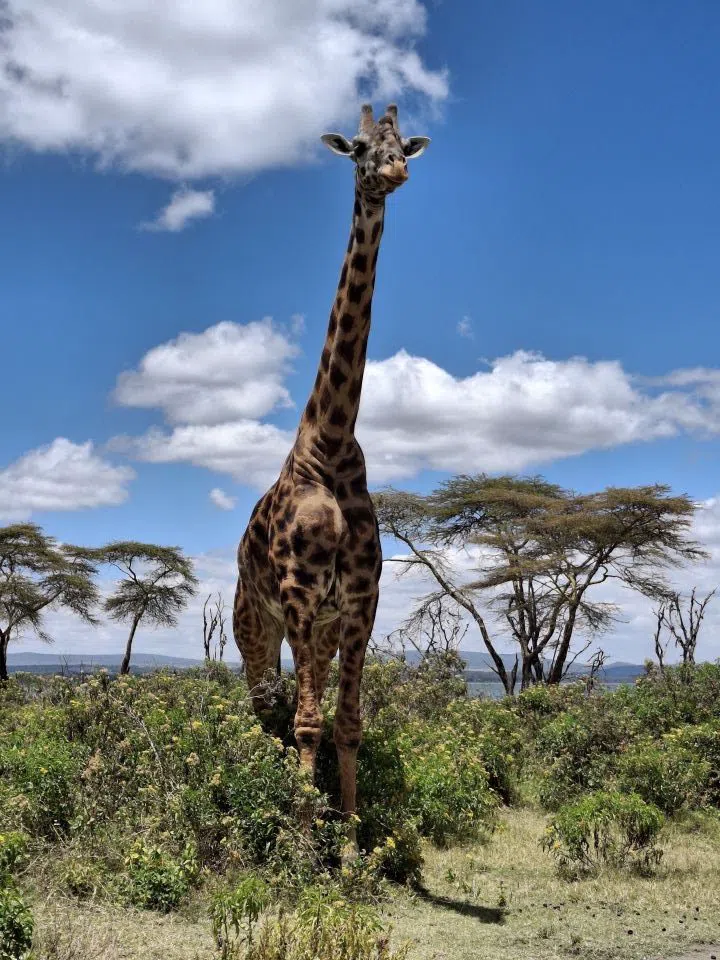
With that hour fixed, the rest of the day builds around it. The Giraffe Centre (Langata, about ten minutes away) needs no reservation at all: open daily 9am to 5pm, KES 1,500 for a non-resident adult and KES 750 for children aged 3 to 12, with organised groups admitted free if they book a week ahead. It runs as a breeding and education programme for the endangered Rothschild's giraffe, and the raised platform puts you at head height with them. It is the reliable second stop precisely because nothing about it can fall through.

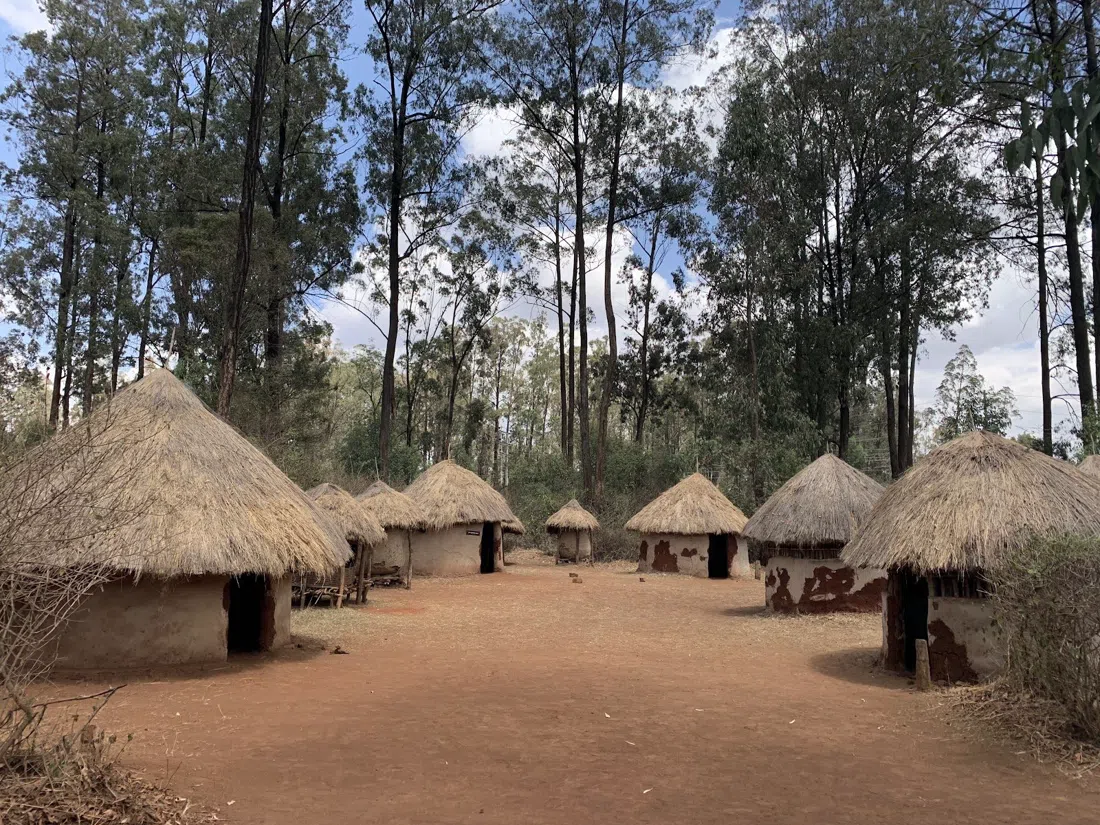
End the same day at Bomas of Kenya (Langata, near the park's main gate), where the traditional dance performance starts at 3.30pm and runs about an hour. KES 1,500 for a non-resident adult covers both the reconstructed homesteads and the show. The auditorium is large and coach parties are routine, which works in a solo visitor's favour, since nobody notices one person in a hall built for hundreds. Tuesday to Thursday is considerably quieter than the weekend.
Two Karen stops that fill a morning
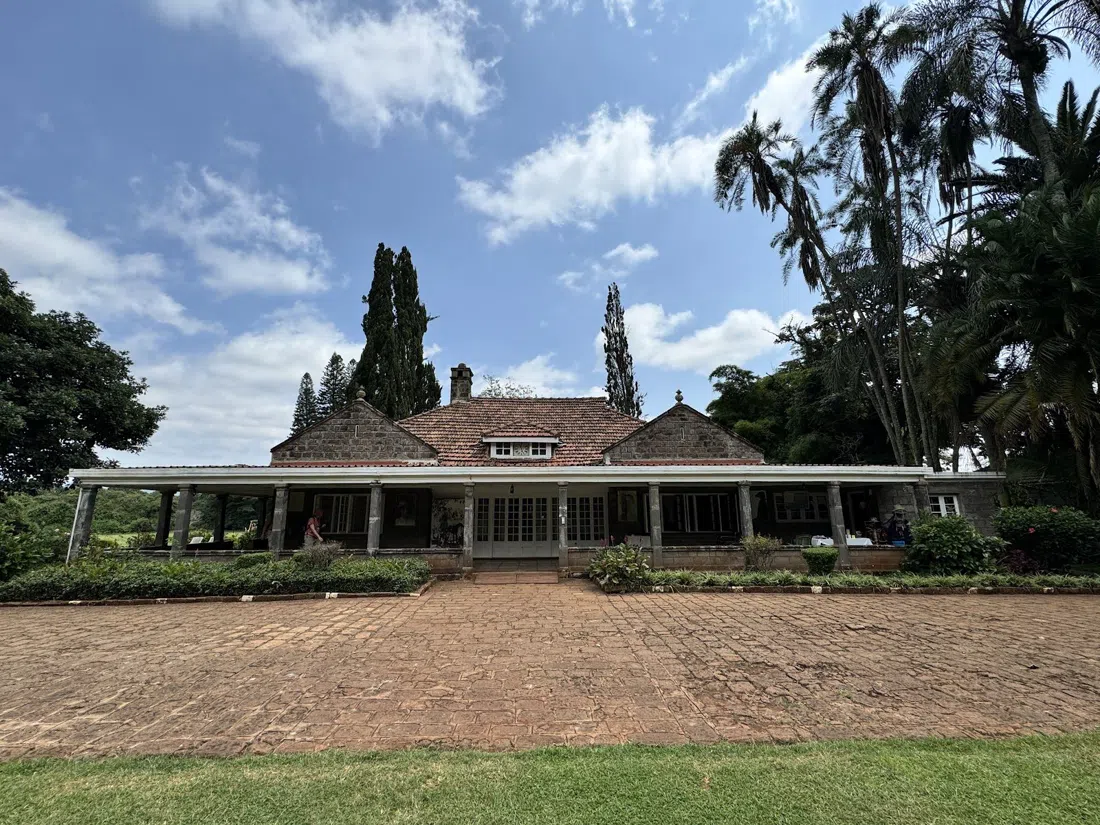
Karen Blixen Museum (Karen) occupies the farmhouse the Danish writer lived in from 1917 to 1931, at the foot of the hills she wrote about. The non-resident adult ticket was KES 2,341 at the May 2026 rate, KES 550 for citizens, and it is eCitizen only. There is no cash desk at the door, so set up an eCitizen account before you fly rather than at the gate on patchy roaming data. A guided tour is included and guides run continuously, which means a solo visitor is walked through the rooms by a person rather than left drifting past furniture.
A short drive away, Kazuri Beads (Karen) runs a free 30-minute workshop tour, Monday to Saturday 8.30am to 6pm and Sunday 9am to 5pm. Walk-ins are fine; only larger groups need to call ahead. The workshop was founded in 1975 to employ single mothers and still does, and you can watch the clay beads being rolled, fired and painted before you decide whether to buy. Pieces start from a few hundred shillings.
Three ways to spend a day on foot
Karura Forest (Gigiri) is the one place in Nairobi where a traveller without a car can genuinely walk for hours. There are more than 50 km of signposted trails, waterfalls and caves within them, bike hire near the main gates and guides available to hire at the entrance. Gates open at 6am, last entry is 5.45pm and everyone is out by 7pm. Entry is KES 850 for a non-resident adult and KES 450 for a child, parking KES 295, all cashless through M-Pesa Paybill 222222 or eCitizen. The forest is intact because a campaign led by the Green Belt Movement stopped it being parcelled out for development in the late 1990s. Stay on the marked, well-used trails, and take a guide if you want the quieter northern sections.
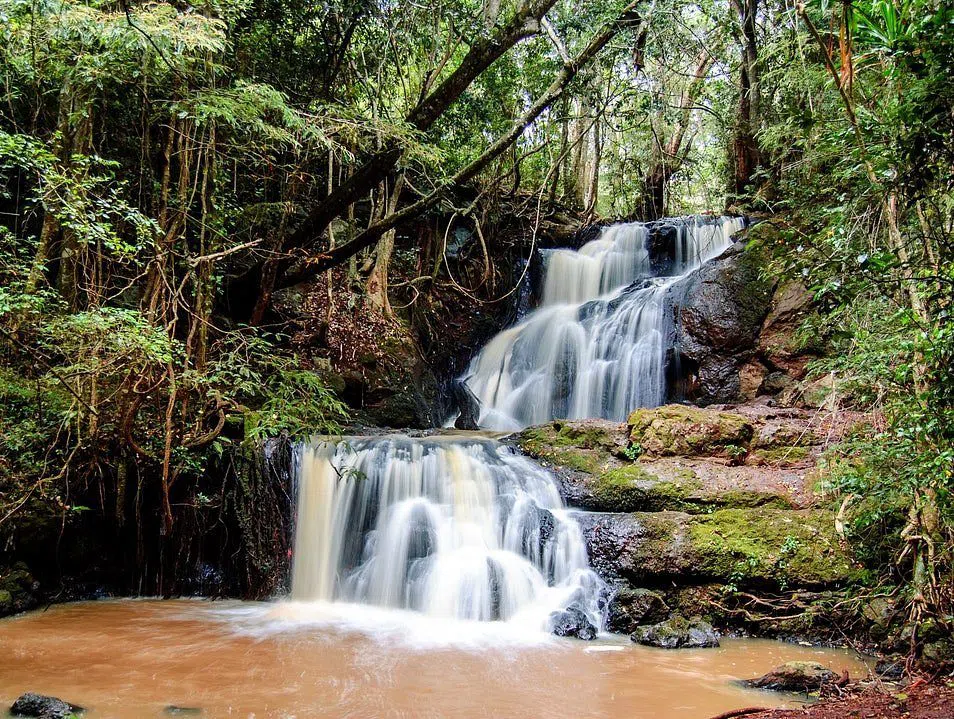
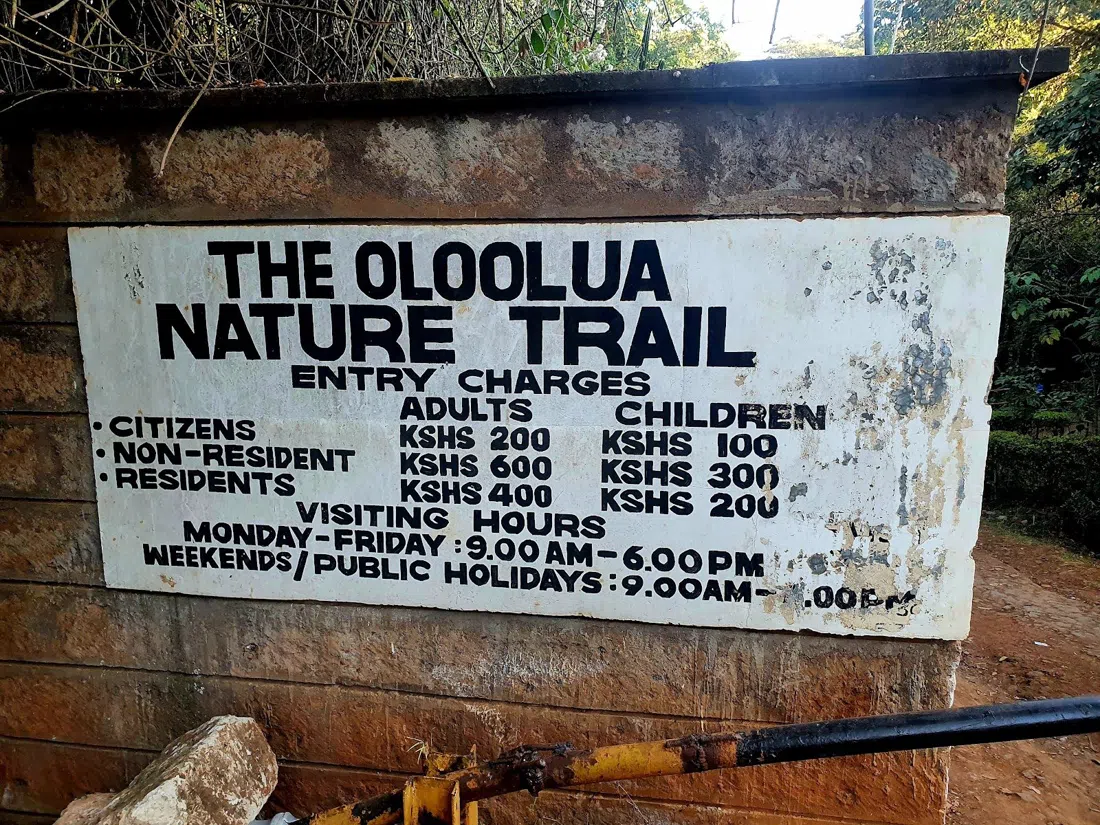
Oloolua Nature Trail (Karen) is the smaller, cheaper version: KES 200 per person via eCitizen, no booking needed, two to four hours of waterfall, cave and bamboo. Go on a weekday morning, wear shoes with grip and bring a torch for the cave, which is dark enough that phone light will not do.
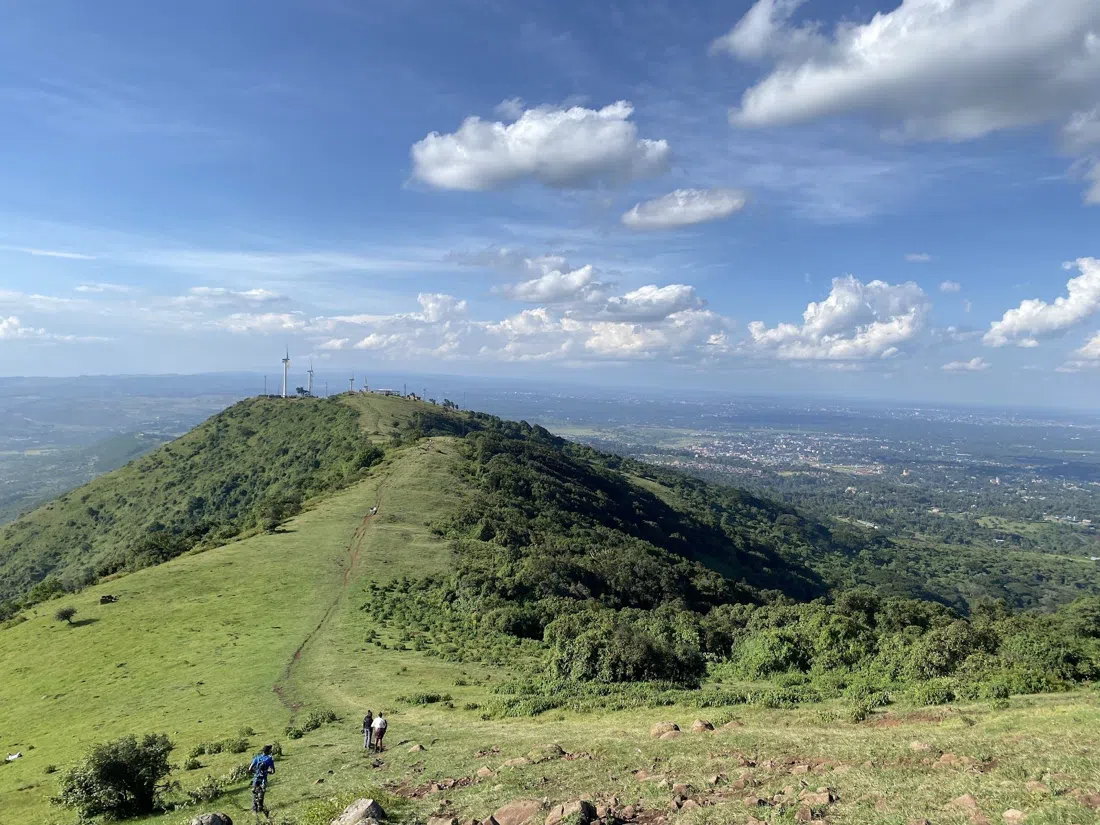
Ngong Hills Forest Reserve (Ngong, roughly 25 km southwest) is the proper walk, a ridge traverse over seven peaks with the Rift Valley falling away on one side. You pay the KFS gate ticket plus KES 1,000 per group for an armed ranger escort. Because the ranger fee is charged per group rather than per head, joining an organised hiking group makes the day both cheaper and safer. Take the ranger for the full traverse. Solo walkers should not attempt the far end unaccompanied; that is the standard local precaution.
Downtown with someone who grew up in it
Most visitors see the CBD through a car window, which teaches you nothing. Nai Nami (CBD, hotel pickup and drop-off included) is a walking tour run by men who grew up on those streets, and it costs USD 37 to 45 per person including the guide, a local lunch and soft drinks. The format is deliberately small, a maximum of two guests per guide, with larger parties split across several guides, which makes it one of the few things in the city built for someone arriving alone. Book a day or two ahead.

Eating alone without committing to a whole evening
The Talisman (Karen) is the safest bet if you want to eat well on your own. Mains run roughly KES 1,800 to 3,500, the garden tables and bar make a table for one read as normal rather than conspicuous, and the feta-and-coriander samosas are the house signature. It takes groups readily but advance booking is strongly advised, and the team confirms by phone or email, so leave a number they can reach.

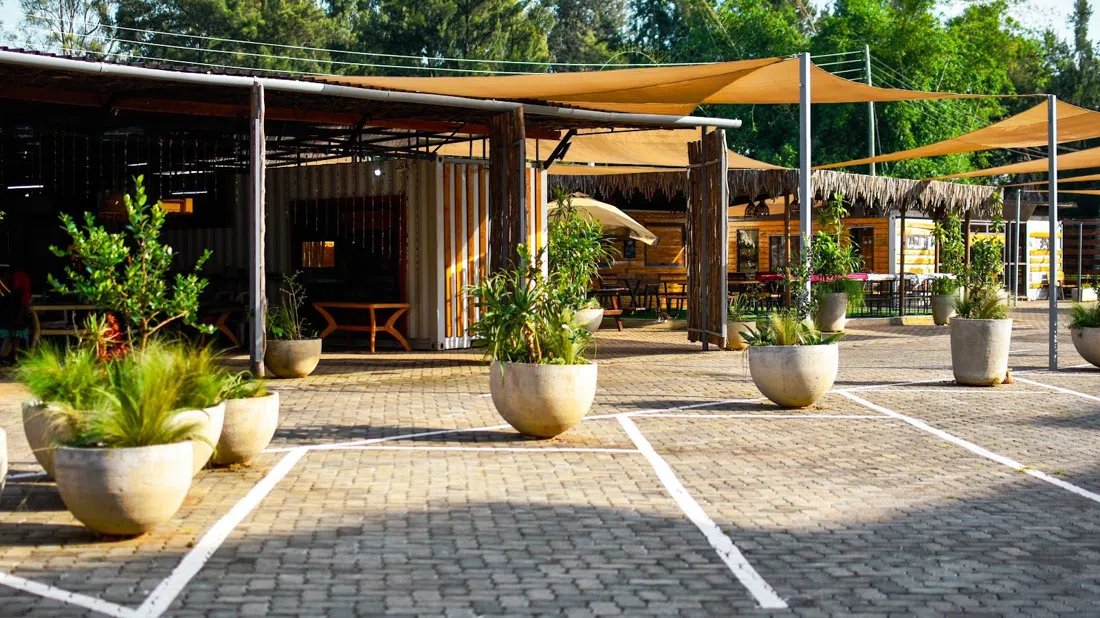
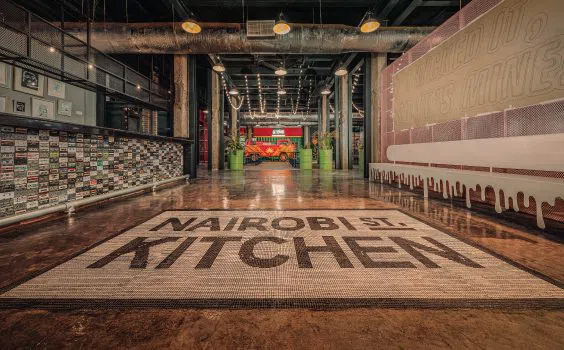
Nairobi Street Kitchen (Westlands) solves the other problem, which is not wanting a full sit-down dinner. Eleven kitchens and a rooftop bar sit under one roof, plates run roughly KES 800 to 2,000 with drinks on top, and it is walk-in friendly with table bookings available on busier nights. You can eat, have one drink and leave without anyone treating it as an abandoned evening. Thursday Latino night fills fast.
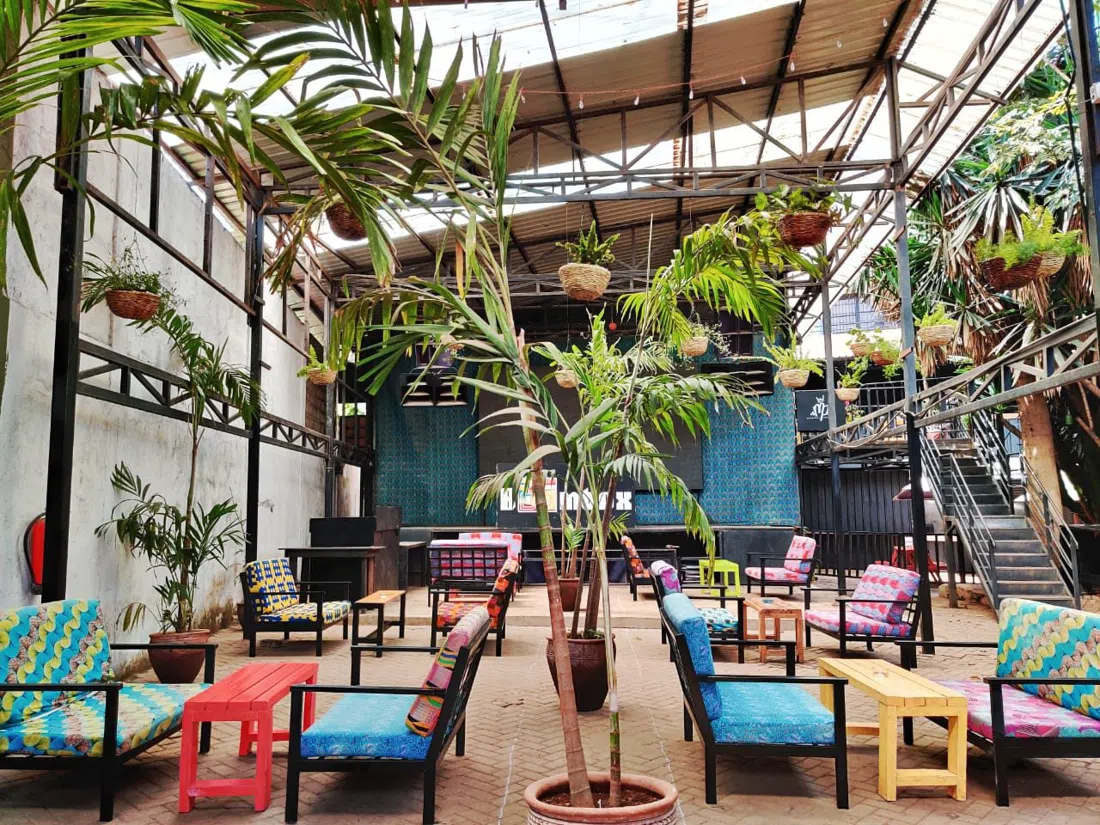
The Alchemist (Parklands Road) is an open courtyard with no formal door policy, open from noon until late every day, with drinks around KES 400 to 900 and extra for ticketed nights. Nightly events, open-mic sessions and open-air cinema mean turning up alone is unremarkable, and the mix of Nairobi regulars and visitors makes it the easiest place in the city to end up in conversation. Order your ride home before you order the last drink.
A base that books things for you
Wildebeest Eco Camp (Langata) takes solo travellers, couples and groups, with a mixed six-bed dorm from about USD 40 and tents and cottages costing considerably more. The on-site travel desk matters more than the dorm. It books park game drives, day tours and airport transfers, which is the arranging a solo visitor would otherwise be doing blind from a hotel lobby with no way to judge the operator. If you would rather be in a conventional hotel nearer the Westlands restaurants, start from the Nairobi hotel search and choose the area before the property, because the area decides how much of your trip you spend in traffic.

One spare day beyond the city
If you have a full free day, Crescent Island Game Sanctuary is the best use of it. It sits on a Rift Valley lake roughly 90 km northwest of the city, reached by boat, and is sold as a guided walk rather than a drive. Entry is KES 4,000 for a non-resident adult; a full day trip from Nairobi runs roughly USD 150 to 260 including road transport, the boat and fees. There are no predators on the island, so you walk on foot among zebra, giraffe, waterbuck and impala instead of watching them from a vehicle. Book it as a tour with return transport included, because getting back to Nairobi independently in the late afternoon is the weak link in the day and the part that tends to go wrong.
When a booking falls through
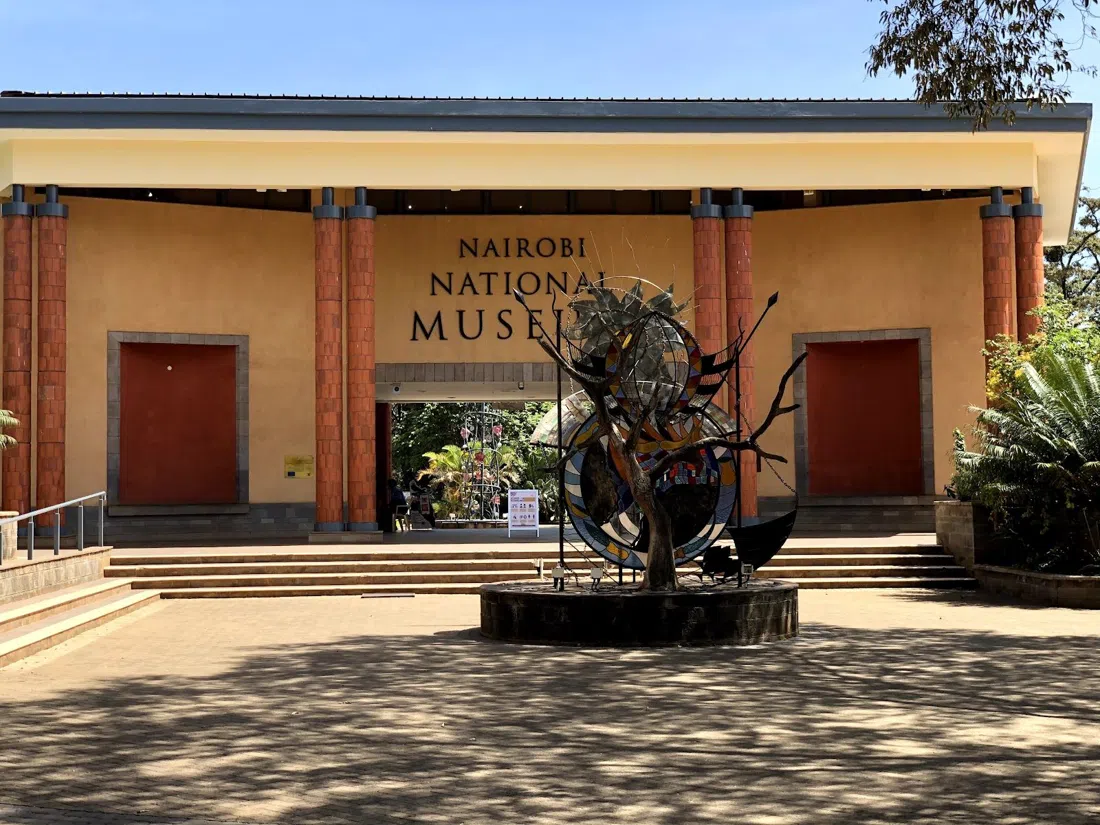
Something will. The Nairobi National Museum (Museum Hill, between the CBD and Westlands) is the dependable substitute: open 8.30am to 5.30pm every day of the year, including public holidays. Ticketing is eCitizen only with no cash accepted, and non-resident rates were revised upward in 2026, so check the current NMK rate card rather than an older figure. The snake park shares the site. Night tours run 6pm to 10pm but only for organised groups of ten or more with advance booking, so they are not a solo option unless you can attach yourself to one.
Money, taxis and the shape of a day
Open an eCitizen account and register your passport details before you fly. The Blixen museum, the national museum, Oloolua and the park gates are cashless, and doing this on arrival over hotel wifi is a slow way to start.
On the ground, a local SIM registered with your passport gives you M-Pesa, which pays for forest gates, parking and most small transactions. Cards work in Karen and Westlands restaurants and bars. Keep small shilling notes for tips and trail guides, and keep one USD 20 note aside specifically for the elephant nursery, which takes cash only.
Ride-hailing apps are the default for getting around, and the fare is agreed in the app before you get in. Do not negotiate a price with a driver who approaches you on the street. Matatus are cheap and used by everyone, but they are not the way to move with luggage or after dark. Book a hotel transfer for your first arrival at JKIA rather than working it out at the terminal.
On timing, leave for the park before 6.30am, and do not schedule anything that requires crossing the city between 4.30pm and 7.30pm. January to March and July to October are the drier stretches; the long rains fall roughly March to May, when forest trails get slippery rather than impassable.
For budget, a park morning with a shared vehicle seat lands at USD 130 to 180 all in. A Langata day covering the elephant nursery, the giraffe centre and the afternoon dance show costs about USD 20 plus KES 3,000 in tickets, plus the park gate fee and transport. A forest day is under KES 1,500 including entry and parking. Dinner and a drink runs KES 2,500 to 5,000 depending on where you sit. The largest variable cost in Nairobi is not admission but the hours you lose to the road, which is why the itinerary is built by area.
8 September 2026 · a first week before the flat: the Nairobi hotel directory