New Orleans · The weekend · 12 min
Climbing the New Canal Lighthouse on New Orleans' Lakefront
What you see inside the rebuilt lighthouse at the mouth of the New Basin Canal, what it costs, when it is shut, and how to build a half-day on the lake around it.
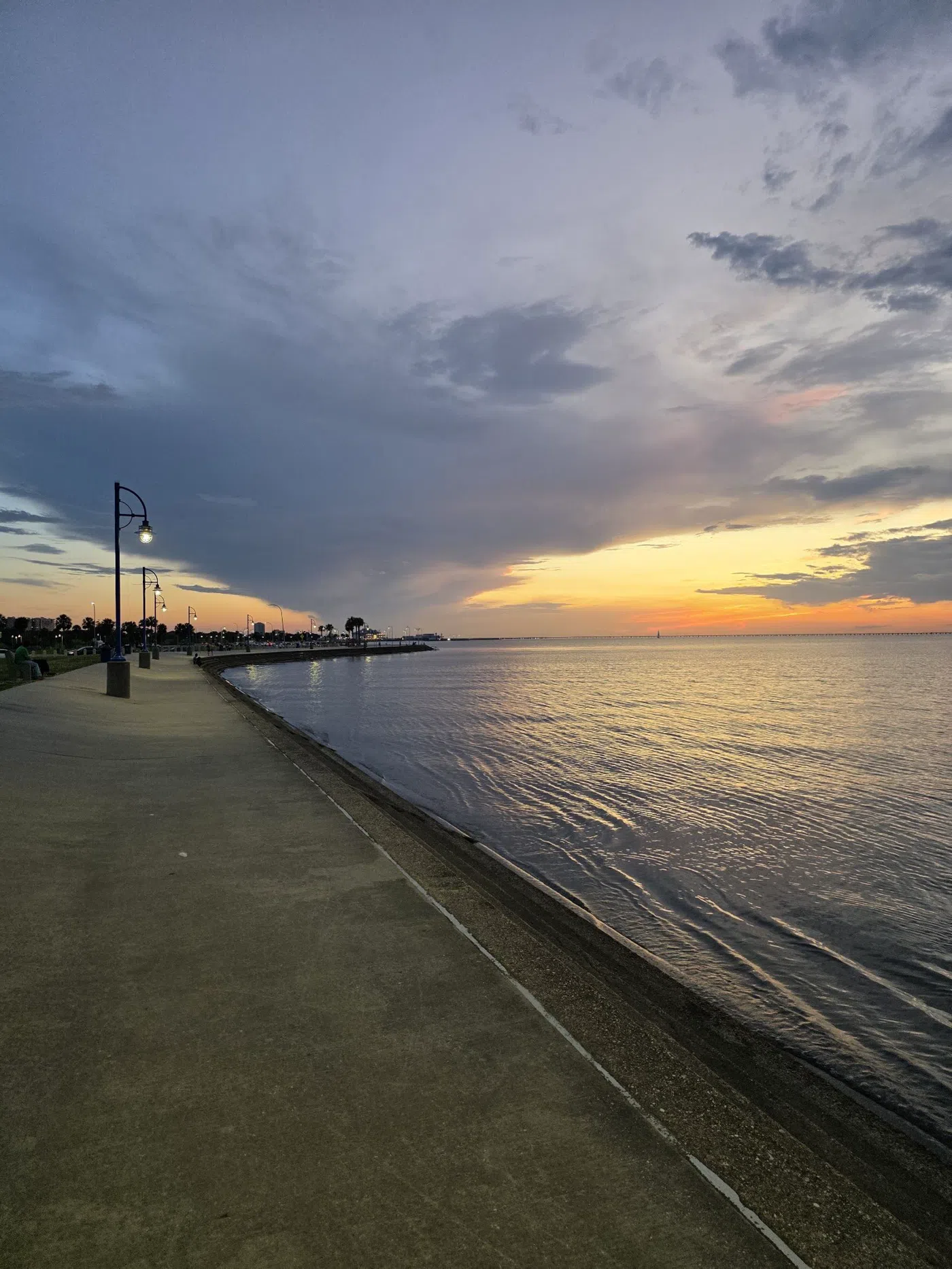
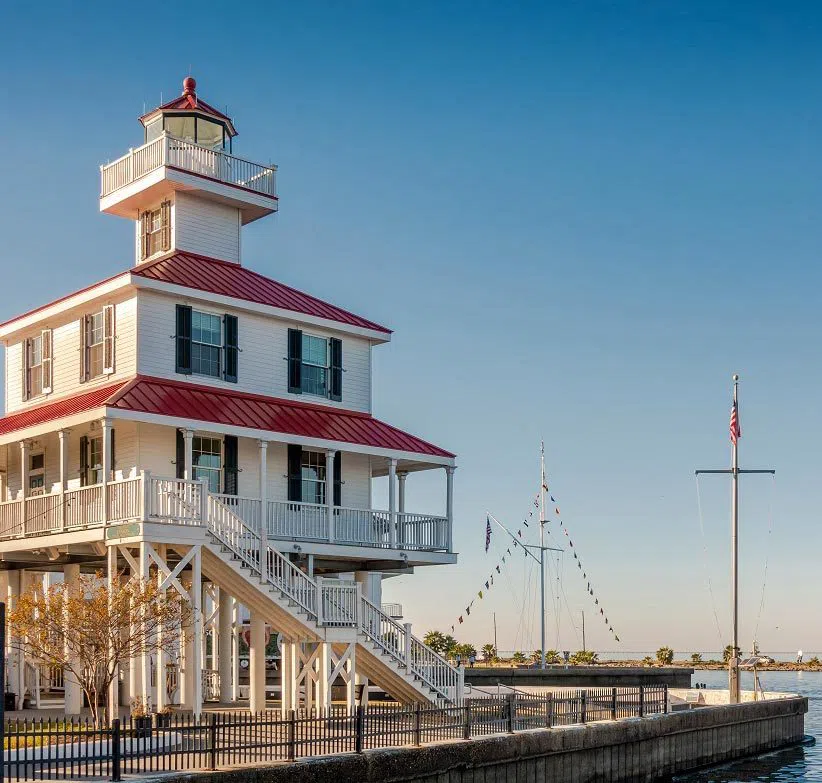
Lake Pontchartrain does not behave like a lake. Stand on the seawall where the New Basin Canal meets the water and the far shore has gone, the horizon is a ruled line, and the chop comes at the concrete hard enough to wet your shoes on a breezy afternoon. The small white lighthouse out on its legs at the canal mouth, the New Canal Lighthouse Museum & Education Center (West End), is the reason that water has a history and not just a view.
What the lighthouse is and what you see inside
The building you climb is a reconstruction rather than a survivor. A light has stood on this spot in one form or another since 1838, to mark the entrance from the open lake into the canal for the shallow-draught traffic that used it. Hurricane Katrina destroyed the structure that was there in 2005. The Pontchartrain Conservancy rebuilt it using salvaged material from the original, and it reopened as a working coastal-science centre with a museum inside it.
That double life is what makes the visit worth your morning. There is the lighthouse half, where a docent talks you through the lineage of the light, the keepers' world, the storm, the salvage and the rebuild. Then there is the Conservancy half, a set of hands-on exhibits about the water outside the window. There are water-quality stations you can actually work, and a marsh model that shows what happens to a coastline when the wetland in front of it disappears. It is pitched at school groups without being childish, which in practice means an adult learns something and a nine-year-old stays interested.
Then you climb to the lantern. It is a short climb rather than a tower slog, but it is stairs and a narrow way up, and there is no lift; if stairs are out of the question for someone in your party, the ground-floor exhibits and the docent talk still carry most of the visit. From the lantern you get the geometry that the museum has been explaining: canal on one side, breakwater running out, lake filling everything beyond it.
How long it takes and which days to avoid
Budget 45 to 75 minutes inside. This is not a museum you graze; the docent element sets the pace, and if you arrive when one is mid-talk you will naturally fold into it. Seventy-five minutes is the ceiling for someone who works every exhibit and asks questions at the top.
Plan around the closing pattern. The lighthouse is closed Sundays and Mondays, which catches out most weekend visitors, including anybody who has built a lazy Sunday lakefront plan around it. Tuesday to Saturday is your window, and a weekday morning is the quietest version of it.
Tickets at the door, and when you actually need to ring ahead
For a couple or a family, this is a walk-up. Admission is 10 USD for adults, 7.50 USD for seniors, students and military, and free for under-sixes. You do not need to pre-book, there is no timed-entry system to game, and the queue question barely arises on a normal weekday. The constraint is the size of the building rather than demand.
That smallness is why groups do need to call. Parties of ten or more pay 5 USD per person, and large groups are split into waves so the floor space and the docent can cope. There are also booked education programmes running two to three hours for school and tour groups, which is a deeper visit than the drop-in. Either way, phone 504-282-2134 ahead of the date rather than arriving hopefully with a coach. A guided half-day option covering the wider lakefront and wetlands exists if you would rather someone else drove and narrated, but the museum itself is cheap and simple enough that most independent travellers should just turn up and pay at the door.
The free half of the visit
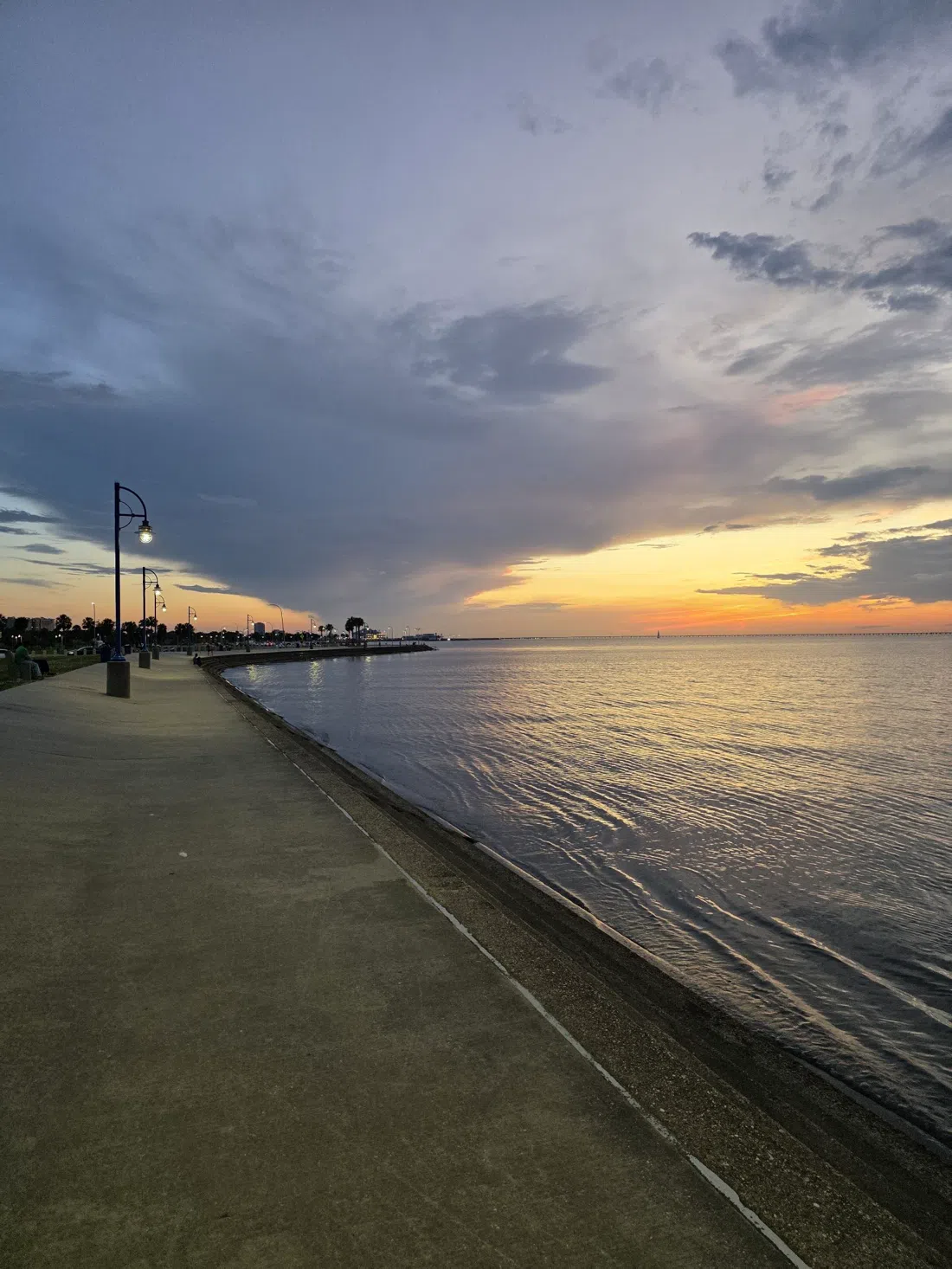
Do not treat the museum as the whole trip. The Lakeshore Drive Seawall & Lakefront Promenade (Lakefront) runs east from the lighthouse for miles, and the rebuilt seawall walk is where the lighthouse stops being a curiosity and starts making sense. Down at water level, with the lake stacking up against the steps, you understand what the light was warning about. Go late afternoon, when the sun comes off the water and the whole shoreline turns silver. It costs nothing, there is no limit on numbers, and it is the best place to park a group before or after a museum slot.
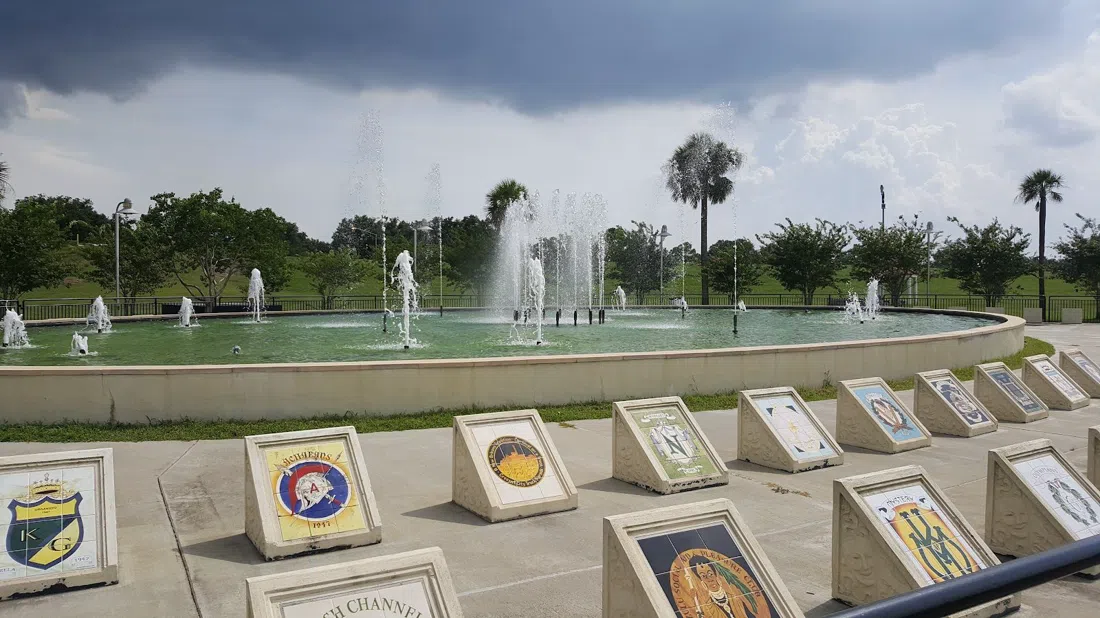
Ten minutes east along the drive sits the Mardi Gras Fountain (Lakefront), restored, with more than ninety krewe crests set into the surround. It is the one stop that ties this stretch of shoreline back to Carnival, and it is genuinely useful for visitors who will never be in town for a parade: you can stand there and read the names of the organisations whose year revolves around one day in the streets miles south of here.
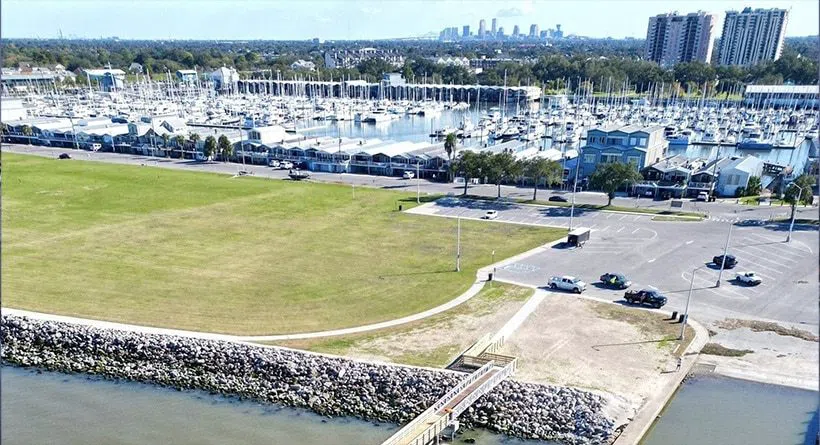
Walk the other way and you are in West End Park & New Orleans Municipal Yacht Harbor (West End), the working harbour the lighthouse guarded. Five minutes along the canal edge here gives you the whole geometry in the flesh: canal, breakwater, lake, and the masts of several hundred boats. Public park, open access on foot, coach parking is on-street.
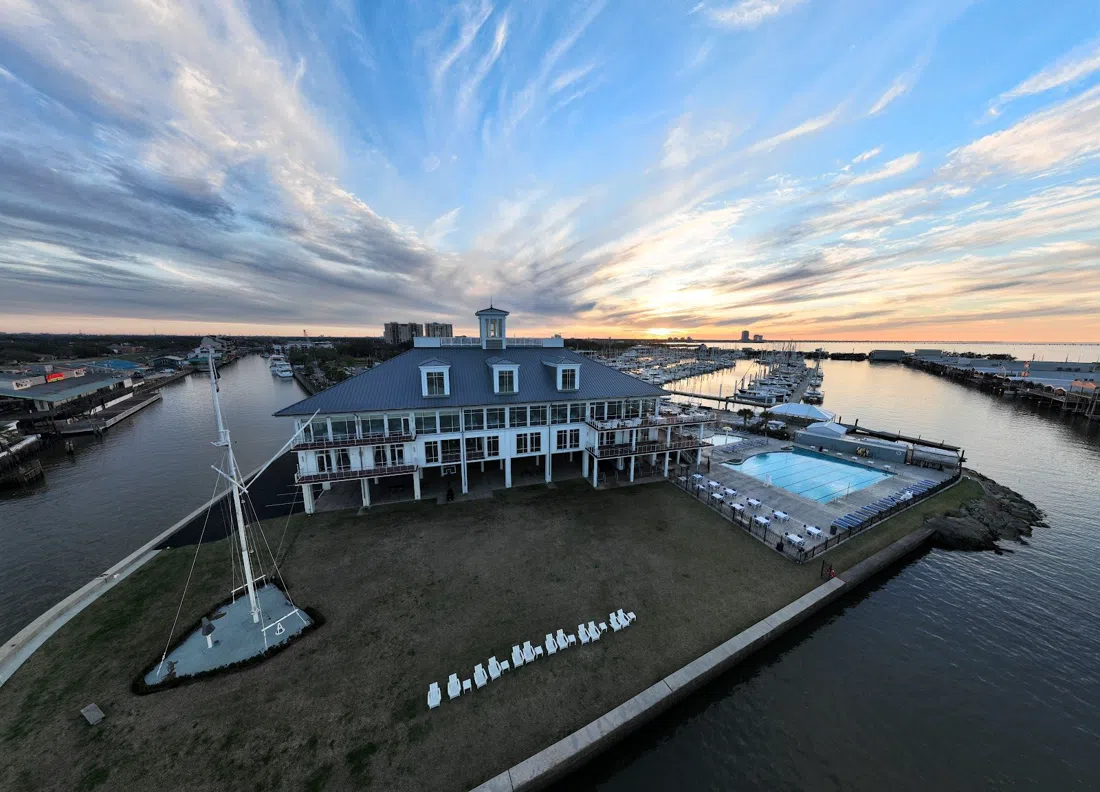
Across the water from the lighthouse you will see the Southern Yacht Club (West End), the second-oldest yacht club in the United States. Photograph it from the public side and leave it there. It is members and sponsored guests only, with no walk-in groups and no public dining, so turning up at the door is a wasted ten minutes and an awkward conversation.
Eating within walking distance
There are three sit-down rooms at West End, and they are not interchangeable.
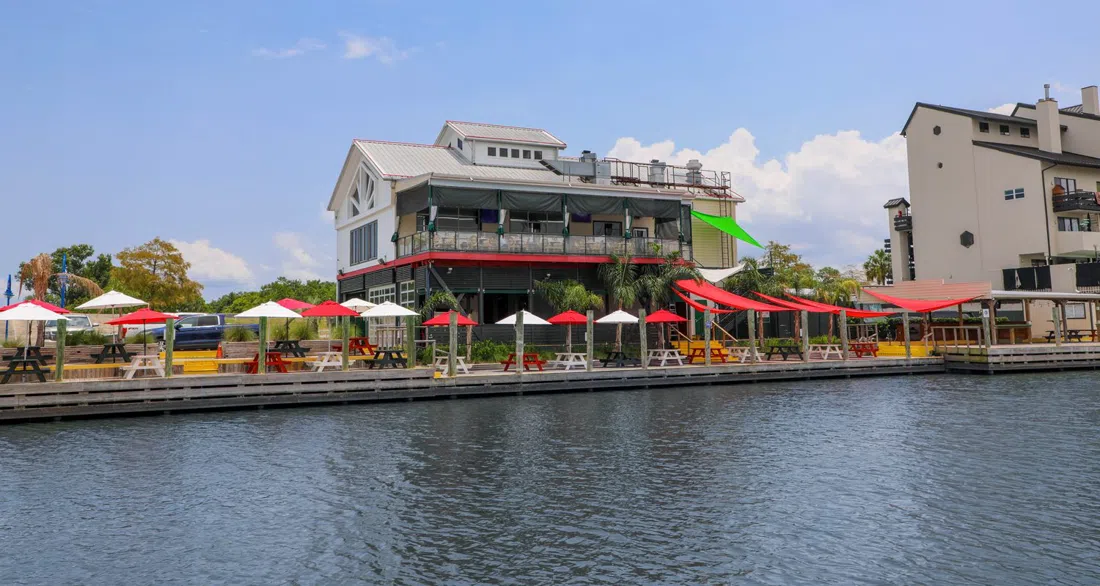
Felix's Restaurant & Oyster Bar – Lakefront (West End) is the closest proper meal to the lighthouse, in the elevated building at 7400 Lakeshore Drive, the successor to the restaurant that occupied it before, so search the current name and not the old one. Mains run roughly 18 to 35 USD, it opens at 11am so it fits either side of a museum slot, and the big elevated dining rooms absorb a coach group better than anywhere else out here. It takes large parties and private events.
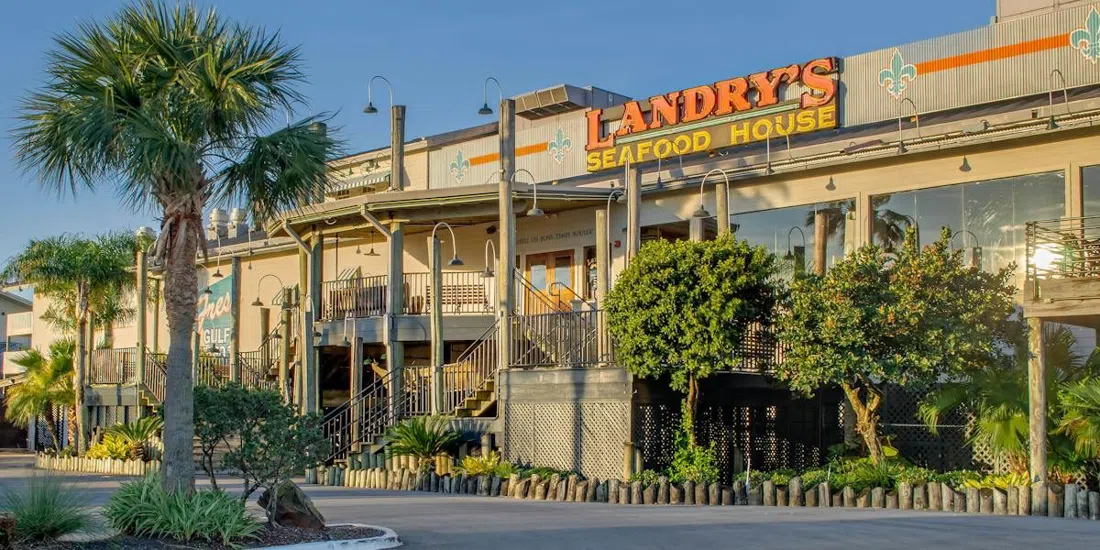
Landry's Seafood House – Lake Pontchartrain (West End) is two minutes' walk from the lighthouse gate and the safest bet for a mixed group or a family that needs air conditioning and a confirmed booking. Large dining rooms, event space, reservations taken, mains roughly 20 to 40 USD. It is a national chain rather than a local kitchen, which you should know before you choose it over the alternatives.
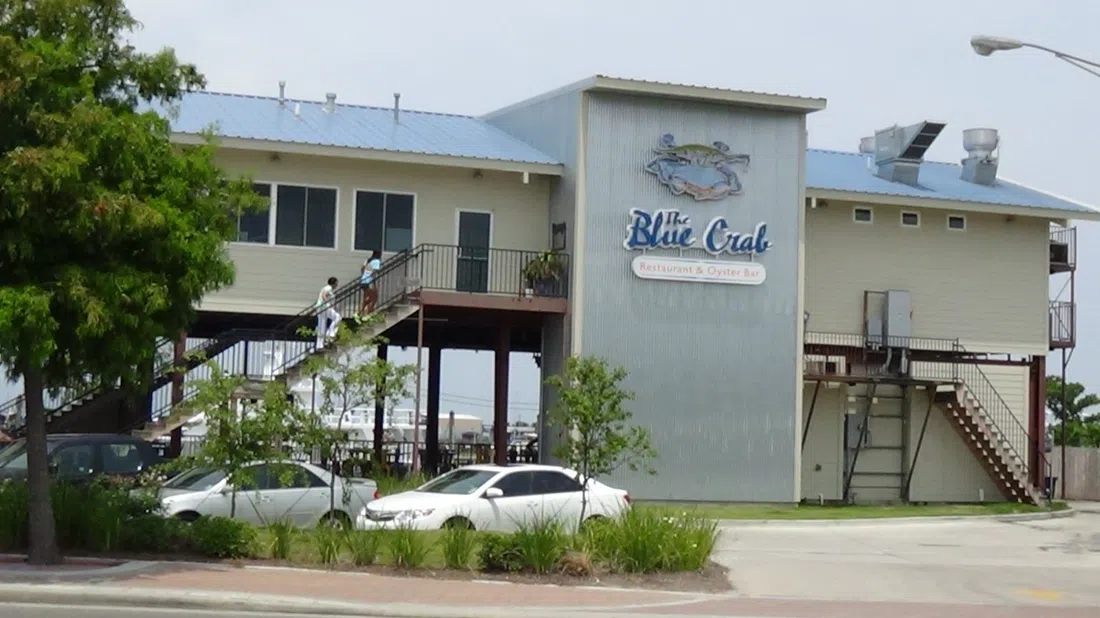
The Blue Crab Restaurant & Oyster Bar (West End) is the most lakeside of the three, with a deck that looks across the water to the lighthouse. It hosts parties and does catering but takes no reservations for regular tables, so a 1pm Saturday arrival means a wait. Eat at 11.30am before the museum or after 3pm and the problem disappears. Mains roughly 15 to 35 USD.
Bucktown, five minutes round the canal
The better pairing is west. Deanie's Seafood – Bucktown (Bucktown) has been on this shore for over fifty years, a five-minute drive around the 17th Street Canal, open seven days from 11am to 9pm and to 10pm on Fridays and Saturdays. Large groups are welcome, though at peak you should expect a wait rather than a booking. Mains roughly 18 to 35 USD and the platters are shareable. It is the local counterweight to the chain option and the reason to keep the afternoon out here instead of driving back downtown.
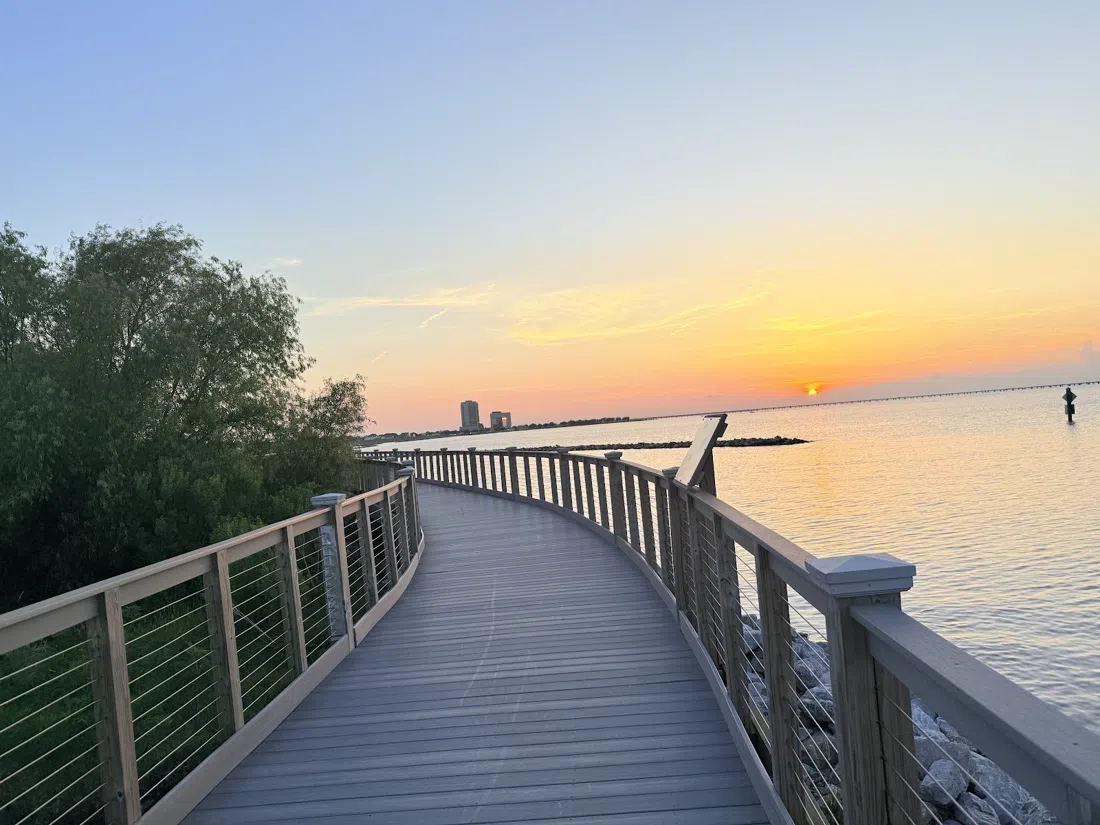
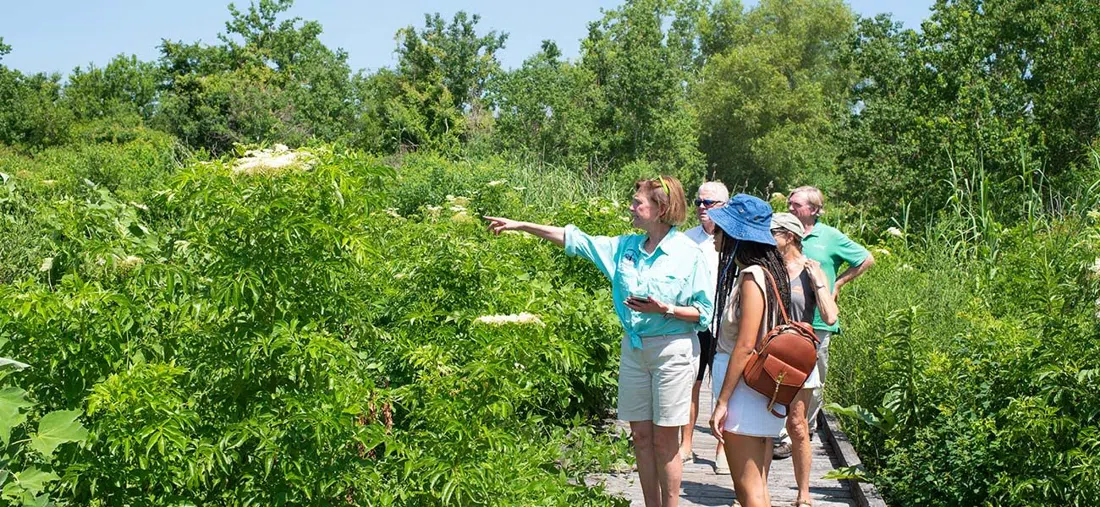
Next to it, Bucktown Harbor Park & Marsh Boardwalk (Bucktown) pairs directly with the museum: forty acres where the 17th Street Canal meets the lake, with a built marsh and bird blinds that show in the flesh exactly what the Conservancy's indoor exhibits describe. Free, open 6am to 6pm daily, and the boardwalk is wide enough to handle a walking group comfortably.
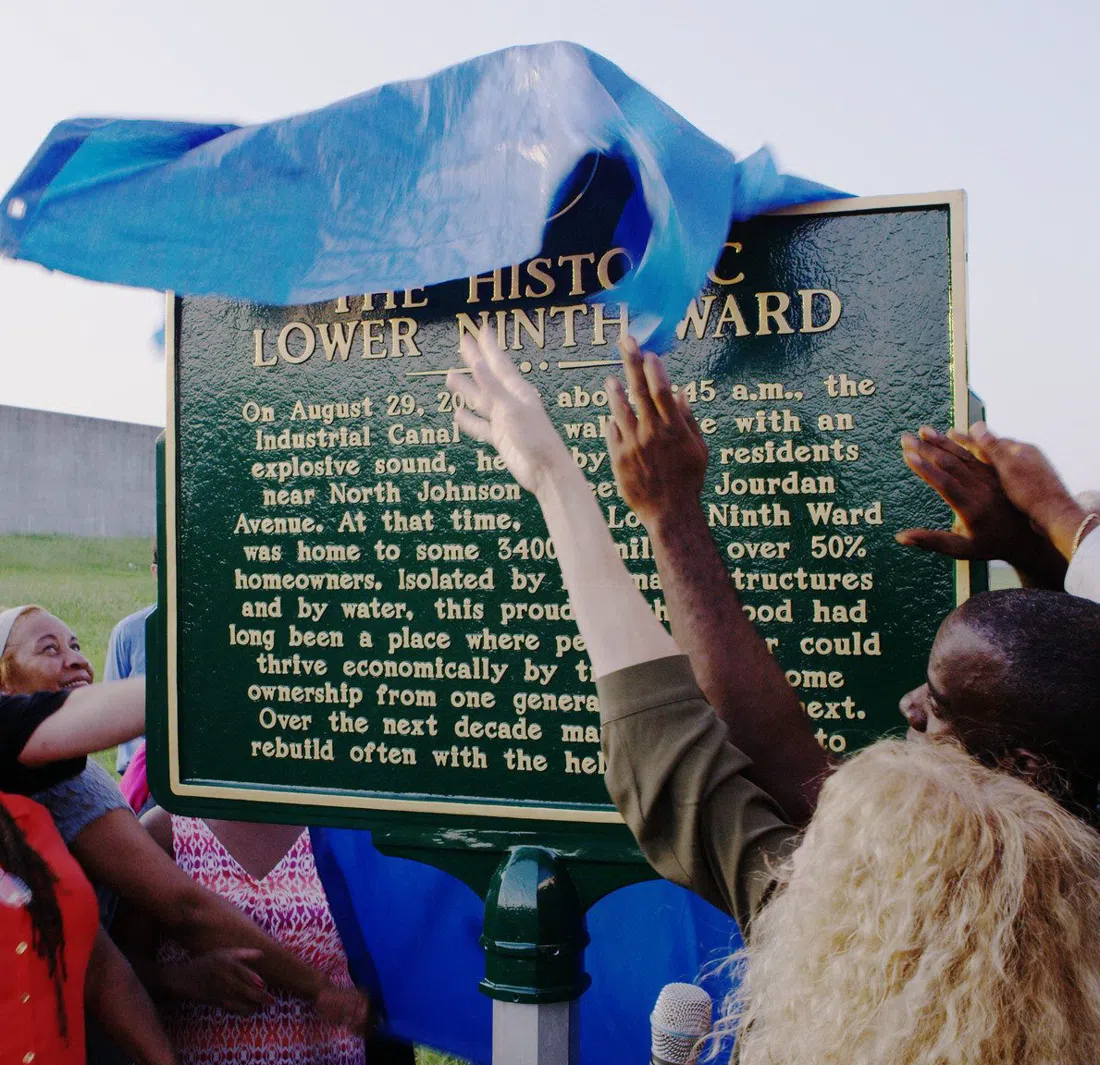
Five minutes from West End, at Bellaire Drive and Stafford Place, the 17th Street Canal Floodwall Marker (Lakeview) records where the floodwall split in 2005 and drowned the neighbourhood around it. It gives the lighthouse's rebuilt-from-salvage story its real weight. It is also a residential street with no facilities, so go quietly, small groups only, and remember you are standing outside somebody's house.
Getting out onto the water
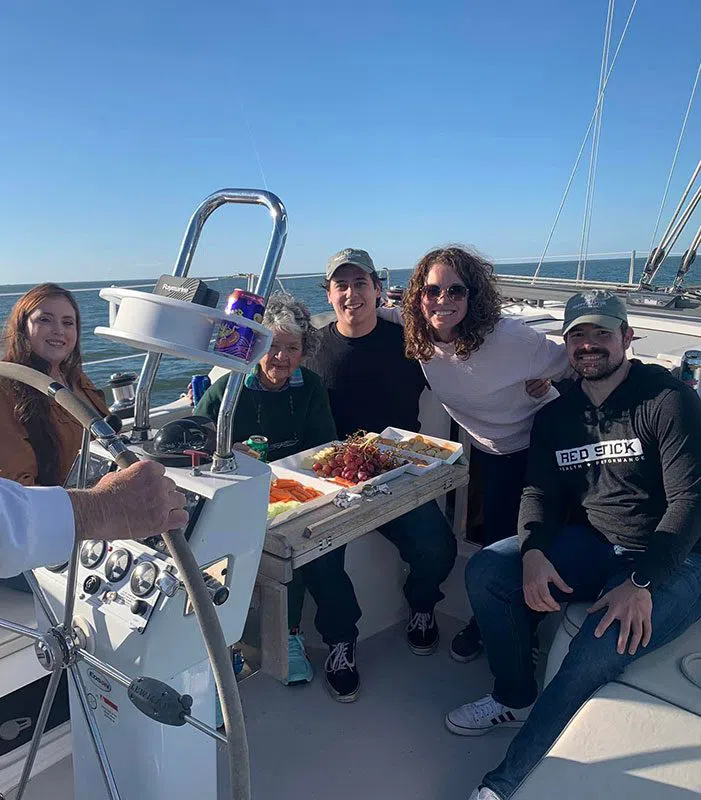
Captain Morgan Sailing Charters (West End) is the only way to see the lighthouse from the water it was built for. Every cruise is private, departing West End Park at 8am, 2pm and 4pm on two-hour sails, roughly 100 to 150 USD per hour for the whole boat. Capacity is a single yacht, so it suits a small group buying the boat outright and is no use to a coach party. An hour in the museum then a sail is a tidy half-day.
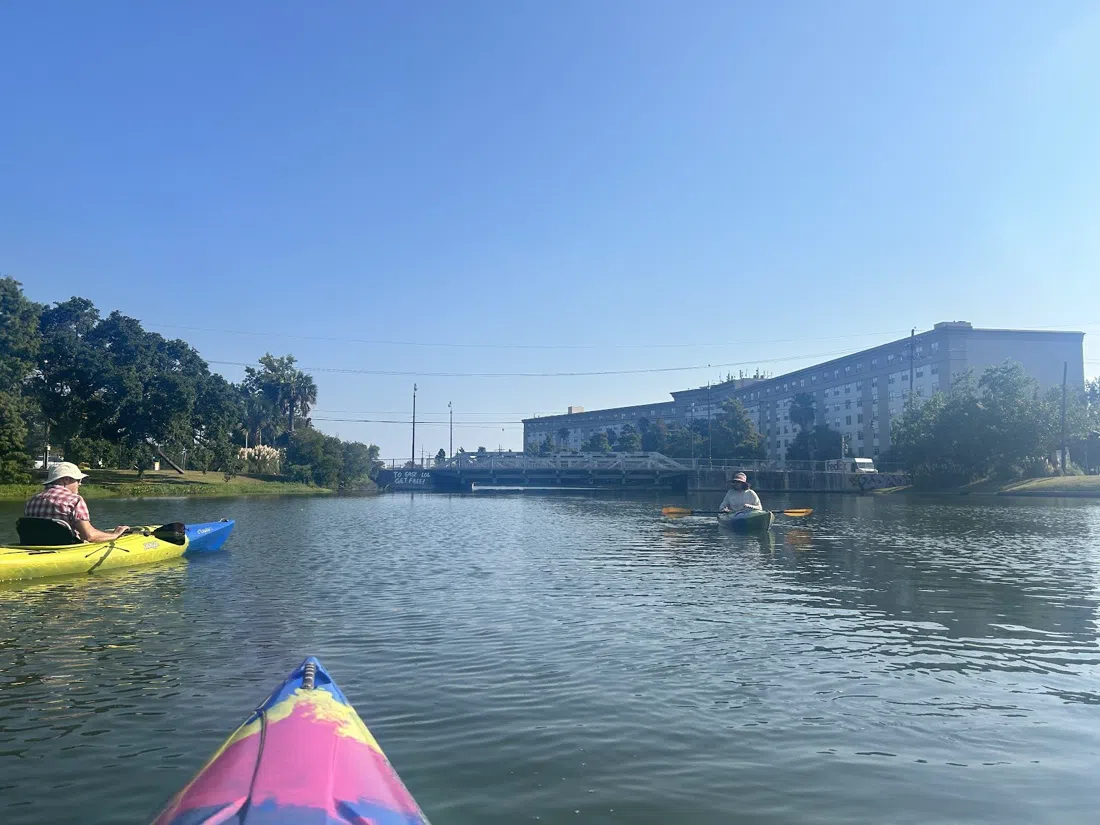
For something softer, Kayak-iti-Yat (Mid-City) is the city's original kayak outfit, running reservation-only trips six days a week year-round at around 60 to 75 USD per person for a two to three hour paddle. Bayou St. John runs from Mid-City toward the lake, so you are on the same water system the lighthouse sits on, minus the boat fumes. Guides split larger parties.
If the coastal-loss story inside the museum is what stays with you, go and look at it. The Great Delta Tours (Central City) runs small-group wetlands ecotours with guides, departing from 610 John Churchill Chase St, roughly 80 to 150 USD per person depending on the trip. Departures are scheduled rather than daily, so phone for a date rather than assuming tomorrow works.
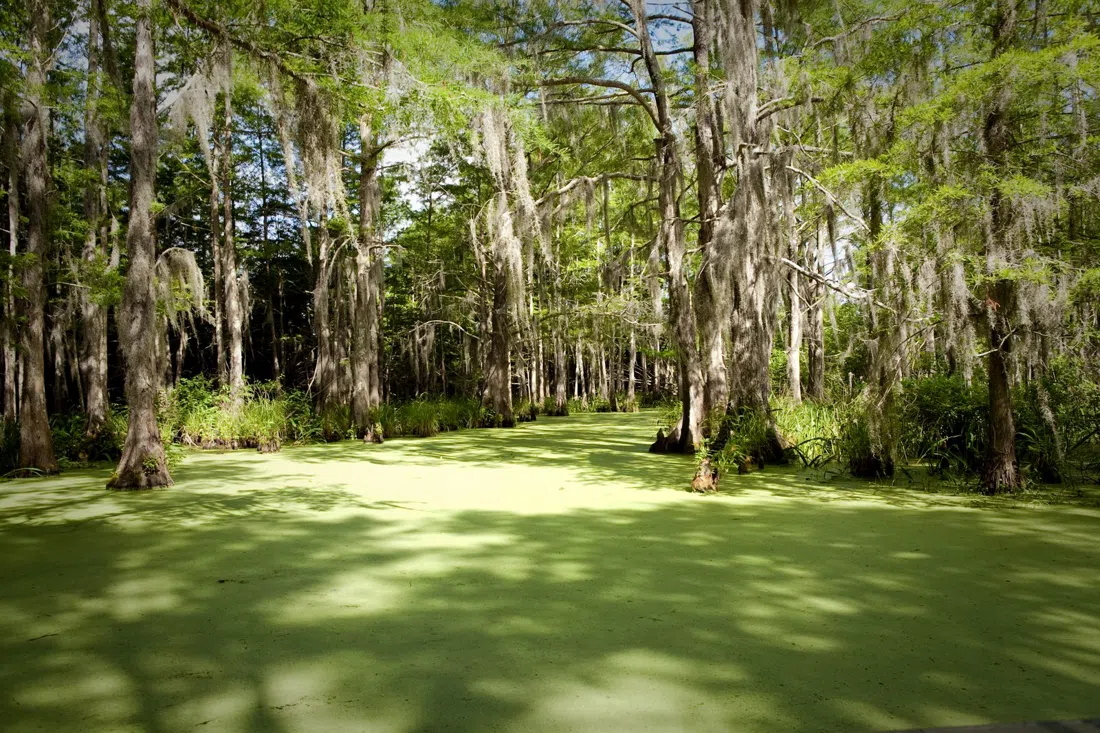
The bigger, easier swamp option is Cajun Encounters Tour Company – Honey Island Swamp (departs French Quarter pickup), which runs 22-seat standard boats, 10 to 12 seat small-boat trips and private charters, from about 40 USD per person at the dock and about 100 USD for the small boat. Boats leave at 9.30am, 12.15pm, 2.45pm and 5pm; the dock is around 45 minutes out, so it is four to five hours door to door with roughly two hours on the water. Between them, the bookable water trips around the city carry 18,658 traveller reviews, with the highest-rated running 4.9 out of 5 from 7,105 reviews. They run seven days a week and start from 76 USD per person for the versions that include transport, which is worth holding in mind when a dock-side price looks cheaper, because it usually does not include the drive.
If the weather turns
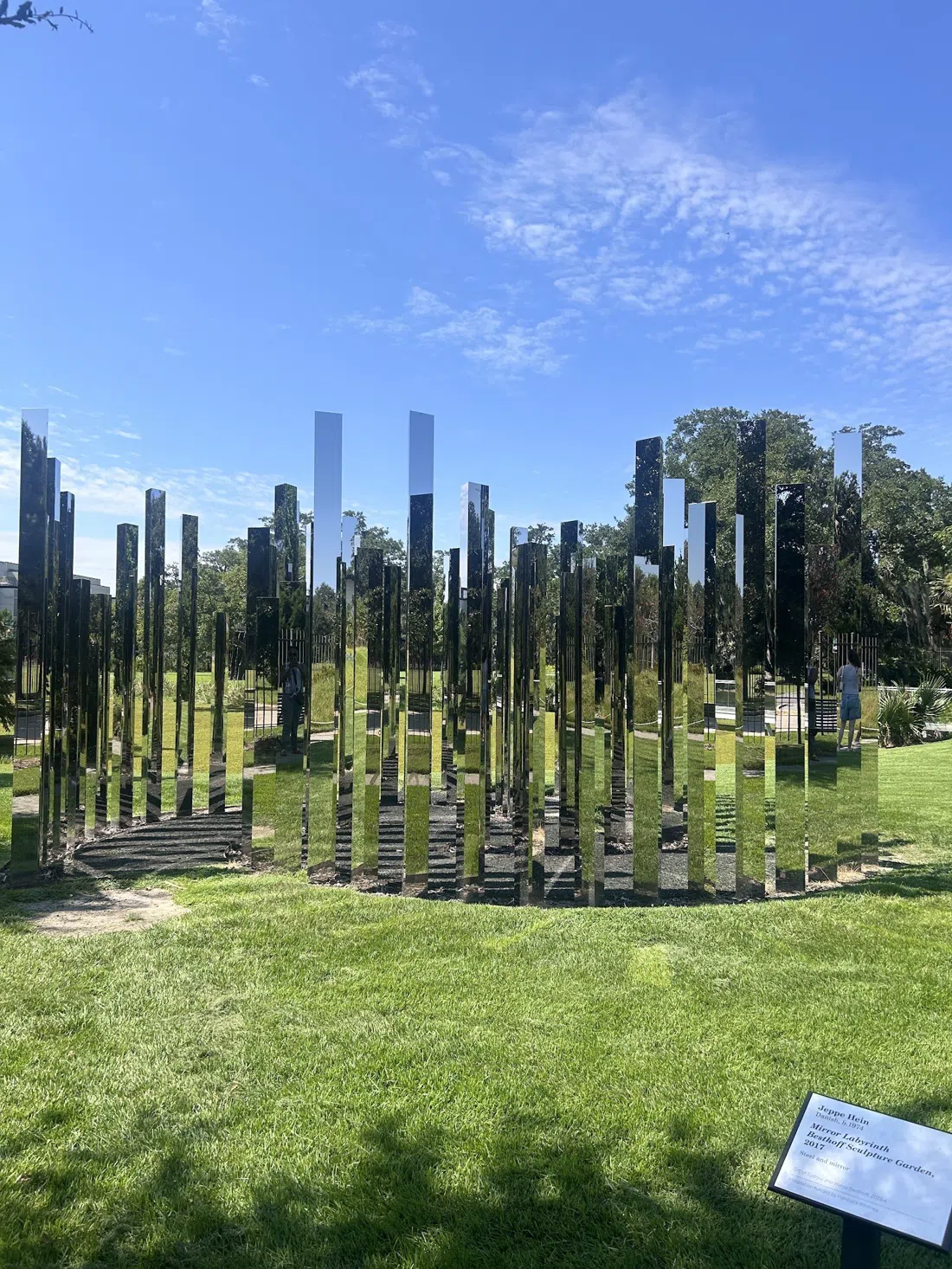
The lakefront is exposed and has nowhere to shelter. Ten minutes away in City Park, the New Orleans Museum of Art & Besthoff Sculpture Garden (City Park) is the obvious rescue: 15 USD for adults, 10 USD senior and military, 8 USD student, free under 19, and the sculpture garden costs nothing at all. Group visits and tours are available, and it opens late on Wednesdays to 7pm. One catch: it is closed Mondays, exactly when the lighthouse is too, so a wet Monday on this side of town needs a different plan entirely.
Is it worth it
Yes, with a clear condition: treat it as the anchor of a lakefront half-day, not as a standalone destination you drive out to and drive back from. Judged purely as a museum, it is one small building and a little over an hour of your time. Judged as the piece that makes a whole shoreline legible (why the breakwater is there, what the marsh does, what happened in 2005 and what has been rebuilt since), it is one of the better ten-dollar hours in the city, and the docent is the reason.
It suits families with school-age children, anyone with an engineering or environmental bent, and travellers who have done the French Quarter and want to understand the city's relationship with water rather than just its relationship with music. It suits groups if they ring ahead. It does not suit someone with two days in town and no car, and it will disappoint anyone expecting a dramatic tower. The appeal is the story and the setting, not the height.
Best time to go
Tuesday to Saturday, and mornings first. A 10 or 11am arrival gives you a quiet floor, a docent with time to talk, and a clean run into lunch at West End at 11.30am before the no-reservations rooms fill up.
Seasonally, the shoulder months are the pleasant ones. The lakefront is entirely unshaded, and in high summer the walk along the seawall is punishing by midday, with the added likelihood of a sharp afternoon thunderstorm rolling in off the lake. In summer, do the museum early and save the seawall for the last two hours of daylight, which is when the light comes off the water properly and the promenade is at its best. In the cooler months you can happily run museum, seawall, fountain and Bucktown boardwalk back to back in one afternoon.
Winds matter more here than temperature. A stiff northerly puts real spray over the seawall and makes a two-hour sail a different proposition; check the forecast before committing to water time, and keep the boardwalk and the museum as the wind-proof half of the plan.
Practical
Getting there. There is no rail line to the lakefront, so it is a car, a rideshare or a bus from downtown, roughly 15 to 20 minutes from the French Quarter without traffic. Street parking along Lakeshore Drive and around West End is free and generally plentiful; coaches park on-street at West End. If you are car-free, pair the trip with City Park so the journey earns its keep.
Money. The museum is 10 USD adult, 7.50 USD concession, free under six, and 5 USD a head for parties of ten or more. The seawall, the fountain, West End Park and the Bucktown boardwalk are all free. A realistic half-day for two, with the museum and a sit-down lunch at West End, lands around 70 to 100 USD; add a private sail and you are into a different budget entirely.
Timing. Give the museum 45 to 75 minutes, add an hour for the seawall and fountain, an hour for lunch, and another hour if you are going on to Bucktown. That is a comfortable four-hour block with no rushing.
Booking. Walk-ins are fine for individuals and families. Groups of ten or more, and anybody wanting the two to three hour education programme, must call 504-282-2134 ahead. Water trips of any kind should be booked in advance rather than chanced on the day.
Where to stay. Most visitors base themselves downtown and come out for the morning, which is the sensible arrangement. Start with the New Orleans hotel search for the Quarter, the Warehouse District or the Garden District, and read the wider New Orleans guide for how the rest of the city fits around this half-day.
22 September 2026 · a first week before the flat: the New Orleans hotel directory