New York · Where to work · 9 min
Cast iron, free art and dinner in New York's SoHo
The Greene Street facades, the free art rooms, the tables that need booking and the counters that don't, with hours and prices for 2026.
In 1857 Otis installed the world's first passenger safety elevator in the Haughwout Building at 488 Broadway. The historic district around it was designated in 1973 and covers 26 blocks between Canal and Houston, the densest concentration of cast-iron architecture on earth. Inside those blocks one loft has held 250 cubic yards of soil since 1977, and one bar has traded since 1847.
Greene Street and the cast-iron blocks
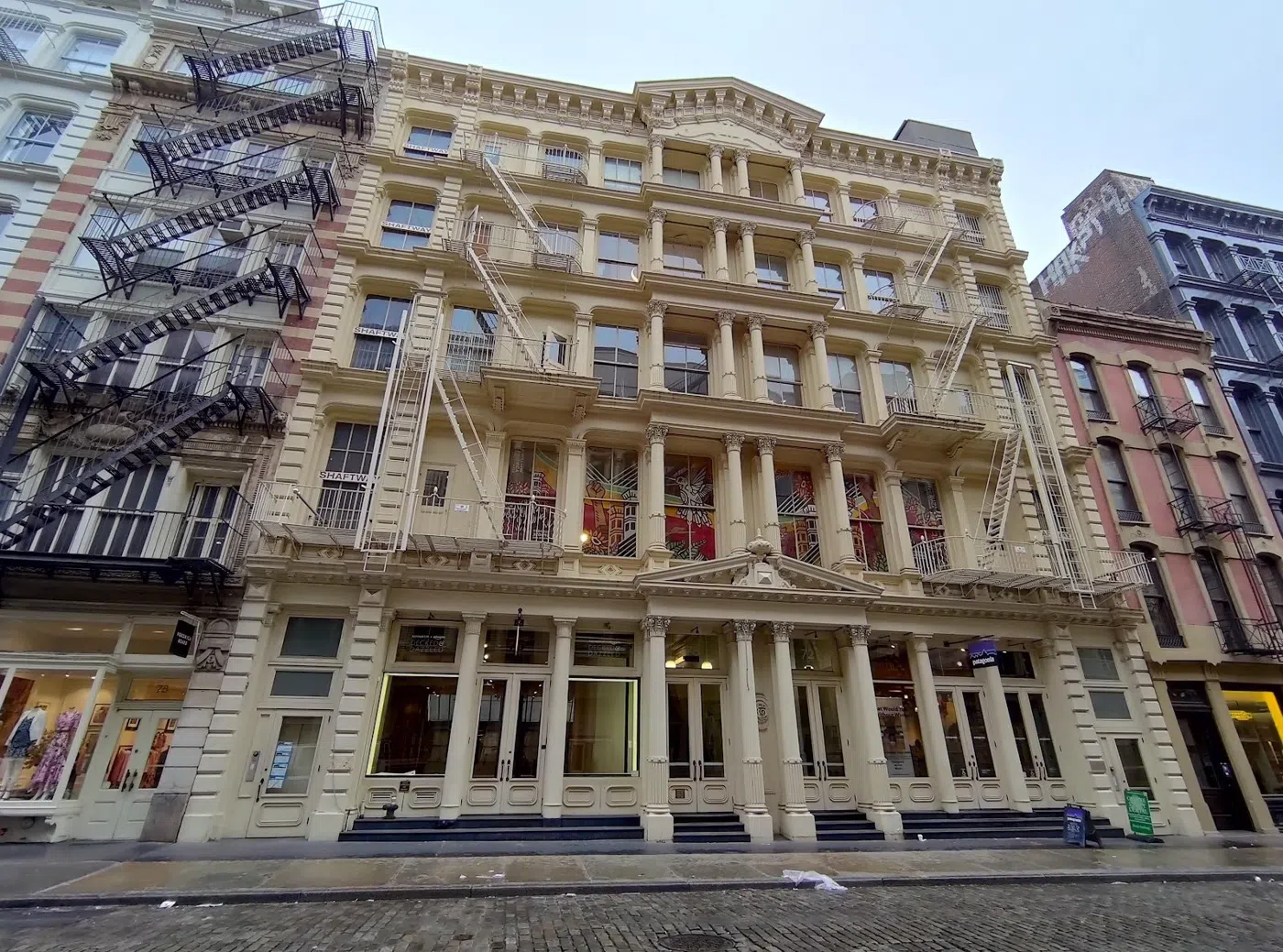
Give the first morning to the SoHo–Cast Iron Historic District (Greene Street, between Canal and Houston), which costs nothing and stays open at any hour. Block after block of 1860s and 1870s facades stands painted off-white, cream and grey, Corinthian columns carrying tall arched windows above Belgian-block cobbles. Greene Street is where the zig-zag fire escapes run, and where the two buildings worth stopping for stand: the five-bay "King of Greene Street" at 72 to 76 Greene, with its porticoed entrance, and the mansard-roofed "Queen" at 28 to 30 Greene.

From there, detour to the Haughwout Building at 488 Broadway. Keep off the loading docks on weekday mornings.
The Earth Room and The Broken Kilometer
You reach Walter De Maria, The New York Earth Room (Dia Art Foundation) by intercom, then a stairway to a plain white hallway on the second floor. The soil behind the glass partition is dark brown and 22 inches deep, filling the loft wall to wall, and the room smells of damp earth. It has been in place since 1977, photography is not allowed, and the visit takes 10 minutes.

Hours are Wednesday to Sunday, noon to 3 p.m. and 3:30 to 6 p.m. Come in twos and threes; a coach party will not fit the loft, and a large group should split and rotate. Dia's sister piece, The Broken Kilometer, keeps the same hours four blocks away at 393 West Broadway, where 500 polished brass rods lie on the floor.
Judd's building at 101 Spring Street
Judd Foundation, 101 Spring Street (101 Spring Street) is the best surviving look at how artists lived through SoHo's loft era. Donald Judd bought the 1870 cast-iron corner building in 1968, and its five floors of floor-to-ceiling industrial windows light bare scrubbed wood, his own plywood furniture and the Flavin fluorescents he installed permanently. Almost nothing is partitioned.
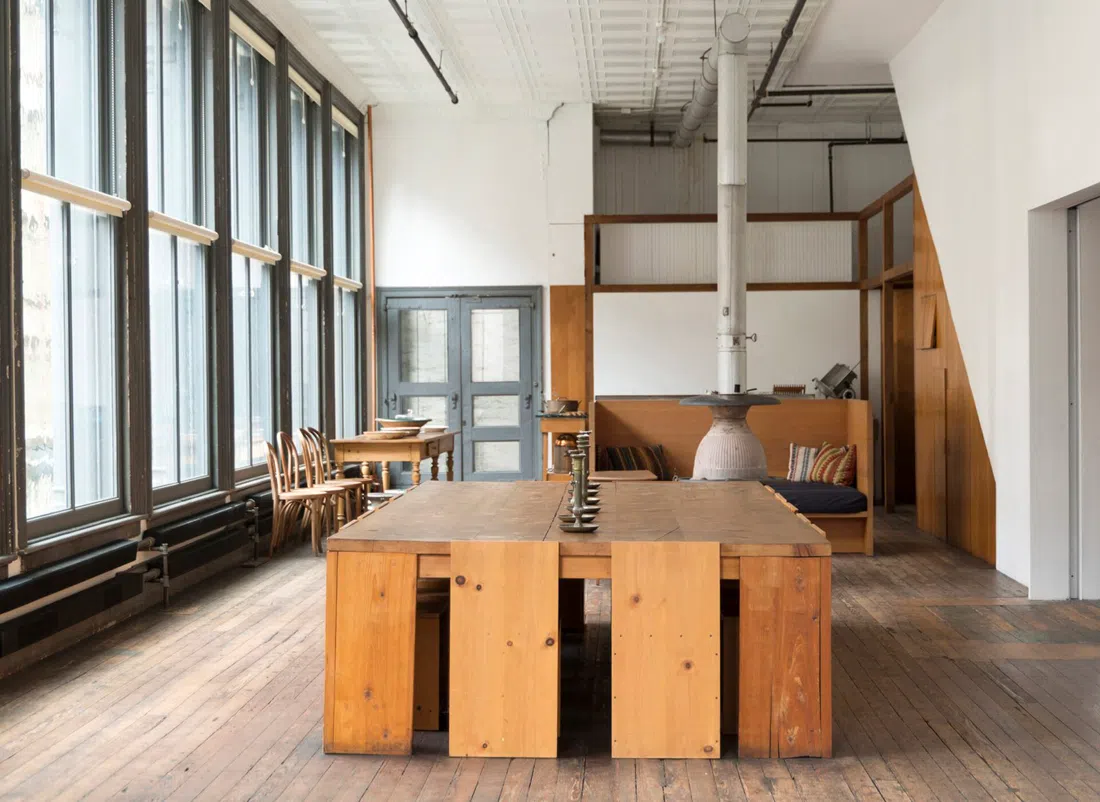
Visits are guided, last 75 minutes, and advance booking is essential. The building opens Tuesday to Saturday, closing on federal holidays and for two weeks in August. Adults pay $32.50, students and seniors $17.50. The minimum age is 12, the climb is five flights, and a lift can be requested. Private group visits are arranged through [email protected].
Wooster Street galleries
The Drawing Center (35 Wooster Street) is the only museum in the United States devoted solely to drawing, and entry has been free since the Cy Twombly Foundation stepped in. Behind a narrow cast-iron storefront, the main gallery runs tall and white under a skylight, exposed iron columns down the middle and works on paper hung low and sparsely. "Form, Shadow, Motion: Selections from the Burger Collection" runs to 24 January 2027. Open Wednesday to Sunday, noon to 6 p.m., and Thursday to 8 p.m. The bookshop is by the door.
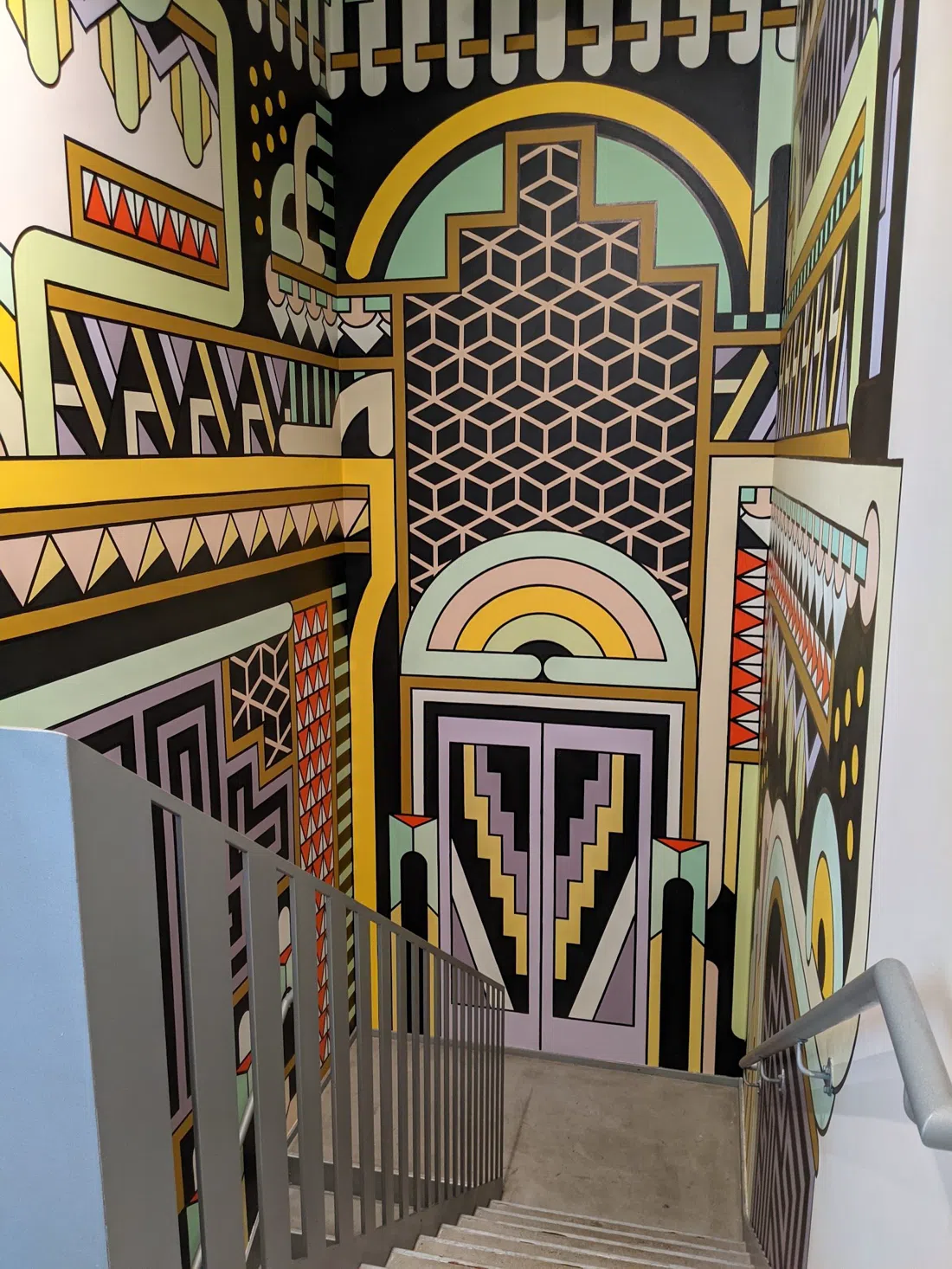
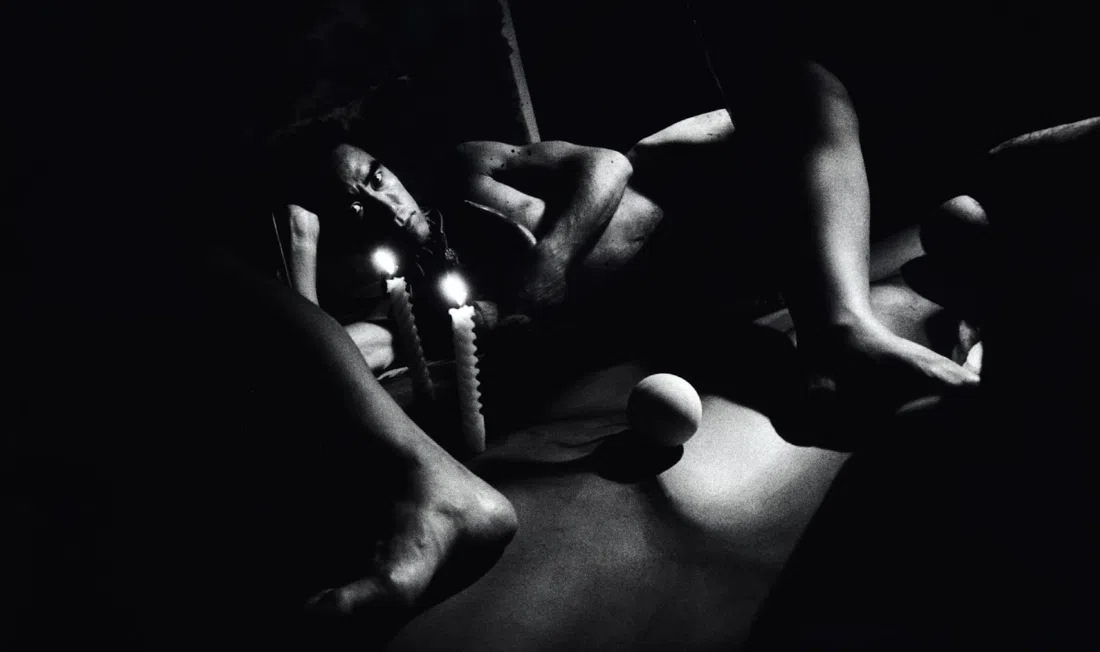
Leslie-Lohman Museum of Art (26 Wooster Street) was the first museum in the world dedicated to LGBTQ+ art, and it grew out of a loft collection started in SoHo in 1969. Its plate-glass window opens straight onto the pavement, and the white rooms inside, broken by a single iron column, hang rotating queer photography and painting salon-tight. Shu Lea Cheang's "LOVER LOVE" and Hortensia Mi Kafchin show into January 2027. Hours are Wednesday to Sunday, noon to 6 p.m., with a suggested donation of $10.
Spring Street toward the river
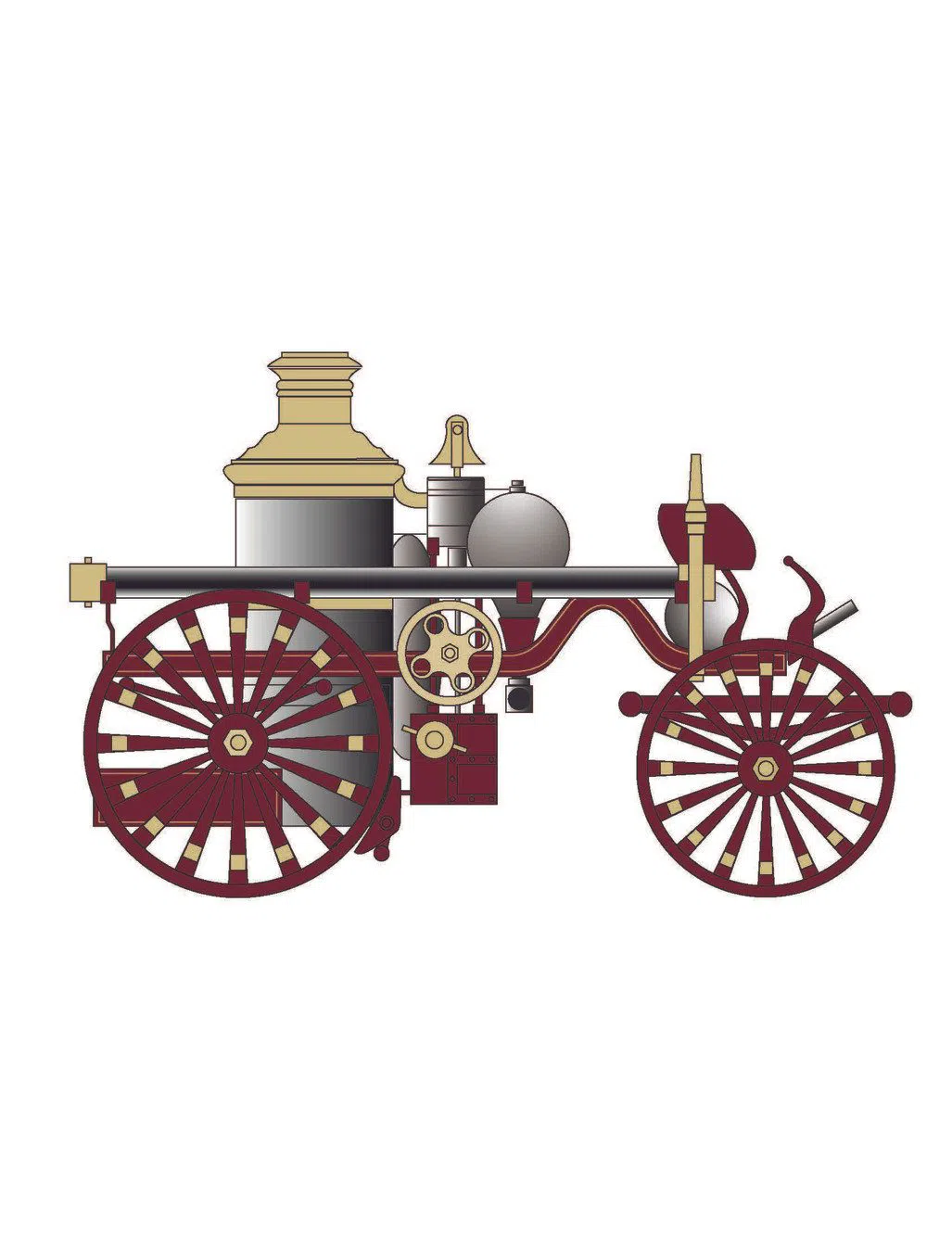
New York City Fire Museum (278 Spring Street) occupies a 1904 Beaux-Arts firehouse with its original apparatus doors, one block west of SoHo proper in Hudson Square. Two floors hold hand-pumpers and horse-drawn steam engines in polished brass and gold-leaf red, with helmets and leather buckets on the walls and a quiet 9/11 memorial room. This is the hour to spend when it rains. The official FDNY museum opens Wednesday to Sunday, 10 a.m. to 5 p.m. Adults pay $15 and concessions $10; entry for ages 3 to 17 is $6. Check the homepage before you go, because it posts occasional one-day closures for private events.
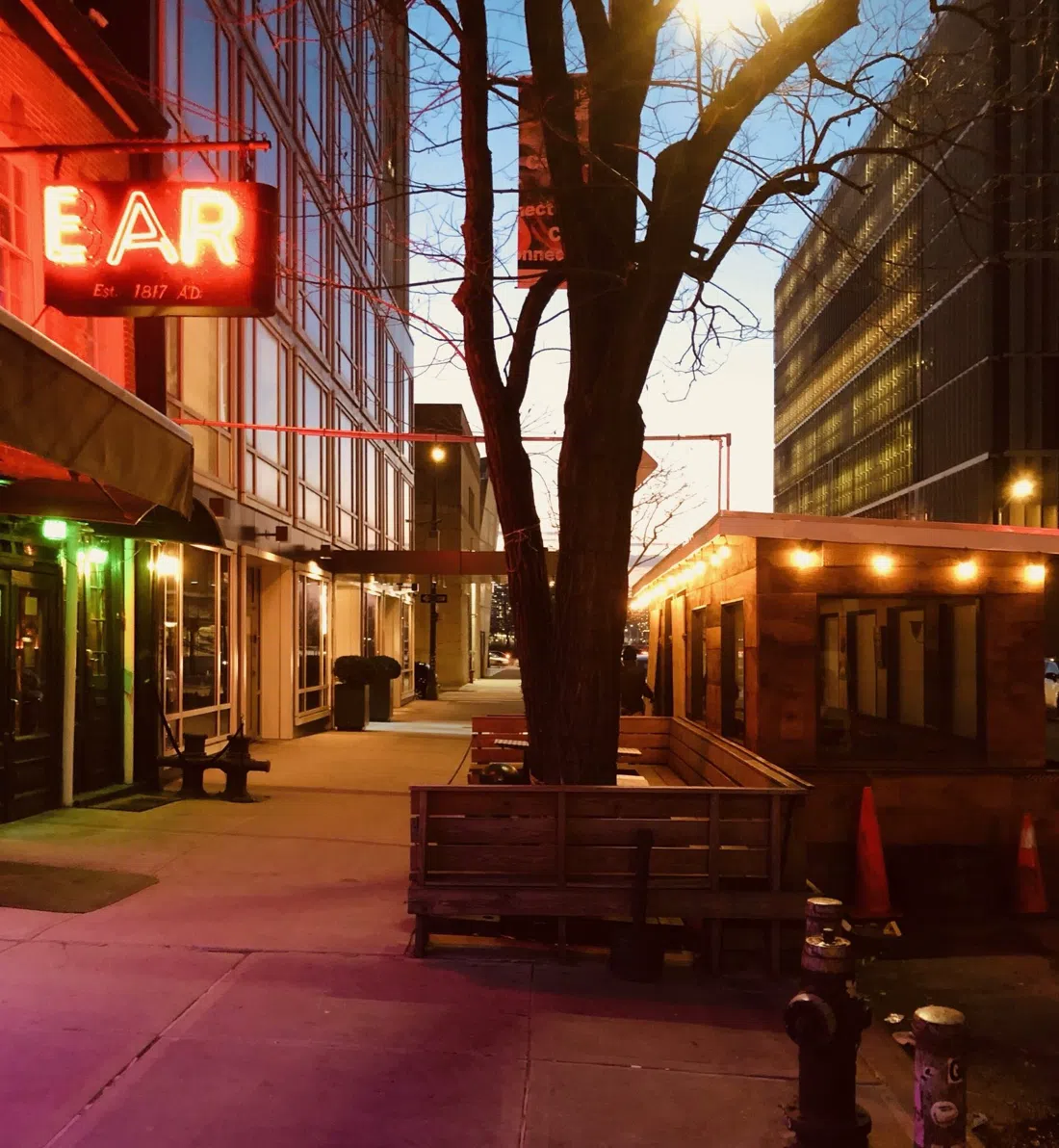
The Ear Inn (326 Spring Street) is a squat two-storey Federal brick house of 1817, dwarfed by the modern blocks around it, and one of the oldest continuously operating bars in New York. The red neon reads "EAR", the B of BAR painted out, and the landmarked building is the James Brown House. Under a low beamed ceiling sit nautical bric-a-brac and a battered wooden bar; mains run $18 to $26. Jazz and odd poetry nights fill the back room. Book ahead, or come on a quiet afternoon.
Sullivan Street and the old Italian South Village
Church of St. Anthony of Padua (Sullivan Street at West Houston) is SoHo's own parish church and the surviving anchor of the Italian South Village. The Romanesque brick and stone went up in 1888, with a tall square campanile over the junction and a deep barrel-vaulted nave inside, lined with the devotional shrines of Italian immigrants and a statue of St Anthony holding the Christ child. Entry is free outside services. Mass is at 5 p.m. on Saturday, and at 9 and 11 a.m. on Sunday.

The June Feast of St. Anthony street fair is the one weekend of the year the neighbourhood stops being about shopping. St. Patrick's Old Cathedral is a 10-minute walk east, in Nolita.
The Hudson River esplanade
SoHo's western edge runs out at the water, and Hudson River Park (Hudson Square to Pier 40) is where locals walk, run and watch the sun go down. The paved esplanade is wide, with a continuous bike lane and lawns and plane trees set between the river and West Street. Pier 40 at Houston Street carries a huge square courtyard field, sailboats are moored off it, and the New Jersey skyline sits across the water. The park is free and open from dawn until 1 a.m. The lawns and sports fields need their own permits. Turn north at Pier 40 and Little Island is 15 minutes on.

Dinner on Spring and Prince streets
Balthazar (80 Spring Street) is still the room people mean by dinner in SoHo. Keith McNally opened it in 1997, and it remains a vast Parisian brasserie of red leather banquettes and antiqued smoke-stained mirrors. Globe lamps hang over the mosaic tile floor, and the zinc-topped raw bar is piled with ice and oysters. Order the onion soup gratinée, the steak frites or the shellfish tower. Mains run $30 to $60, with seafood platters more.
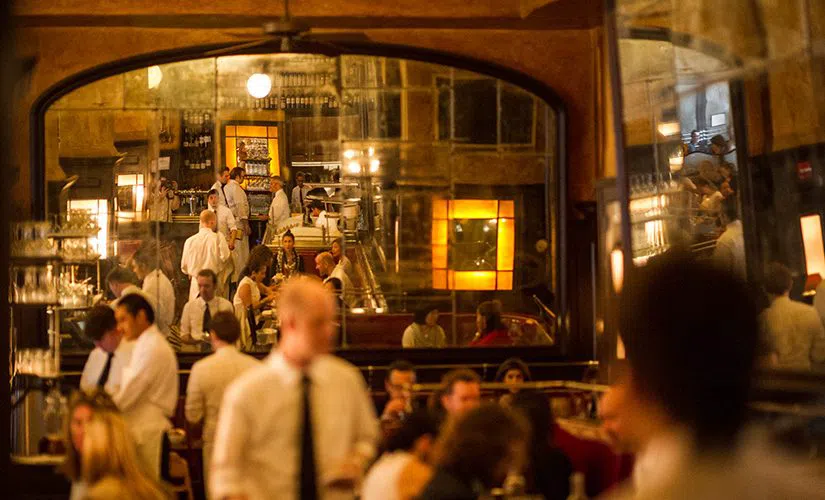
The kitchen serves from 8 a.m. to midnight with no break, the big round tables take a party comfortably, and private events go upstairs. Book ahead, or take the easier weekday lunch. The bread counter is next door.
Raoul's (180 Prince Street) has been open since 1975 and is the last bohemian dining room in SoHo. The bistro is narrow and dark, deep red walls hung frame to frame with pictures under a pressed-tin ceiling, and the walk-in front bar is cramped, with 12 stools. A skylit garden room sits past the open kitchen. Steak au poivre is the signature and mains run $40 to $70. A tarot reader works some nights.
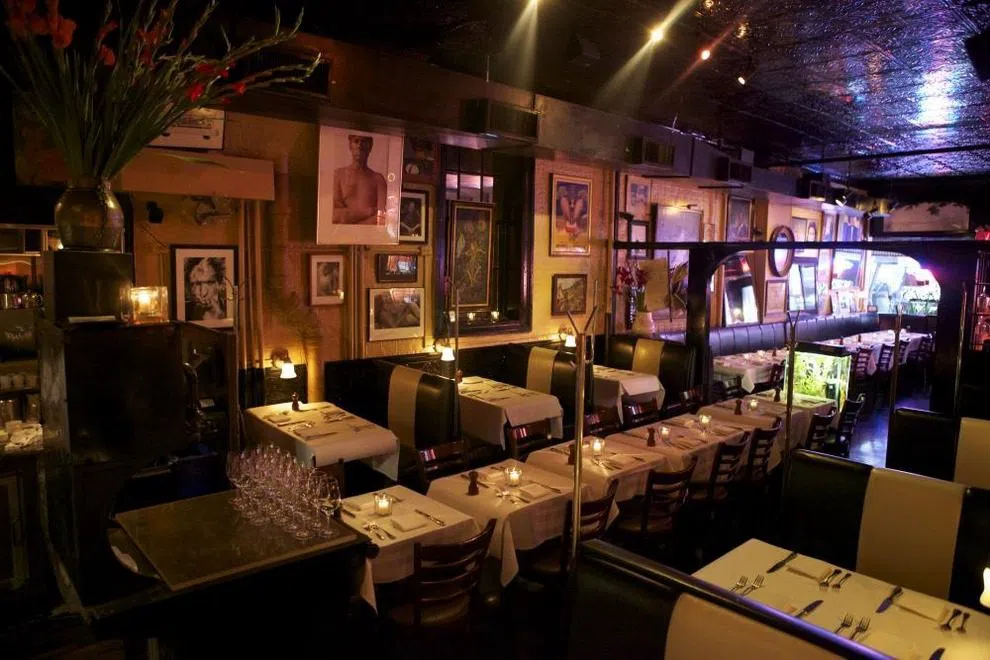
Four to six people fit here with a booking, and the off-menu burger is bar-only and capped at 12 a night, so a group will not all get one. An expansion next door through 2026 should ease the squeeze.
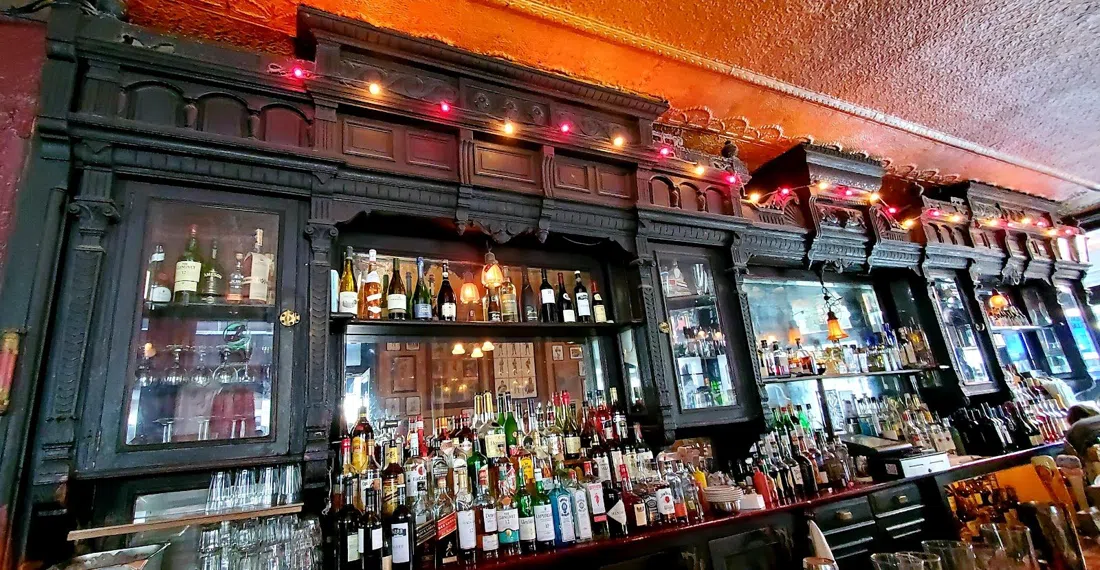
Fanelli Café (94 Prince Street) has traded as a bar since 1847 and is the oldest surviving one in SoHo. Gold-leaf lettering sits on the window of the 1853 corner building. Inside are a dark carved wooden bar, a pressed-tin ceiling, hexagonal white floor tiles and walls crowded with framed sepia boxing portraits. Order the burger and a beer; pub plates run $18 to $28. Reservations are not taken, so walk in, and expect the famously unbothered service.
Counters with no seats
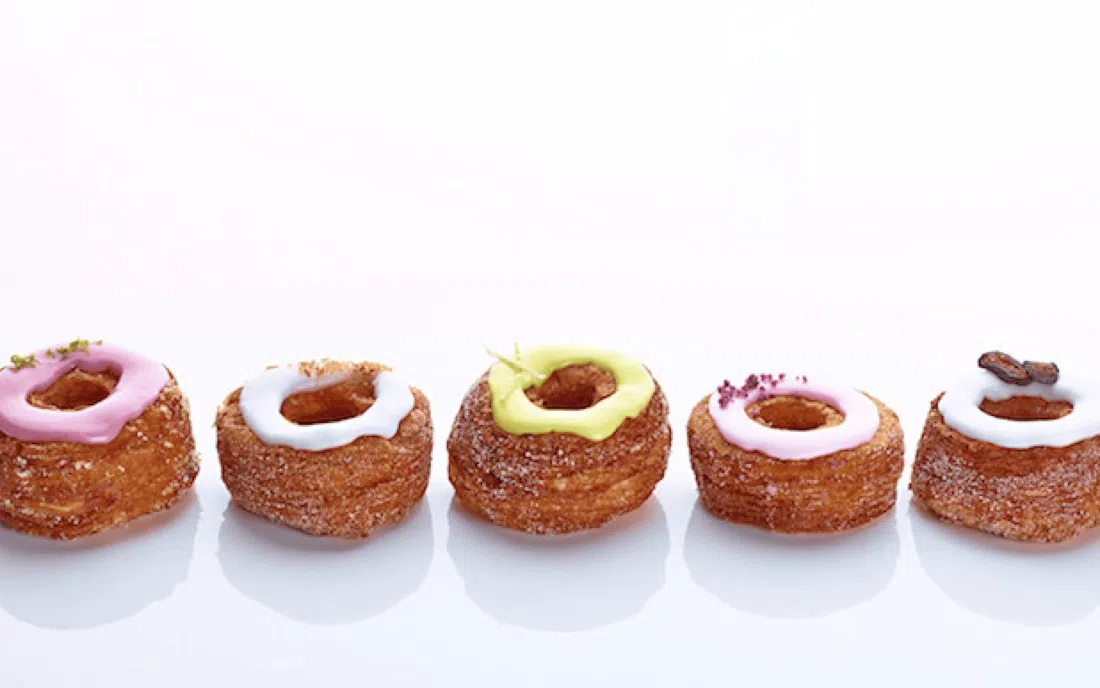
The Cronut was invented at Dominique Ansel Bakery (189 Spring Street) in 2013, and the flavour changes every month. The marble-topped glass case stacks the laminated pastries in rows under their dusting of sugar, with a queue on the pavement outside and a skylit back garden courtyard holding a few tables. Get the DKA and the Cookie Shot as well. The bakery opens daily, 8 a.m. to 7 p.m., and pastries run $7 to $10. Cronuts are rationed per person and sell out by late morning. Arrive before 9 a.m. at weekends.
Prince Street Pizza (27 Prince Street) sells the most photographed slice in New York, and the Spicy Spring earns it: a pepperoni square cut from a Sicilian tray, its cupped discs curled into little wells of grease on bright fra diavolo sauce. The walk-up is narrow and red-walled, with nowhere to sit. Slices are $5 to $7, the counter runs until the small hours, and this is the cheapest serious eating in SoHo. Take yours to Petrosino Square.

Where to stay in SoHo
Soho Grand Hotel (310 West Broadway) arrived with SoHo's second life and is the most practical upscale base inside the district. A suspended glass-and-iron staircase climbs into the double-height Grand Bar & Salon, where club chairs face a long bar and a DJ plays vinyl from Wednesday to Saturday. Rooms run $350 to $600 a night, more at peak. Bike hire is free, block bookings are taken, and the subway is two blocks away. Gilligan's garden bar is seasonal and stays shut until spring 2027.
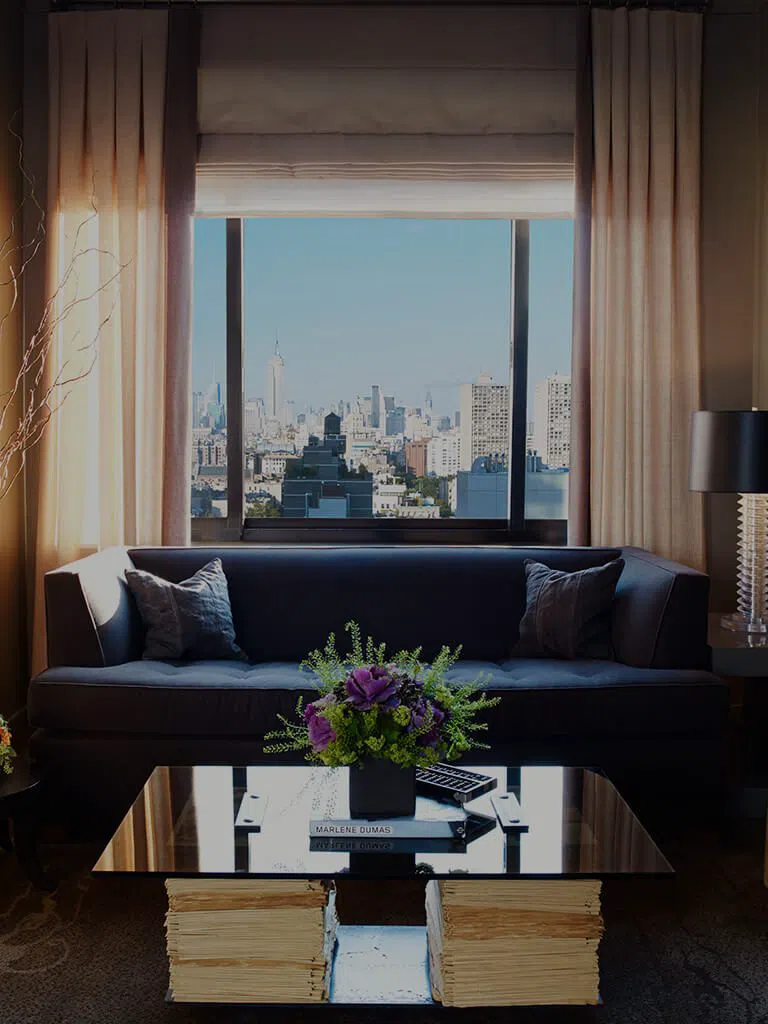
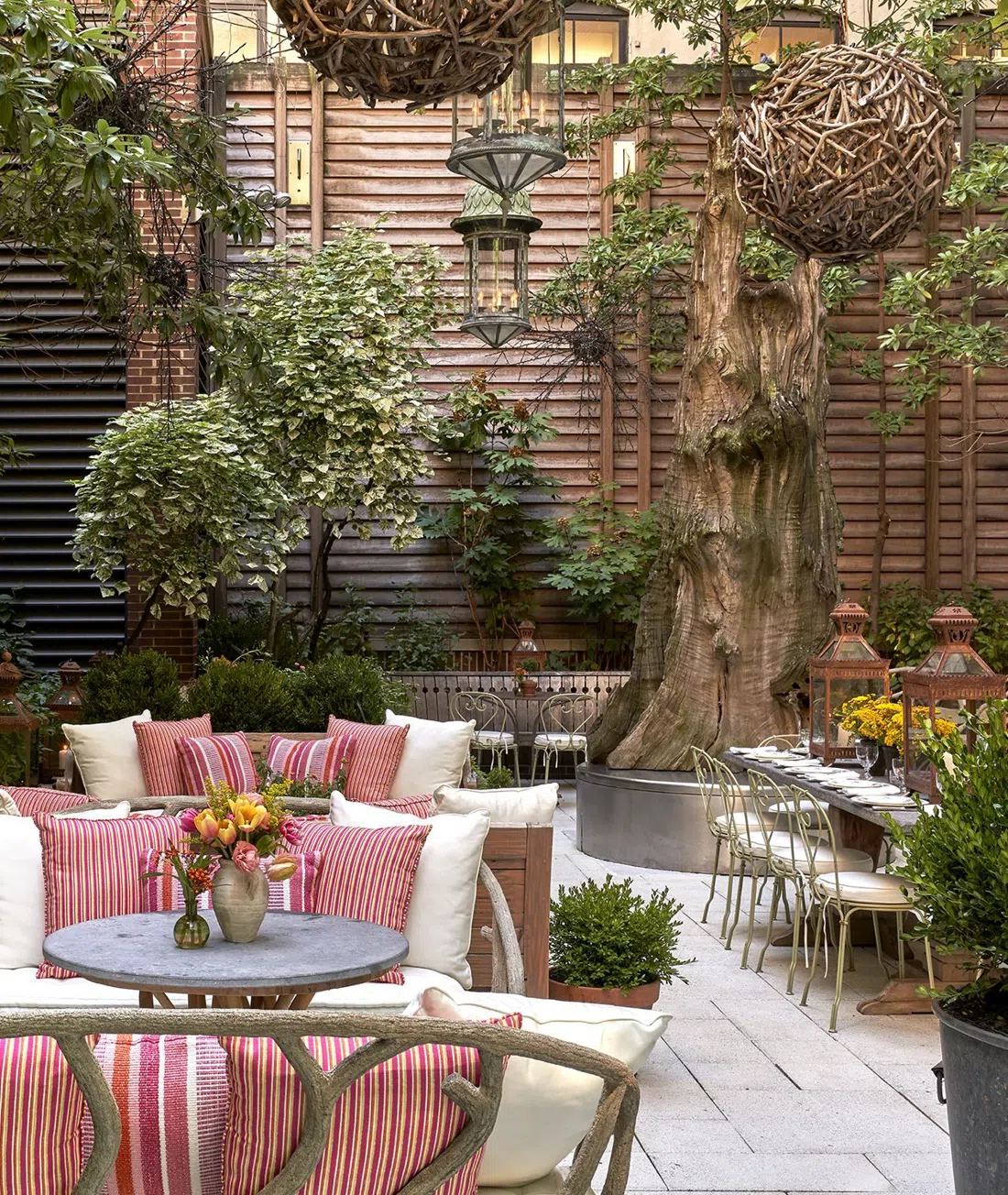
Crosby Street Hotel (Crosby Street) is Firmdale's New York flagship, on a cobbled back street that still feels like old SoHo, and it holds Three Michelin Keys for 2024 to 2026. Kit Kemp's interiors run to bold mismatched florals and stripes across 11 storeys of warehouse-style building, with a double-height drawing room, a private garden terrace dotted with sculpture and a 99-seat screening room. Rooms start above $900 a night. The screening room and drawing room are hired out for private events. Afternoon tea runs daily from noon to 5 p.m. at $85 a person, and it is worth doing even if you sleep elsewhere.
Planning notes
The art here keeps a Wednesday to Sunday week, and 101 Spring Street runs Tuesday to Saturday, closed on federal holidays and for two weeks in August. Book the Judd visit and a table at Balthazar or Raoul's before you arrive; Fanelli Café and Prince Street Pizza take no bookings at all.
See the New York guide and the New York hotel search.
5 November 2026 · a first week before the flat: the New York hotel directory