Perth · The weekend · 13 min
What Perth's Elizabeth Quay Is Worth in September
A walk around Perth's waterfront inlet in spring: what's free, what's worth a ticket, which rooftop takes walk-ins, and what to skip.
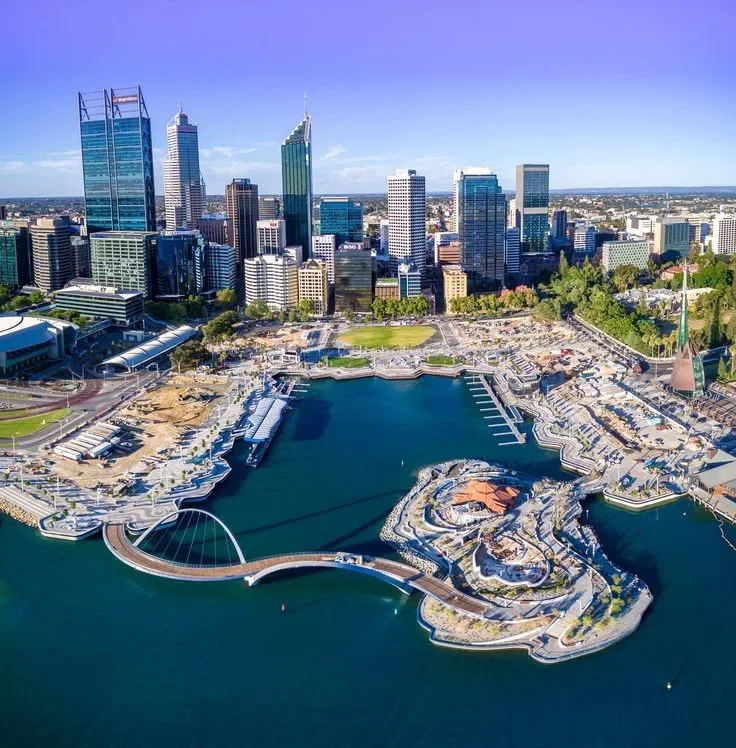
The wind comes off the Swan River before the view does, and in September it still carries winter in it: a jacket in the morning, shirtsleeves by two. The inlet is a horseshoe of water cut into the bottom of the city grid, with a white footbridge most people cross twice, once to walk it and once to photograph it. Before you plan a day here, know that almost everything genuinely worth doing on this waterfront costs nothing, and the things that do cost money sit around the edges rather than in the middle.
What you are actually looking at
Elizabeth Quay (Perth CBD, where the city grid runs out and the river begins) is a man-made inlet finished in the mid-2010s and still filling in around its own edges. It is open public space: no gate, no ticket, no door policy, no closing time, and no limit on how many of you turn up together. A slow lap of the water, footbridge included, takes about twenty to twenty-five minutes. Add a coffee and the obligatory bridge photo and you are at forty-five minutes. Stretch it with a tour, a ferry crossing and a drink and the Quay absorbs half a day comfortably; it will not fill a whole one on its own, and you should not try to make it.
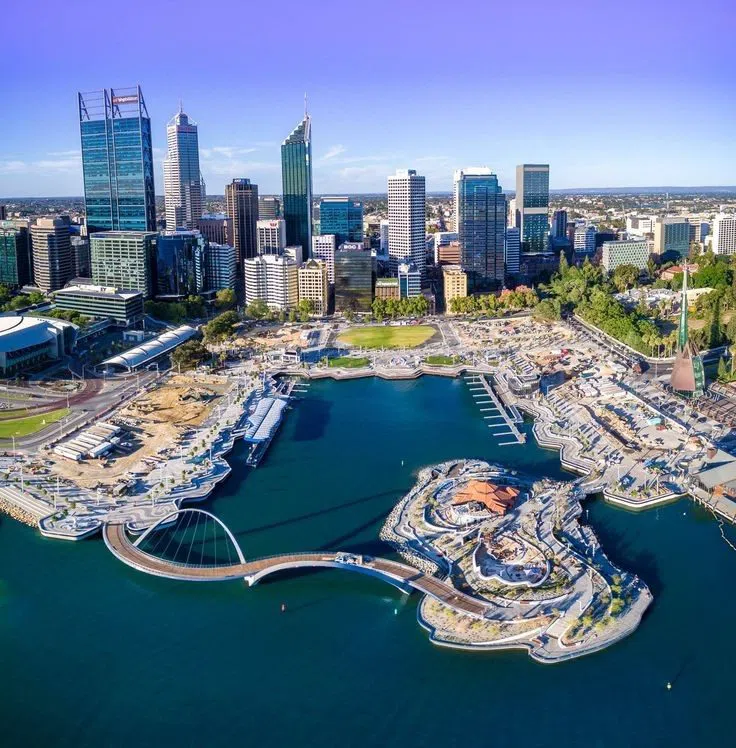
You will actually stop at three things: the Spanda sculpture, the tall white arcs at the water's edge that everyone frames the skyline through; the BHP Water Park with its Pinjah mosaic floor; and the maritime-themed Island Playground. All three are free and open around the clock. Two practical warnings: internal roads on the Quay are closed from time to time for events, and the EQ West tower is still going up, so the western edge is a building site rather than a promenade. Neither ruins a visit, but it explains why the place can look half-finished in photographs taken from the wrong angle.
The free half is the better half
The water park, the mosaic floor, the playground, the bridge and the foreshore lawns are the reason to come, and they cost nothing at the door. In September the water park is quieter than it will be in December because the water is still cold. Small children will run through it anyway, and the mosaic floor is worth two minutes of your attention whether or not anyone in your group is going to get wet.
At night the bridge and the inlet light up and the crowd thins to couples and joggers. If you are staying in the CBD it is a ten-minute after-dinner walk, and it is the version of the Quay that photographs best. There is no queue for any of it, ever.
The two things on the Quay you can pay for
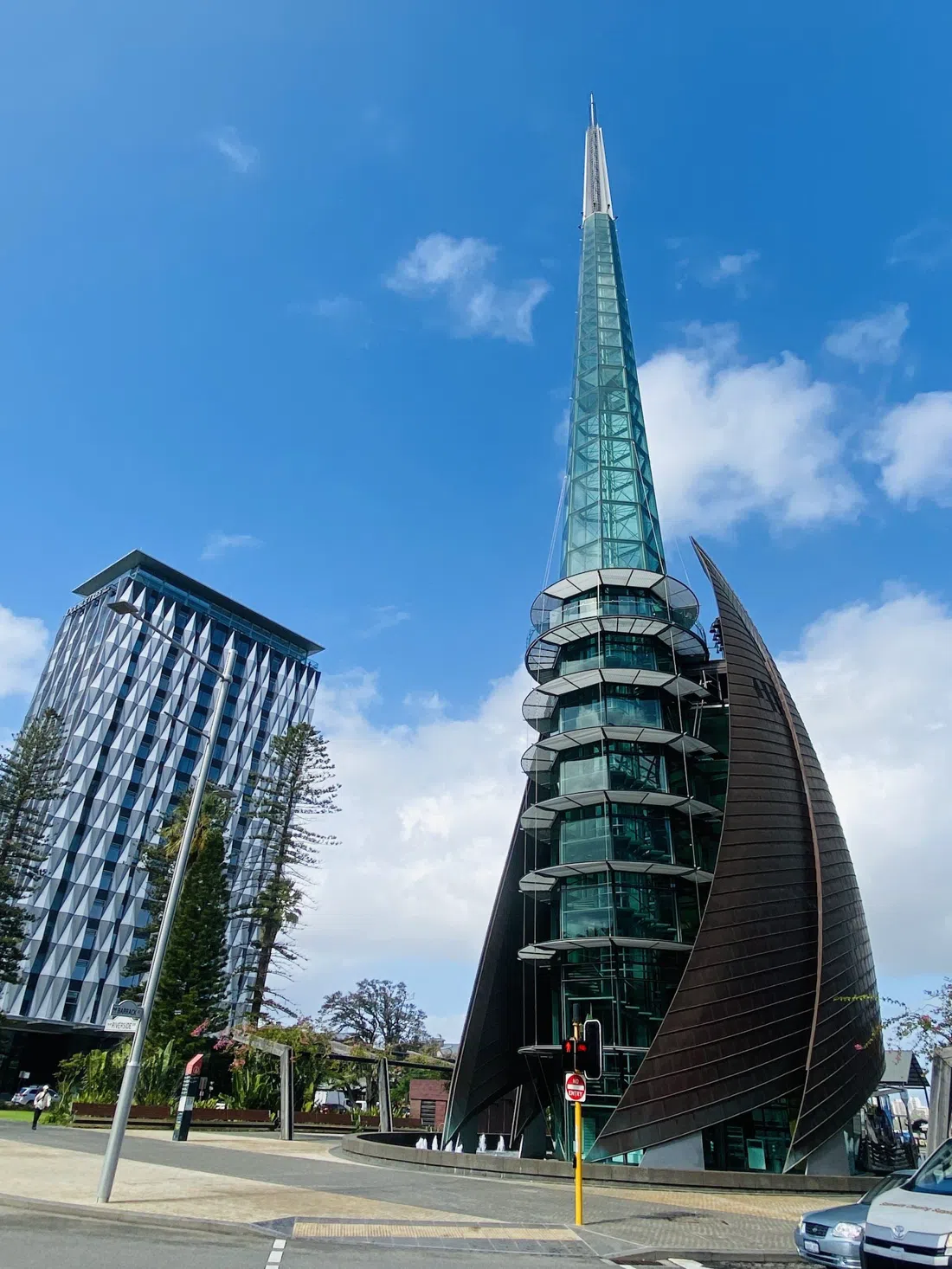
The Bell Tower (Swan Bells) (Elizabeth Quay, on the eastern point) is the only paid landmark standing on the waterfront itself. Adult entry is around A$22, seniors A$20, children five to twelve A$14. The reason to go up is not the observation deck, since the view from the ferry costs two dollars and is arguably better. You go up to ring the bells yourself in the chiming chamber. That is a genuinely unusual fifteen minutes and it is what justifies the ticket. Two cautions: it can close early for private hire, so check the events calendar on the day, and groups and school parties should call ahead, since dedicated group and excursion options exist but the chamber is small.
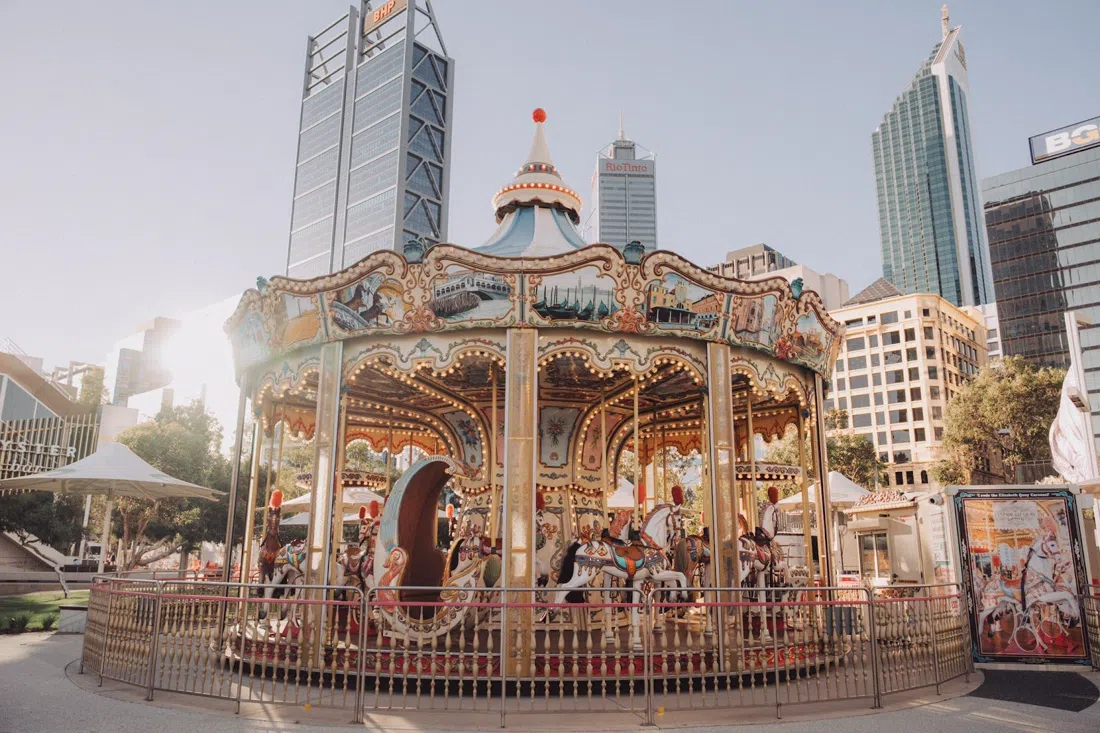
The Elizabeth Quay Carousel (Elizabeth Quay, beside the inlet) is Italian-made, wheelchair accessible, holds forty-three riders per turn and costs a few dollars a ride. The catch is the hours: Friday from 3pm, weekends 10am to 8pm, extended during Western Australian school holidays. If you arrive on a Tuesday morning in September you will find it dark, and no amount of waiting will change that. A family group or a coach party clears the whole thing in one or two rotations, so there is rarely a meaningful queue when it is running.
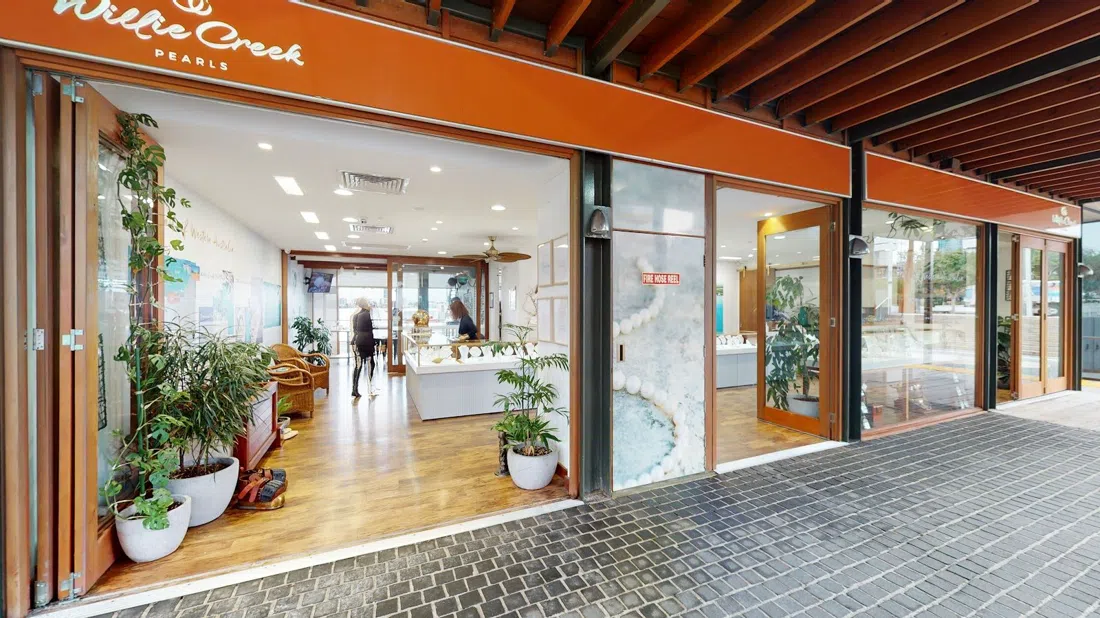
Willie Creek Pearls Elizabeth Quay (Elizabeth Quay, ground level) is free to walk into, open seven days, and is the only place in the city centre where you can watch a Kimberley South Sea pearl lifted out of its oyster. The live harvest is a scheduled sit-down session rather than a rolling demonstration, so book it if you are a group; drop in if you are two. Pearls run from mid-range to four figures and nobody pressures you. As a fifteen-minute filler between a ferry crossing and a cruise departure it is better than standing on a jetty.
The ninety minutes that explain the ground
Go Cultural Aboriginal Tours (departing Elizabeth Quay) runs the Goomup walking tour, and Goomup is the Noongar name for the ground the Quay was built over, a wetland before any of this. The walk is about ninety minutes, family-run by Walter McGuire OAM and his family, bookable as a private or group departure, and the subsidised Elizabeth Quay departures start from around A$15 per person. Standard tours cost more.
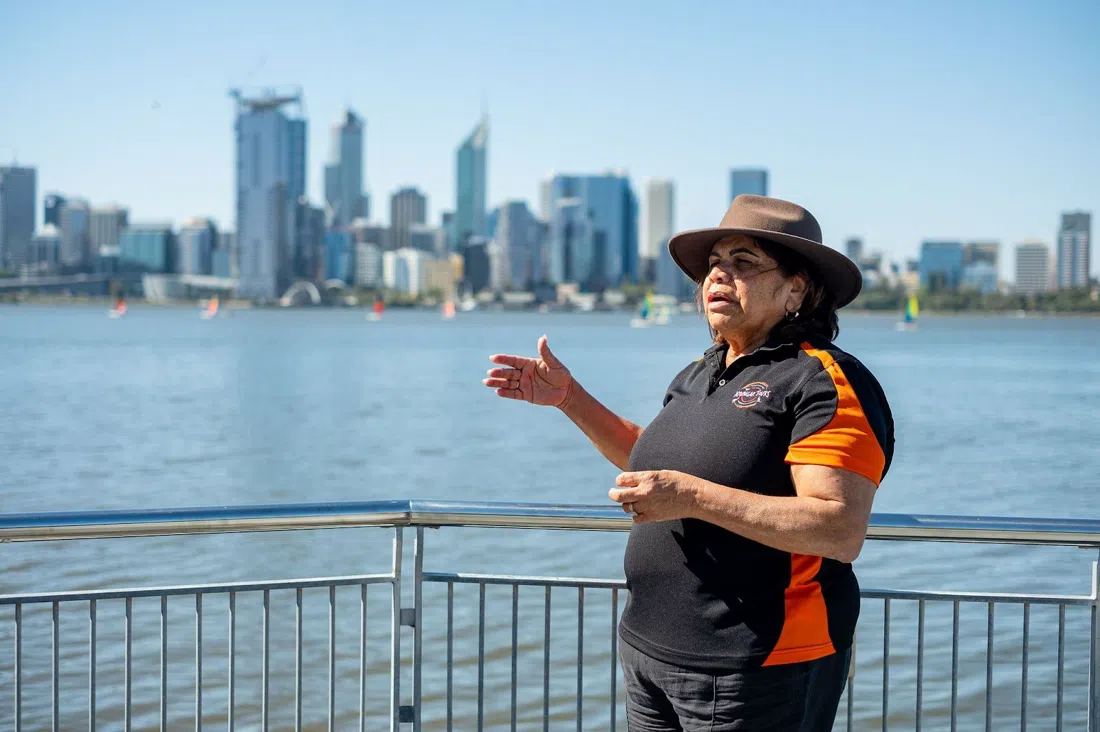
For an international visitor this is the highest-value thing bookable on this waterfront and the cheapest guided option here by a wide margin. It is also the only on-site telling of what was here before the inlet was dug, which is the context that turns a pleasant modern promenade into somewhere you understand. If you book one thing at Elizabeth Quay, book this one, and book it direct.
Getting on the water
The Transperth Ferry (Elizabeth Quay Jetty to Mends Street Jetty, South Perth) is the best-value thing on the river and one of the best in the city. It is eight to ten minutes each way, runs every fifteen to thirty minutes, costs roughly A$1.70 to A$2.30 one way depending on whether you tap a SmartRider or pay cash, takes no booking at all, and carries wheelchairs and bikes. It lands you on the South Perth foreshore, which is where the postcard skyline shot is taken from, the one with the towers stacked behind the water. If your budget is tight, this replaces a sightseeing cruise outright. Any size of group can board across consecutive sailings.
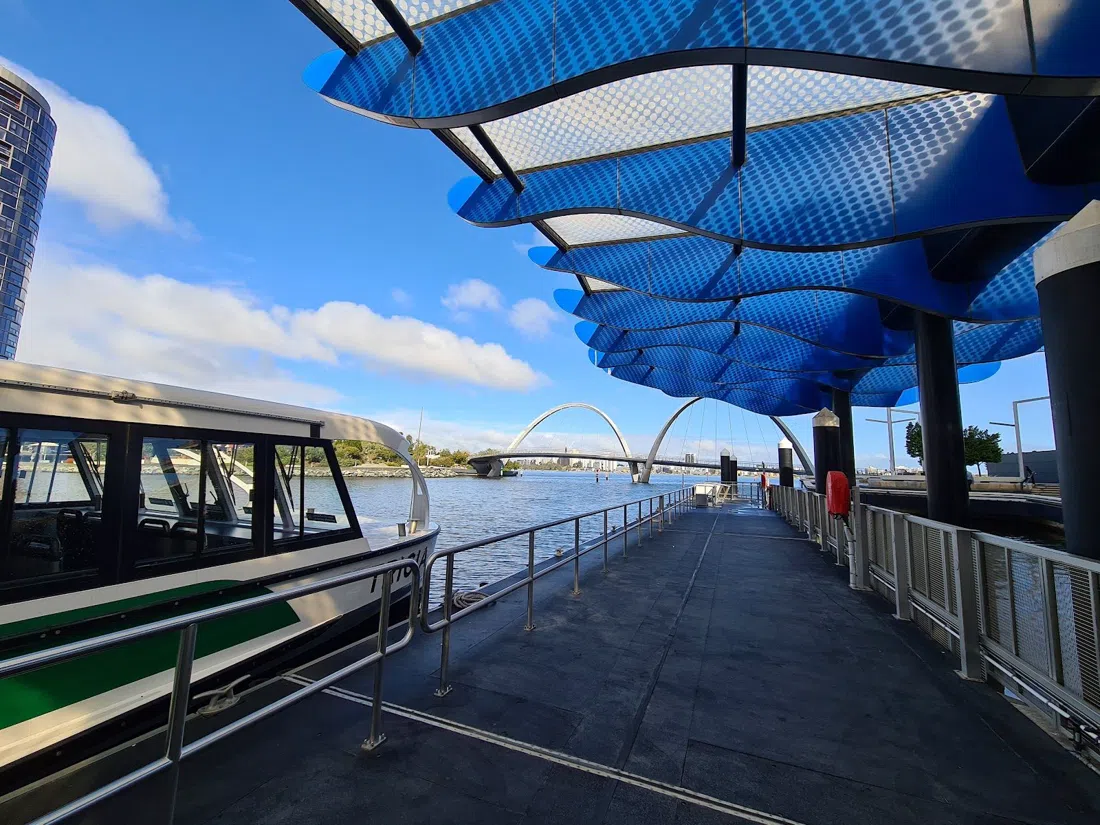
Captain Cook Cruises WA (Elizabeth Quay jetty) has operated from this jetty since 1980 and runs seven vessels. A scenic river cruise is roughly A$45 to A$50; the full-day Swan Valley wine cruise, which is the only same-day city-to-vineyards-and-back run on the river, is A$150 and up. Private charters are quoted from 50 to 350 passengers. The short scenic loop is the honest middle option if a full day on the water is more than you want, though its view overlaps heavily with the two-dollar ferry.
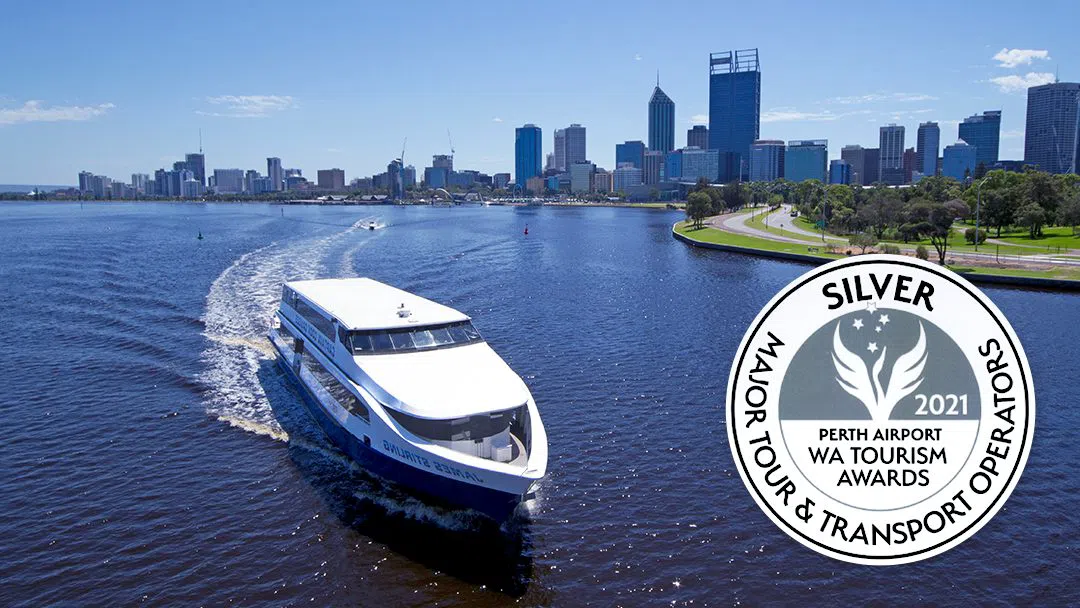
Rottnest Express (Elizabeth Quay, terminal open daily 7:30am to 4:15pm) runs the island service from here. Expect roughly A$120 to A$140 return from the city including the island admission fee. The departure from this jetty is a slow ninety-minute run down the river and out to sea rather than the quick hop from further downstream. It is worth the extra time for the river scenery going out, and less charming coming back tired. For your September window the service is running normally, but note for later planning that the premium Barrack Street service pauses from 27 November 2026 to 31 January 2027 and does not operate on Wednesdays. Book the outbound sailing in advance; large groups are handled routinely but not spontaneously.
The sightseeing bus, and when to skip it
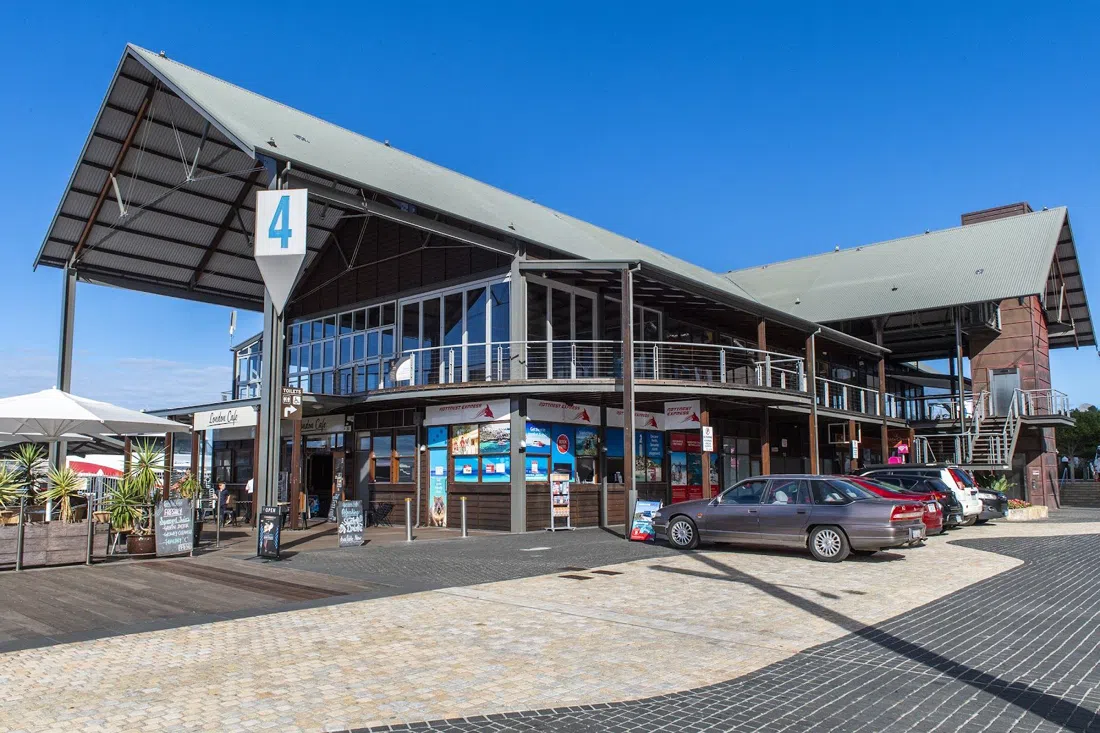
Perth Explorer (boarding at Elizabeth Quay, one of twelve stops) sells 24- and 48-hour passes for roughly A$45 to A$60. A full circuit takes about two hours, buses run roughly hourly from 9:15am to 3:15pm, and the recorded commentary is available in eleven languages.
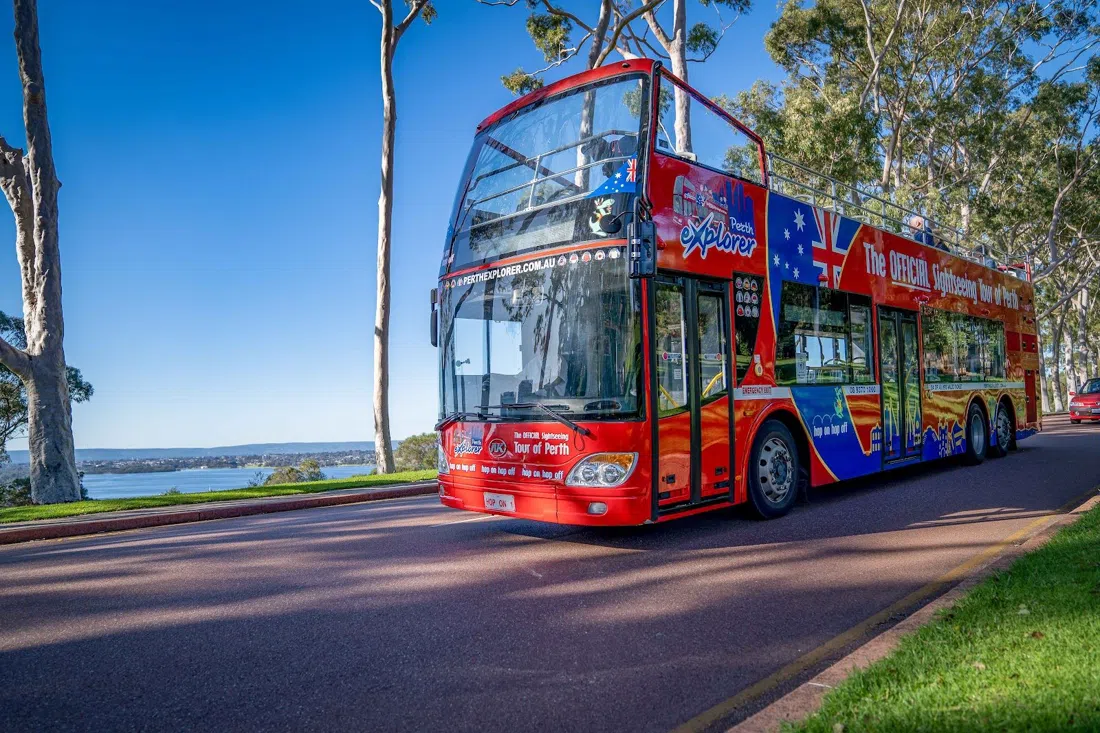
The Quay is a stop partway around the loop, not the start of the city, so you are not getting a tour that begins where you are standing. Free CAT buses cover much of the central grid for nothing. The pass earns its keep on the Kings Park leg, since that climb is a genuine nuisance on foot, and on the commentary if English is not your first language. If you are staying in the CBD, are mobile, and have a day rather than four hours, you will get more out of the ferry plus a walk.
Rooftop bars and the view without a reservation
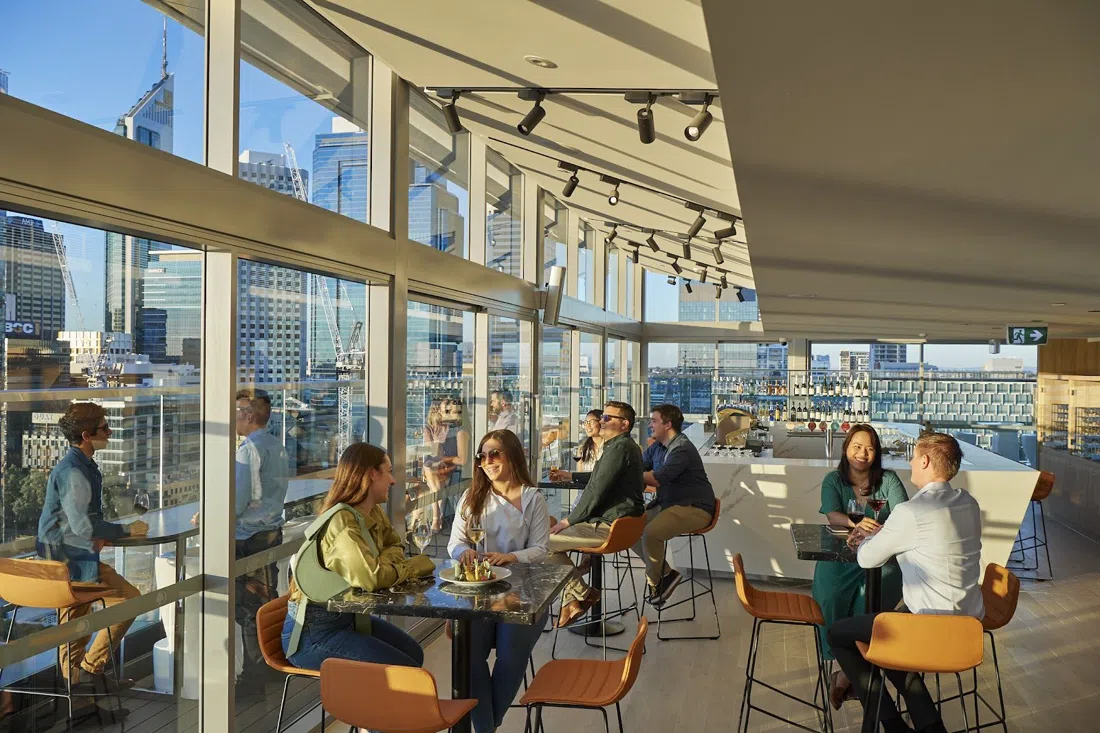
18 Knots Rooftop Bar (Perth CBD, directly above the Quay) has the highest and most open outlook over the inlet, is open daily to the public rather than hotel guests only, and actively encourages walk-ins. Noon to 11pm, midnight Friday and Saturday, kitchen closes at 9:30pm. Cocktails run about A$24 to A$28 and share plates A$25 to A$40. If someone in your group wants the elevated view but not a reservation or a dress-code argument, this is the answer.
The Reveley (Elizabeth Quay, on the promenade) is three venues in one building and the safest pick when September weather refuses to commit, because the rooftop has a retractable roof. A café coffee starts around A$10, rooftop cocktails A$22 to A$26, and dining-room mains A$40 and up. All three levels take bookings and function hire, and Henry's Rooftop is the floor groups are put on, with live music sessions. It is the only venue here that covers a coffee and a proper dinner under the same roof.
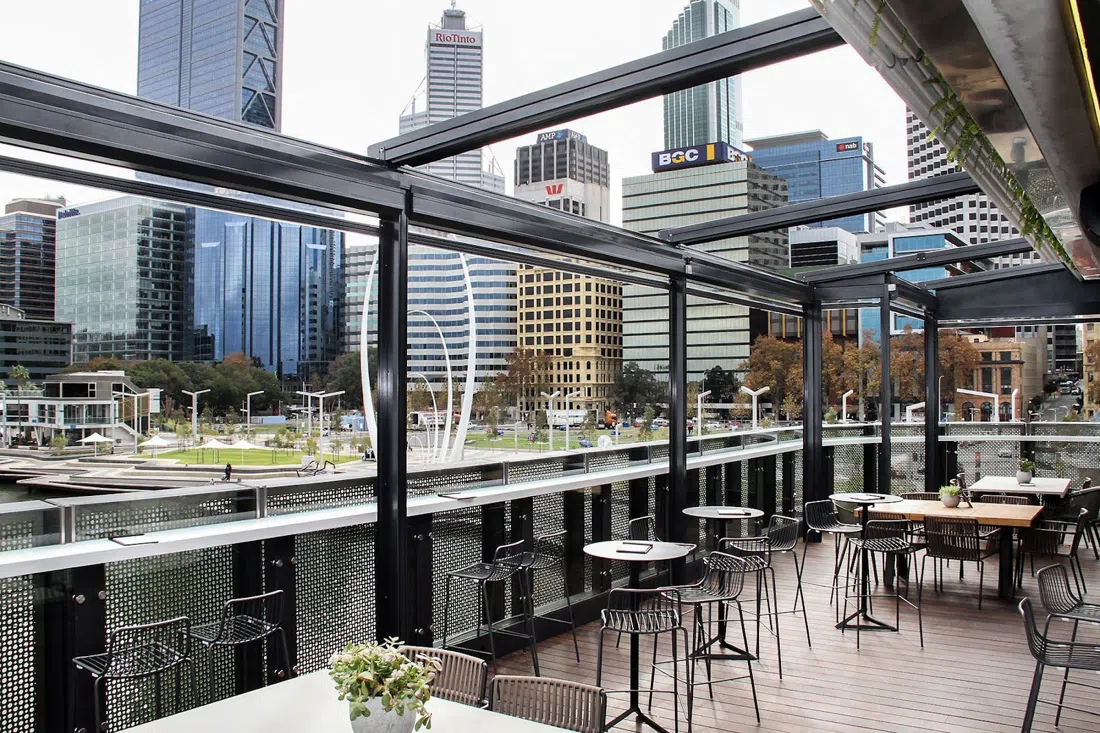
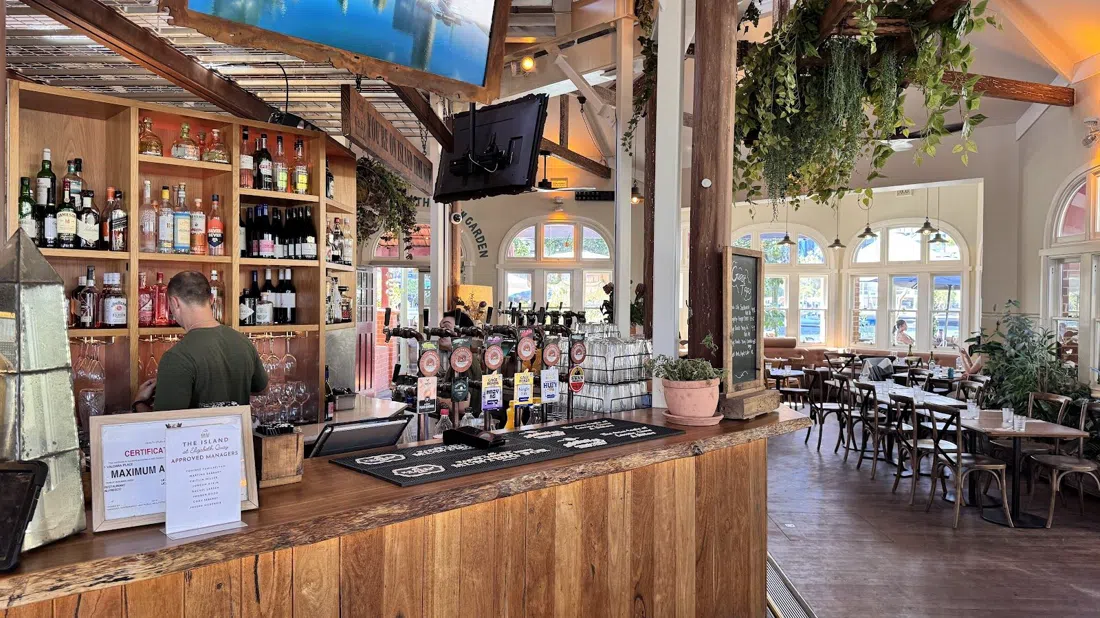
The Island Elizabeth Quay (Elizabeth Quay, on the inlet) is the one with genuine water on all sides, with seven house brews poured straight from the vats and a Mediterranean-Middle Eastern menu. Monday to Friday from 11:30am, weekends from 11am, kitchen until 9pm. Small plates A$18 to A$25, mains A$35 to A$45. Ask for the western deck at sunset; those are the seats, and in September the sun goes down early enough that you can have them and still eat dinner afterwards.
Eating and drinking at ground level
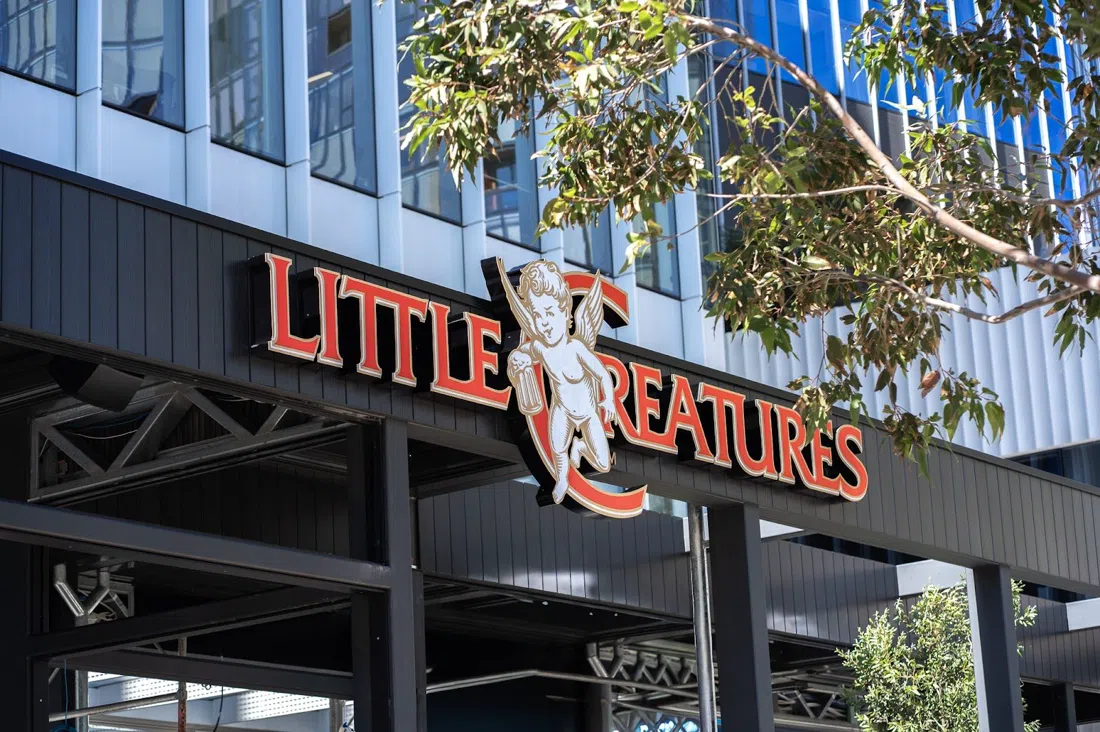
Little Creatures Elizabeth Quay (Elizabeth Quay, waterfront level) is the city outpost of a long-running Western Australian brewery, built as a hall, and it absorbs walk-up groups better than anywhere else here. Pizzas A$26 to A$32, pints A$13 to A$15. For eight people who have not booked and cannot agree, this is the default and there is no shame in it.
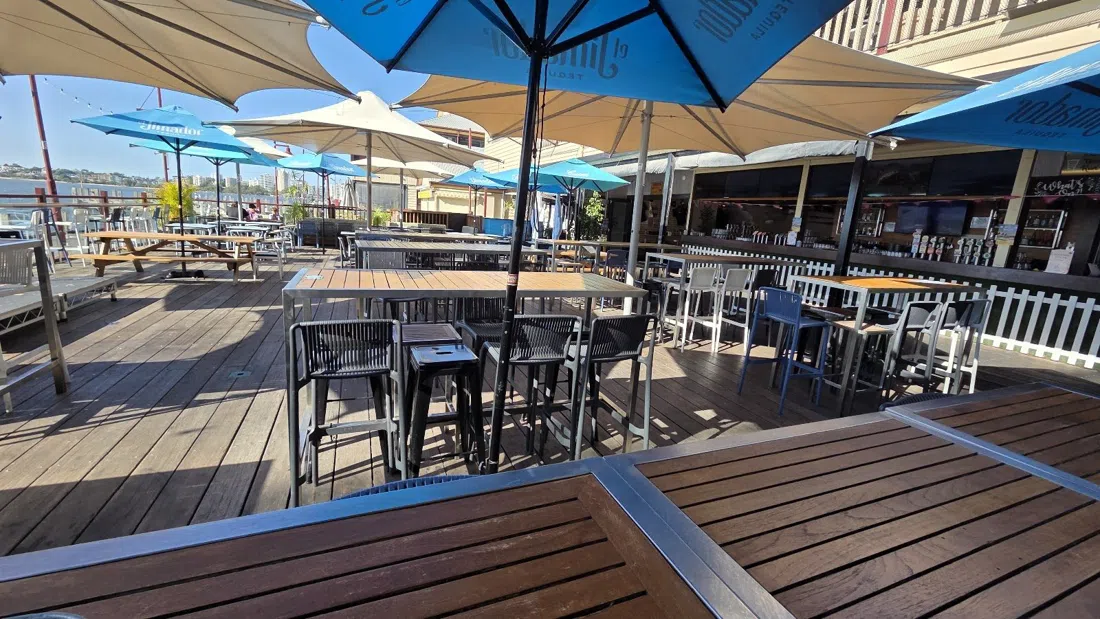
The Lucky Shag Waterfront Bar (Elizabeth Quay, on the water) has been open since 1998, which means it predates the Quay entirely. Pub meals A$25 to A$35, pints A$12 to A$14, regular live music and a rooftop space. It is the cheapest sit-down drink on the water, and the sightline across to the South Perth bank is better from here than from any of the rooftops.
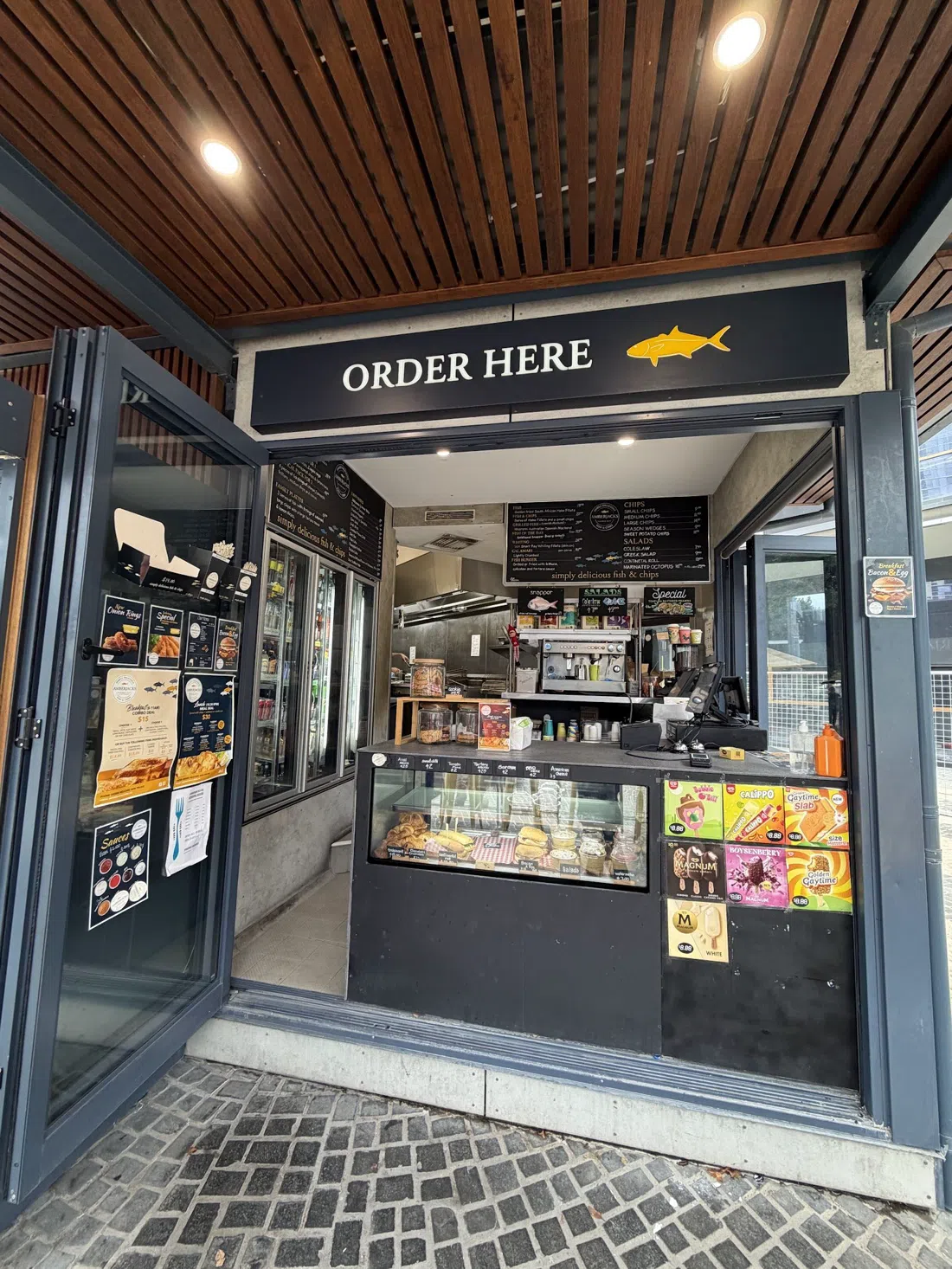
Amberjacks (Elizabeth Quay, takeaway counter) spent eighteen years at a beachside kiosk before moving here. Grilled fish burgers, calamari and marinated octopus, roughly A$15 to A$25 a serve, no bookings, eaten on the public steps and lawns. This is the answer to "what do we eat here that isn't a A$40 main", and on a clear September afternoon it beats sitting indoors.
When a September squall closes the outdoor half
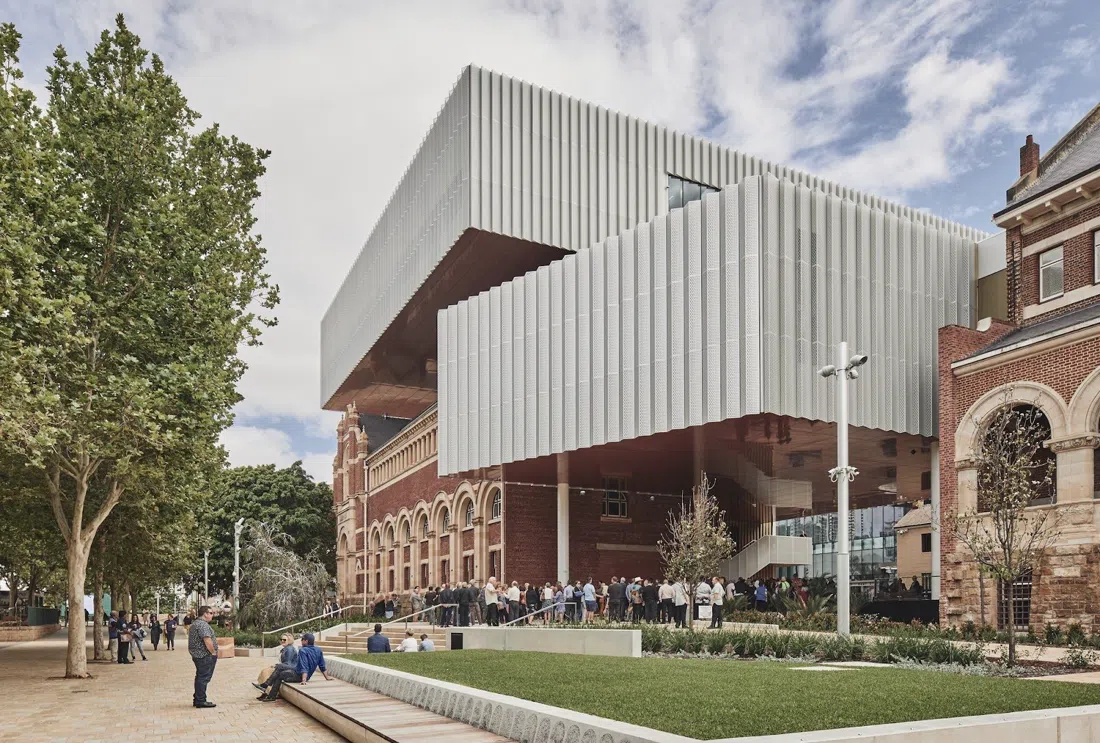
Spring here swings. A bright morning can turn into a grey, blowing afternoon with an hour's notice, and when that happens the Quay has very little cover. WA Museum Boola Bardip (Northbridge, about a twenty-minute walk or two free CAT-bus stops north) is the fallback worth building into the plan rather than improvising. Open daily 9:30am to 5pm, A$15 adult, A$10 concession, free for under-16s and carers, fully accessible and entirely undercover, with eight permanent galleries. Group and school bookings are handled directly. It is also a stop on the sightseeing loop if you bought the pass.
Best time to go in September
Early morning is the quiet version: the playground and water park empty, the light low across the inlet, joggers and nobody else. It is the best hour for photographs and the worst for the carousel, which is dark on weekday mornings.
Late afternoon into sunset is the Quay at its best in spring. The sun drops behind the western end of the inlet, the rooftops fill, and the temperature is pleasant rather than punishing, which is precisely what you cannot say about the same spot in midsummer. Aim to be on a west-facing deck about forty-five minutes before sunset, or on a ferry crossing at the same hour if you would rather spend two dollars than twenty-eight.
Weekends are busier and better supplied: the carousel runs 10am to 8pm, the bars fill, and there is more happening on the lawns. Weekdays are calmer and cheaper to move around. If your trip overlaps Western Australian school holidays the carousel extends its hours, and the family venues get correspondingly louder. Check the events calendar before you commit to a specific afternoon, since event closures affect the internal roads and can shut the Bell Tower early.
Booking ahead or just turning up
For the Quay itself, nothing needs booking. Walk on, walk around, leave. The ferry takes no reservation. The rooftops take walk-ins. The takeaway counter takes a queue.
What benefits from booking is anything guided or scheduled: the Noongar walking tour, the pearl harvest session, an island sailing, a full-day river cruise, and any table for more than six. The guided options that operate from here carry 567 traveller reviews between them, with the top-rated tour sitting at 4.2 out of 5 from 506 reviews. That is a solid, unspectacular record, and it matches the experience: a pleasant waterfront rather than a wonder. Tours run seven days a week, and the current season runs from 13 September 2026 through to 7 September 2027, so a September visit sits right at the start of it. Book a day or two out for a specific time slot and you will be fine; book a week out if your group is large or your schedule is rigid.
Is it worth it
As a free stop: yes, unreservedly. The inlet, the bridge, the mosaic floor and the foreshore are a genuinely good hour, and September is the right month for them.
As a paid destination: partly. The Noongar walking tour is worth its price several times over. The bell-ringing is worth A$22 if you want to ring a bell, and nothing if you only want a view. The two-dollar ferry outperforms every paid boat on the river for pure skyline value, and the paid cruises only pull ahead when you genuinely want the river journey itself or the vineyards at the far end. The sightseeing bus is a Kings Park solution wearing a city-tour costume.
It suits couples who want a sunset drink with no reservation, families who need free water play and a short ride, and anyone with a couple of hours between a hotel and a dinner. It does not suit anyone expecting a major sight. This is a well-made piece of public waterfront, not a landmark, and it is better for knowing that in advance.
Practical notes
Getting there. The Quay is at the bottom of the central grid and walkable from anywhere in the CBD in under fifteen minutes. Free CAT buses cover the city centre and put you two stops from the museum. The ferry to the south bank is the cheapest way to change your view.
Money. Cards work everywhere, including the takeaway counter; carry a little cash only for the carousel ticket box. A SmartRider is cheaper than a cash ferry fare. Budget A$0 for the Quay itself, about A$15 for the guided walk, A$4 or so for a return ferry, A$15 to A$25 for lunch at the kiosk, and A$25 to A$30 for a rooftop cocktail if you want one.
Timing. Two to three hours covers the Quay properly. Four to five if you add a walking tour and a drink. A full day only if you are also going to the island, in which case the Quay is your departure point, not your destination.
Weather. September needs a layer and a wet-weather plan. Have the museum or the retractable-roof rooftop in your back pocket and the day survives a squall.
Staying nearby. Sleeping in the CBD means the sunset walk and the morning walk are both free and both five minutes away. Start with a Perth hotel search if you have not booked yet, and use the wider Perth guide to fit the Quay around Kings Park and the coast rather than treating it as the whole trip.
19 September 2026 · a first week before the flat: the Perth hotel directory