Quebec · Getting around · 11 min
Riding Quebec's Funicular Down to Lower Town in September
The CA$7 cable car that drops you off the cliff into Petit Champlain, how its wicket-only queue really works, and what to do with the hours after you land. Written for a September 2026 visit.

You hear the funicular before you see it: a low hum inside the cliff, then a cabin sliding up out of the rock and stopping flush with the boardwalk. Between Quebec's Upper and Lower Town sits a wall of stone the city spent three centuries working around, and this is the shortcut through it. In September the queue is short, the umbrellas strung over the alley below are still up, and the fare is CA$7.
What you are actually riding
The Funiculaire du Vieux-Québec (Old Quebec, joining the clifftop boardwalk to Petit Champlain) has worked the same slope since 1879. It was electrified in 1906, rebuilt after a fire in 1945, and rebuilt again in 1998. What you board today is a glass-fronted cabin on an inclined track, with a floor that steps down toward the window so everyone gets the same view of the river and the rooftops below.

The fare is CA$7 per one-way trip. You pay at the wicket, by card or cash, and that is the only way to pay. There is no advance ticket, no app and no timed slot. Children under 117 cm ride free, as do wheelchair users and pets. Groups of 25 or more get a published rate of CA$5 per person with one free guide, but there is no online booking for that either: a large party turns up, pays at the window, and then splits itself across several cabins, because no single cabin holds a coach load. Plan for the split rather than discover it at the window.
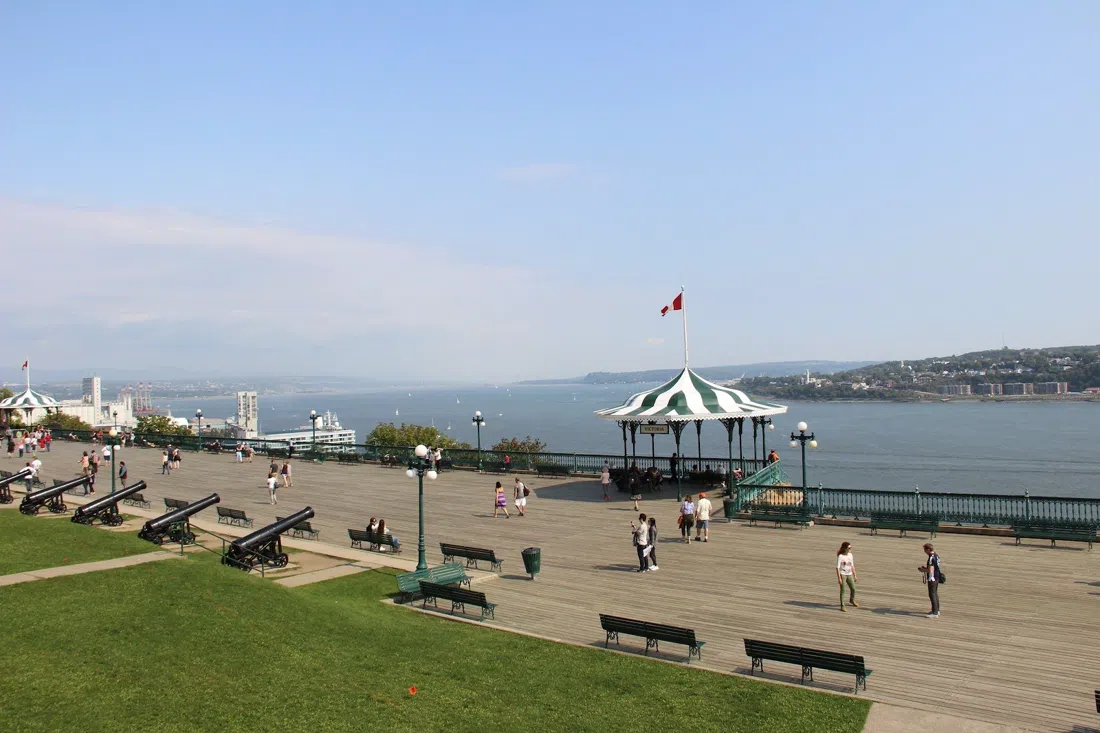
The upper entrance opens straight onto Terrasse Dufferin (Upper Town), the clifftop boardwalk that works as the funicular's front garden. It is free, it is open, and it absorbs large groups without anyone minding. It is also where the upper queue forms, which brings you to the most useful thing to know before you spend anything: the view from the Dufferin railing is the same view you pay for inside the cabin. You are buying the descent, not the panorama.
How long it takes and how the queue behaves
The ride itself is brief. You are down before you have finished framing a photo. The variable is the wait, and the wait follows directly from there being no advance ticket. Everybody arrives at the same window and buys at the same window, so the line does not flow, it moves in cabin-loads. Two families with a pram at the front will cost you a full cycle.
Mornings are the cure. Get there in the first hour of operation on a weekday and you will walk on. From late morning through mid-afternoon, especially when a ship is berthed at the cruise terminal, expect to stand. Late afternoon loosens again, and by early evening you can usually ride straight through.
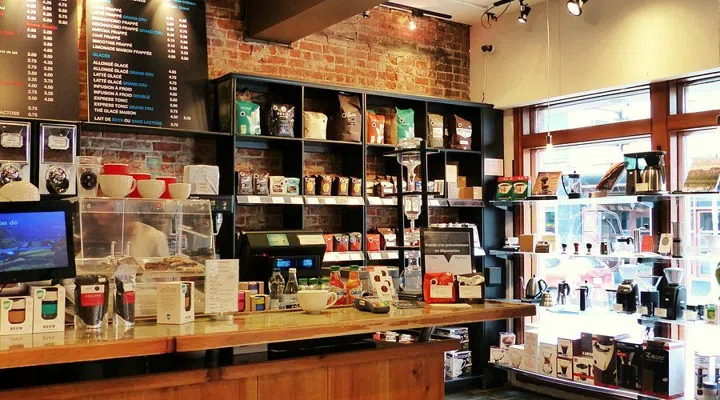
If you are waiting anyway, wait somewhere useful. Café La Maison Smith — Place-Royale (Lower Town) opens at 7am daily, well before the cable car starts running, and it is the practical answer to an early start at the bottom station. It is counter service in a tight room: fine for two or three people, hopeless for a group of ten. Buy a coffee, drink it standing in the square, then join the line.
Ride down, not up
The conventional trip starts on the boardwalk and rides down. Do that. Downhill is the direction that makes the rest of the day work, because everything you will want to do afterwards (the shops, the square, the water, dinner) is at the bottom. You can come back up on foot when you are finished, or when your legs have had enough, at which point CA$7 for the return leg feels like money well spent rather than a novelty.
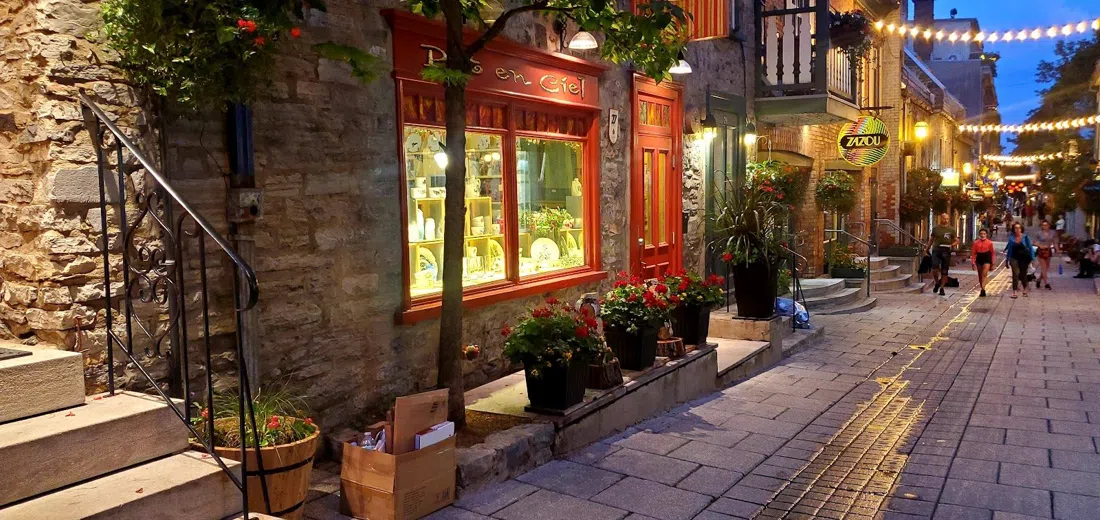
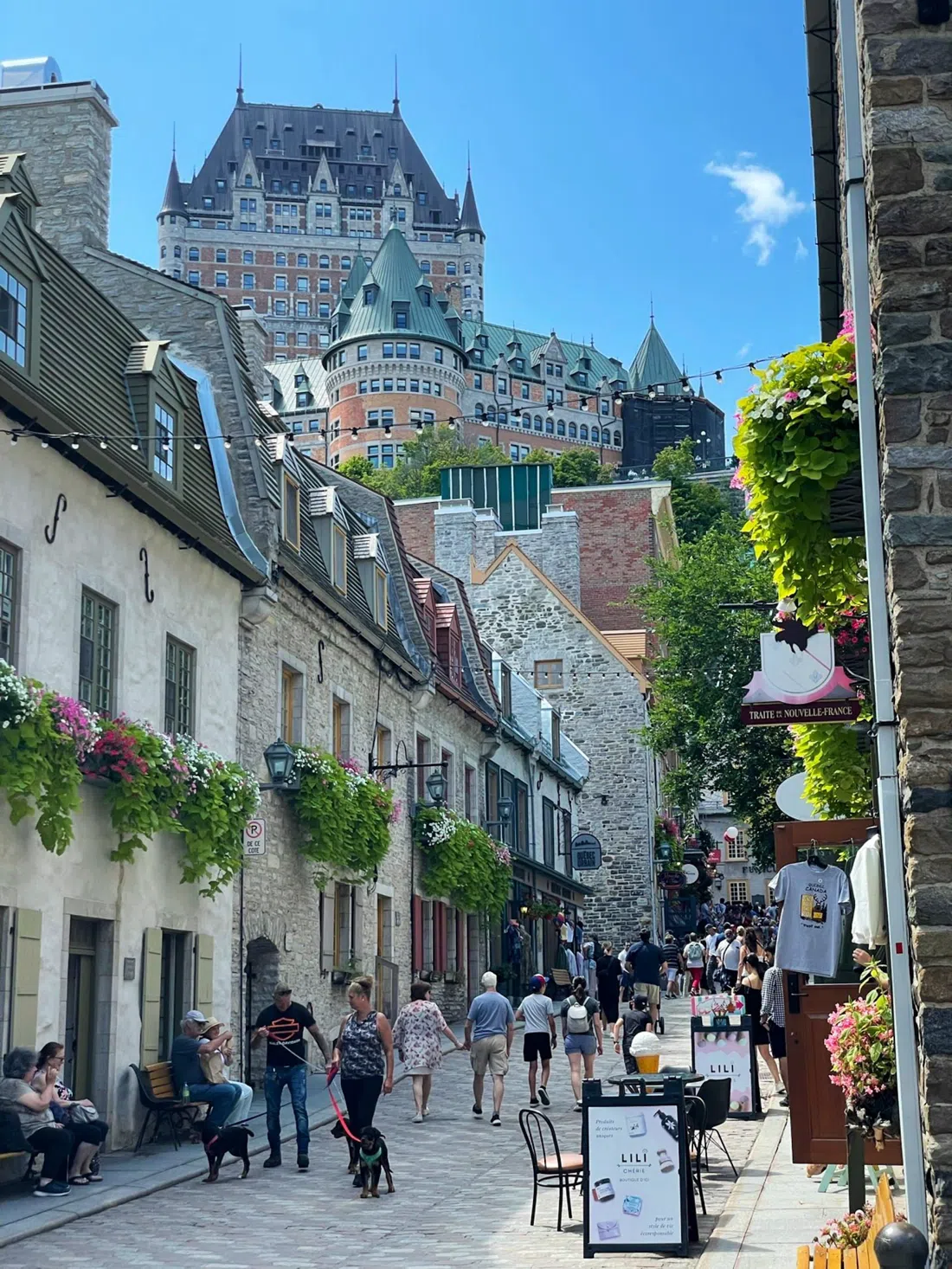
The lower door lets you out into Quartier Petit Champlain (Lower Town), a pedestrian quarter run as a merchant co-operative of 45 independent businesses. That co-op structure is the reason to linger rather than ride and leave: the shops are genuinely independent rather than chain outlets wearing old stone. Prices run roughly CA$10 to CA$150 depending on whether you are buying soap or a coat. The lanes take crowds fine; the individual shops do not. Four people inside a one-room boutique is a crowd. Split into pairs, agree where to meet, and let the lane do the herding.
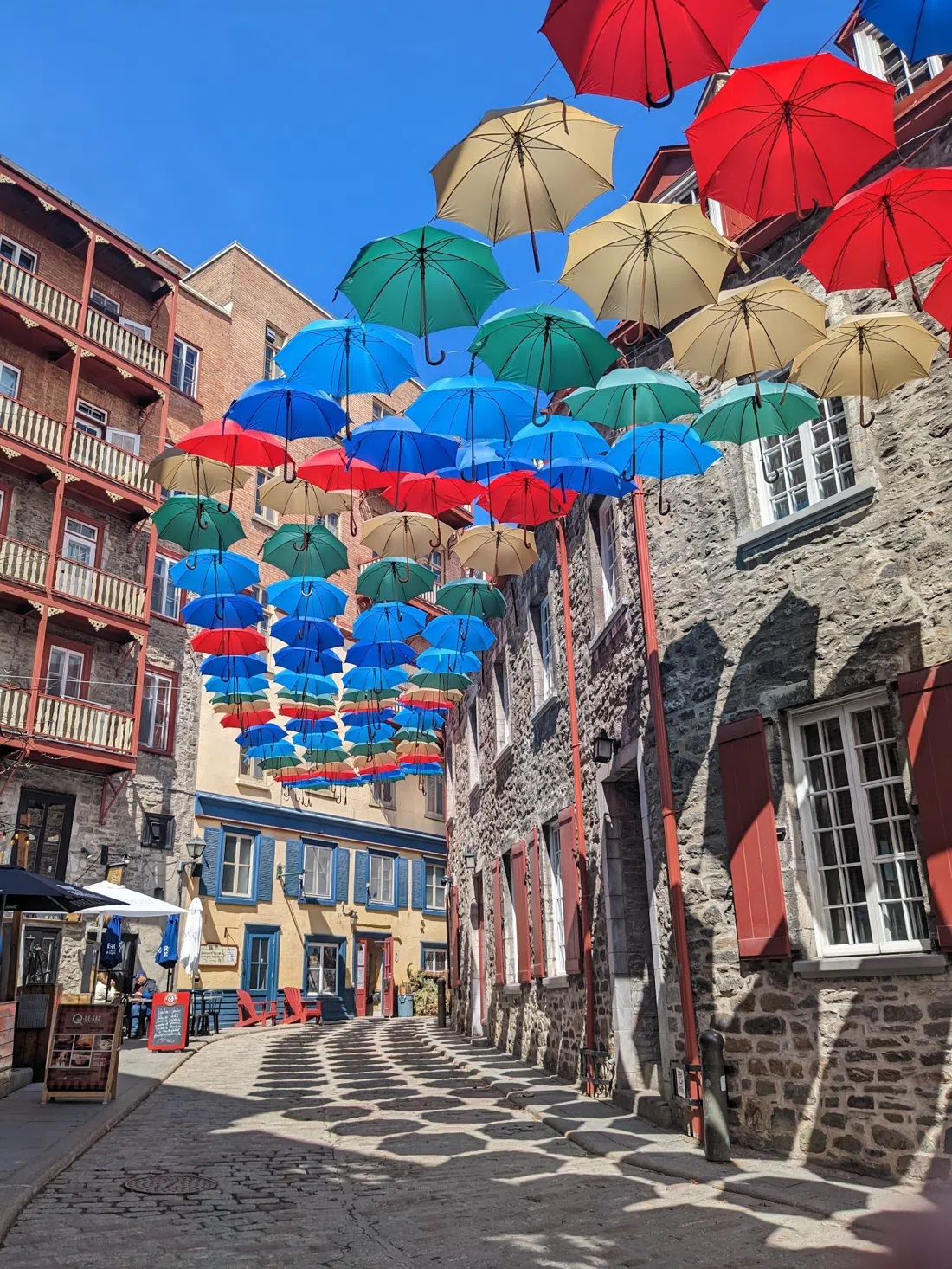
One street off the main lane is Rue du Cul-de-Sac (Petit Champlain), the alley with coloured umbrellas strung overhead. It is a seasonal installation. The umbrellas go up for summer and typically stay into October, so a September visit still catches them, which makes it one of the few sights down here that genuinely has a season. It is also narrow and clogs with tripods. Walk through it, take your photo from the edge, and keep moving; a group standing still in that alley blocks it completely.
The free way down, and its honest warning
If CA$7 is not how you want to spend it, the alternative is Escalier Casse-Cou (Petit Champlain), the Breakneck Steps, the oldest stairway in the city, with ironwork added in 1889 by Charles Baillargé. It costs nothing and it lands you within a minute of the funicular's lower door.
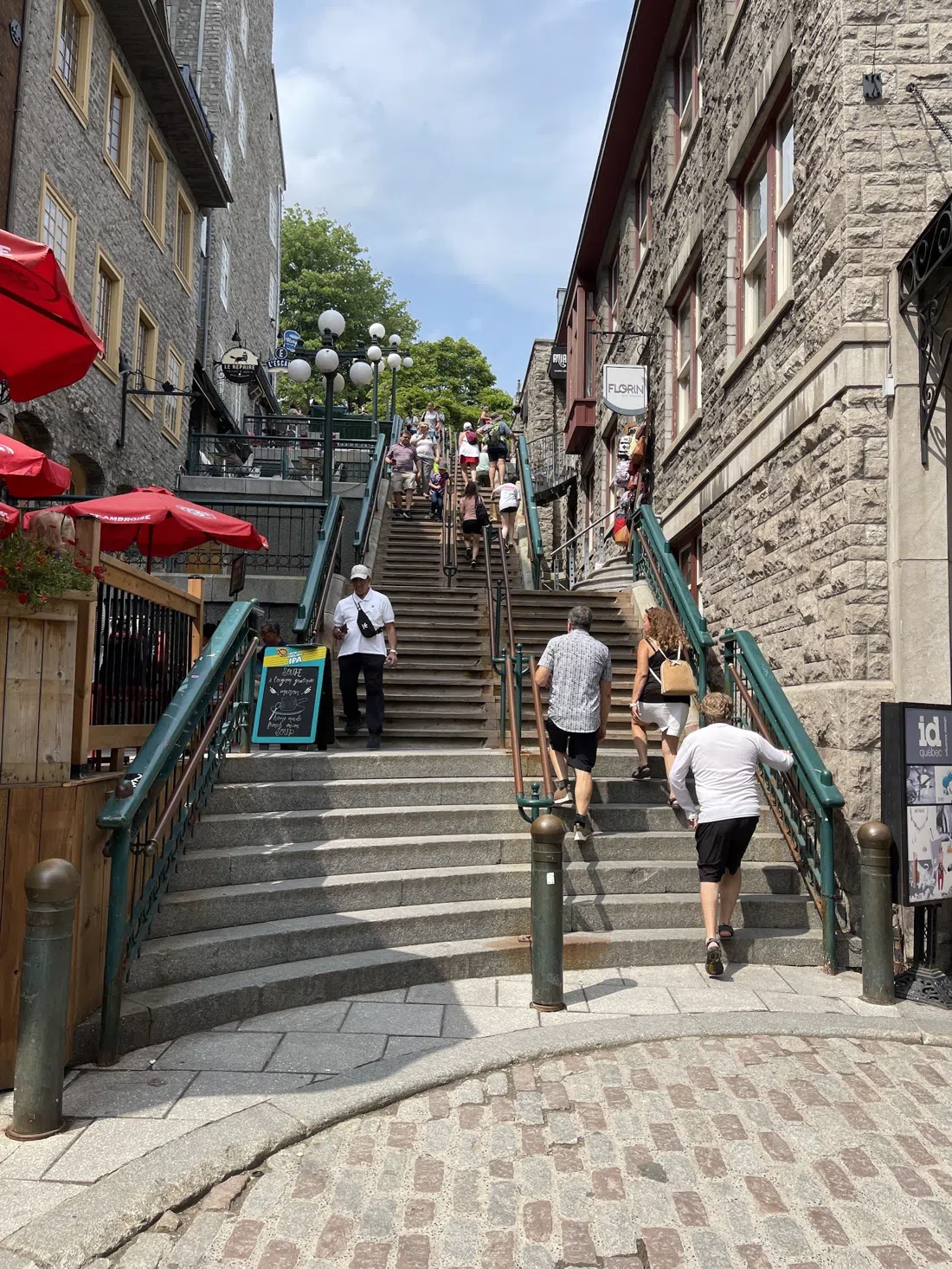
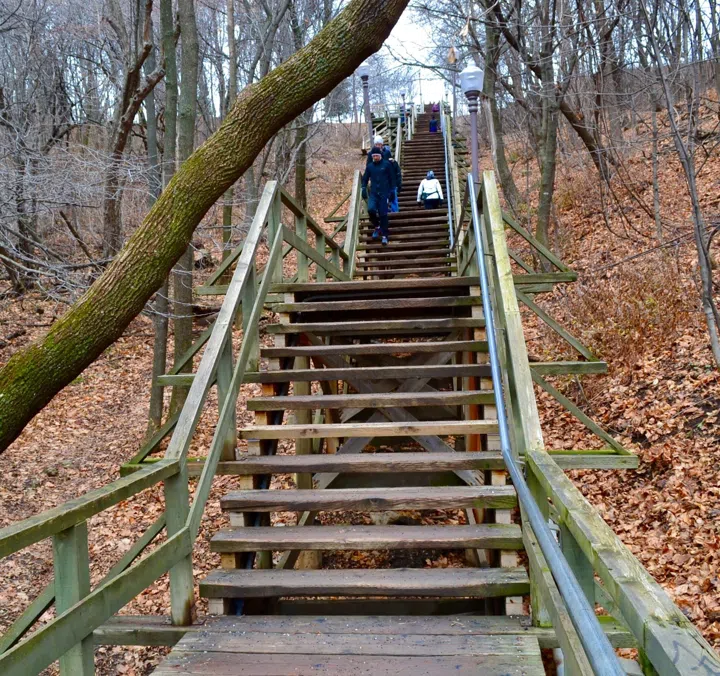
It earns its name. The steps are steep, uneven in places, and slick when it rains, which in September it will, at least once. There is no shortcut past them and no way to hurry them with luggage. They also bottleneck badly: a party of more than about eight should go single file or simply pay the fare. If you have knees that complain on stairs, or a pram, or a suitcase, take the cabin down and the cabin back up, and count the CA$14 round trip as the price of a pleasant afternoon.
Two minutes from the bottom station
Walk out of the lower door, turn along the stone lanes, and in about two minutes you are in Place-Royale (Lower Town), the founding site of the city and a fully open square that guides use as a standard meeting point. Any honest route through here goes across it rather than around it.
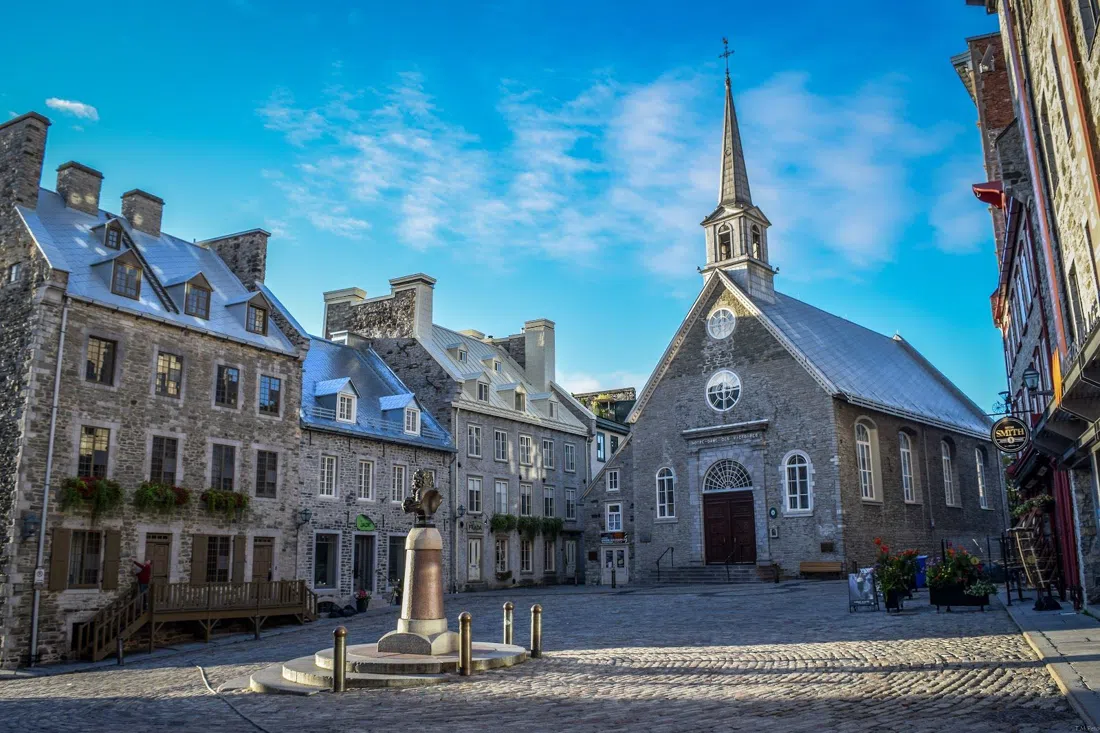
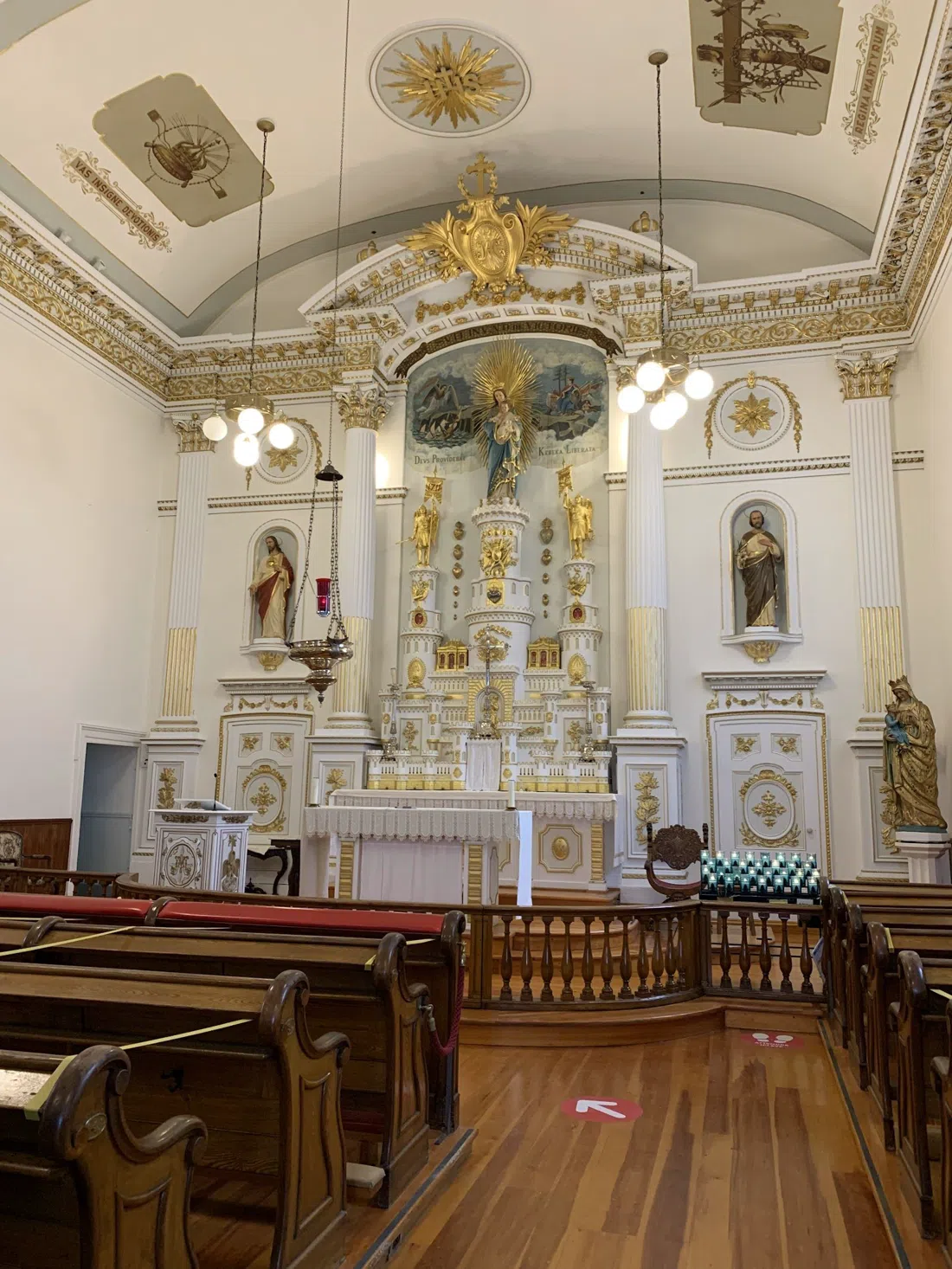
On one side stands Église Notre-Dame-des-Victoires (Place-Royale), built from 1687 on the site of Champlain's habitation. It is an active parish first and a visitor site second. Entry is free, though a small voluntary contribution may be asked, and quiet is expected. Treat it as a try-the-door stop rather than a fixed item on an itinerary: the opening hours are seasonal and inconsistent, and it sometimes closes for repairs. Do not walk a group in during a service.
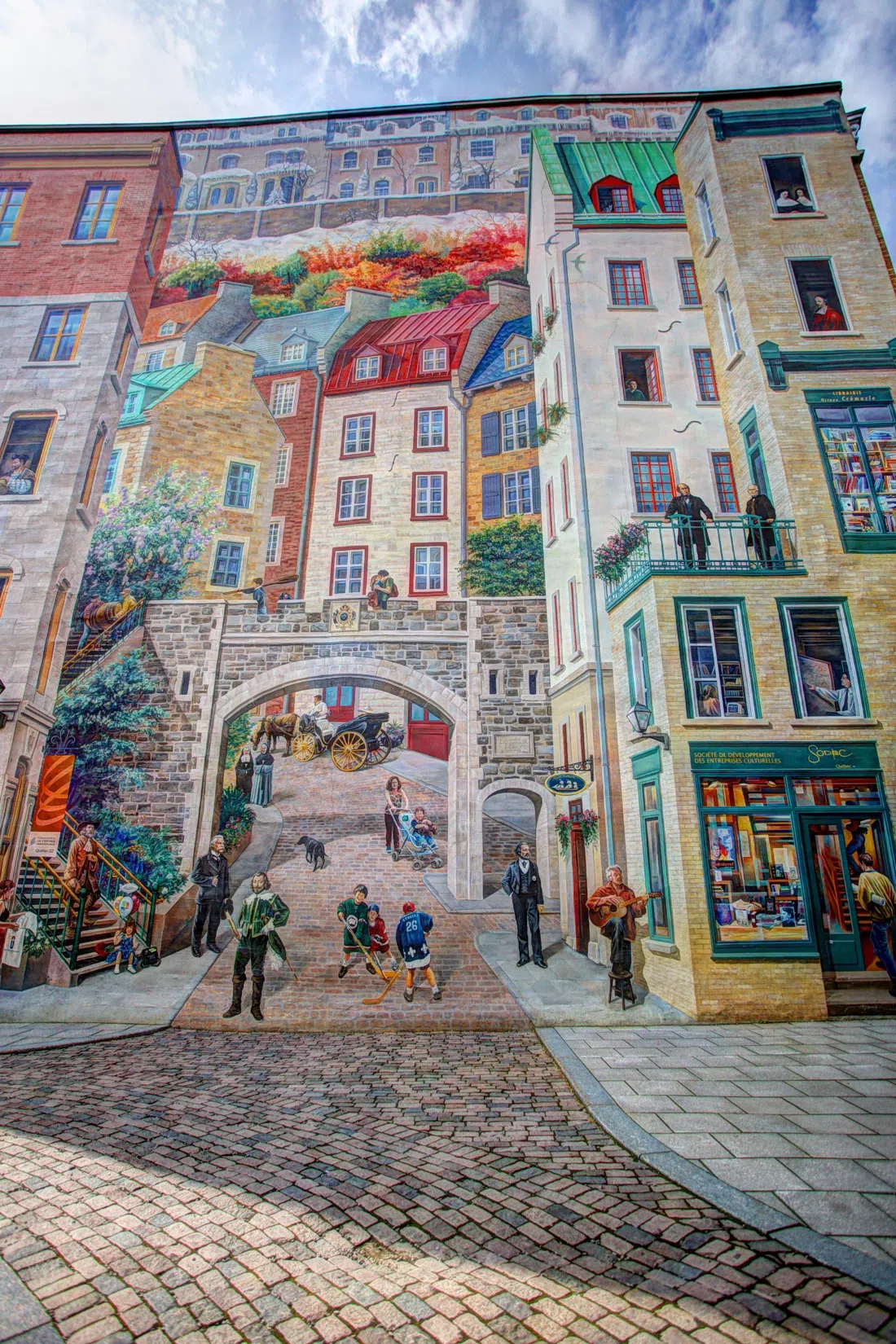
Thirty seconds away on Notre-Dame is the Fresque des Québécois (Place-Royale), a painted wall completed in 1999 by Cité Création with Quebec artists, showing Champlain, Marie de l'Incarnation, Lord Dufferin and Félix Leclerc among the stairways and shopfronts. You stand on the pavement opposite, nobody minds how long you take, and it costs nothing. It is the free photograph most visitors actually keep.
Where to go when the weather turns
A cable-car day depends on the weather, and September will test that. Two indoor options sit within a short walk of the bottom station, and both are closed on Mondays, the one scheduling trap of this trip.
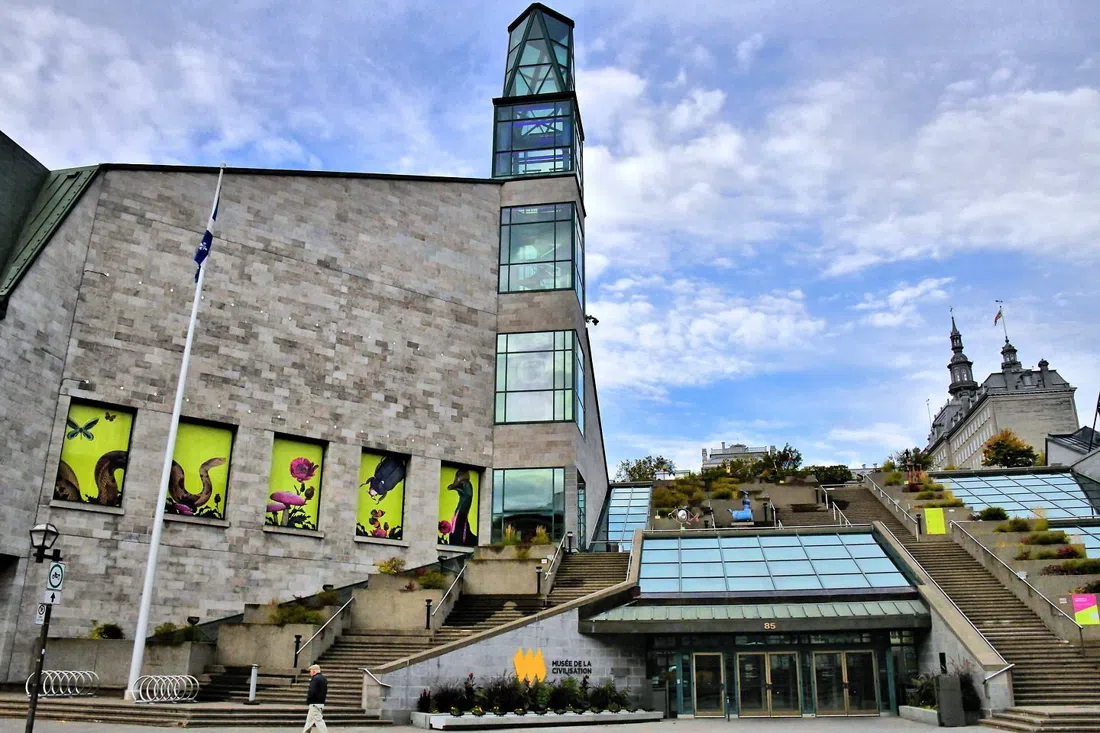
Musée de la civilisation (Old Port) is the serious indoor anchor. Its autumn 2026 schedule runs from 8 September, Tuesday to Sunday, 10am to 5pm, closed Mondays. Admission is CA$27 for adults aged 35 to 64, CA$26 for 65 and over, CA$22 for 18 to 34, and free for children under 6. Tickets bought online cost less than the walk-up gate price, so buy them on the pavement outside if you have to. Group rates and school bookings go through the museum directly.
Immersion Québec (Marché-Champlain) is the shorter option: a seated experience of roughly 40 minutes in the vaults of the historic Maison Chevalier at 50 rue Marché-Champlain. It runs 10am to 4pm, Tuesday to Sunday, closed Mondays, on a paid ticket. Check the official site for the current price. Walk-ins are welcome during opening hours, and the seated format suits groups, but the vaults hold a set number of people, so a large party should call ahead. It is a seasonal operation that does not run all winter, so confirm it is still open on your dates.

If you land on a Monday, skip both, walk the waterfront instead, and read up on the wider city in our Quebec guide before you plan the rest of the week.
The view that explains why the cable car exists
Ten minutes on foot from Place-Royale, Pointe-à-Carcy and the Old Port promenade (Old Port) give you the wide angle. From the open waterfront you can see the whole cliff at once, with the Upper Town sitting on top of it and the funicular's track scratched down the face. That geography is what made a cable car necessary rather than decorative. It is free, it is wide enough to handle cruise-ship crowds, and it is busiest when a ship is in.
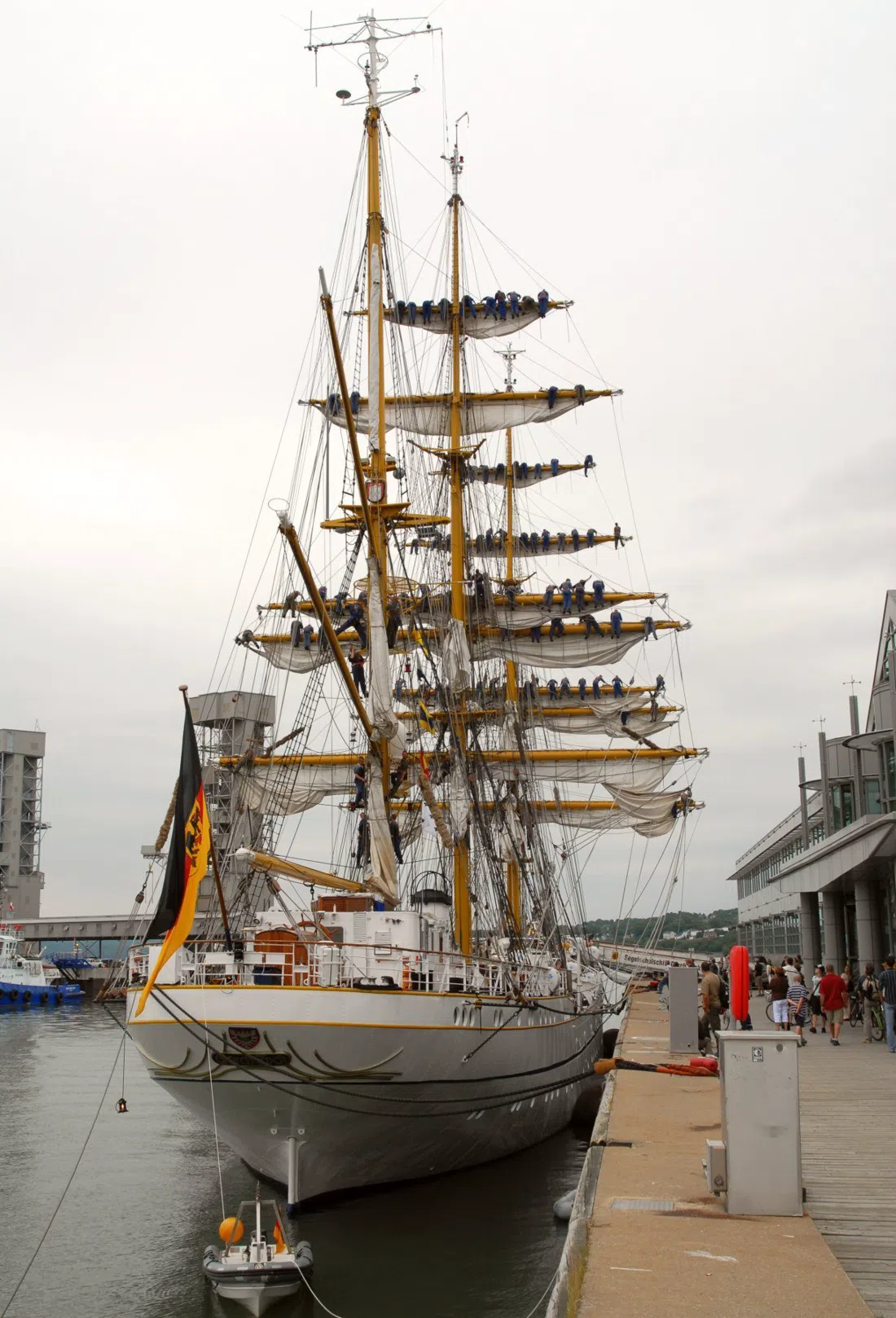
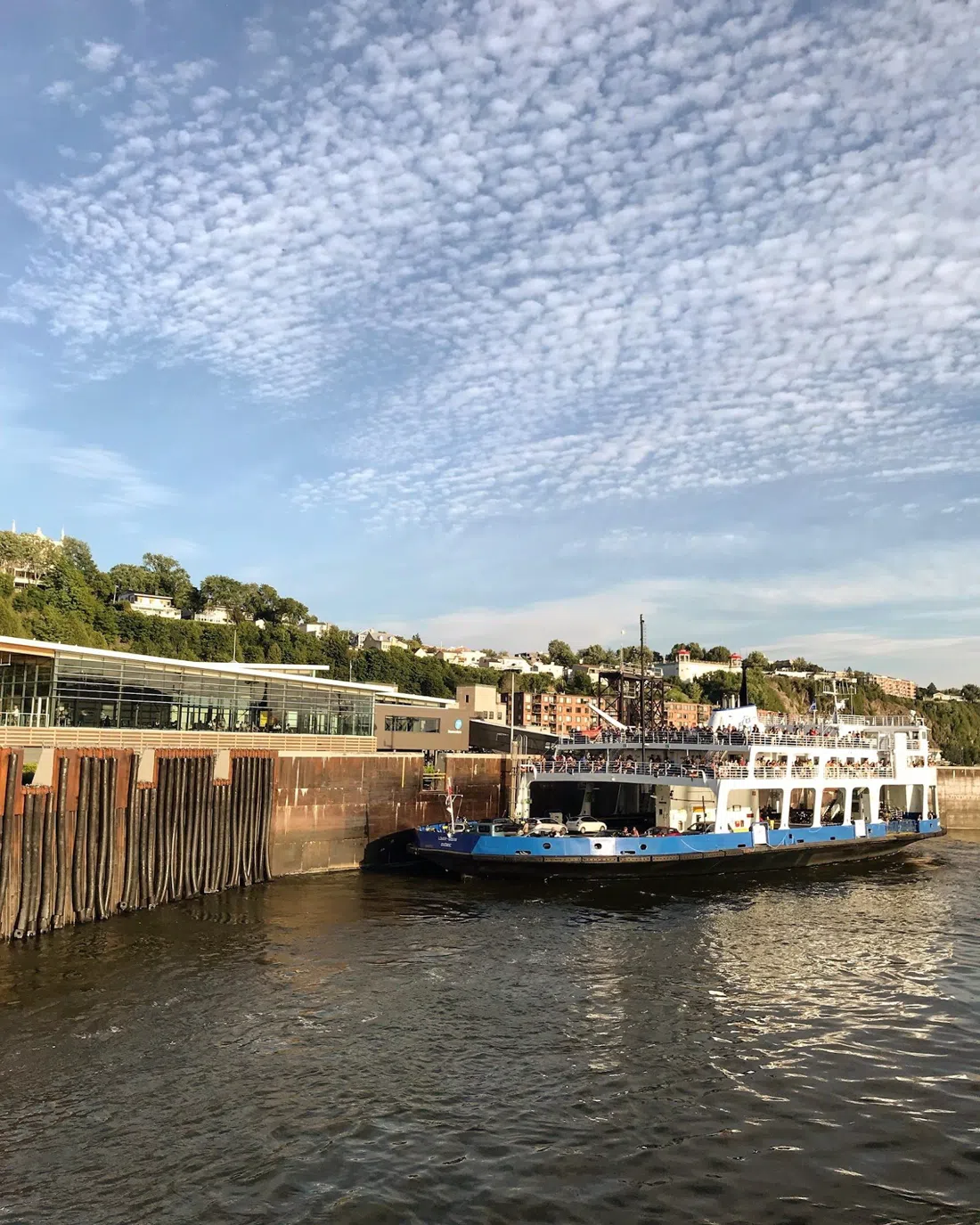
For the same view from further out, take the Traverse Québec–Lévis ferry (Lower Town waterfront). It is public transport, not a cruise: about CA$4.50 per adult each way for a 12-minute crossing, with departures running from around 6am to past 2am, every 20 to 30 minutes by day and hourly at night. Holders of an RTC monthly pass ride free. There is no booking, and foot-passenger groups just walk on. Stay on the outside deck, look back, and you get the cheapest panorama in the city, plus a clearer sense of the drop you paid CA$7 to make.
Eating down here, and the reason to stay after dark
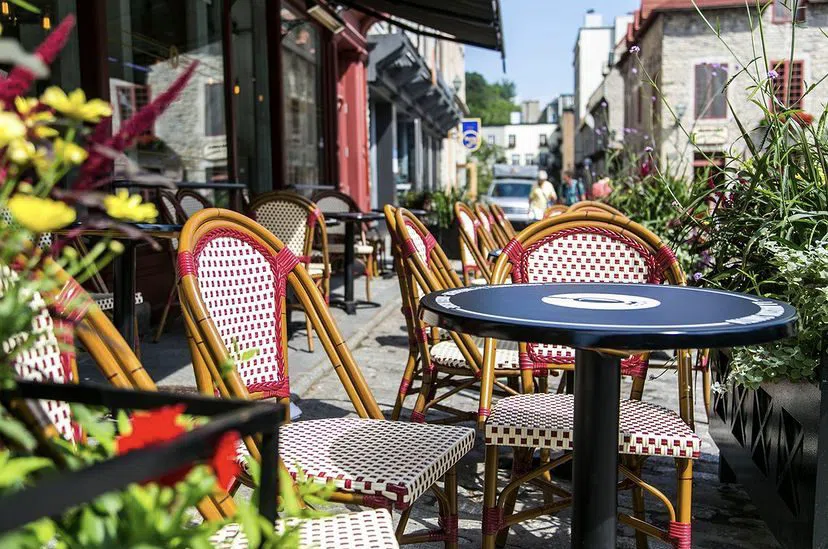
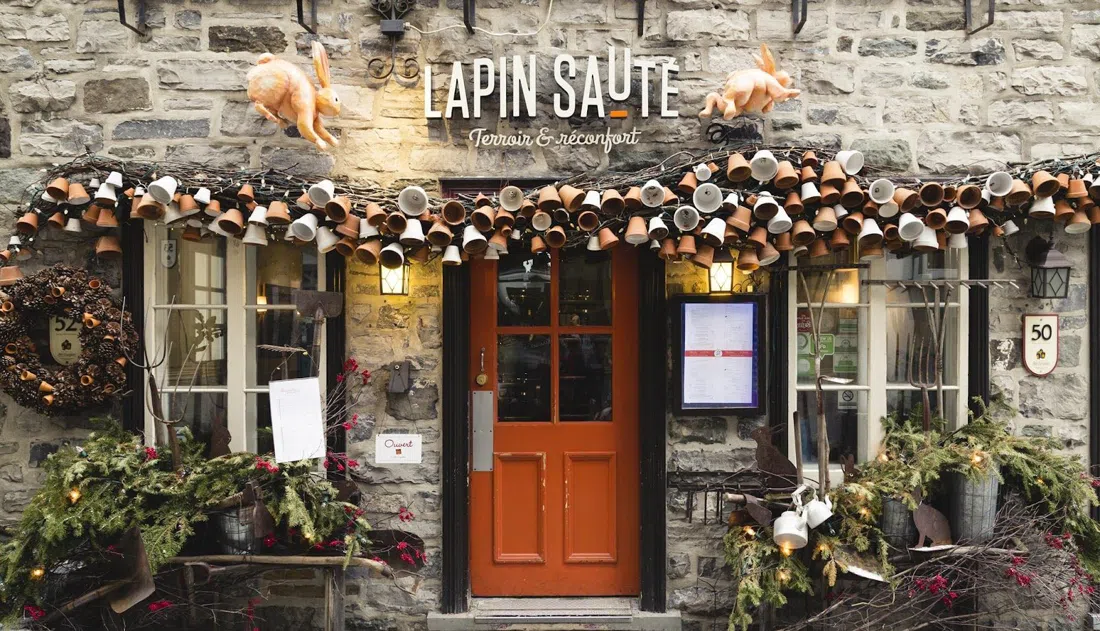
Le Lapin Sauté (Petit Champlain) has been on the main lane since 1988, built around rabbit dishes and Québec producers, with mains around CA$25 to CA$45. The rooms are small and the terrace is popular; book ahead for anything over four people, because walk-ins struggle at peak.
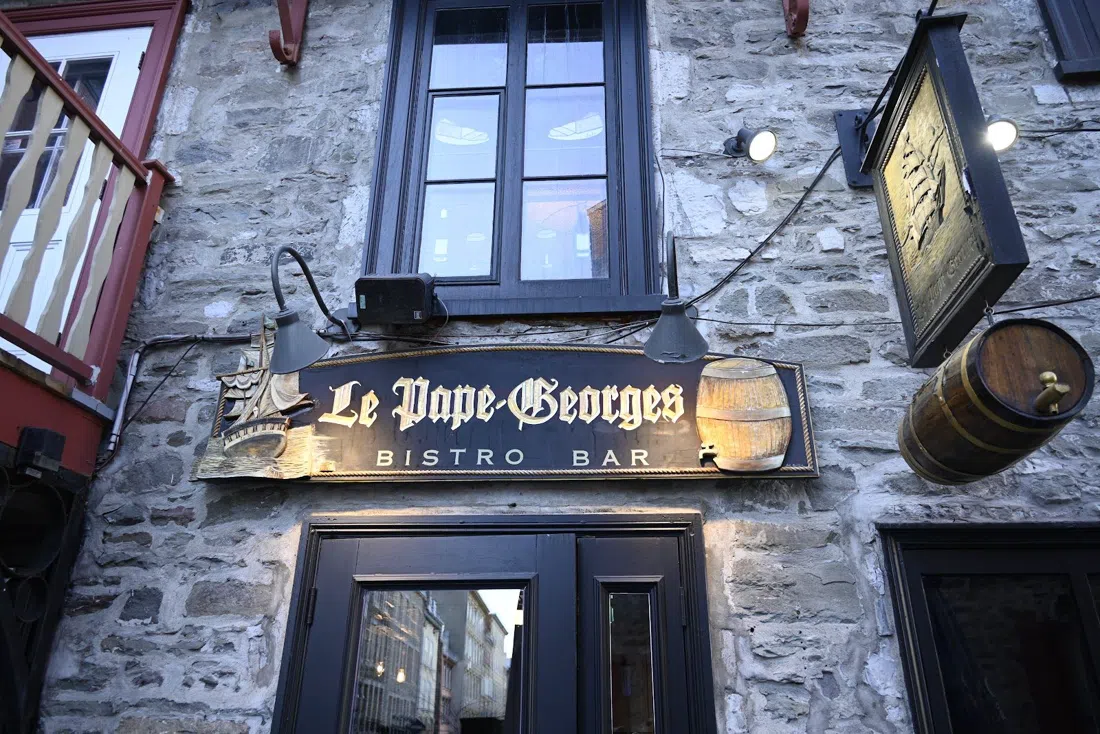
The evening argument for riding down rather than up is Bistro Le Pape Georges (Petit Champlain), a small wine bar with a short menu of Québec cheeses and charcuterie and live music most nights, around CA$15 to CA$35 for wine and a board. Genuinely small means genuinely small: music nights fill early, so a group above six should arrive before the set starts or pick somewhere else.
If you want a seat rather than a stool, Théâtre Petit Champlain (Petit Champlain) is a working music and comedy house with 230 seats and close to 120 shows across chanson, humour and theatre in its 2025-26 season. Tickets are seated and group bookings go through the box office; with a room that size, a large group takes a real share of it. The honest caveat for an international visitor is that almost all of the programme is in French.
Best time to go in September 2026
September is the good window. The summer peak has passed, the umbrellas over Rue du Cul-de-Sac are still up, and the light in the late afternoon along the waterfront is worth planning around.
Go on a weekday if you can choose, and go early. The first hour of funicular operation is the only reliably queue-free stretch. Avoid Mondays if the museums matter to you, because both indoor options are shut. Check whether a cruise ship is berthed on your date: when one is, the Old Port promenade and the funicular queue both thicken for a few hours in the middle of the day. Rain changes everything on the Breakneck Steps and very little inside the cabin, so keep the stairs for a dry day.
A workable shape for the day: coffee at 8, ride down at 9, square and mural by 10, shops until noon, ferry across and back in the early afternoon, museum if it rains, dinner and a glass at seven, walk back up the steps or take the cabin.
Is it worth it
As a sightseeing attraction, no. You can see the same river from the Dufferin railing for nothing, and the ride is over before it starts. As transport, yes, plainly. It removes a steep, slippery climb from the middle of your day for the price of a coffee, and it deposits you exactly where you want to be. Buy it for what it does, not for what it shows you.
It suits anyone travelling with children, luggage, or unreliable knees, and anyone who wants to spend their energy in Petit Champlain rather than on the stairs. Fit walkers travelling light can take the steps both ways and lose nothing but sweat.
A guided walking option that includes the funicular ride exists if you would rather have the history narrated than read it off plaques. Those guided walks run seven days a week and start from about 42 USD per person, and the guided options covering this part of the city carry 4,411 traveller reviews between them. The ride is the same ride; what you are paying for is the guide.
Practical notes
The money side is short. CA$7 per one-way funicular trip, card or cash at the wicket, no advance ticket, and CA$5 per person for groups of 25 or more. CA$4.50 each way on the ferry. Free: the boardwalk, the steps, the square, the church, the mural, the promenade. Carry a little cash, because some of the smallest independent shops prefer it and the church contribution box takes nothing else.
The upper station is on Terrasse Dufferin; the lower station opens into Petit Champlain, two minutes from Place-Royale and ten from the Old Port promenade. Everything in this article is within a fifteen-minute walk of the bottom door, which is the whole point of the place.
For timing: first hour for no queue, Mondays for closed museums, September for open umbrellas. Allow half a day for a proper Lower Town wander, a full day if you add the museum and dinner.
Two people can do the ride down, the ferry both ways, the square, the church, the mural and the promenade for under CA$30 between them. Add the museum and a sit-down dinner and you are at CA$150 or so for two.
Sleeping down here means the funicular is a convenience rather than an errand; sleeping up top means the boardwalk is your evening walk. Both work. Compare rates and locations with a Quebec hotel search before you pick a side of the cliff.
13 September 2026 · a first week before the flat: the Quebec hotel directory