Stockholm · Where to live · 11 min
Kungsholmen in November, Stockholm's Grand Halls and Shore
Stockholm's western island has ceremonial interiors, a working court house and three kilometres of waterfront, and in November you walk almost all of it alone.
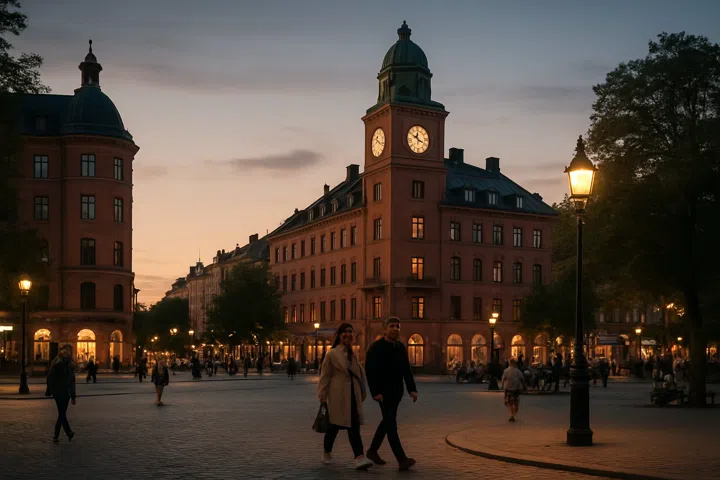
Most people see about thirty metres of Kungsholmen: the City Hall courtyard, a photograph of the tower, then back over the bridge to the old centre. Walk another kilometre west and the island opens out into something else. There is a working district court that stares back at the City Hall across a park, a brewery harbour rebuilt as a shoreline park, and one long waterfront path that explains how the two ends got so different. November suits it. The tour groups have gone, the lamps along the water come on by mid-afternoon, and the cold is the price of having the place largely to yourself.
What the island is and how a day on it fits together
Kungsholmen sits immediately west of Stockholm's centre, cut off from the old town by a narrow channel and from Södermalm by the broad bay of Riddarfjärden. You arrive at the eastern tip, where the ground is ceremonial (the City Hall, the courts, the city archive up on its rock), and you walk west into something plainer, then at the far end into something rebuilt within the last fifteen years. It is roughly three kilometres end to end, flat apart from one climb, and walkable in an afternoon if you do not stop.
In November, take the eastern halls in the morning, while the interiors are open and the light outside is still weak. Keep the southern waterfront for midday, because that is the only window you get. The northwest shore, or a warm room, does for the last of the afternoon. Build in two indoor stops rather than one; you will use both. Nothing on the island is a queue-and-turnstile attraction except the City Hall interior, and even that is a booking problem rather than a queueing one.
If you want the wider city context before you commit a day to one island, the Stockholm guide covers how the districts fit together.
The City Hall and the hall across the park
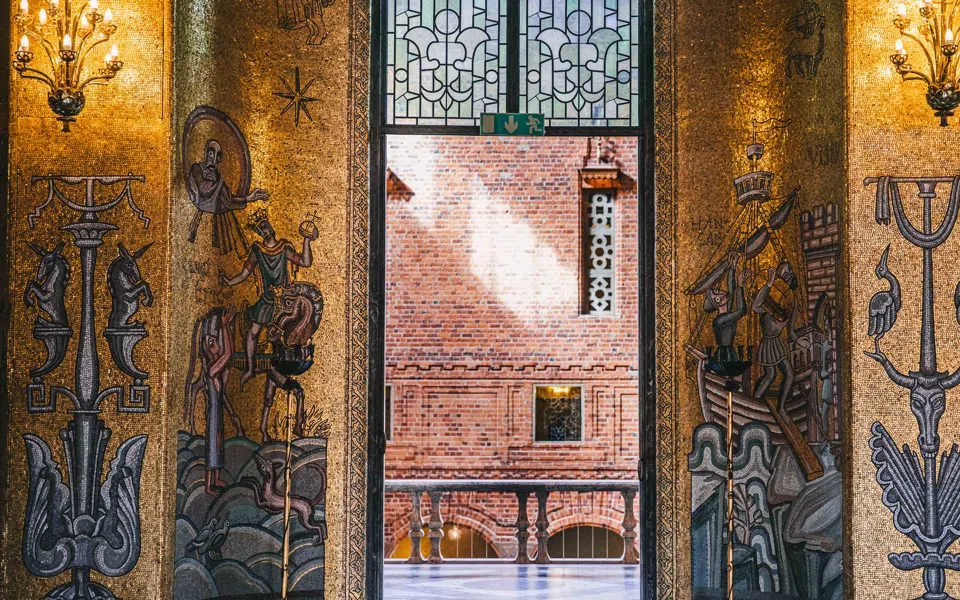
Stockholm City Hall (Stadshuset), on the water at the island's eastern tip, is the one thing here that everybody comes for, and the one thing you cannot improvise. The interior is guided-tour only, the tours run 45 minutes in English and Swedish, and there are no fixed opening hours. Slots shift day to day and whole days disappear for civic events, so check the day's published schedule before you travel rather than after you arrive. Entry is 150 SEK for adults, 130 SEK for seniors and students, 60 SEK for ages 7 to 18 and free below that. Parties of more than nine cannot join a public tour at all and must book a private guided one instead, which catches out extended families and small clubs more often than you would think.
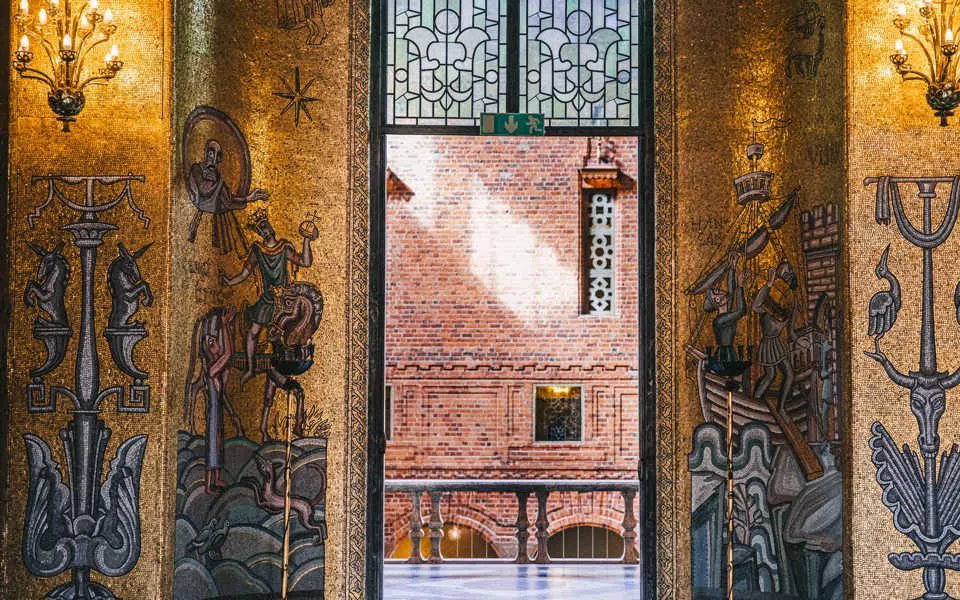
The tower is a separate 100 SEK and it is shut in November, since it runs May to September only. The 2026 season was the last before a renovation closes the tower through 2027 and 2028, so if climbing it is the point of your trip, you are planning for a year beyond that, not for this winter.
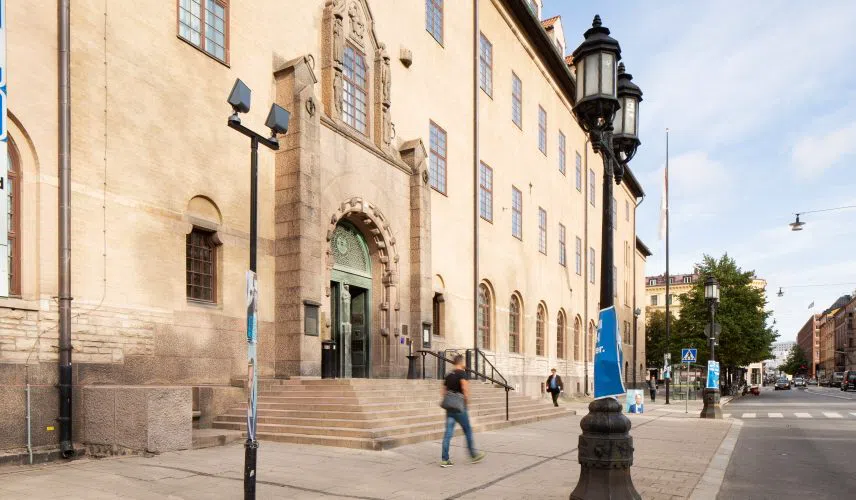
Across the park is Stockholm Court House (Stockholms rådhus), Kungsholmen's far less visited half of the pair and Westman's answer to Östberg's City Hall. Entry is free through airport-style security, hearings are open to the public, and it is a functioning district court rather than a museum. Seating in the courtrooms is limited, so a large group should split up and drift in rather than arrive together, and there is no photography inside the courtrooms. The Glasade Gården café in the entrance courtyard runs weekdays 08:30 to 15:30, with items at 50 to 150 SEK. It is a useful, genuinely local warm-up stop that almost no visitor uses.
Stadshuskällaren and the Nobel menus
Stadshuskällaren occupies the cellar of the City Hall itself, opened in 1922, and it is the only place anywhere serving past Nobel banquet menus on the official porcelain, in the building where the banquet actually happens. The rules are specific. A historical menu from an earlier year needs a party of at least ten and a week's notice. The current-year menu needs only two guests and five days. The full Nobel menu with the drinks pairing runs around 2,895 SEK per person; à la carte is mid-to-high but nothing like that.

So it splits cleanly. Two of you can sit down to the current-year menu with a few days' planning, while the older menus are a group project. One date holds even outside your November window: the restaurant is always closed on 10 December for the banquet itself.
The waterfront walk from the City Hall to Västerbron
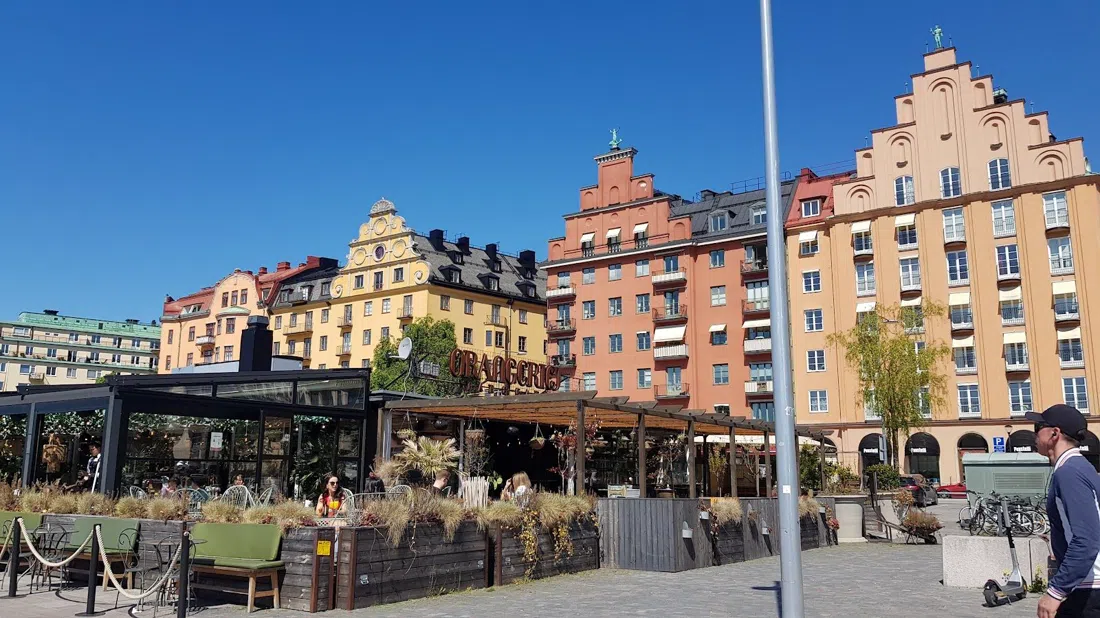
Norr Mälarstrand, the southern shore promenade, is the orientation walk on this island and the spine most guided routes use. It is an open public street, free, and takes any group size. City Hall at one end, Rålambshovsparken at the other, with the shift from industrial to genteel southern Kungsholmen laid out along the way. In November the light is gone by mid-afternoon, so do this stretch before 15:00 or do it in the dark and lose the point of it.
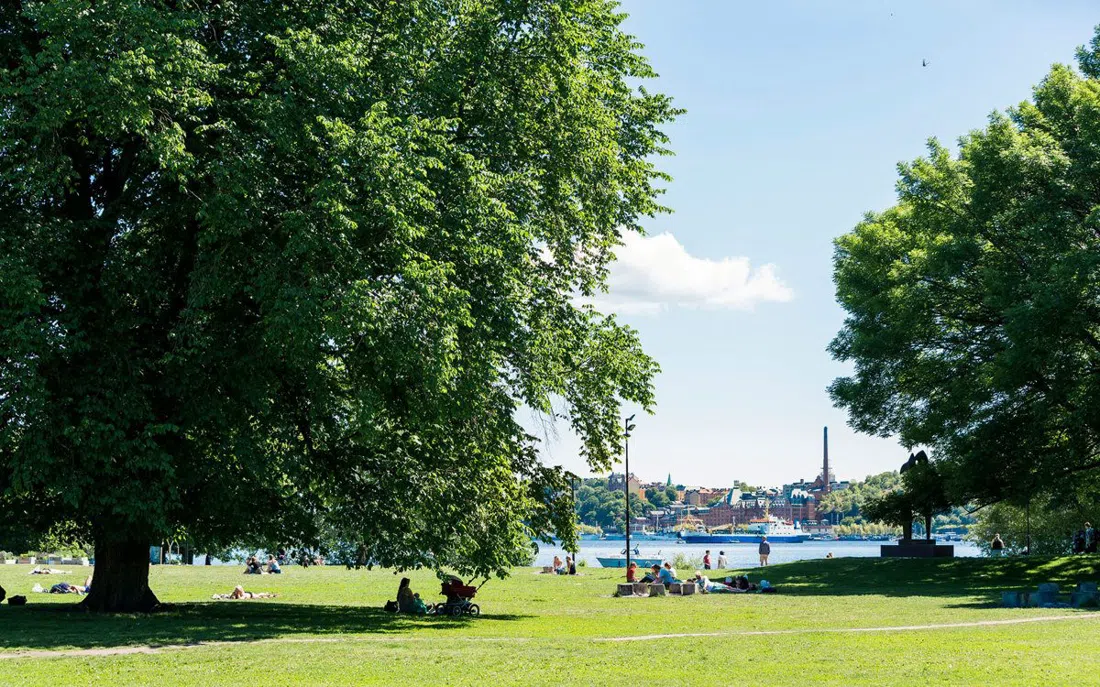
Rålambshovsparken, at the southwestern corner, opened in 1936 alongside the bridge above it and was one of the first Stockholm parks built on functionalist principles, by Erik Glemme. This is where the shack-and-workshop Kungsholmen was cleared to make the modern welfare-state city, which makes the lawn a historical exhibit as much as a lawn.
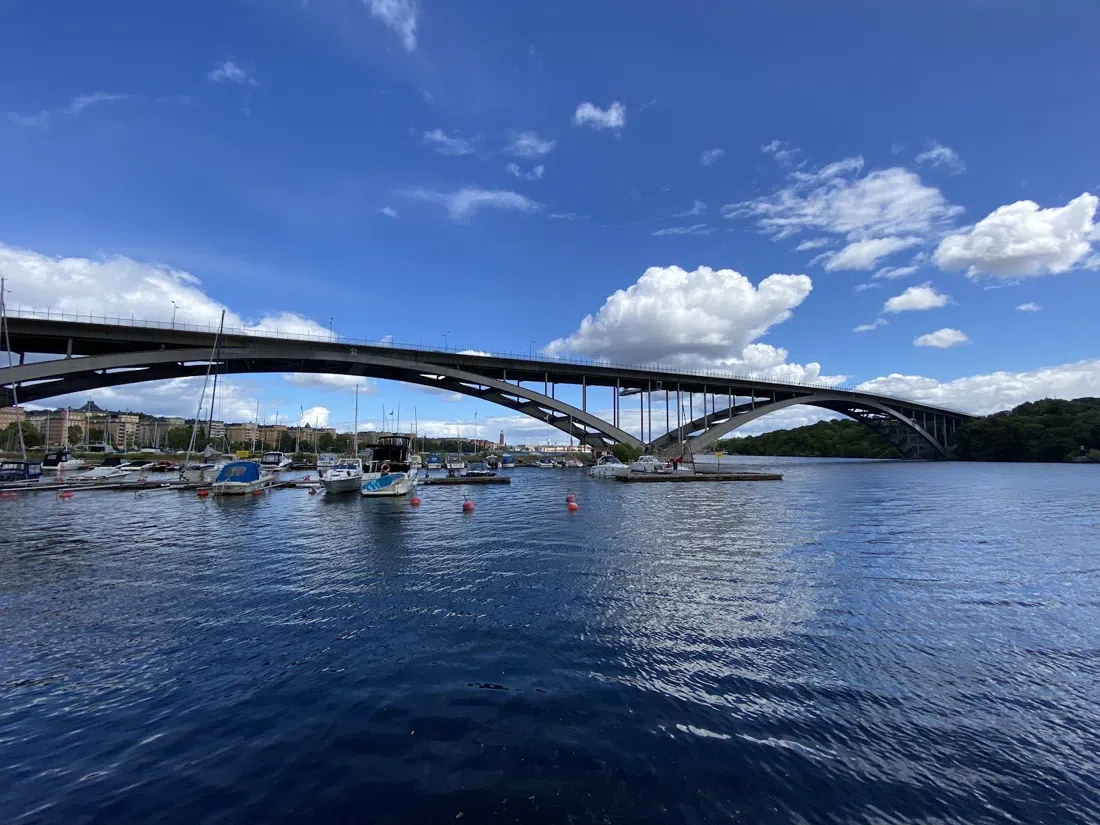
Västerbron, the bridge overhead, was inaugurated on 20 November 1935, so a November visit lands on its anniversary, 91 years in 2026. The walkway is public and free, narrow, and shared with cyclists who are moving faster than you are. With the City Hall tower closed for the winter, this is the high view of the historic city you can still get, and it costs nothing. The wind coming off the water is serious. Hat, gloves, a hood that stays up.
The far end at Hornsberg
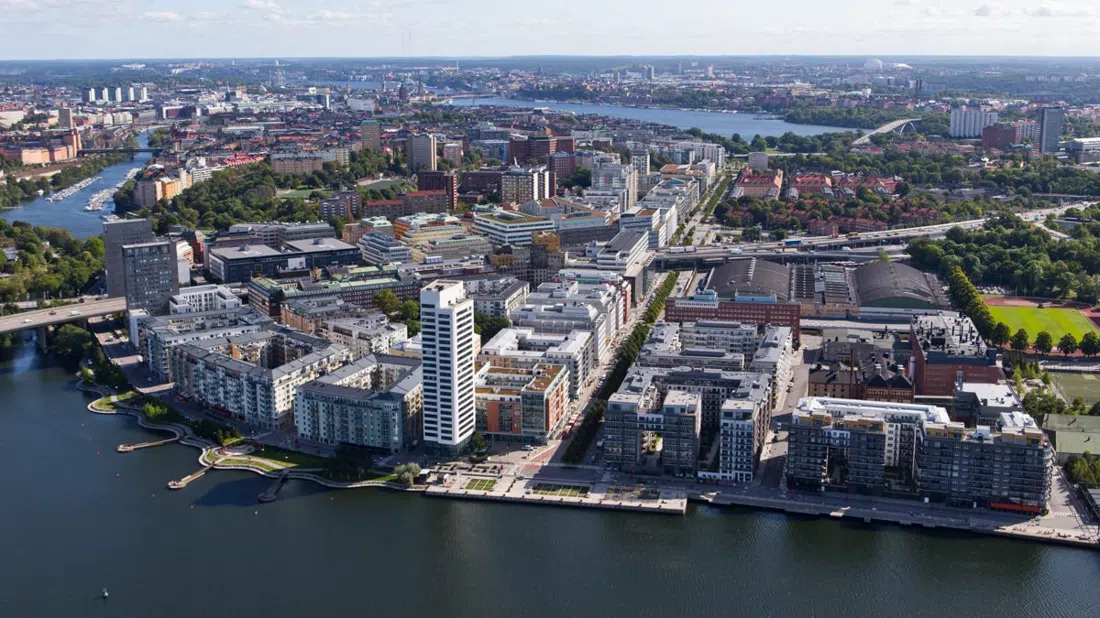
Hornsbergs strandpark, on the island's northwest shore, is the part of Kungsholmen most visitors never reach. A contaminated industrial harbour of brewery, cotton mill and workshops was remade into an award-winning shoreline park in 2012, with timber decks and jetties stepping out over the water. It is free and unrestricted.
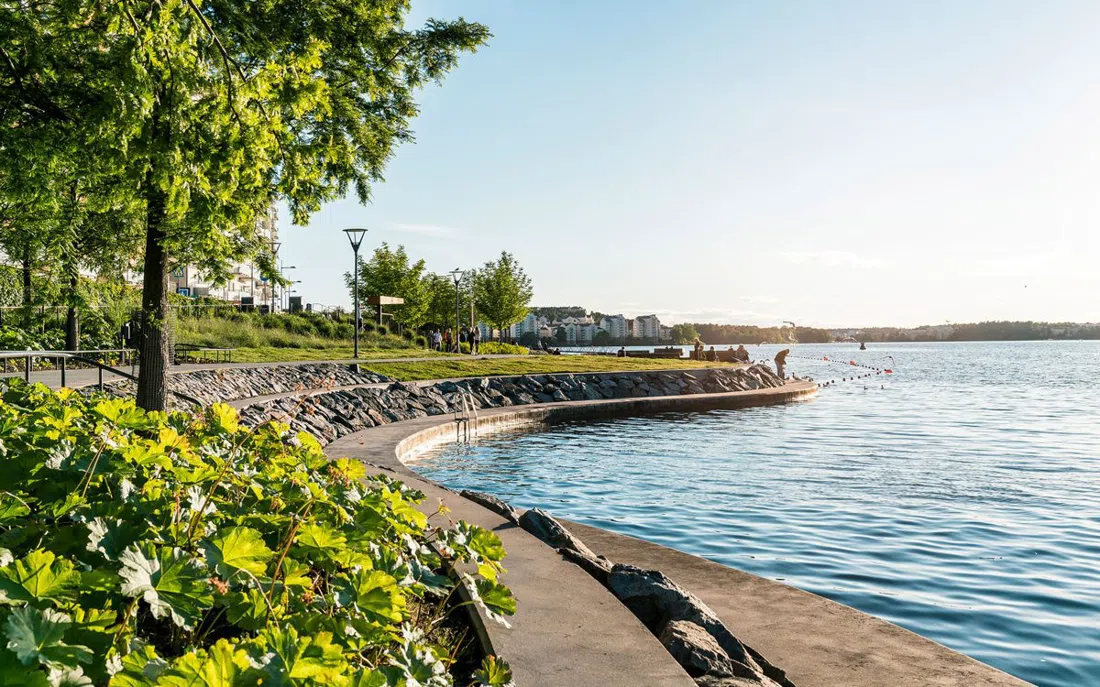
Go because it completes the story the guided industrial walks tell in the east. You stand on the finished version of what those walks describe as rubble and sheds. On a grey November afternoon the decks are quiet and the water is close enough to touch, which is either bleak or excellent depending on your temperament. Stadshagen on the blue metro line puts you within a short walk; do not try to reach it on foot from the City Hall unless you have budgeted an hour.
The older island underneath
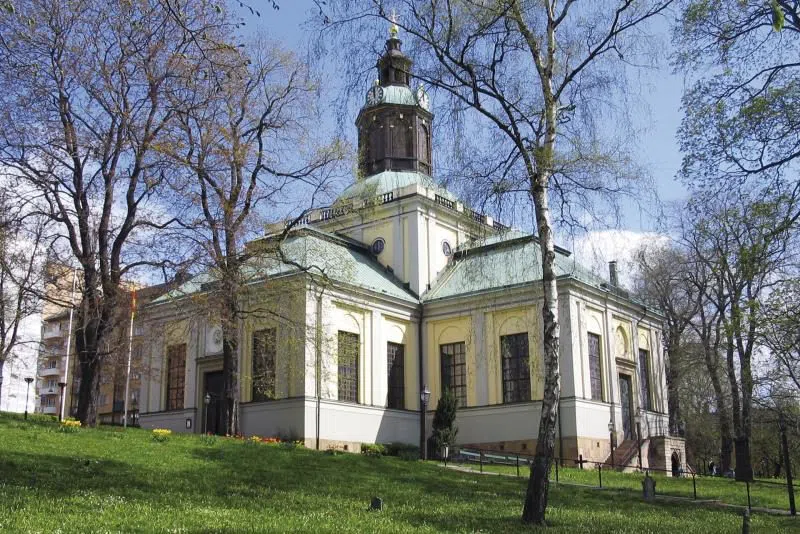
Kungsholms kyrka (Ulrika Eleonora kyrka), in the middle of the island, is the oldest thing standing here and the reason the island has its name, consecrated in 1688 and named for Karl XI's queen. Entry is free and small groups are welcome outside services; larger parties should contact Västermalm parish first. Its opening hours are not published anywhere reliable, so ring the parish on +46 8 650 49 00 before making a special November trip rather than walking across the island on hope.
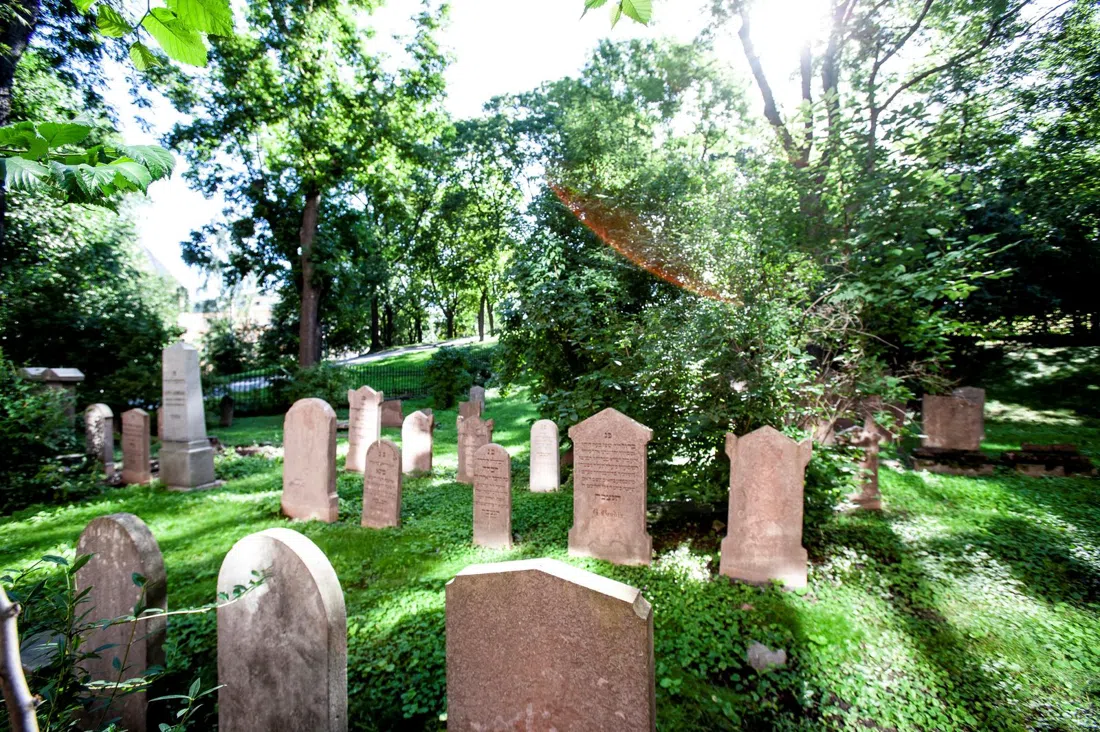
Aronsberg Jewish Burial Ground (Judiska begravningsplatsen Aronsberg) is Sweden's oldest Jewish burial ground, founded in 1776 by Aaron Isaac, who is buried in it. The gate is normally locked. Access, including group visits, has to be arranged through the Jewish Community of Stockholm, and heritage societies run occasional expert-led visits that usually pair it with the 1787 Kronoberg ground in Kronobergsparken. Plan it weeks ahead or leave it out, because this is not a walk-up.
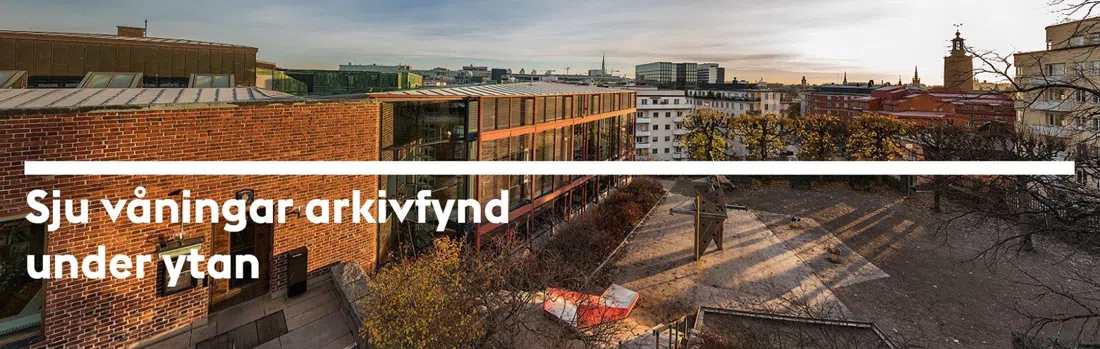
Stockholm City Archives (Stockholms stadsarkiv) sits on the Kungsklippan rock and holds ten miles of the city's paper memory (property records, parish books, photographs) plus a public programme of talks and tours. It is free, and booked tours run for school classes, university groups and other groups on request; the reading room itself is for individual researchers. Reading-room hours are narrow, with Thursday afternoons staffed and Friday self-service, so email ahead instead of turning up.
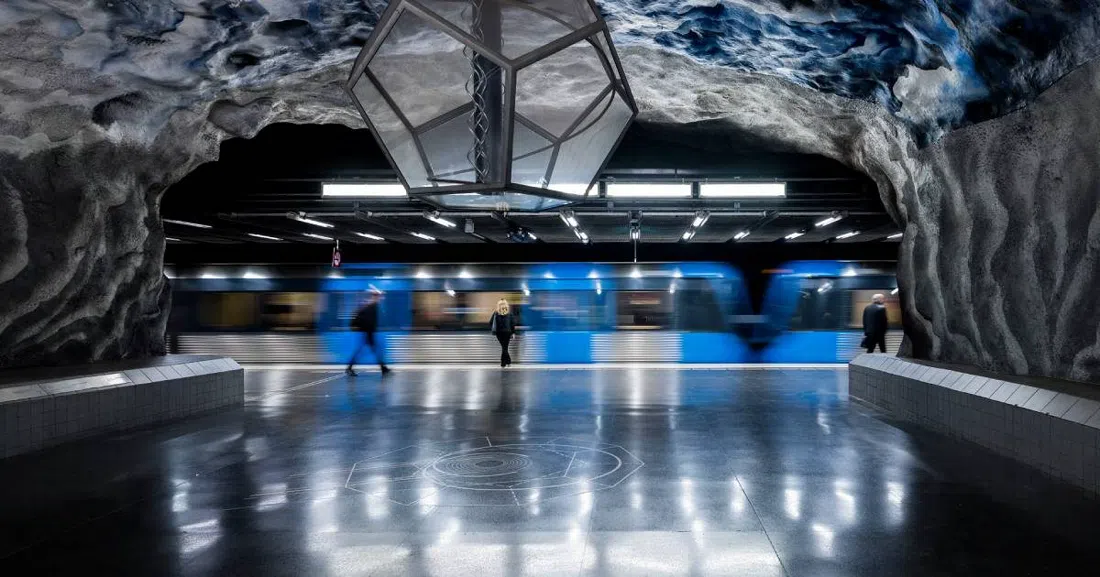
The cheapest historical stop is underground. Rådhuset metro station, beneath the court house, was finished in 1975 to Sigvard Olson's design, the blasted rock left bare and the buried history of Kungsholmen staged along the platform. A single SL ticket costs roughly 45 SEK and is valid 75 minutes, the platforms are narrow and busy at rush hour, and ten minutes down there is enough. In driving November rain it is the warmest history on the island.
Guided walks, a boat, and what they cost
Guiding Star, run by authorised Stockholm guide Stanley Rutgersson, covers eastern, middle and western Kungsholmen in English and Swedish, tracing the 17th-century manufactories through to the 20th-century engineering works. The eastern route starts at Pipersgatan 26 by Rådhuset metro and ends near Kungsholmstorg, about two hours. From 200 SEK per person, 2,500 SEK to take the whole walk privately, maximum 20 people.
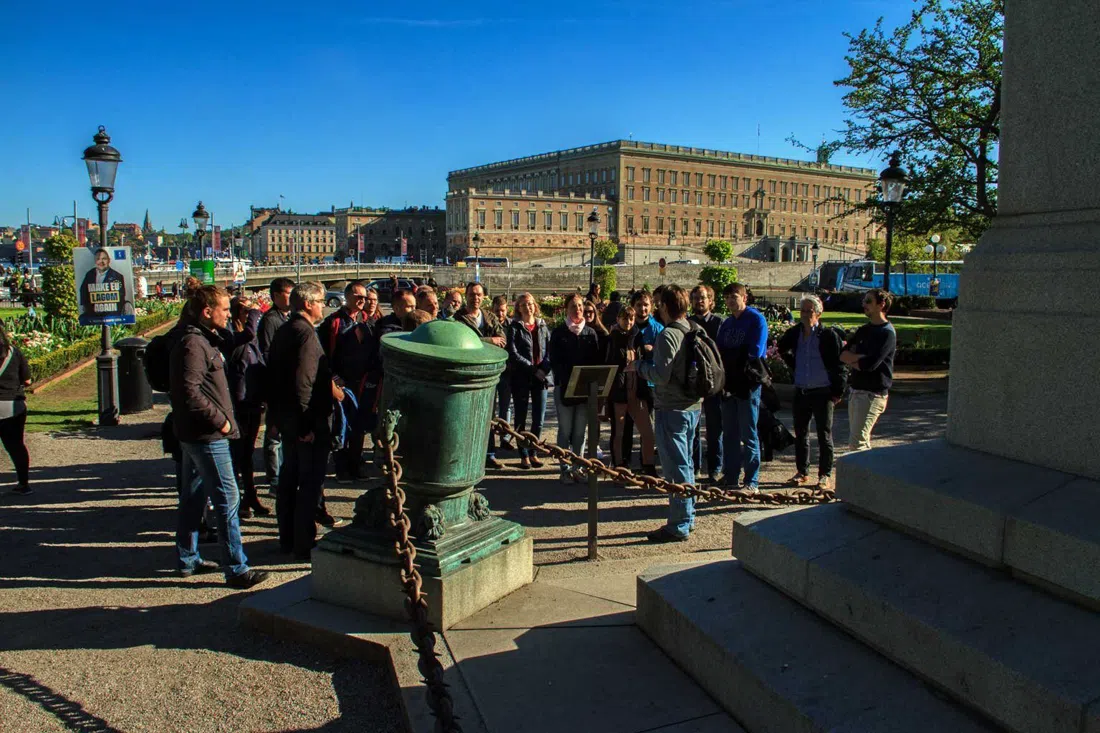
Stockholms stadsmuseum runs its own historian-led Västra Kungsholmen walk, built for groups of up to 30 and wheelchair and pushchair accessible, booked by phone or email. It covers the mulberry pastures, the orphanage and the 150-year-old Lindhagen plan still being built out. It costs 3,190 SEK per group on weekdays 09:00 to 17:00, 4,125 SEK evenings and weekends, 1,350 SEK for a school class, and cancellation closes ten working days out. One catch decides it for most visitors: it is delivered in Swedish only.
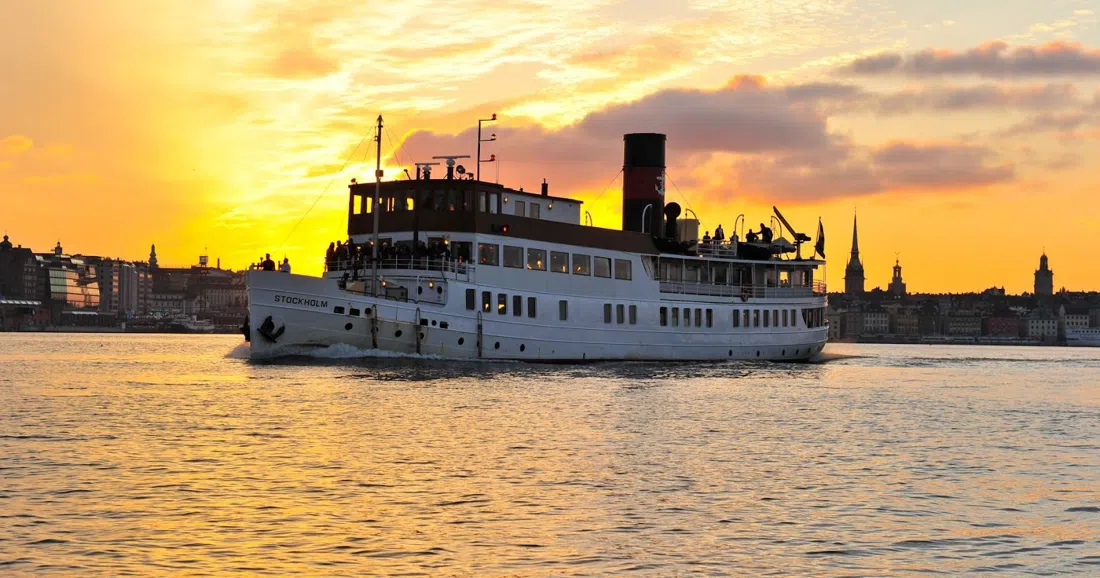
From the water, Strömma runs a winter sightseeing schedule from November to March with only one or two departures a day, at a mid-range per-person ticket with the onboard café extra. It is the practical way to see Kungsholmen's whole southern shore now that the tower is shut. Sailings depend on ice, so check the timetable within a week of your visit rather than a month out.
Set your expectations on two numbers. The bookable guided options attached to this page carry 20 traveller reviews in total, the best-rated sitting at 4.9 out of 5 from 11 reviews, which tells you this is a small specialist market rather than a mass-tourism one. And those private, book-ahead options start from 383 USD per person, a different order of money from the 200 SEK you pay to join a scheduled walking guide. Decide which of those you actually want before you book.
Eating and warming up
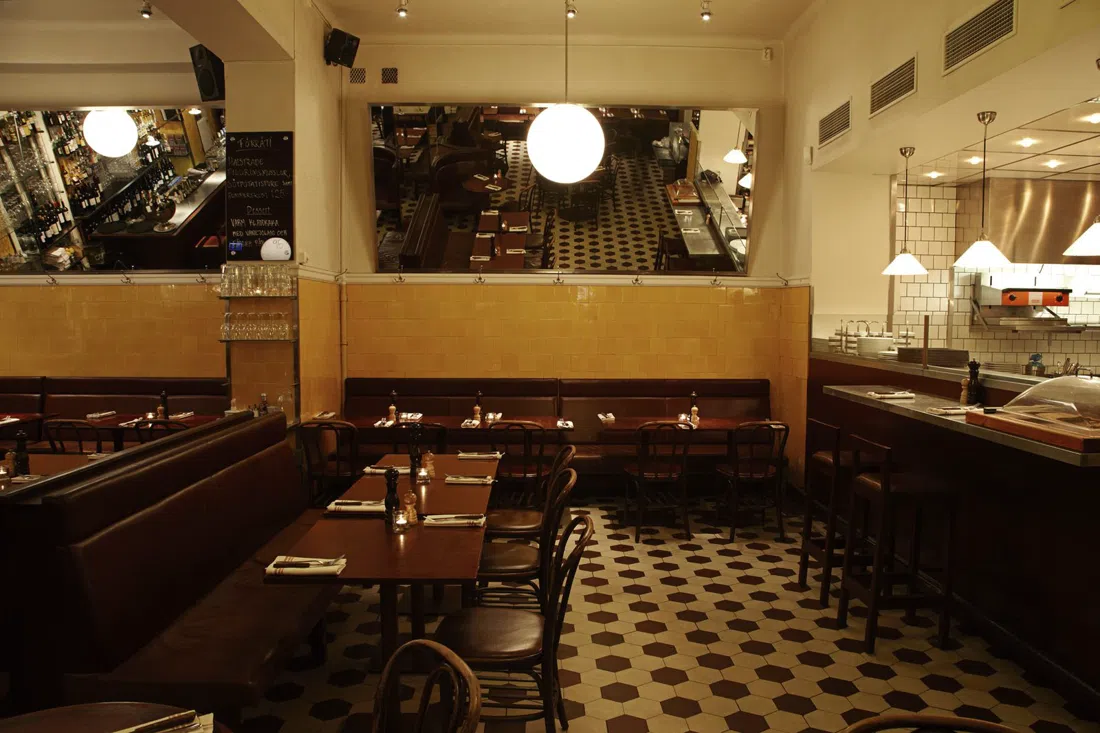
Mäster Anders, near Kungsholmstorg on Pipersgatan, traces its lineage to an inn opened in 1692 by the kitchen master Anders Månsson Holm, and the present premises date from 1905 with the period tiling intact. Mains run roughly 250 to 450 SEK. It takes group bookings, but the front room is small, so reserve ahead. It sits on the same street where the eastern industrial walk meets, which makes it the natural lunch or dinner bracket around that route.
Thelins Konditori, by Fridhemsplan in the middle of the island, has been baking for over a century and opens from 07:00 on weekdays. Coffee and a bun is around 60 to 90 SEK. It is walk-in only with no reservations, and while it seats a fair number, a large group should expect to split across tables. Several Kungsholmen walks start within a few minutes of the door, which makes it the sensible first stop on a dark morning.
Best time to go in November
Start early and treat daylight as the scarce resource. Aim to be inside the City Hall or the court house from around 09:00, on Norr Mälarstrand and Västerbron by late morning, and back indoors, in the metro station or the konditori or a restaurant, once the light goes in the middle of the afternoon.
Weekdays beat weekends here, and by some distance. The court house only has hearings and an open café on weekdays. The archive reading room is Thursday afternoon and Friday. The museum walk is cheaper on weekdays. Only the parks and the bridge are indifferent to the day of the week. Avoid the metro platforms at rush hour if you are travelling with a group, because they are narrow.
If you want a date with something behind it, 20 November is Västerbron's anniversary, and walking the bridge into the wind on the day it opened in 1935 is a better piece of theatre than most paid attractions manage.
Is Kungsholmen worth a day
Yes, if you like walking and buildings and are content that the reward is cumulative rather than a single view. The City Hall alone justifies a morning at 150 SEK. The rest of the island justifies the afternoon only if you are the kind of traveller who finds a rebuilt industrial shoreline interesting, and plenty of people reasonably are not.
It suits couples, solo walkers and anyone with an architectural or civic-history streak. It suits families with older children better than with small ones, given the distances and the wind. Groups need planning rather than luck: more than nine people cannot join a public City Hall tour, the court needs you to arrive in pieces, and the konditori will split you across tables. Skip it if you have two days in the city and have not yet seen the old town. This is a third-day island.
Practical notes
Getting there is simple. The blue metro line runs the length of the island with Rådhuset, Fridhemsplan and Stadshagen all useful, and a single SL ticket costs roughly 45 SEK and lasts 75 minutes, enough to hop from the eastern halls to Hornsberg. From the central station it is about a fifteen-minute walk over the bridge to the City Hall. Buses run along the southern shore if the weather turns.
Cash is effectively unused in Stockholm; bring a card and expect to use it for a 60 SEK coffee. Dress for wind off open water rather than for the air temperature, because the bridge and the northwest shore are exposed.
A realistic day costs around 500 to 750 SEK per person for City Hall entry, a transport ticket, coffee and a proper dinner, or from 200 SEK more if you add a scheduled guided walk. The free half of the island is genuinely free: the court house, the church, both parks, the bridge and the promenade.
For where to base yourself, the eastern end of the island and the central side of the water both put you within walking distance of everything above; compare what is available for your dates with a Stockholm hotel search.
29 September 2026 · a first week before the flat: the Stockholm hotel directory