Sydney · The weekend · 9 min
Where to Watch Sydney's Flying Foxes Leave at Dusk
Sydney has tens of thousands of grey-headed flying-foxes roosting in its parks and backyards, and watching them stream out at last light costs nothing, as long as you pick the right camp on the right night.
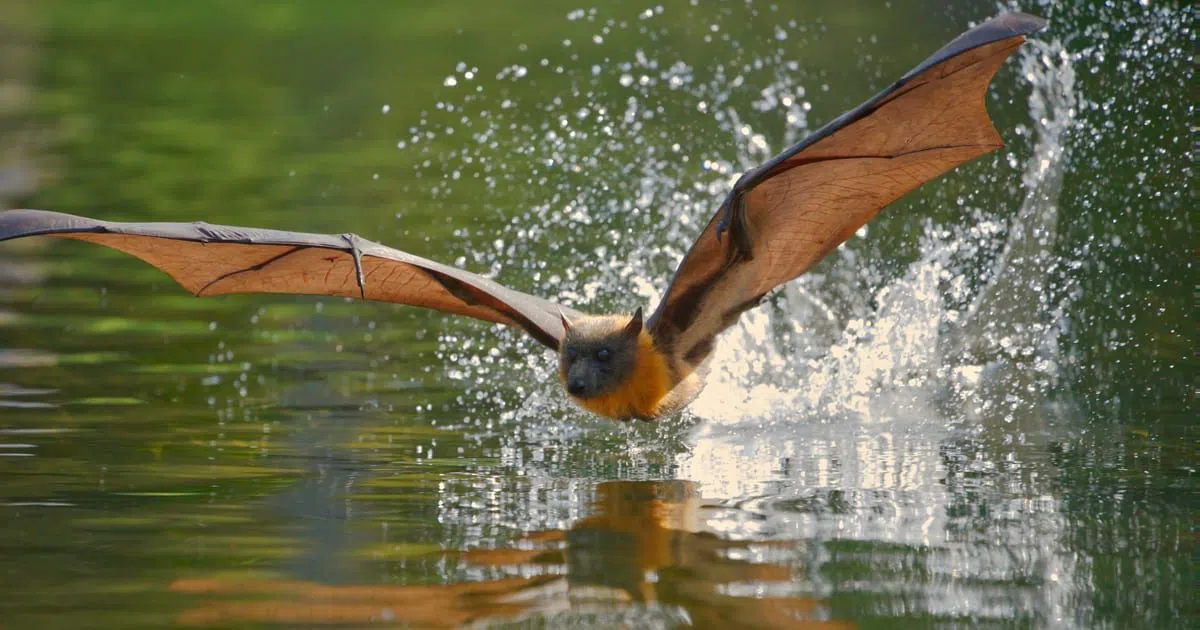
About fifteen minutes before the last light goes, the fig and paperbark canopy over Lachlan Swamp starts to shift and bicker, and then the first few hundred grey-headed flying-foxes drop out of the leaves and climb away over Centennial Park on metre-wide wings. For the next half hour they keep coming in loose ropes across the sky, above joggers who stopped looking up years ago. It is the largest wild animal event in Sydney, it costs nothing, and most people who live here have never once stood still for it.
What is actually leaving the trees
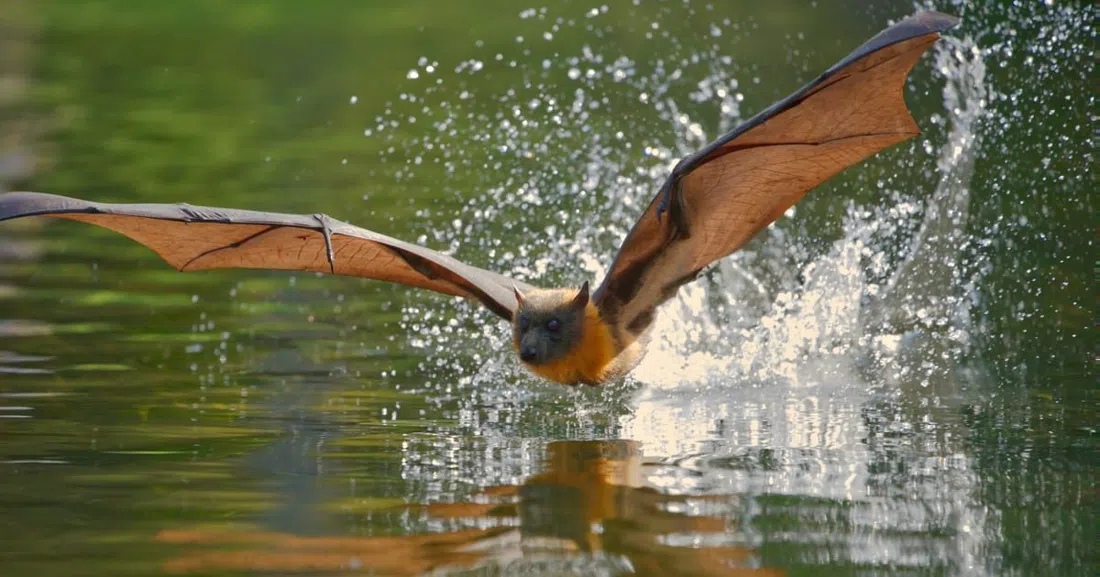
The animal is the grey-headed flying-fox, a fruit bat found nowhere outside eastern Australia and listed nationally as a threatened species. Adults have a wingspan close to a metre, a face more dog than mouse, and no echolocation at all. They navigate by sight and smell. Nothing in a camp is pinging sonar off your head. That single fact changes how the fly-out reads: less horror film, more evening commute.
Because that is what it is. A camp is a day roost, not a feeding ground. At last light the colony lifts and fans out across the basin to feed on eucalypt blossom and figs, sometimes fifty kilometres out, and it is back before dawn. On the way these bats do the long-haul pollination and seed dispersal that keeps hardwood forest genetically mixed, which is the honest argument for tolerating a noisy, pungent colony in a suburb.
Two consequences for anyone planning a trip. First, numbers swing hard through the year, because a colony follows flowering rather than a calendar: a camp holding tens of thousands in January can be nearly empty in July. Second, the event is tied to the sun, not the clock. Sydney sunsets run from about 4.55pm in late June to a little after 8pm in December under daylight saving. Look up the day's sunset, subtract thirty minutes, and that is your arrival time. Get it wrong by twenty minutes and you have driven out to look at an empty tree.
Centennial Park is the one that works
If you only do this once, do it at Lachlan Swamp, Centennial Park, the stand of ancient paperbarks in the middle of the park, roughly fifteen minutes from the CBD. It holds Sydney's largest colony, it is reliably occupied, and it is the only camp in the city with infrastructure that was designed around the bats rather than borrowed from something else. The boardwalk through the swamp was rebuilt in 2022 specifically to cope with the droppings, which tells you both how much guano comes down and how seriously the parklands take the fact that people keep coming to look.
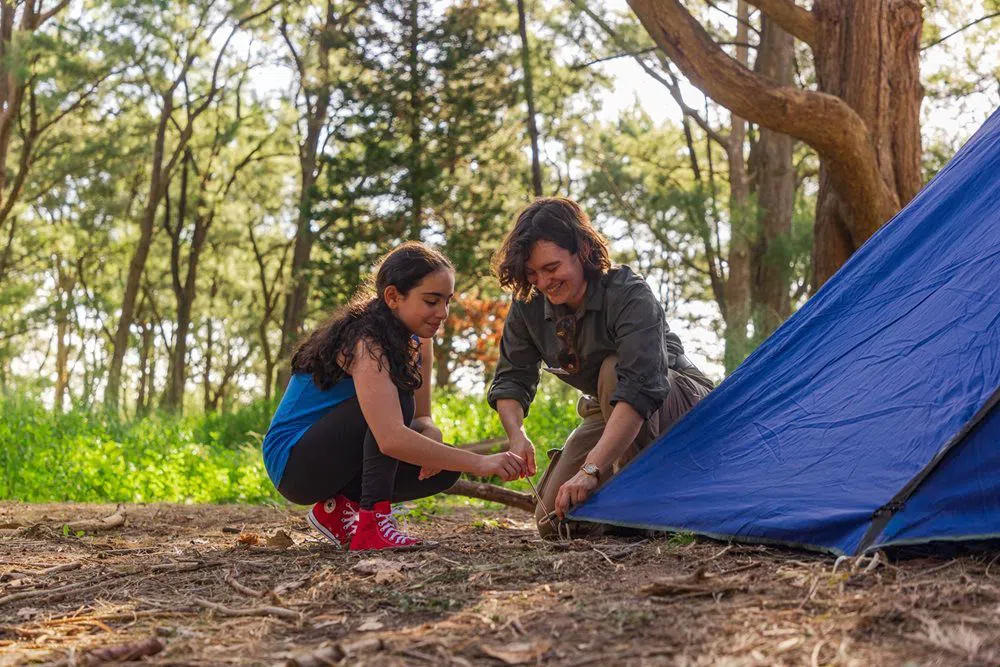
Practically, it is free, open, step-free and absorbs crowds without anyone noticing. Arrive thirty minutes before sunset, walk in from the Paddington or Moore Park gates, and give yourself time to find a spot with open sky to the side of the canopy rather than directly under it. You want to watch them climb out, not receive them. Wear long sleeves in summer, because the swamp has mosquitoes, and do not park a car beneath the roost trees unless you want a detailing bill.
For organised groups, Greater Sydney Parklands runs private guided sessions for parties of ten or more; email [email protected] well ahead rather than turning up with a coach. Ticketed ranger events run from roughly A$10 to A$35 depending on the session. Verdict: this is the dependable one, the one to build an evening around, and the only camp here I would promise a visitor.
Email before you drive north to Gordon
The camp the city's north is famous for is Ku-ring-gai Flying-fox Reserve, Gordon, a pocket of bushland on the upper North Shore, occupied since the 1960s and capable of holding up to 40,000 bats at summer peak. On a good January night it is the better spectacle of the two. The problem is the word good.
The Ku-ring-gai Bat Conservation Society (Sydney Bats), which has looked after this reserve since 1985 and was still publishing research notes in 2026, currently describes the bats as visiting only intermittently and runs no scheduled fly-out events. That is a straight answer from the people who know, and it should govern your plans. Email them before you commit an evening to the northern trip; they are the single best source of truth on whether the camp is actually occupied this week. They also arrange talks and education sessions with live flying-foxes for organised groups on request, and they run open bushcare mornings in the reserve most Tuesdays that anyone can join, which is, frankly, a better use of a Tuesday than most guided wildlife experiences in this city.
If you do go, understand the viewpoint. It is a residential street bridge, free and public, with no car park, no toilets and private driveways on both sides. Small, quiet parties only. People live there, and the neighbours have had decades of visitors treating their street as a car park. Treat Gordon as the pilgrimage and Centennial Park as the sure thing.
The oldest camp on the books sits in Parramatta Park
The Parramatta Park Grey-headed Flying-fox Camp occupies a bend of the river inside World Heritage parkland in the city's west, and it carries a distinction worth the trip on its own: bats have been recorded roosting on this bend since 1798, which makes it the oldest continuously documented flying-fox camp in the country. You are standing where someone wrote the same observation down two hundred and twenty-eight years ago. Most of what gets sold as heritage in this city has less continuity than that.
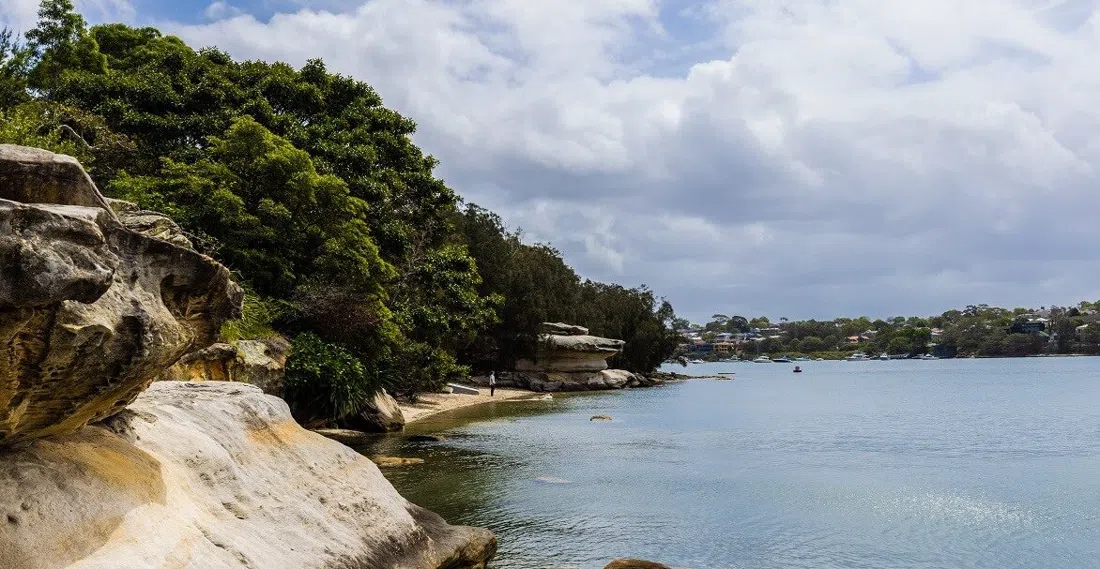
Numbers sit around ten thousand for most of the year and swell toward twenty thousand in summer. For visitors with a group, this is the easiest of the western camps by a distance: wide sealed loop paths, actual car parking, open sightlines along the river, and enough room that twenty people do not become a nuisance. Families manage it comfortably.
The parkland also runs a ticketed guided fly-out, the Big Bat Walk, pitched squarely at families. The 2026 edition ran on Friday 20 March, 6pm to 7pm, at about A$15 adult and A$10 child. Check the parklands' events listing for the next date rather than assuming it recurs on a fixed night. At that price, with a ranger explaining what is overhead, it is better value than most paid wildlife outings and considerably more honest than a few of them.
Lansvale has the only platform built for the job
The Cabramatta Creek Flying-fox Camp, Lansvale is the most purposeful piece of bat infrastructure in Sydney, a genuine interpretive viewing platform rather than a repurposed footpath. You reach it by a laneway off Liverpool Street, behind the Sunnybrook Hotel, and the pub car park solves the single problem that spoils most camps in this city: nowhere to leave the car without blocking somebody.
Timing here is different and worth noting. The best window is October to March, and the fly-out from this camp reads best about twenty minutes after sunset rather than before it, so come later than you would to Centennial Park and stay longer than you think you need to. The platform itself is small. Two to six people is right; a dozen makes it awkward and twenty makes it unusable. Larger parties should skip the platform entirely and watch the departure from Jacqui Osmond Reserve on the Hume Highway, where there is open sky and room to spread out.
This is the camp I would send a keen photographer or a couple who want something with no other visitors in the frame. It is also the clearest demonstration of what a council can do with a modest budget and a decision to treat a colony as an asset rather than a complaint.
Duck River is the unvarnished version
For completists only: the Duck River Flying-fox Camp, Granville is a small maternal colony packed into less than a hectare of riverbank, reached on foot from Clyde station. There is no boardwalk, no interpretive sign, no press coverage and no facilities of any kind. It is a working rail and industrial corridor with a patch of trees full of bats in the middle of it.
I include it because it completes the picture. Four of the camps above exist in some form of managed parkland, which is a kind of flattery: it suggests the species is being accommodated. Duck River is what an urban camp looks like with none of that. No money spent, no narrative applied, the animals simply persisting in the margin they were left. A maternal colony means females and dependent young, so the disturbance stakes are higher and the case for keeping your distance is not merely etiquette.
Two or three people, on foot, quiet. Do not bring a group and do not bring children looking for an experience. It earns its place on this list as context rather than as a night out, and if you are short of evenings, spend them elsewhere.
Watching without wrecking it
The etiquette is short and it matters. No flash photography, no shouting, no playing recorded calls, no shaking branches to get the colony up. A camp disturbed at the wrong moment in summer can drop young, and flying-foxes are already under enough pressure from heat events and habitat loss without a visitor adding to it.
Never handle a bat, including one you find on the ground looking helpless. Australian bat lyssavirus is only transmitted by a bite or scratch, so the risk to someone watching from fifteen metres is effectively nil, but the risk to someone who picks up a grounded animal is not. Call a wildlife rescue service and let a vaccinated handler deal with it. Droppings are the other reality: park away from roost trees, and do not stand directly beneath the canopy in a good shirt.
Getting there, timing it and what it costs
On transport, Centennial Park is a bus ride or a short walk from Bondi Junction station, and genuinely close to the city, which is why it anchors an evening. Gordon sits on the North Shore line. Parramatta is reachable by train or, more pleasantly, by river ferry, then a walk into the park. Granville and Clyde are on the western line. Lansvale is the one that really wants a car. Tap on with an Opal card or any contactless bank card; there is no separate ticket to buy and the daily fare cap keeps a two-camp evening cheap.
You do not need cash. Everything here is tap-and-go, and the camps themselves charge nothing.
For timing, that is thirty minutes before sunset at Centennial Park, Parramatta and Gordon, and about twenty minutes after sunset at Lansvale. October to March gives the biggest numbers across every camp. Allow ninety minutes door to door for the viewing itself.
The budget can be nothing but a fare. Ranger-led sessions at Centennial Park run roughly A$10 to A$35, the Parramatta family walk about A$15 adult and A$10 child, and the conservation society asks only a donation and a nominal annual membership. Call it A$50 for two people including transport and a guided session, which makes it the best-value wildlife hour in the city.
As for where to stay, an eastern suburbs or CBD base puts Centennial Park within twenty minutes and keeps Parramatta an easy train ride; compare rates with a Sydney hotel search before you fix an area. For what else fills the daylight hours around a dusk fly-out, start with our Sydney guide.
6 October 2026 · a first week before the flat: the Sydney hotel directory