Tel Aviv · The weekend · 7 min
Park HaMesila and the old rail corridor on foot in Tel Aviv
The Ottoman railway laid in 1892 from Nahalat Binyamin to the sea is now a 1.3km walk, past the museums of Neve Tzedek and the courtyard bars of Florentin, ending at the first railway station built in the Middle East.

Park HaMesila runs 1.3km through south Tel Aviv along the 1892 Ottoman alignment of the Jaffa to Jerusalem railway, and walking it end to end takes 25 minutes. The original rails and sleepers are set into the paving. The eastern end sits at Nahalat Binyamin, the western at the old station and Kaufman Street by the coast.
The line underfoot
Park HaMesila (Nahalat Binyamin to Kaufman Street, Neve Tzedek) has no gate, no closing hour and no entry charge. Walk it from east to west and the museums come before the sea. Keep to the pedestrian path, because the red-earth lane beside it belongs to cyclists, who ride it in groups.

The restored stone piers of the Shloush Bridge stand where the line crossed. For much of the way the low Bauhaus and tin-roofed backs of Neve Tzedek houses press in on both sides, close enough to see the washing on them. The 25 minutes is clean walking time with nothing in between, and everything worth stopping for sits on the corridor or a few hundred metres off it.
Neve Tzedek's plaza and museums
Suzanne Dellal Centre for Dance and Theatre (Neve Tzedek) holds two restored 1890s school buildings around a raised plaza planted with orange trees. The plaza is free and unticketed at all hours, with pale stone terraces, water channels cut into the ground and bougainvillea on the walls. Sit on the terraces at dusk, with the Neve Tzedek rooftops behind you. The Batsheva Dance Company is based here, and performances are ticketed through the box office in the ₪₪ band.

Nahum Gutman Museum of Art (21 Shimon Rokach Street) occupies an 1887 sandstone house with arched windows and a glass-and-steel wing grafted onto the back. Gutman's bright naive paintings of early Jaffa and Tel Aviv hang through the rooms. Entry is 40 NIS for adults and free for under-18s. The museum closes on Sundays and stays open until 19:00 on Monday and Thursday, which is the slot to use if you reach it late in the day.
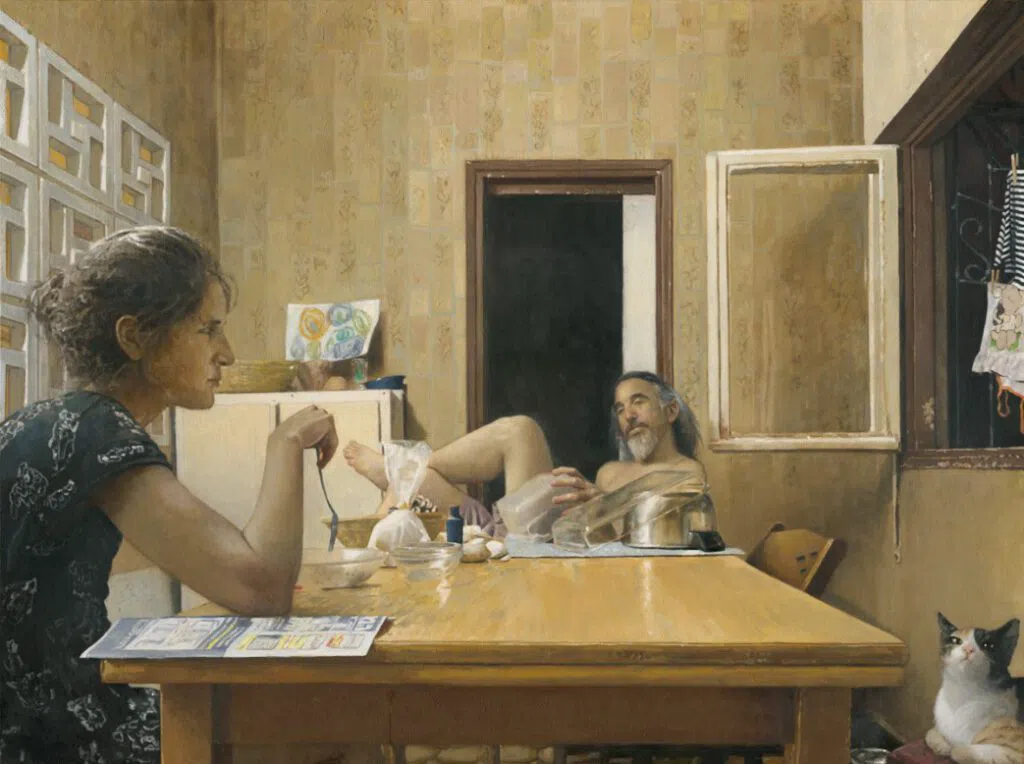
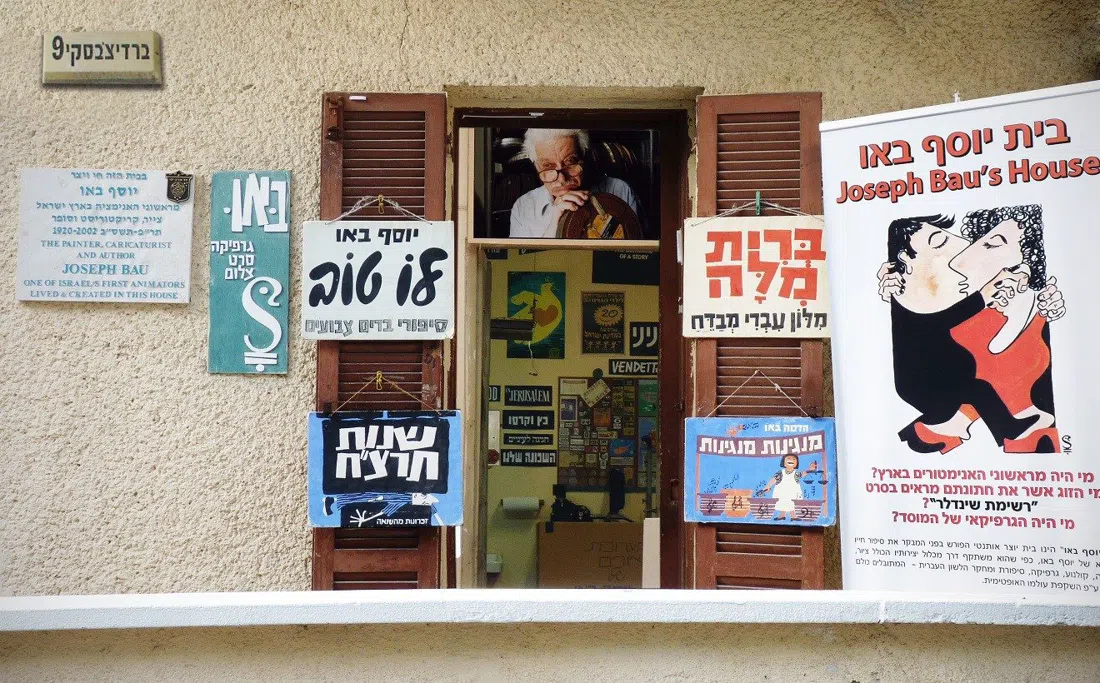
Rokach House Museum (Neve Tzedek) was one of the 48 original homes of the neighbourhood, built in 1887 under a pale copper dome, and it tells the founding story of the place that grew around it. Period furniture and sepia photographs sit alongside sculptures by Leah Majaro-Mintz. Walk-ins are Friday and Saturday only, 10:00 to 14:00, and entry is 30 NIS. Arrange weekday visits in advance. The house also runs escape-room sessions, so call before you walk over.
Eating in Neve Tzedek
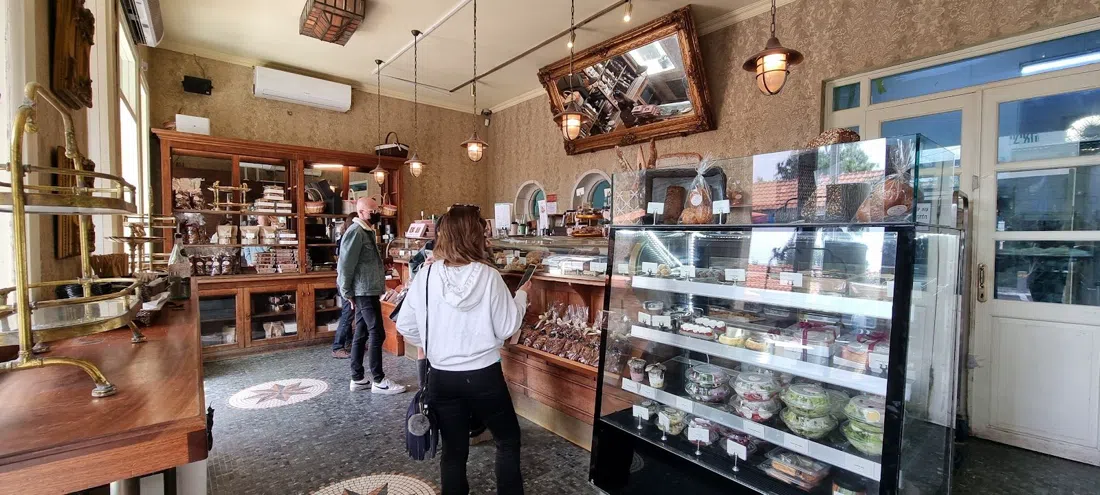
Dallal (Shabazi 10) bakes its own bread across the lane and carries it to the table in baskets. The courtyard of the whitewashed corner house is shaded by a vine and set with wrought-iron furniture, and brunch out there is the meal to come for. Reserve for the weekend. Prices run ₪₪₪, and the bakery next door sells the same pastries for a fraction of what the dining room charges.
HaTachana at the Kaufman Street end
HaTachana (The Station) (Kaufman Street, at the coast) was the first railway station built in the Middle East, opened as the Ottoman terminus in 1892 and restored into a walk-through complex of pale sandstone and Templer-era buildings. Entry is free and the gates stay open to groups. A wooden railway carriage stands preserved on a short length of track, string lights hang over the courtyard tables, and cobbled lanes run between the low warehouses. Several retail units sit empty, and the restaurants inside price high.

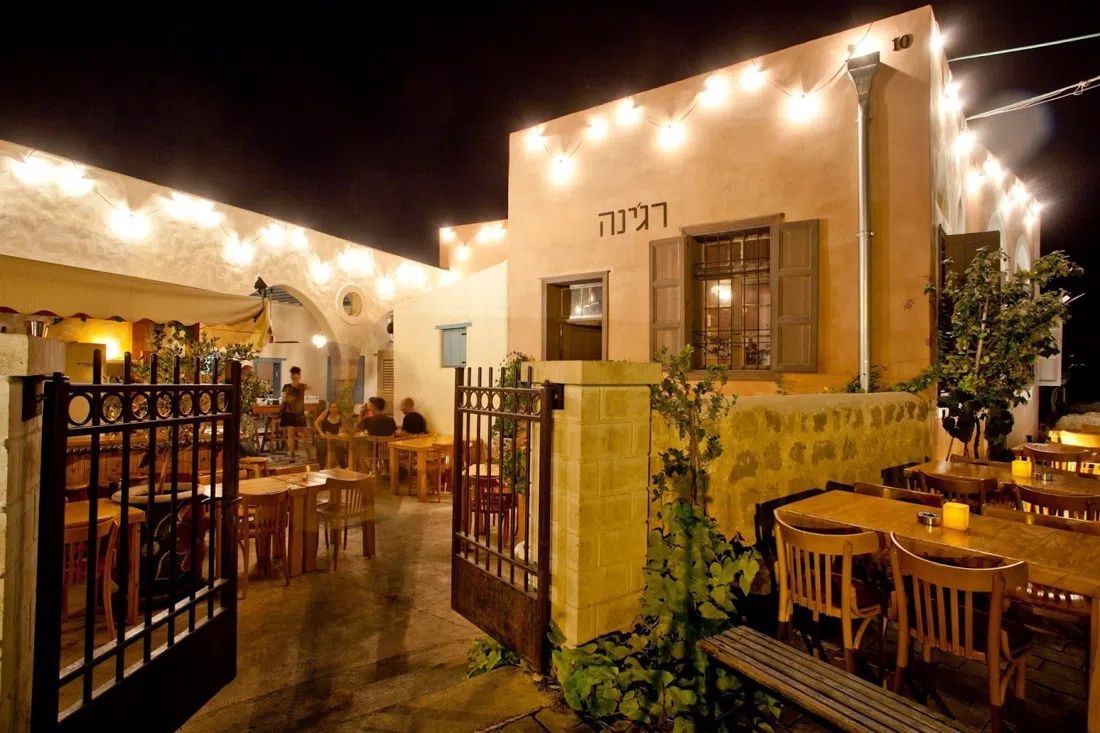
Regina (HaTachana) serves a kosher menu drawing on dishes from across the Jewish diaspora, in a restored Templer-era stone building under warm lamplight, with outdoor tables on the cobbles of the old station yard. It opens Sunday to Thursday, 14:00 to 23:30, and Saturday from 20:30, and closes on Friday and Shabbat. Service slows when the complex is full. Prices run ₪₪₪.
Where the line reaches the sea
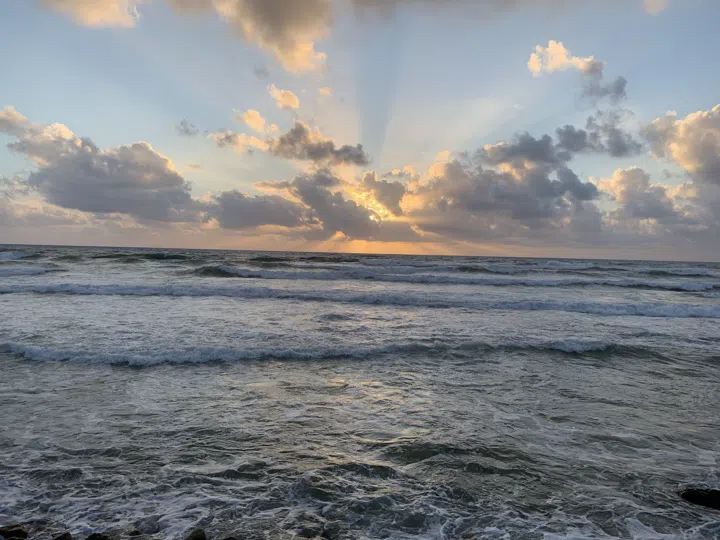
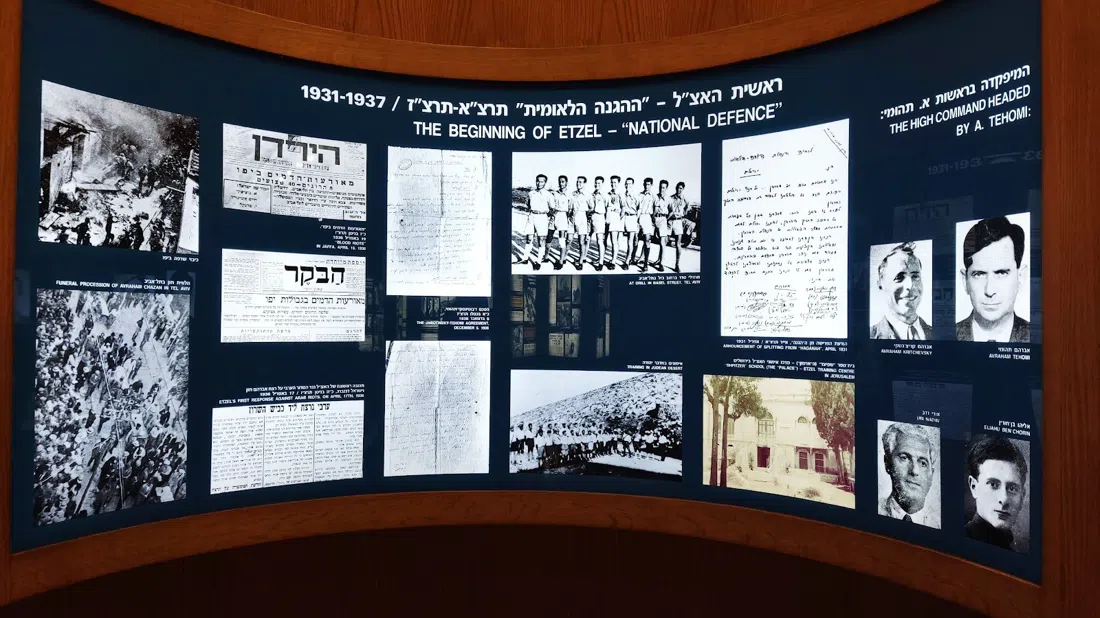
Etzel Museum 1947–1948 (Beit Gidi) (Charles Clore Park) is a black glass-and-steel box built directly on top of the bullet-pocked sandstone ruin of the last surviving house of the Arab village of Manshiya. It stands alone on the grass with the sea behind it. The exhibition tells the Irgun's side of the 1948 battle for Jaffa; read it as one partisan account. Entry is 20 NIS, or 15 NIS with concessions, and opening is Sunday to Thursday, 8:30 to 16:30, closed Friday and Saturday. Arrange the visit in advance.
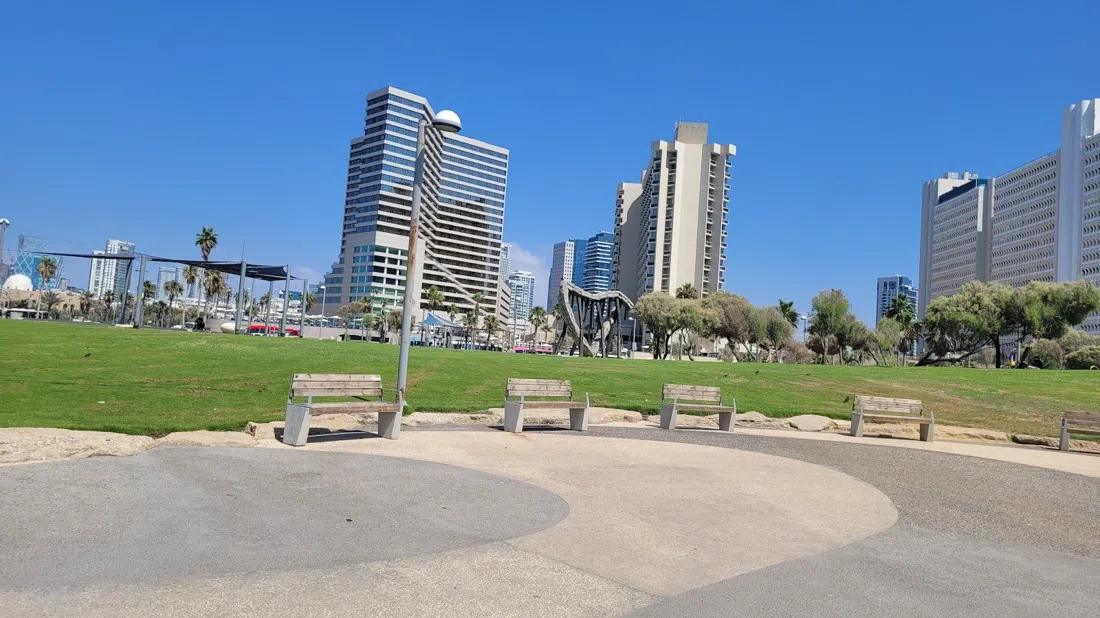
Charles Clore Park lies on the filled-in site of the demolished Manshiya quarter, wide lawns running down to the sand between Tel Aviv and Jaffa. Old Jaffa's skyline closes the view south. The minaret of the Hassan Bek Mosque stands 600m north along the promenade. The park is unenclosed and free at all hours, and picnic parties and tour groups spread out on the grass.
Levinsky Market and the Florentin streets
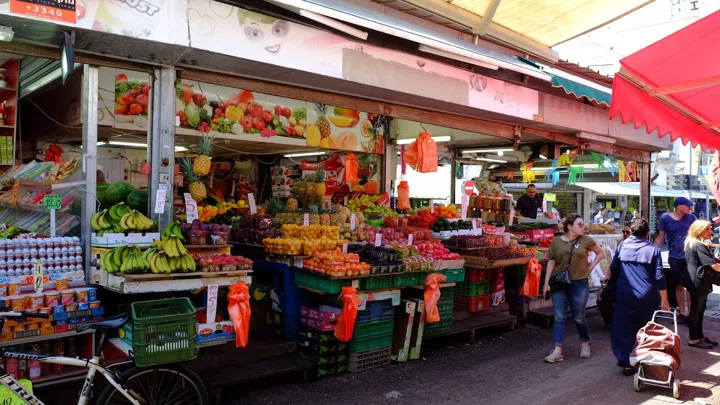
Levinsky Market (Florentin) is 400m south of the corridor's eastern stretch. Greek, Balkan, Persian and Iraqi Jewish immigrants built it and it still trades as a working market. Spices fill open sacks and bins under faded awnings, green za'atar and pink sumac among them, with dried fruit, nuts and barrels of olives at the Balkan deli counters. Most shops open Sunday to Thursday, 8:00 to 18:00, and close at 15:00 on Friday. Food tours come through. Nothing here is free except the street itself.

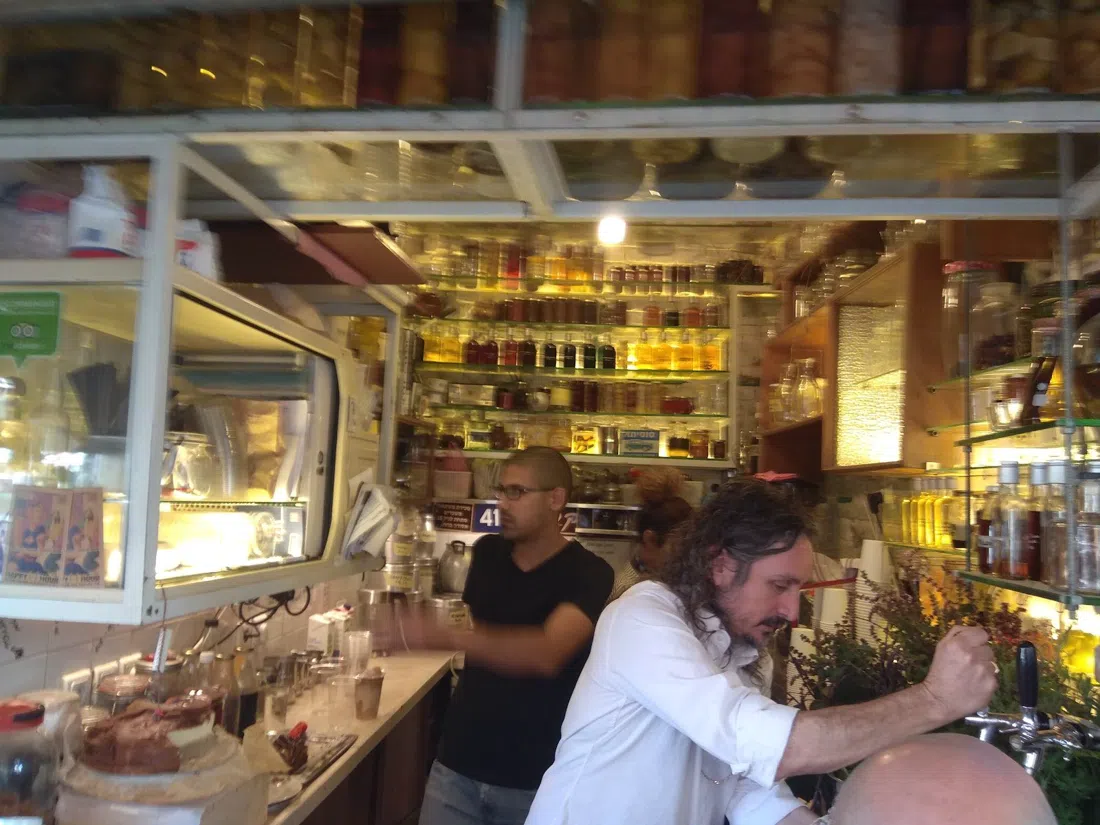
Cafe Levinsky 41 (Levinsky Street) is where Benny Briga revived gazoz, the herb-and-fruit soda that had almost died out in Israel. He builds each drink by hand into a tall glass of seltzer, with petals and fruit floating in it, from the jars of fermenting fruit syrups, dried flowers and herbs crowding the counter. The drinks hold no alcohol. The shop is minuscule, a handful of stools and standing room, and takes two or three people at a time.
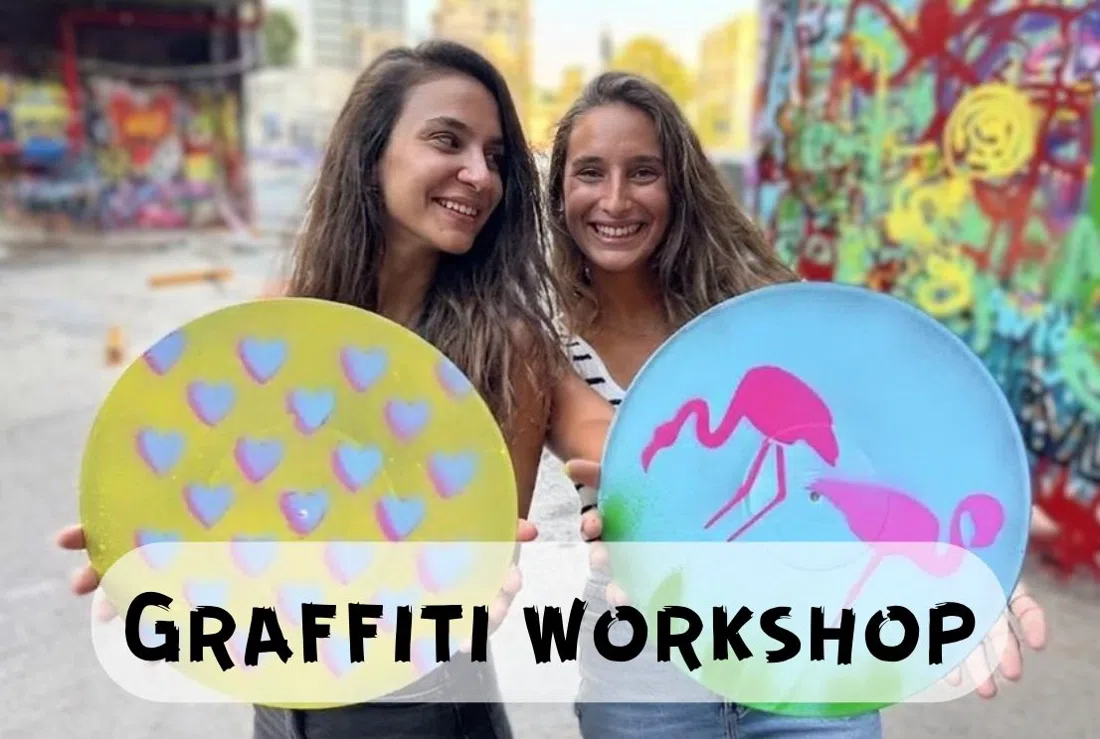
Grafitiyul (Abarbanel and Vital streets, Florentin) is run by working graffiti artists rather than general guides, and the standard Florentin route takes in Park HaMesila itself. Abarbanel and Vital carry the murals, the stencil work on the rolling shutters and the Marilyn-Monroe-as-gangster piece. The second half of the session puts a spray can in your hand. Tours start at 150 NIS for adults and 90 NIS for children. English departures are arranged privately over WhatsApp and are not scheduled daily, so book ahead.
Florentin after dark
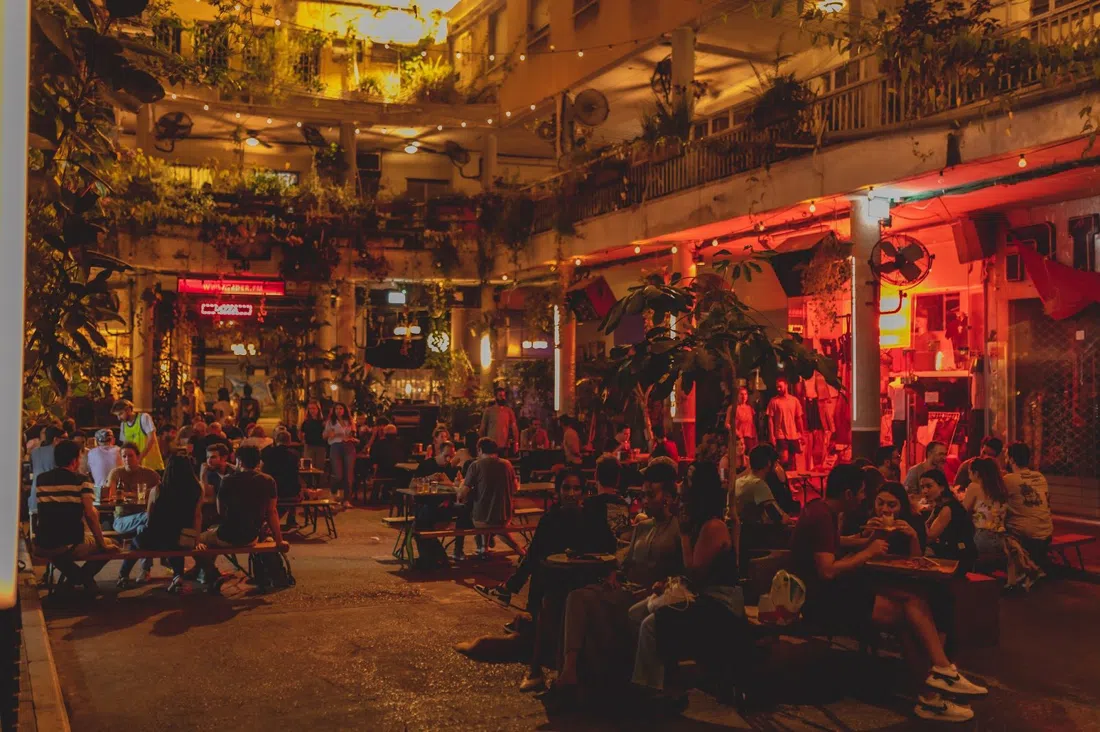
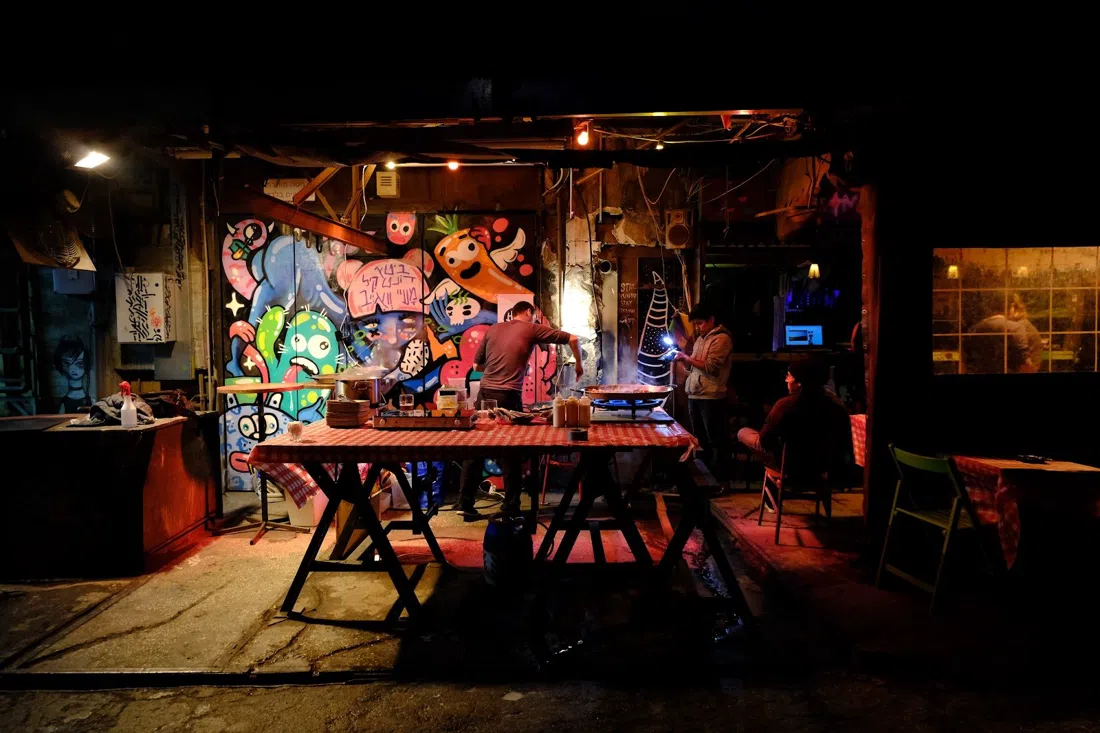
Teder.fm (Derech Jaffa 9) runs a bar, a pizzeria by chef Eyal Shani and a live radio station in one open-air courtyard inside the old Beit Romano building. You sit at long communal tables while the DJ booth broadcasts to air. The pizzas come oversized and thin-crust and the beer arrives in jugs. It opens in the early evening and gets very full after 21:00, with no door policy to speak of. In some seasons it closes on Sundays. Prices run ₪₪.
Hoodna Bar (Abarbanel 13) puts the band a few feet from the drinkers, with no stage. Live music is free most nights, the house Hoodna Afrobeat Orchestra included. The courtyard is ringed by Florentin graffiti and furnished with whatever matched least, and drinks are cheap. No dress code applies. It opens at 18:30 on weeknights and runs until 04:00, and you can walk in.
Where to stay
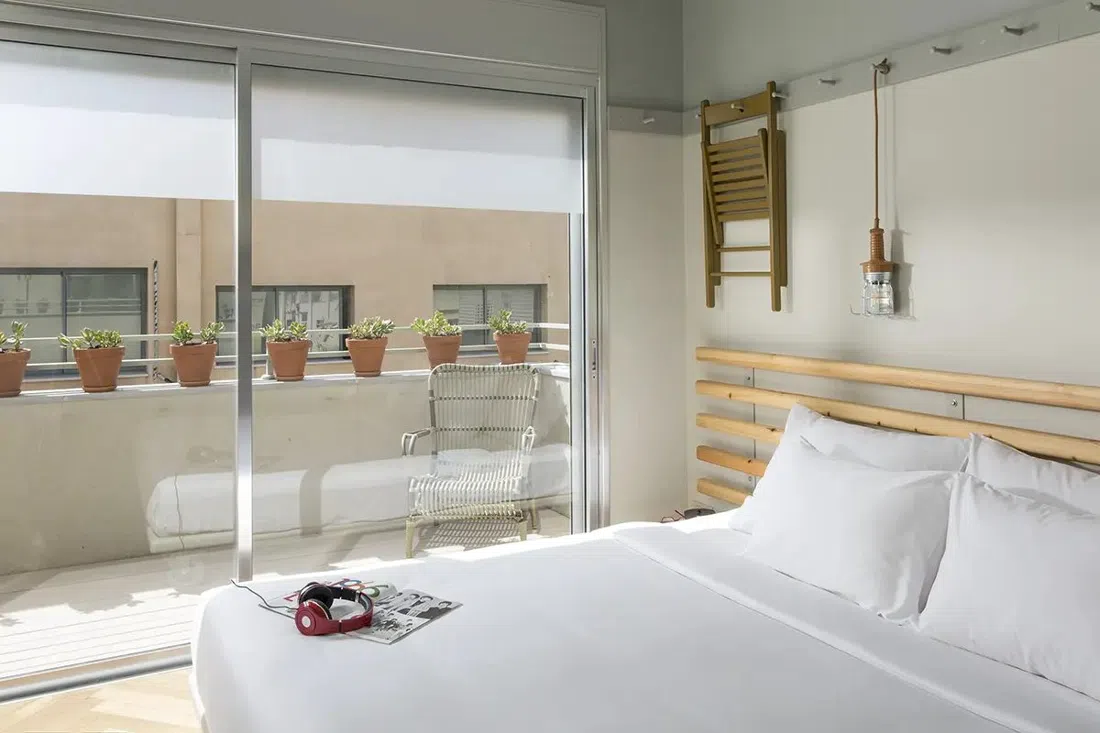
Florentin House (Florentin 6) is a 25-room hotel in the middle of the graffiti-covered Florentin grid, with small balconies and terraces above a street of workshops and bars. Rooms sleep two or three, and family rooms are available. Check-in is self-service, with WhatsApp support at any hour. Park HaMesila and Levinsky Market are each a few minutes' walk away. Florentin is noisy at night. Prices run ₪₪.
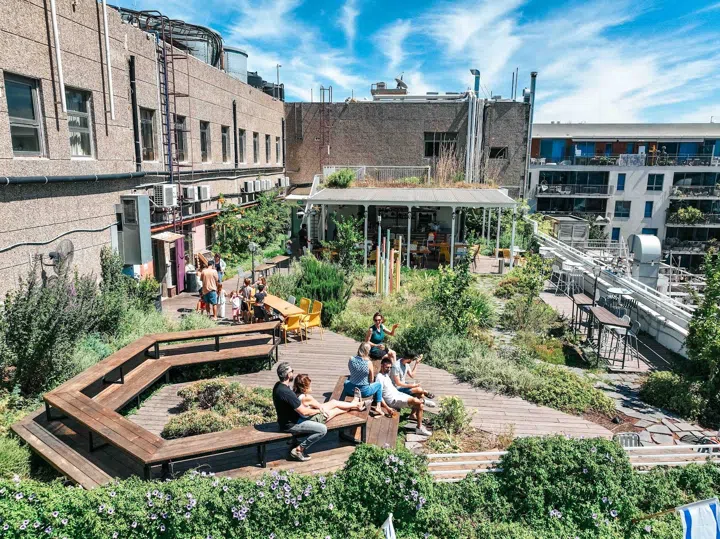
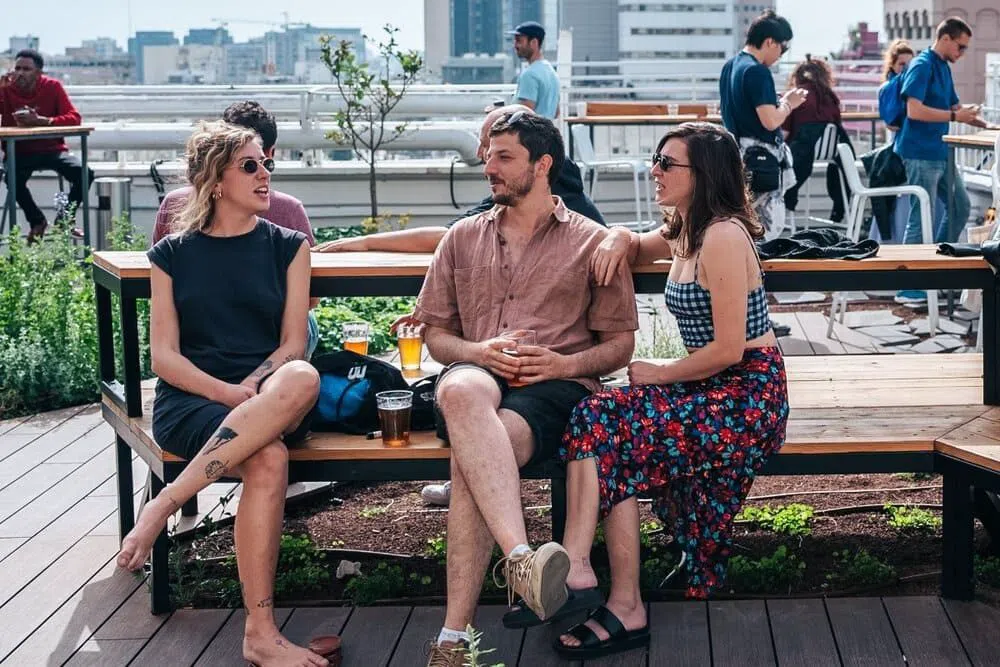
Abraham Tel Aviv (Levontin 21) is a 350-bed hostel 400m from the park's eastern end, with a green rooftop terrace over south Tel Aviv, a big communal lounge, and nightly events and live music downstairs if you want company. It runs its own daily tours. Bookings of more than five rooms fall under group terms, with a seven-day maximum stay for groups.
Planning the walk
The museums set the week: the Gutman closes on Sundays, Rokach House takes walk-ins only at the weekend, and Beit Gidi closes on Friday and Saturday and wants the visit arranged beforehand. Book Dallal for weekend brunch and confirm an English-language Grafitiyul departure before you build a day around it.
See the Tel Aviv guide and the Tel Aviv hotel search.
27 October 2026 · a first week before the flat: the Tel Aviv hotel directory