Tokyo · Where to work · 10 min
Tokyo Kissaten Where One Cup Takes Twenty Minutes
Sixteen coffee rooms still open in 2026, where the cup takes its time to arrive and nobody minds how long you sit with it.
The kettle goes on at a kissaten counter before you have finished sitting down, and then almost nothing happens for four or five minutes: water laid over the grounds in a thread the width of a shoelace, the bed swelling and settling, a cup warming face-down beside the filter. Everywhere else Tokyo moves at the speed of a closing train door. In these rooms one cup is meant to take twenty minutes, the chair is yours while it lasts, and nobody is counting on you to leave.
What you are actually buying
A kissaten is not a café with older furniture. It is a coffee room run on a set of unwritten rules: one drink per person, low voices, no hurry, and no particular interest in turning your table over. You pay ¥600 to ¥1,800 for a cup that a chain would sell you for a third of that, and the difference is rent on a seat in a room somebody has kept unchanged for fifty or seventy years. I am not going to call any of this authentic. It is simply still open, still doing the thing it opened to do, and closing at a rate of a few shops a year.
Almost none of these take reservations, and the one that does takes them because it refuses to let a queue build on the street. You should not count on an English menu anywhere below either. You do not need one: the word kōhī, a finger pointed at the cake case, and a raised number of fingers for how many of you there are will complete the entire transaction. If a shop hands you something you can read, treat it as luck rather than a plan. For the rest of the city around these stops, the Tokyo guide covers the neighbourhoods they sit in.
Ginza, where the cup is the whole event
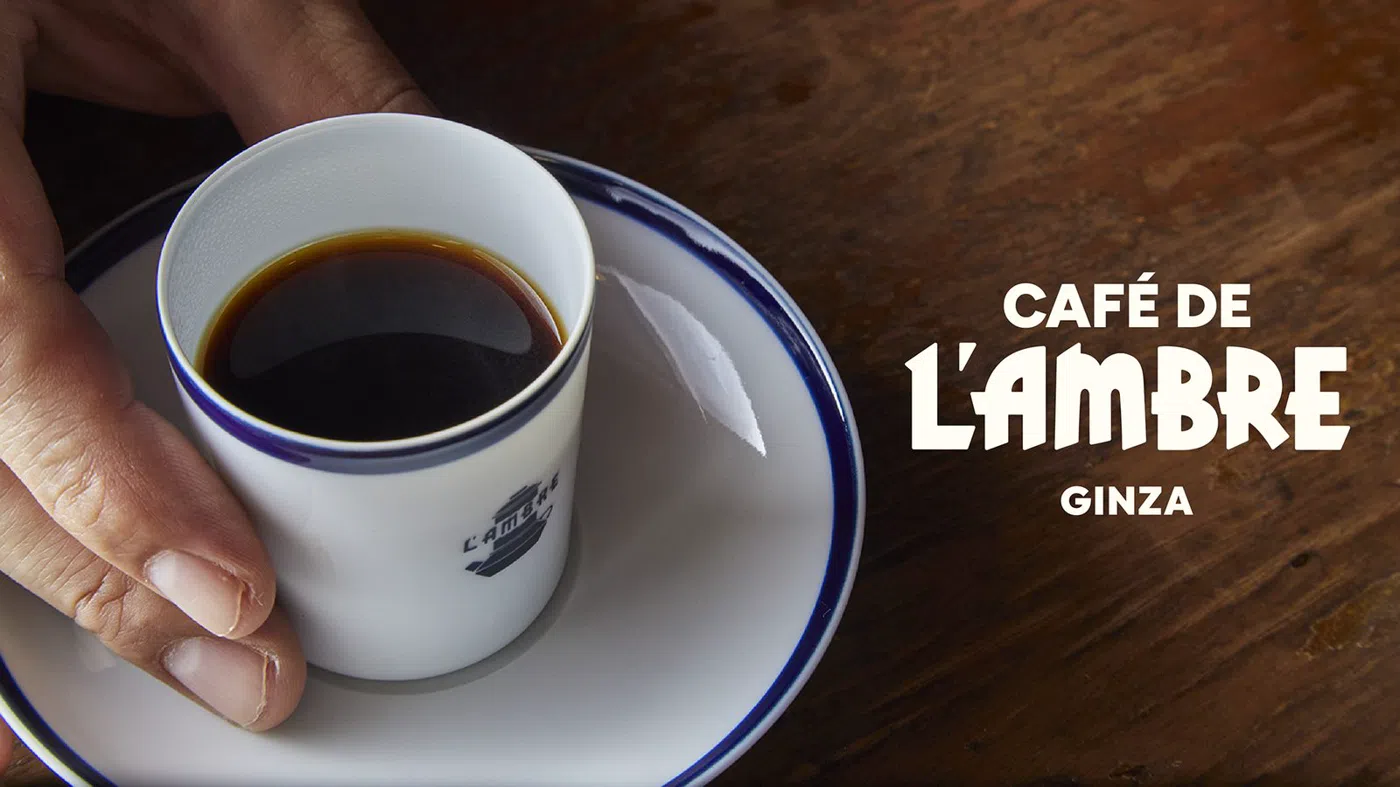
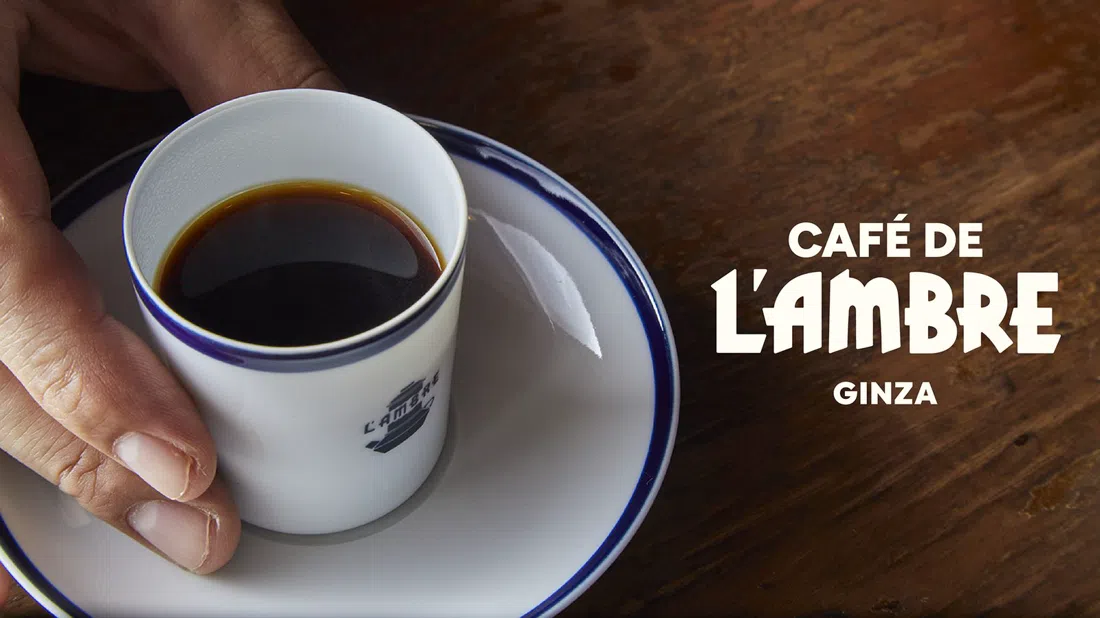
Café de l'Ambre (Ginza) has been open since 1948 and sells nothing but coffee. There is no food to hide behind and no décor worth photographing. You sit at the long bar because the beans have been aged, sometimes for years, and the man on the other side of the counter has spent a lifetime deciding what that does to a cup. Prices run ¥700 to ¥1,800, the top of that range being the vintage single-origins, which are worth ordering once with nothing in them. Around twenty seats along the bar and a few small tables; no reservations, first come first served. Two or three of you is fine. A group of six or more will be split up or turned away, politely and without discussion. Go on a weekday: it is small and it is famous.
Café Paulista (Ginza) has been open since 1911, which makes it the oldest surviving café in Tokyo and the origin point of the whole kissaten idea. It is also, by some distance, the easiest of the historic rooms to walk into with company: two floors, plenty of tables, Brazilian beans, ¥700 to ¥1,200 for coffee and a little more once cake is involved. It is the only shop on this list that can genuinely seat eight people. Even so, keep large parties away from the 12:00 to 14:00 crush, when the nearby offices arrive all at once.

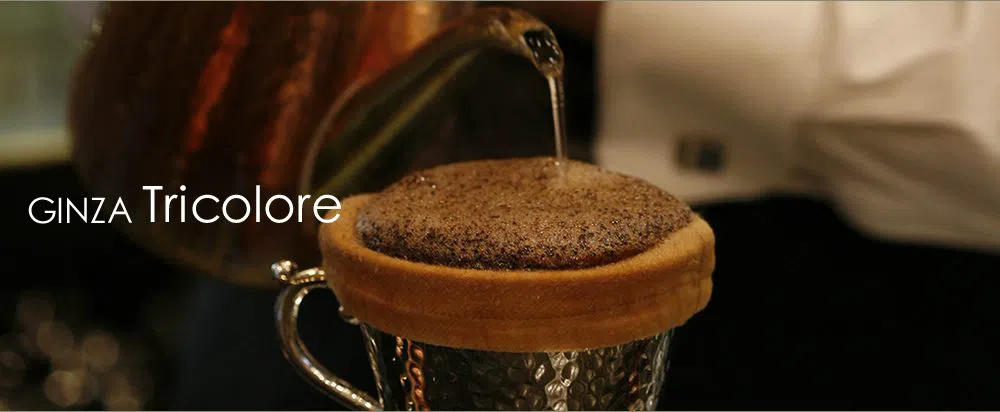
Tricolore Honten (Ginza), open since 1936, does the most theatrical thing in the district: the café au lait is poured at your table from two tall pots held far apart, coffee and hot milk meeting in the cup. The coffee underneath the performance is flannel-filtered Antique Blend and is genuinely good, not a prop. Expect ¥900 to ¥1,800 for coffee, ¥2,000 and up once you add the mixed sandwich set, which is the thing to order if you want lunch to happen here. Several floors and sofa seating make four to six workable; there are no reservations for small parties and at weekends the queue forms on the stairs.
Two Shibuya rooms that ask you to be quiet
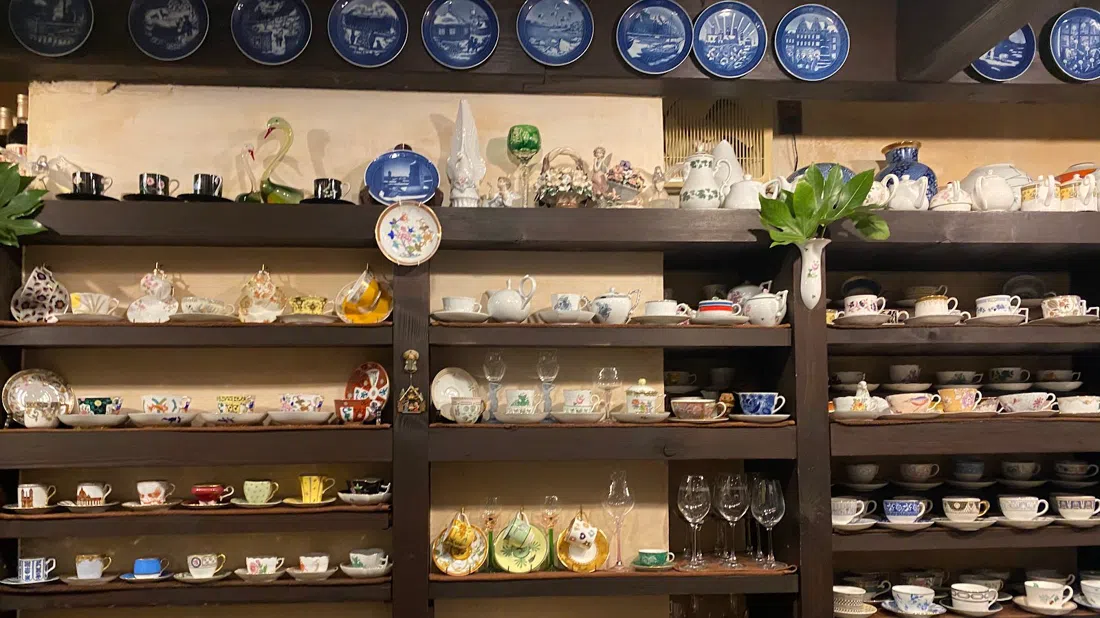
Chatei Hatou (Shibuya) is where the one-cup, twenty-minutes idea is easiest to watch happen. Around twenty seats, counter-led, the drip done in front of you, and the cup chosen by the staff to suit the coffee rather than to suit you: a heavy one for something dark, thin porcelain for something bright. ¥1,000 to ¥1,600. It has held a place on Tabelog's kissaten hundred every year. Conversation is kept low, and the room does the keeping, so come as one or two. Four or more will be seated apart or asked to wait, and neither of those is a reason to complain.
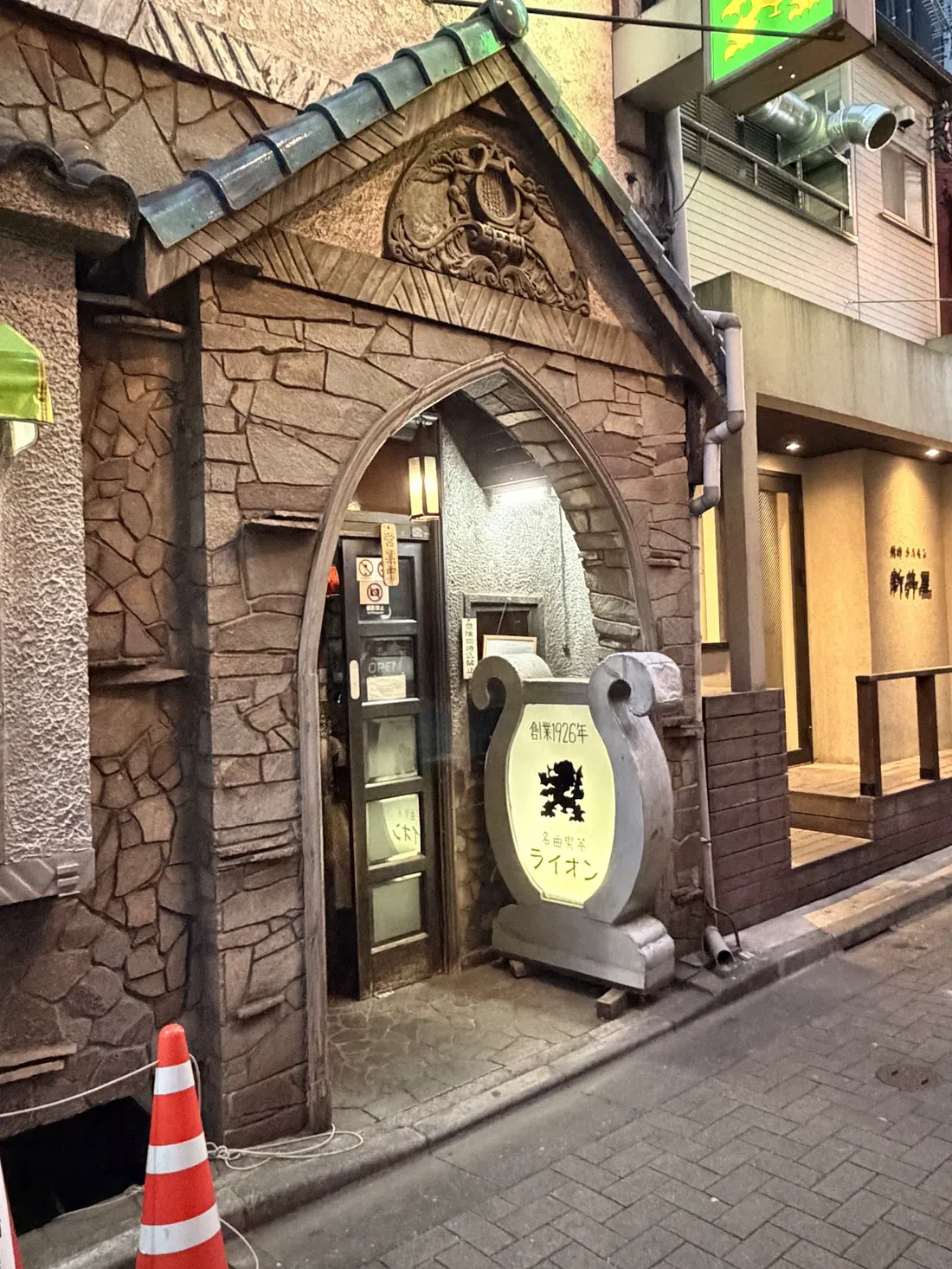
Meikyoku Kissa Lion (Shibuya, Dōgenzaka) is a kissaten built for listening rather than talking. It was founded in 1926 and rebuilt to the identical design after the wartime firebombing, with seats facing forward towards enormous speakers and free concerts drawn daily from a library of some 10,000 records. Drinks are ¥600 to ¥900, and the coffee is not the point. Talking is forbidden and photography inside is banned. Anyone may enter, including a group; a group simply cannot behave like one. If your companions will not sit silent for a movement of something they did not choose, take them to Hatou instead.
Three doors in Jimbochō and an afternoon to lose
Sabouru (Jimbochō) has been open since 1955 in the second-hand book district, and it is the archetype: a tiny warren of levels and corners, wood everywhere, no reservations, no concessions to anybody, ¥600 to ¥1,100, and a cash-friendly habit worth respecting. Two to four people maximum, and expect a queue at lunchtime. The sister shop next door, Sabouru 2, handles food and slightly larger parties, which is where to send the half of your group that wants to eat. It is on the 2026 Tabelog kissaten hundred.
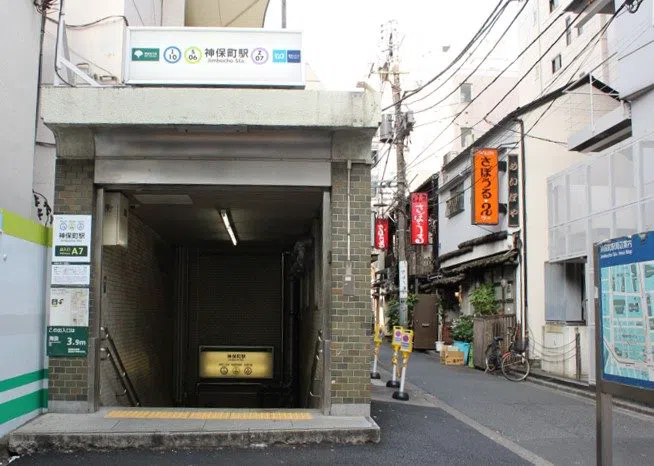
Ladrio (Jimbochō), a few steps away, is credited with introducing whipped-cream coffee to Japan in 1953 and still has it on the menu. Order that, or the visit has no point. The room is very small, a counter and a handful of tables, ¥600 to ¥1,200, and it is on the 2026 hundred too. Pairs and threes only; it is not a viable place for a group, and trying will just crowd the regulars.
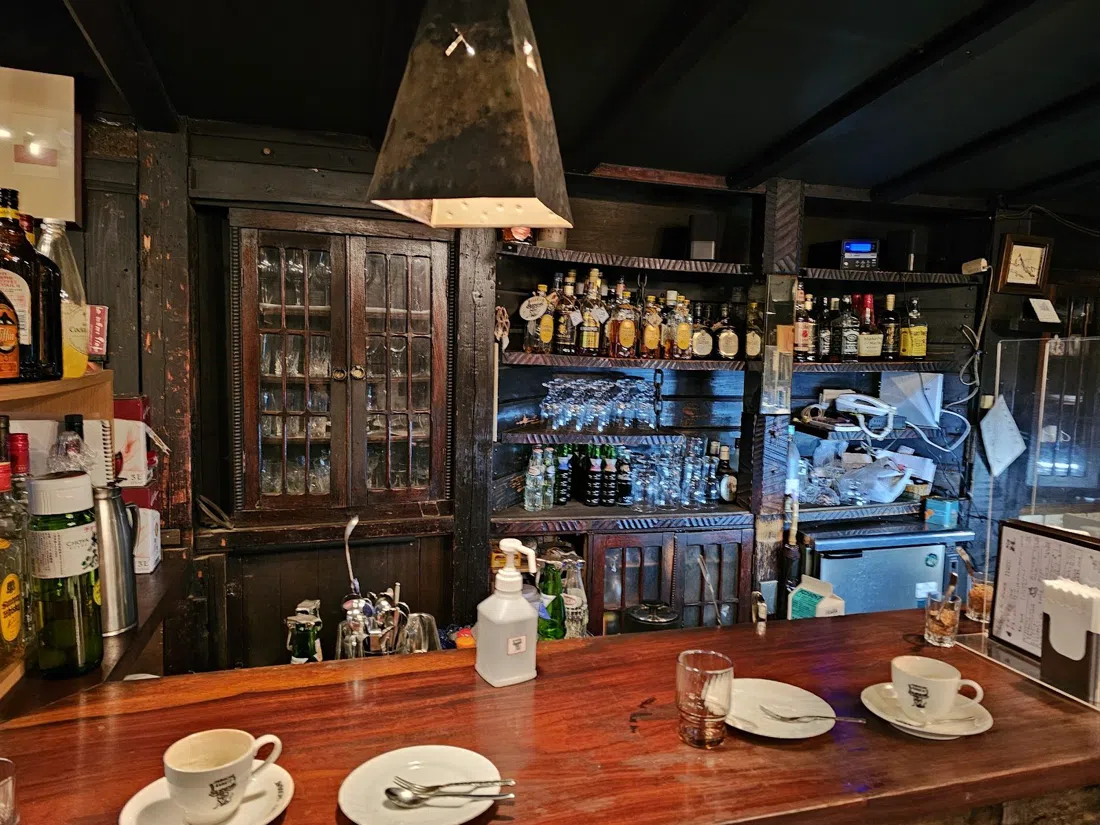
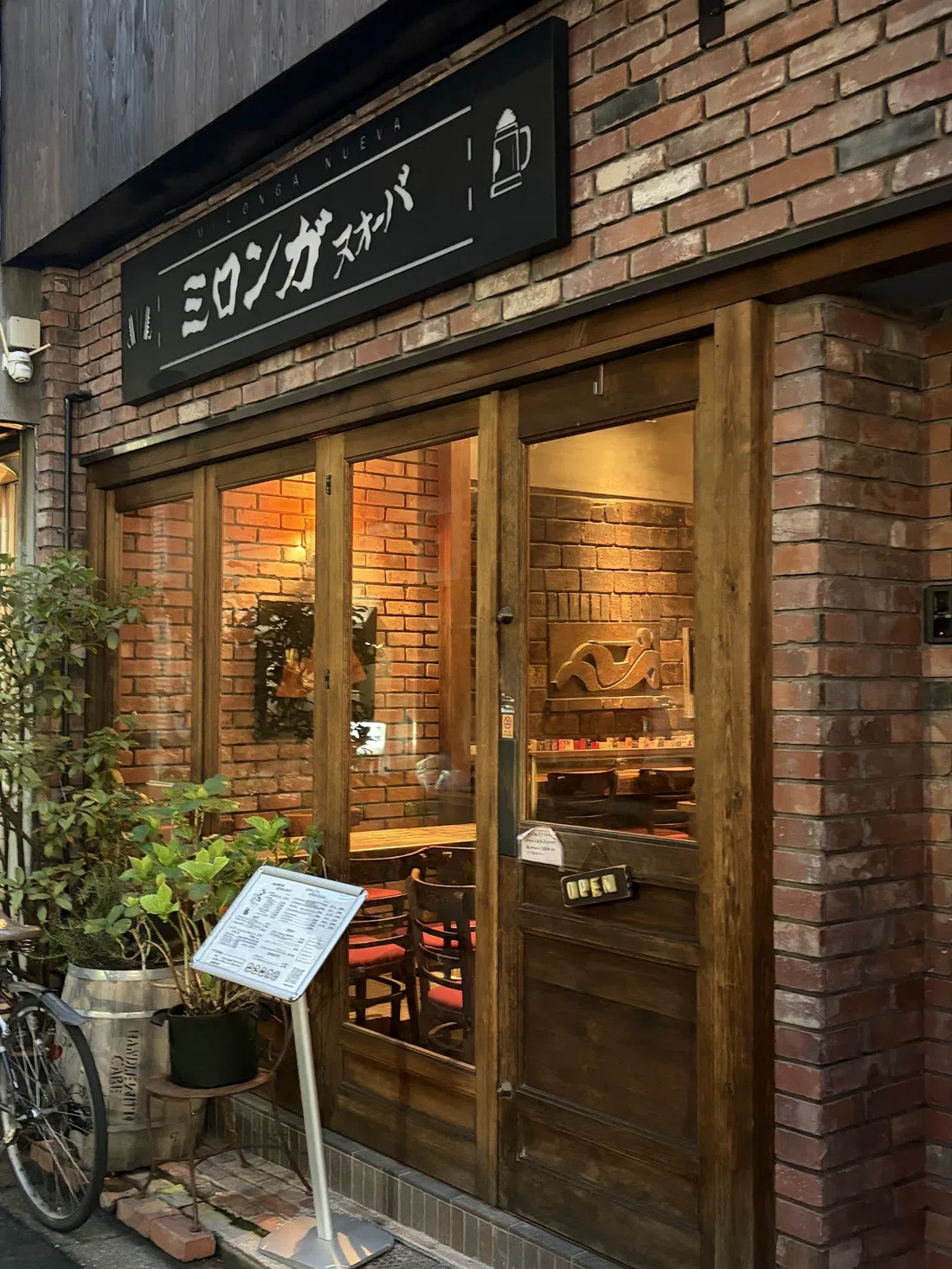
Milonga Nuova (Jimbochō) was founded in 1953 as a tango café and remains the only one of its kind. It relocated and reopened in February 2023 into a larger room, which gained it space without losing the brick, the records and the volume. Tango plays all day, loud enough to be the room's weather. That extra space means it takes four to six better than its neighbours. Drinks run ¥700 to ¥1,600, with beer higher; it is closed Wednesdays and takes no reservations. Also on the 2026 hundred.
The old east side, best done before ten
Kayaba Coffee (Yanaka) is the one place here that gives you the building as well as the coffee: an architecturally protected pre-war townhouse in the Yanaka backstreets, opening at 08:00, which makes it the natural first stop of a walking morning. It deliberately does not allow a queue to form outside, because the street is residential and they intend to keep it quiet, so book ahead. The upstairs tatami room can take a small group. Expect ¥700 to ¥1,700 with food. Closed Mondays, and Tuesdays when the Monday is a public holiday.
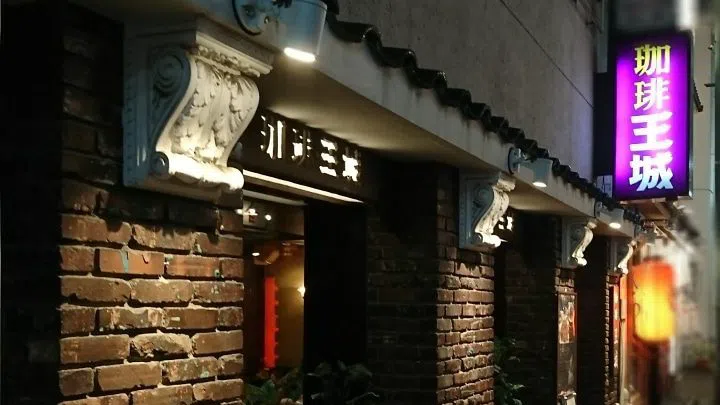
Coffee Ojo (Ueno), open since 1975 and unchanged since, also opens at 08:00, which makes it the practical breakfast entry before the museums open. It is one of the roomier shops on this list and entirely used to visitors. Two things to plan around: seating is capped at 90 minutes, so this is not the room in which to lose a morning, and it is cash and PayPay only, no credit cards. Non-smoking. ¥600 to ¥1,400.
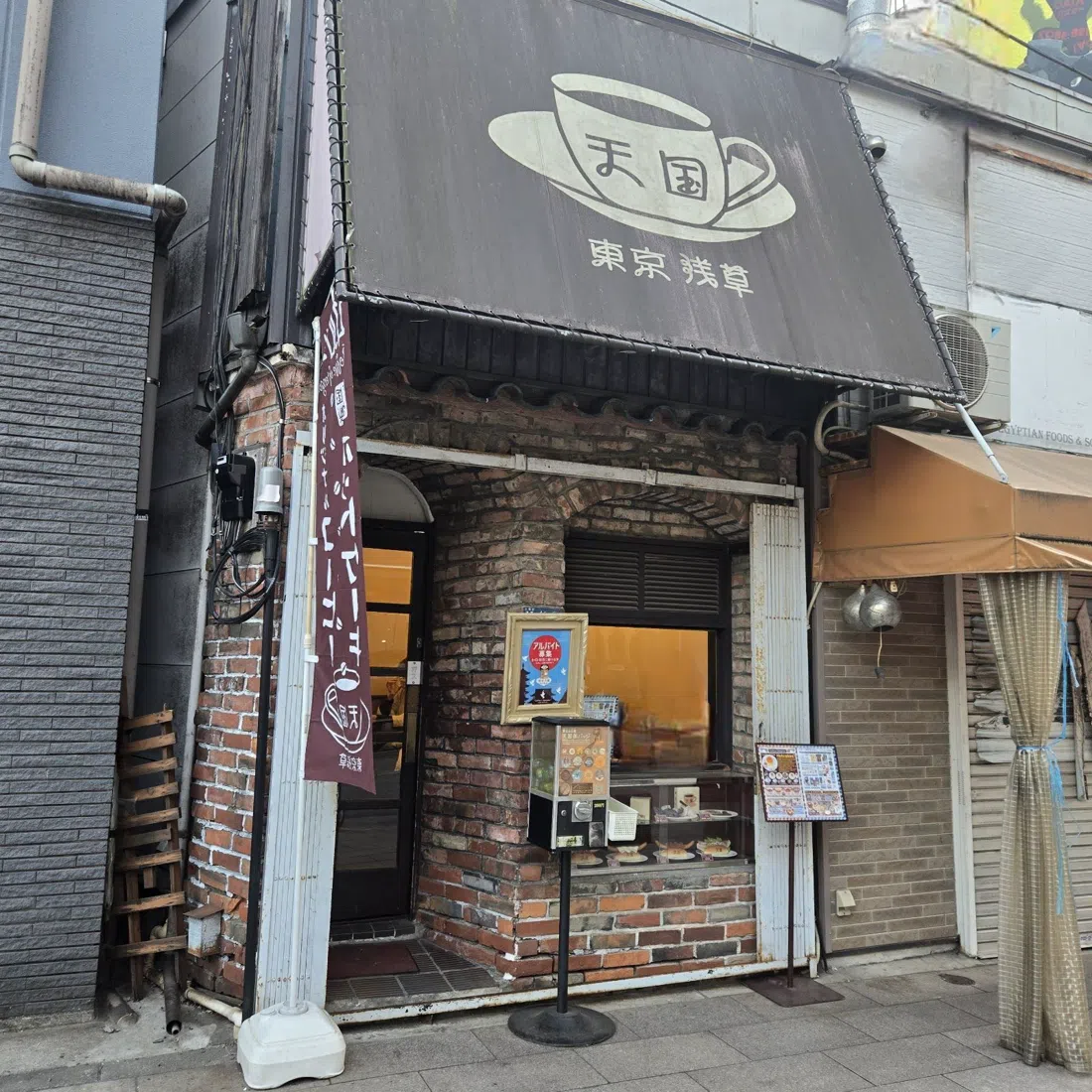
Coffee Tengoku (Asakusa) serves the single most photographed plate in Tokyo's kissaten scene, a thick pair of hotcakes with a square of butter sliding off the top, and it is still a family shop rather than a franchise. It opens at noon, so this is an afternoon stop rather than a morning one. Under twenty seats, no reservations, two or three people at most, weekend queues as a matter of routine, closed Tuesdays, ¥600 to ¥1,300. It is on the 2026 hundred.
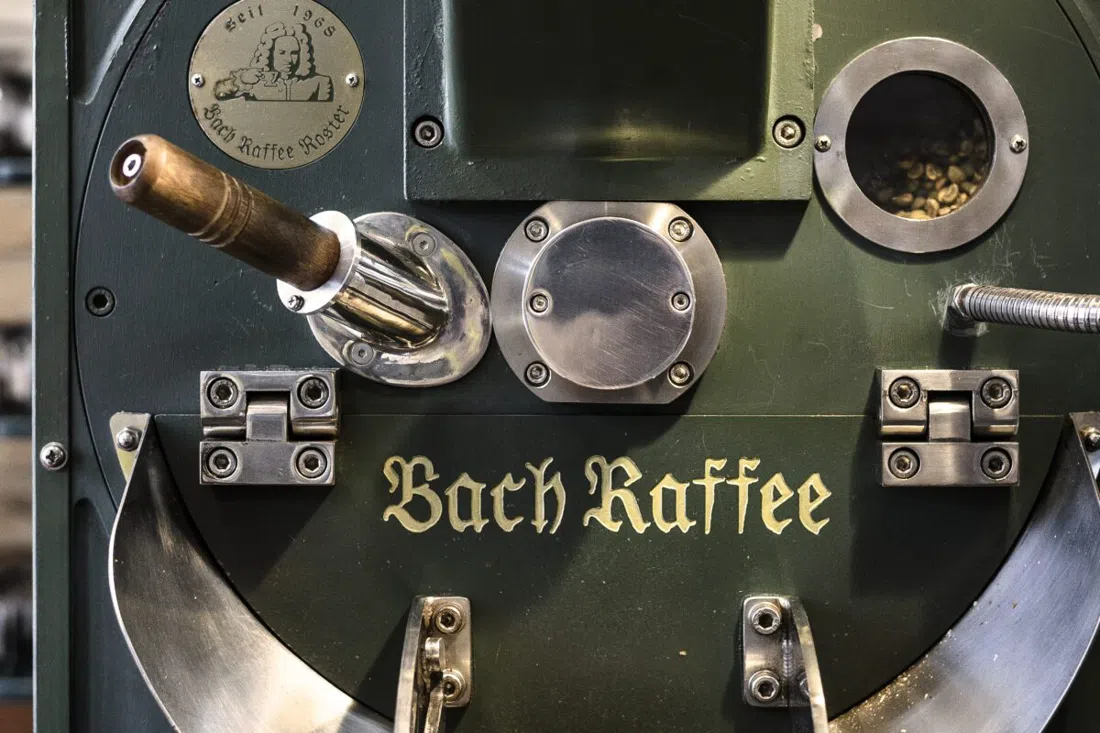
Cafe Bach (Minami-Senju) is the anti-nostalgia entry and the furthest from the tourist trail. Since 1968 it has roasted its own beans and trained a large share of the people now running Japan's specialty coffee shops, and the room is small, quiet and pointed at the counter rather than at the past. ¥800 to ¥1,600 with cake. Pairs and small groups only, no reservations. Check the calendar carefully: closed Tuesdays and also the second and fourth Wednesday of the month, which is exactly the sort of thing that turns a long trip out into a locked door.
Shinjuku once the morning has gone
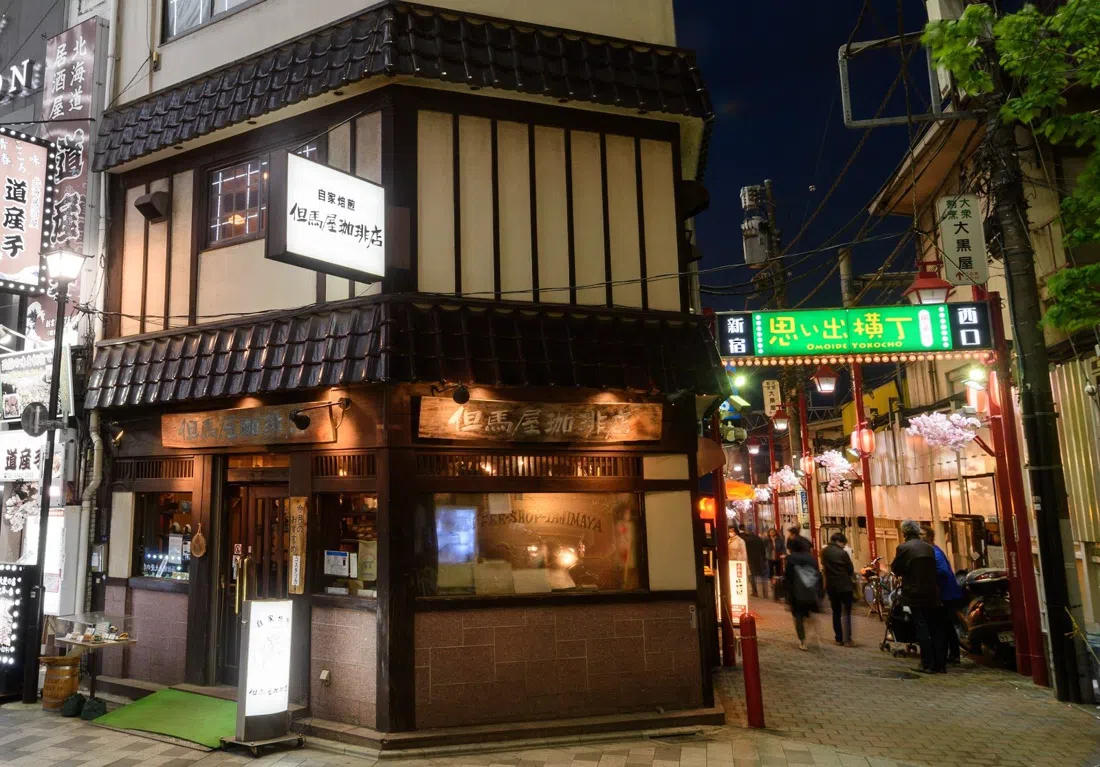
Tajimaya Coffee House (Shinjuku, Omoide Yokochō) has been roasting its own beans over charcoal since 1964, and that is what you smell on the stairs: a darker, drier smoke than the yakitori grills outside the door. It runs to 23:00 across several floors, walk-ins only, ¥800 to ¥1,500, which makes it the easiest late option for four to six people and the one place here that works as a slow stop at the end of a night rather than the start of a day.
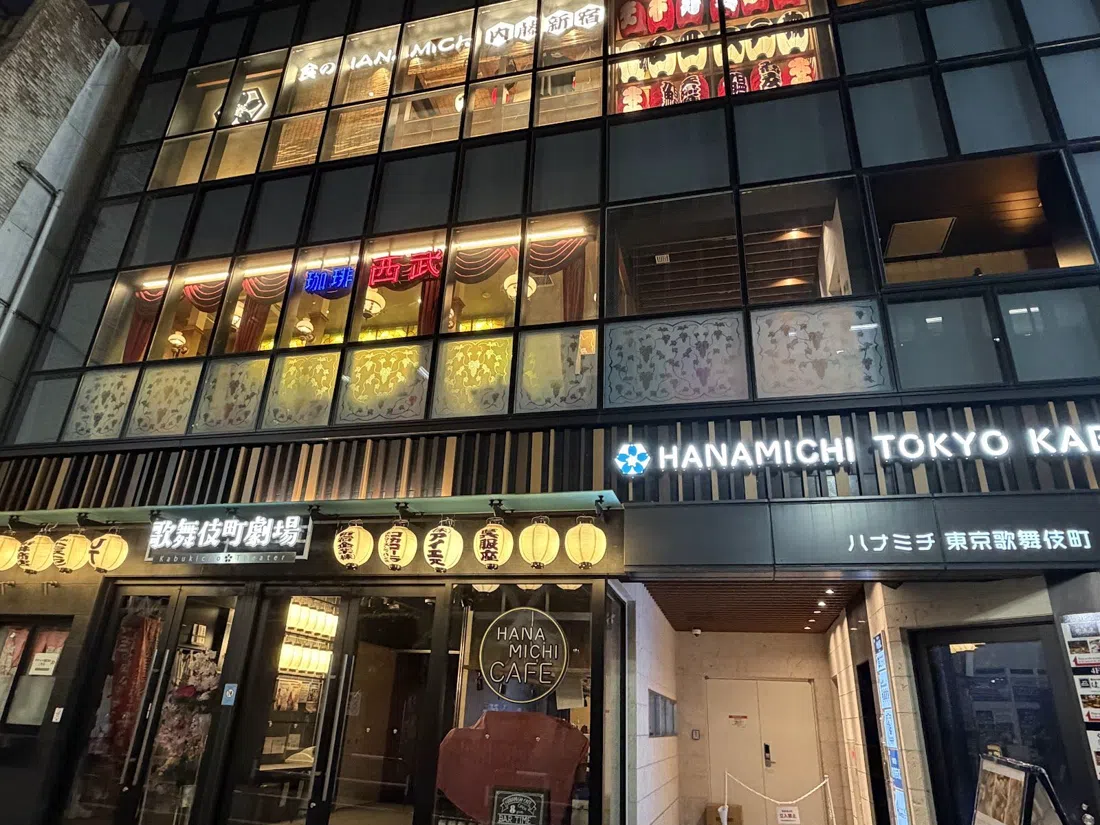
Coffee Seibu Honten (Kabukichō) is a piece of salvage. Founded in 1964, its original Shinjuku east-exit building was demolished in 2023, and the fittings (stained glass, sofas, lamps) were moved wholesale in October 2023 into a larger second-floor space in the Hanamichi Tokyo building. Use that current address; most guides still list the old one and will walk you to a hole in the ground. The room now handles four to six comfortably. Drinks and parfaits run ¥900 to ¥1,900, the parfaits at the top of it and tall enough to be shared badly.
Worth the ride out west
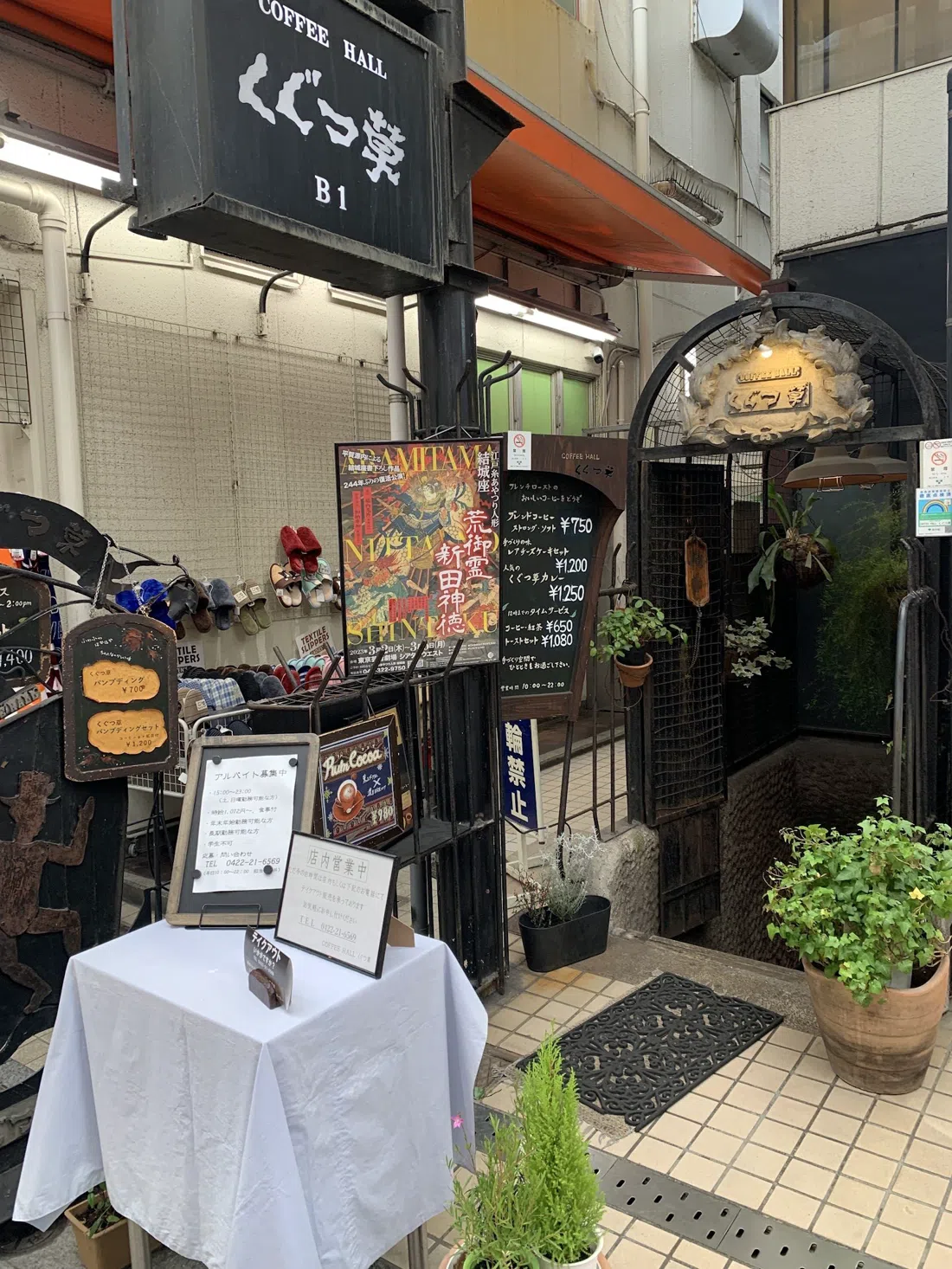
COFFEE HALL Kugutsusou (Kichijōji) is a basement opened in 1979 by a puppet theatre troupe, and after Lion it has the most atmospheric interior on this list: low ceilings, deep shadow, curry on the menu. The timing is the easiest of any shop here, 10:00 to 22:00, every day of the year. Reservations are not accepted, so small groups should expect to wait. ¥800 to ¥1,800 with food. On the 2026 hundred.
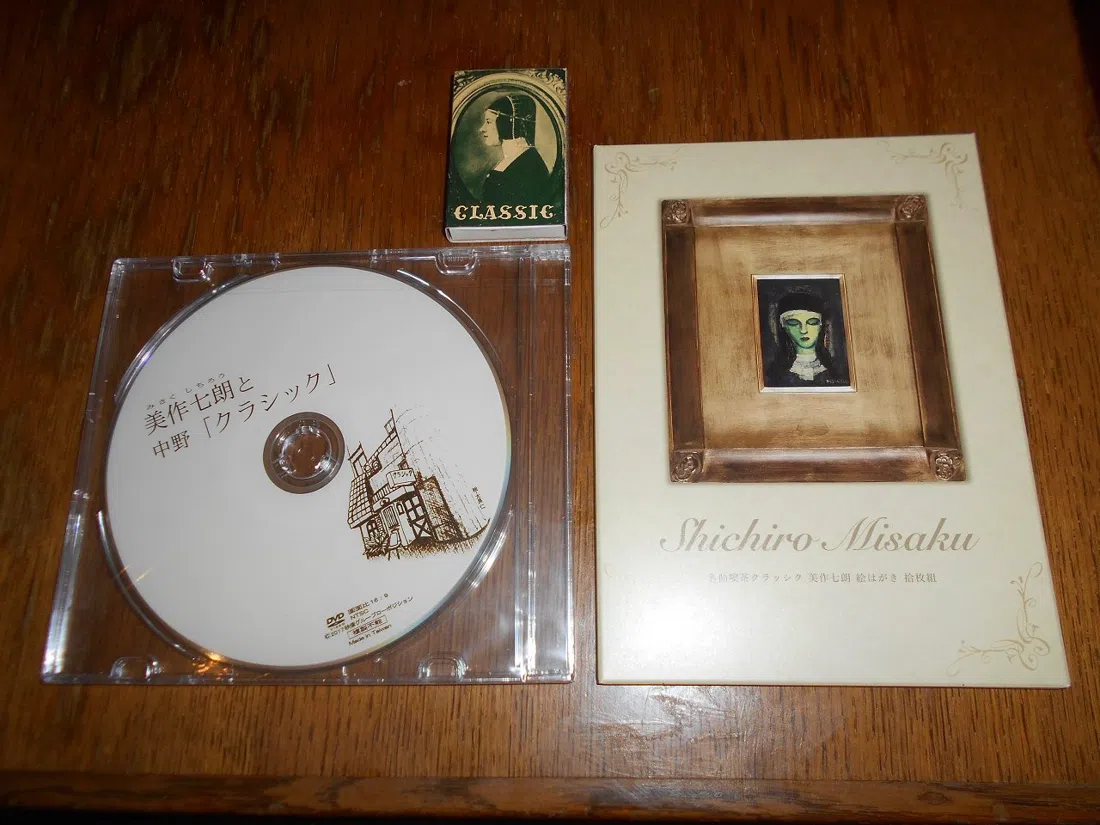
Meikyoku Kissa Violon (Asagaya), founded in 1979, is the living counterpart to Lion's museum stillness: a listening room first and a café second, open noon to 23:00, quiet by day and given over to ticketed live performances on some evenings, with prices varying by performer in 2026. Drinks are ¥600 to ¥1,000. Check the schedule before you go, and bring only a small party. A live night is not a place to arrive six-handed.
Going as a group without ruining it
If there are more than four of you, the honest list is short: Paulista takes eight, Tricolore, Tajimaya, Milonga Nuova and Seibu take four to six, and Kayaba's tatami room takes a small group if you book. Everywhere else, split into pairs and meet afterwards. Ambre, Hatou, Ladrio, Tengoku and Sabouru are all under twenty seats and will simply say no. Nobody will be rude about it, and nobody will make an exception either.
Practical notes
Ginza, Shibuya, Shinjuku, Ueno and Asakusa are all on the main train network and need no planning; Jimbochō sits on the subway a few minutes from Ōtemachi and rewards doing all three shops in one afternoon on foot. Yanaka is a walk from Nippori; Minami-Senju, Kichijōji and Asagaya are each a deliberate trip of twenty to forty minutes, so pair them with something else in the same direction rather than doubling back.
Carry cash. Ojo takes only cash and PayPay, Sabouru is happiest with coins, and card acceptance elsewhere is inconsistent enough that you should not test it with a queue behind you. Budget ¥1,000 to ¥2,000 per person per stop and two stops a day at most. The whole point collapses if you treat them as a checklist.
On timing: Kayaba and Ojo open at 08:00 and are your morning; Tengoku does not open until noon; Kugutsusou runs 10:00 to 22:00 daily; Tajimaya and Violon run to 23:00. Closing days matter more than opening times here. Milonga Nuova is shut Wednesdays, Kayaba Mondays, Tengoku and Bach Tuesdays, and Bach additionally on the second and fourth Wednesday. Where I have not quoted hours, the shop keeps its own and changes them without announcement; check the day before rather than the week before.
Stay east if your mornings matter, since Ueno and Asakusa put two 08:00 openings and a protected townhouse within a short walk, or stay in Ginza if you would rather start with the coffee that needs no explanation; the Tokyo hotel search covers both sides. Then order one cup, put the phone face-down, and let it take the twenty minutes.
25 September 2026 · a first week before the flat: the Tokyo hotel directory