Washington · Where to live · 10 min
A Day and Night in Shaw, Washington's Black Broadway
Washington's oldest stages, its soul food counters and four Michelin kitchens all sit within a few blocks of each other, and this is how I plan a day around them.
By six in the evening the 9th Street stretch of Shaw smells like berbere and woodsmoke, and two blocks north somebody is wheeling a drum kit through a stage door that has been in use since 1910. This is the corner of Washington where food, music and Black history stop being three separate itineraries and turn into the same six or seven blocks. I plan my days here around who is cooking and who is playing rather than around opening hours, and after enough return trips I have stopped pretending there is a faster way to understand the city.
Black Broadway is still a working address
Start at The Howard Theatre (Shaw, on T Street). It opened in 1910 as the first large theatre built for Black audiences in the United States, and the names that came through it (Duke Ellington, Ella Fitzgerald, Marvin Gaye) are why the surrounding corridor earned the Black Broadway name. What matters for a visitor is that it never curdled into a museum. Under Union Stage it runs a full live calendar, tickets usually land between $30 and $80, and some nights are free. It is also the easiest big room in the area for a group: standing or seated depending on the show, block tickets through TicketWeb, and a private-events arm if you want the whole room for a party. Look at the calendar before you fix your dates rather than after. The programming covers touring soul acts, comedy and local showcases, and the room feels completely different depending which one you catch.
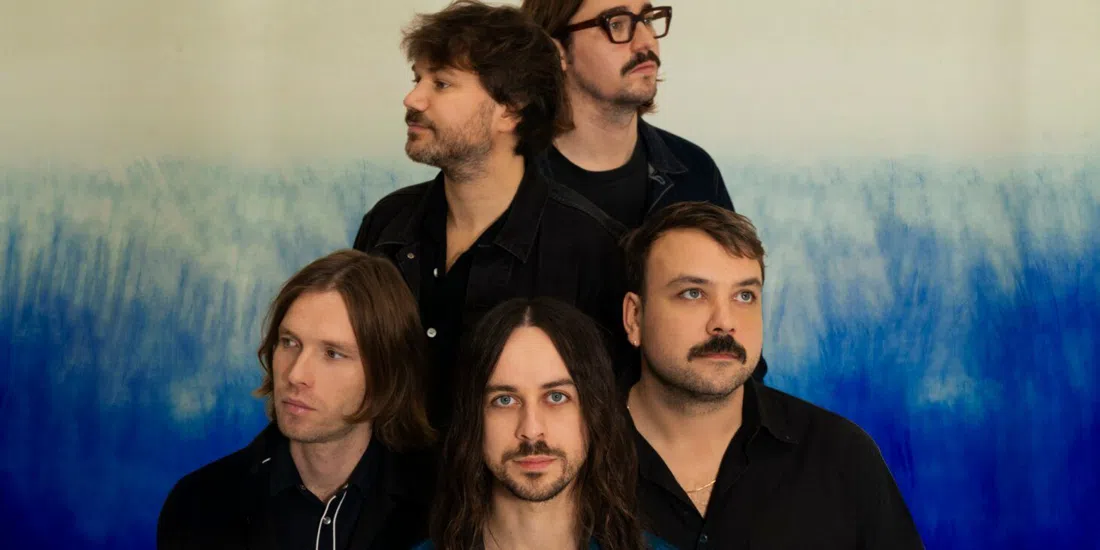
Ten minutes west, Lincoln Theatre (U Street) is the other half of the pair. Twelve hundred seats, Billie Holiday and Louis Armstrong in its history, and a present-day diary of touring acts, film screenings and one-off events. Tickets run roughly $40 to $120. There is no door policy to negotiate and no dress code drama; you buy a ticket and you walk in, and groups can take a block or hire the venue outright. If you only have one night and both theatres have something on, I would take the Howard for atmosphere and the Lincoln for the bigger-name bookings.

Next door to the Lincoln sits Ben's Chili Bowl (U Street), which has been feeding this street since 1958. It stayed open through the unrest of 1968 and through the years when metro construction tore up the road outside, and the original U Street location reopened on 1 May 2026 after a nine-month renovation, so any photo you have seen with scaffolding across the front is out of date. Eight to sixteen dollars gets you fed: the chili is the whole point, over a half-smoke or over fries, and the counter crew moves fast enough that a party of twelve is not a problem. There is a dedicated group-booking page, and on Friday and Saturday the kitchen runs to 4am, which makes it the natural last stop after a show rather than the first stop of your day.
Read the ground before you eat it
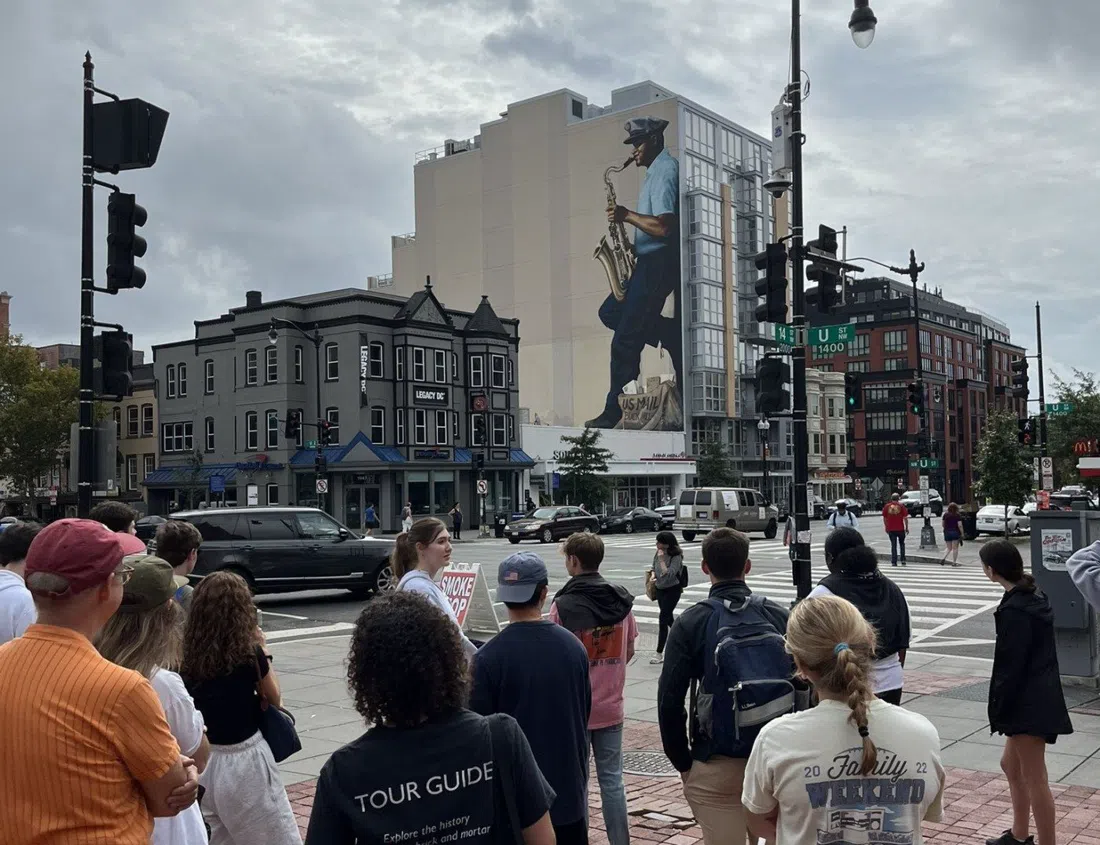
If it is your first time in Shaw, spend the first two hours on foot with someone who can point at the buildings. The DC Design Tours Building Black Broadway walk (Shaw and U Street) covers about a mile in two hours, starting at the Civil War Memorial, passing the Lincoln and Duke Ellington's childhood home, and finishing at Malcolm X Park. It is $38 for adults, $25 for children aged five to twelve, and $275 if you want it private. The online calendar handles up to twelve people; larger parties are arranged directly. I send every first-timer on this before they book a single dinner, because the restaurants below read completely differently once you know what stood on those lots before them.
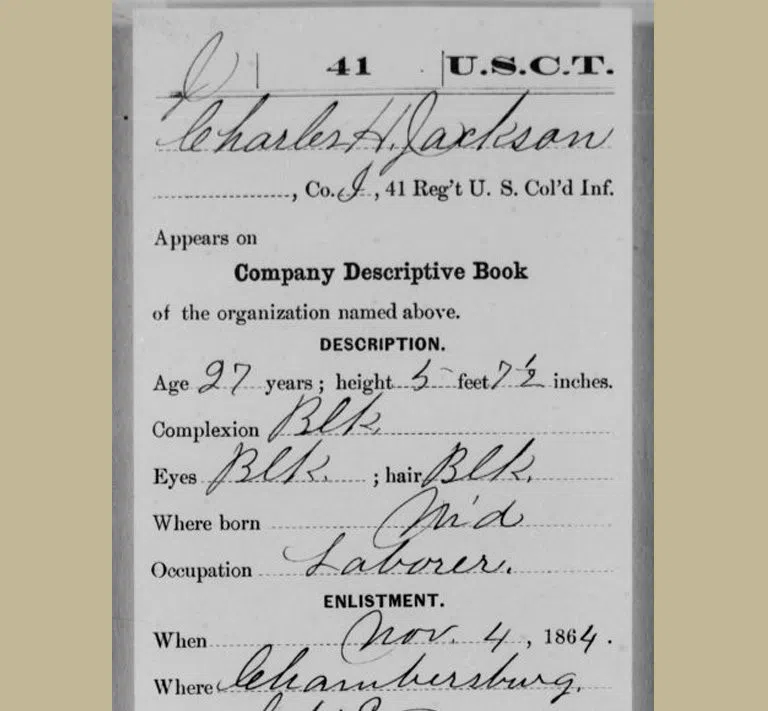
The tour begins at the African American Civil War Memorial and Museum (U Street), and this is the one piece of timing you need to get right. The outdoor memorial is free, open at any hour, and takes a group of any size. The wall of names is the quietest place in the area and worth twenty minutes on its own. The indoor museum has been closed for its move and reopens on 30 September 2026 at 1925 Vermont Ave NW. If your trip lands near that date, check before you promise anyone an interior visit; the memorial itself is not going anywhere.
A short walk north, by the Howard University gate, Sankofa Video Books & Cafe (Shaw) has been a working cultural institution since 1997, founded by the filmmakers Haile and Shirikiana Gerima. It is a bookshop, a café and a screening space, open daily, free to browse, with coffee and snacks in the $4 to $10 range. The shop is small, fine for a handful of people and awkward for a coach party, but it programmes talks and screenings that groups can book into. I have never left without a book I did not plan to buy, and the staff will tell you what is on that week better than any listings page.

The rooms where the music happens
For a modern international touring act on a random Tuesday, 9:30 Club (V Street, two blocks from the U Street metro) is the safest bet in the city. Twelve hundred capacity, most shows all-ages, general admission: a group simply buys tickets together and walks in, with no table minimums and no guest list. Tickets sit around $25 to $70. It has been named Pollstar's Nightclub of the Year repeatedly, and the sightlines and sound are why. Go early if you care about being near the front; general admission means exactly what it says.
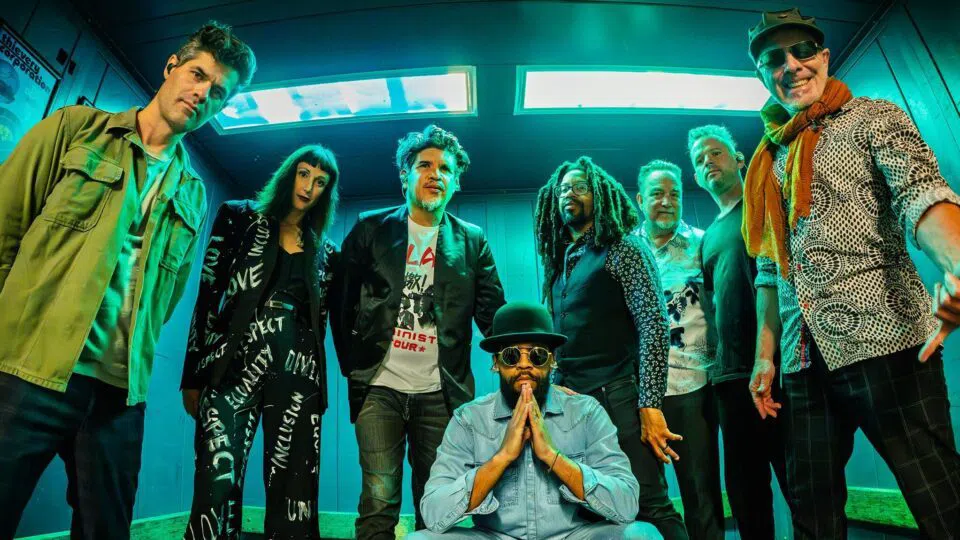
For jazz, JoJo Restaurant and Bar (U Street) is the last classic jazz room standing on the corridor, with live music Wednesday through Sunday and no cover or a low one. It is a restaurant as well, mains roughly $20 to $35, and it is closed Monday and Tuesday. The room is small, which is the charm and also the constraint: book ahead for any party, and accept that a group of ten will be split across tables rather than seated as one. This is the living continuation of the street's jazz era rather than a plaque about it, and on a good night the band is close enough that conversation is not really on the menu, which is the correct outcome.
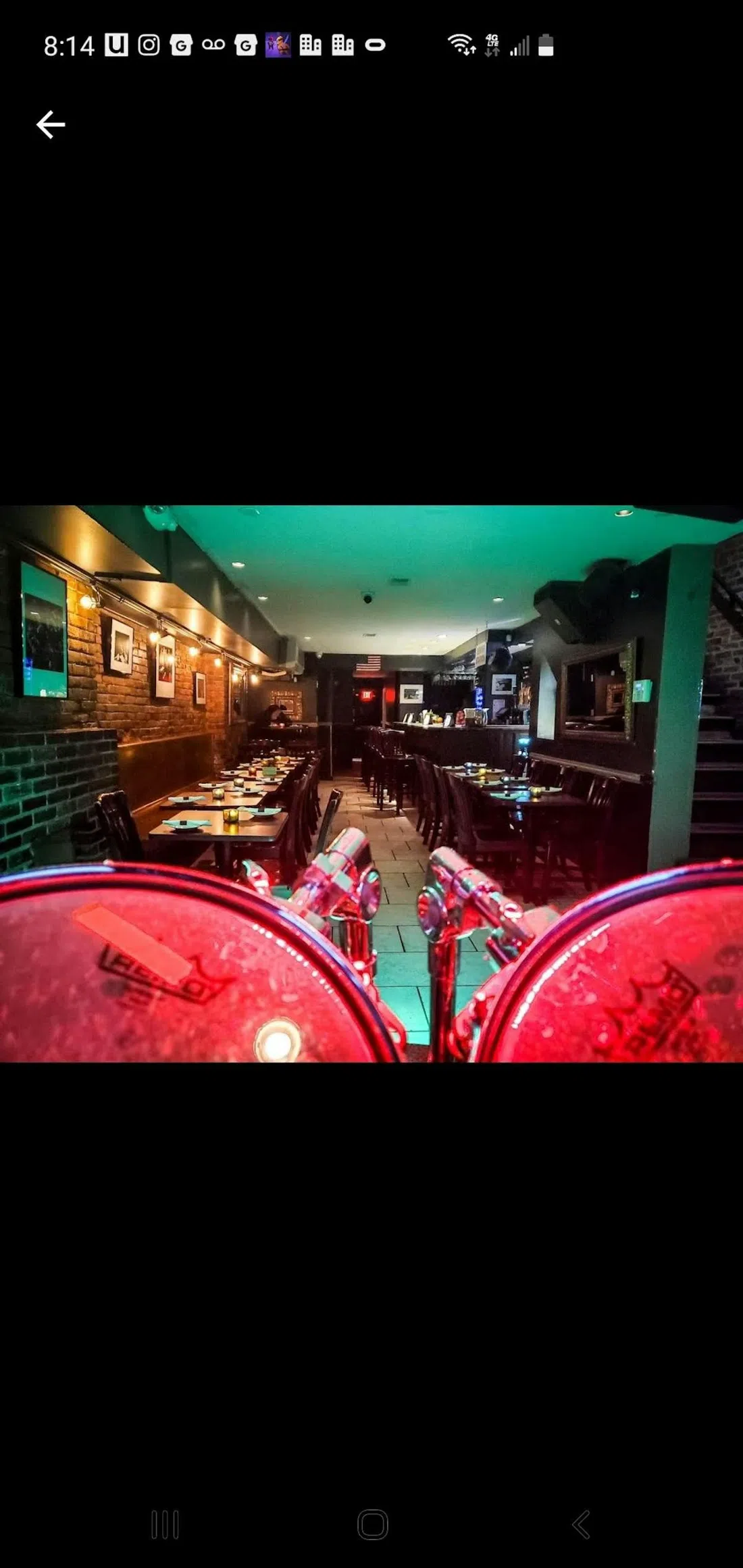
Busboys and Poets (14th & V) is the no-ticket option and the easiest landing pad in the area. It is named for the years Langston Hughes spent working as a busboy, it runs a weekly Tuesday open mic, and the Black-literature bookshop inside is a genuine one rather than a few shelves of decoration. Mains run $15 to $28, service is all day, and it takes big tables and large-party bookings without fuss. If you are travelling with people of mixed ages and mixed stamina, this is where you put the long lunch.
Old counters and communal plates
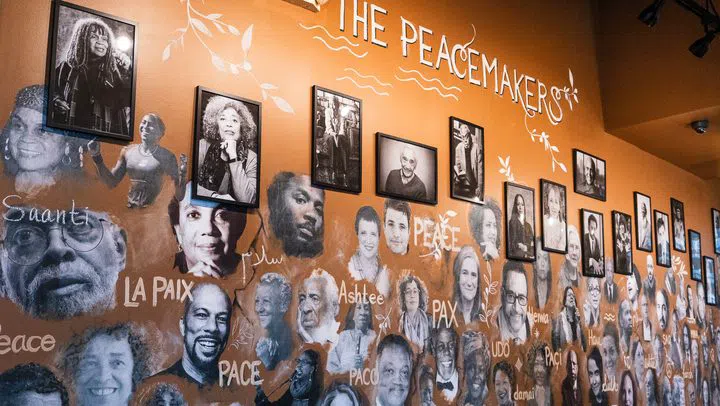
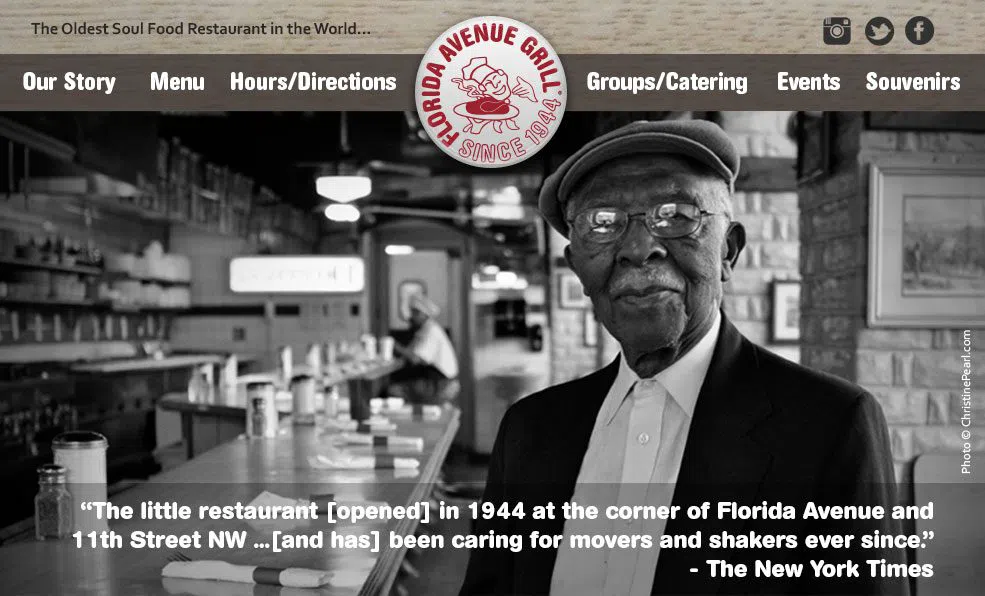
Florida Avenue Grill (Shaw, on Florida Avenue) opened in 1944 and bills itself as the world's oldest soul food restaurant. It is older than Ben's, far less visited, and to my mind the more interesting of the two tables. Hot cakes in the morning, spare ribs, salmon cakes; $12 to $25 a head. The catch is the clock, roughly 8am to 4pm and closed Mondays, so it belongs at the start of a day rather than the end. It is a counter-and-booth room, which means a group of eight should arrive early and expect to split.
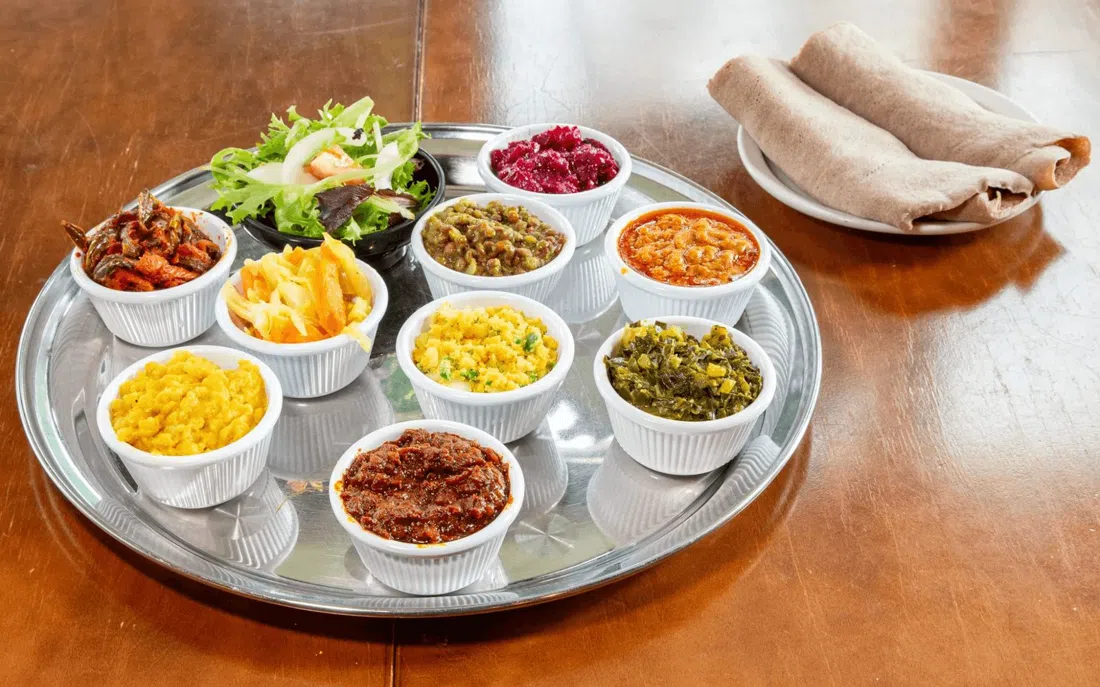
On 9th Street, the Little Ethiopia stretch, Chercher Ethiopian Restaurant & Mart (Shaw) has grown from a basement room in 2015 into a full-house destination with an upstairs dining room and a patio. The shiro is what the regulars order and what I order, nutty and loose and hot enough to need the injera underneath it, and $15 to $30 a head covers you comfortably. The food is communal by design, served on one platter to share, which makes it the single best-value group meal in the area. Note that it is closed on Thursdays; more than one visitor has walked 9th Street on a Thursday evening and drawn the wrong conclusion about the neighbourhood.
The Michelin stretch around Blagden Alley
Shaw carries four Michelin-starred kitchens within a few minutes of each other, which still surprises people who arrive expecting only theatres and diners.
The Dabney (Blagden Alley) is Jeremiah Langhorne's Mid-Atlantic restaurant, cooking everything over a hearth, and it has held its star every year since 2017. It passed its tenth anniversary in 2025. Dinner only, Tuesday to Saturday, expect $100 or more a head before drinks. The dining room is small: book well ahead, and contact the restaurant directly for anything above six people rather than fighting the online system.
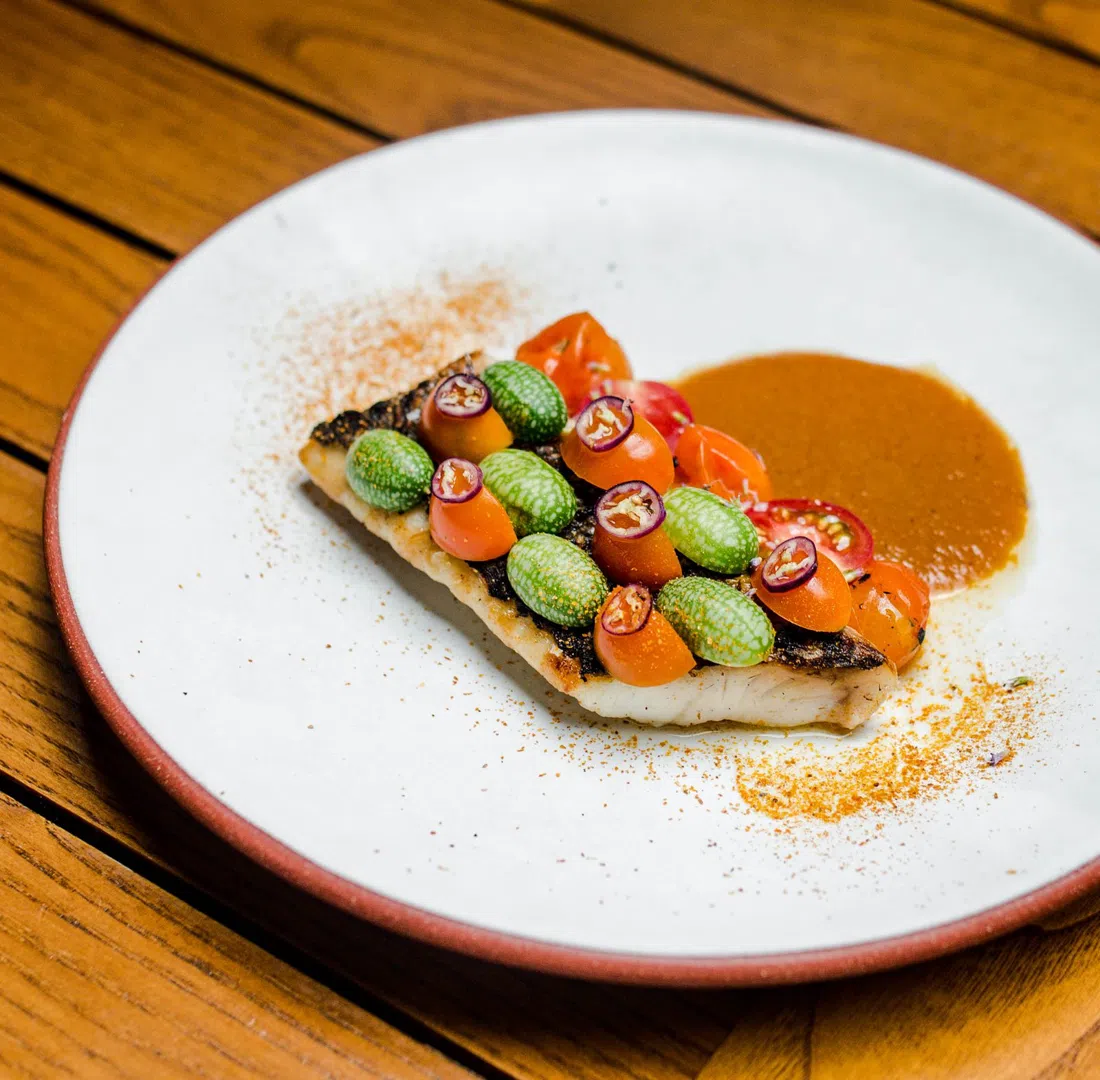
Oyster Oyster (Shaw) holds a Michelin star plus the city's first Michelin Green Star. The kitchen is all-electric and largely vegetable-driven, the sharpest possible counterpoint to all the fire and meat around it. It is a tasting menu, prepaid through Resy, with bookings released about thirty days out. The room is tiny, ideal for two to four and genuinely unsuitable for a large party, and it is not the place to bring someone who wants a steak.

Causa | Amazonia (Blagden Alley) is one operator across two floors: chef Carlos Delgado took a Michelin star downstairs and the 2025 James Beard award for Best Chef in the Mid-Atlantic. The ground-floor tasting menu runs on two fixed seatings, 5pm and 8pm, Wednesday to Saturday, and that rigidity makes it hard work for groups. The Amazonia rooftop upstairs is the group-friendly half, with plates and pisco drinks at a fraction of the downstairs price and no seating-time pressure. Treat the two floors as one address with two budgets.
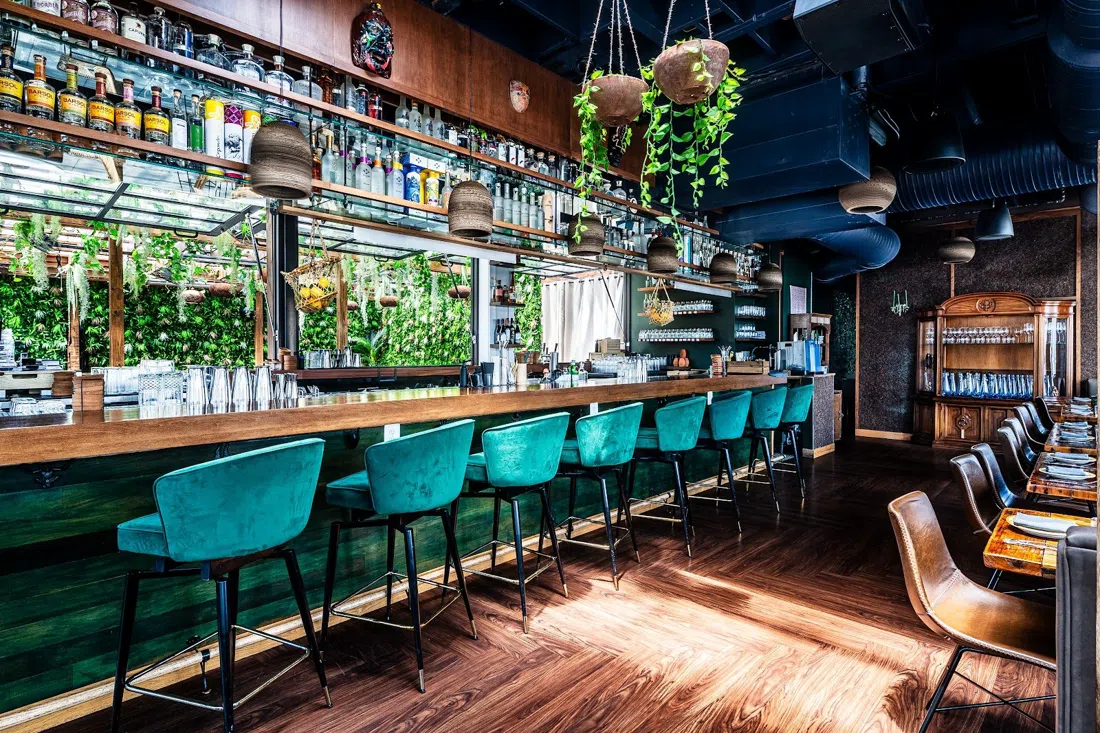
Maydān (1346 Florida Ave NW) is, for my money, the best group room in Shaw at any price. One star since 2019 for Middle Eastern and North African cooking over open flame, with a family-style prix-fixe feast around $85 to $100 a head that is built for sharing. Online booking handles one to six; seven or more goes through a dedicated large-party channel. The communal format suits a visiting group far better than any tasting menu will.

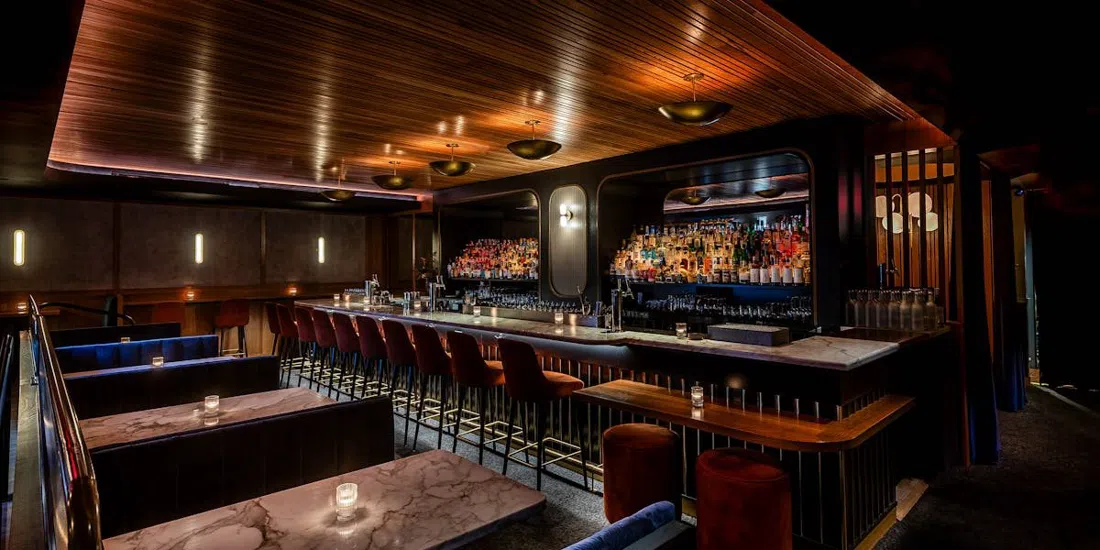
Finish at Death & Co DC (Blagden Alley), the cocktail bar that took over the old Columbia Room space in 2023. Cocktails run $18 to $22, reservations are encouraged but walk-ins are welcome, and the Garden patio absorbs larger parties. It is two minutes from The Dabney and from Causa, and it stays open to 2am on Friday and Saturday, so it is the natural bookend to any dinner on this block.
Who fits where
Be honest with yourself about the size of your party before you book. Couples and pairs get the best of Oyster Oyster, The Dabney and the downstairs room at Causa. Groups of six to twenty are better served by Maydān's feast, Chercher's shared platters, Busboys and Poets, the Amazonia rooftop, and Ben's counter. Live music is the easy part: the Howard, the Lincoln and 9:30 Club all sell to groups without any door politics, and JoJo is the only music room where numbers genuinely constrain you. Nowhere in this article has a dress code that will catch out a traveller in decent clothes.
Practical notes for Shaw
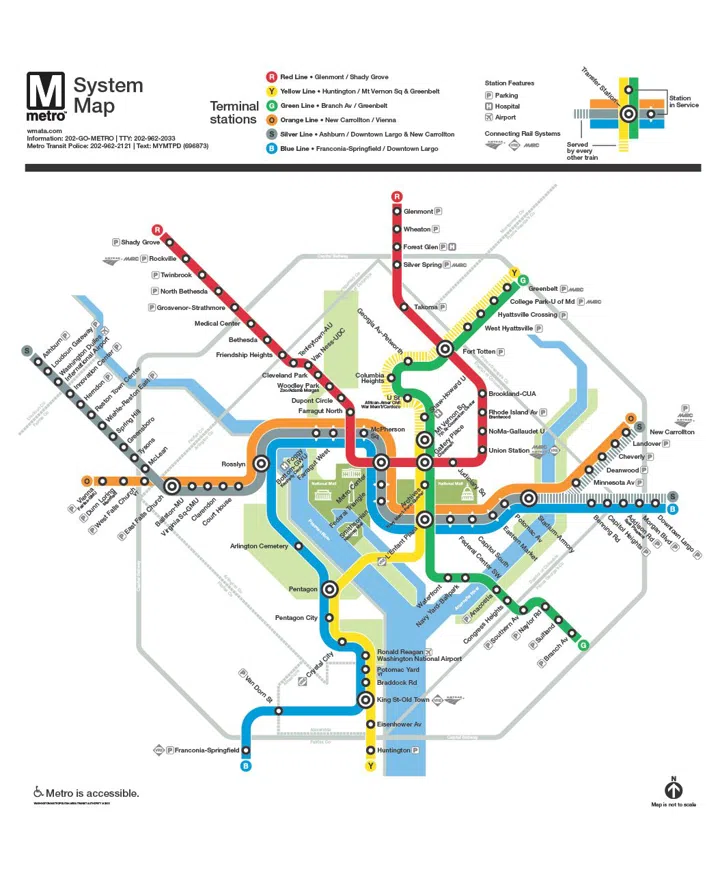
The corridor is served by two Green and Yellow line metro stations, U Street/African-American Civil War Memorial/Cardozo at the eastern end and Shaw-Howard University to the south, and everything above is within a fifteen-minute walk of one or the other. Cards work everywhere; carry a little cash for a jazz cover and for tips. Build the day forwards: Florida Avenue Grill or Sankofa in the morning, the Building Black Broadway walk late morning, the memorial in the early afternoon, dinner on 9th Street or in Blagden Alley, then a show and a late plate at Ben's. Watch the closed days: Chercher on Thursdays, JoJo on Mondays and Tuesdays, The Dabney on Sundays and Mondays, Florida Avenue Grill on Mondays and after 4pm. Budget-wise, a full day of walking, a soul food breakfast, an Ethiopian dinner and a gig comes in under $120 a head; swap the dinner for a starred kitchen and you are closer to $250. For where to sleep within walking distance, start with the Washington hotel search, and for the rest of the city beyond these blocks see our Washington guide.
20 September 2026 · a first week before the flat: the Washington hotel directory