Havana · Getting around · 10 min
Getting Around Havana Without a Car When Fuel Is Short
Shared máquinas, a one-peso ferry, bicycles and the days the Viñales bus actually runs: how to move around Havana, and out of it, without ever queuing for fuel yourself.
A Havana fuel queue forms the night before. Cars stand nose to tail along the kerb with their drivers asleep across the front seats, someone works the line selling coffee from a flask, and by nine in the morning the pump has either had a delivery or it hasn't. A visitor holding rental car keys inherits that queue. A visitor without them inherits the city as it was actually built: a walkable grid, a harbour you cross by boat for a single peso, and a fleet of shared cars that has been improvising around shortages for sixty years.
Why the car is the weak link
Everything that goes wrong with transport in Havana right now goes wrong at the pump, and a rental car puts you at the front of that problem rather than behind it. The moment you are driving, you are the one who has to find fuel, in a city where finding it takes hours and local knowledge you do not have. Every option below works the other way round: either the vehicle needs no fuel at all, or the fuel is somebody else's professional headache. Who sources the petrol is the question to plan around, and it rearranges the itinerary. You stay in Havana longer, you travel out on fewer, better-planned hops, and you stop treating the map as something you can cover at will.
Crossing the city for the price of a coffee
Almendrón (shared route máquina), the big American saloons running fixed corridors through Centro Habana and Vedado, is the circulatory system, and it still moves when the state buses do not. The fare is 10 to 35 CUP per hop depending on the route, handed to the driver when you get out rather than when you get in. These are not taxis in any sense you would recognise. They run set corridors like tram lines, and if you do not know the corridor you cannot use the car. Learn three and you have most of the city: Neptuno through Centro, and Calle L and Línea in Vedado. You flag one with a finger held up at the kerb, say your destination in two words as it slows, and either the driver nods or drives on. It suits solo travellers and couples. It does not suit a group, because passengers are picked up and set down individually along the route, and two of you travelling together is the practical maximum before you are splitting across cars anyway.
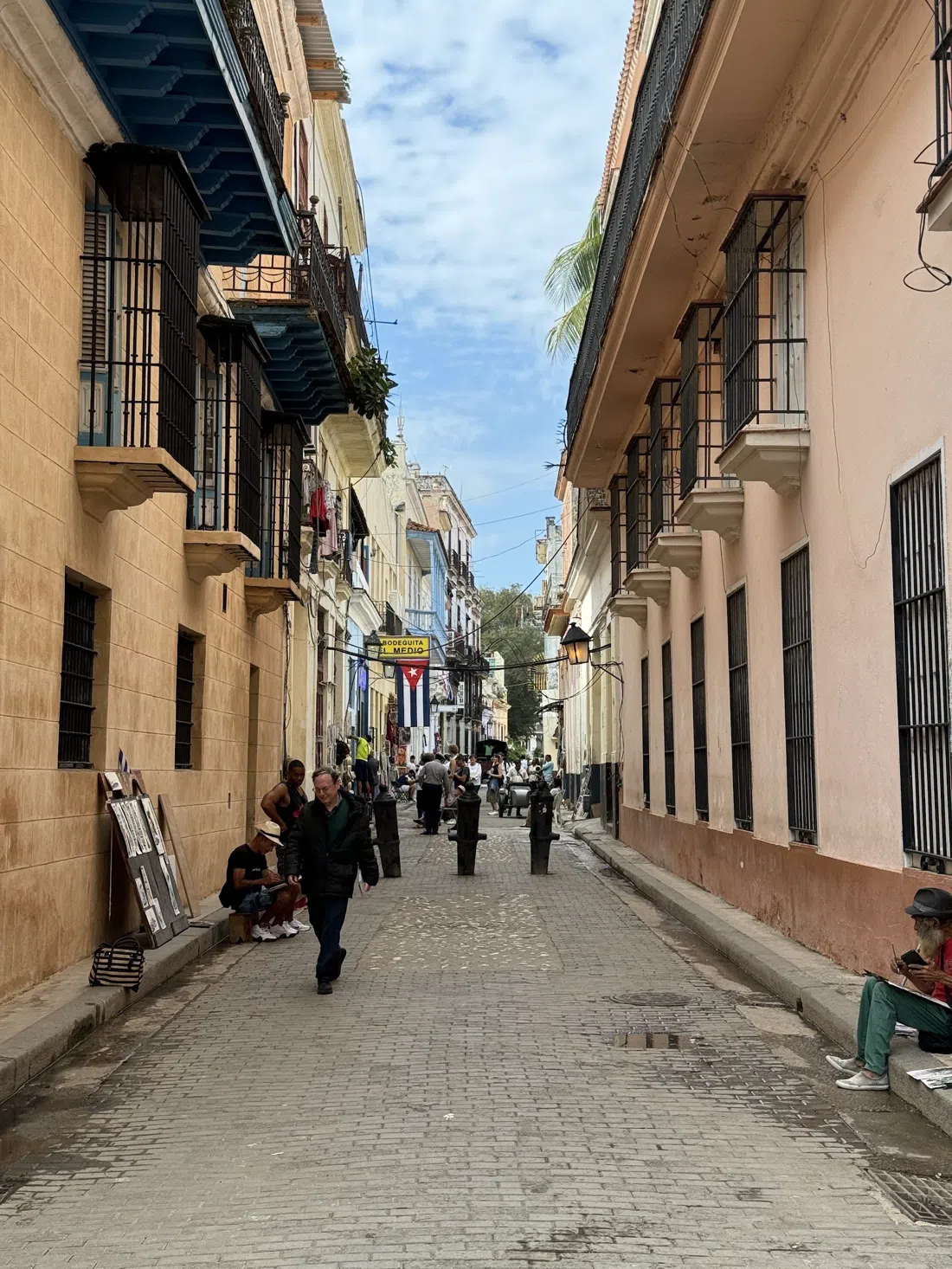
Bicitaxi, the pedal cabs that work the grid of Old Havana, is the other end of the same logic, and the fuel situation cannot touch it at all. In the old town, where the streets are narrow, one-way and often closed to cars entirely, a bicitaxi genuinely beats a saloon door to door. Reckon on US$1 to 2 for a short hop and US$10 to 15 for an hour of pedalling with commentary, a fair price for a slow, well-informed circuit rather than a transfer. Each cab takes two, so a group of six becomes three cabs travelling in a loose line, shouting between them. Agree the price before you sit down, since this is a negotiated trade and not a metered one, and carry small notes, because change is a recurring problem everywhere in Cuba and nowhere more than in a transaction conducted at a kerb.
Getting a car to come to you
La Nave, a ride-hailing app covering the whole city, is the most useful thing to install before you land, and it is now the only one that works: Sube and Bajanda are both dead. Vedado to Old Havana runs about 400 CUP, roughly US$2, paid in Cuban pesos to the driver at the end of the ride, and what you are buying is the end of the haggle as much as the fare. Registration needs either a Cubacel SIM or an international number that is not US-issued, so set the account up on day one, before you need a car at eleven at night. Bookings are single-car only. A party of five or more has to order two cars separately and accept that they will not arrive together or take the same route, which makes it excellent for couples and awkward for a group with luggage.

Cubataxi, the state metered fleet and the only sanctioned rank at the airport, is the fallback rather than the plan. Airport to Old Havana is US$25 to 35, or 2,500 to 3,500 CUP, and the word 'metered' is doing no work at all: the meters are decorative, so fix the number out loud with the driver before the doors close, and repeat it. A standard saloon takes four people and their bags at a squeeze, and the airport rank can usually produce something larger if you ask, for a negotiated flat fare rather than a tariff. What you are paying for is insurance. If a pre-booked driver does not appear, which happens, because their day is also hostage to fuel, the Cubataxi rank is the thing that is definitely there.
Seven minutes across the harbour
Lanchita de Regla (Muelle de Luz ferry), the harbour crossing from the Old Havana waterfront, costs 1 CUP per person, or 3 with a bicycle. It is the cheapest thing you will do in Cuba and the only journey here that no fuel queue can interfere with. It carries about a hundred people, there are no advance tickets, and you pay at the turnstile, so a group of any size just boards together. Seven minutes later you are in Regla, with its small waterfront church a short walk from the landing, or in Casablanca under the white marble Christ that looks back across the water at the old town. Reliability is the catch: only one boat in the fleet is currently running, doing something like thirty trips a day, and breakdowns have taken the service out for weeks at a stretch. Treat it as a superb morning when it is running and not as a fixed point in the itinerary.

The one vehicle whose range never depends on the pump
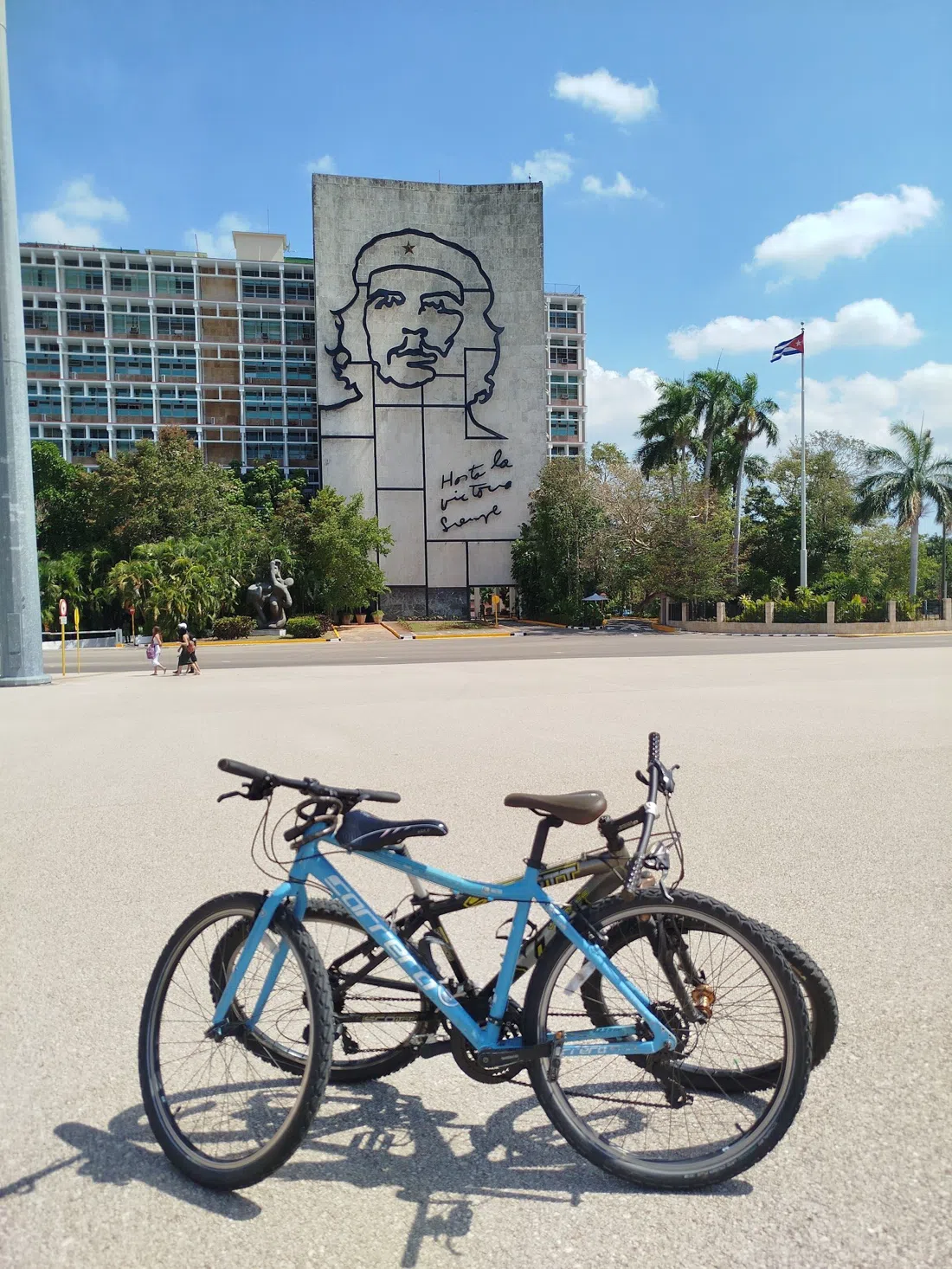
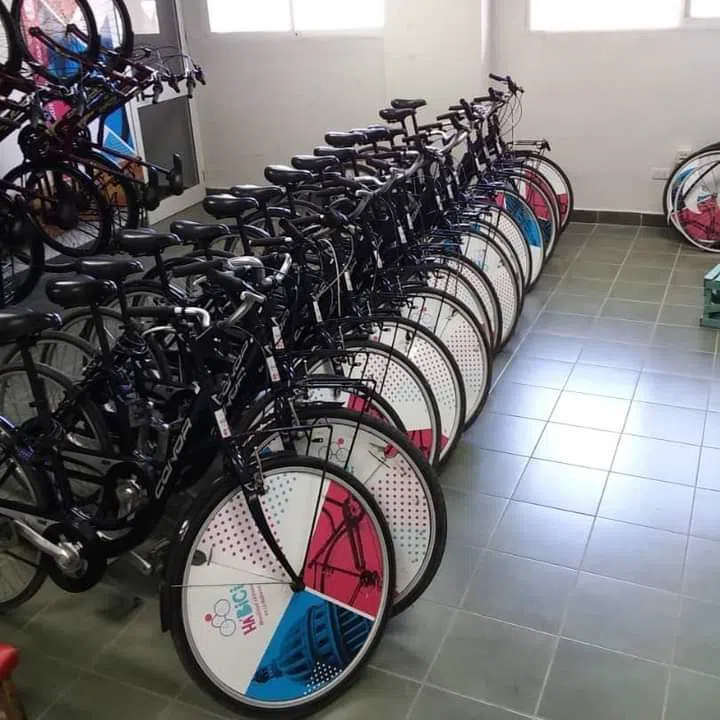
Vélo Cuba, with workshops at Prado 20, Calle 21 #160 in Vedado and Obrapía #360 in Old Havana, is the established cycle outfit in the city, women-led, and it solves the fuel problem by ignoring it. Rentals run around 13 to 15 per bike per day with weekly rates available, and they will deliver to your accommodation, which matters if you are staying in Vedado or Miramar and do not fancy the ride in to collect. They are comfortable kitting out a whole group, and they run guided rides from an hour around the city up to a full day out to Playas del Este. If you are still choosing where to base yourself, that is an argument for somewhere central and flat: do a Havana hotel search with the bike delivery radius in mind rather than the view.
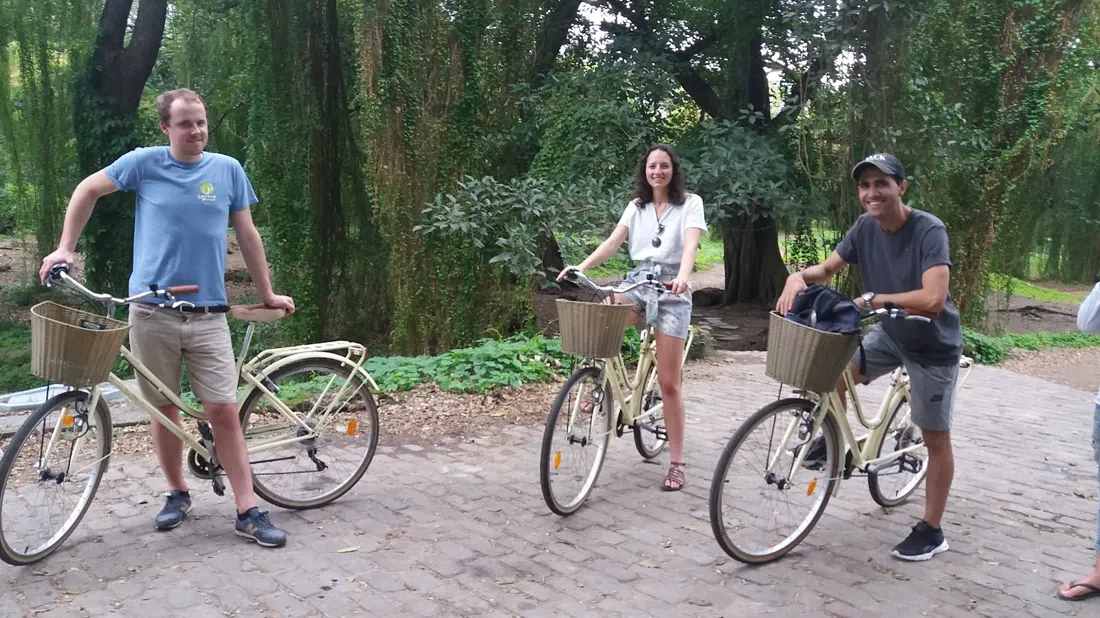
Bike Rental & Tours Havana, Cuban-owned, ten years in, based in the old town and open 9am to 6pm, does the same job with a guide-mechanic riding along, which is the part that counts on Cuban roads. They take groups on day rides and on multi-day trips of four days up to eleven, and they are the one operator here that will ride a party out of Havana to Viñales, Cienfuegos or Trinidad under its own power. It is the cleanest way to sidestep the bus timetable, because a bicycle leaves on the day you choose. Book by WhatsApp and be straight with them about the slowest rider in your group.
What walking still covers
GuruWalk Havana free walking tours, departing from points around Old Havana several times a day, are the backstop, because walking is the only way around the old town that cannot be cancelled by a fuel delivery that did not arrive. There are thirty-plus tours running in English, Spanish, Italian, French and German, they are free to book, and the tip is the price: US$10 to 20 per person is what guides expect and what a good three hours is worth. Rafael's 'Havana: Beyond the Surface' runs at 08:30 and 17:00 and holds a perfect rating, and the two slots are deliberate, the early one for light and empty streets, the late one for the hour when the city comes back outside. The Casablanca tour pairs neatly with the ferry, so you get the crossing and the walk in one morning. Most guides will run a private version for a party if you ask when you book.
Leaving Havana on the days the bus runs
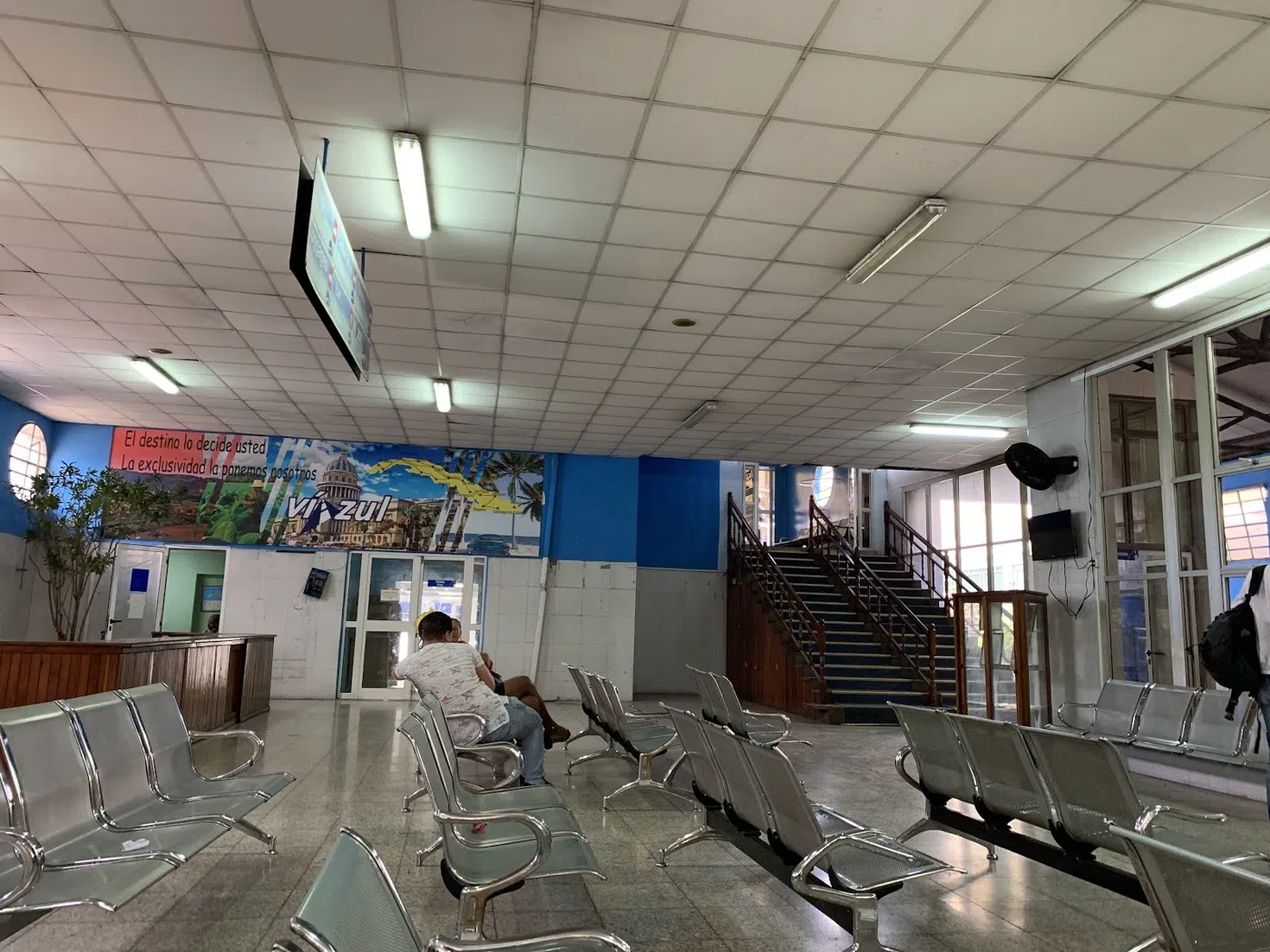
Viazul, the intercity coach network, booked online and boarded at its own terminal, is still the backbone of car-free travel between cities, and fuel rationing has shortened its spine. Havana to Viñales now runs Friday, Saturday and Sunday only; Havana to Trinidad runs Tuesday and Saturday. Fares are €16 to Viñales, €15 to Varadero, €26 to Trinidad and €60 to Santiago, paid by card in euros or dollars at the time of booking. Seats are sold individually, which is good news for groups: a party books adjacent seats in one transaction, and there is no door policy to worry about. Sold-out departures are the norm, so book weeks ahead and build the whole trip around the bus days instead of picking dates and hoping. If you want two nights in Viñales, the calendar has already chosen them for you.
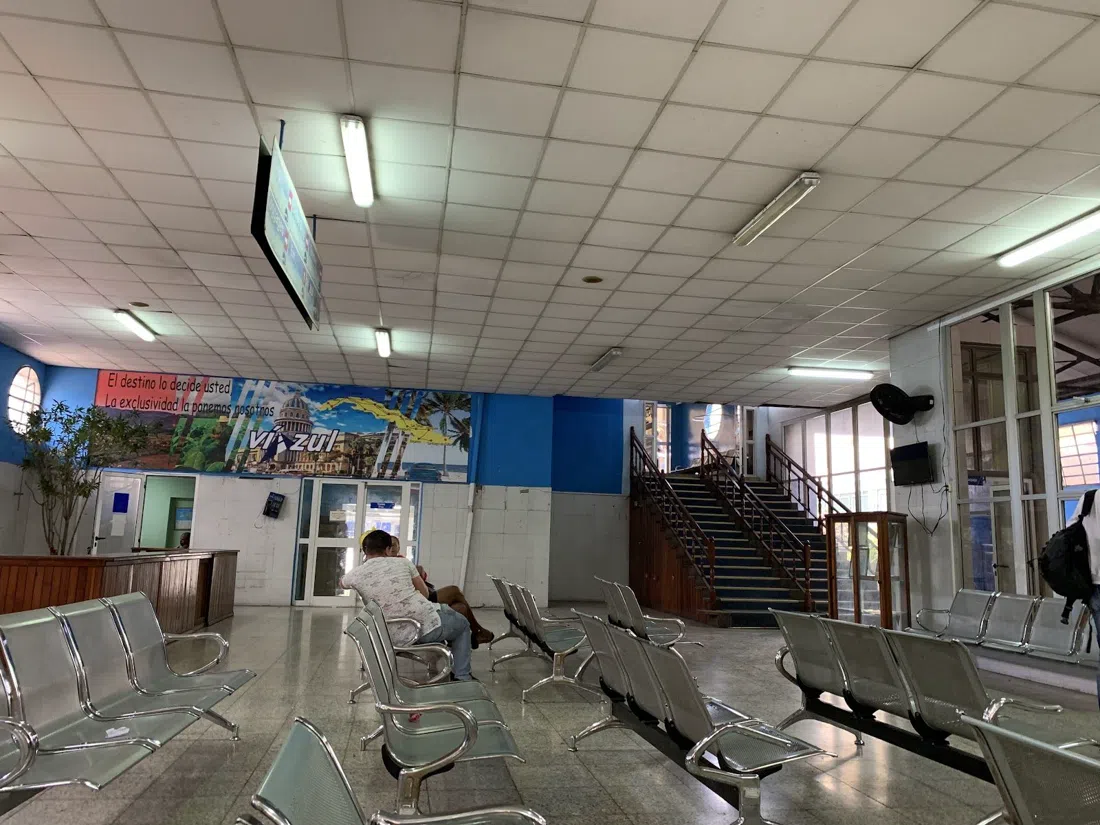
Colectivo shared taxi, the rank of shared cars at the Viazul terminal, is the answer on the four days a week the Viñales bus does not run. Expect roughly the Viazul fare plus 30 to 50%, so about US$20 to 30 per person, and a whole car is negotiable, which makes this the best value in the guide for three or four people travelling together: a full car booked as a flat-rate private hire costs little more than four seats and leaves when you say. Settle two things before anyone's bag goes in the boot, the price, and whether that price is per seat or per car, because the ambiguity is the whole negotiation. If you are buying seats rather than the car, the departure waits until the car fills, and that wait is open-ended.
When the date cannot move
CubaDriver, a pre-booked private transfer service covering door-to-door pickup from any address, is the way to make a long hop certain in a fuel crisis, because the driver sources the fuel and you do not. Pricing starts from about US$1.45 per kilometre, which works out around €92 to 190 for a private Havana to Viñales run depending on the vehicle, with a 50% surcharge for evening departures and 80% for early-morning ones. It is built for groups: minivans, multi-vehicle bookings, and a fixed all-inclusive quote agreed before you leave home. Read the cancellation terms properly. More than 24 hours ahead gets you 80% back, and any later gets you nothing. Book it before arrival, while you still have reliable internet.
The old cars, without the postcard
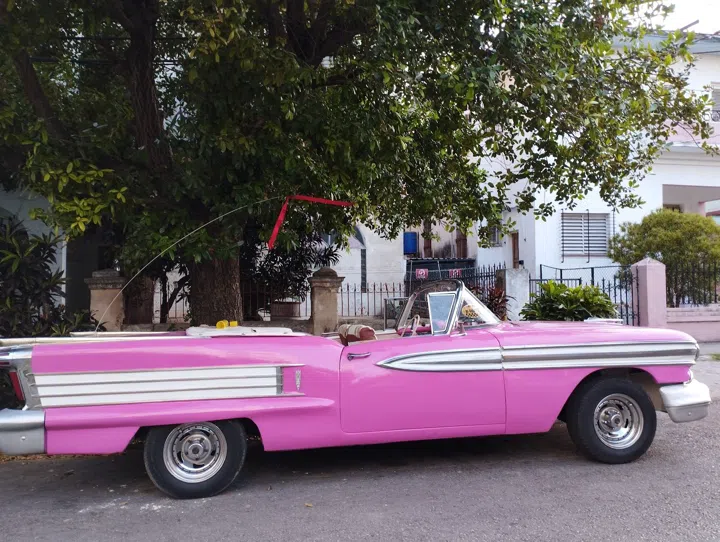
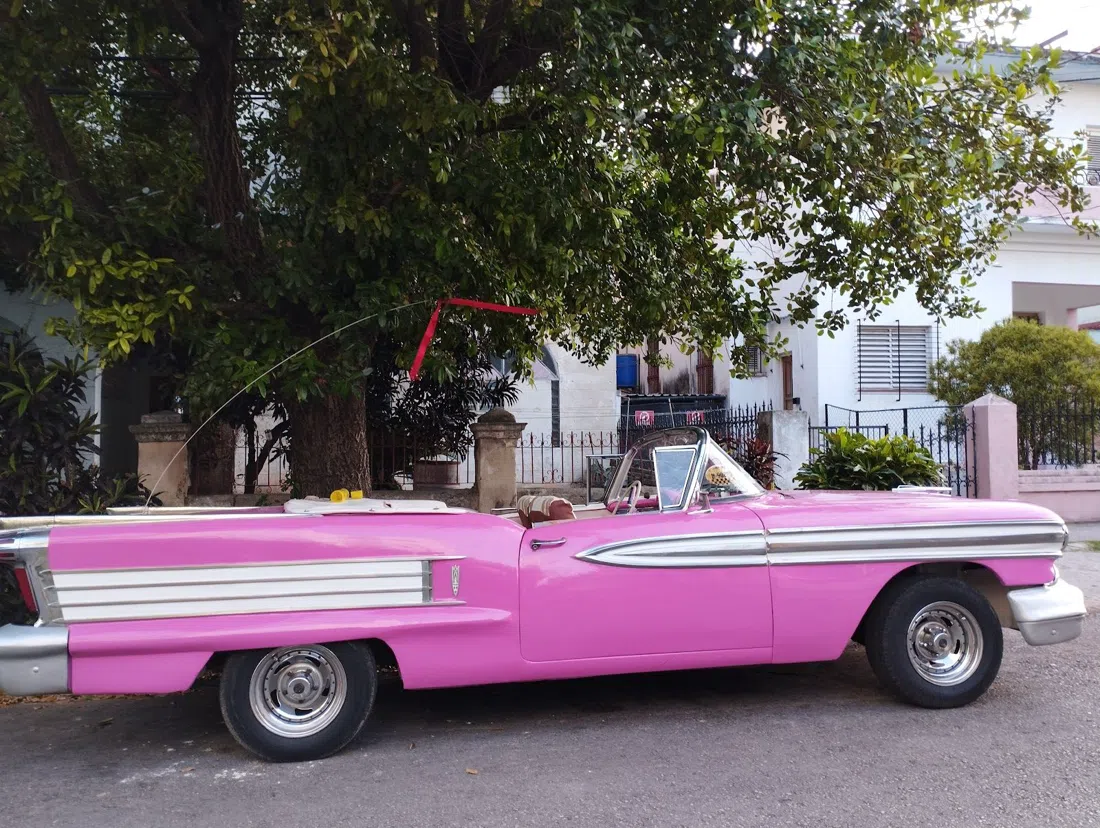
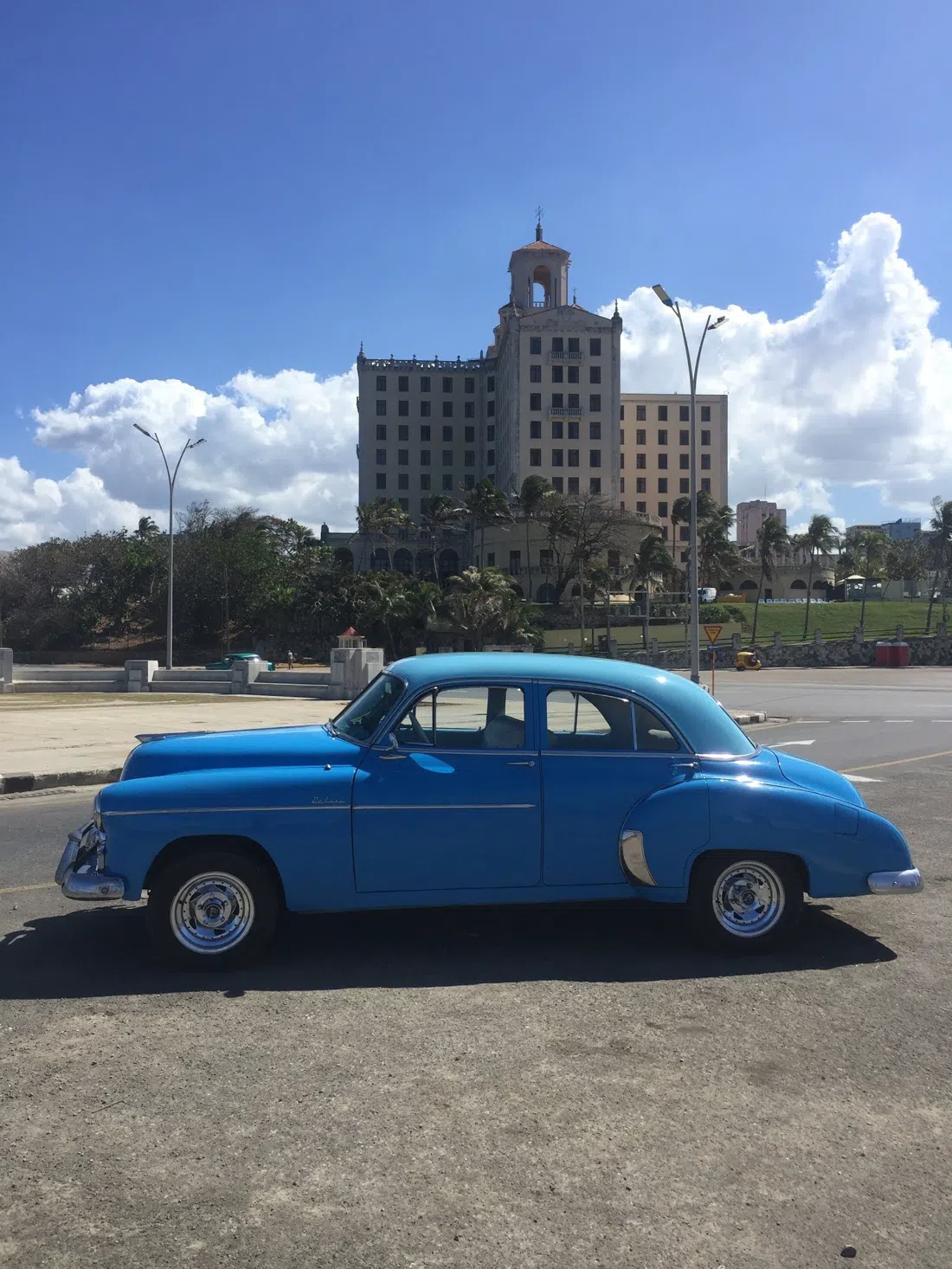
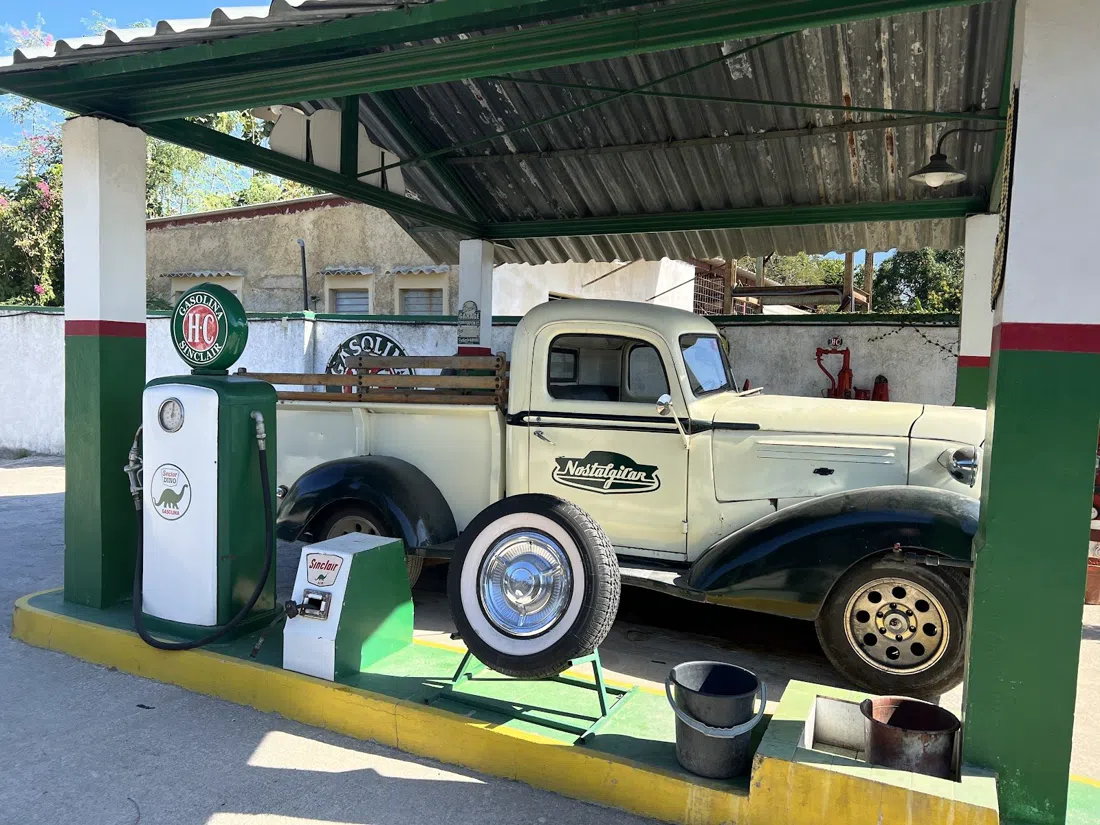
NostalgiCar, a family operation run by Julio Álvarez and Nidialys Acosta, sells the classic car drive that everyone photographs, and then does something better with it. Panoramic city drives run one or two hours, and there is a six-hour drive-and-walk combination that ends at their own garage, where the subject is the mechanics of keeping a seventy-year-old American car alive without parts, in a fuel crisis. That is the part worth the money, and a hotel desk booking will not get you it, so book direct on WhatsApp. Cars take four; a larger party runs as a convoy of matching cars, arranged the same way.
The practical end
Carry cash and carry it small. Almendrones, the ferry and La Nave all want Cuban pesos in the driver's hand or at the turnstile, while tours, private transfers and airport taxis are quoted and paid in hard currency; Viazul is the exception that takes a card, online, in euros or dollars. Set up La Nave on day one, before you need it, and get a Cubacel SIM if your own number will not register. Timing decides the trip: check the Viazul days first, book those seats weeks out, then fill the Havana days around them, and hold the ferry and the bicycle days loosely, since one boat covers the whole harbour route. On budget, a full day crossing the city costs almost nothing. Two or three almendrón hops, a harbour crossing and a bicitaxi through the old town comes to well under US$5, and a tipped walking tour takes the day to about US$25 per person. The expensive decisions are the ones that leave the city, and they are the ones to make in advance. For what to do once you have stopped worrying about the pump, the Havana guide covers the rest of the city.
18 September 2026 · a first week before the flat: the Havana hotel directory