Lisbon · The weekend · 8 min
Walking São Vicente, the Lisbon hill above the Tagus
A flea market, two royal pantheons, the city's highest viewpoint and the small kitchens you have to book weeks ahead.
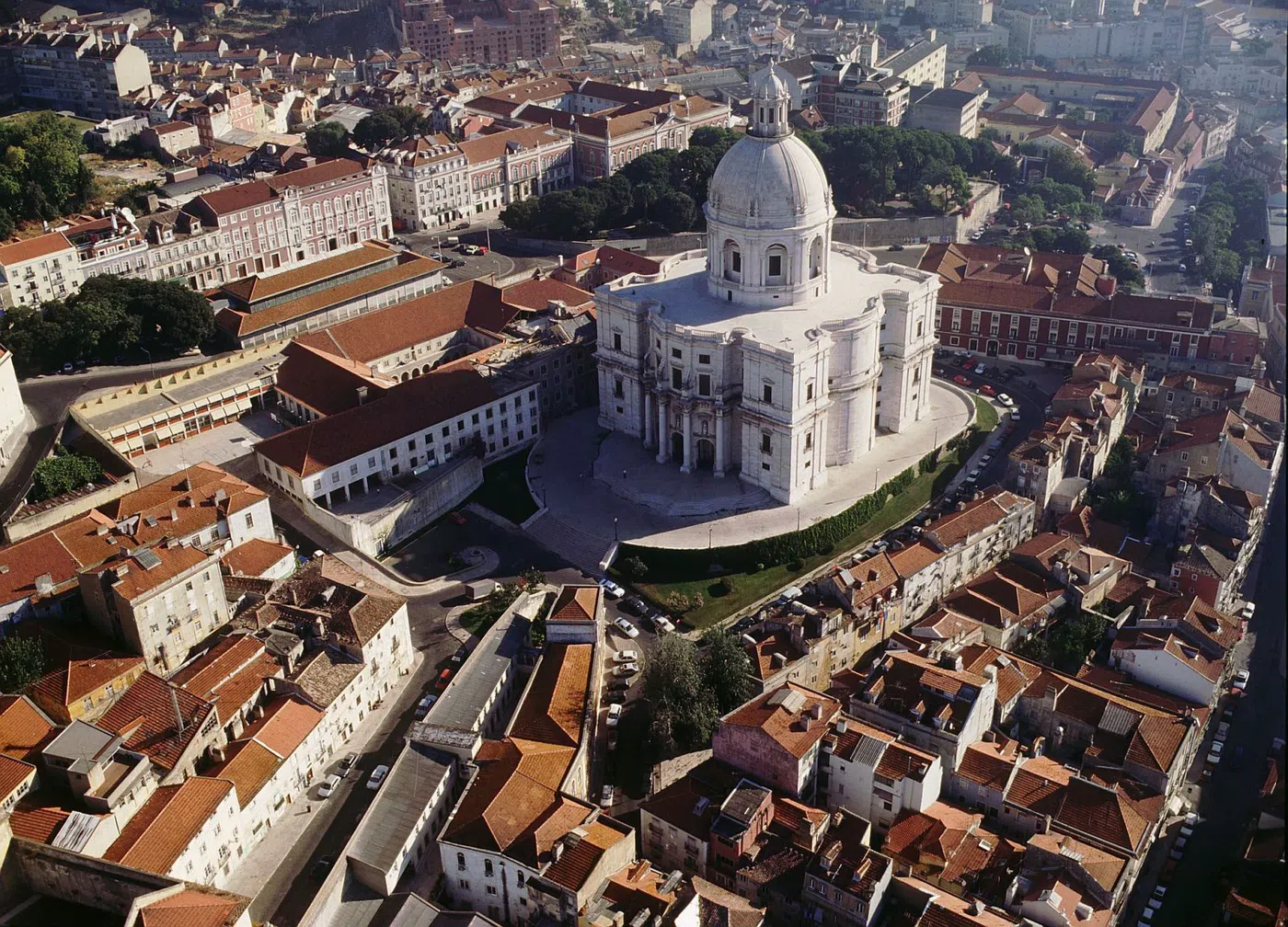
The Panteão Nacional (Campo de Santa Clara) spent 284 years under construction, and Portugal now buries its fado singers and presidents in it. Twice a week, blankets of 1960s Portuguese vinyl and chipped azulejo tiles cover the cobbles outside the door. The streets behind it climb to the highest viewpoint in Lisbon.

The two pantheons on Campo de Santa Clara
The Panteão is what this quarter is built around: a white limestone baroque church, its pale dome set on four squat towers above the low tiled roofs of the square. Entry is €10 for an adult, on the door or through MEO Blueticket online. Under the dome the floor is a cold pink-and-grey marble Greek cross, and Amália Rodrigues lies in a side chapel. The outdoor gallery wraps the dome and looks down on the Tagus and the cruise terminal; the spiral stair up to it is single-file. The church closes on Mondays, so keep it out of a Monday walk.
Mosteiro de São Vicente de Fora (São Vicente) has twin square bell towers and a white mannerist facade, and the Braganza kings all lie inside. Its cloister is lined floor to ceiling with blue-and-white 18th-century azulejo panels telling La Fontaine's fables, the best set in Lisbon outside the Tile Museum. Adult entry is €8 and €4 for under-25s; a guided tour adds €4 and is booked by email. Climb to the flat tiled roof terrace, where the Pantheon dome, the Tagus and the Vasco da Gama bridge line up in one frame. Pay for that roof even if you plan to stand at the free viewpoints up the hill later, because the Pantheon only enters the picture from here.

Feira da Ladra on Tuesday and Saturday
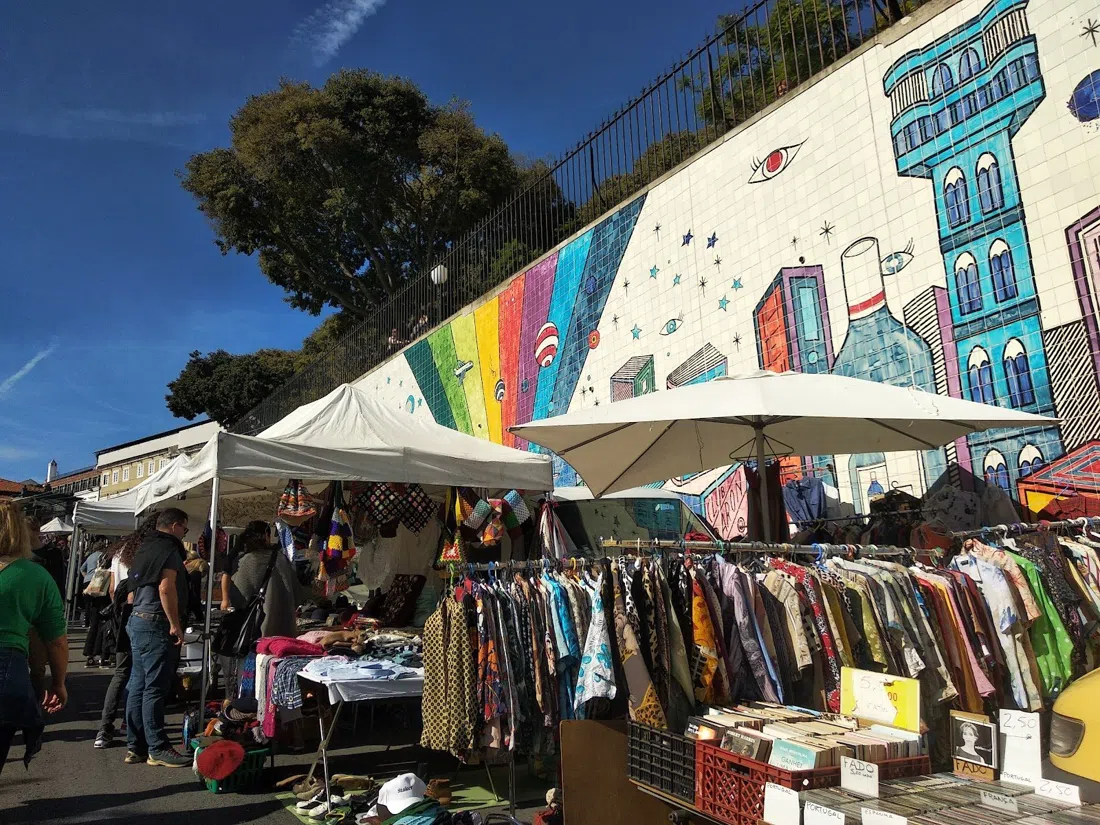
Feira da Ladra (Campo de Santa Clara) has traded on this hill since the 13th century and still sets out twice a week, Tuesdays and Saturdays, 09:00 to 18:00. Blankets and trestle tables go down on the sloping cobbles and under the plane trees, stacked with old tram signs, brass keys and chandeliers, the Pantheon's dome closing the view at one end. Browsing is free and stalls run €1 to €30. Come before 11:00, because the stock worth carrying home goes early. The central aisles are tight.
The Museu Militar at the foot of the hill
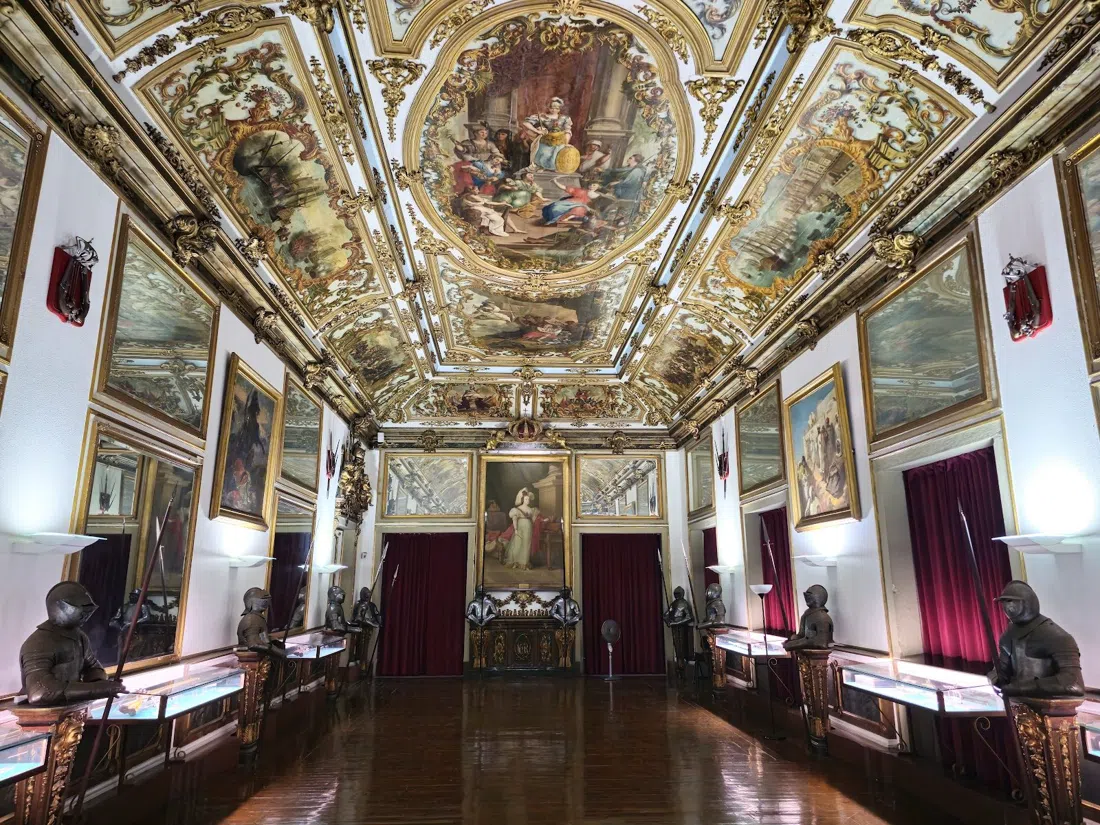
Museu Militar de Lisboa (Santa Apolónia) is a 16th-century arsenal with a courtyard of bronze cannon muzzles in rows. Inside are gilded painted ceilings and parquet halls hung with Peninsular War and First World War ordnance, plus Vasco da Gama frescoes. Adult entry is €3, and €1 for ages 13 to 17 and for 65 and over. A family ticket is €5. It opens Tuesday to Sunday, 10:00 to 17:00, and closes Mondays. At weekends it shuts for lunch, and the desk takes cash only. Few people come, and it is the one grand interior at this end of the quarter. If you arrive by train at Santa Apolónia, see it before you climb to the Pantheon.
Jardim da Cerca da Graça
Jardim da Cerca da Graça (Graça) is 1.7 hectares of terraced green slope below the Graça convent, and the one flat spot on a steep hill. A mown lawn sits in the middle, edged by olive and orange trees, with gravel paths stepping down the hillside and São Jorge castle framed across the valley. It opened in 2015 on an old convent walled garden and is still mostly locals with dogs and kids. Coffee at the kiosk is €1 and a beer €2.50. Gates open at 07:00 and close at 23:00 in summer; in winter the hours are 07:30 to 21:00. There is a playground beside the lawn.
Igreja e Convento da Graça
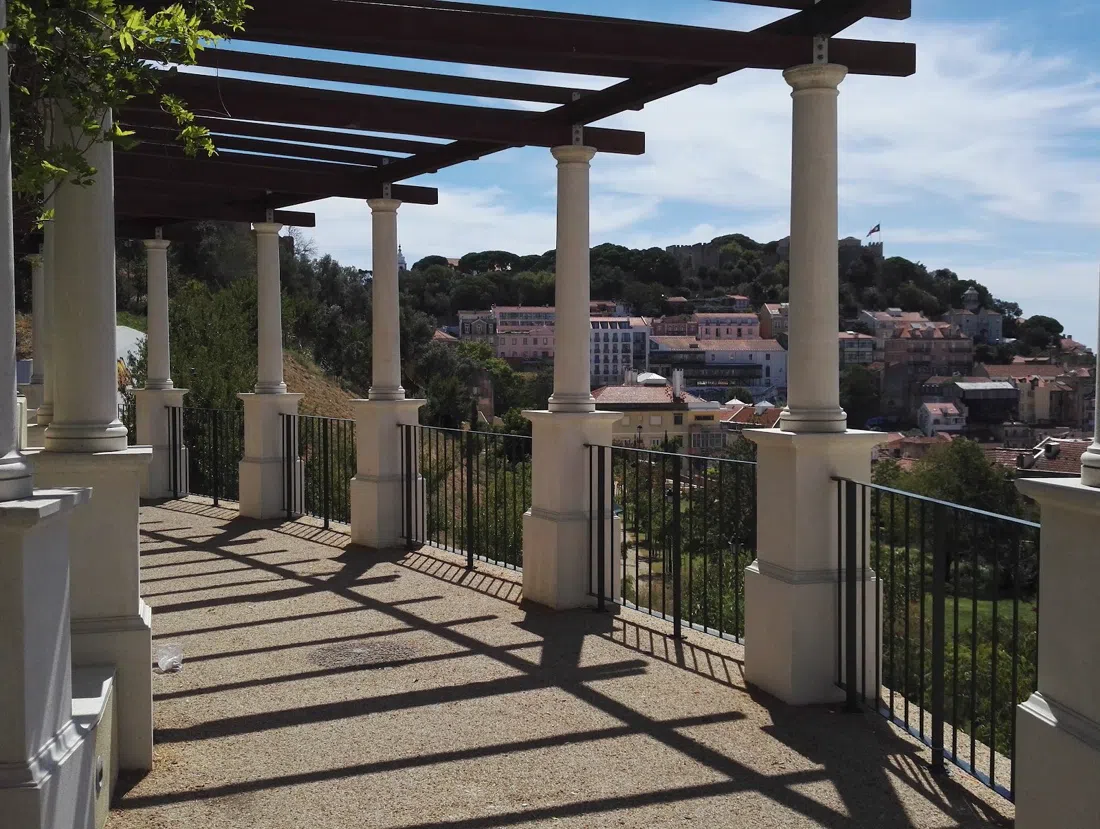
Igreja e Convento da Graça (Graça) is the ochre-and-white pile on the crest of the hill. The church, chapter house and cloister are free to walk into. The chancel is gilded baroque and the two-storey cloister carries blue tile panels. The bare upper terrace costs €5 for an adult and €3 for ages 7 to 12, and from it you look straight down onto São Jorge castle's walls. Visitors have only been let in since 2017, and the church is still half empty while the viewpoint next door is packed. This is a working parish church, quiet during Mass. The Senhor dos Passos procession has set out from here since 1587.
The free viewpoints above Graça
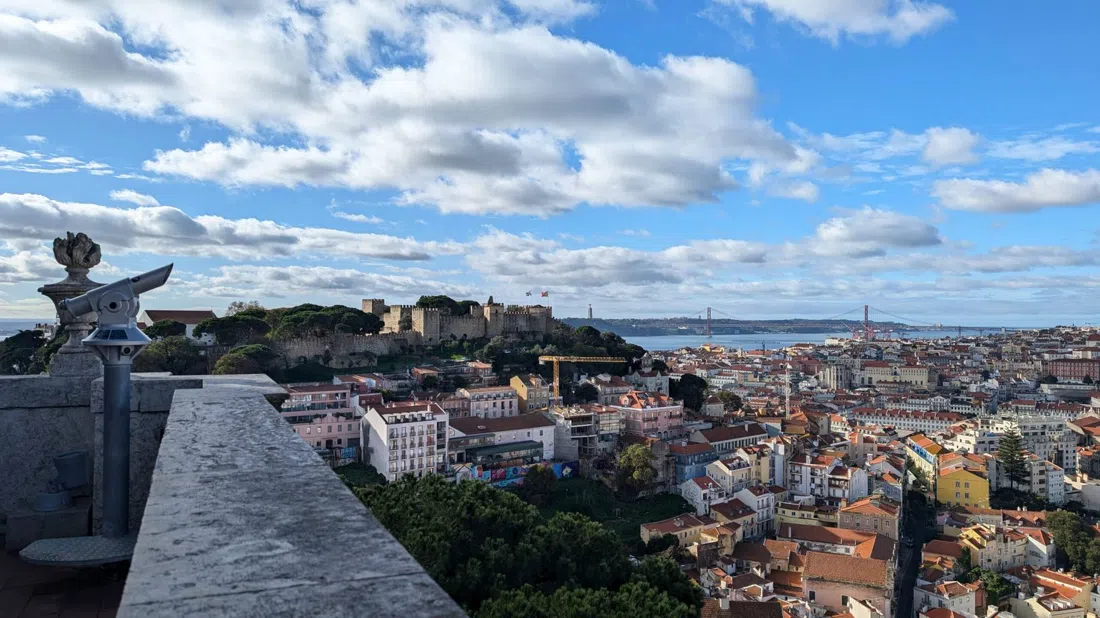
Miradouro Sophia de Mello Breyner Andresen (Graça), also called the Miradouro da Graça, is a gravel terrace under umbrella pines beside the church wall, with white plastic chairs and a green-painted kiosk. A bronze bust of the poet looks out over the Alfama rooftops to São Jorge castle and the river. She sat here to write, and she is buried 400m away in the Pantheon. At sunset the castle is dead ahead with the Tagus behind it. The terrace is free and open at all hours. Kiosk beer or wine runs €2.50 to €5, and the tables fill an hour before sunset.

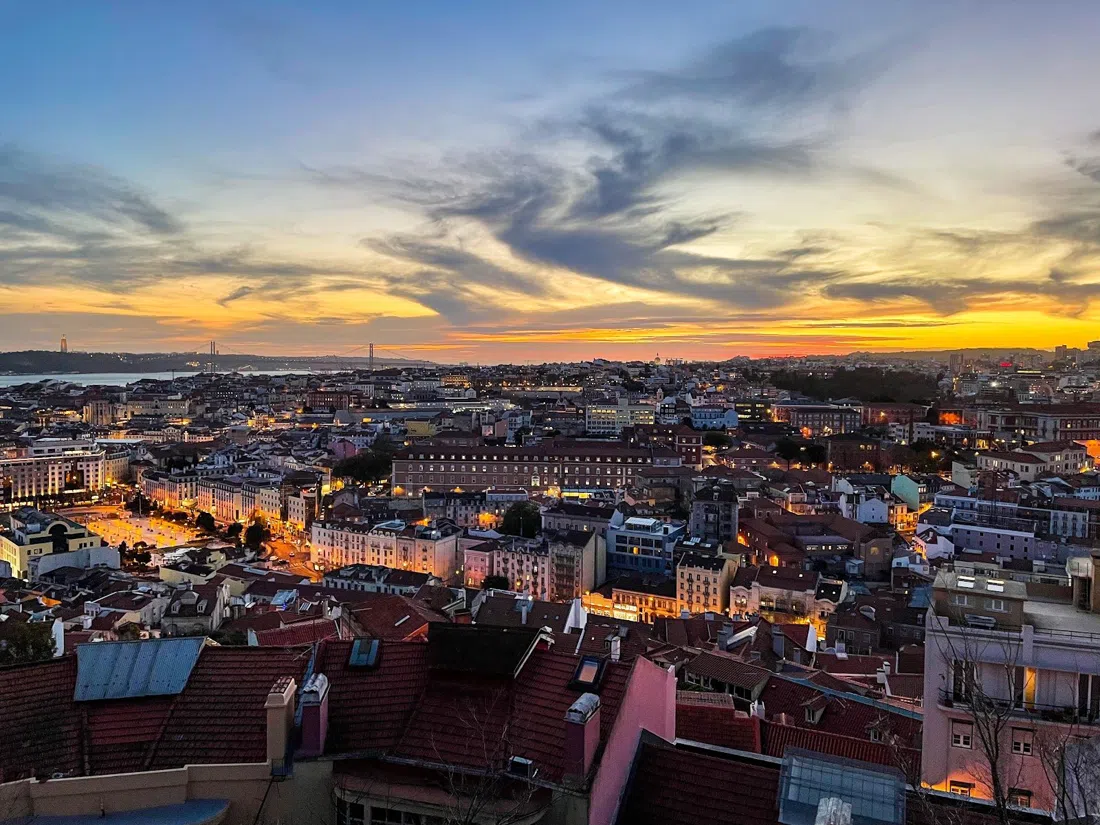
Miradouro da Senhora do Monte (above Rua da Graça) is two minutes uphill and noticeably quieter. The cobbled approach from Rua da Graça is the hard part. The belvedere itself is flat paved ground ringed by low walls, with a whitewashed chapel, a stone belfry and a few pines. A hermitage has stood on this spot since 1147. The panorama is the widest in the city, running from the castle ridge west to the Águas Livres aqueduct and east to the Vasco da Gama bridge. It is free and ungated.
Dinner on the hill
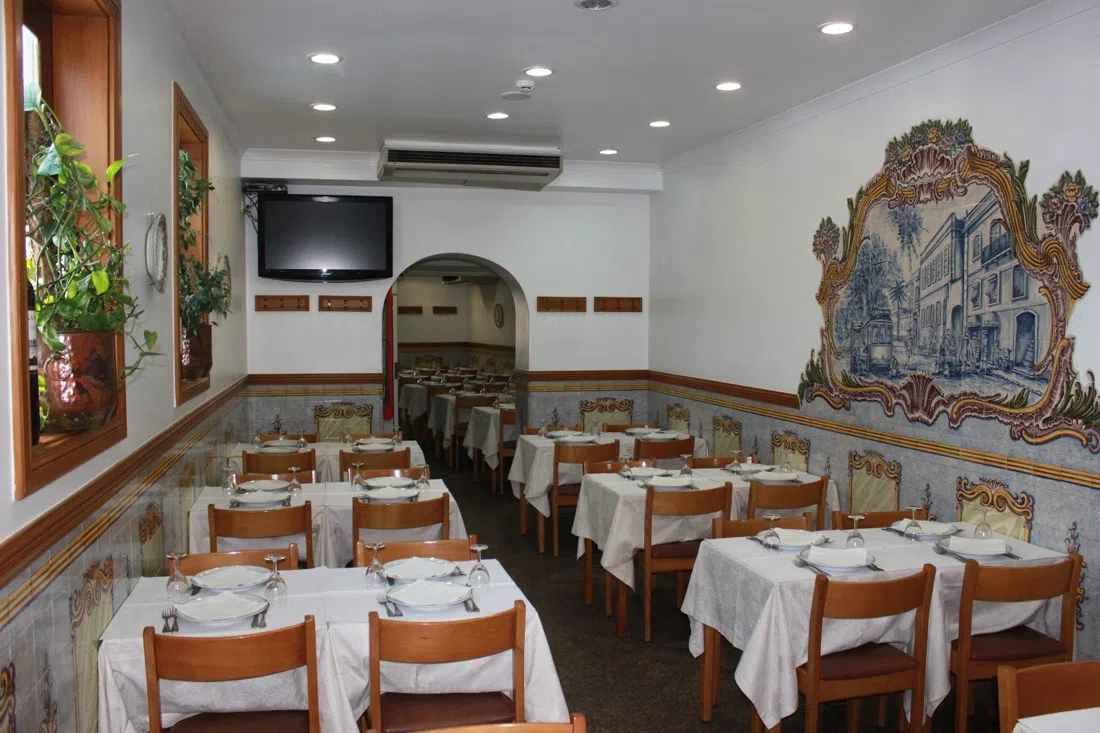
Waiters in waistcoats carry platters of roast kid and bacalhau across a corner dining room with a pale yellow-and-blue tiled dado halfway up the walls and a chilled display of whole fish. Restaurante O Pitéu da Graça (Largo da Graça) is the tasca other Lisbon chefs eat at, and it has held this address for a decade without going tourist. Tables seat two to six and reservations are essential days ahead. Expect €18 to €28 a head with house wine. It closes on Sundays.
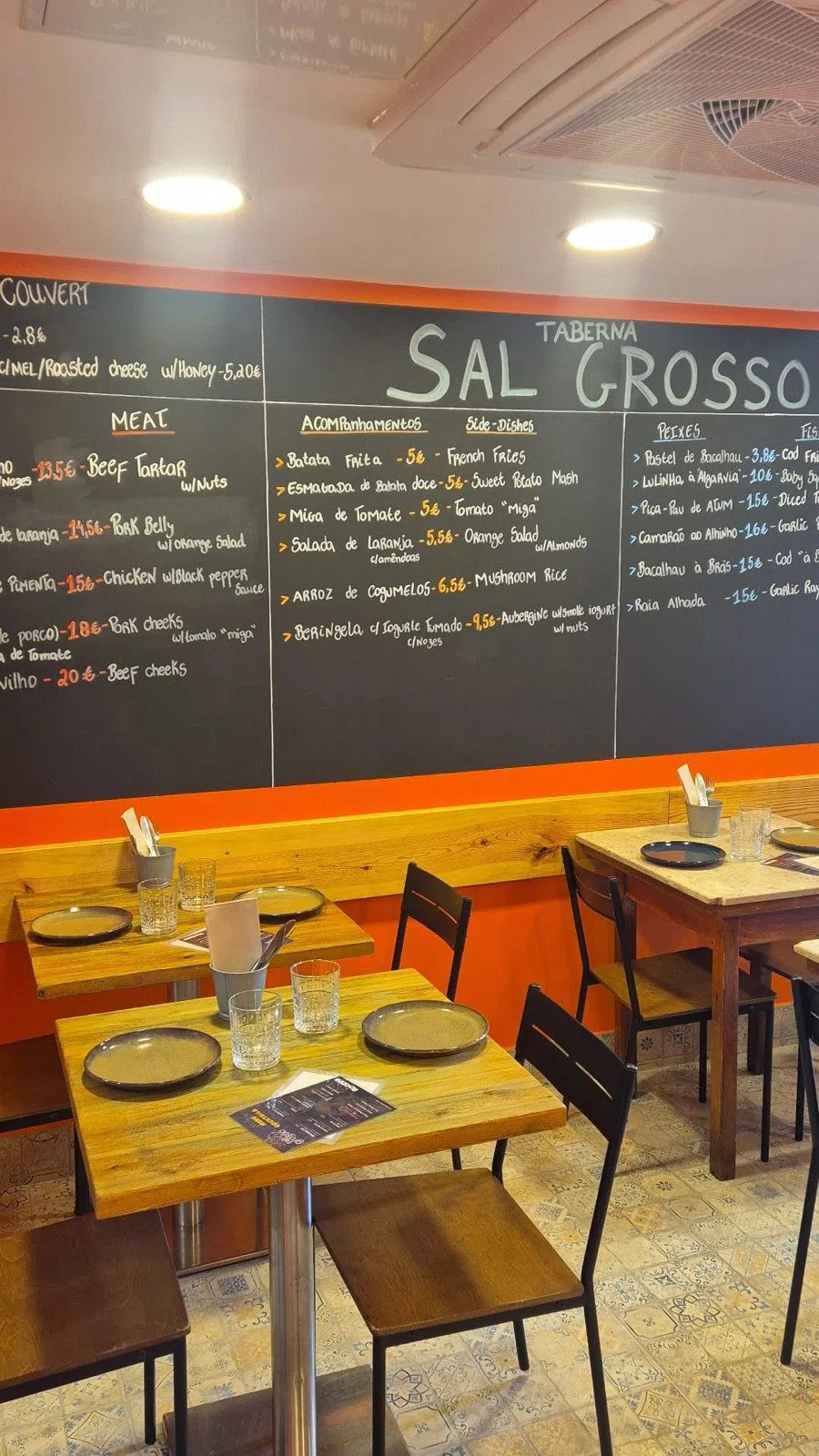
Taberna Sal Grosso (Calçada do Forte) packs 27 seats, marble-topped tables and shelves of wine bottles and tinned fish into one bright room below the Pantheon. The hand-written chalkboard runs pork belly with migas, octopus and duck rice. The room has a following far bigger than its seat count: open Tuesday to Saturday, reservation only, and booked weeks out. A party of more than six should take the roomier São Bento branch. Count on €20 to €30 a head with wine.
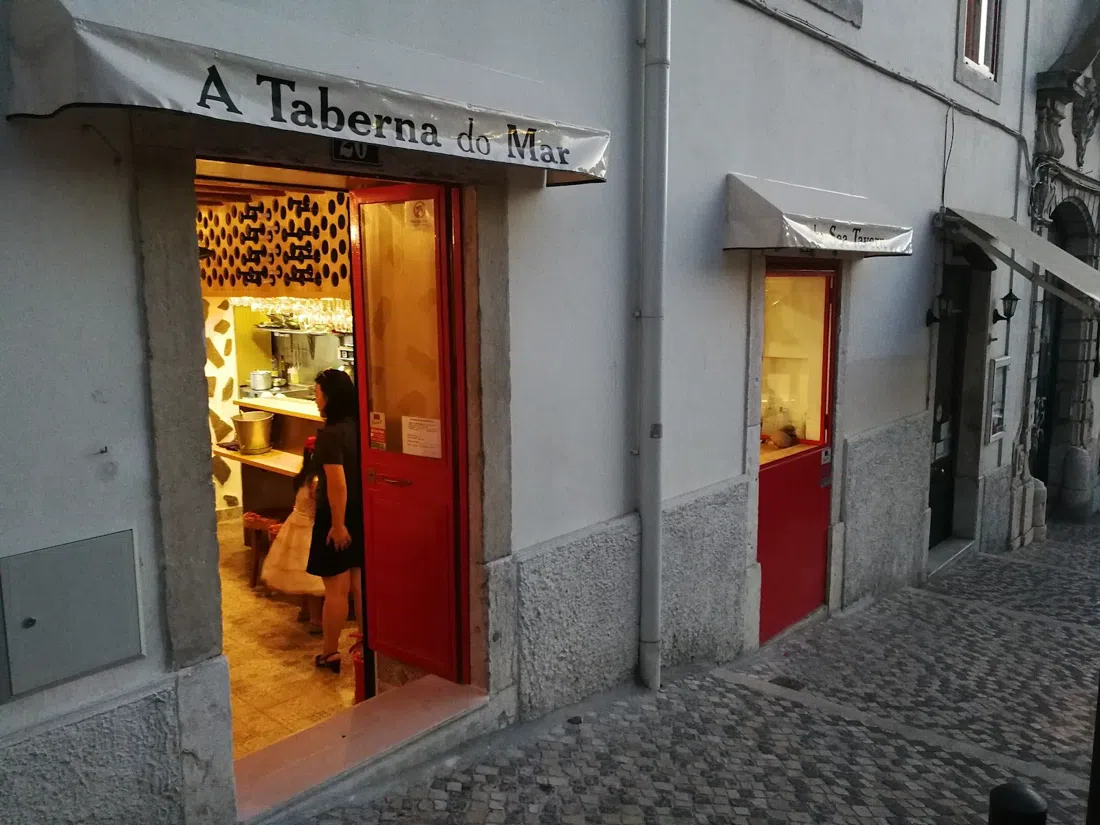
At A Taberna do Mar (Calçada da Graça), Filipe Rodrigues and Hugo Gouveia plate sardine and mackerel nigiri an arm's length from the diners, under a single row of pendant bulbs. The room is bare stone and pale wood with barely a dozen seats, too small for more than about four of you together. Two seatings run at 19:00 and 21:30, Tuesday to Saturday, by reservation only. The ten-course menu of Portuguese fish under Japanese technique runs €25 to €45, and they take cash or a Portuguese debit card.
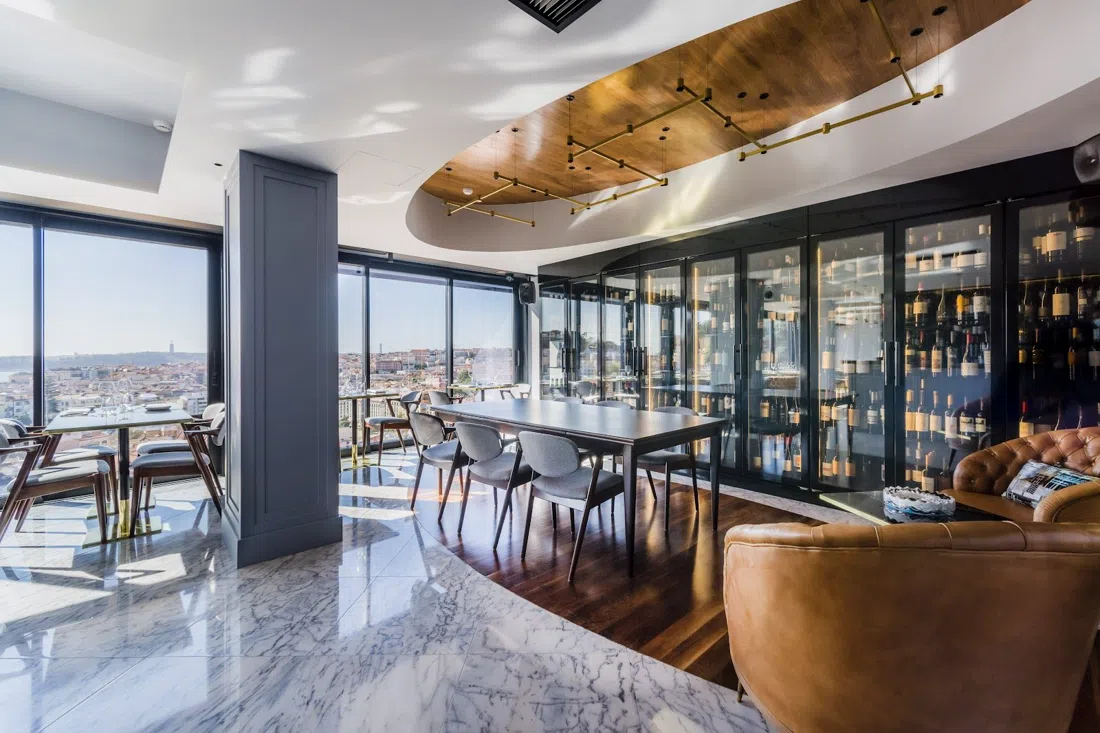
Via Graça (Rua Damasceno Monteiro) is a low glass-fronted room clinging to the hillside, every table facing a floor-to-ceiling window with the floodlit castle, the Baixa rooftops and the river below. The tables carry white linen and silver domes, and a serious wine trolley works the room. Reservations are essential and window tables go weeks ahead, so ask for the window row explicitly when you book. Reckon on €65 to €95 a head, more for the tasting menu. The lane has no signage worth the name; take a taxi.
Drinking and fado
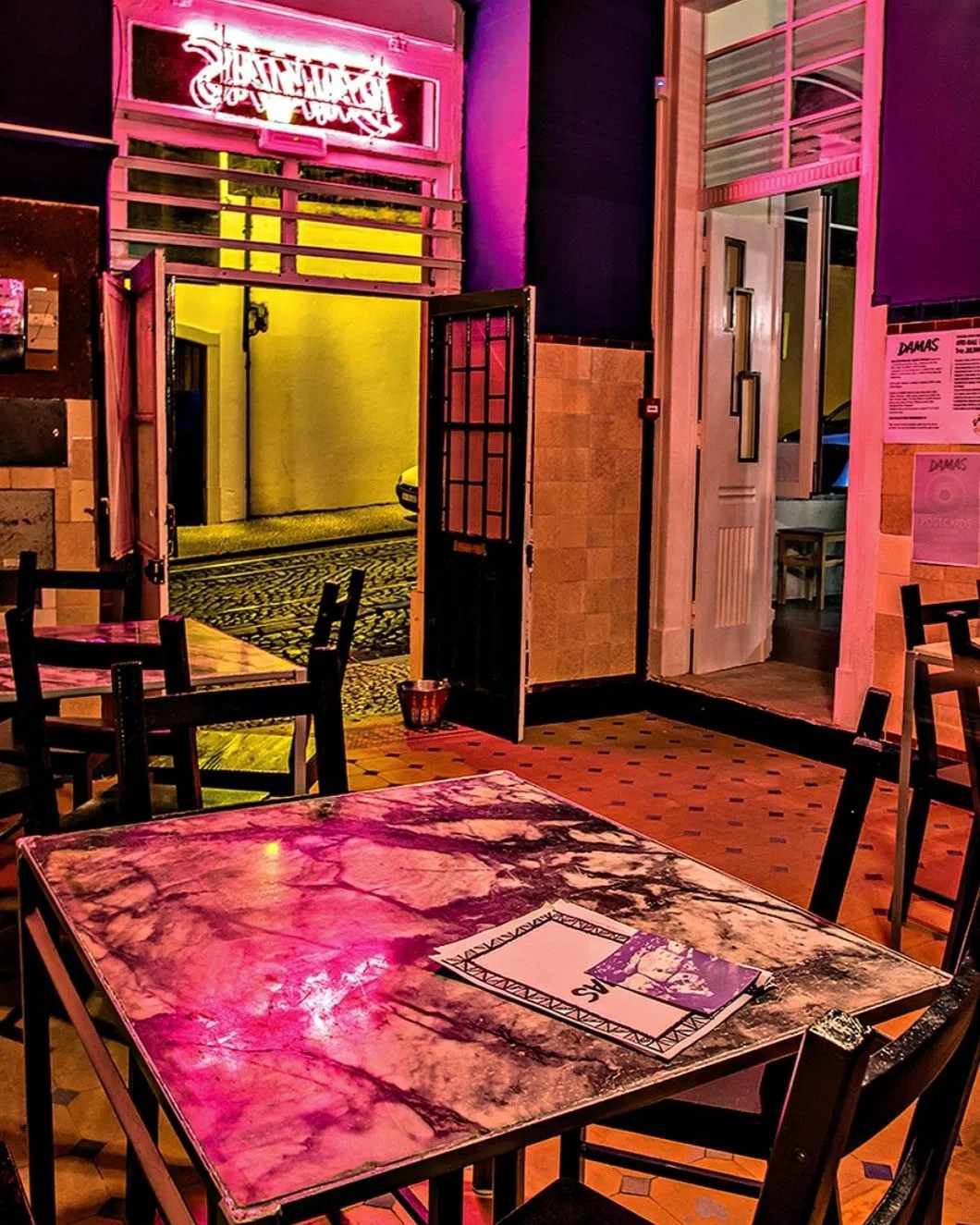
Damas (Rua da Voz do Operário) is an old bakery conversion, stripped plaster walls with the original tiled oven arch still in place. The kitchen leans vegetarian by day, and the raw black-walled room at the back books punk through to afrobeat at night. Walk in. Beer is €3 to €4 and plates €6 to €12. It is the one room here that reliably runs past midnight, and on gig nights the back fills and front tables get given away.
Vino Vero (Travessa do Monte) opens at 20:00 and closes at 01:00, with Fridays and Saturdays running to 02:00. The narrow Italian-run bar has bottle-lined shelves to the ceiling and a small zinc counter, strong on natural wine and orange wine in particular. Glasses are €4 to €7 and charcuterie boards €10 to €16, and the kitchen does proper vegan small plates. About a dozen people fit inside, and the regulars drink standing on the cobbles outside, on a street barely wide enough for a car. The street drinking is the friendliest thing in Graça.
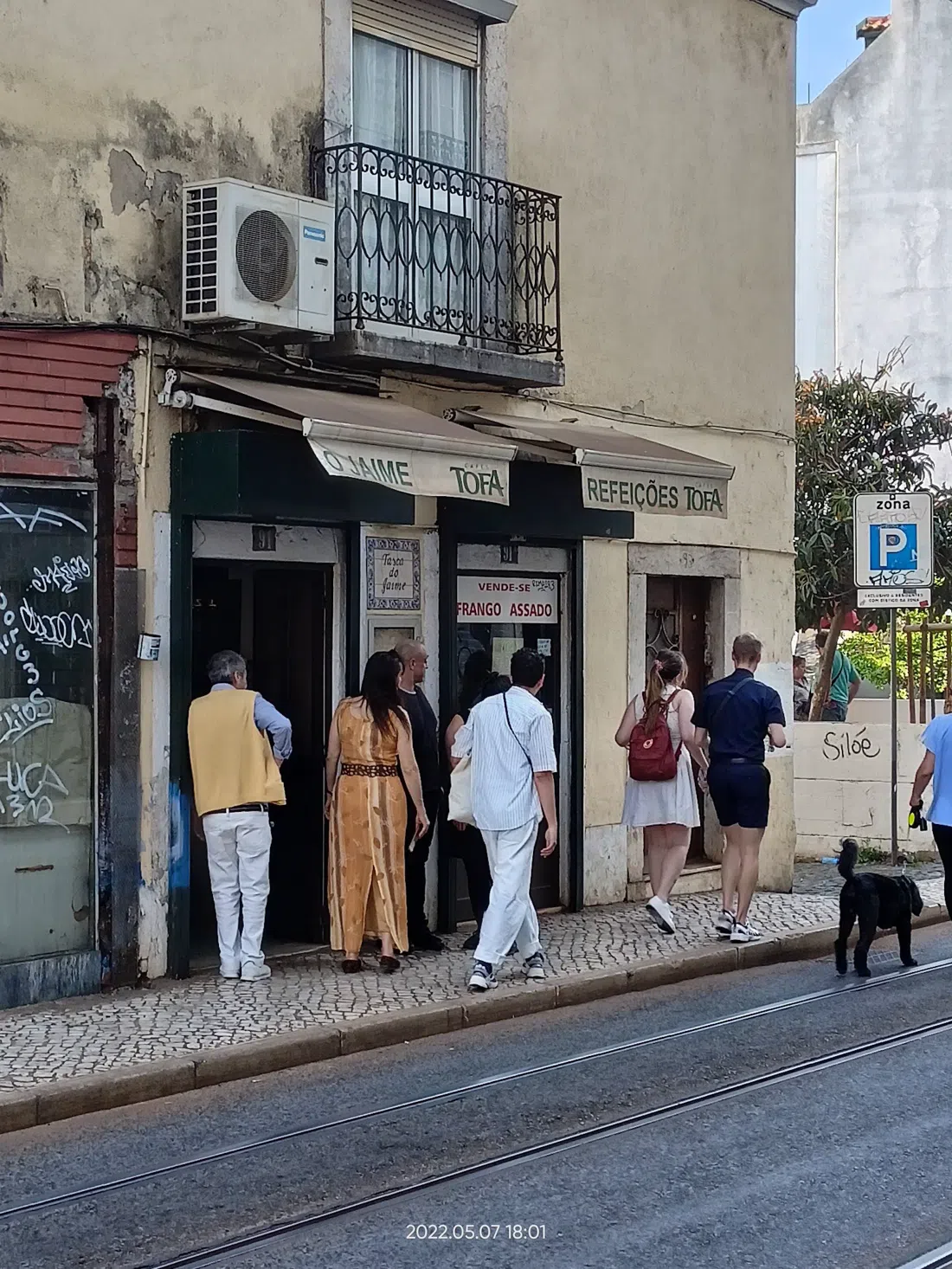
Tasca do Jaime (Rua da Graça 91) is a plain shoebox room with a formica counter, football scarves and faded photos of fado singers. On Saturday and Sunday afternoons the neighbours sing fado vadio unamplified among standing drinkers, a woman in a black shawl with a guitarist wedged into the corner. Entry is free and there is no stage and no booking. Drink prices rise from 16:00 to pay the singers, and wine is €1.50 to €3 a glass. Keep quiet while anyone is singing.
Where to stay
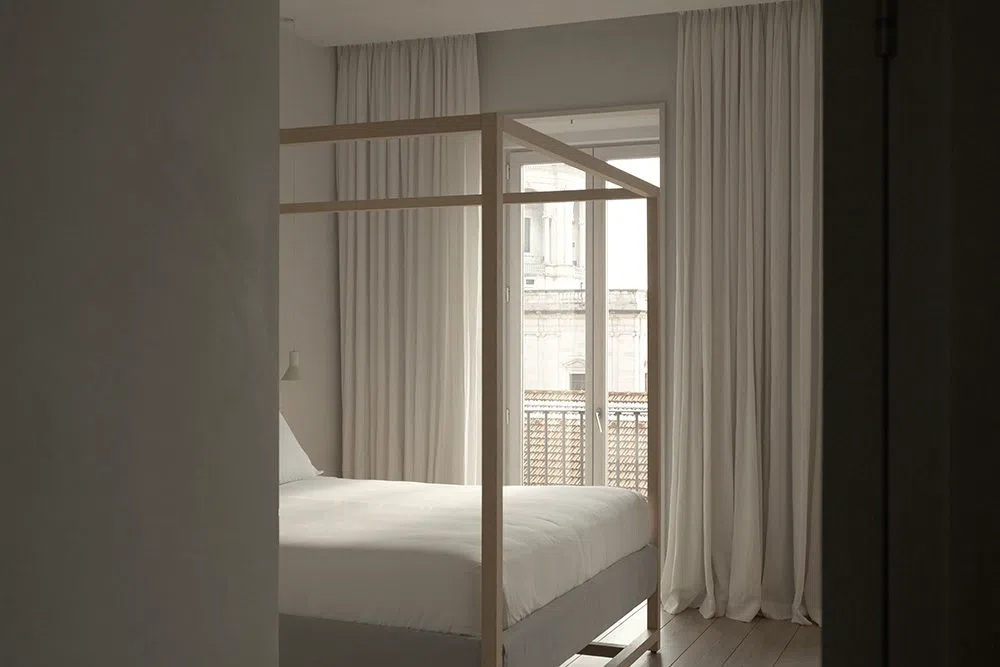
Santa Clara 1728 (Campo de Santa Clara) has six suites in a pared-back 18th-century townhouse restored by Aires Mateus, with lime-plastered white walls, bare oak floors, Estremoz marble bathtubs and tall shuttered windows straight onto the Tagus. Breakfast is served at one long communal table and is included in the €400 to €580 a night. The minimum stay is two nights and the booking is direct; email the house. The windows look onto the Feira da Ladra, so Tuesday and Saturday mornings start with market noise underneath them.
Planning notes
The Panteão Nacional and the Museu Militar both close on Mondays, and the market sets out on Tuesdays and Saturdays only. Book O Pitéu days ahead and Sal Grosso, A Taberna do Mar and Via Graça further out than that.
See the Lisbon guide and the Lisbon hotel search.
5 November 2026 · a first week before the flat: the Lisbon hotel directory