Manila · Staying safe · 11 min
Manila in October When the Rain Still Has a Say
In October the rain sets the schedule in Manila. Here is how to build a week around it, which rooms stay dry all day, and what to do when a signal goes up.
October rain in Manila mostly keeps office hours. The morning comes up bright and close, the light turns the colour of wet cement somewhere after two, and by half three the gutters along Real Street are running hard while the tricycle drivers wait it out under an awning with instant coffee in a paper cup. Forty minutes later it has stopped, the heat comes back heavier than before, and the city carries on as if nothing happened.
That is the ordinary version, and it is the one you will get on most days of an October trip. The other version, the one that puts two or three days of your week genuinely in doubt, is a tropical cyclone crossing the archipelago. October sits at the tail of the rainy season, not past it. Both are survivable, and the second is only ruinous if you have planned as though it could not happen.
What October actually does to your week
Expect a usable morning and an unreliable afternoon. Rain here does not drizzle. It arrives as a wall, drops thirty or forty minutes of water, and leaves. Low-lying streets go ankle-deep inside twenty minutes and usually drain almost as fast. Where they don't, you wait somewhere dry for an hour, which is an inconvenience rather than a crisis.
A storm works differently. When the national weather service raises a wind signal over Metro Manila, schools and offices suspend, malls shut early, the elevated rail can pause on high winds, and domestic flights cancel in batches rather than one by one. None of this is dangerous to a visitor in a decent hotel, but it will eat a day whole.
So build the week so no single day depends on the sky. Give each day two anchors, one fully indoors and one open-air, and decide at breakfast which one leads. Keep at least a full day of slack before any international departure, and do not schedule a domestic island leg to land the same afternoon you fly home. If you want to be in easy reach of dry things, base yourself in Intramuros, Ermita or Makati rather than somewhere that needs a forty-minute taxi in each direction; the Manila hotel search will show you what sits inside those pockets. The rest of the city is covered in the Manila guide.
Intramuros between the showers
The walled city is the one part of Manila where an October morning pays off properly, because the stone holds the cool and the crowds have not built yet.
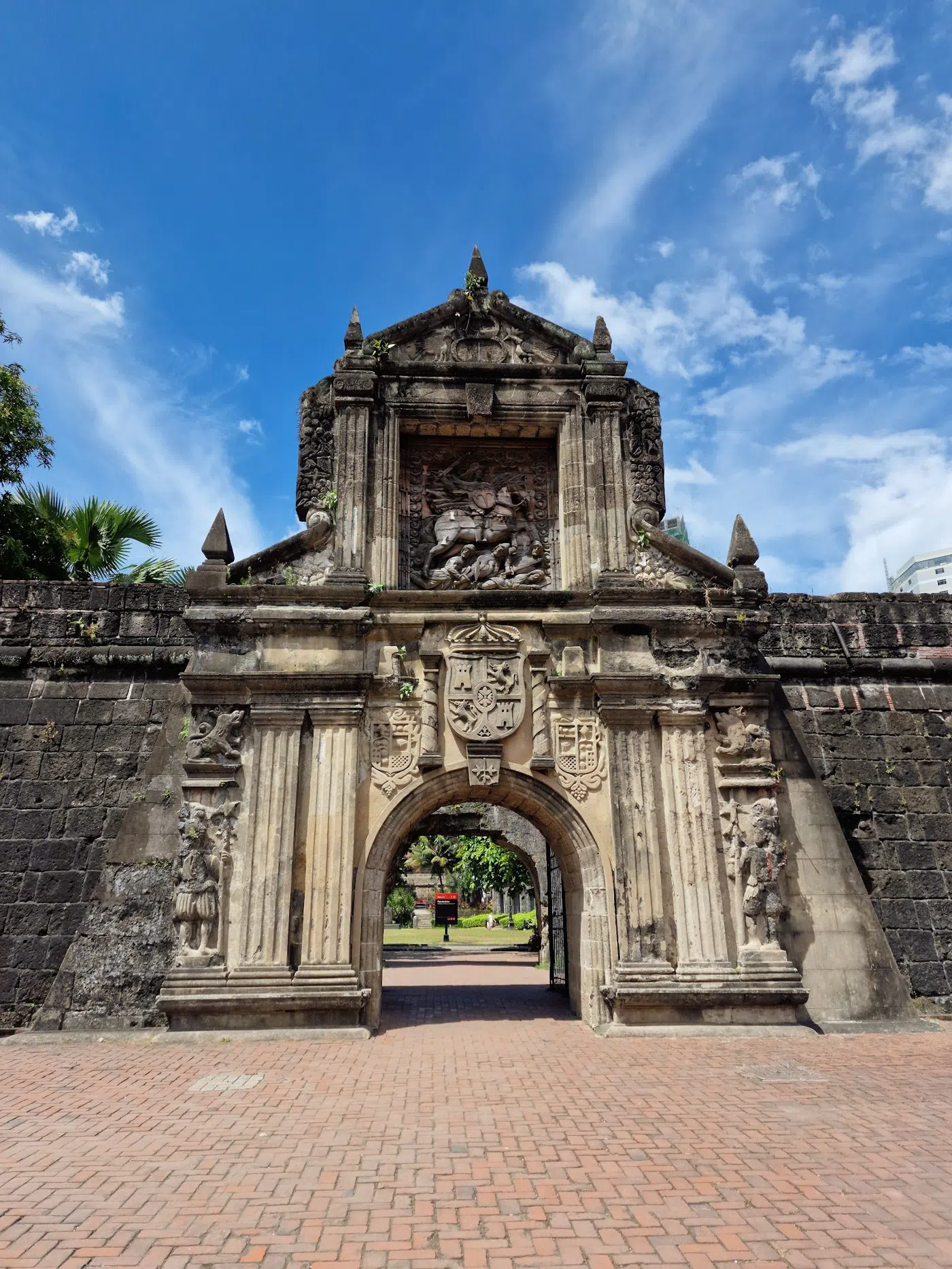
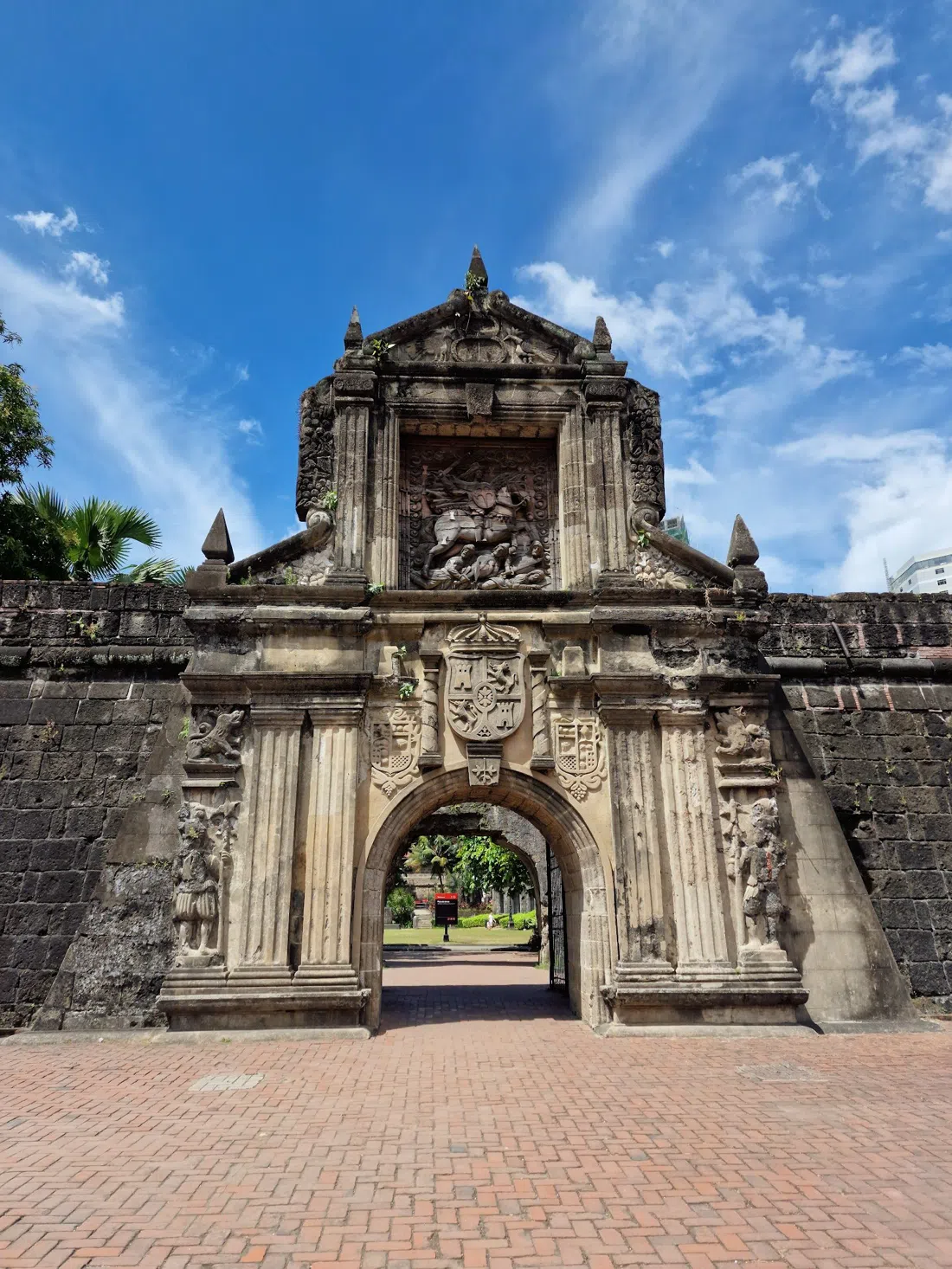
Fort Santiago (Intramuros) is the site to lead with. It is PHP 75 for a regular ticket, PHP 50 for students, seniors and PWD, bought per head at the gate. There is no booking, and groups of any size simply walk in. The paths are wide and paved, which matters if anyone in your party is slow on their feet. It is the right October choice because it has enough roofed interior to survive a downpour: the Rizal Shrine and the dungeons will hold you for the length of a squall. It also runs to 10 PM on weekdays, so an afternoon the rain has written off can be rebuilt after dark, with the walls lit and the heat finally off.
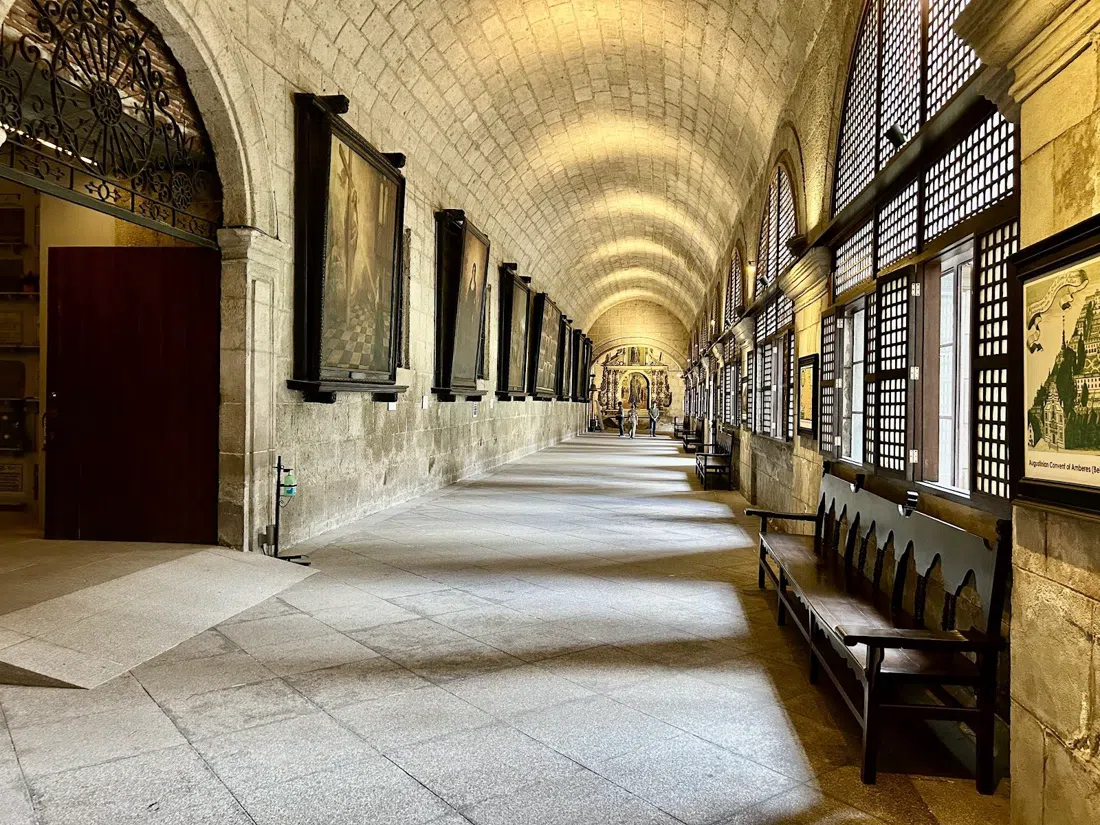
Five minutes away, San Agustin Church and Museo San Agustin (Intramuros) is your hard-weather default. The church is the oldest stone building of its kind in the country and the only structure in Intramuros to come through the 1945 battle standing. Entry to the church is free and open to everyone; the museum sells per-person tickets to walk-in groups with no cap, at PHP 200 for adults and PHP 160 concession. It is entirely indoors across two floors, so you get a genuine hour and a half of shelter. Modest dress is enforced, meaning no sleeveless tops and no very short shorts, and it closes between 12 and 1 PM for lunch, which is exactly when people turn up soaked and hopeful.
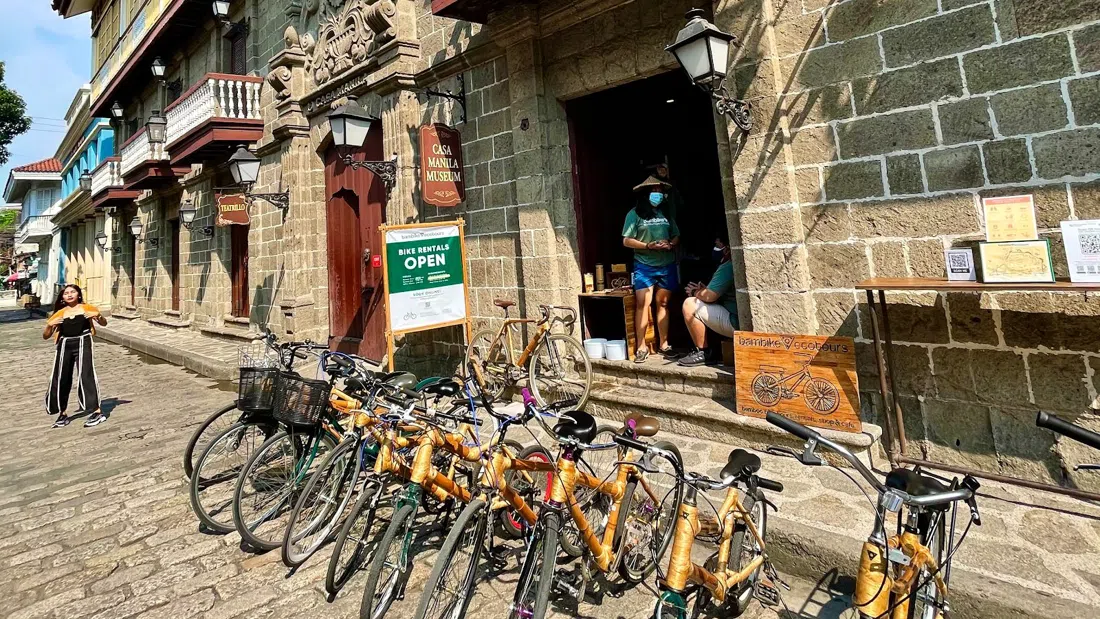
If you want the walls read to you properly, Bambike Ecotours (Plaza San Luis, Real St corner Gen. Luna St) runs guided rides on bamboo frames, roughly PHP 1,200 to 1,800 a head depending on length, in groups of about five to fifteen. Private groups are arranged direct and cancellation is free up to 24 hours out. Book the morning slot. October afternoons are when the rain lands, and the 90-minute express and after-dark options exist precisely so you can thread a gap in the weather rather than gamble a half day on it.
The free dry hours near the bay
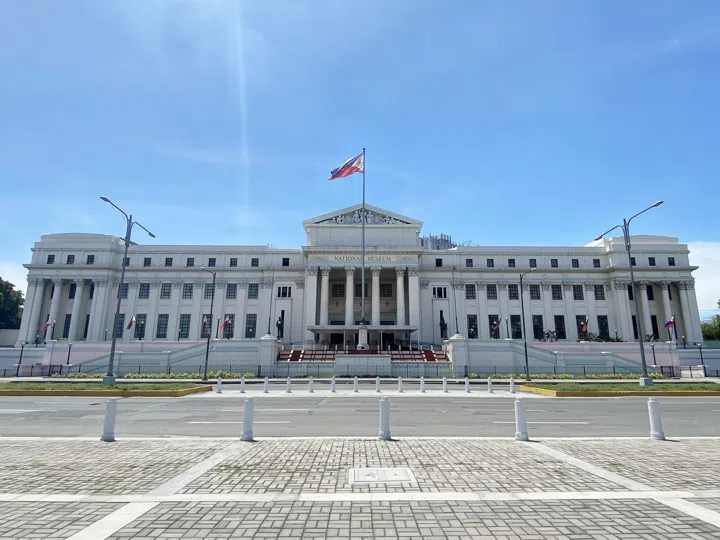
National Museum of Fine Arts (Ermita) is the single best value in the city in any weather and the best rain insurance in October. Entry is free, seven days a week since the National Museum dropped its Monday closure, and one valid ID covers a group walking in unbooked. Large bags and backpacks go into lockers, so bring a PHP 100 coin. The building is joined by covered walkways to the Natural History and Anthropology halls, so you can spend four or five hours moving between three museums without your shoes getting wet once. On a day the sky has already made your decisions for you, that is the whole afternoon solved for nothing.

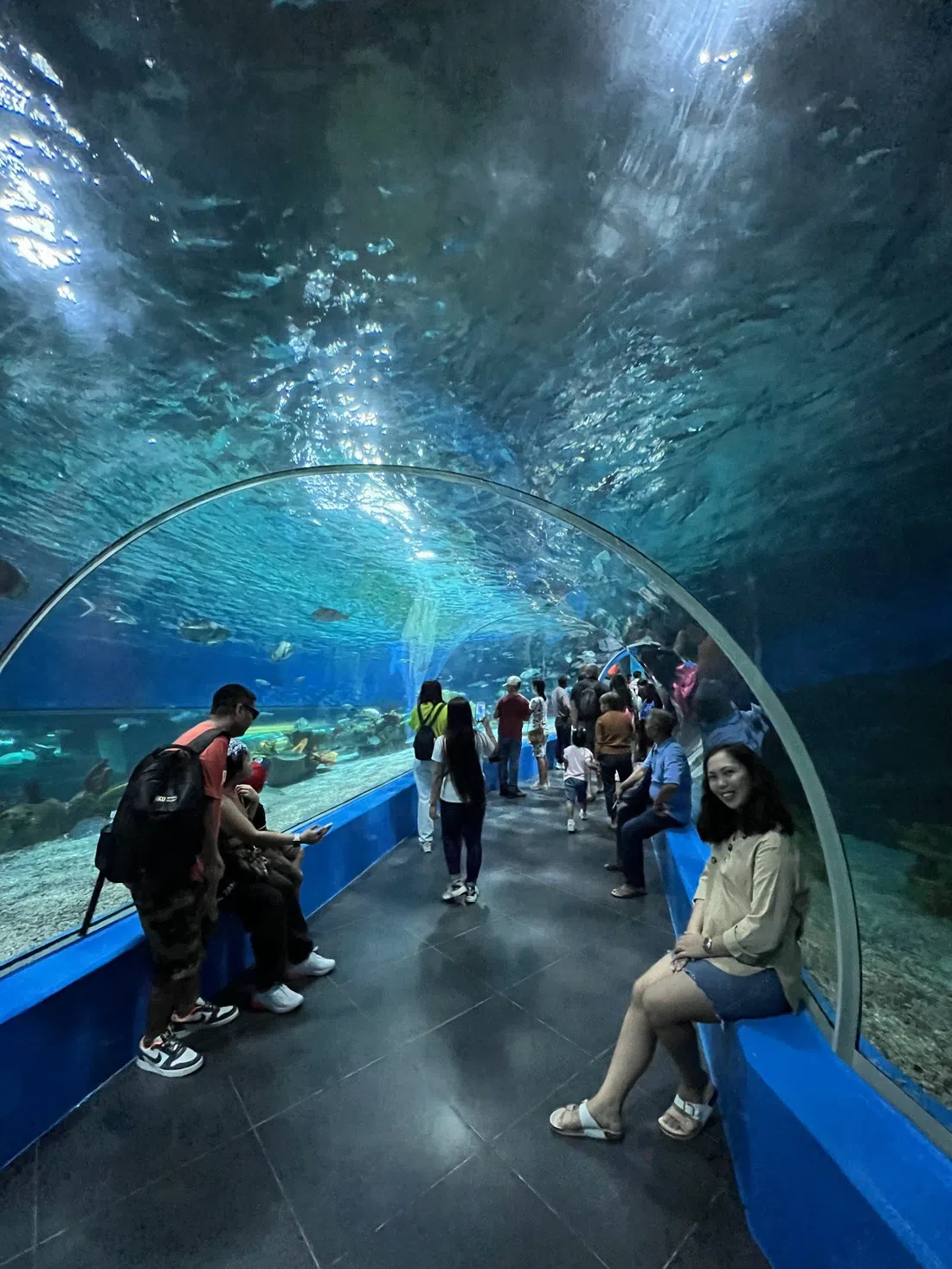
A short hop from Intramuros and Rizal Park, Manila Ocean Park (Ermita) is almost entirely under roof and handles large groups routinely, 10 AM to 6 PM daily. Book online: packages start around PHP 950, while walk-in gate prices often run past PHP 2,000 for the same thing. That gap is wide enough to hurt, and it catches people who decide at eleven in the morning that it is a rain day.
Makati and BGC when the afternoon is already lost
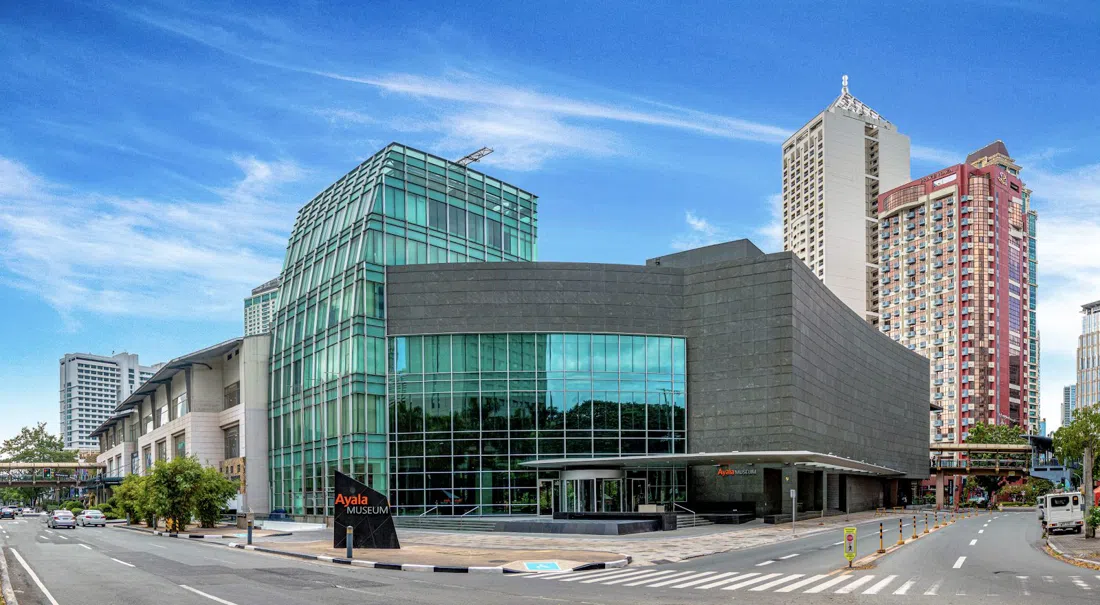
Ayala Museum (Greenbelt, Makati) gives you the fastest honest primer on Philippine history anywhere in the city, and the diorama floor does the heavy lifting. It is Tuesday to Sunday, 10 AM to 6 PM, closed Mondays; PHP 425 for non-resident adults, PHP 150 resident, PHP 75 for resident students and seniors, with group tours bookable in advance through the museum. Its October virtue is structural: it sits inside the Greenbelt complex, so you can arrive, spend three hours, eat, and leave without stepping into the wet.
Travelling with kids, The Mind Museum (Bonifacio Global City) is the strongest rain-day anchor in the city. Open 9 AM to 6 PM, with timed half-day and all-day passes sold online from about PHP 350 on the morning promo up to PHP 950 for the full day. One ticket covers every gallery, with no ride-by-ride extras waiting to catch you out, and it is built for school and family groups, which makes it the easiest big-group booking in BGC. The covered walkways around the district get you there dry from most of the nearby hotels.

Escolta and Chinatown on a wet morning
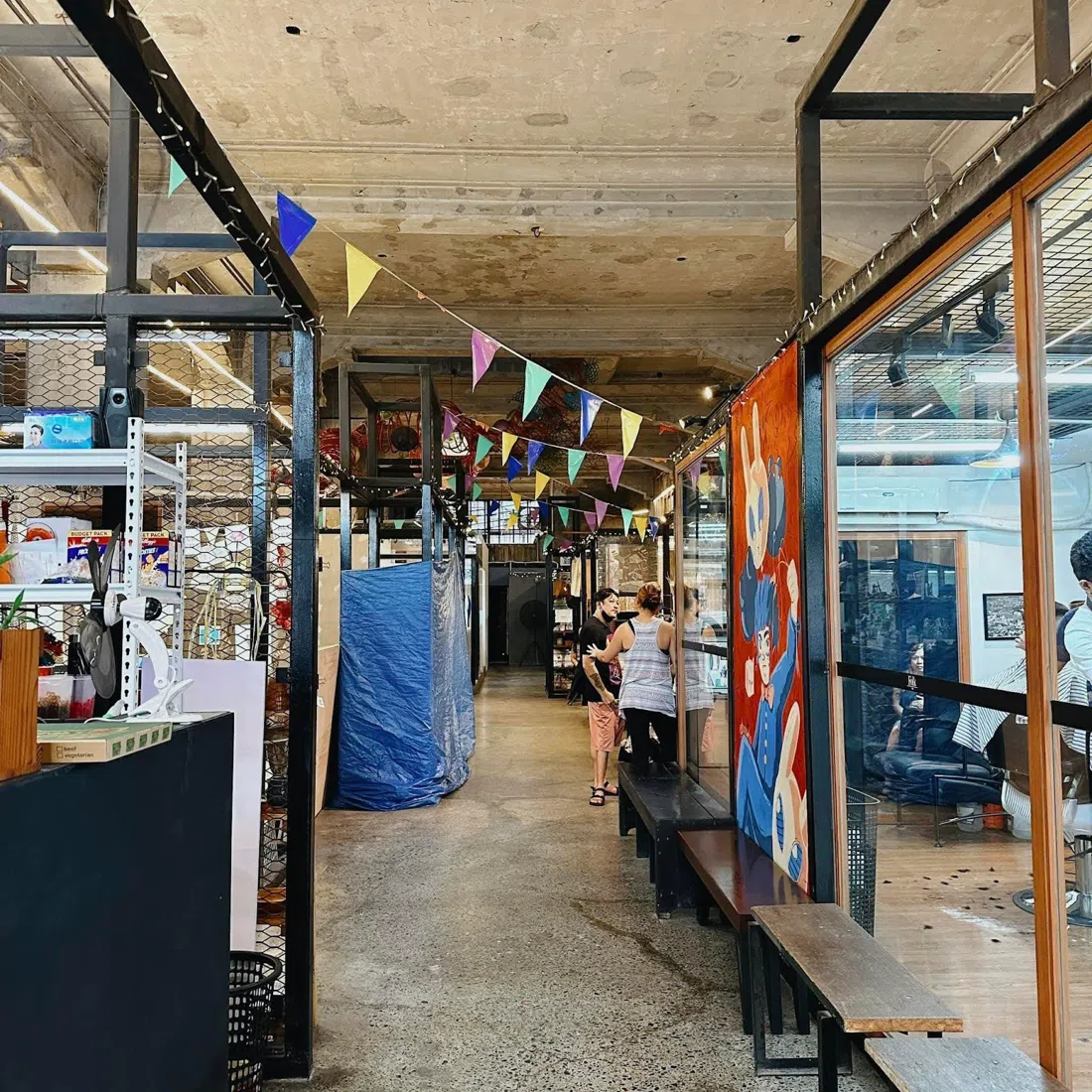
Escolta was downtown Manila's pre-war banking street, and HUB: Make Lab (Escolta) is where its revival is actually happening. Tuesday to Saturday, 11 AM to 8 PM, closed Mondays, free to enter, no booking needed. Small local makers sell from stalls inside a grand old building, goods running roughly PHP 200 to 2,000. It is a small hall, so split anything larger than about eight people and go in waves. When the street outside is ankle-deep, it is an indoor, free, entirely local hour.
For eating, Old Manila Walks (Binondo) is the one outdoor-ish thing that still works in the wet. Ivan Man Dy has been running his Binondo food walk through the world's oldest Chinatown for over twenty years, and the route is built to duck between covered eateries, which in practice means you are under a roof eating for most of it and under an umbrella between mouthfuls. It is about PHP 1,400 a head including the food stops, in small guided groups; the office takes direct and private bookings Monday to Friday, 9 AM to 5 PM Manila time. Book it for the first half of your trip so a storm day can push it later rather than kill it.
The two trips that need a clear sky
Some things are worth doing in October only when the forecast gives you a genuine window.
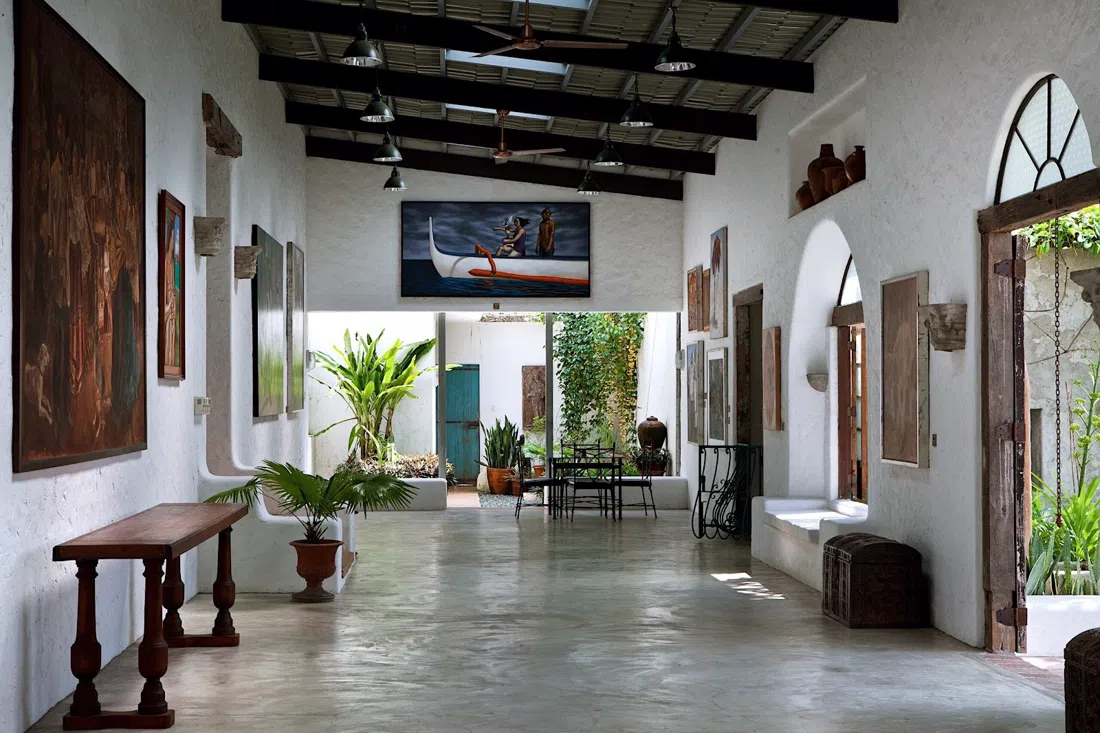
Pintô Art Museum (an hour's drive east of the city) holds the best contemporary Philippine art collection near the capital, in white hillside buildings at PHP 200 to 250 for adults and PHP 100 for students, Tuesday to Sunday, roughly 9 AM to 6 PM, closed Mondays. Walk-in groups are fine and tickets are per head. The catch is that the galleries are linked by open garden paths, so this is a pick for a break in the weather rather than a hedge against steady rain. Check the sky before you commit to the car.
People's Park in the Sky (on the ridge south of the capital) is the classic view over Taal and comes with a real temperature drop from the coastal humidity, the first cool air of the trip for most people. PHP 50 at the gate, no booking, open 6 AM to 7 PM, with a ten-minute uphill walk or a jeepney ride up to the deck. Budget roughly PHP 2,500 to 4,000 for a car and driver from the city for the day. Taal sits at PHIVOLCS Alert Level 1 with minor eruptions through mid-2026 and entry to Volcano Island is banned outright, so the ridge is the view and nothing more; do not book this expecting a crater hike. October cloud can also white the whole thing out in ten minutes. Go early, and keep the day flexible enough that a blank grey wall is a shrug rather than a wasted trip.

The starred kitchens and what they ask of you
A cancelled outdoor day is the best excuse you will get to eat properly, and Manila's top rooms all sit indoors with the air conditioning doing its work.
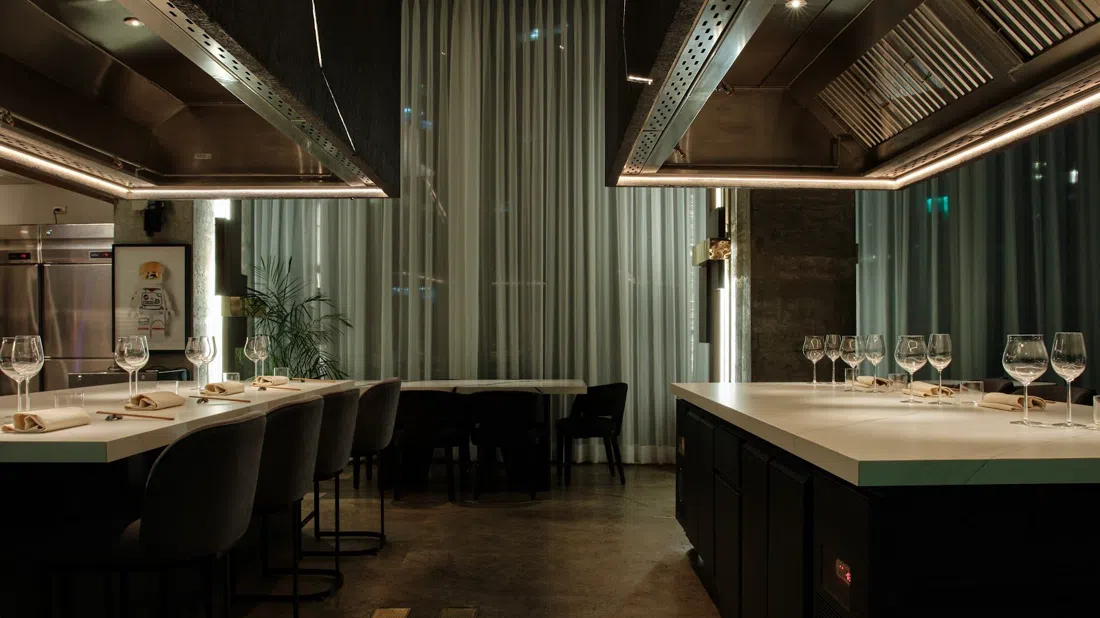
Helm (Makati) is the only two-Michelin-star restaurant in the country, a 24-seat counter with one fixed menu that changes every four months with the local micro-seasons. It is Tuesday to Sunday, reservations required through the online system, and it seats parties of two to four only, so no amount of charm will turn it into a group venue. Expect PHP 8,000 and up per head before pairings, and book weeks out rather than on the day.
Toyo Eatery (Makati) is the starred room that most rewards a table of friends. Jordy and May Navarra's kitchen runs Tuesday to Saturday, 6 to 11 PM, with reservations through TableCheck or by email, and the tasting menu sits around PHP 4,500 to 6,000 a head. The banana-leaf kamayan feast is built to be shared with your hands, which makes it the rare one-star experience that works better for six than for two. The farmer and artisan relationships behind the produce are not marketing here; they show up in what lands on the leaf.
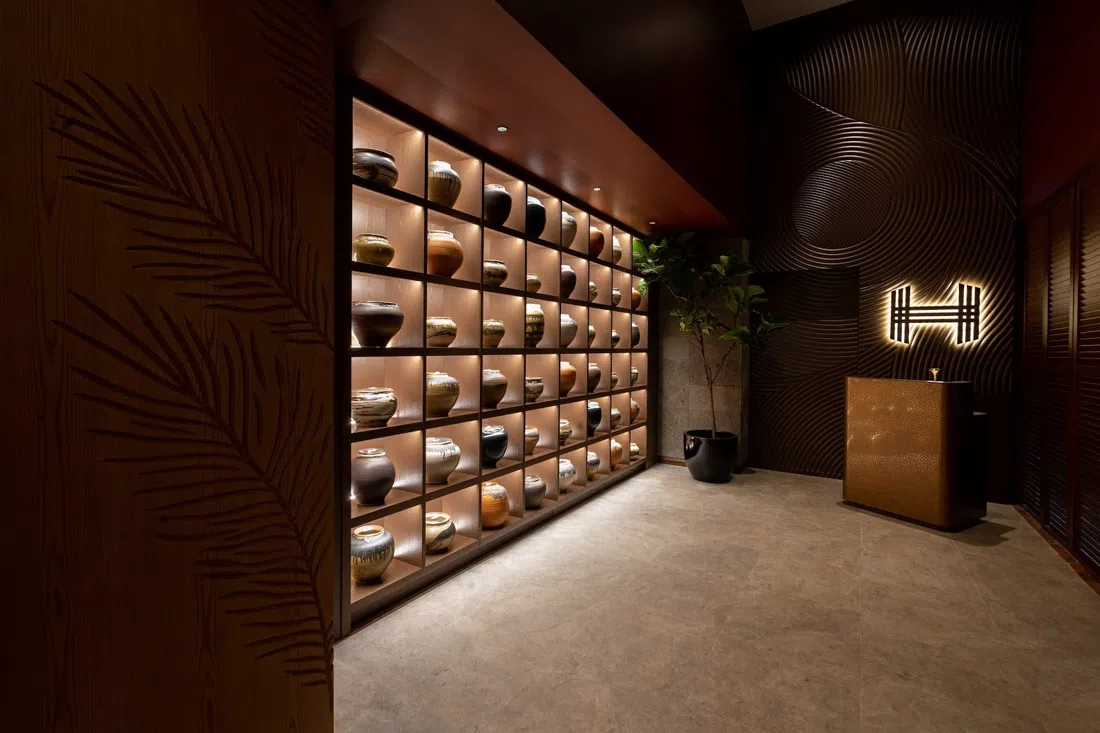
Hapag (Quezon City) holds one star plus the guide's Service Award, and its lunch set at PHP 4,500 is the cheapest way into a starred Manila kitchen; the dinner tasting runs PHP 7,500. Lunch service is Thursday to Sunday, 11 AM to 3 PM, with dinner 6 to 10 PM Tuesday through Sunday. The dining room is small, so book ahead for four or more. On a day the rain has already cancelled your plan, a long lunch here is the best possible use of hours you were not going to get back anyway.
A roof, or the gamble of no roof
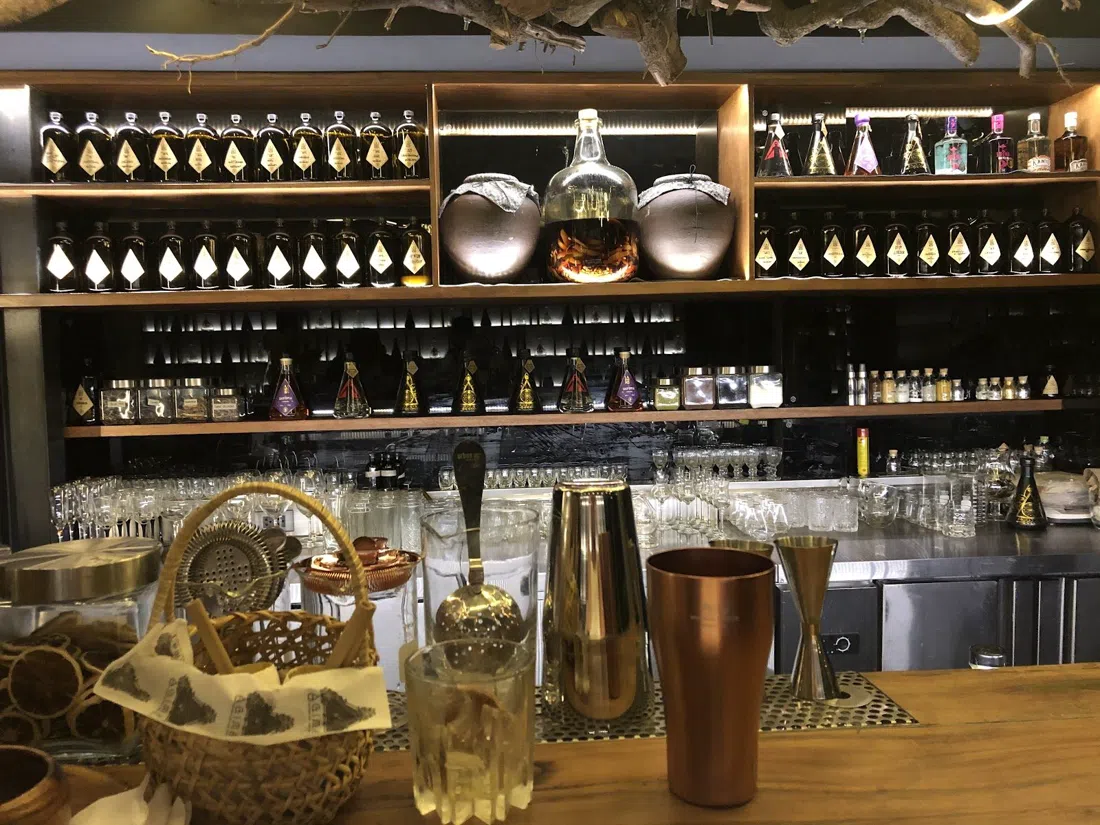
Agimat at Ugat Foraging Bar and Kitchen (5972 Alfonso corner Fermina St, Poblacion) is the wet-night answer. Kalel Demetrio builds drinks from indigenous spirits and arbularyo plant lore, and the bar is fully indoors and upstairs, so when the street below is flooded you are somewhere dry drinking the most distinctive thing in the city, at roughly PHP 400 to 600 a cocktail. Evenings until 2 AM, closed Mondays, walk-ins and reservations both fine, with two floors available for private events up to about thirty. Check the bill before you pay, as some guests have flagged pricing surprises.
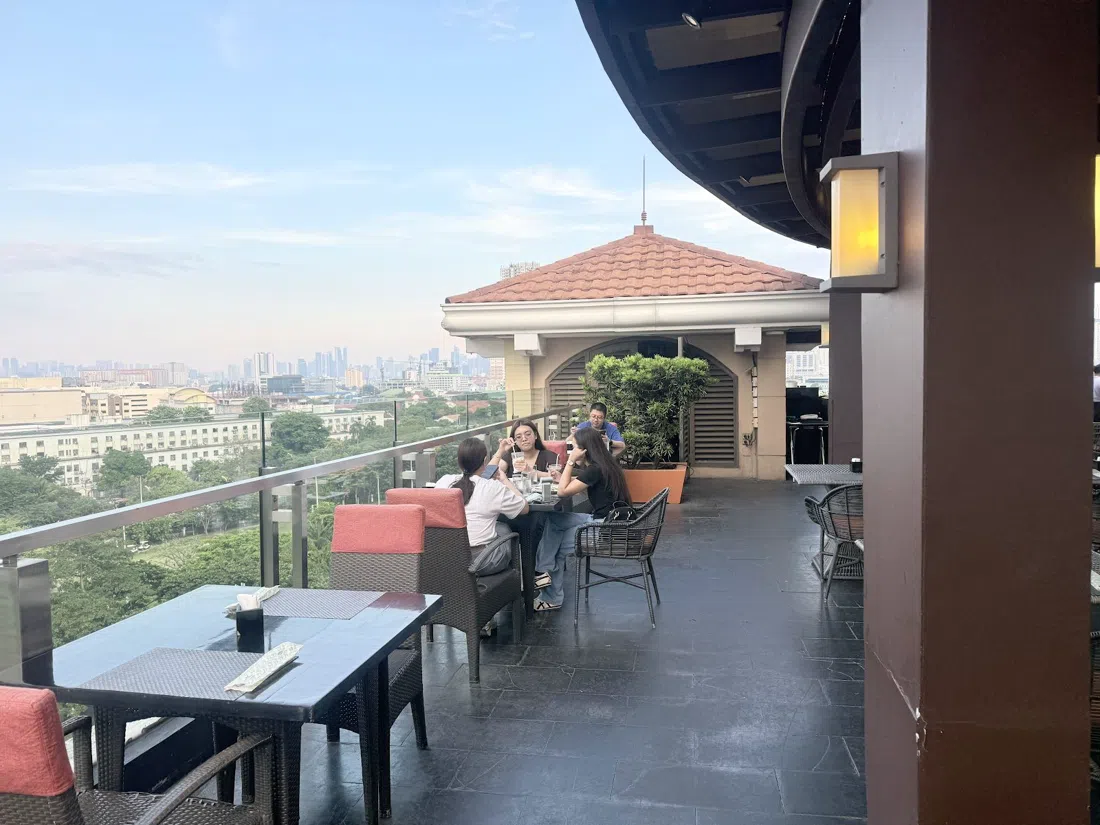
Sky Deck View Bar (Intramuros) works on a clear evening and cannot be counted on otherwise. It has the best sunset vantage inside the walls, with cocktails and beer around PHP 300 to 600 and mains PHP 500 to 900, two seatings daily at 4 to 7 PM and 7 to 11 PM. It is genuinely al fresco. Reservations are strongly advised and groups need arranging with the hotel, but the more useful habit is to call ahead on the day rather than turn up in a squall and find the roof closed.
Getting around, paying, and timing it
Ride-hailing is the default and the surge during rain is real: a fifteen-minute hop can triple in price the moment a downpour starts, and drivers cancel on flooded routes. The elevated rail lines are the reliable workaround when the roads are standing water, so buy a stored-value card on day one rather than queueing at every station. Keep PHP 2,000 to 3,000 in small notes on you. Gate tickets at Fort Santiago and the ridge viewpoint are cash, museum lockers want coins, and card terminals go down with the power.
On timing, treat mornings as the productive half of the day and mean it. Outdoor plans, meaning the bike tour, the food walk, the drive east and the ridge, belong before noon. Museums, the aquarium and long lunches are your afternoon reserve. Pack a light rain shell rather than an umbrella, since the wind takes umbrellas, and sandals you do not mind soaking. Nothing dries in this humidity, so two pairs of shoes is not excessive for a week.
Budget roughly PHP 1,500 to 2,500 a day to cover entries, transport and casual eating comfortably, with PHP 500 or so of that disappearing into surge fares on wet days. Add PHP 4,500 to 8,000 for each starred meal, and around PHP 3,000 for a car-and-driver day trip. October will not give you a clean, predictable week. What it gives you is cheaper rooms, emptier galleries and a city that looks better wet, provided you never build a day that only works if the sky cooperates.
12 September 2026 · a first week before the flat: the Manila hotel directory