Muscat · Where to live · 12 min
Where to Eat and Walk in Muscat After the Ramadan Cannon
How to plan a Ramadan night in Muscat: the sunset cannon, the hour-long iftar, and the souq lanes lit up afterwards, with real prices in rials.
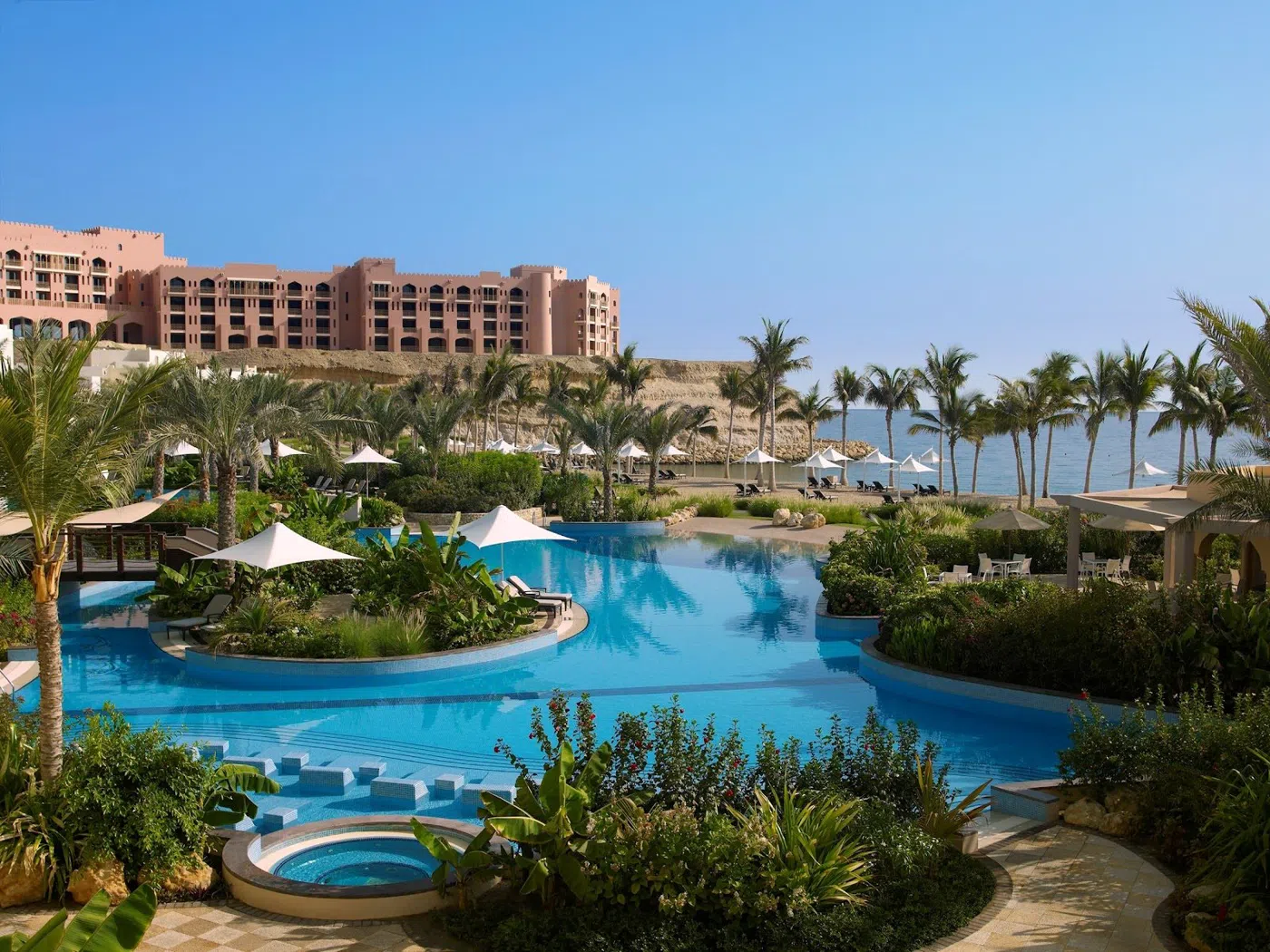
The cannon fires at Maghrib from the hill above the corniche, and for twenty minutes Muscat goes completely still: cars pulled onto the verge, plates already laid, dates and a glass of water on every table in the city. Then it restarts in the wrong order. Hotel lawns are full by half six, souq lanes lit and packed by nine, garden courtyards still pouring mint tea at one in the morning. Ramadan is the only month when this low-slung, early-to-bed capital properly stays up, and it is the best month of the year to walk it after dark.
What the month does to the clock
Ramadan 2026 ran from mid-February into mid-March, and the next fast is expected to begin around 8 February 2027. That puts it in the best weather Oman gets all year: daytime in the mid-twenties, evenings on the water cool enough for a light jacket. Three things about the day are worth planning around.
Daylight is slow. Ministries and many shops work a short morning, restaurants outside the hotels stay shut until sunset, and visitors are expected not to eat, drink or smoke in public while the fast is on. You will not go hungry, because hotels feed their guests through the day, usually behind a screen. But the long lunch is off the table, and the afternoon is for sleeping, driving the coast road, or the beach.
Sunset falls a little after six in February. The fast breaks at the call to Maghrib and the entire city eats inside the same fifteen minutes, which is why a restaurant that is empty at 5:50pm has a queue at 6:10pm.
And the sitting is short. Several of the best iftars in Muscat stop serving around eight or nine, because their guests are leaving for taraweeh prayers. Expect a fast, generous, crowded hour rather than a three-hour dinner. Eat at sunset, then go out into the city. Most visitors miss the going out, and it is the better half.
The cannon, the corniche and a free clifftop view
The cannon is real and it is public. In Muscat a ceremonial round is fired at Maghrib to signal the break of the fast, followed immediately by the call to prayer, and the corniche is where you want to be standing to hear it roll across the water.
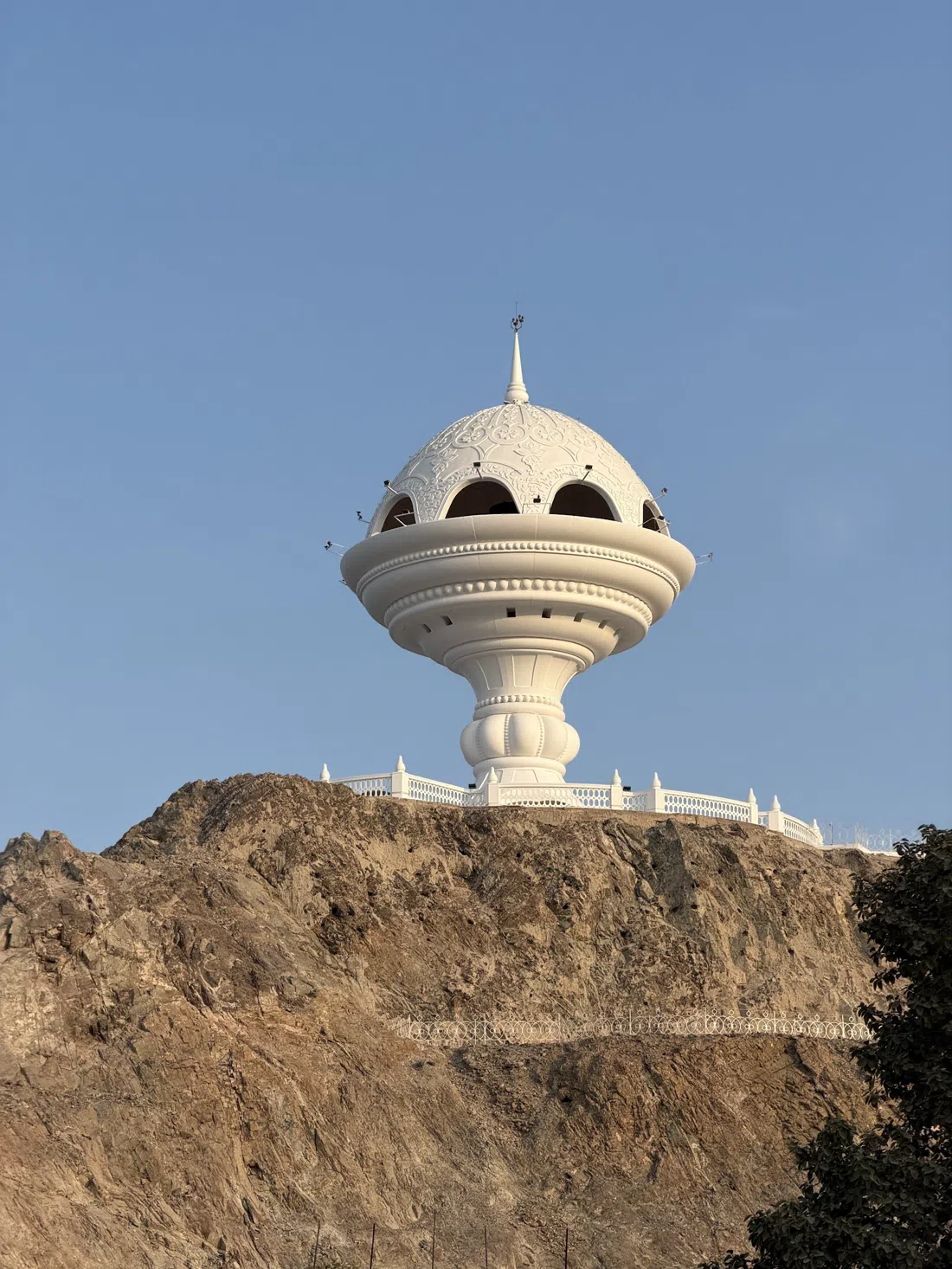
The best free vantage point in the city is Al Riyam Park and the Incense Burner Monument (on the clifftop between Mutrah and Riyam, five minutes east along the corniche road). The giant concrete incense burner was built for Oman's 20th National Day in 1990. You can only look at it from the park, not go inside, which nobody minds, because the reason to climb up here is the view: the lit corniche curving away below you, the dhow harbour, the mountains going black behind it. It costs nothing, it is open to everyone, and on Ramadan nights it fills with Omani families eating a picnic iftar out of stacked containers on the grass. A group of visitors sitting quietly on a rug blends in completely. Bring your own food and water, bring a bag for your rubbish, and if you want the cannon and then a proper meal, eat at the park and go down to the souq afterwards.
Hotel iftars worth the rials
The hotel iftar is the backbone of the month and the prices sit close to each other, so choose by what kind of evening you want rather than by cost.
The Chedi Muscat (Al Ghubra, ten minutes from the airport) serves its iftar on The Chedi Lawn from OMR 30 net per person. It is the most photogenic of them, and more usefully the one that reads as Oman rather than as a generic Gulf buffet. There is a full international spread alongside the Ramadan dishes, bread made in front of you, and a two-piece Omani ensemble playing over the top of it. The sitting is alcohol-free and service winds down around 9pm, so arriving at sunset is not optional. Dress is smart-casual and the hotel actually enforces it. They take tables of family and friends without fuss, and there are private dining rooms in The Restaurant if you want a door on your evening.
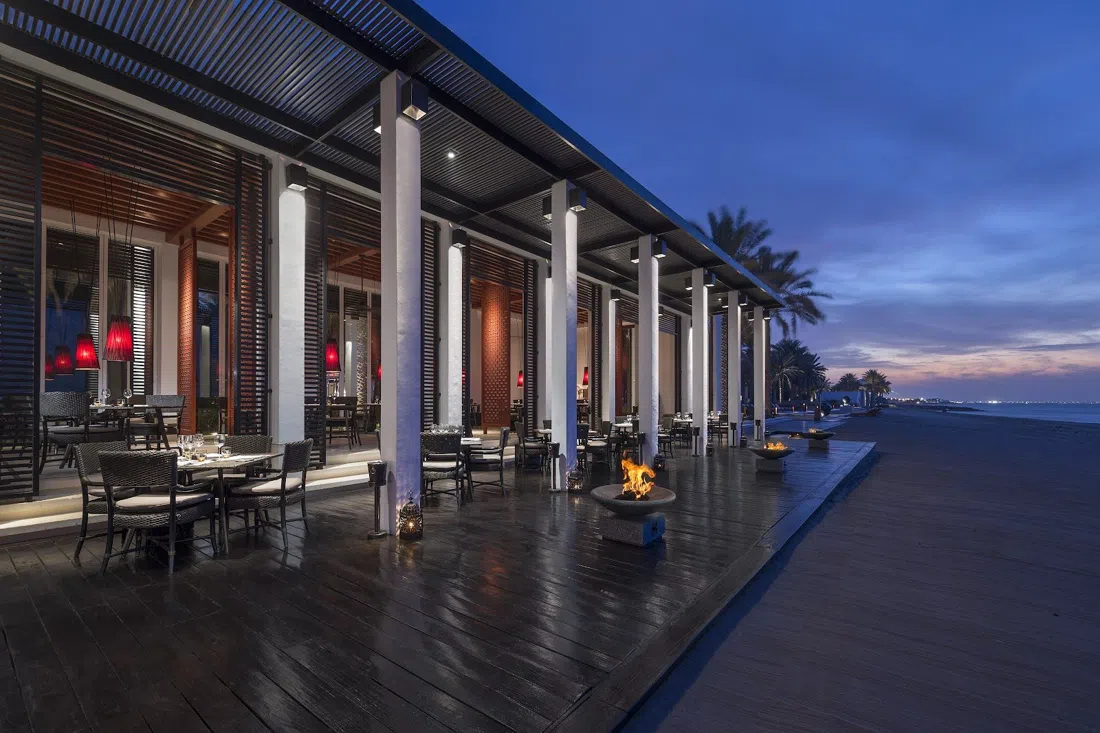
Rawya, Mandarin Oriental, Muscat (Shatti Al Qurum, on the beach road) is the strongest food of the hotel iftars, from OMR 27 per person. Omani seafood, a live carving station, shuwa, and a sweets counter with halwa, rakhal bread and luqaimat, with live oud playing through it. The sitting is genuinely short, sunset to around 8pm, which makes this the right choice if your plan is to eat and then get out into Mutrah rather than linger. There is indoor and outdoor seating, so large parties fit, but the terrace goes first and it goes early. Book several days ahead and ask for outside explicitly.
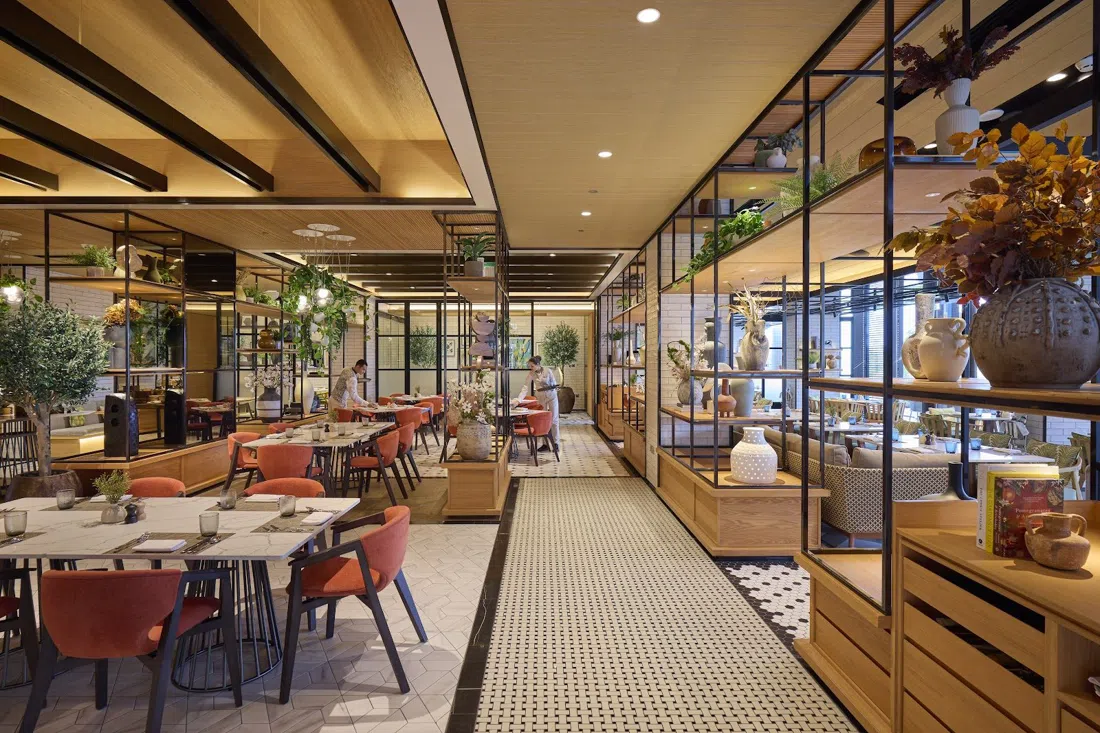
Al Tanoor, Hilton Muscat Al Bandar (Barr Al Jissah, about twenty minutes down the coast from Mutrah) runs its iftar in an open-air sablah setting at OMR 25 net per person for walk-in individuals. One booking detail matters more than anything on the menu: this property was Shangri-La Al Bandar until 31 December 2025, and Hilton took over management of the whole Barr Al Jissah estate on 1 January 2026. Older guides, older bookmarks and any reservation made under the previous name are wrong. Book under the Hilton name or you will be arguing at a desk while the cannon goes off. The Layali Ramadan programme ran under the Hilton flag in February 2026, with beachfront suhoor served in Omani tent-style décor, which is the version of this evening I would actually cross the city for.
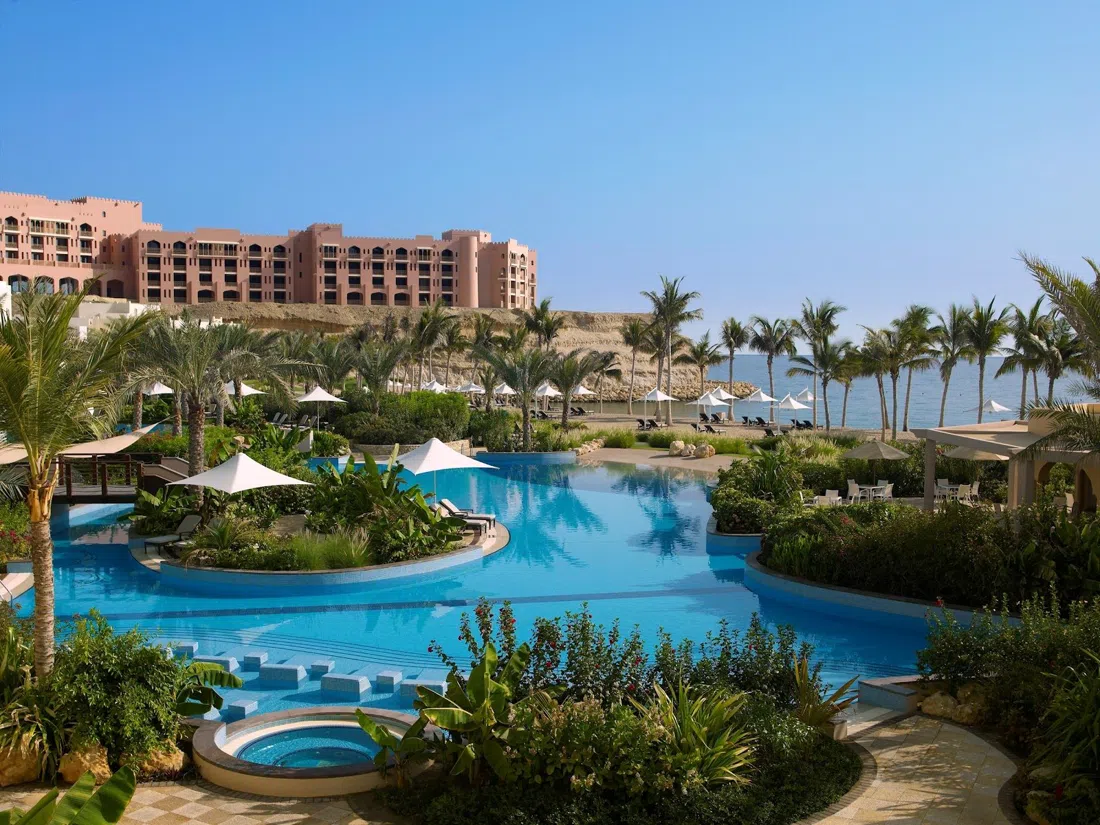
If you want to sleep where you eat and skip the drive home entirely, compare rates across these properties with a Muscat hotel search before you commit to an iftar booking. The beach-road cluster and the Barr Al Jissah estate are forty minutes apart in Ramadan traffic.
When the table is twenty people
Ramadan is a group meal by design, and three properties are built for it.
Kempinski Hotel Muscat (Al Mouj, by the marina) is the most group-capable address on this list: eleven food and drink venues, ballroom capacity, and a standing group-iftar booking process rather than a manager improvising. Its Ramadan concept, Rihla, runs across The Kitchen with a different regional theme each night (Arabian, Southeast Asian, Indian), plus coastal evenings at Zale and Asian menus at Bukhara and Soi Soi. Expect roughly OMR 22 to 30 per person. This is the pick when your group wants choice instead of one fixed buffet, or when half the table has already done three buffets this week.
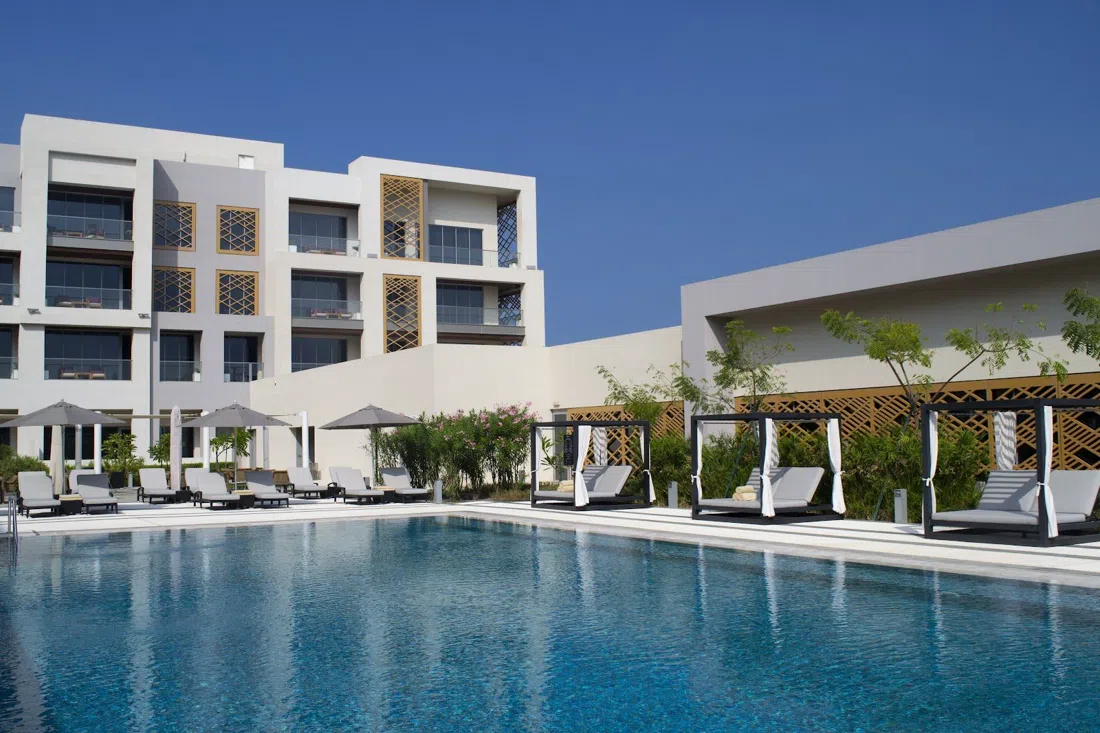
Grand Hyatt Muscat (Shatti Al Qurum, the palatial one you cannot miss from the beach road) is the closest thing Muscat has to the classic Ramadan tent. The Grand Gatherings iftar runs in the Afrah Ballroom for large parties and company tables and is booked through the events team, not the restaurant line; there is a walk-in buffet at Mokha Café if you are two people and not twenty. Roughly OMR 18 to 25 per person. The hotel is older and was mid-renovation through 2026, so the Ramadan operation is the draw and the rooms are not. The lobby is worth walking through either way: magnificently, unapologetically kitsch.
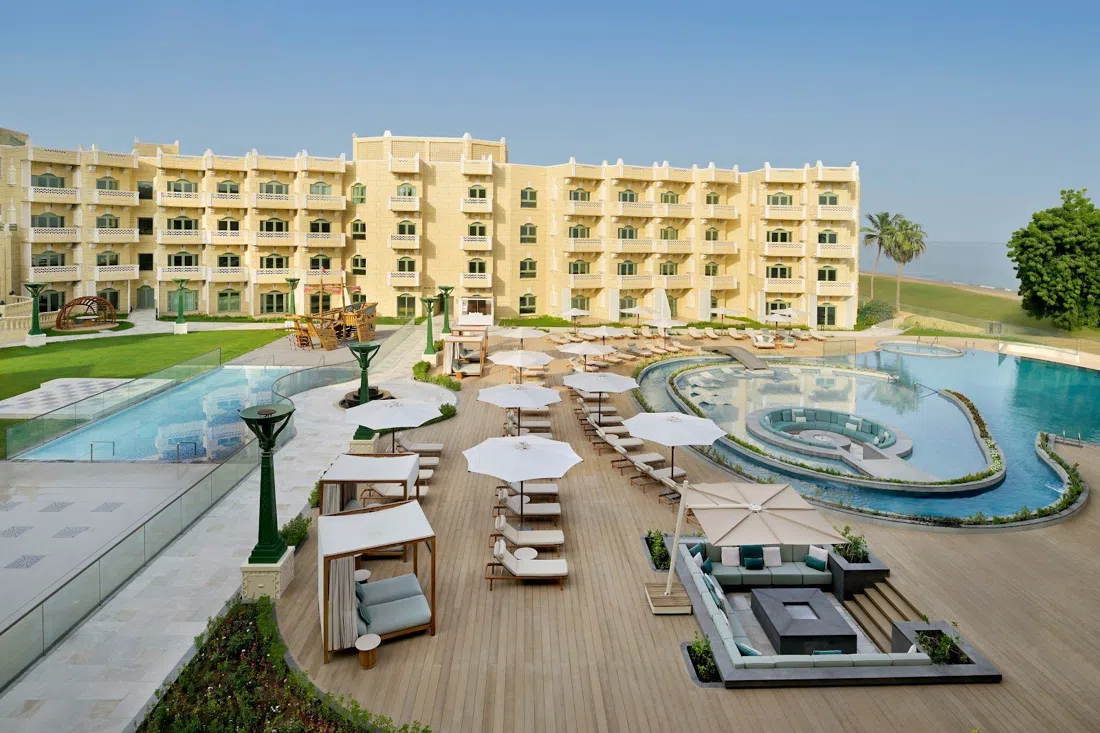
Jumeirah Muscat Bay (Bandar Jissah, in the cove past the headland) runs Ramadan Splendour at roughly OMR 25 to 35 per person, with iftar under the stars, curated mezze menus, and an iftar kayaking session that is the single most distinctive Ramadan thing anyone in Muscat is selling. The dining takes groups comfortably. The kayak is small-numbers and needs booking well ahead, and it is weather- and tide-dependent, so confirm it is running on your specific night before you build an evening around it.
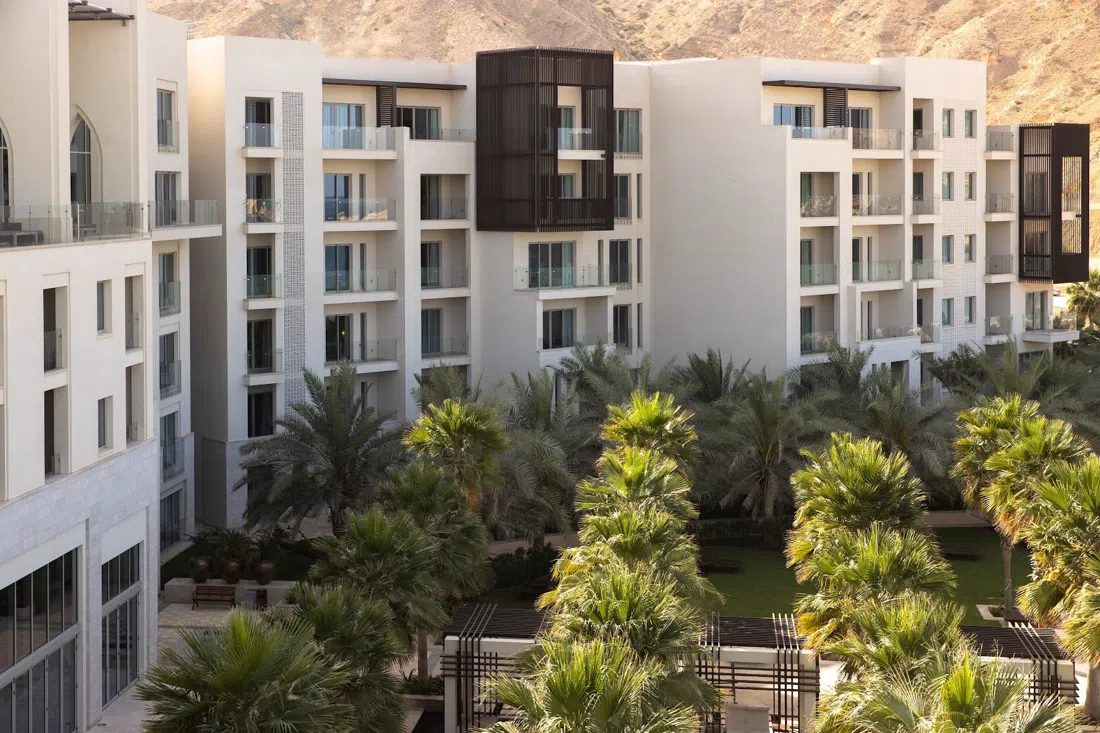
One more group note worth having: Al Tanoor does dedicated group iftar and suhoor rates from 40 guests, iftar from OMR 20 net per person and suhoor from OMR 15, which is the cheapest serious per-head number on this page for a large booked table.
Omani cooking that isn't a buffet
A month of buffets flattens everything into the same evening. These three do not.
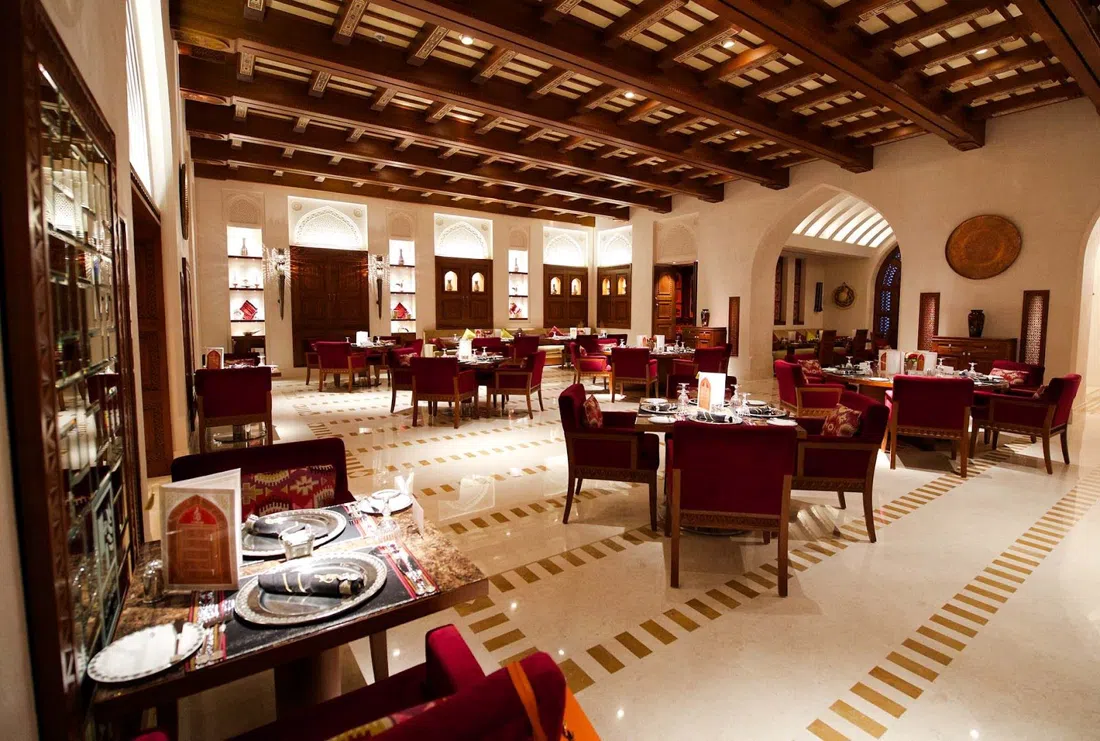
Bait Al Luban (Mutrah, directly across from the harbour) is the obvious pairing with a souq night: OMR 8 to 15 per person for spiced rice dishes, grilled meats and vegetable stews, in a restored merchant house looking at the dhows, then a 200-metre walk into the lanes. Open daily noon to 11pm. It takes groups, but the harbour-facing tables are few and in Ramadan everybody wants the same hour, so book and say you want a window.
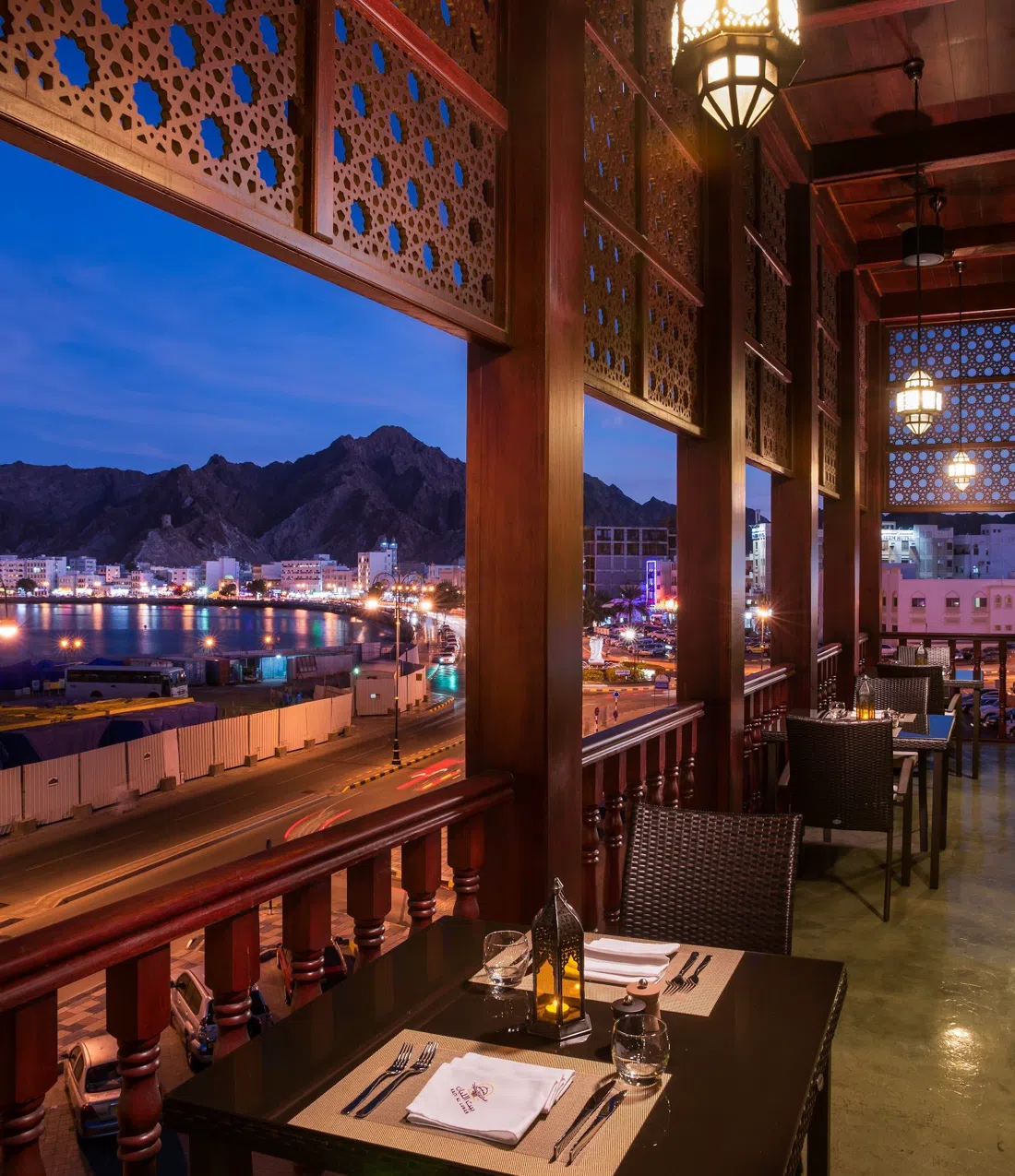
Ubhar (Bareeq Al Shatti, Shatti Al Qurum) has been the chic face of Omani food since 2009 and is still the most confident modern kitchen in the city: camel biryani, shark curry, frankincense ice cream, OMR 10 to 20 per person. It runs two service windows, 12:30 to 3:30pm and 6:30 to 11pm, so the evening one is your Ramadan sitting. This is the answer for anyone who wants Omani cooking but finds floor-seating majlis restaurants a stretch, and it is a short hop from the Royal Opera House if the evening has a second act.
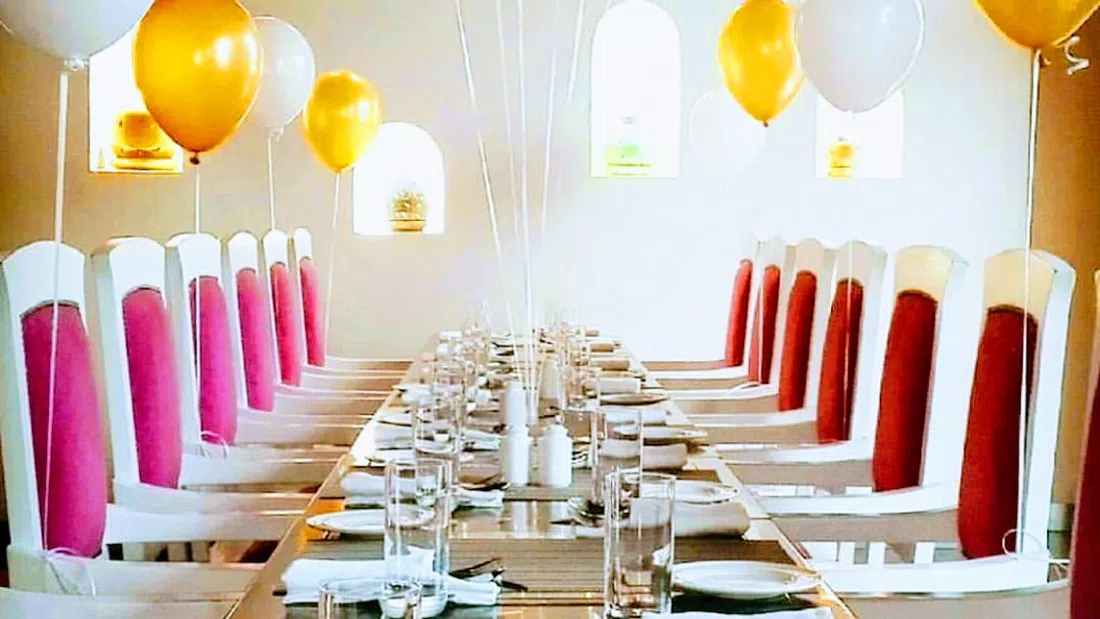
Al Angham (inside the Royal Opera House complex, Shatti Al Qurum) is the top end and was still ranked first in the city for Omani cuisine as of July 2026. Shuwa, machboos, ma qalli and Omani lobster handled as fine dining, at OMR 45 to 80 per person. It is the one kitchen in the country treating the national repertoire at that level. Reserve through a concierge, dress smart-elegant, and understand that this is not a Ramadan offer: there is no buffet and no tent. It is where you go on the one night you want the best Omani food in Oman, and there are private and semi-private rooms for a set-piece group dinner. Not a place to drop into in shorts at half nine.
Mutrah Souq after Maghrib
Mutrah Souq (on the corniche behind the harbour) is the single best reason to come to Muscat during Ramadan, and it is free. Hours shift for the month, roughly 9am to 1pm and 4 to 11pm Saturday to Thursday, with Friday running 9 to 11am and then 4 to 11pm. Some shops pull their shutters down during iftar itself, which is the hour to be up at Al Riyam or at a table anyway.
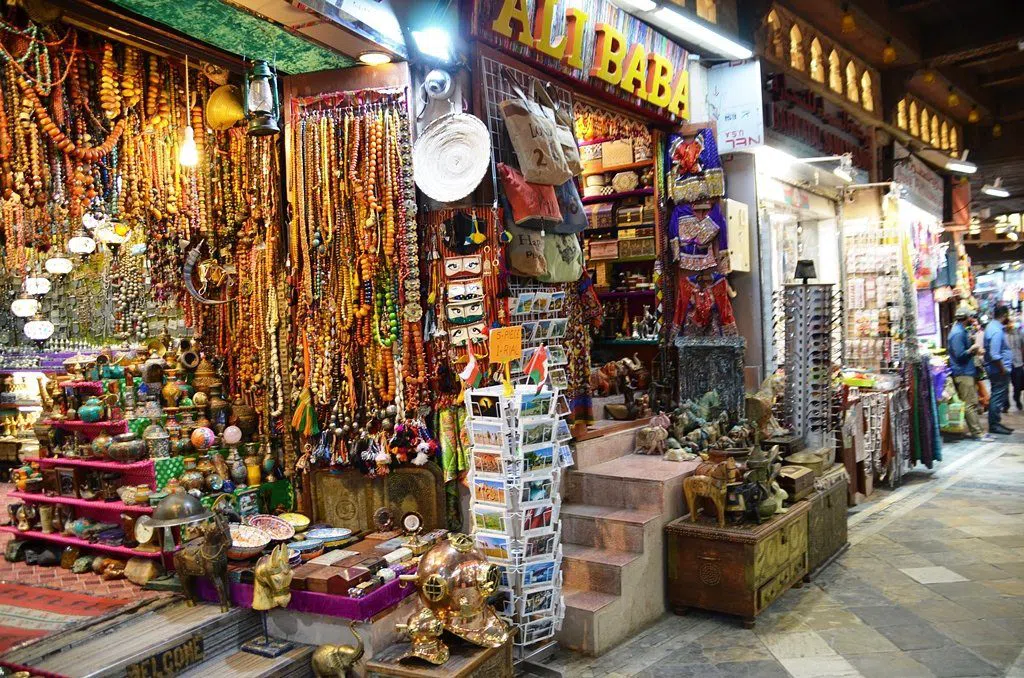
Go after Maghrib. The lanes are hung with lights and decorated, families are out in force buying Eid clothes and gifts, the frankincense sellers are burning their samples, and it is livelier at nine on a Ramadan night than at any other point in the year. Haggling is expected on goods and nobody minds it; agree a price before anything is wrapped. The lanes are narrow and the crowd is thick, so a group of eight moving as a block becomes an obstacle within thirty seconds. Split into twos and threes, pick a café on the corniche as the regroup point, and let people wander.
Where Muscat goes after taraweeh
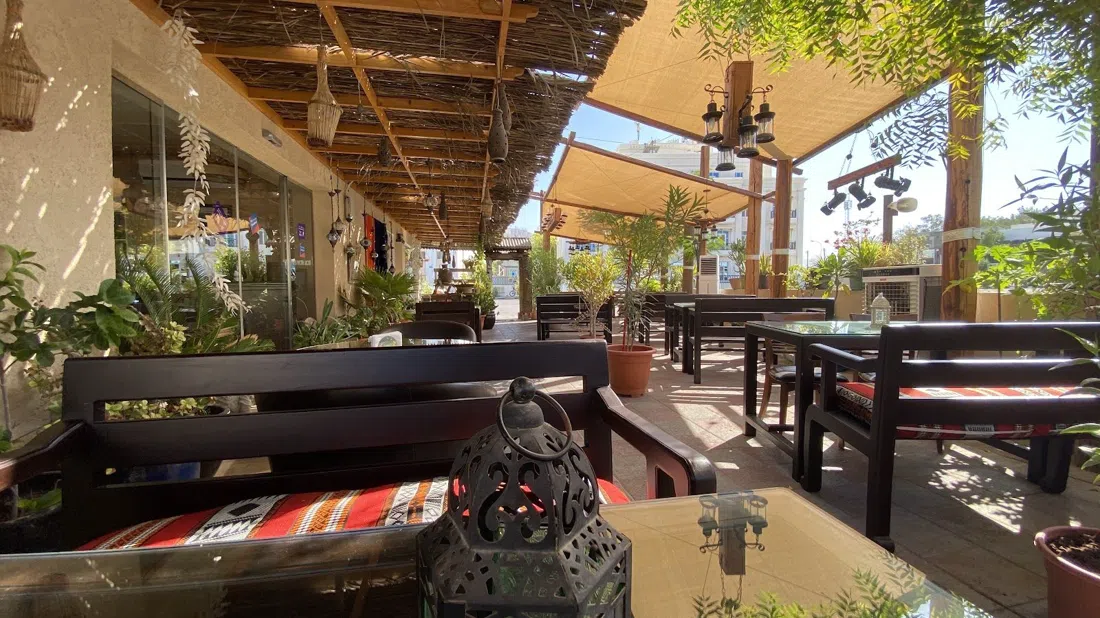
Kargeen Caffe (Madinat Sultan Qaboos, in the leafy streets behind the embassies) is the late half of the night. It is a Muscat institution, open to around 1am, and it is straightforwardly where locals decamp after taraweeh prayers, a sprawl of garden courtyards and separate rooms that absorbs a big group without anyone having to call ahead. The menu is mixed Omani, Lebanese and Indian including shuwa, OMR 8 to 18 per person, but the atmosphere is the actual product. Sit outside: the indoor rooms get heavy with shisha smoke, and the lantern-strung garden is the reason to be here.
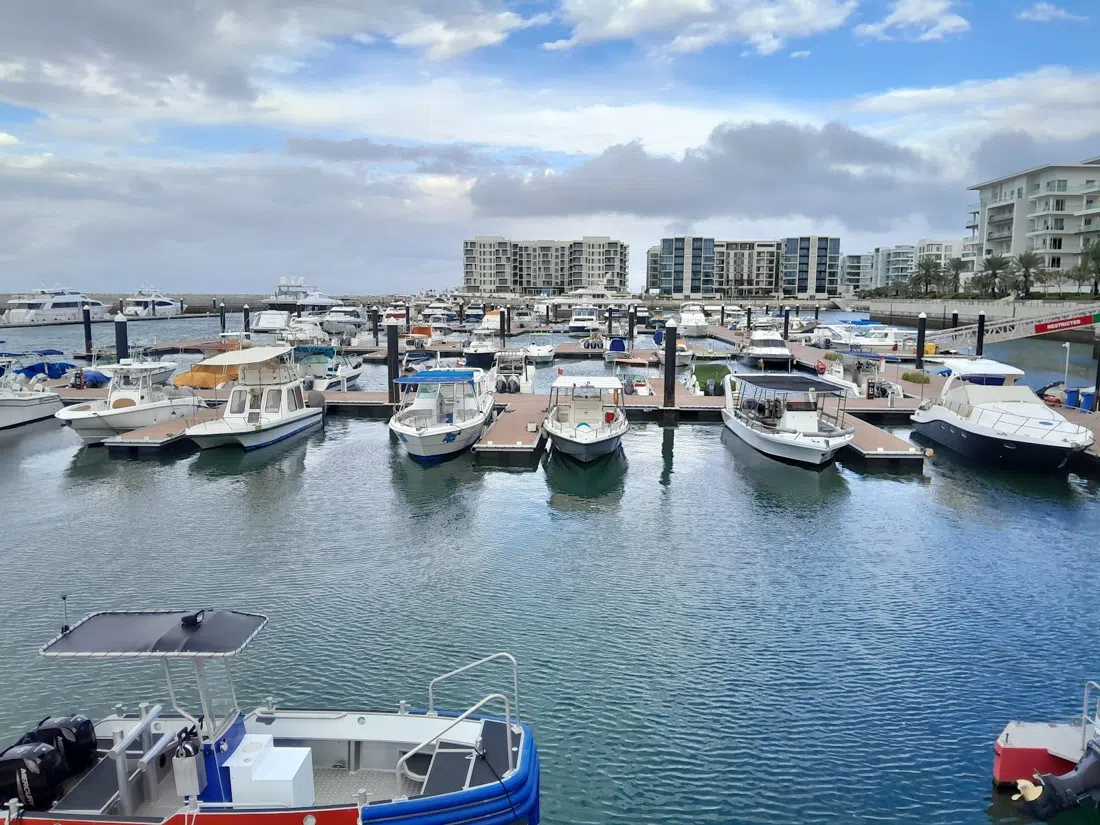
Al Mouj Marina and The Walk (Al Mouj, out past the airport) is the modern counterpoint to Mutrah, and it is where the city's younger crowd walks off iftar and sits out until late. Entirely public, free to walk, free to park, dozens of terrace restaurants at roughly OMR 5 to 15 per person, boats lit up in the marina. A group can turn up unbooked and spread across two or three terraces, which is more than you can say for anywhere else in this article. But if you want a waterfront table on a Ramadan night, arrive well before sunset, not after.
A hilltop table when the terrace season opens
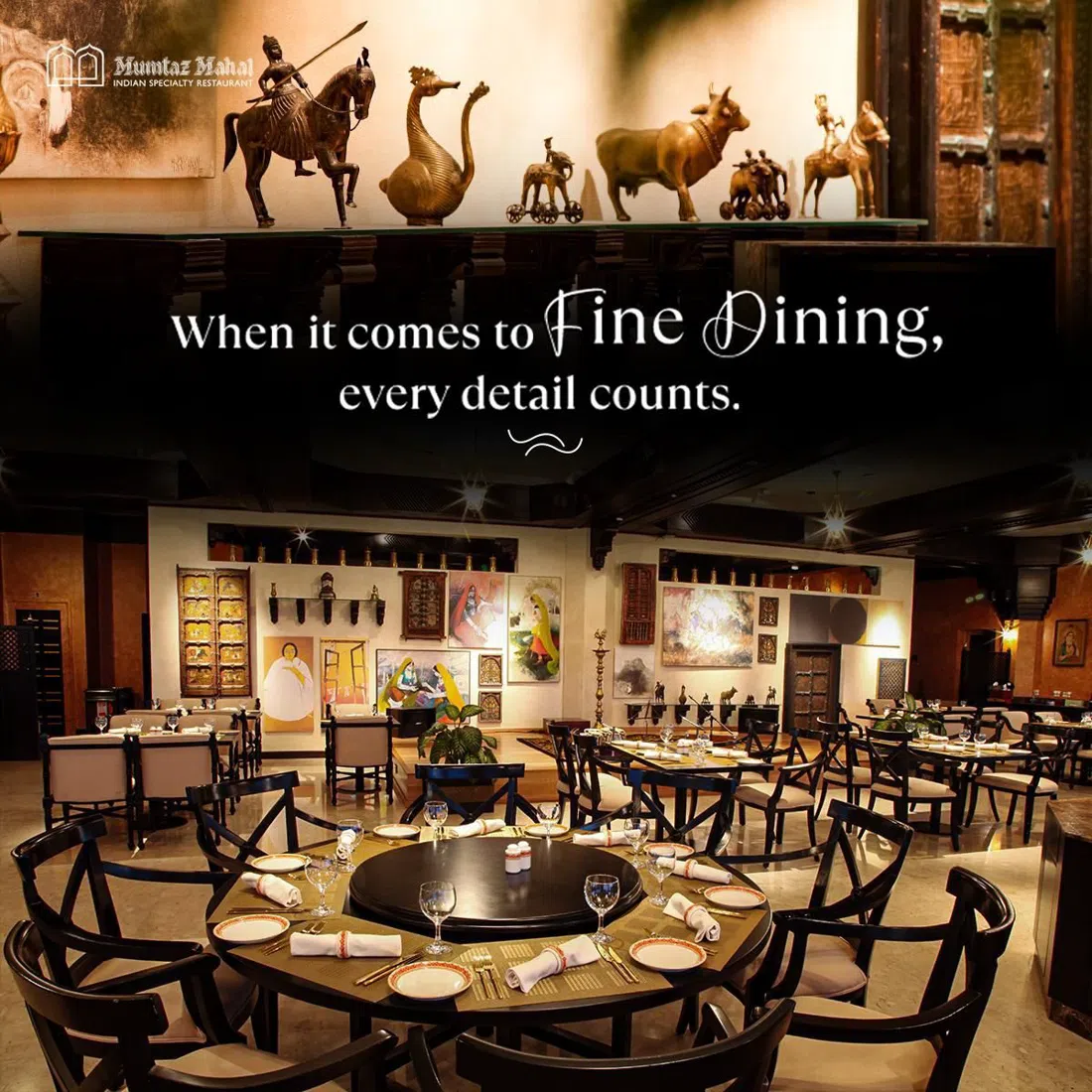
Mumtaz Mahal (Qurum, on the hill above the natural park) has been serving North Indian food since 1984 and has taken Best Indian Restaurant at the Oman Today awards ten times. It earns its place here for the view, which is the best from any restaurant table in the city after dark, and for timing: the terrace season runs November to February, which lines up almost exactly with the start of Ramadan 2027 around 8 February. It seats about 125 with private dining available and takes reservations online, which makes it one of the easier places in Muscat to book a large table. Open daily noon to 11pm, OMR 12 to 25 per person.
Getting around, paying and timing it
Muscat is a fifty-kilometre ribbon along the coast, not a walkable centre, and nothing on this list is close to anything else. Hire a car if you are confident, because parking is free and plentiful nearly everywhere, including at Al Mouj and Al Riyam. Otherwise use app-based taxis, which work well here; street taxis are unmetered, so agree the fare before you get in. Budget 30 to 40 minutes between the beach-road hotels and Barr Al Jissah on a Ramadan evening, and expect the roads to be genuinely dangerous in the fifteen minutes before Maghrib, when fasting drivers are hurrying home. Do not schedule a tight drive into that window.
The currency is the Omani rial, divided into 1,000 baisa. Hotels and the bigger restaurants take cards without issue. Mutrah Souq, small Omani restaurants and park parking attendants want cash, and the souq expects it. Draw rials at an ATM rather than changing money at the airport.
Book iftar at least two or three days ahead, and earlier for a Thursday or Friday, since the Omani weekend is Friday and Saturday and Thursday night is the busy one. Arrive fifteen minutes before sunset, not at it. For groups over about fifteen, go through the hotel's events team rather than the restaurant, and get the per-head net rate in writing. Cover shoulders and knees, especially in the souq. The iftar sittings are alcohol-free and hotel bar hours are cut back through the month, so if that matters to your evening, ask when you book rather than at the table.
Per person, per night, here is what the evenings cost. A picnic at Al Riyam, the souq and a late garden table: OMR 10 to 20. A proper Omani dinner and a walk: OMR 15 to 30. A hotel iftar with the full programme: OMR 25 to 35. The one big night at Al Angham: OMR 45 to 80. For everything outside Ramadan, the wadis, the forts, the beaches and where to stay, start with the Muscat guide.
18 September 2026 · a first week before the flat: the Muscat hotel directory