Santiago · The weekend · 11 min
The Marraqueta Run Starts Before Seven in Santiago
A walkable map of Santiago's bread morning: which counters open at 7am, which prize-winning marraqueta is worth the metro ride, and where ten people can actually sit down.
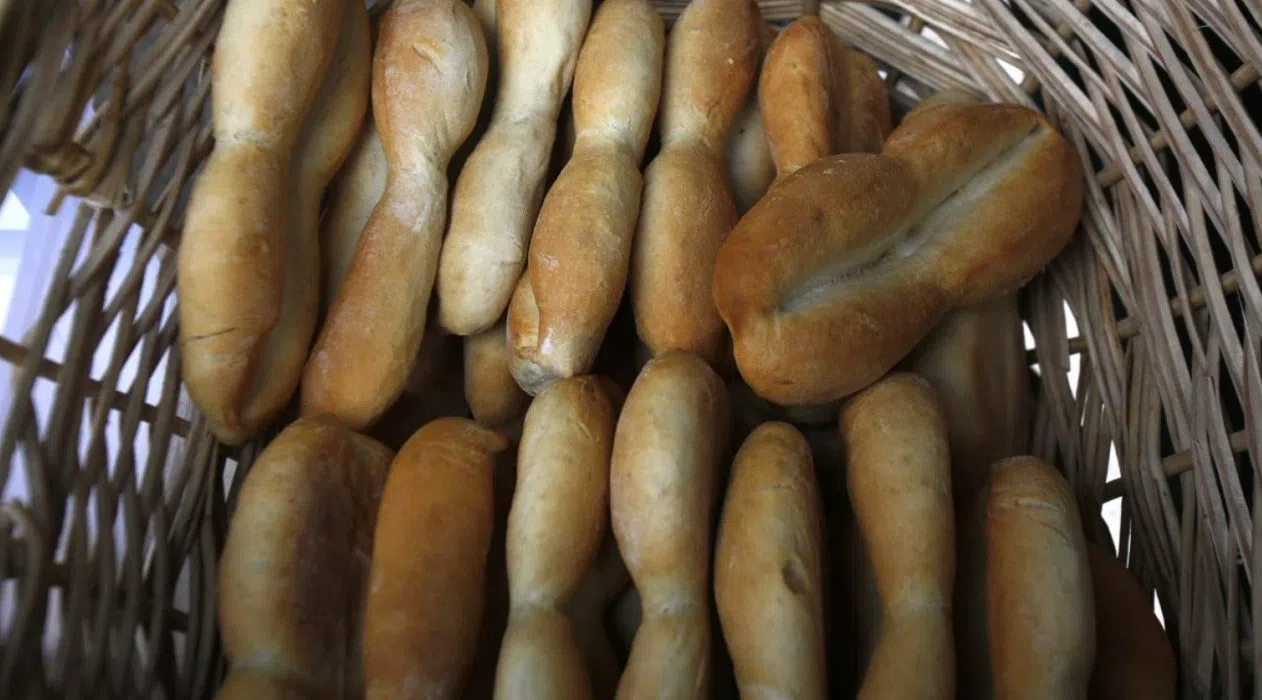
The ovens beat the buses. By half past six the first marraquetas are out, four-lobed, split down the middle, crackling audibly as they cool on the rack, and the queue in front of them is people in work clothes buying half a kilo on the way to the metro, not visitors with cameras. Santiago is not a city that runs to a schedule, but its bread does, and the entry price for joining in is roughly the cost of a coffee.
What follows is a route. Done properly it starts at a plain counter at 7am and finishes with a pastry you don't need at eleven, and it tells you more about how the city works than any viewpoint will.
What you are buying
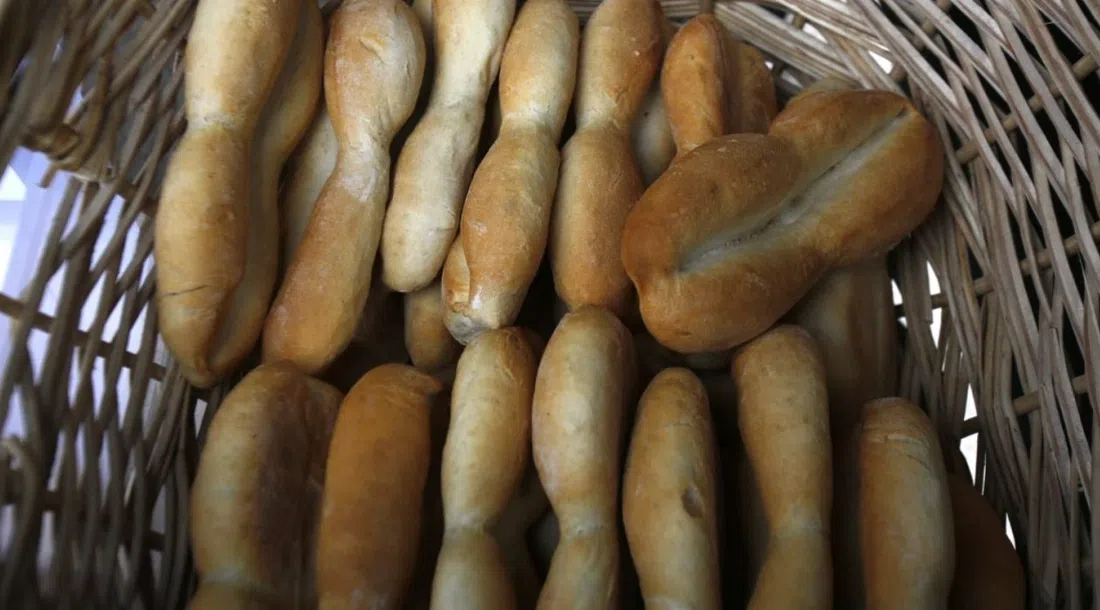
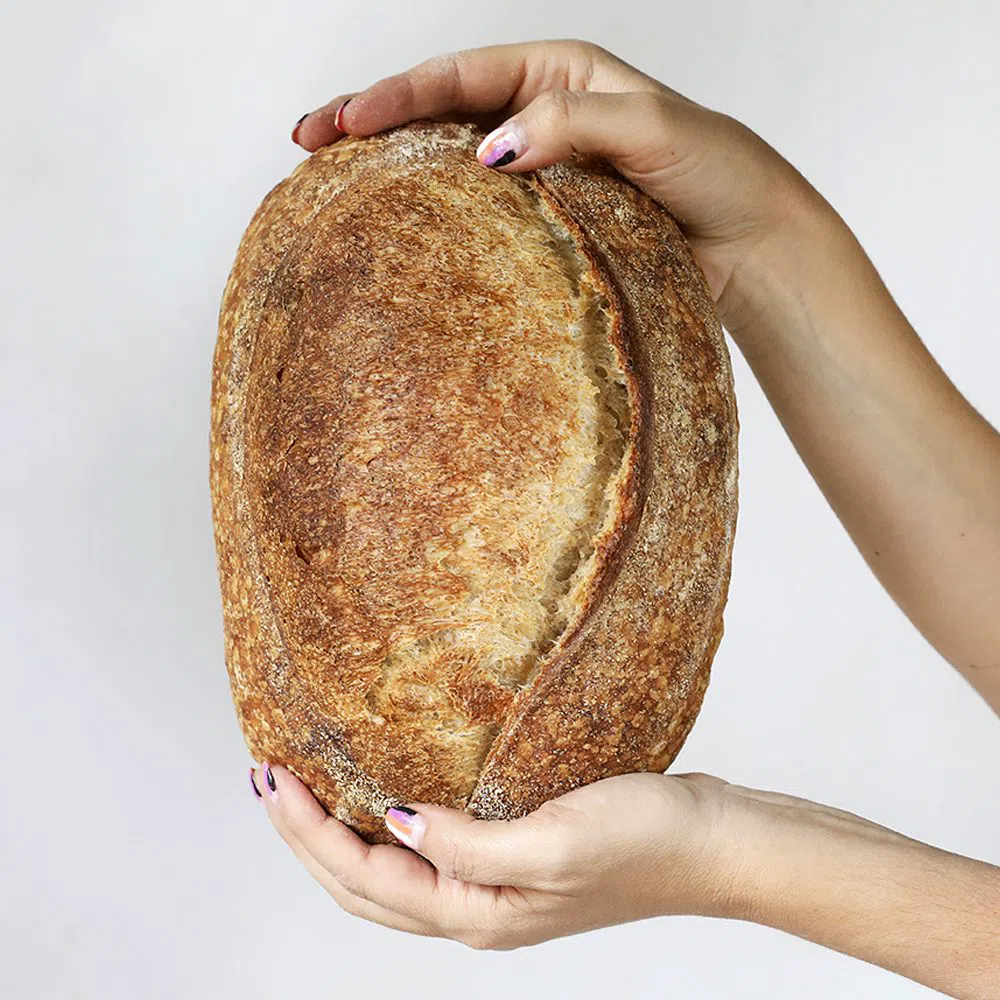
The marraqueta is the capital's default loaf, a crusty, four-lobed roll baked in joined pairs so you can snap it apart, hollow enough inside to take butter, palta or a slab of cheese without collapsing. Alongside it in every neighbourhood panadería sits the hallulla, a flat round disc with a tighter crumb that holds up better to a filling, and the dobladita, folded and softer, the one children are handed first.
Bread is sold by weight, not by the piece, and the phrasing at the counter is simply medio kilo de marraqueta: half a kilo, which is more than two people can eat. At a traditional panadería that costs somewhere around CLP 2,000 to 3,000 per kilo, so a genuinely good breakfast for two runs under CLP 2,000 (a couple of US dollars). The artisan sourdough places that have arrived in the last decade charge CLP 4,000 to 8,000 for a single loaf, a different proposition: better bread by most measures, but no longer the everyday ritual.
The practical point for a visitor is that these two worlds keep different hours. The old counters open at 7am. The sourdough bakeries mostly open at 9am or later, and several close on Sundays or Mondays. If you want the dawn version of this, go to the traditional shops first and work upwards.
The seven o'clock counters
Panificadora Tobalaba (east side, off Tobalaba) is one of very few places on this route that is genuinely early: open from 7am Monday to Saturday, 8am on Sundays. It is a walk-in counter with essentially nowhere to sit, and that is the point. You take the bag, you stand outside, you eat. Locals rate its marraqueta among the best in the city and the queue moves constantly, so a group of six or eight is no problem at all; nobody lingers long enough to block anything. Bread runs around CLP 2,000 to 3,000 per kilo, pastries CLP 1,000 to 2,000.
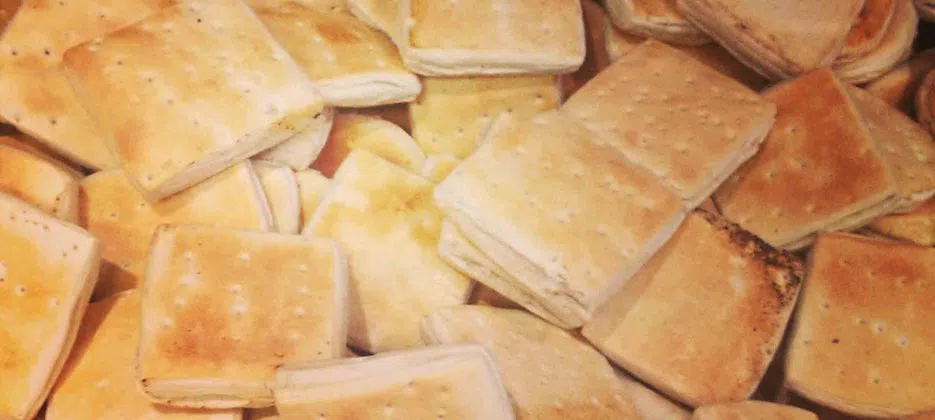
Las Rosas Chicas (Barrio Brasil) has been trading since 1904, which makes it one of the oldest working bakeries in Santiago, and it pairs naturally with a walk around Barrio Brasil's decayed mansions before the traffic builds. It opens at 7am and closes at midday on Sundays, so the Sunday version of this stop is a short window. Bread is CLP 2,500 to 3,500 per kilo, empanadas CLP 2,000 to 3,500. It supplies restaurants, so large orders by phone are routine rather than a favour, worth knowing if you are feeding a group in an apartment rather than eating on the street.
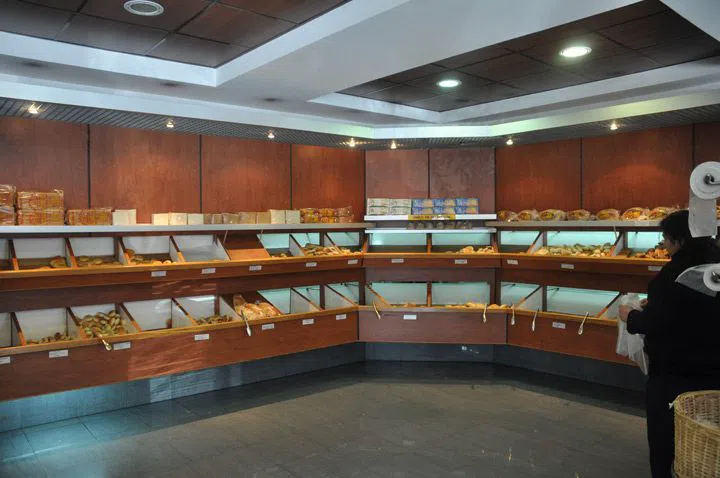
Between those two you have the shape of the morning: buy, walk, eat standing up, don't overthink it.
The marraqueta worth riding Line 2 for
Make this the one deliberate detour. Panadería Departamental (south of the centre, out along Line 2) has won Indupan's Mejor Marraqueta for the Metropolitan Region in 2019, 2022 and 2025, three times in six years, which is the most defensible claim to the best marraqueta in Santiago that anyone in the city can make. Everything else on the subject is opinion.
It is counter service, no bookings, and cheap even by panadería standards at roughly CLP 2,000 to 2,800 per kilo. A group of eight to ten can queue and be served quickly, because the operation is built for volume and neighbourhood turnover, not for browsing. For a serious quantity, feeding a dozen people or taking bread back for a long drive, phone the day before rather than turning up hopeful.
Know what the trip is: a metro ride out of the tourist grid to stand on a pavement eating bread. That is either your kind of morning or it isn't. The bread genuinely is better, thinner and more brittle in the crust, properly steamy inside for the first ten minutes, but the difference is a matter of degrees.
When the bread run turns into empanadas
The same ovens do the other national staple, and in September the balance tips entirely.
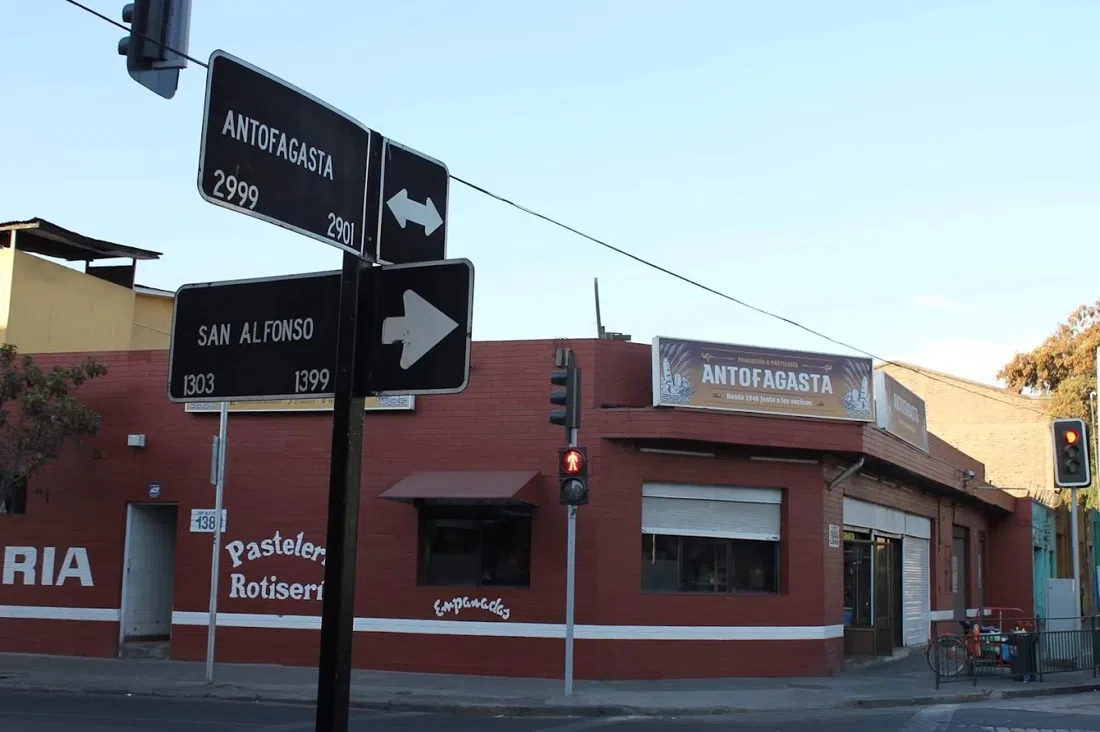
Panadería Antofagasta (an 86-year-old corner shop in the residential grid) won the 2026 La Mejor Empanada contest run by Indupan and Fechipan, against roughly a hundred entrants. It is a small local shop with counter service and no pretensions. Empanadas run about CLP 2,000 to 3,000 each, bread is sold by the kilo as everywhere else. Two warnings: in the fortnight before 18 September, when the whole country buys empanadas at once, expect a long queue; and if you want a dozen or more at any time of year, phone or pre-order rather than assuming they will be in the case when you arrive.
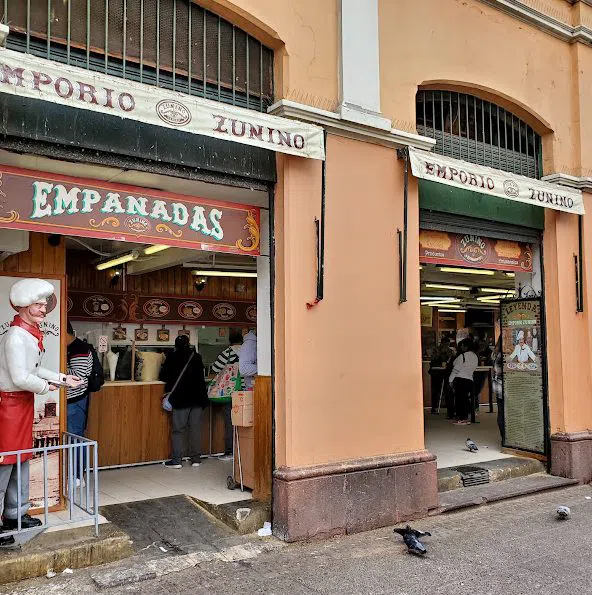
Emporio Zunino (the old centre) is the historic counterpoint, founded in 1930 by Italian immigrants, now run by the third generation, and placed third in the 2026 national empanada contest. Its pino is made with egg and, firmly, without raisins, which in this country is something people take sides over. There is standing room and no tables at all, so it works for a group of any size on the understanding that you buy and eat on the pavement. Empanadas are CLP 1,500 to 3,500. It closes on Sundays and shuts at 3pm on Saturdays, so it belongs in the morning half of your day, not the afternoon.
The nine o'clock sourdough shift downtown
By nine the second wave opens, concentrated in and around the old centre in a way it wasn't five years ago.
Panadería y Café Gabilondo (Lastarria) is the most visitor-practical stop on this entire list, a two-minute walk from the Museo de Bellas Artes, with a small room and a handful of café seats. Four people can sit; ten cannot, and shouldn't try. The sensible move is to buy and carry it across the street into Parque Forestal. Loaves are CLP 4,000 to 7,000, croissants and pastries CLP 2,000 to 3,500, coffee on top. It opens at 9am, closes Sundays, and the good things are routinely gone well before 4pm, so treat mid-morning as the real window.
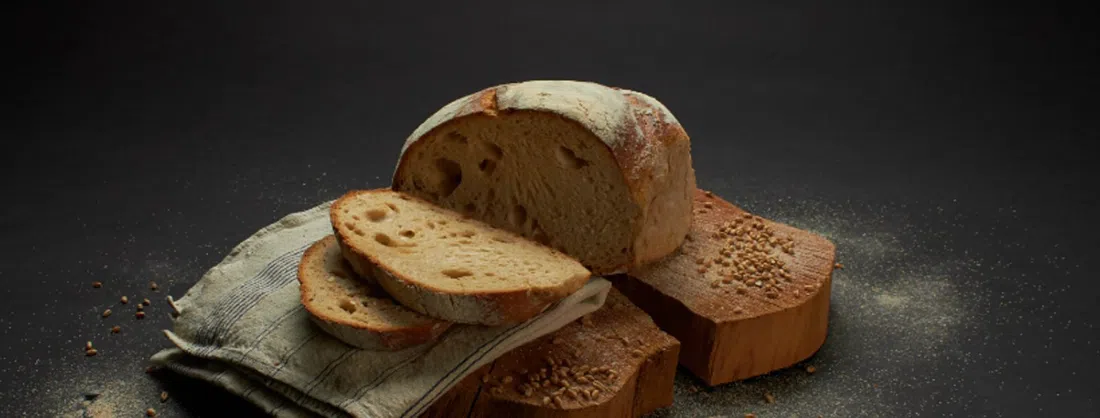
Casa Eugenia (the old centre) opened in July 2025, run by Nicolás Velásquez, the first head baker at Madeleine, and named after his grandmother. It matters as evidence: the sourdough wave has finally reached the old centre instead of stopping in the eastern comunas. The space is tiny and counter-only, so groups should buy and walk. Loaves CLP 4,000 to 7,000, pastries CLP 2,000 to 3,000.
Lagar (small, casual, a few seats) opened in early 2025 under Lorena Siebert and Joaquín Carreño, who met working at Madeleine. It is one of the very few places doing a genuine sourdough marraqueta, the old neighbourhood loaf built on a long-fermented dough. If you have eaten the 7am version and want to understand what the new bakeries think they are improving, eat them on the same day. Fine for four; a takeaway for anyone more. Loaves CLP 4,000 to 7,000, pastries CLP 2,500 to 4,000.
French flour and Danish rye on the east side
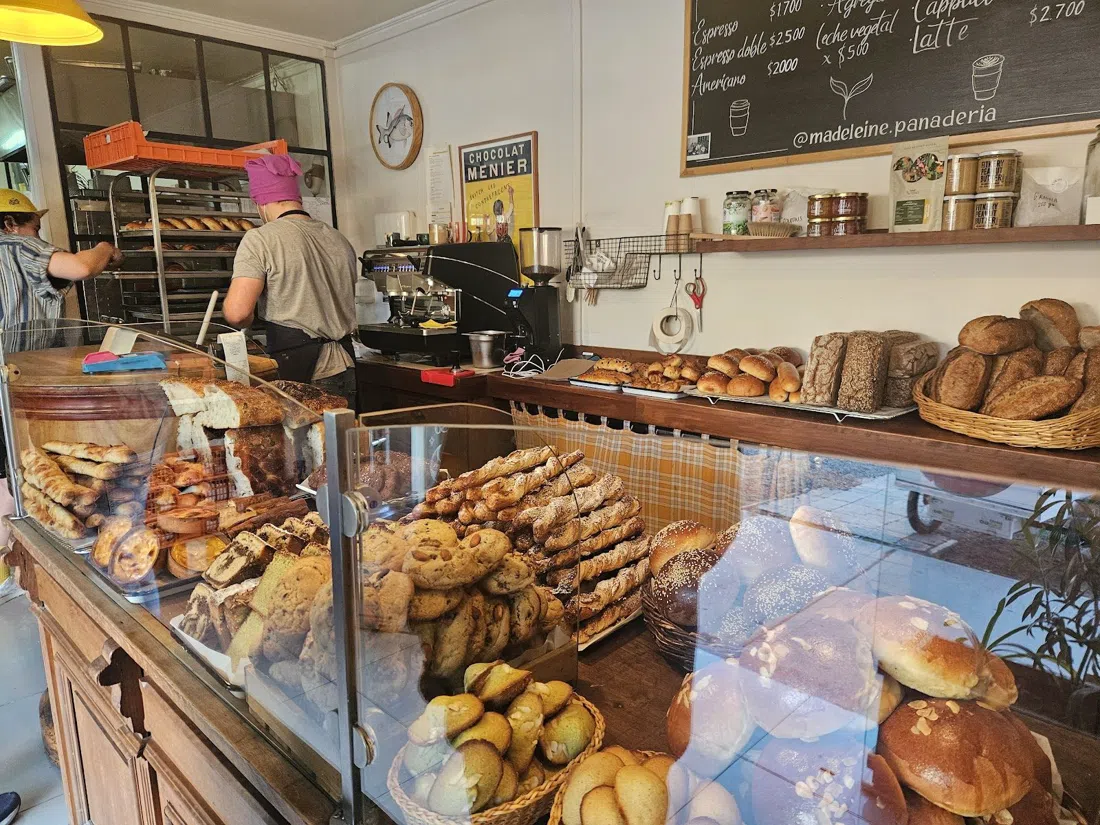
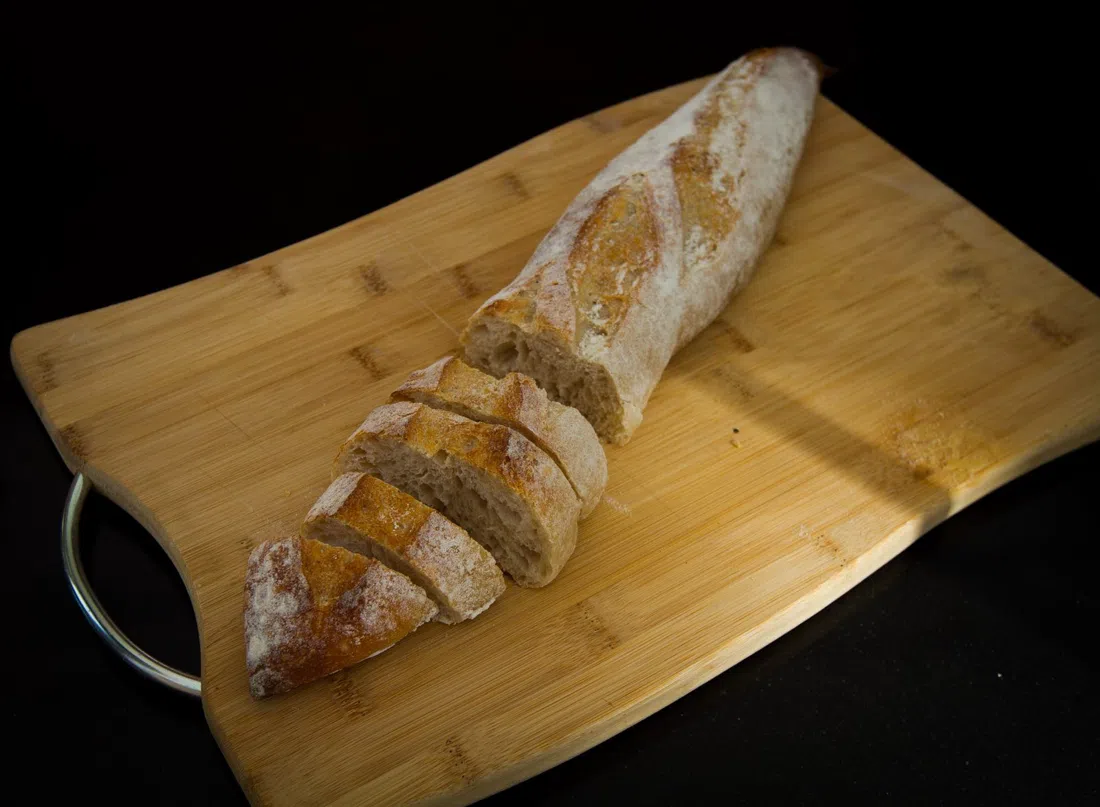
Madeleine Panadería is the reference French bakery in the city and, as the paragraphs above make clear, the training ground for half the newer names on this route. Counter-led with limited seating: a small group is fine, a large one should split the order and eat outside. Baguettes are around CLP 2,500 to 3,500, loaves CLP 5,000 to 8,000, viennoiserie CLP 2,000 to 3,500. It closes Mondays and Tuesdays, so plan around that rather than discovering it, and there is no delivery, so you have to turn up in person.
Vikingo Pan (second point on Luis Thayer Ojeda) is the northern-European counterweight to all that French flour. Danish chef Víctor Holm founded it in 2020 as a wholesale supplier before opening to the public, and the house rules are a minimum 24-hour fermentation and no preservatives or additives. The retail space is small and counter-only; a group should pre-order by phone or Instagram and collect, rather than arriving en masse and hoping. Loaves CLP 4,500 to 8,000, pastries CLP 2,500 to 4,000.
Where a group of ten can actually sit down
Most of this route is standing up. These are the exceptions.
La Popular Pizza y Pan (four locations across the city) is the best entry here for a group of six to ten that wants a table and a brunch menu. Tadeo Castelvero and Denise Lehuedé founded it in 2016 after a trip to Italy; the bread runs on a 24-hour fermentation across sixteen-plus varieties, and they run baking workshops if you would rather make the bread than queue for it. Loaves CLP 4,000 to 8,000, brunch plates CLP 8,000 to 14,000.
Fornaio (open 8:30am daily, both weekend days included) is the most reliable clock on the list. Bread, pasta and gelato are all made in the same room, there is proper table service, and the pizza al taglio format scales cleanly across a group: everyone takes a slice of something different. The cornetti are the closest thing in the city to an Italian bar breakfast. Cornetti CLP 2,500 to 4,000, pizza by the slice CLP 4,000 to 7,000.
Batârd (tables plus a terrace, second branch on Hernando de Magallanes in Las Condes) is the indulgent end of the morning and the one stop that reads as dessert. No booking needed, but weekend mid-morning is the crush. It opens at 9:30am, noon on Mondays, which makes it an end-of-run stop by definition. Pastries CLP 3,000 to 5,000, breakfast and brunch CLP 8,000 to 15,000.
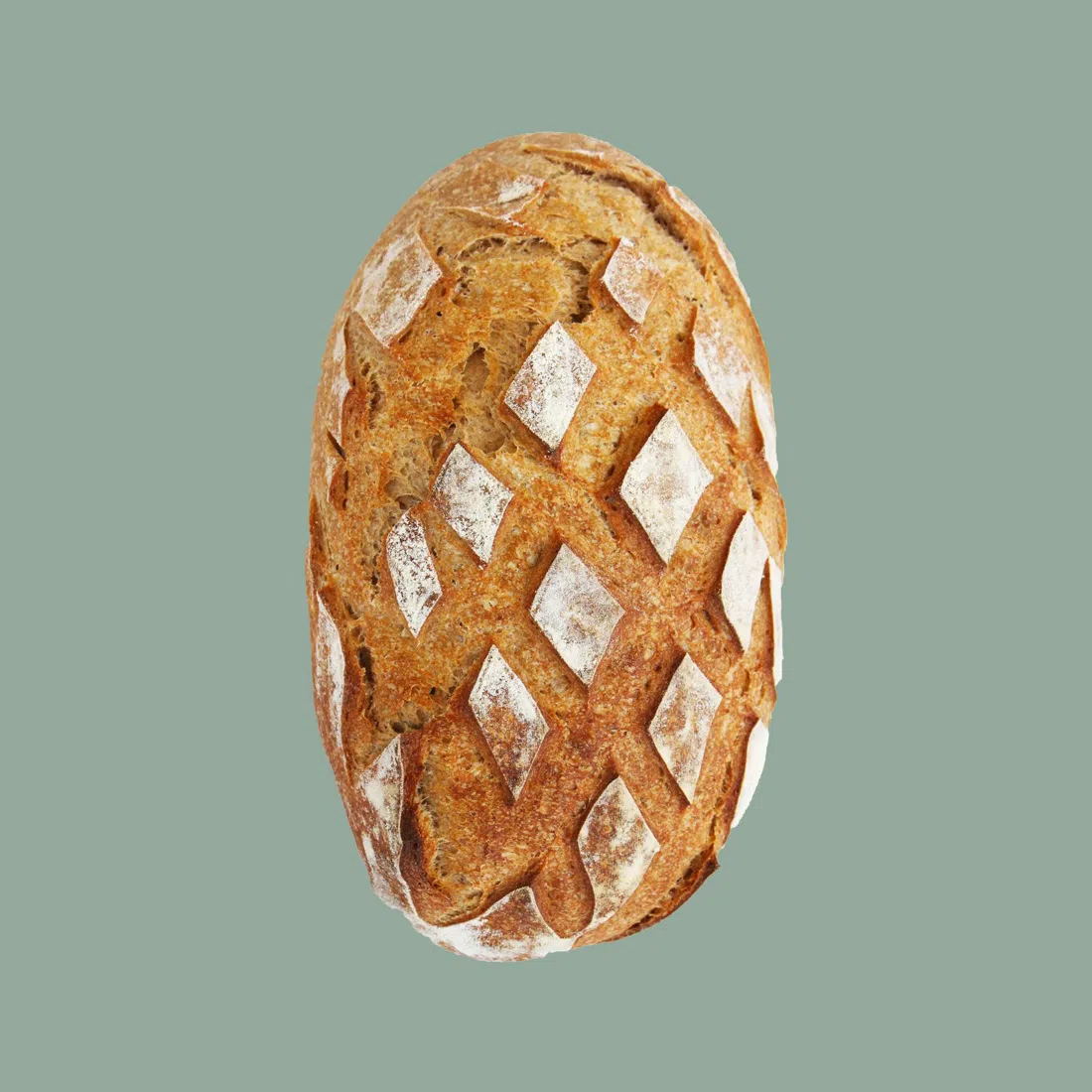
102 Panadería Artesanal is the most group-friendly room of the lot: a house-sized space with real seating, built in the childhood home of co-founder Jorge Beltrán and named for the house number Esteban Oliva first sold bread from. Its in-house coffee bar, Barra B, has been ranked among Santiago's 35 best cafés. It opens at 10am, closes Mondays, and sits well outside the tourist grid, so arrange it as one deliberate trip, not a drop-in. Loaves CLP 4,000 to 7,000, coffee CLP 2,500 to 4,500.
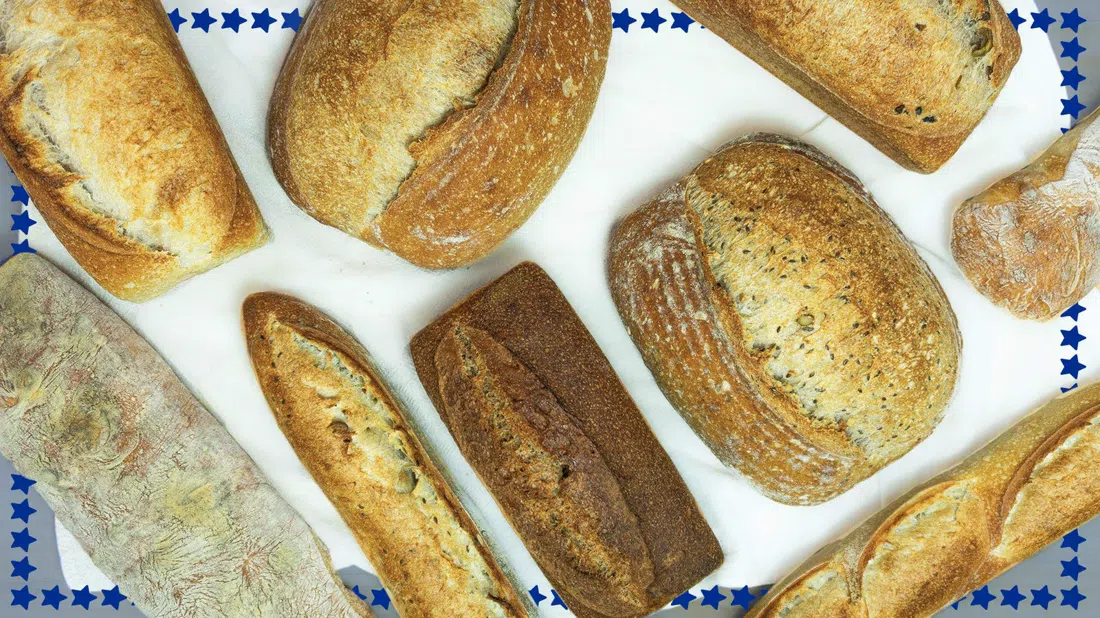
La Panadera (walking distance of Barrio Italia, second branch on Eliodoro Yáñez) works best as the stop before the Barrio Italia design shops open. Café seating suits small groups; a large party is better off treating it as a takeaway. Loaves CLP 4,000 to 7,000, pastries CLP 2,000 to 3,500. Posted hours differ between listings, so check the day before rather than turning up on spec. This is the one address on the route where I would not gamble.
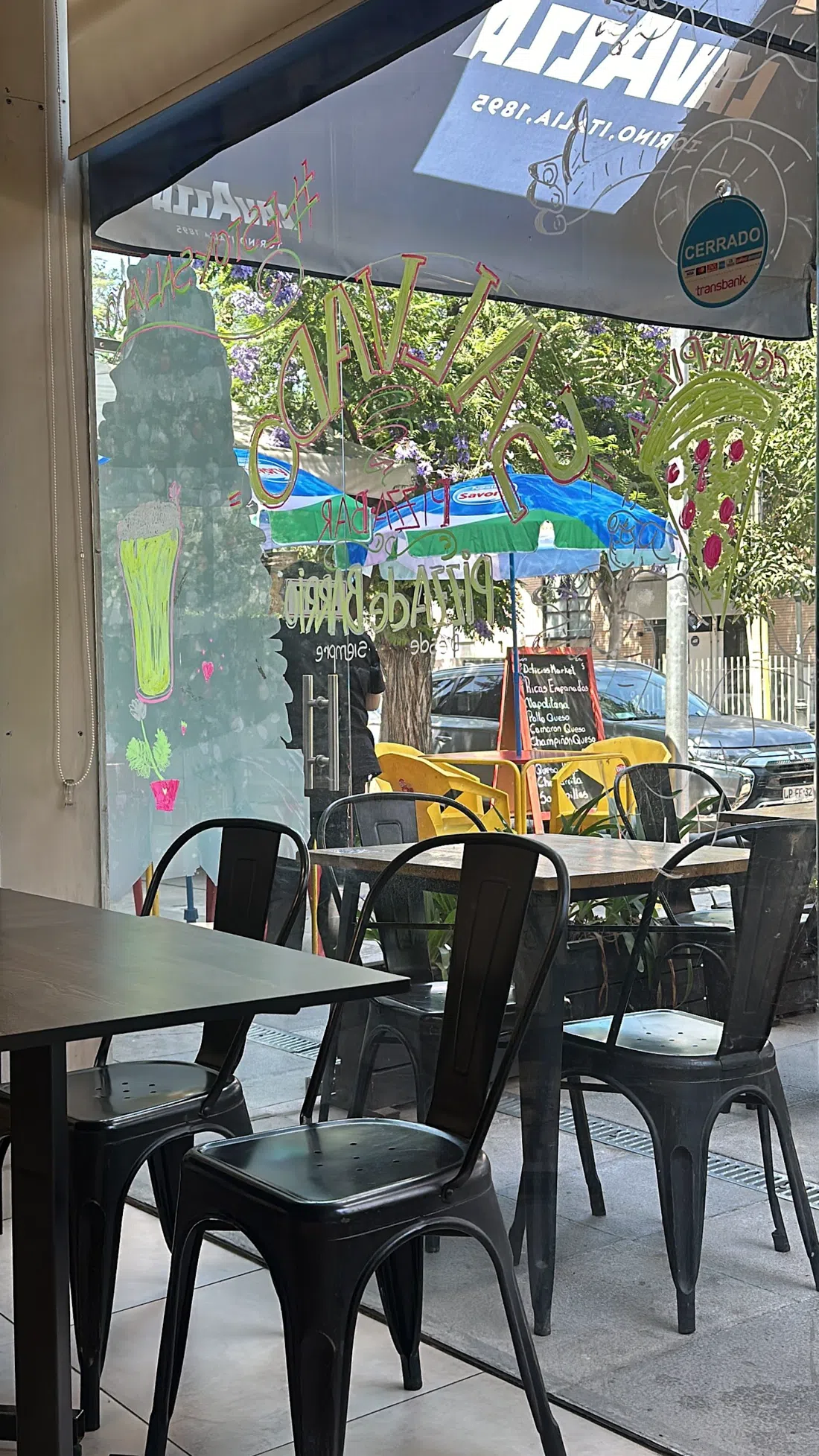
Stringing it into one morning
A workable Saturday: 7am at Panificadora Tobalaba for the traditional marraqueta eaten standing up. Metro out to Panadería Departamental by 8 if you want the prize version, or straight to Las Rosas Chicas and a walk through Barrio Brasil if you would rather stay central. Empanadas at Emporio Zunino from mid-morning, remembering it shuts at 3pm on Saturdays. Gabilondo at 9 for coffee and a pastry in Parque Forestal, Casa Eugenia or Lagar to compare doughs, and Batârd at the end if anyone still wants sugar.
A Sunday is a shorter day: Tobalaba opens at 8, Las Rosas Chicas closes at midday, and Gabilondo, Zunino and Madeleine are shut. Mondays cost you Madeleine and 102, and push Batârd to noon.
Practical notes before you set an alarm
The metro is the only sane way to cross the city at this hour, and it starts early enough for a 7am counter. Buy a bip! card at any station; the out-of-centre stops on this route, Departamental in particular, are a straightforward ride rather than a taxi fare. Between the central stops, walk. Lastarria to Barrio Brasil is a flat half hour.
Carry small notes. The traditional counters are fast, and they are fastest when you are not negotiating a card machine for a CLP 1,500 purchase. The artisan bakeries and cafés all take cards.
Nothing about this improves after midday. Traditional panaderías bake for the morning rush and again for the late-afternoon one; the sourdough places sell out of the interesting things by mid-afternoon. If you can only do one, do the 7am version, the one that isn't available anywhere else.
A genuine bread breakfast for two at a neighbourhood counter is under CLP 3,000. The full route with coffee, pastries and a couple of empanadas comes to roughly CLP 12,000 to 18,000 per person for a morning. Add a sit-down brunch and it doubles, which is worth knowing before you promise a group a cheap day out.
Staying in or near Lastarria and the old centre puts Gabilondo, Casa Eugenia and Zunino inside a fifteen-minute walk and the metro on your doorstep for the rest. Start with a Santiago hotel search and work outwards from there. For what to do with the other eighteen hours of the day, the Santiago guide covers the rest of the city.
One date to note. If you are here in the run-up to 18 September, every empanada counter in the city is under siege for a fortnight. Go earlier, order ahead, or accept the queue as part of the experience.
20 September 2026 · a first week before the flat: the Santiago hotel directory