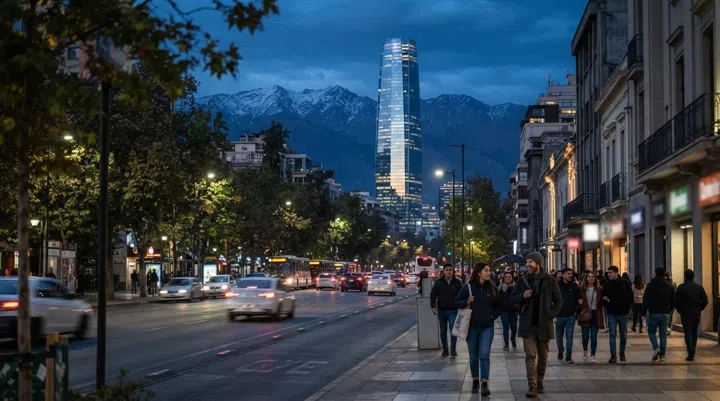
Santiago · Where to live · 13 min
Santiago's Bellavista on Foot from Neruda to the Summit
The painted streets between the Mapocho and Cerro San Cristóbal, walked properly: the poet's house, the two ways up the hill, where to eat, and the day that Mondays ruin.
The murals arrive before the barrio does. One painted wall on the far bank of the Mapocho, then another, and by the third block the street has gone entirely to colour. Bellavista sits in the crook between the river and Cerro San Cristóbal, which gives every walk here the same shape: flat, low-slung, narrow streets for twenty minutes, then uphill until the city flattens out beneath you. You can do the photographs in two hours. Done properly, with the poet's house, the summit and a long lunch, it is a full day.
What you are walking into
Bellavista is small: a grid of one- and two-storey houses between the river and the foot of the hill, a good number of them painted end to end, and you can cross the whole thing on foot in about twenty minutes. It has two reputations, and only one of them holds up on the pavement. The first is bohemian Santiago, poets and painters and rum at two in the morning, which is now mostly a story told to visitors. The second is truer and duller. This is where the city concentrated its nightlife, its lapis-lazuli shops, a small theatre, one very good house-museum and, since 2026, a cable car straight through the middle of it.
The practical geography matters more than the mythology. The Pío Nono entrance to the hill park is the hinge of the whole barrio: everything cultural sits downhill of that gate, everything with a view sits above it. Plan your day as two halves either side of the gate and you will never backtrack.
The poet's house, and the reason most people come
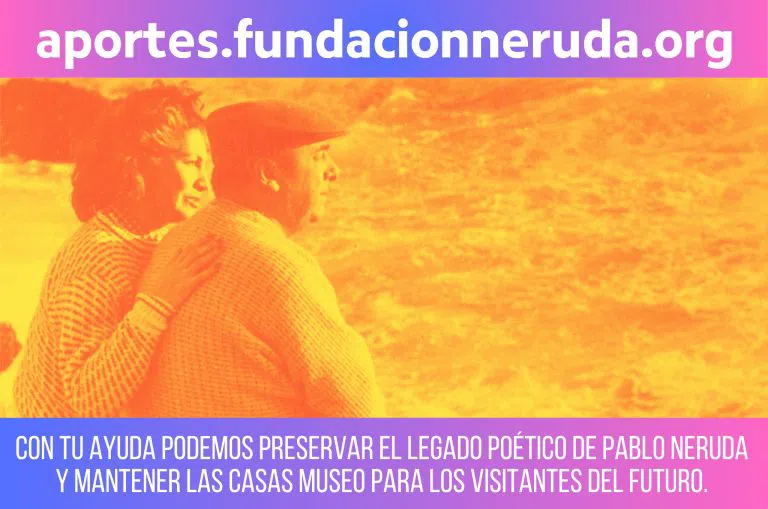
Casa Museo La Chascona (Bellavista, a few minutes below the Pío Nono gate) is the main draw in the barrio and, for most visitors, the whole point of coming. Neruda built it for Matilde Urrutia, and it reads as biography rather than literary shrine: a house assembled by someone with specific tastes and a lot of objects, not a memorial arranged after the fact. Entry is CLP 11,000 general, about USD 11, and CLP 4,500 reduced for under-17s, verified students and over-60s. An audioguide in six languages is included, which is what makes the visit work if your Spanish is thin.
The door policy is the thing to plan around. It is walk-ins only, first come first served, with a capped daily quota. There is no advance ticket to buy for a couple or a family, so arrive at opening. Large parties get split across entries rather than kept together, and schools and organised groups have to arrange a slot in advance by phone. Opening is Tuesday to Sunday, 10:00 to 18:00, stretching to 19:00 in January and February, closed Mondays. No pets. No photography inside the rooms, though the gardens are fine, and that rule is enforced. Allow an hour, ninety minutes if you listen to the whole audioguide.
Two ways up the hill, and one that ruins trips
Funicular de Santiago (Estación Pío Nono, at the park gate) is the classic ascent and a national monument in its own right. Resident fares start from about CLP 1,580 one-way, with a round trip roughly CLP 2,250 Tuesday to Friday and CLP 2,930 at weekends and on holidays; the foreign-visitor tariff is higher, so carry ID and expect to pay more than the posted local rate. A combined funicular and cable car ticket starts from about CLP 3,780. Cars load continuously, so there is nothing to book, but a big group will be broken across several departures. Wheelchairs and pushchairs are carried via the ramp and lift.

Read the hours twice. It runs Tuesday to Sunday from 10:00 until roughly 19:00 to 19:45 depending on the season, Mondays from 13:00 only, and it closes on the first Monday of each month for maintenance. That last line ruins more Bellavista days than anything else: people arrive on a Monday morning, find the museum shut and the funicular not yet running, and write the barrio off.
Teleférico Santiago — Línea Pío Nono (same park gate) is the new arrival here. The line opened to the public in March 2026 and gives Bellavista a direct aerial route up the hill for the first time, instead of the long-standing crossing from the Pedro de Valdivia side. It loads continuously at up to 800 people an hour, so groups move fast and nothing needs booking ahead. A round trip starts from about CLP 3,760, the all-in park combo from about CLP 8,000, and again foreign-visitor rates differ. On a weekday morning it is noticeably quieter than the funicular.
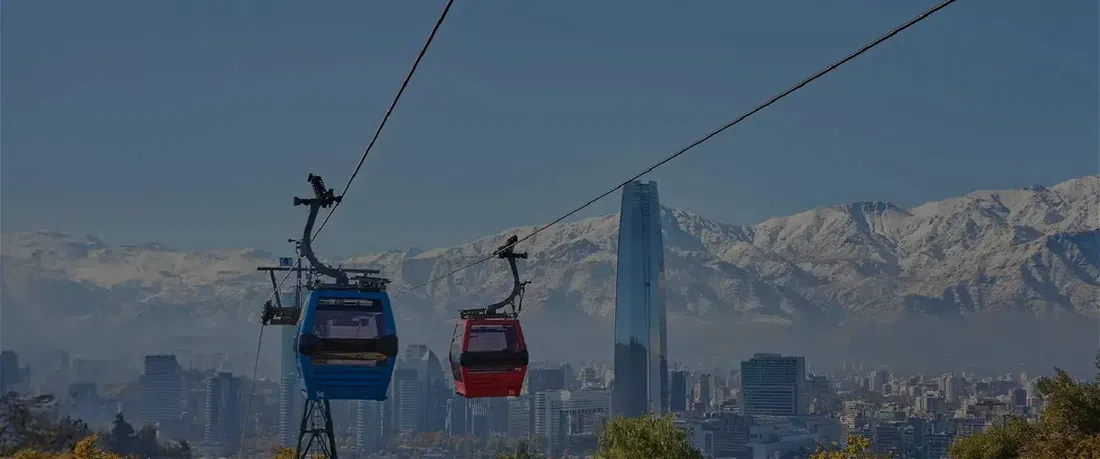
The sensible pattern: funicular up for the view over the shoulder, cable car down for the long glide. On a weekday morning, reverse it and take the quiet car first.
What is actually at the top
Santuario de la Inmaculada Concepción (the summit of Cerro San Cristóbal) has the best free view in the city. It is open-air and free to enter, so any size of group works, and it opens daily from roughly 08:30 to 18:30, with Mass Monday to Saturday at 12:00 and Sundays at 10:30 and 12:00. Go early. The smog layer thickens through the afternoon, and a summit photograph at 16:00 in still weather is a photograph of haze. Coach parties land mid-morning, and the 8 December feast day brings enormous crowds, worth witnessing on purpose and a poor day to turn up by accident.

Café Tudor (at the summit, beside the funicular station) is where to sit down rather than queue at a kiosk. The building is a declared historic monument and it reopened as a café in 2023. Coffee and cake run roughly CLP 4,000 to 9,000, and it opens Tuesday to Sunday 10:00 to 18:45, in step with the funicular. The room is small with limited seating, fine for two or four, awkward for a coach party, though the terrace tables turn over quickly.
Observatorio Manuel Foster (summit ridge) is a 1903 national monument run by the Universidad Católica astrophysics institute, and it is an easy add-on once you are already up there. It opens to the public on Saturdays and Sundays only, roughly 12:00 to 18:00 in summer and 11:00 to 17:00 in winter, so it does not fit a weekday itinerary. Daytime visits are a small fee at the door with no booking needed, but the dome holds very few people at once, so expect to wait your turn. Evening observing sessions cost more and are booked online. Schools, courses and groups are taken year-round by prior arrangement.
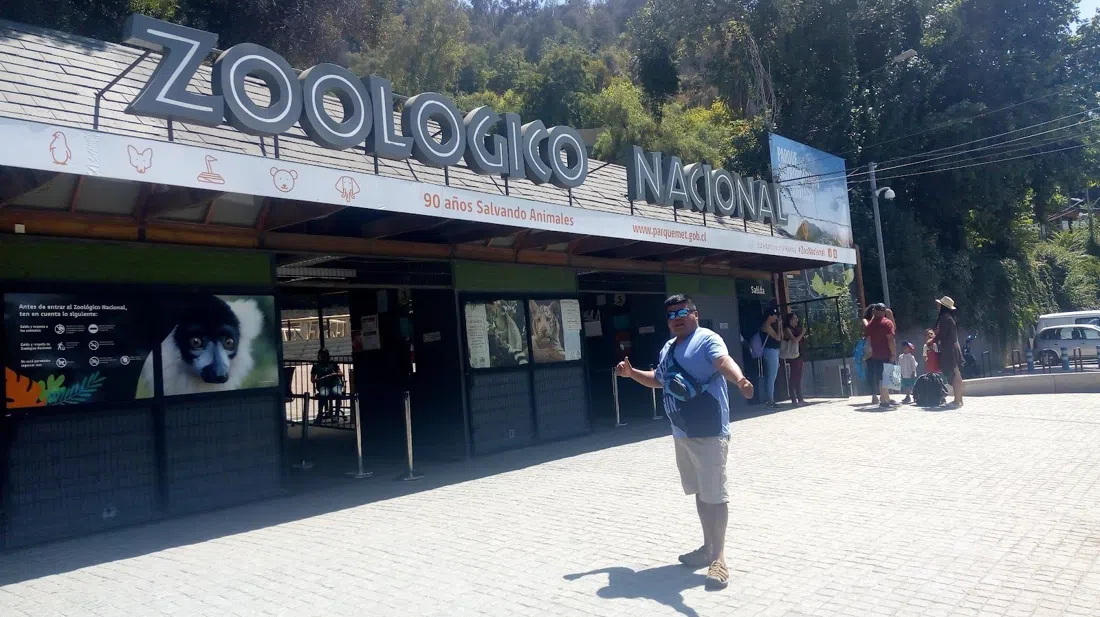
Zoológico Nacional (on the hillside above the Pío Nono gate) reopened on 28 January 2026 after being closed for the cable car construction, which means a great deal of older advice about it is now wrong. Entry is free until further notice, but a free timed reservation through the park booking site is required and capped at 4,000 a day. Book every person in your group or you will be turned away at the gate. It opens Tuesday to Sunday, 10:00 to 17:00, closed Mondays, and it is a steep walk rather than a flat stroll.
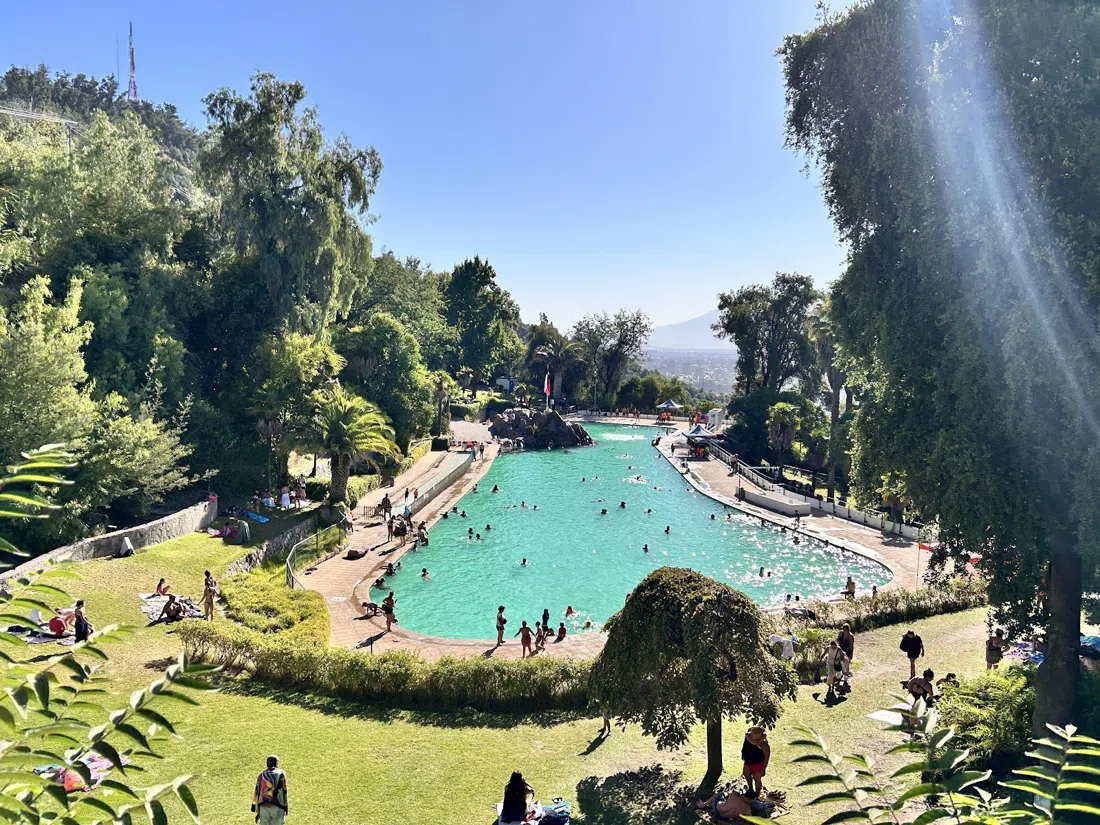
Piscina Tupahue (park, upper slopes) is only worth planning around in the warm half of the year. The season runs roughly November to mid-March, and it closed on 15 March in 2026. In season it opens Thursday to Sunday, 10:30 to 18:00 for the general public. Tickets are around CLP 7,000 for adults and CLP 4,000 for children up to 13, bought in advance on the park site, ticketed by the head with no group rate. Capacity is limited and hot weekends sell through, so buy before you travel up rather than after.
Lunch that is not a tourist menu
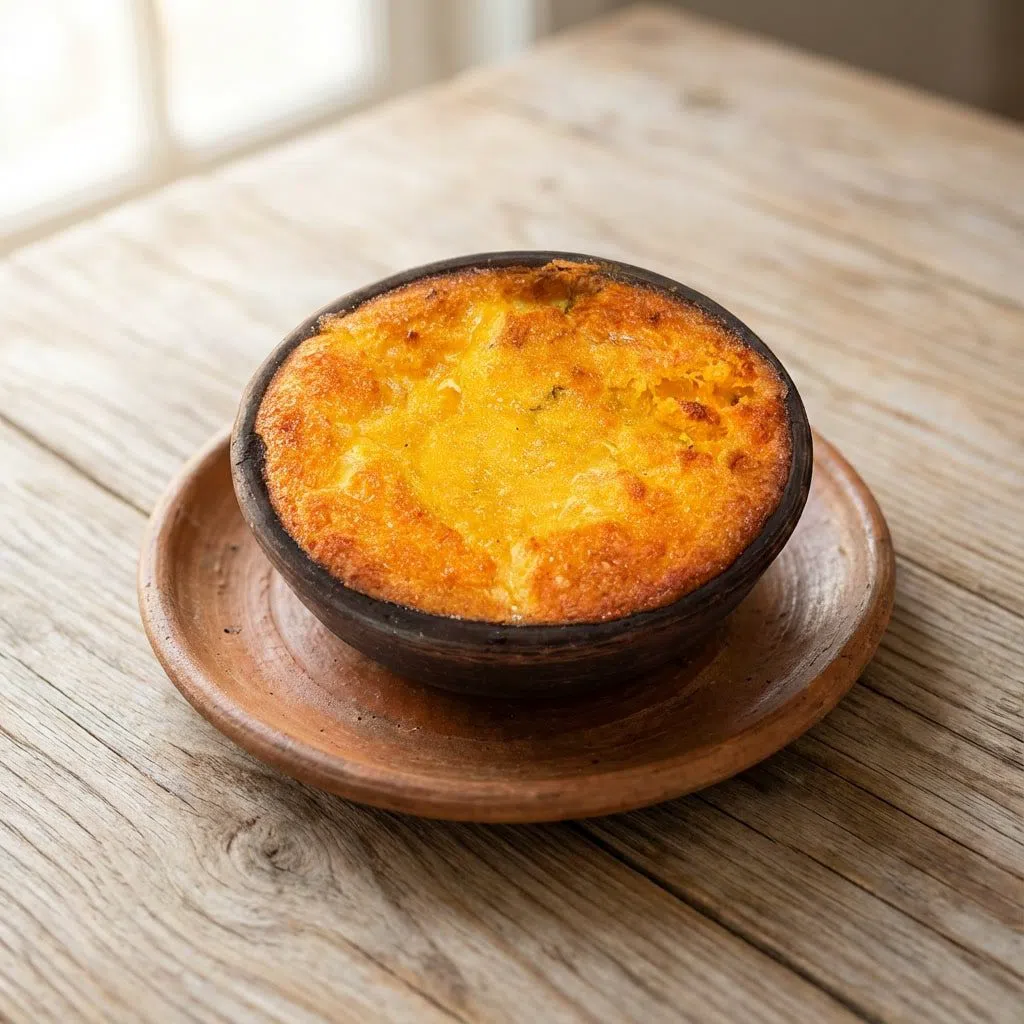
Galindo (Bellavista, below the park gate) has been open since 1968 and is the barrio benchmark for plain Chilean cooking: pastel de choclo, caldillo de congrio, lomo a lo pobre, with mains roughly CLP 9,000 to 18,000, which the newer complexes do not match. It takes reservations by phone and WhatsApp and handles groups, but the terrace fills first and the indoor tables are tight, so a party of eight arriving unannounced at 14:00 will be standing. Closed Mondays; otherwise noon until 22:00 or midnight depending on the day.
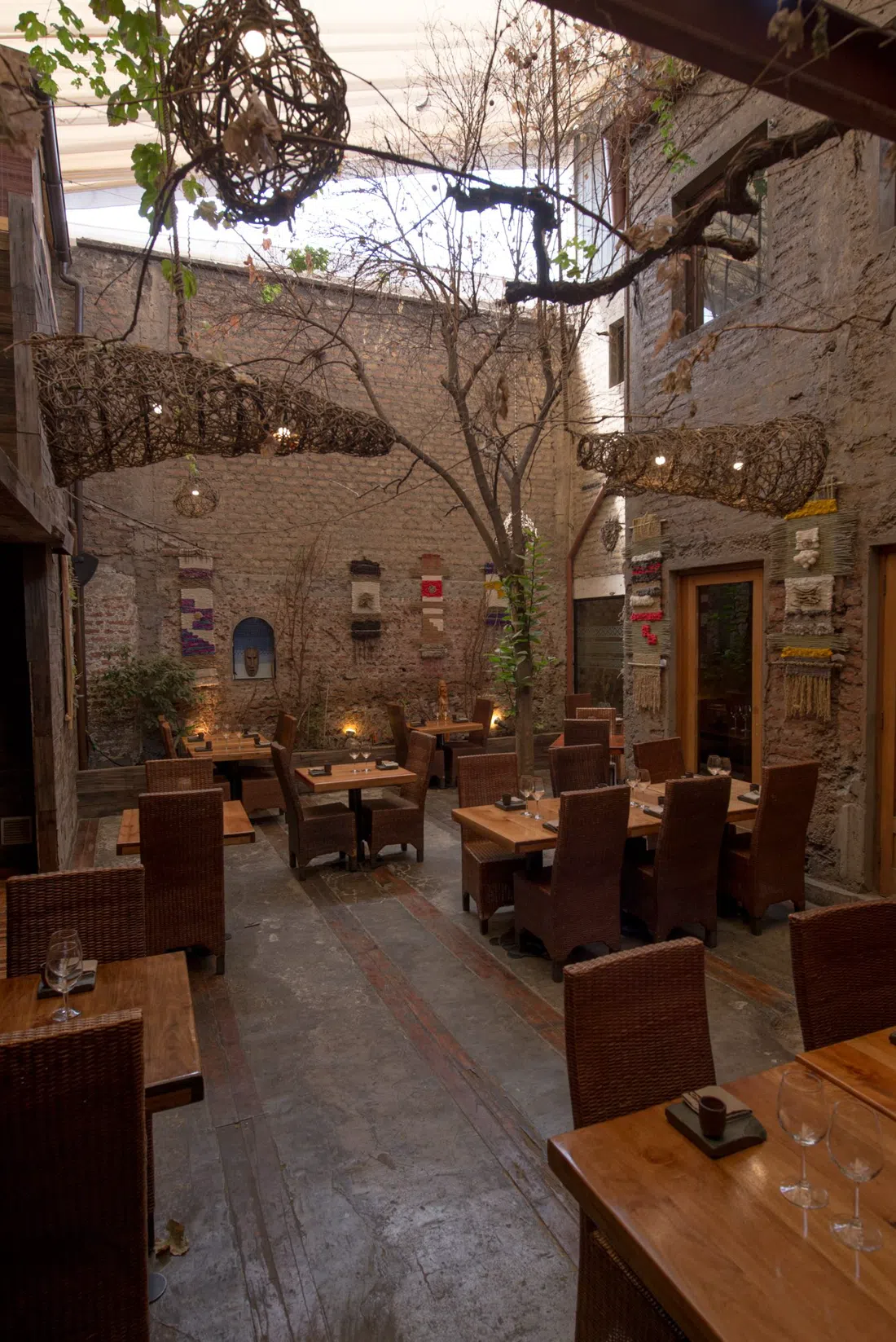
Peumayén Ancestral Food (Bellavista) is the one destination kitchen in the area. The menu is built from Mapuche, Aymara and Rapa Nui ingredients (araucaria pine nuts, alpaca, Patagonian lamb), and the bread board alone justifies the detour. The tasting menu runs roughly CLP 45,000 to 70,000 a head, with à la carte mains from about CLP 18,000. The dining rooms are small with a patio outside, so book well ahead for anything over four, and note it is closed on Sundays.
Patio Bellavista (mid-barrio) is the easiest first stop if your group cannot agree on anything. Open since 2006, it holds around fifty operators across a single block, most of them taking bookings, arranged around a central plaza; there is a currency exchange and a hotel on site. Mains run roughly CLP 10,000 to 25,000 and lapis-lazuli pieces start from about CLP 15,000. Shops run roughly 11:00 to 22:00 or 23:00, while the bars carry on to between 01:00 and 03:00.

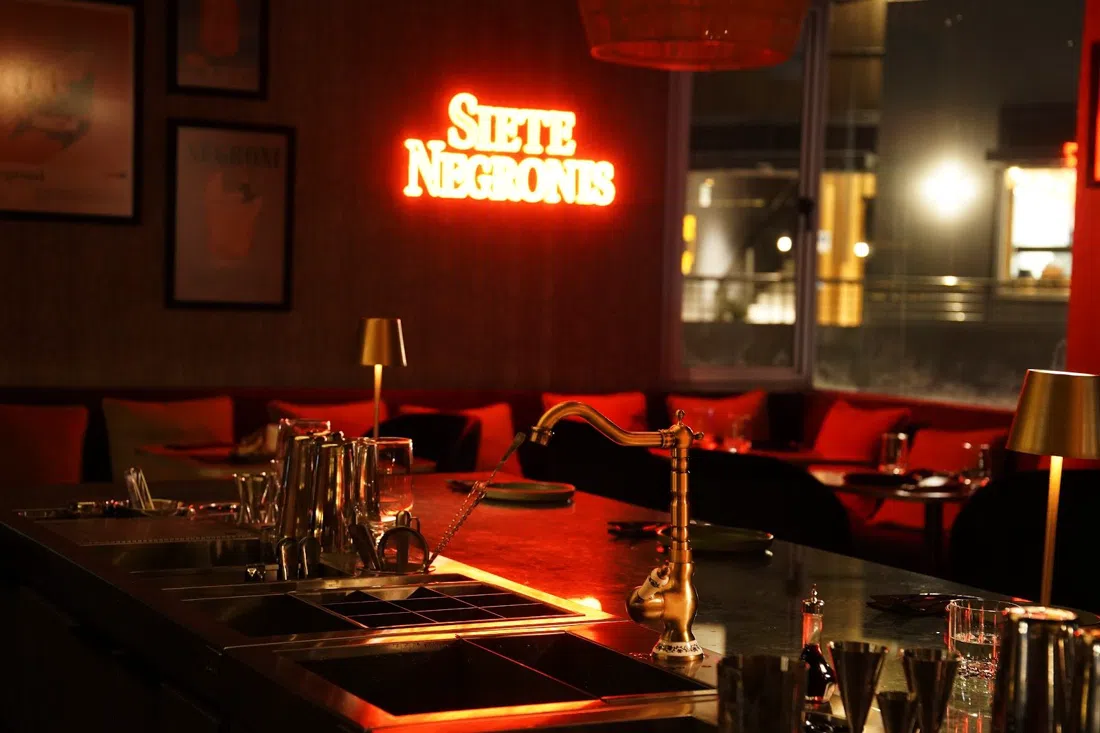
Terrazas San Cristóbal (a few steps from the Pío Nono park entrance) is the biggest change to Bellavista in years: a USD 24 million complex that opened in late 2025 with eleven separate restaurants and bars, a thousand-square-metre events hall and over 300 parking spaces. Barbazul, Kechua, Bartolo, Donde Zacarías, Los Güeros, La Vermutería, MIT Burger, La Chimba, Tapas y Birras, Ozaki and Siete Negronis all sit inside it. Mains are roughly CLP 12,000 to 30,000 and cocktails from about CLP 8,000. It opens from 08:00 until 02:00 Sunday to Wednesday and 03:00 Thursday to Saturday, and it is the simplest option in the barrio for a large or mixed group.
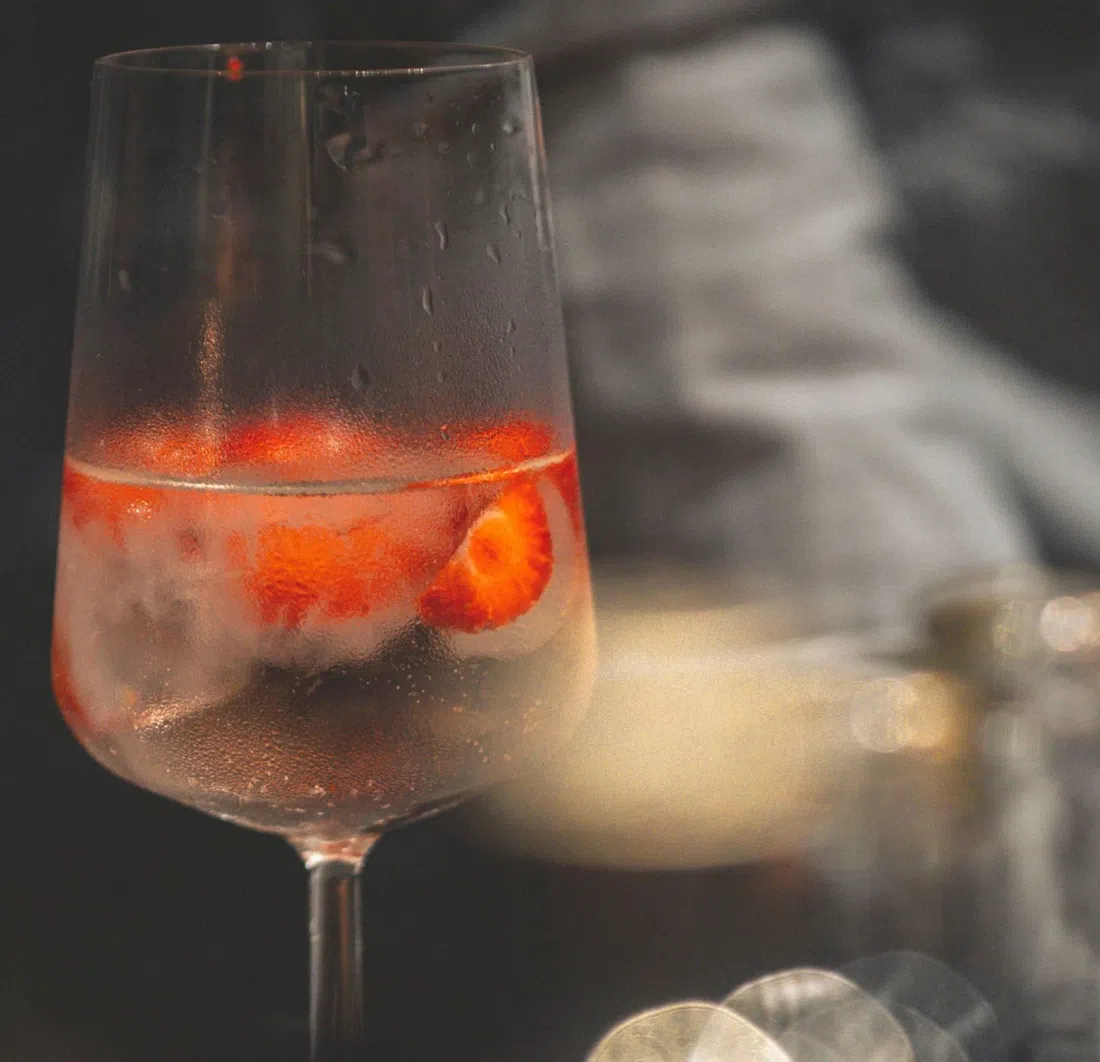
Drinks and live music after dark
Siete Negronis (inside Terrazas San Cristóbal) was founded on Mallinkrodt in 2016, moved out of the barrio, and has come back in the new building. Cocktails run roughly CLP 8,000 to 14,000, about USD 8 to 14, and it is the serious cocktail option in a barrio otherwise heavy on pisco sours by the litre. There is bar seating and a terrace, it takes bookings, and small groups are welcome, but it is a drinking room rather than a party venue, and it does not take kindly to being treated as one.
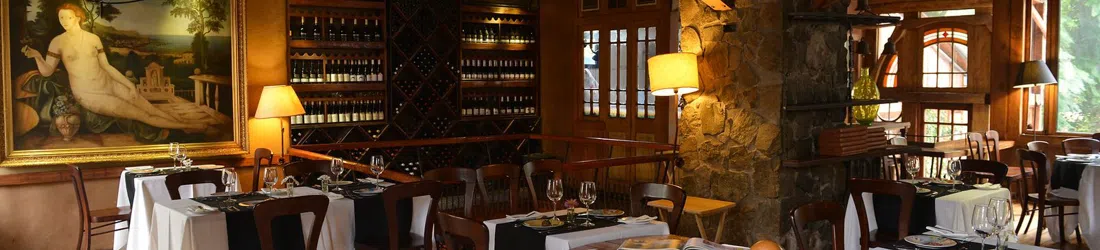
El Mesón Nerudiano (Bellavista) has been running since 1996 and is still programming live boleros, Chilean folk and jazz through 2026. Mains are roughly CLP 12,000 to 22,000 and some concerts carry a separate ticket. It takes group bookings and runs ticketed concert nights, but the room is small, so reserve for any music evening. This is the honest version of the barrio's bohemian reputation rather than the tourist-menu version.
The plaza and its 162 seats
Teatro Mori Bellavista (on the barrio's central plaza) was restored in 2005 by the actors Gonzalo Valenzuela, Benjamín Vicuña and Cristóbal Vial, and it sits on the square that is the architectural set piece of the whole area. It is a 162-seat house, tickets run roughly CLP 8,000 to 25,000, and performances are in Spanish. Block bookings are possible but weekends sell out fast. Even if you never buy a ticket, walk the plaza. It is the one corner where the barrio still looks like the thing it is named after.

Sleeping inside the barrio
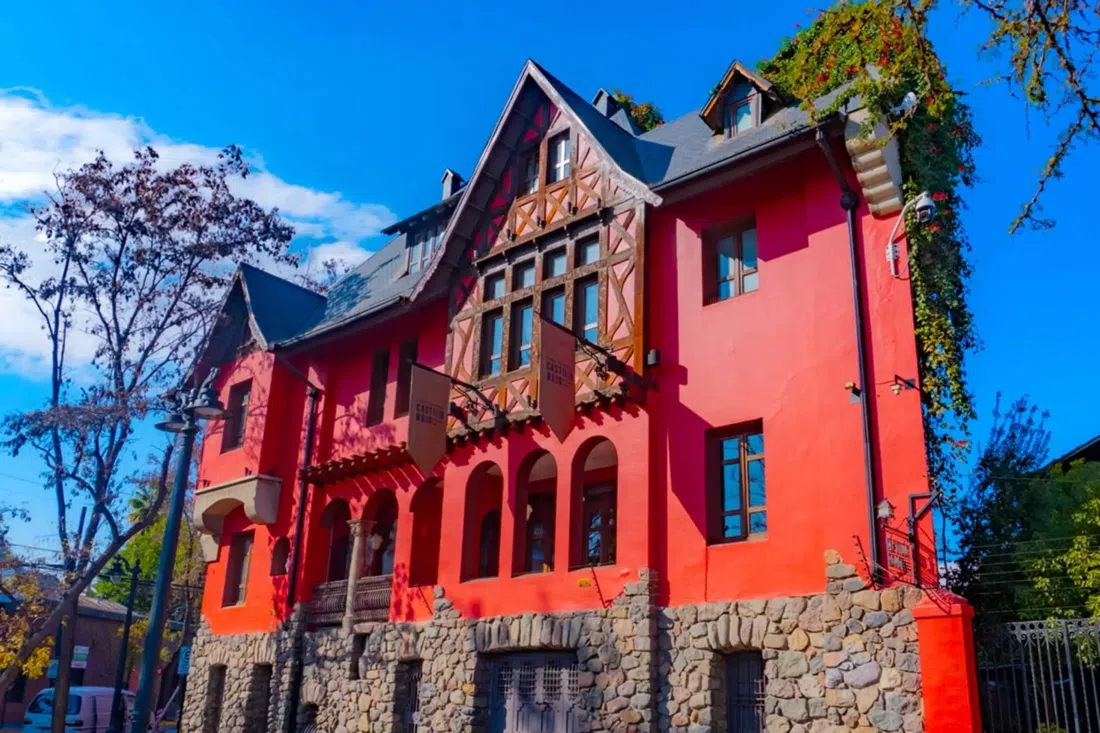
Hotel Boutique Castillo Rojo (Bellavista, minutes from the park gate) is the most photographed building here and a real place to stay rather than just a facade. It has only 19 rooms, from roughly USD 65 to 140 a night, which makes it a couples-and-pairs proposition rather than a group one. Its two restaurants, La Petanque and Cabildo, take outside diners, with dishes roughly CLP 10,000 to 25,000. The position is the selling point: three minutes' walk from La Chascona, Patio Bellavista and Terrazas San Cristóbal, with the Pío Nono park entrance effectively at the door. Hotels in Bellavista itself are few, so if it is full, widen the net with a Santiago hotel search and accept a ten-minute walk across the river.
Door prices against a guided day
Almost everything in Bellavista is walk-up. The two exceptions are the zoo, which needs a free reservation, and the pool, which needs a ticket bought in advance. A self-guided half day (La Chascona at CLP 11,000, a funicular round trip at roughly CLP 2,250, coffee at the top) lands comfortably under CLP 20,000 a head, or about USD 20.
A guided option exists and is attached to this page as a separate card. Those tours run seven days a week and start from 145 USD per person; across the bookable tours covering this area there are 1,951 traveller reviews, with the top one rated 4.8 out of 5 from 541 reviews. What you pay for is hotel pick-up, Spanish handled on your behalf, and usually the rest of the city bundled into the same morning. If you want Bellavista specifically, skip it: the barrio is twenty minutes end to end, it is a walk, and the funicular does not require interpretation.
It is worth the day, with one caveat. La Chascona and the summit are both worth the time and cost almost nothing. The eating is solid without being a reason to fly anywhere. The caveat is that the painted-street bohemia sold in the brochures is thin on the ground now. Come for the house, the view and a proper Chilean lunch, and take the rest as a bonus.
Best time to go
Go in the morning, and preferably early. The summit air is clearest before the afternoon haze settles, and arriving at La Chascona for opening is the only reliable way around the daily quota. A weekday morning on the cable car is quieter than any funicular departure.
Monday is the day to avoid outright: the house-museum is closed, the zoo is closed, Galindo is closed, and the funicular does not start until 13:00. On the first Monday of the month it does not run at all. If the observatory matters to you, your only options are Saturday and Sunday. If the pool matters, you need Thursday to Sunday inside the November to mid-March season.
For seasons: January and February bring longer museum hours, to 19:00, and the hottest summit walks, so carry water, because the climb from the gate is steep. The 8 December feast day at the sanctuary is the one fixed date that transforms the hill, in both directions. For evenings, the bars run to between 01:00 and 03:00, and the big complex stays open to 03:00 Thursday to Saturday, so a late dinner is never a problem here.
Practicalities
Bellavista sits on the north bank of the Mapocho, directly across from the city centre, and the nearest metro stops are a short walk over the river; check the line map for the closest one to the Pío Nono gate. Walking in from the centre takes ten to fifteen minutes and is the more pleasant approach. Once inside the barrio you will not need transport again until you decide to go up the hill.
Everything is priced in Chilean pesos. Cards work across both complexes and the hotels; the funicular, cable car, museum and smaller cafés are more comfortable with cash, and there is a currency exchange inside Patio Bellavista if you arrive short. Carry ID, because the funicular and cable car charge foreign visitors a higher tariff than residents, and you will be asked.
Half a day covers the house and the summit. A full day adds a sit-down lunch, the theatre listings and a drink. Budget roughly CLP 20,000 a head for a lean self-guided day, CLP 45,000 with a proper lunch and both lifts, and CLP 90,000 or more if you are ending it with the tasting menu and cocktails afterwards.
The barrio is flat. The hill is not, and the walk up to the zoo is steeper than it looks from the gate. For the rest of the city around it, the Santiago guide covers what to pair this with.
26 September 2026 · a first week before the flat: the Santiago hotel directory