Santiago · The weekend · 11 min
Where Santiago Goes When the Winter Smog Settles In
From May to August the city sits under a brown lid. Here is what the inversion layer is, how locals plan around it, and the drives, walks and hot pools that get you above it.
On a clear March morning you can pick out individual gullies on the Andes from a café table in Providencia. By the second week of June they are gone, hidden not behind cloud but behind a flat brown ceiling that sits on the basin like a lid and stays there until a front comes through. Santiago spends most of its winter underneath its own exhaust, and the people who live here have built an entire seasonal habit around climbing out of it for a day.
What the brown layer actually is
Santiago sits at around 500 metres in a bowl closed by the Andes on one side and the coastal range on the other. From roughly May to August the South Pacific anticyclone parks over central Chile: almost no rain, almost no wind, and cold night air pooling on the valley floor with a warmer layer sitting on top of it. That warm cap is the inversion. Everything the city emits (diesel buses, traffic, wood-burning heaters in the outer communes) is held in the few hundred metres of air underneath it and stirred around until rain or a decent westerly clears it out.
In practice that means fine-particulate readings that climb overnight, peak between about 07:00 and 10:00, ease a little when the sun warms the surface in the early afternoon, and build again after dark. The city declares the bad stretches officially, which brings vehicle restrictions by number plate, bans on wood burning and cancelled school sport. Visitors tend to notice it as a dry throat and stinging eyes on day three rather than as anything dramatic on day one.
Two facts make the winter plannable. The layer has a top, usually somewhere around 1,000 metres above the city, which is why forty minutes of uphill driving changes the air completely. And rain clears it within hours, so everything below is advice for the dry weeks rather than the wet ones. Check the official air-quality readings the night before. Residents do, and they choose their weekends off them. For the rest of the city's rhythm, the Santiago guide covers what stays open and what does not.
Seeing the thing from 300 metres up
Start by looking at it, because the scale is hard to believe from street level. Sky Costanera (Providencia, in the Costanera Center tower) puts you at 300 metres, which on a bad June morning is roughly level with the top of the murk. Instead of the postcard view you get a sharp brown horizon running north to south, the Andes floating clean above it, and the city underneath looking like it is at the bottom of a jar. Tickets run CLP 12,000 to 20,000 depending on age and time slot, sold at the ground-floor booths or online, and it is open daily 10:00 to 22:00 with the last lift up at 21:00. Walk-ups are normally fine and there is no practical group limit.
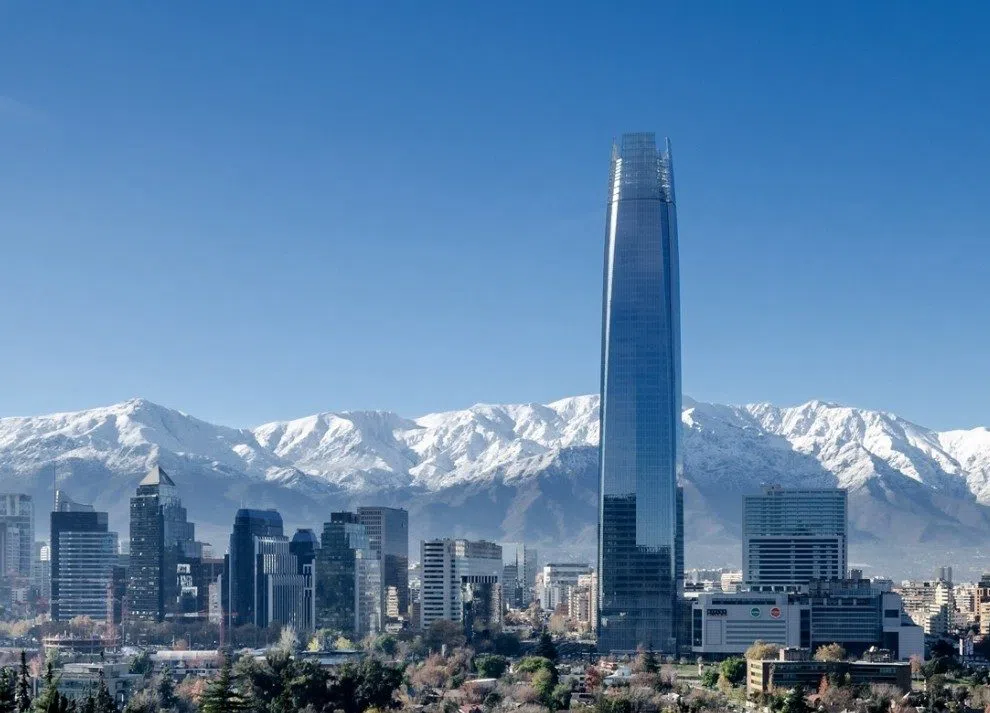
The trip diagnoses the problem rather than escaping it. Go up late afternoon if you want the layer at its most photogenic, early if you want it at its worst.
The cheapest way to climb out of it
You do not need a ski pass or a 4x4. Parque Natural Aguas de Ramón (eastern edge of Las Condes) is reachable on a city bus and charges CLP 3,000 for adults, CLP 2,000 for under-12s and over-60s, open every day 08:00 to 18:00 in winter. It has an environmental education centre, a café, picnic zones, a barefoot trail, a high ropes course and accessible infrastructure for wheelchair users, which makes it the most group-friendly option on this list: school parties, mixed-fitness families, company away-days.
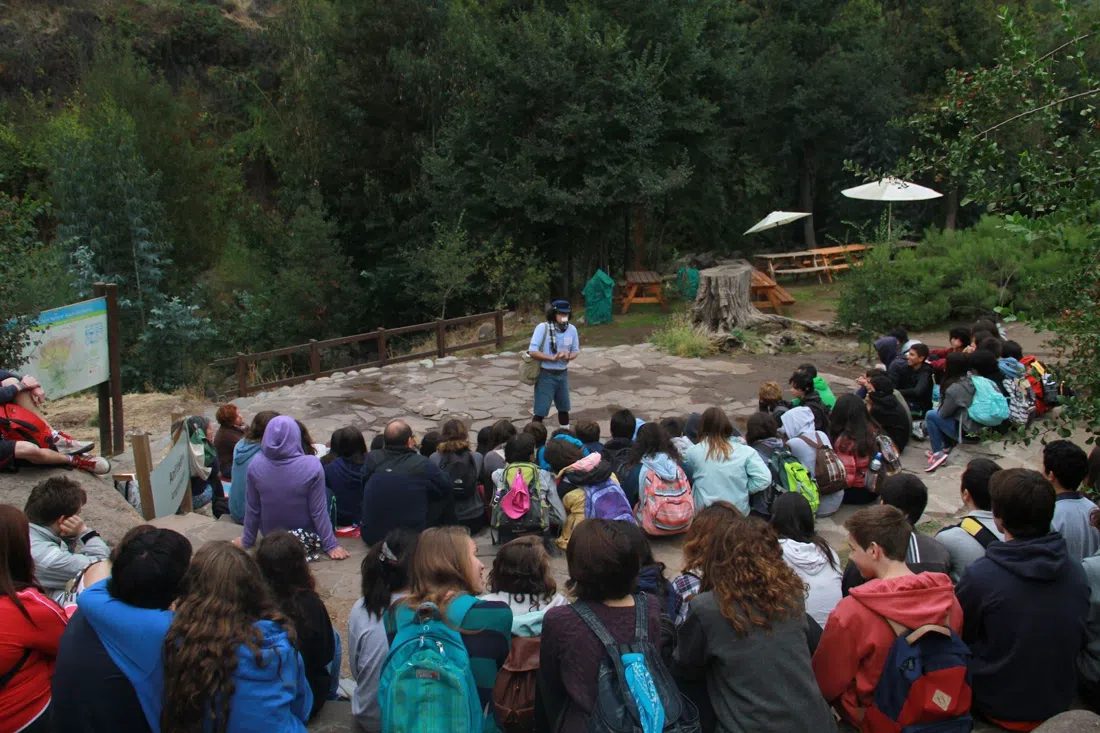
Be honest with yourself about height, though. The lower loops are pleasant but still sit inside the haze on a bad day. The full Salto de Apoquindo walk is what actually lifts you clear of it, and that is a long day out, not a morning stroll.
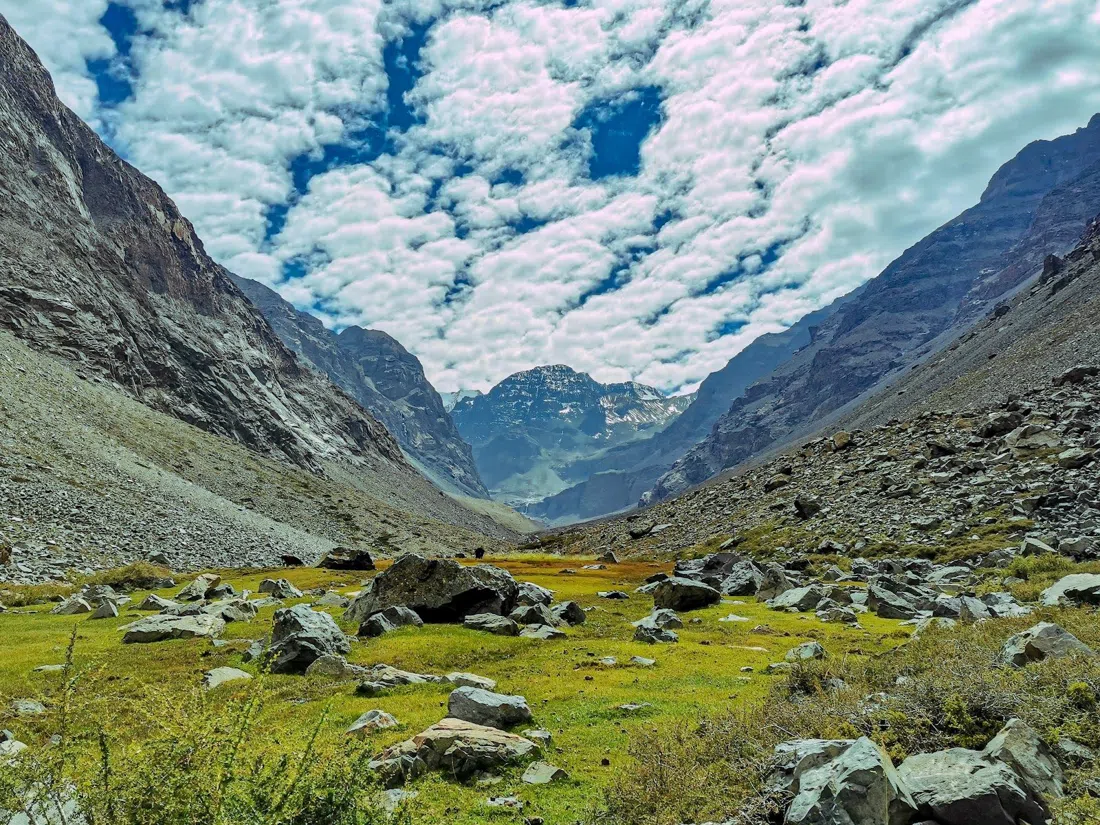
Santuario de la Naturaleza Yerba Loca (on the G-21 above Lo Barnechea) solves that faster. It is right on the mountain road, so you gain altitude within the first half hour and step out of the brown air inside an hour of leaving the city. Entry is around CLP 5,000 to 7,000 per person plus a vehicle charge, there are 4 km of drivable road up to Villa Paulina, and it takes walk-in groups and picnic parties without booking. The catch is capacity: it closes when the car park fills, so a large party needs an early start. It is open all year and shuts only for landslides, heavy snow or fire. During peak ski season the G-21 runs one-way time windows, so check the schedule before you drive or you will sit at a barrier.
The ski road above the city
The same road carries on to the Tres Valles, and for most visitors the practical answer is the nearest one. El Colorado / Parque Farellones (about 90 minutes from the city) runs day-ticket buses from Santiago, group programmes and a non-skiing snow park, which is the part that matters when half the party has never worn a boot. Lift day tickets run roughly CLP 55,000 to 75,000. Parque Farellones entry is CLP 25,000 to 35,000 and is sledging and tubing rather than skiing. If all you want is to stand above the smog for an afternoon without committing to a ski week, this is the one.
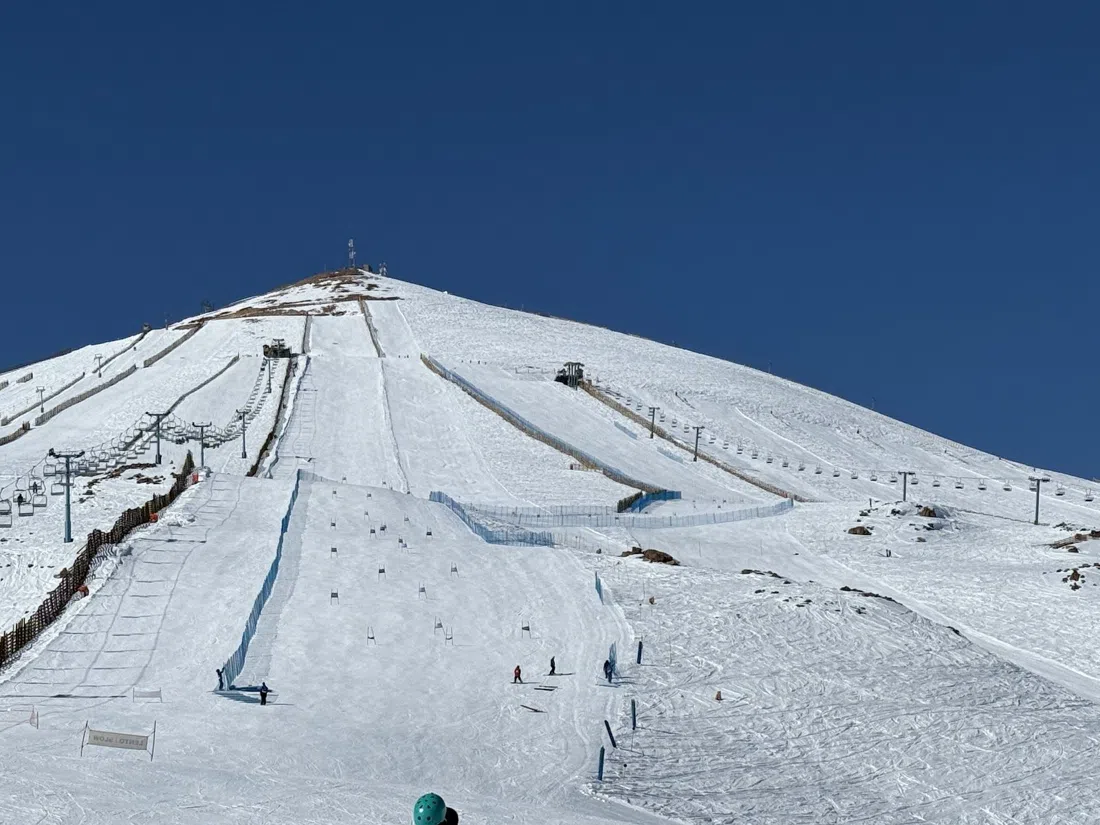
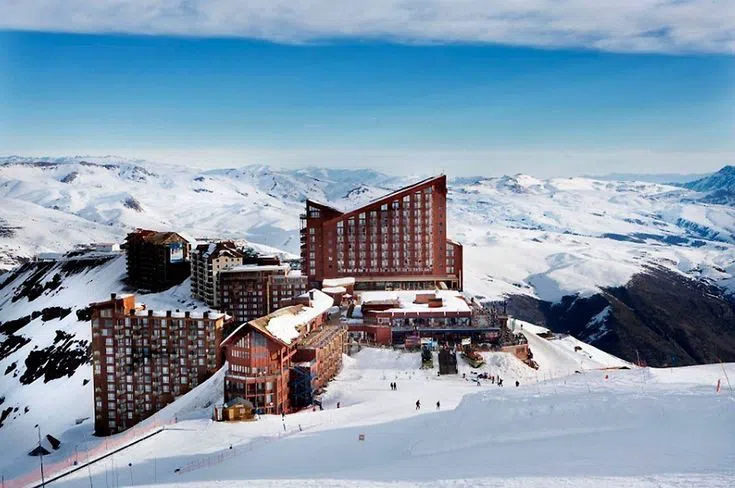
Valle Nevado (top of the G-21, above El Colorado) is the serious version. At 3,025 m you are a good 2,000 metres above the top of the inversion, and the light and the air are nothing like the city's. The 2026 season ran 19 June to early October. Lift passes are around US$70 to 90 a day, hotel packages start near US$300 per night all-in and sleep parties of four to six, and the resort is set up for groups with block lift rates, ski-school bookings and full-day shuttle buses from Las Condes. It now sits under the same ownership as neighbouring La Parva (Mountain Capital Partners), so treat the pair as one linked domain rather than two separate trips when you are pricing a week.
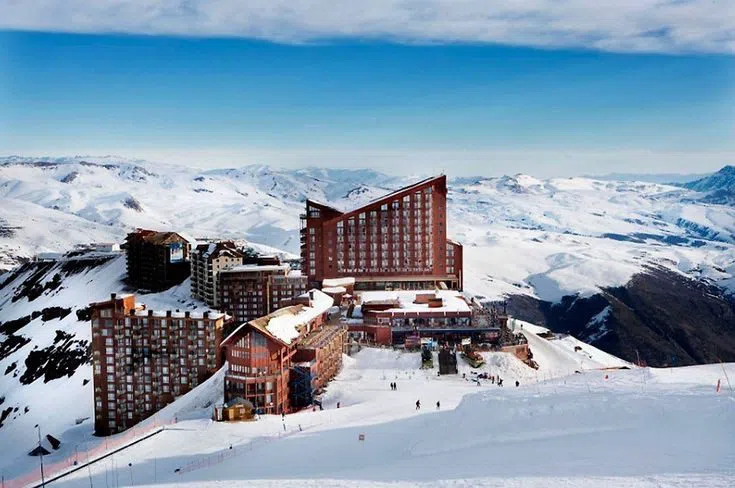
For couples the Valle Nevado hotel packages are workable but priced around occupancy, and you will do better on cost with a city base and shuttle days. For parties of four or more the on-mountain packages start to make sense.
Trips that leave the basin altogether
The two below sit outside the valley that creates the inversion, about two hours out in each case.
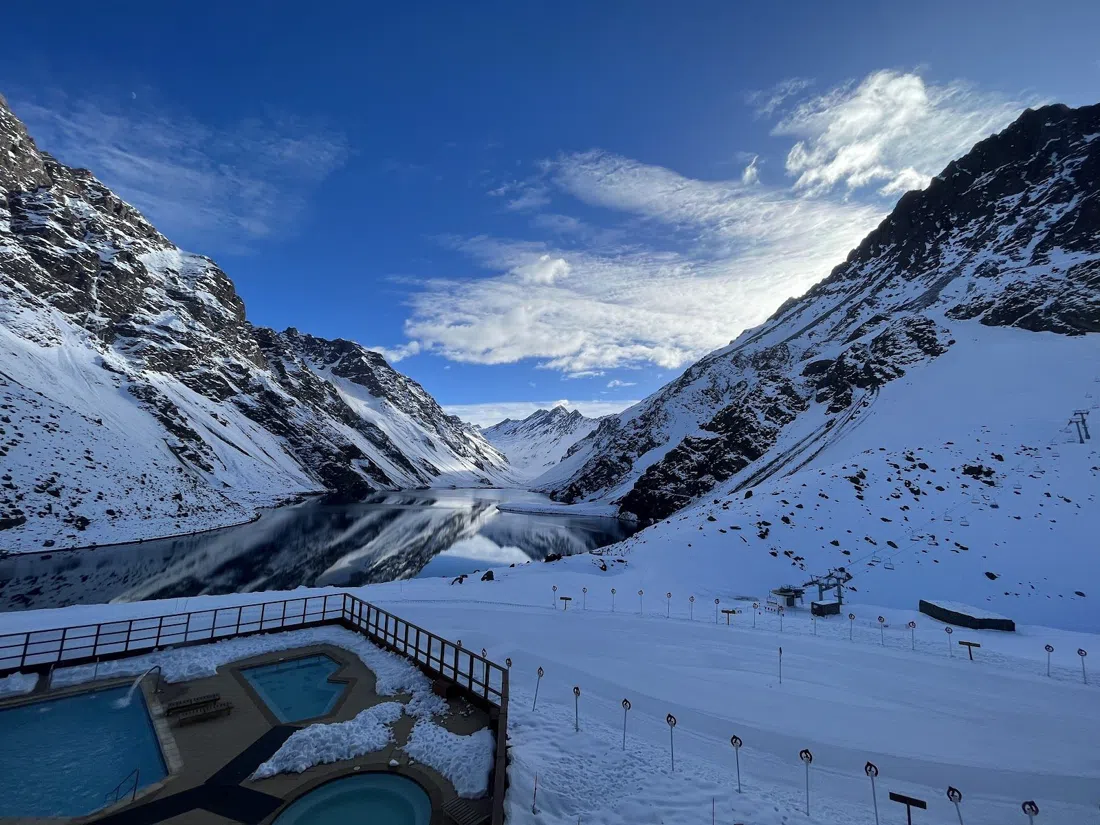
Ski Portillo (two hours north, at 2,880 m on the Argentine border) is the classic. The format is fixed: Saturday-to-Saturday Ski Weeks at US$1,650 to 3,250 per person including four meals a day and lift tickets. That structure makes it inherently a group stay, with quad-occupancy rooms in the Octagon Lodge, hostel-style bunks in the Inca Lodge, and full buyouts available for a private party. The 2026 season ran 20 June to 26 September. Do not plan a day trip; the week format makes casual visits awkward and the value sits entirely in the package.
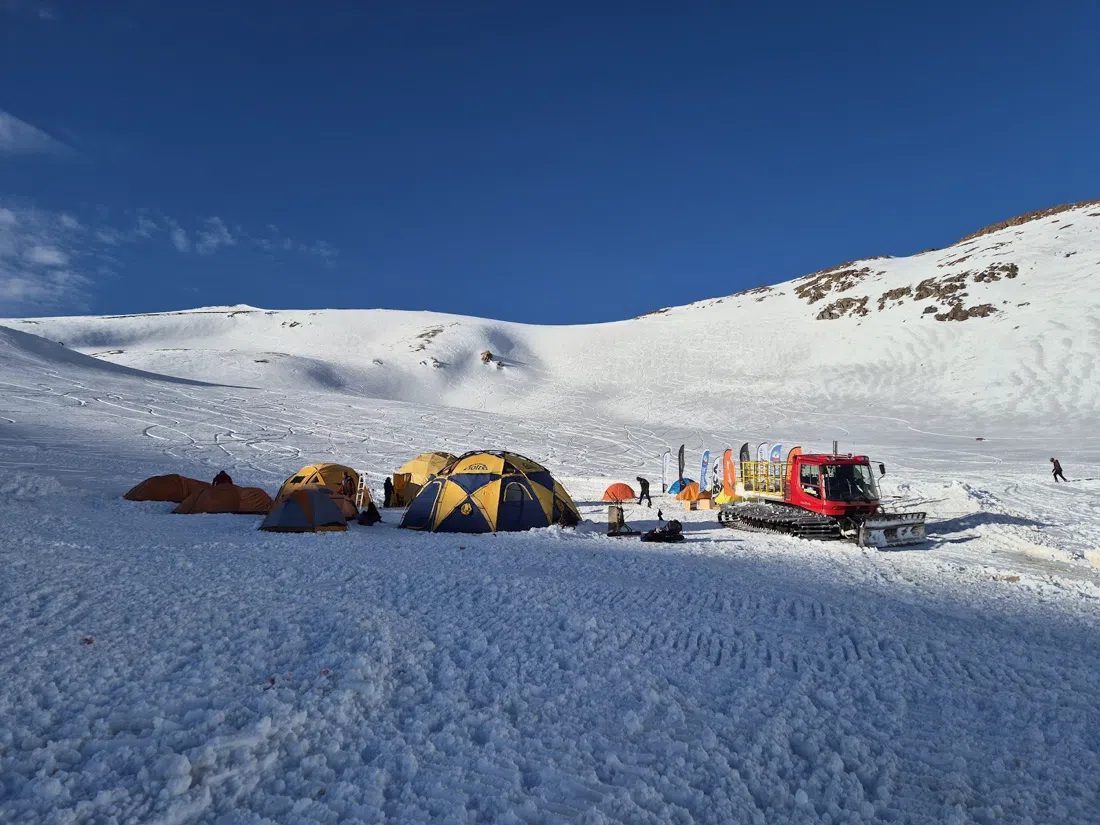
Ski Arpa (Aconcagua valley, about two hours out) is the other extreme. It is Chile's only snowcat operation and it takes twelve riders a day in total, across the whole mountain, not twelve per cat. That makes it perfect for a private buyout by a small strong group and useless for a large mixed party. Expect roughly US$450 to 600 per person per day, a season running mid-June to mid-October, and 2026 bookings open. It is for confident off-piste skiers only, and it closes after heavy snowfall while avalanche work is done, so build a spare day into the plan.
Down the Maipo for air and water
East and south of the city, the Cajón del Maipo is where Santiago goes at weekends, and winter is the quiet half of its year.
Cascada de las Ánimas (Cajón del Maipo) is the best-known private sanctuary in the valley, family-run and open year-round. Day activities run CLP 20,000 to 60,000 and cabins start around CLP 120,000 a night. It is explicitly built for groups: cabins and lodge rooms, rafting run in batches, guided treks with English-speaking guides, and a steady trade in corporate and school bookings. There is a rescue refuge on site holding two pumas. Access to the waterfall itself is guide-only. You cannot wander up alone, and people who arrive expecting to do so lose half a day.
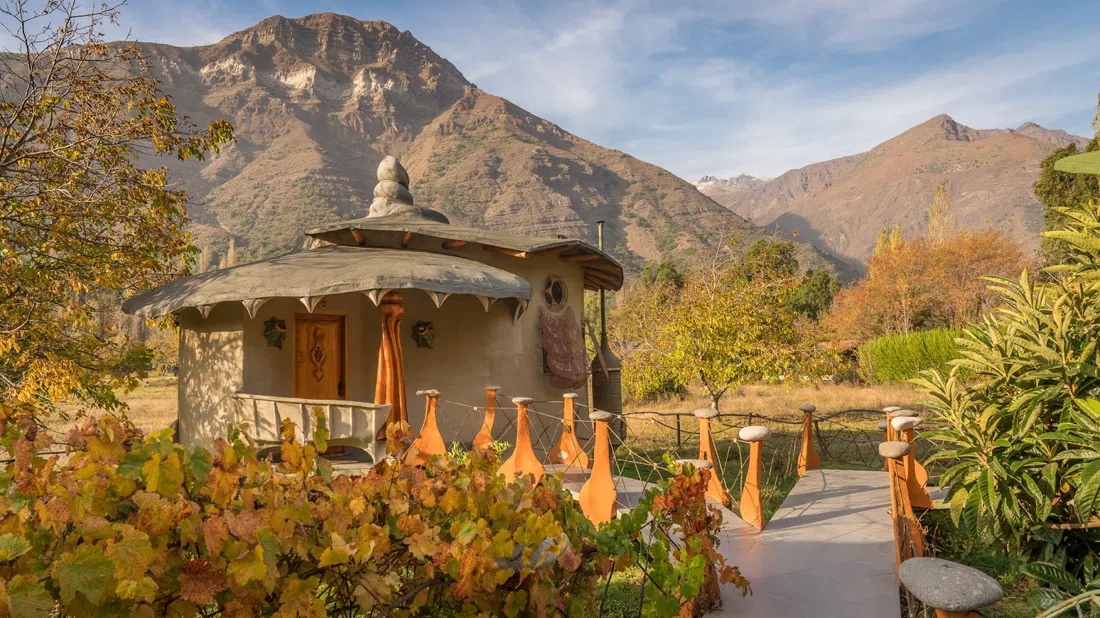
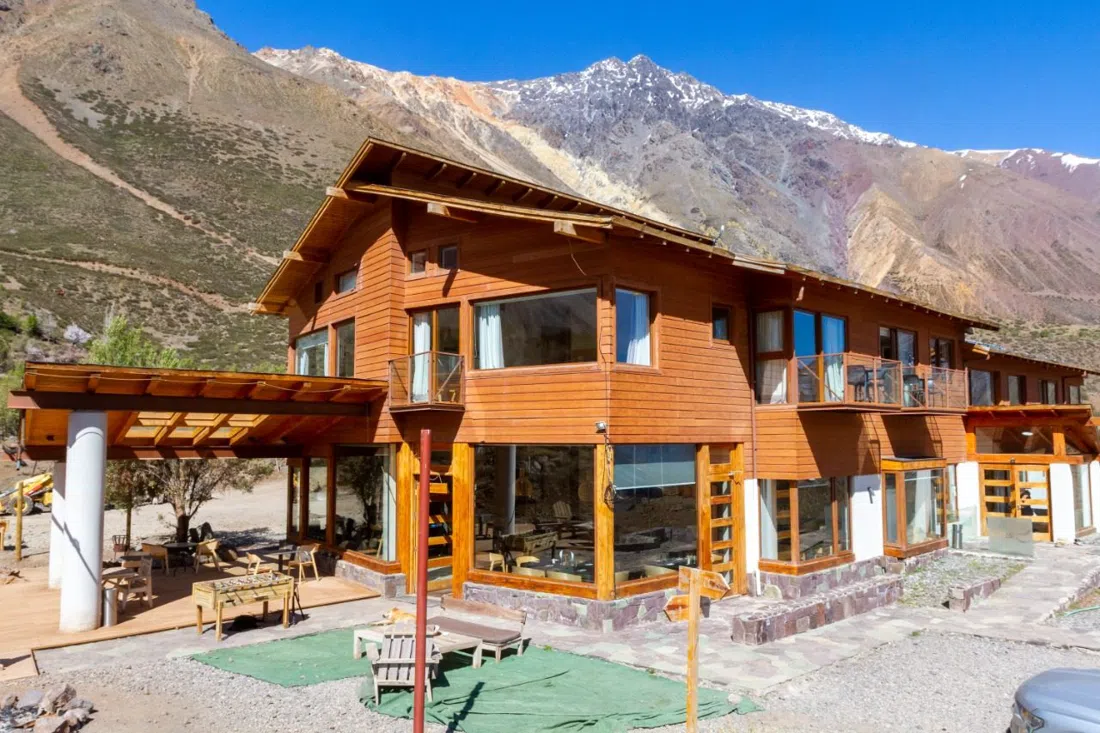
Further up, El Morado Lodge (km 75.6 on Camino al Volcán, around 1,900 m) is the old German refuge and the natural base for the upper valley. Rooms and self-catering apartments run CLP 95,000 to 300,000 a night, and because the restaurant serves day visitors a party can simply drive up for lunch without staying. The road above the last village is rough and can shut after snow, so ring ahead rather than committing to the drive.
Monumento Natural El Morado (top of the Cajón del Maipo, above the lodge) is the cleanest lungful within a morning's drive of the city. CONAF keeps it open all winter on shortened hours, entry until roughly 12:00 or 12:30 and everyone out by 17:00, at CLP 4,200 per person per day. Buy passes in advance at pasesparques.cl; there is no gate sale to fall back on. Groups declare party size, route and return time at the entrance, which is a formality for normal walking parties but does mean everyone needs their own booked pass. The access road closes in bad weather, so check before setting off.
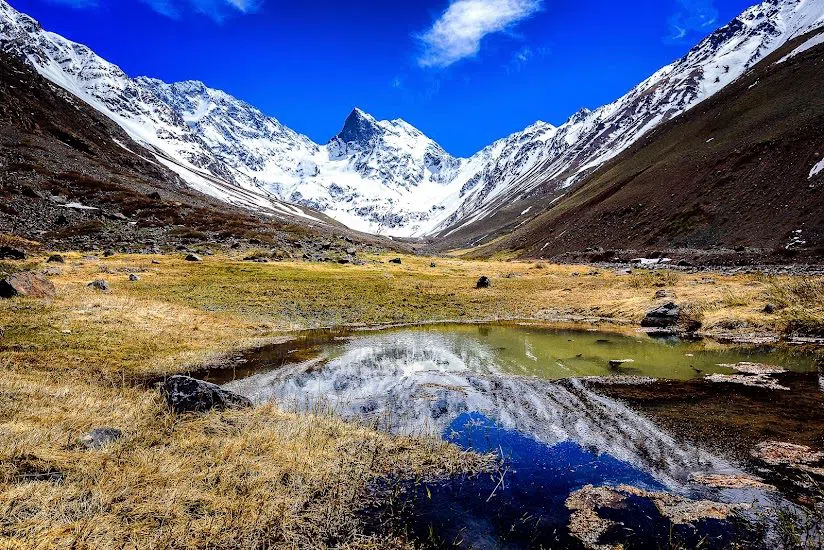
A booked park to the south-east
Parque Nacional Río Clarillo (south-east of the city, in the vineyard country beyond the ring road) works on a daily visitor quota with named advance passes, around CLP 5,000 to 8,000 per adult. It is open Tuesday to Sunday, 08:30 to 17:00, with last entry at 13:00. Arrive at two and you will be turned away. The closed valley pulls clean air down off the range, which makes it noticeably better than the air twenty minutes behind you.
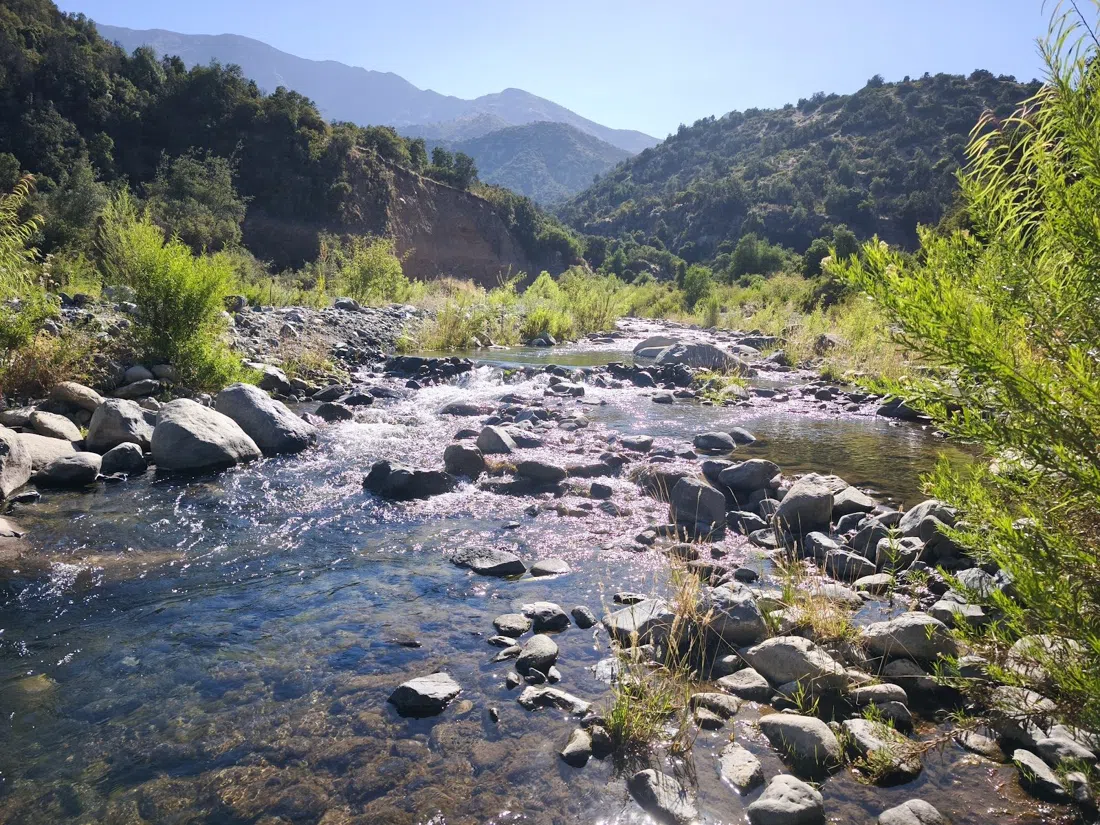
One caveat that catches walkers out: the Rincón de los Bueyes, Aliwén Mahuida and Peumal trails are currently shut after flood damage took out the footbridges. The Carlos Díaz trail is inclusive and wheelchair-accessible, and remains the surest bet for a mixed group.
Hot water for people who will not hike
Not everyone wants altitude earned on foot. Termas de Jahuel Hotel & Spa (Aconcagua valley, ninety minutes north) sits at about 1,200 m outside the Santiago basin entirely, open right through winter, with indoor and outdoor pools that cope with volume. Rooms run roughly CLP 180,000 to 350,000 a night and day spa passes are available, which is the useful part: you can drive up, swim in clean air and drive back. It doubles as a conference and events venue, so expect company retreats and weddings in the building, and that is also why it handles large parties well.
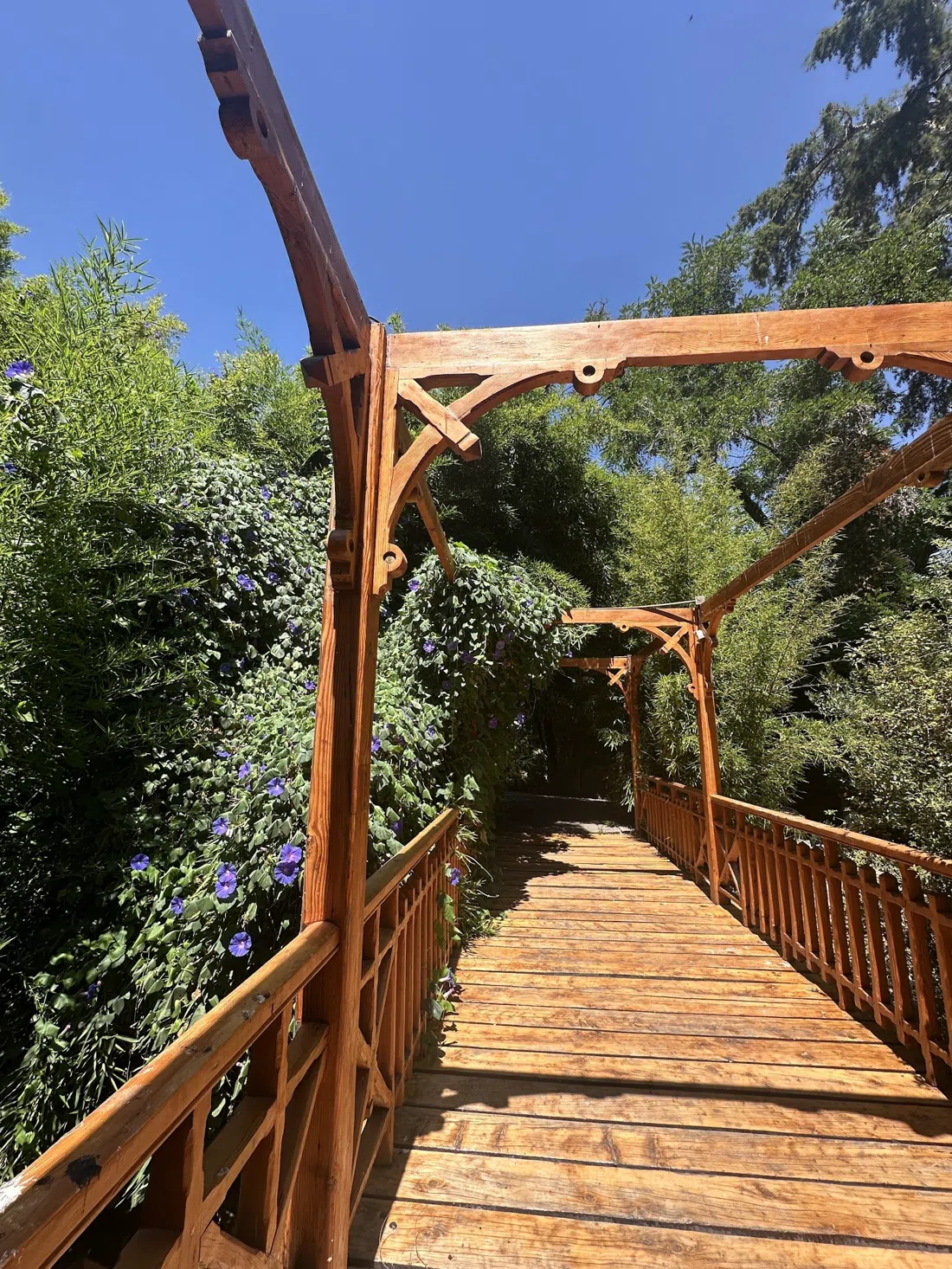
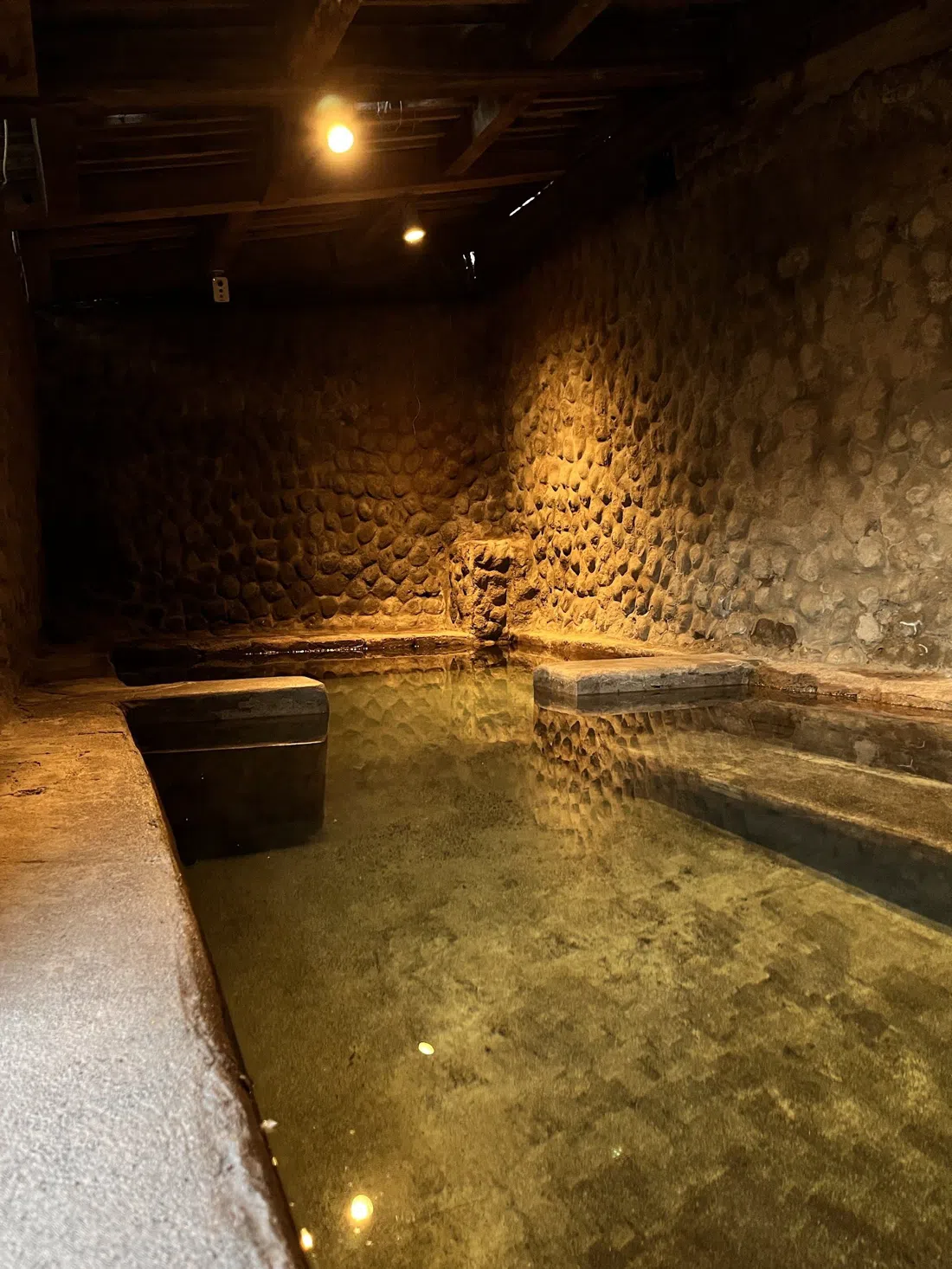
Hotel Termas de Cauquenes (up the Cachapoal valley, well south) is the historic option: a 17th-century spring that Darwin wrote about, in a valley away from the city's trapped air. Day bath tickets are around CLP 25,000 to 40,000 and rooms start near CLP 130,000. The logistics are strict and catch people out constantly. It opens Thursday to Sunday only, everything runs by reservation into fixed bath slots at roughly 09:00, 13:30 and 20:00, and a group should book out a whole slot. Do not just turn up.
Why winter stargazing fails from the flat city
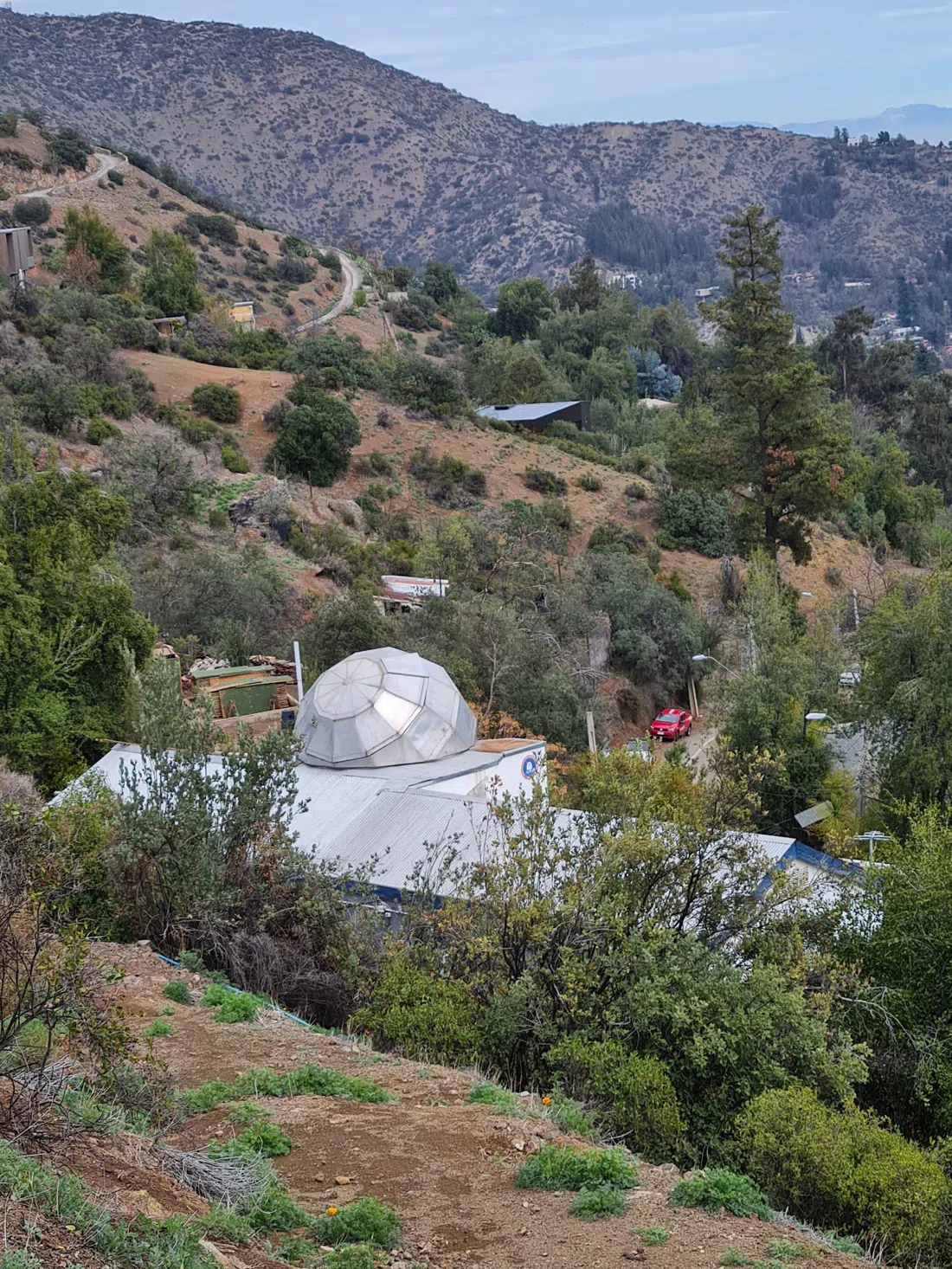
The same haze that ruins the mountain view ruins the sky. Observatorio Cerro Pochoco (Lo Barnechea foothills) sits high enough to get above most of the particulate, which is why it still works in June when the flat city does not. The ACHAYA astronomy association has run it since 1957. It charges around CLP 8,000 to 12,000 per person and opens Friday evenings to the general public, with weekday 19:00 slots reserved for booked groups. Email or phone in advance: it is a small site and it never takes walk-ins. It also gets properly cold after dark, so bring more layers than you think.
Getting there, paying and timing it
In the city, the metro and buses on a Bip card beat driving on restriction days. For the mountains you need either a hire car or a seat on a resort bus. El Colorado and Valle Nevado both run day services from Las Condes and they are the low-stress option, because the G-21 has police checkpoints that will turn you back without chains or 4x4 after snow, and one-way time windows in peak season. The Cajón del Maipo is drivable year-round to about the last village, rougher above it. Ride-hailing out to the valley is possible but expensive and hard to reverse at the end of the day.
Cards work everywhere in the city, but carry Chilean pesos for park gates, small mountain kiosks and parking. Both national protected areas here, El Morado and Río Clarillo, need passes bought in advance online at pasesparques.cl, per named person, and Cauquenes needs its bath slot reserved. Those three are the ones where turning up unannounced simply fails.
The haze is worst from late May to mid-August, and worst of all in the mornings after several still, dry days. Go up early anyway: mountain roads, park quotas and shortened winter gate hours all reward a 07:00 start far more than clean-air timing would. Watch the forecast for a front. The day after rain is the one clear day the city gets, and it is the day to stay put and look at the Andes from street level.
On budget, a city-edge walk is under CLP 10,000 a head. A national park day with a hire car lands around CLP 25,000 to 40,000 per person all in. A snow day at the nearest resort with a bus seat and lift ticket is closer to CLP 90,000 to 120,000. A week at a full-board mountain hotel or a cat-skiing buyout is a different order entirely, from US$450 a day upward. For a base, the eastern communes put you closest to the mountain road and the cleanest morning air in town. Compare rates on the Santiago hotel search before committing to the centre.
19 September 2026 · a first week before the flat: the Santiago hotel directory