Manila · The weekend · 10 min
A Manila Weekend of Coffee and Window-Shopping
Two unhurried days in Manila built around specialty coffee, weekend markets, record crates and malls you can browse without buying a thing.
Saturday in Makati begins in a park full of frying pans, and by nine the smell of longganisa has drifted two blocks over to a roastery where someone is weighing beans for the day's first pour-over. This is the version of Manila that works without an itinerary: two days spent moving between good cups and rooms full of things you are allowed to look at and not buy. The traffic is still the traffic, so the trick is to cluster each day into one district and let the browsing happen between coffees.
Saturday starts in Salcedo, before the heat
Salcedo Saturday Market (Salcedo Village, Makati) has been running in the same park since 2004, and it is finished by 2pm. By half past one the stallholders are already folding their tables, so the real window is 7.30am to about 9am, while it is still cool enough to eat standing up. It is an open park: no door policy, no group limit, come as two or as ten. Between ₱100 and ₱500 feeds you properly. A plate of garlic rice with sweet, garlicky longganisa lands around ₱150 to ₱250; white cheese and warm pandesal from the dairy stalls is about the same; a tub of suman or kutsinta to carry off is ₱80 to ₱150, and fresh calamansi juice rarely breaks ₱100. The people behind the tables are producers, not concessionaires, so ask what farm the coffee cherries or the honey came from and you will get a straight answer, because they drove it in themselves.
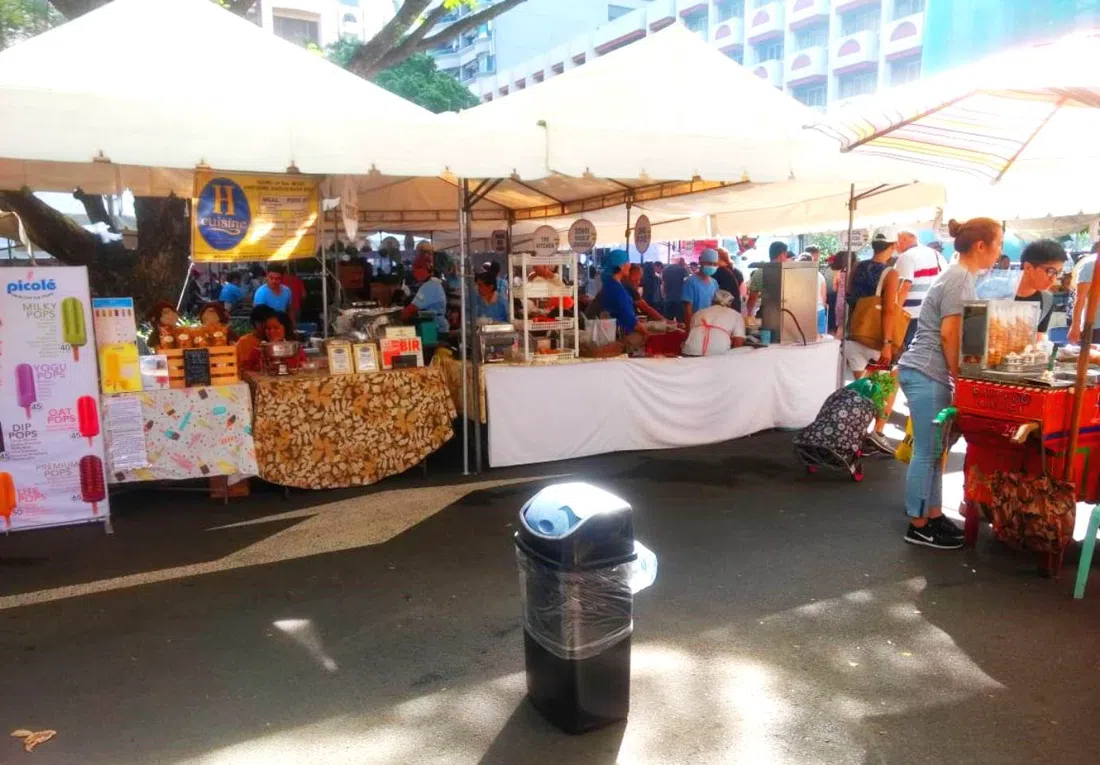
If your weekend runs the other way round, the Sunday counterpart is the Legazpi Sunday Market in Legazpi Active Park, and it leans organic produce rather than a cooked breakfast: vegetables, bread, preserves. Excellent if you have a kitchen, thinner if you arrived hungry.
Where Legazpi Village keeps its best cup
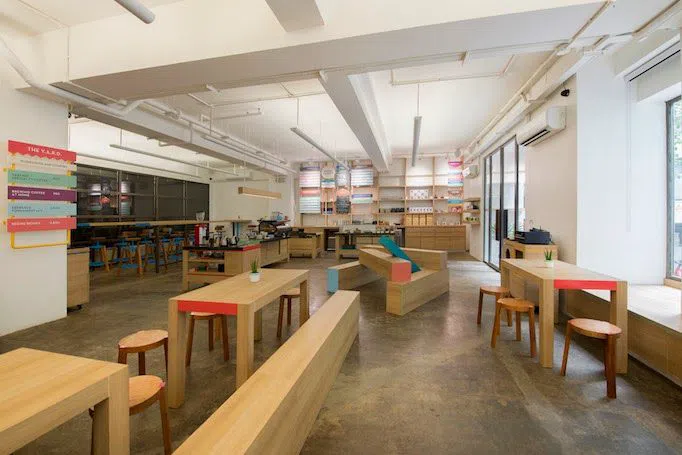
Ten minutes on foot from the Salcedo park is Yardstick Coffee (Legazpi Village, Makati), the coffee stop I would defend hardest in this city. It is ranked No. 34 in the World's 100 Best Coffee Shops for 2026, which is not a thing Manila gets to say often. The Legazpi flagship is the full version: a proper kitchen, a bean shop and a Flavor Bar where the staff will pull apart what you are tasting rather than just handing it over. Coffee is ₱180 to ₱350, food ₱400 to ₱800, and the doors are open 7am to 8pm every day, which makes it both the first stop of a Saturday and a safe landing at dusk.
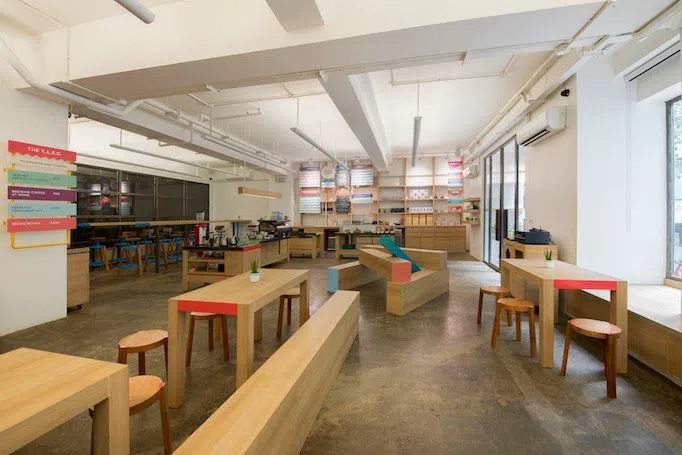
There are no bookings for normal tables. You walk in and you take what is free. The long communal table absorbs four to six people without drama; above that you are splitting up, unless you reserve the upstairs workshop room in advance, which is the only part of the building you can hold. Order filter first, espresso second, and buy beans on the way out rather than on the way in, so you are not carrying them around all day.
The Makati coffee crawl in the order it works
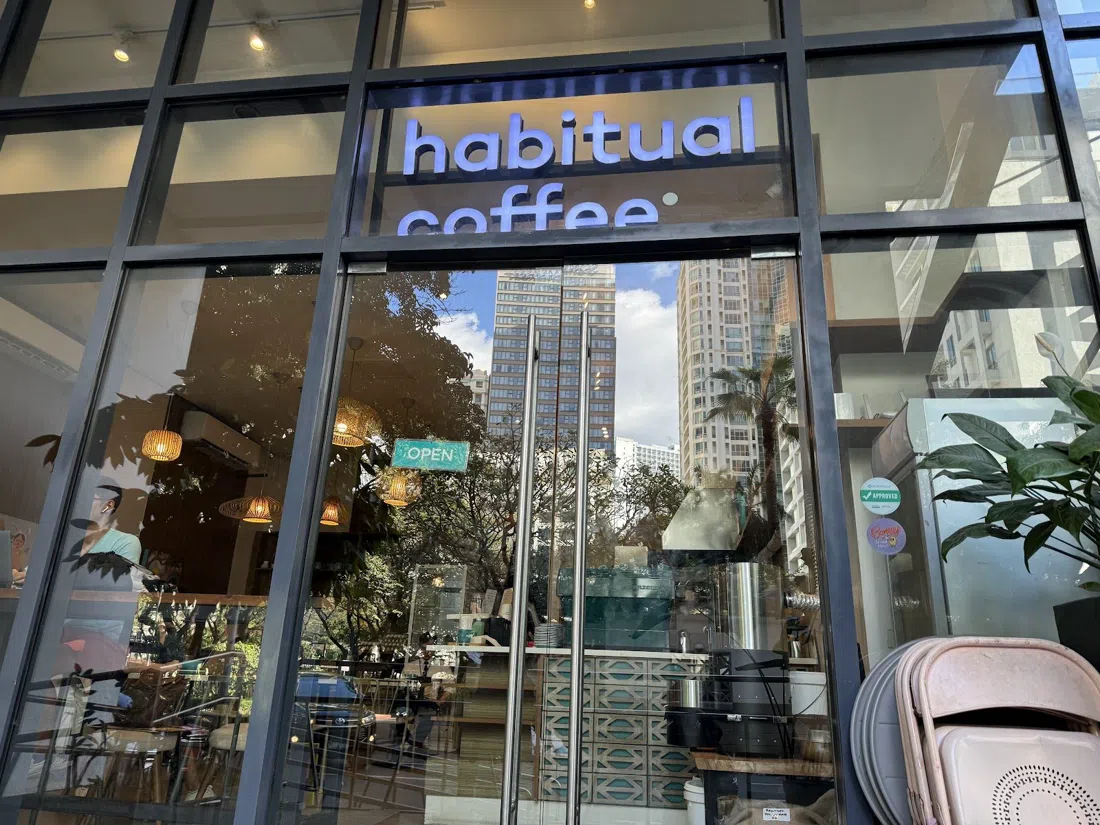
Habitual Coffee (Makati) is small, counter-led and unapologetic about it. Kaye Joy Ong, who co-founded it, won the Philippine AeroPress Championship in 2015 and came third at the World AeroPress Championship, so order the AeroPress rather than the espresso, and accept that you may be drinking it standing at the counter. Cups run ₱160 to ₱280. Pairs and threes only; there is no group seating, and pretending otherwise just clogs the room for everybody.
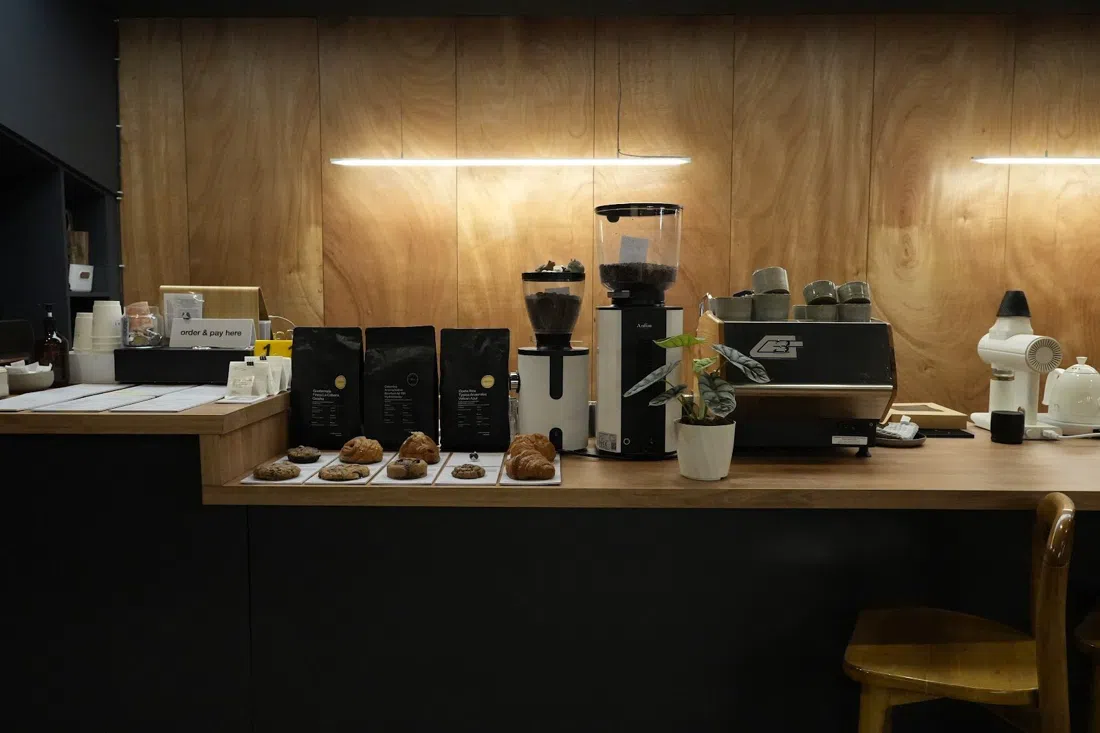
Satori Specialty Coffee (Makati) is a compact upstairs space and the most quietly educational cup in the district. They hand you a card on the day's beans and the farm they came from before you drink, which turns a ₱180 to ₱320 coffee into twenty minutes of actual learning. Two to four people fit comfortably; there is no door policy, but there is also no room. It stays open to 9pm Friday through Sunday, so it is the rare specialty bar that will still make you a proper cup after dinner.
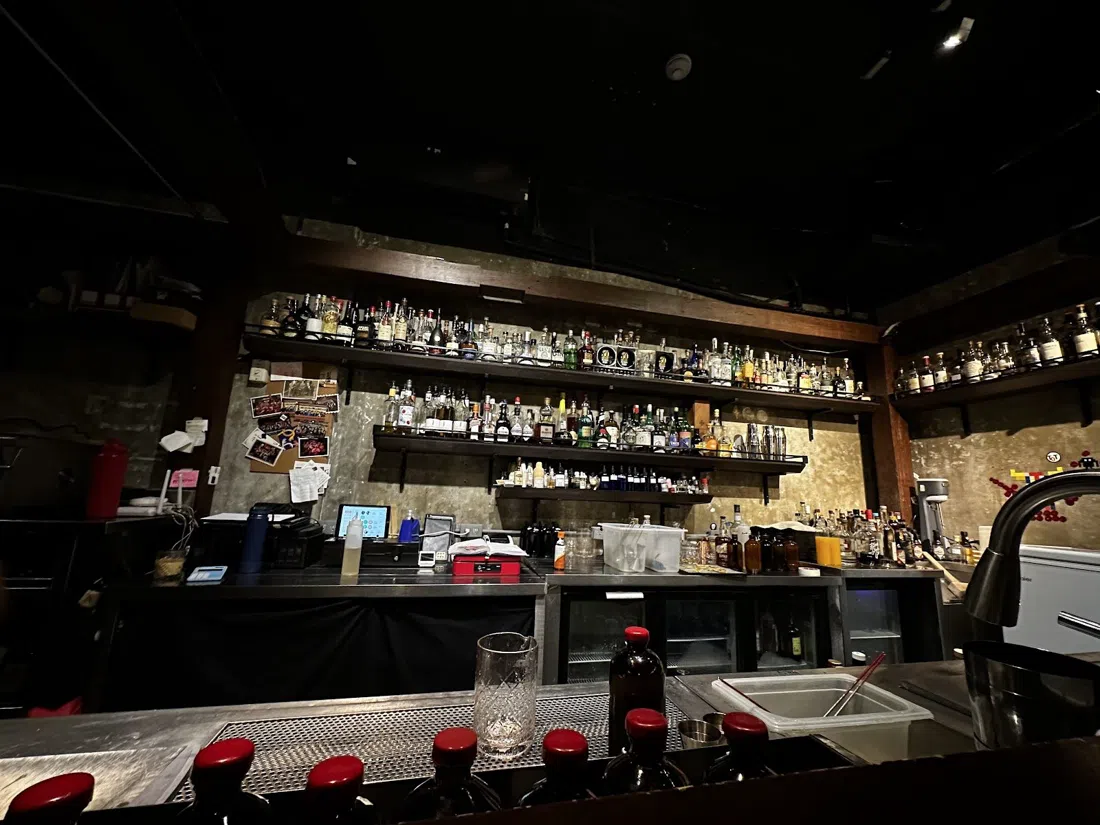
The Curator Coffee & Cocktails (Legazpi Village, Makati) does the whole day in one address: a third-wave coffee bar until 5pm, a serious cocktail room from 6.30pm. That switchover is the thing to plan around. The room is tiny, fine for two to four and awkward above six, and if you want a seat on the cocktail side you need to be inside before 6.30pm, not arriving at it. Coffee ₱180 to ₱300, cocktails ₱500 to ₱700.
The one room in Makati that stays open late
Commune Café + Bar + Roastery (Poblacion, Makati) has poured 100% Philippine coffee since 2013, and it is the easiest place in the city to taste local single origins side by side: Benguet against Sagada against Mindanao, in the same sitting, with someone at the bar who can tell you why they taste different. Coffee is ₱150 to ₱300 and plates ₱350 to ₱600.
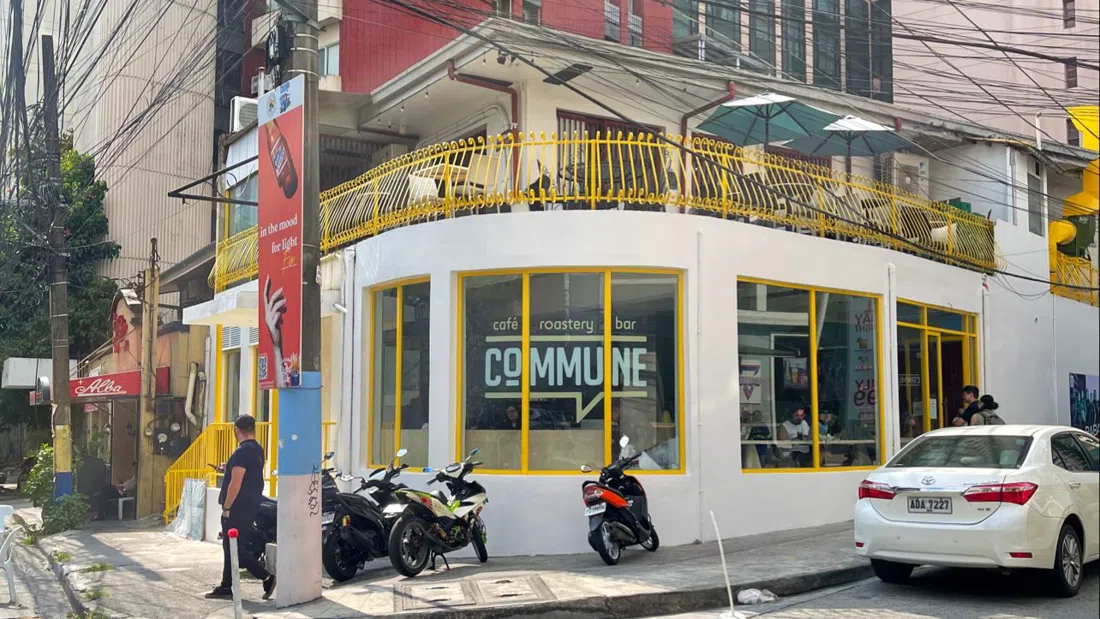
It is also the genuinely group-friendly one, with two floors, a balcony, and a bookable events space upstairs if you are eight or more and want to sit together. Doors open at 8am and run to midnight, 1am on Friday and Saturday, so it works as a working morning, a late-afternoon regroup or the end of the night without changing venue.
Two Makati malls worth a slow lap
Greenbelt (Ayala Center) (Makati) is where the window-shopping actually happens. Greenbelt 3 and 5 carry the shops, and the garden between the buildings is the nicest indoor-outdoor loop in Makati: real trees, a chapel on the water, air-conditioning three steps away whenever the humidity wins. Entry is free, every group size is fine, retail runs mid-market to luxury. One piece of routing: Greenbelt 1 has been closed since April 2024 for redevelopment and is not due back until 2028, so ignore any map that still sends you through it.
Power Plant Mall (Rockwell, Makati) is the calmer alternative and the better one if crowds flatten you: over 200 shops, and noticeably less traffic through them than the big Ayala or SM floors. Fully Booked is upstairs for an hour of unhurried browsing, Toyo Eatery is in the building if you want a serious dinner, and there is a Yardstick branch inside, which means you never have to leave to get a decent flat white for ₱180 to ₱350. Open 10am to 10pm.
An afternoon on foot in Bonifacio Global City
Bonifacio High Street (BGC, Taguig) is the only stretch of Metro Manila where you can window-shop outdoors without negotiating traffic: a wide central strip with shops down both sides, free to walk, no door policy, any group size. It is the safest default for a first afternoon in the city, and it is pleasant at 5pm when the heat drops.
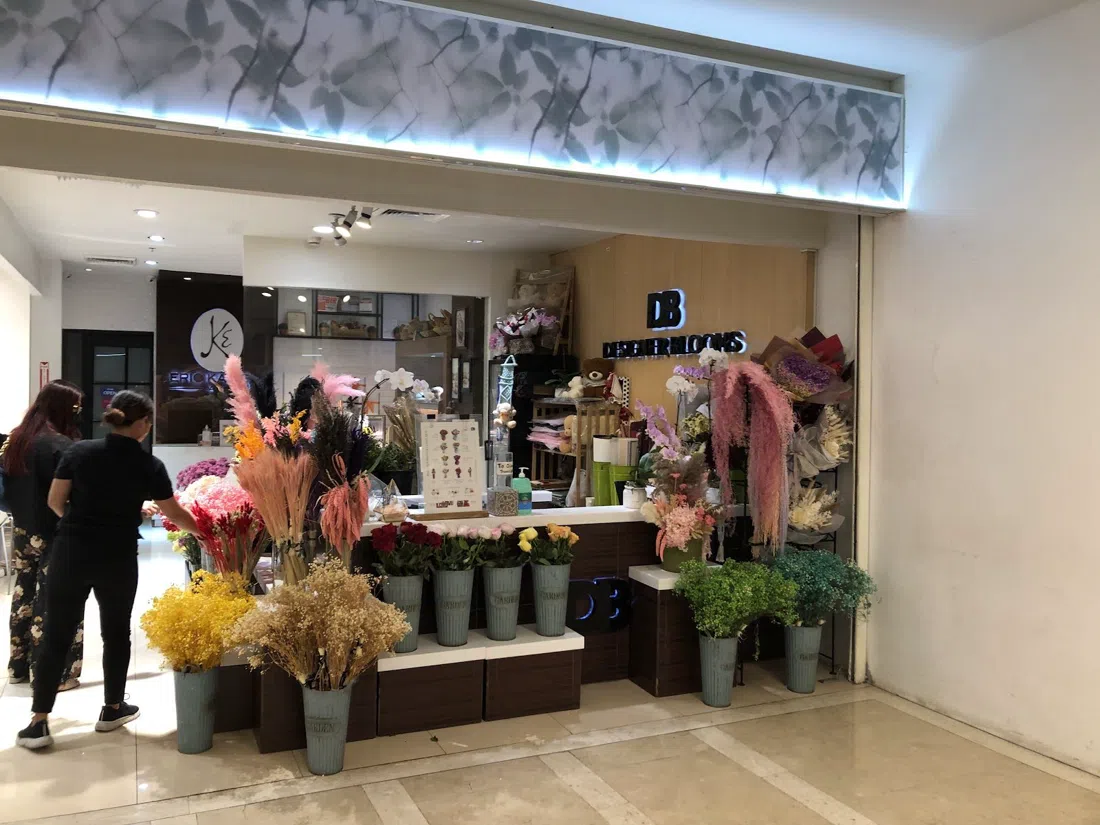
Off the same strip, Mitsukoshi BGC (BGC, Taguig) is the first Mitsukoshi in the Philippines and worth an hour even if you buy nothing. The country's first Kinokuniya carrying Japanese-language titles sits inside, alongside a food floor where ₱300 gets you a decent bowl and ₱1,200 gets you a long lunch. Check the hours before you walk over: it opens at 11am on weekdays but 10am on weekends and holidays, which is the opposite of what most people assume.
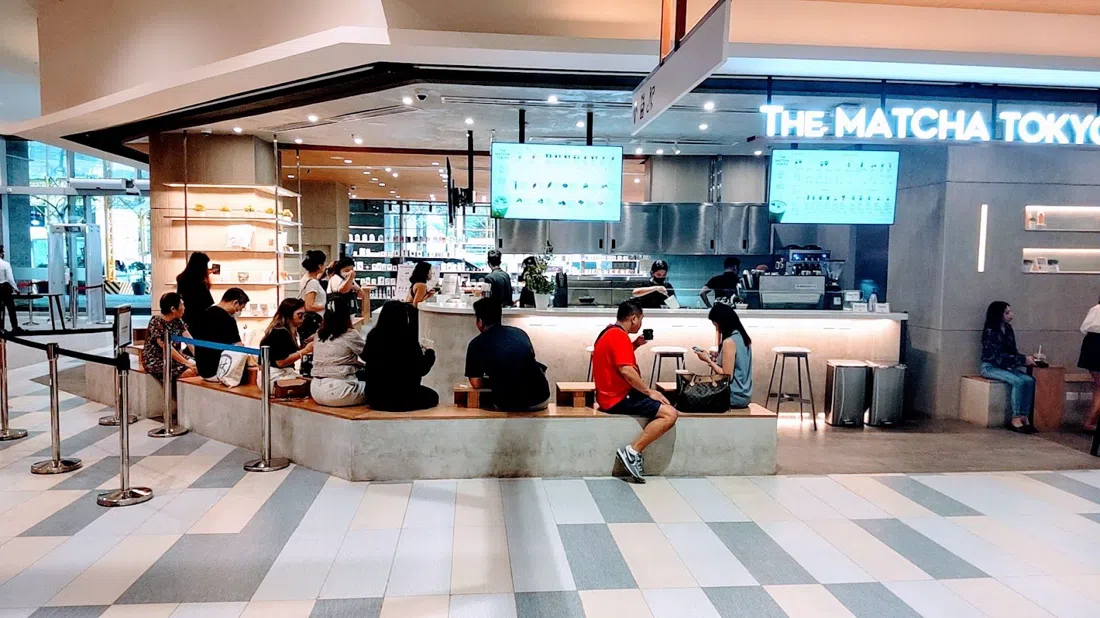
When half your party wants coffee and the other half wants a full plate, Elephant Grounds (BGC, Taguig) settles it. It is an import that landed in BGC in 2019, it runs 8am to 11pm, and unlike almost everything else on this list it has proper table service and brunch-sized tables, which makes it the most group-ready café here by a distance. Coffee ₱200 to ₱350, brunch ₱450 to ₱800.
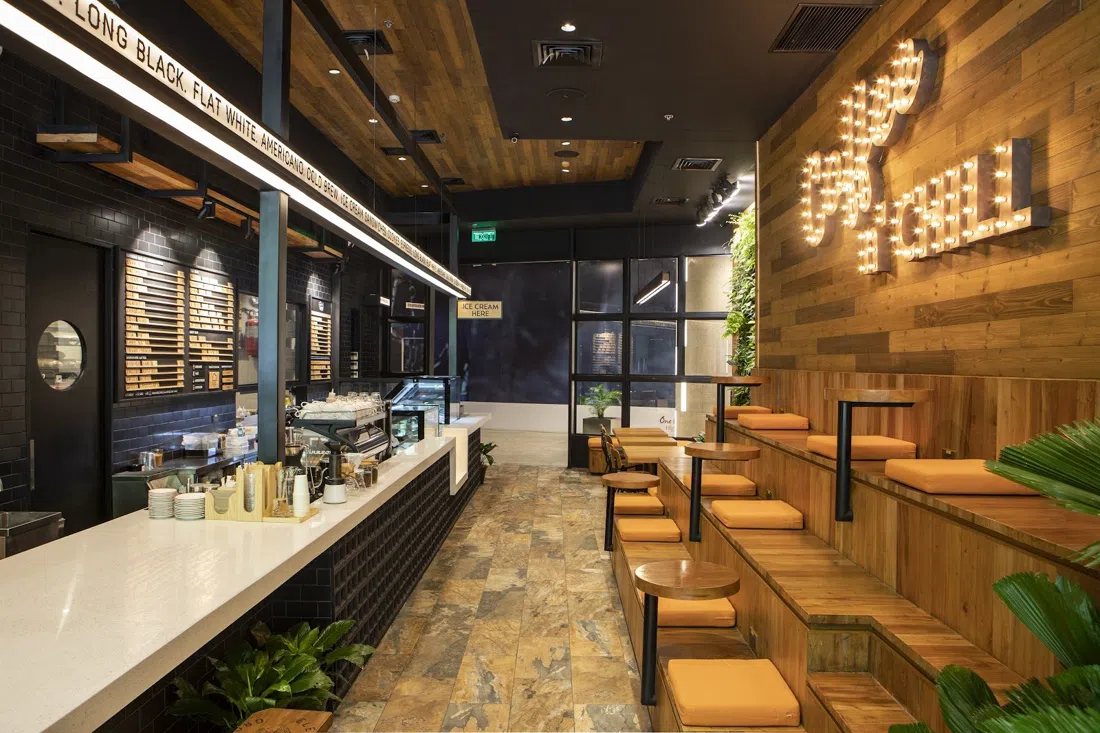
Records and crates in Mandaluyong
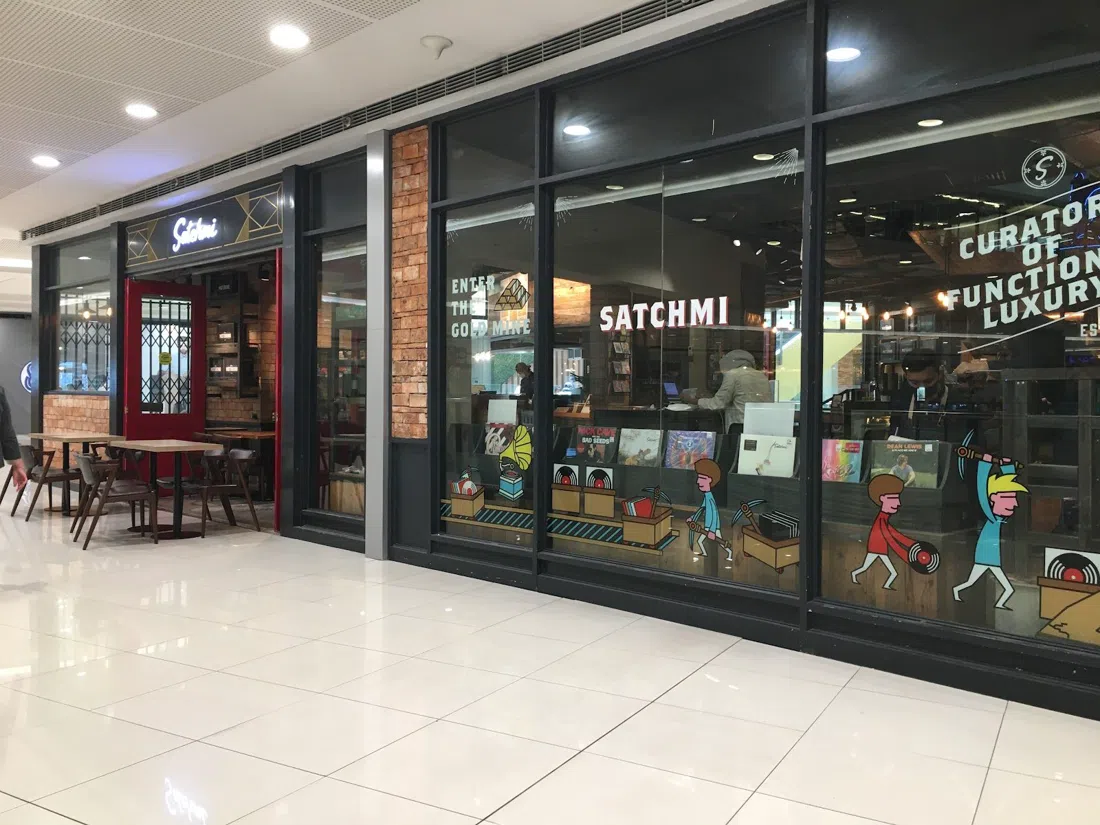
Satchmi (SM Megamall, Mandaluyong) is the cleanest coffee-and-window-shopping hybrid in the city: flip through the crates, hand something to the counter, hear it on their deck, then eat beside the racks. Coffee is ₱180 to ₱300 and records run ₱800 to ₱3,000, with the reissues at the top of that band. The floorplan is roomy enough for a group, but the listening station is one person at a time, so a party of six means five people browsing while one listens. Plan for that rather than hovering. And check your directions: it is in Mandaluyong, not BGC, whatever some guides still tell you.
The old-Manila day
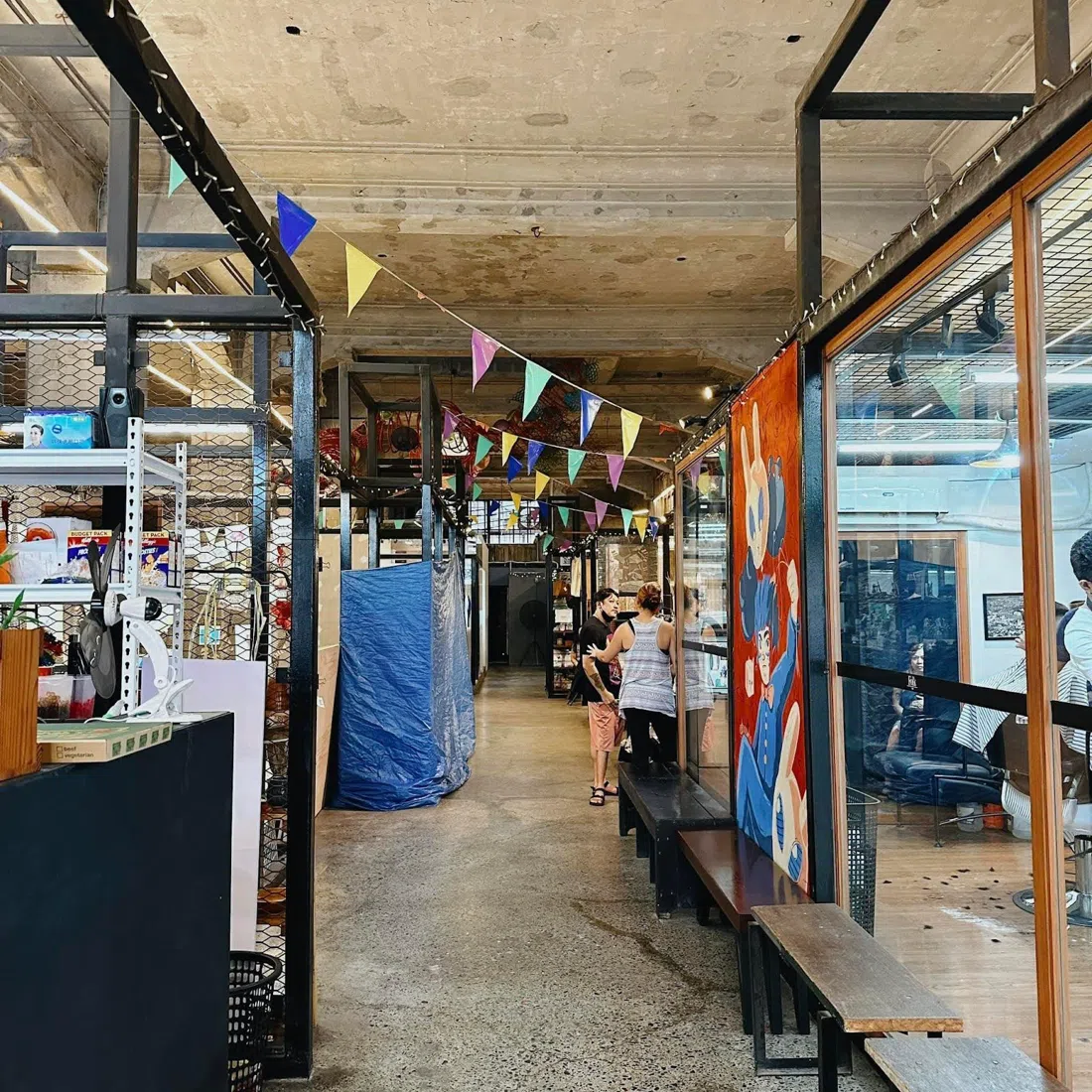
Give the second day to the north side of the river, and build it around HUB: Make Lab (First United Building, Escolta), where independent labels, upcycled clothing, prints and refurbished antiques are laid out in stalls inside a landmark art-deco building, with a coffee shop, The Den, permanently in the same hall so you can sit down mid-browse. Entry is free and goods run ₱200 to ₱2,000. Saturday, 11am to 8pm, is the busiest and by far the best day; on a quiet weekday you may find half the stalls dark. It is informal and group-friendly, and it is the strongest single reason to cross into old Manila.
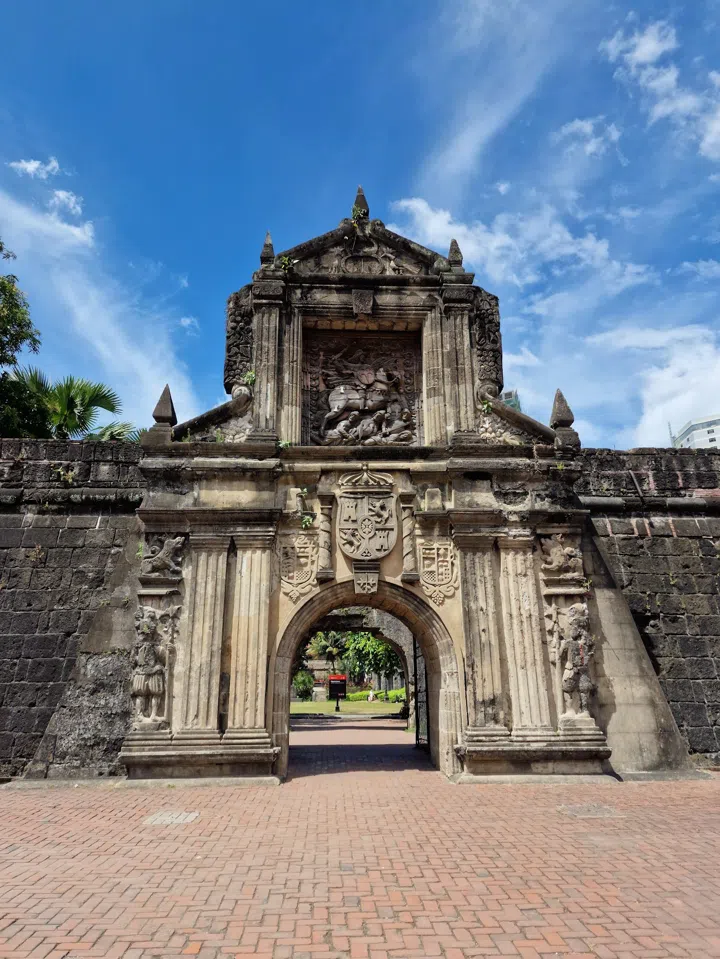
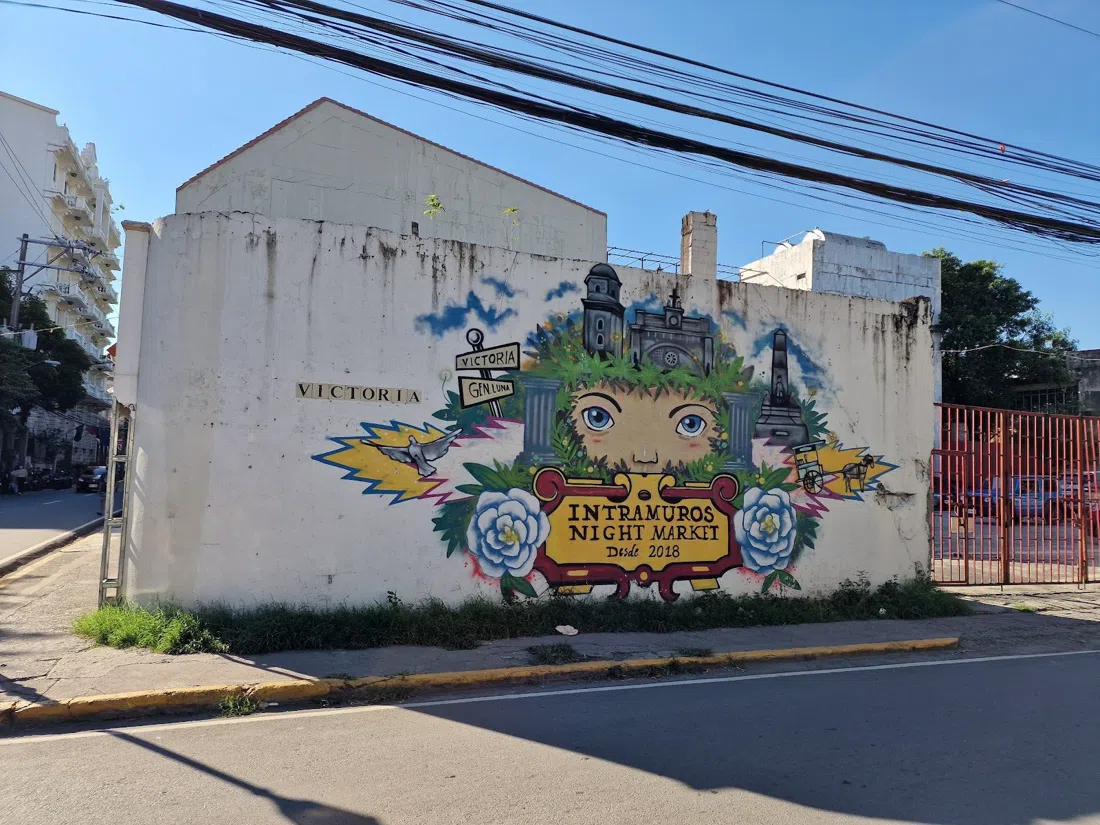
A short ride away, Silahis Arts & Artifacts (Intramuros) has been trading since 1966 and is closer to a museum than a shop: textiles, folk art, ceramics and prints, with staff who will explain which region a piece came from and then leave you alone. Crafts start around ₱300 and serious pieces run past ₱10,000. Small groups only, honestly, because the stairs are narrow and the stock is fragile. Go early for the best selection.
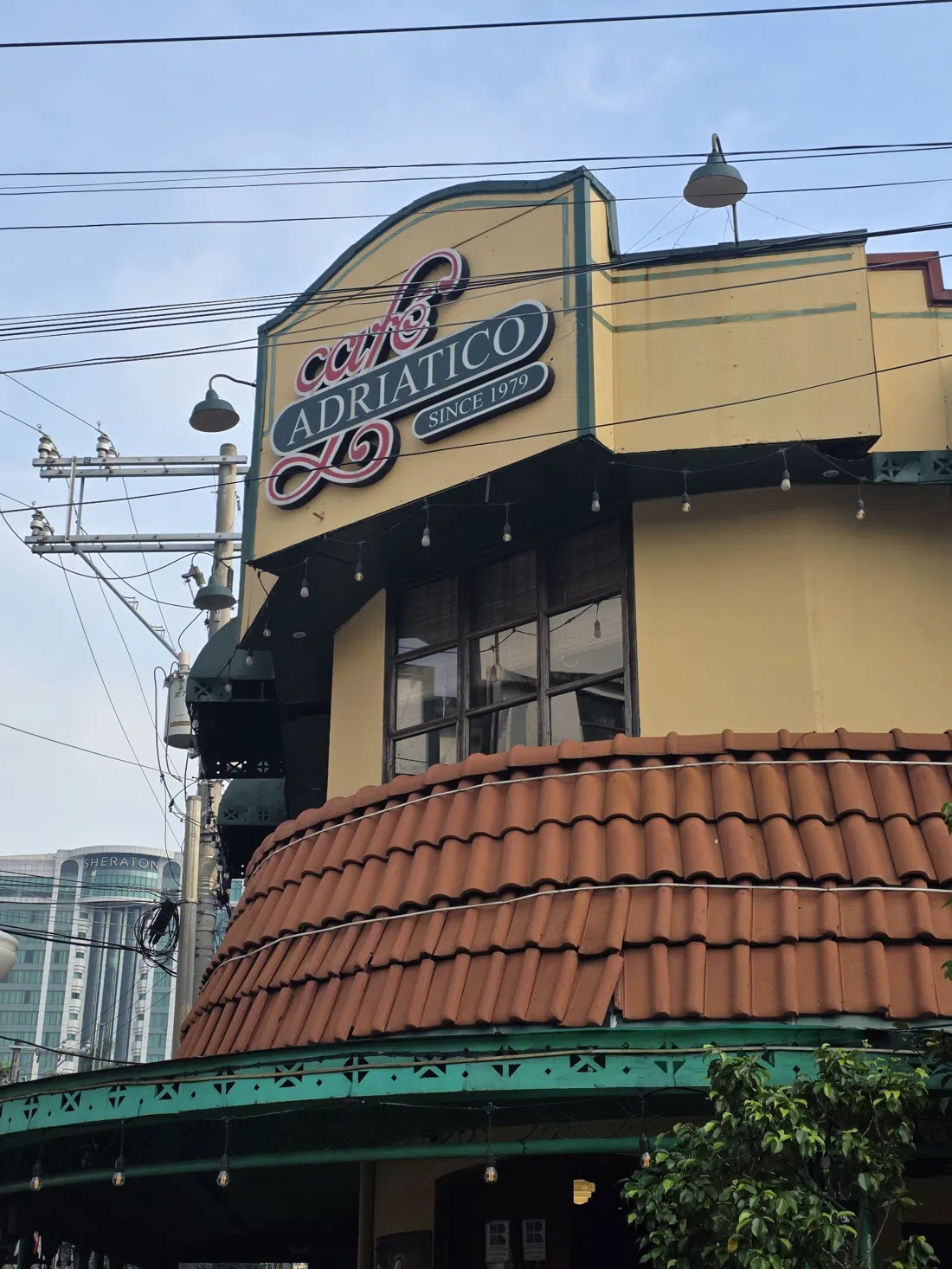
Finish at Café Adriatico (Remedios Circle, Malate), open since 1979 and still running 7am to 10pm daily at the original. Coffee is ₱150 to ₱250 and mains ₱400 to ₱900, but you come for the room: dark wood, old glass, a Filipino-Spanish menu that has not chased a trend in decades. It takes groups well. The Malate original has multiple rooms and is used to long tables, which makes it the one place here you can book a birthday into without apologising.
Cubao after three
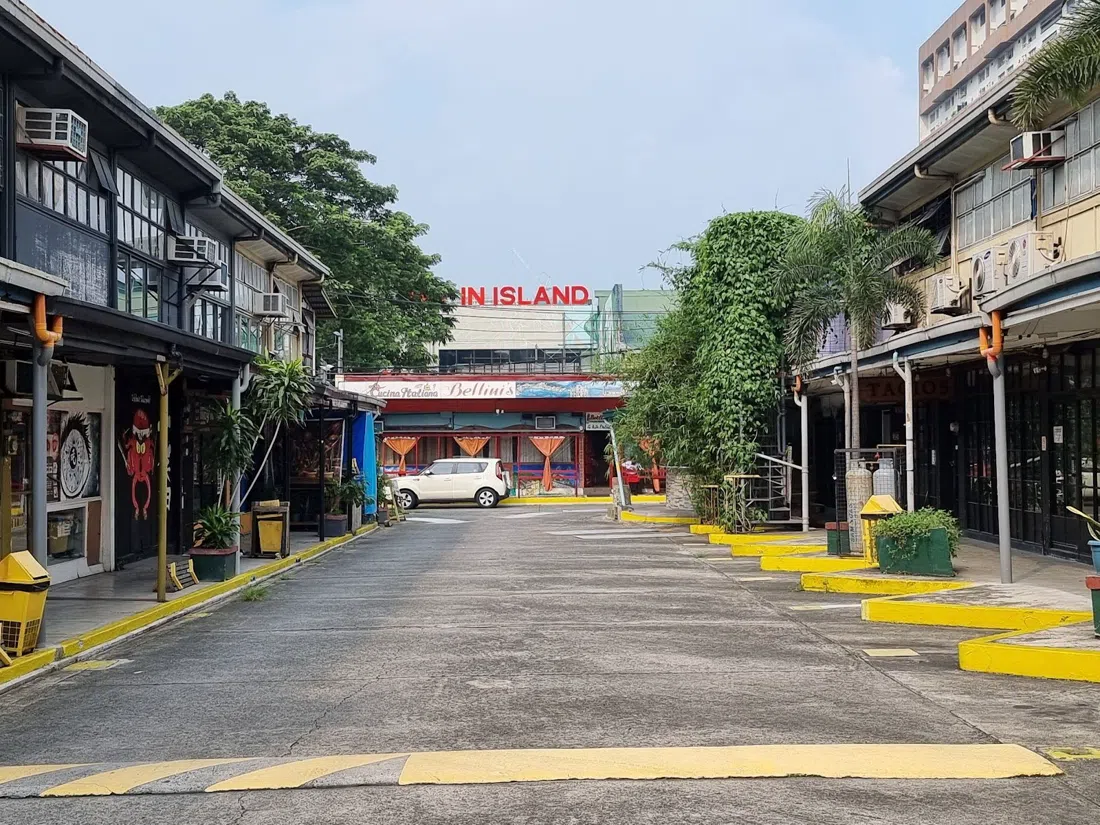
Cubao Expo (Cubao, Quezon City) is a loop of vintage shops, collectors' stalls and hole-in-the-wall bars around a small courtyard, and finds run ₱200 to ₱3,000. The timing is not negotiable: the shops only open around 3pm, so anyone who schedules it for the morning is walking a ring of shutters. Individual shops are tiny and take two or three browsers at most; the bars between them will happily take your whole group while the others shop.
Which rooms take a group and which do not
If there are more than four of you, your anchors are Commune, Elephant Grounds, Café Adriatico, Bonifacio High Street and the markets, all of them either large, street-level or built for long tables. Yardstick will seat four to six at the communal table if it is free, and will hold the upstairs workshop room if you ask ahead. Habitual, Satori, The Curator and Silahis are two-to-four rooms, full stop; walking six people into any of them is a bad afternoon for everyone including you. Nothing on this list operates a dress code or a door policy, so what limits a group is floor space, not attitude.
Getting around, paying and what a day costs
Keep each day inside one district and you will barely sit in traffic. Makati is walkable end to end, Greenbelt to Legazpi Village in fifteen minutes; BGC is entirely walkable once you are in it, but not from Makati, so ride. The MRT along EDSA is the fast way to SM Megamall and to Cubao when the road is solid; for Escolta, LRT-1 to Carriedo and a short walk beats any car on a Saturday. Otherwise use a ride-hailing app and expect ₱200 to ₱400 for a cross-district hop, more in the 5pm to 8pm crush.
Carry cash in small notes. The Salcedo and Legazpi markets, the Escolta stalls and most Cubao shops are cash-first; cafés and malls all take cards. Budget roughly ₱1,500 to ₱2,500 per person per day for coffee, two meals and transport, before anything you actually buy. The shopping is the variable, and window-shopping costs nothing.
On where to sleep: staying in Makati or BGC removes about an hour of traffic from each day and puts most of this list inside a walk, so start with a Manila hotel search around those two. Malate is cheaper and puts you next to Café Adriatico, at the cost of a longer ride to the coffee. For everything beyond the cups and the crates (the food, the museums, the day trips out), see our full Manila guide.
17 September 2026 · a first week before the flat: the Manila hotel directory