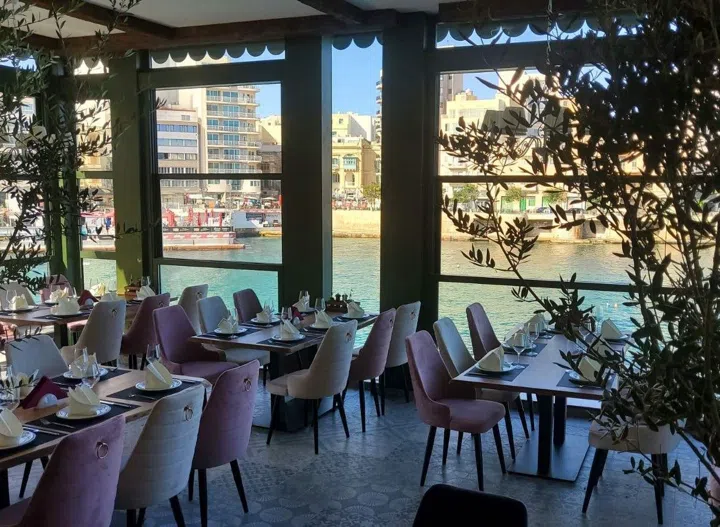
St Julian's · The weekend · 12 min
Beating the Blue Grotto Boat Queue from St Julian's
The boats at Wied iż-Żurrieq are walk-up only and cost about €10 in cash. The hour you arrive and the wind decide whether you get out at all, and where you join the quay decides how long you wait.
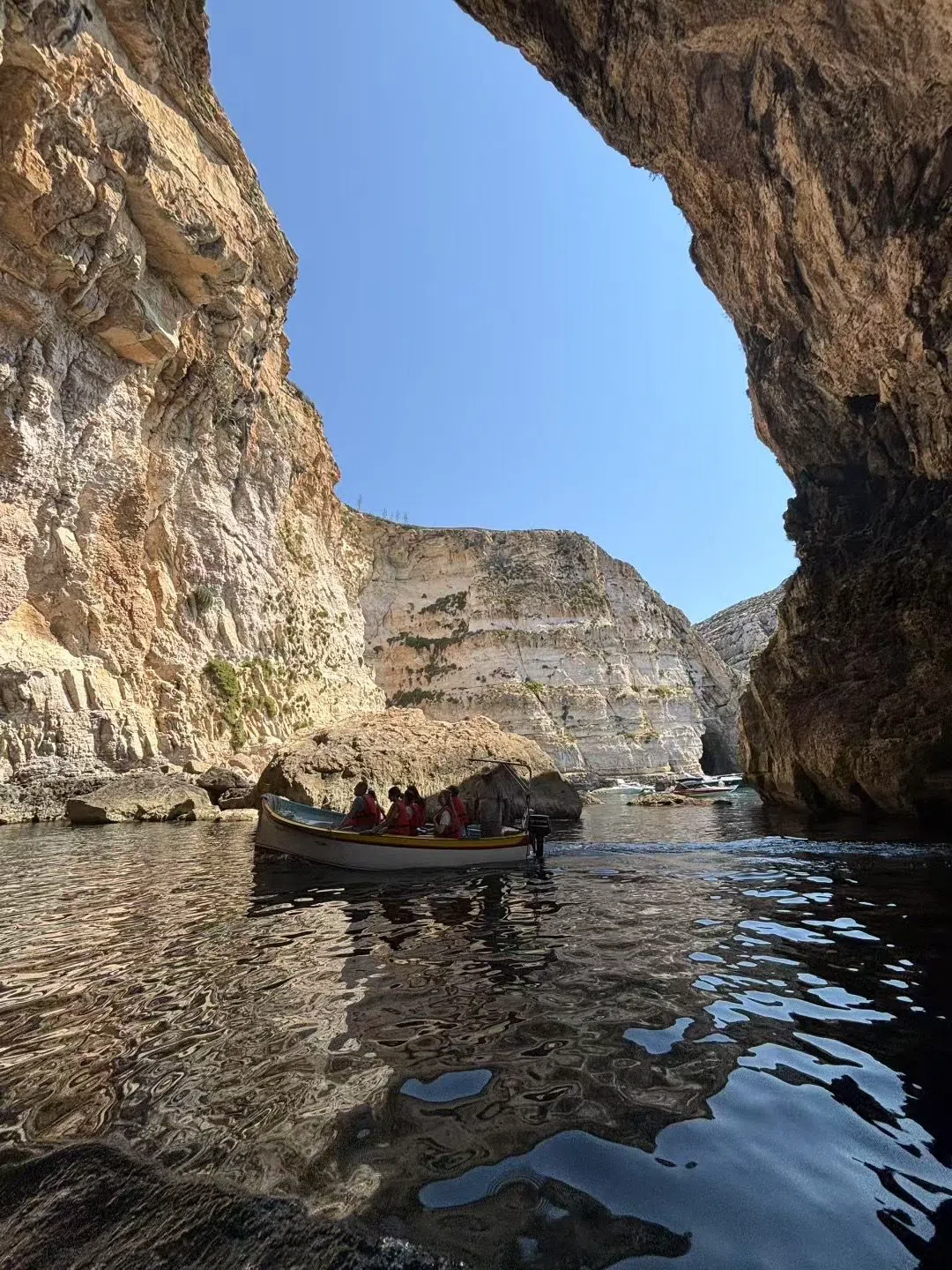
The boats at Wied iż-Żurrieq are small, open and sit low in the water, and the run they do lasts about as long as it takes to drink a coffee. You go out past a limestone arch, turn into a line of sea caves where the light comes up off the seabed instead of down from the sky, and you are back on the quay inside half an hour. Almost all of the difficulty in the day happens on land: the coach timetable, the wind direction, and the order in which you walk the short piece of road between the viewpoint and the ticket kiosk.
What the boat run is
Blue Grotto Boat Service (the quay at Wied iż-Żurrieq, on Malta's south coast) works out of a kiosk at the bottom of the hill, a few steps from the landing stage. It is about €10 for an adult and €5 for a child, paid in cash at the window, and there is no reservation system at all. You turn up, pay, and wait for a boat. The craft seat roughly eight to ten passengers plus the boatman, and that one number shapes everything else about the morning.
The run lasts 20 to 25 minutes. You pass under the arch that most people know from photographs, then the boatman works along the cliff into a string of caves, holding the boat inside each one for long enough to look. The colour is the point: sunlight enters the water outside the cave, reflects off a pale sand floor and comes back up through the opening, so the interior glows rather than being lit. The walls carry orange and violet mineral staining, and in the deeper caves the water reads almost black at the edges and electric in the middle.
Nobody lands anywhere and nobody swims from these boats. You stay seated, you will get some spray on a lively day, and the whole thing depends on the weather. Count on two and a half to three hours for the stop as a whole if you want the viewpoint, the boat, a queue and something to eat, rather than the 25 minutes the ride itself takes.
Walking the strip from the layby down to the kiosk
Start at the top. Blue Grotto Panoramic Viewpoint (the Panorama layby on Triq Panoramika, above the inlet) is an open roadside terrace with no gate, no ticket and no limit on numbers. Parking is free in principle, though on busy days someone will wave you into a space and ask €2 to €3 for it. This is where the postcard picture is taken, not from the boat, where you are too low and too close to get the arch into one frame. Stop here first, because if you do it afterwards you will be hot and you will not bother.
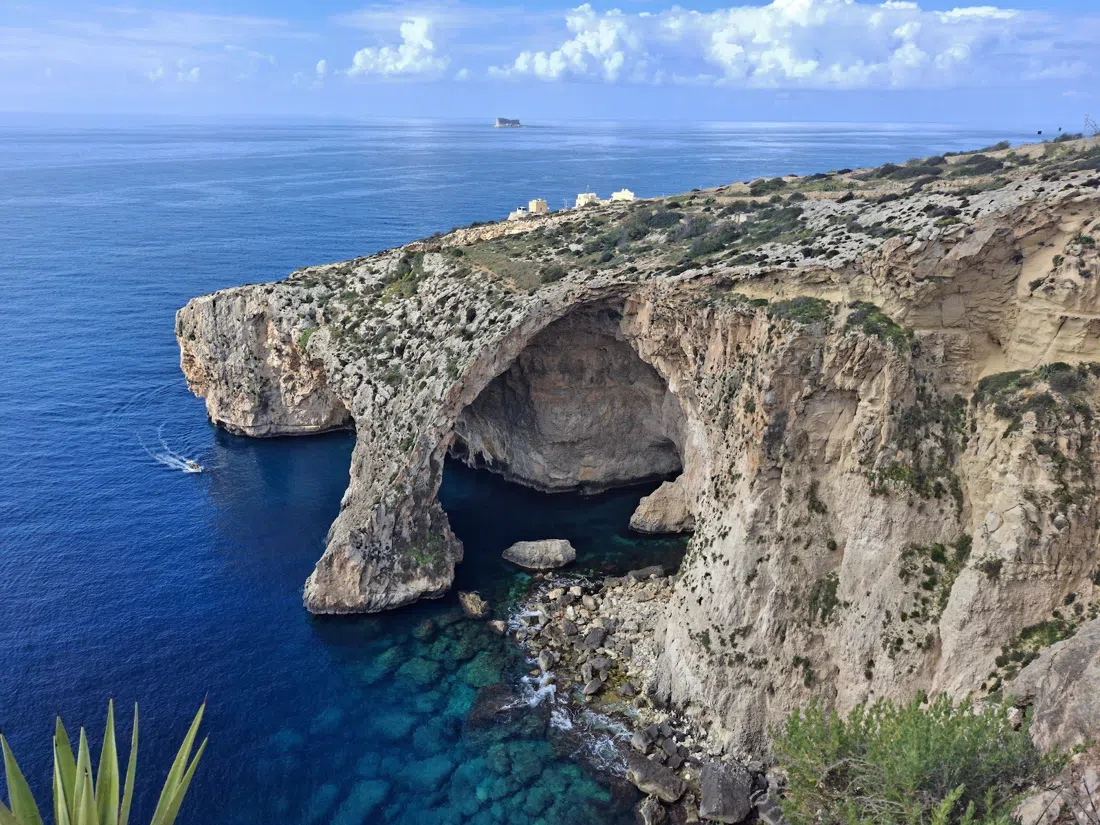
From the layby the road drops in one long curve to the water. On foot it is ten to fifteen minutes down and noticeably longer back up, with a stretch where the pavement gives out and you are walking on the road itself, so keep to the seaward side facing the traffic. Coaches use the layby heavily from mid-morning, and that is a reliable signal for the rest of the day: when the terrace is shoulder to shoulder, the kiosk below it is busy too.
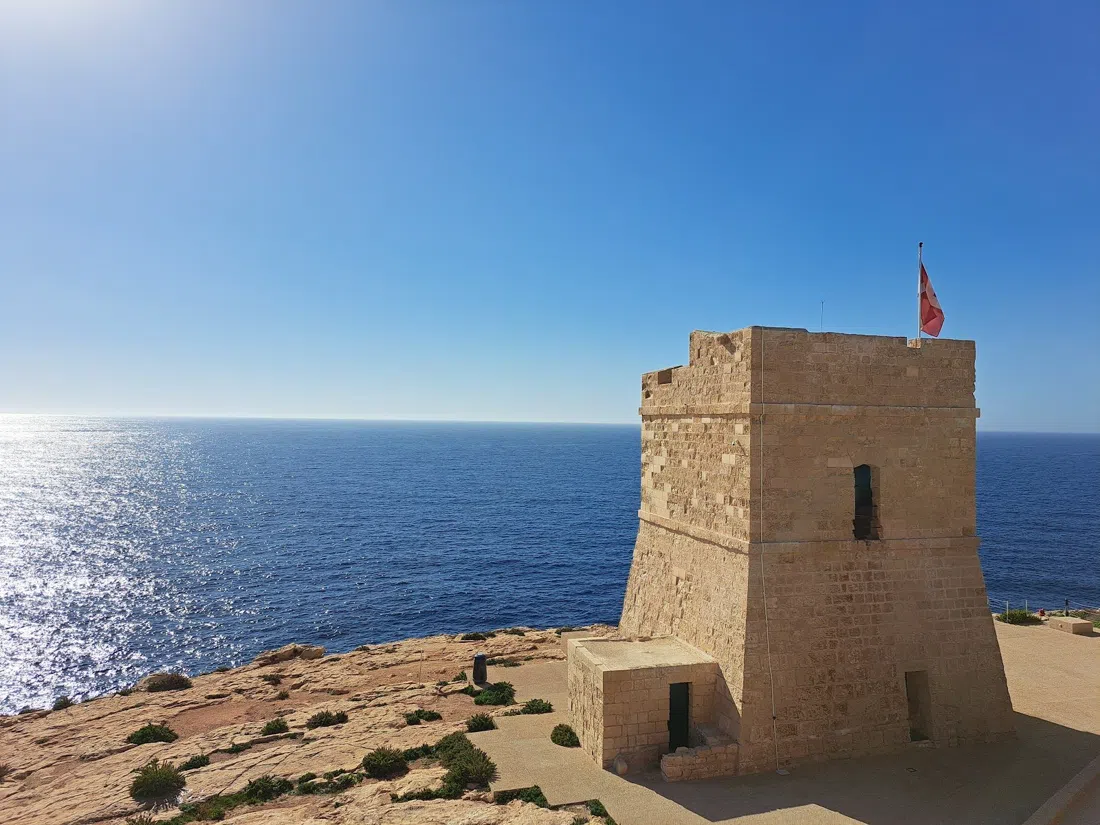
The bottom of the hill is a compact strip: car park, kiosk, steps down to the boats, a short row of cafés, and a squat stone tower at the head of the quay. That tower is Xutu (Sciuta) Tower (Wied iż-Żurrieq, on the point above the landing stage), restored by the national trust and free to enter on a donation. Its public hours are narrow: mornings, with a longer window on Fridays. Inside there is a short film about the marine life around Filfla, which is five honest minutes of context standing a few metres from the queue. Schools and groups can arrange a visit in advance through the trust. If the door is shut, that is normal and not worth waiting for.
How the queue moves, and why it looks worse than it is
Because the boats hold eight to ten people, a queue of sixty is six or seven departures, and the boats leave back to back rather than on a timetable. Coach parties are routine here and they are handled by splitting the group across several boats in sequence, so a coach that has just unloaded does not block you for an hour. It clears in bites. What genuinely slows things down is swell at the steps, when boarding has to be done one passenger at a time and the boatmen take their time about it.
Nothing sold anywhere buys you priority boarding on these boats; it is walk-up only. If something promises you a faster way onto the water, what it sells you is a transfer and a driver who knows when to arrive, which is a different thing and can still be worth the money.
Be at the kiosk for the first departures of the morning, or come back in the later afternoon once the coaches have moved on. The hour in between, roughly mid-morning to early afternoon, is when the layby clogs and the queue is at its longest.
Paying at the kiosk or buying the whole day with a driver
At the door you are spending €10 and €5, in cash, and nothing else. That makes the boat one of the cheaper set-piece experiences in the country, and it means the cost of the trip is mostly how you get there and what the rest of the day looks like. If you are staying on the other side of the island, read the transport notes at the end before you decide; our St Julian's guide is the place to start on the rest of the stay.
A guided option exists, and it is worth knowing what it is for. The guided trips that take in the grotto run seven days a week, and a private, full-day itinerary starts from around 337 USD per person. You are not paying that for the boat, which cannot be pre-paid. You are paying for a driver, the timing, and four or five other stops in a day you do not have to plan. Across the bookable trips here there are 1,715 traveller reviews, and the top-rated one holds 4.9 out of 5 from 649 reviews, so the format works for the people who choose it.
With a hire car, drive yourself and keep the €10 ride as a €10 ride. Without one, either accept a bus chain with one change, or buy a guided day and treat the grotto as one item on it.
What a southerly wind does to the plan
The boats are suspended outright in a southerly wind, which pushes swell straight into the inlet and makes the cave mouths unworkable. This is not a rare event, particularly between November and March, and it can happen on a day that looks cloudless. Check before you travel, and if you are going by bus, check again before you get on it. Build slack into the day rather than hanging a tight itinerary off a 25-minute boat ride.
If the sea has shut the boats, the layby viewpoint still delivers the view you came for, and the indoor options below are all within a short drive. A cancelled boat costs you nothing, since tickets are sold at the kiosk only when boats are running, but it can cost you a wasted bus journey, which is the better reason to ring ahead.
Eating and sitting down on the quay
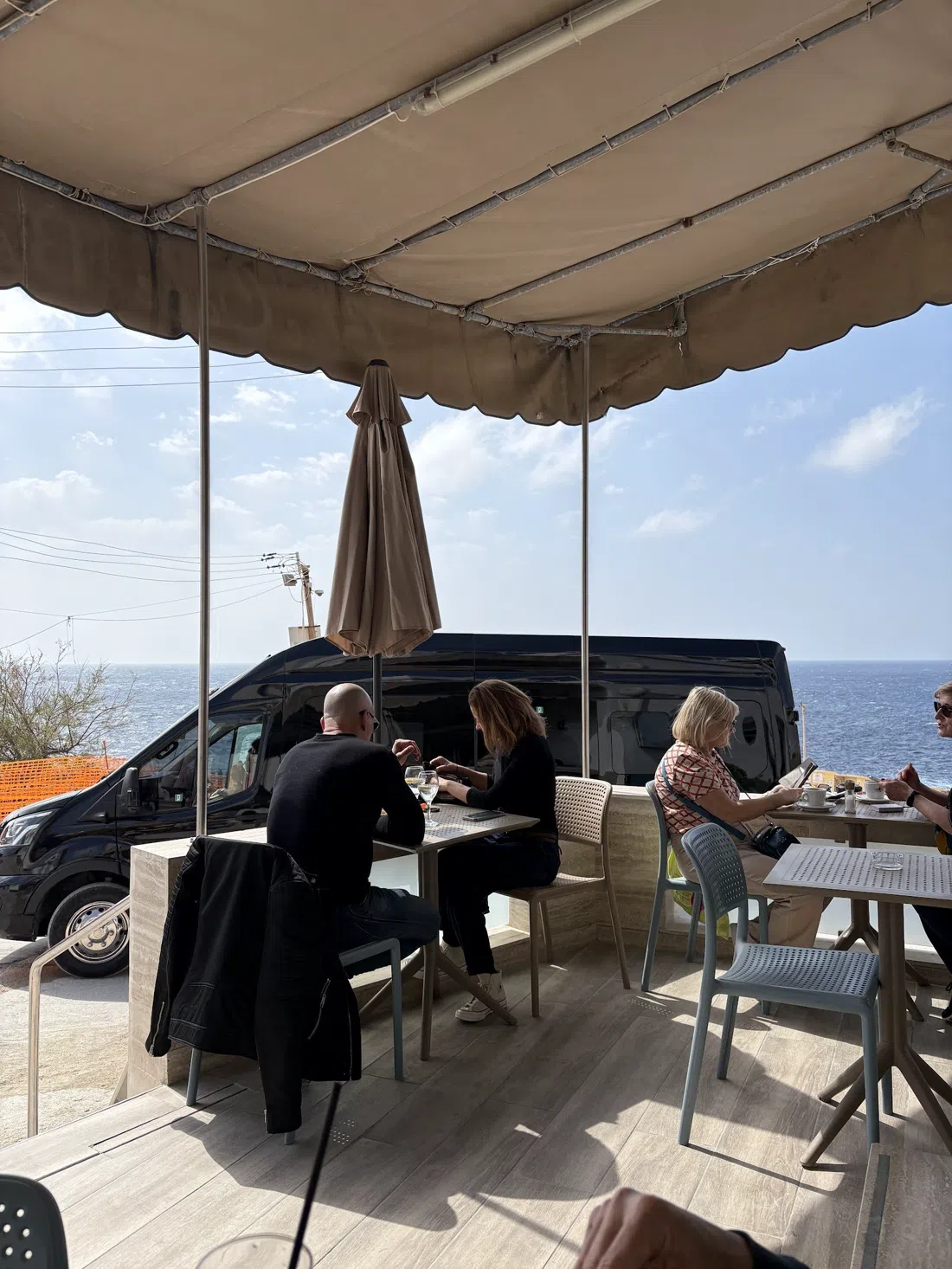
Azul at Step 'n' Cafe (on the quay at Wied iż-Żurrieq) is the stop that does the most work on this strip. It is the same family operation as the Step In café and shop next door, so it covers ice cream, cold water and toilets before the boat as readily as a seafood lunch after it, with mains around €15 to €30. It takes bookings and can handle larger tables, which is worth using in peak season.
ALKA Mediterranean Restaurant (on the quay) is the pricier end of the strip, with a fish-led seasonal menu and a roof terrace that looks straight out over the inlet. The terrace is small, bookings are strongly advised, and a party of six or more should call ahead rather than hope; it is not a walk-in at lunchtime. Blue Cave Bar & Restaurant (on the quay) is the opposite arrangement: walk-in friendly, used to coach traffic, pizza and pasta from about €12, and the easiest place to park a group with no reservation. Note its hours, though. It closes mid-afternoon most weekdays and only runs late at weekends, so do not build an evening around it without checking.
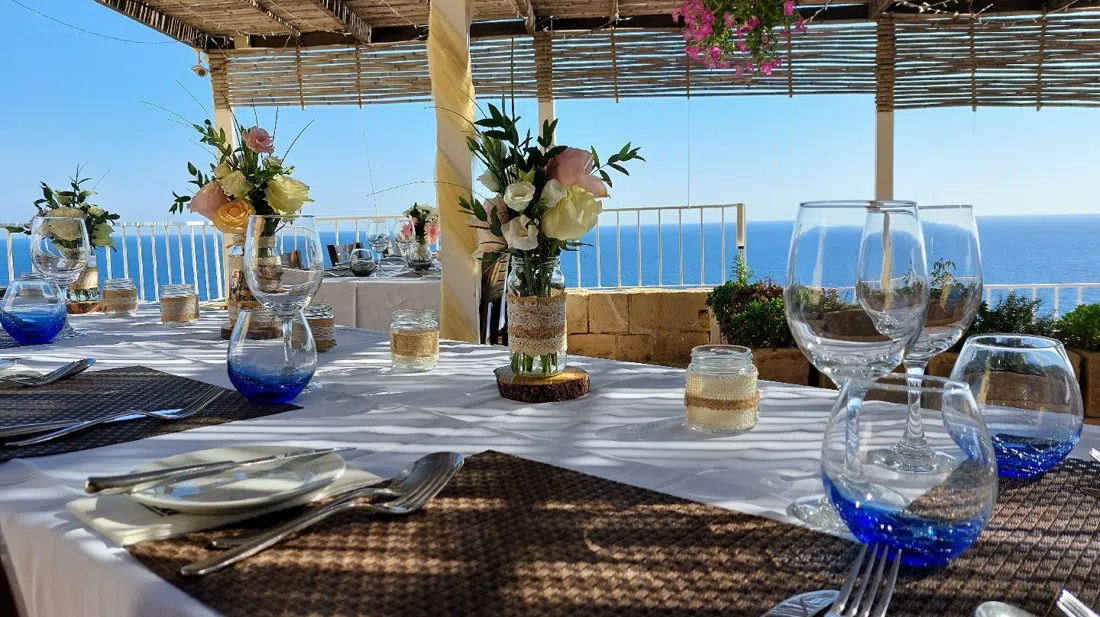
Coast @ Cassarini (directly above the grotto) serves lunch and dinner daily and is comfortable with larger bookings and events. It sits high enough that you eat with the arch in view, which makes it the sensible choice if you want a proper sit-down meal rather than a plate between boats.
The temples five minutes up the road
Ħaġar Qim & Mnajdra Archaeological Park and Visitor Centre (on the coast road five minutes from the grotto) is the obvious pairing, and not only for the stones. Entry of roughly €12 to €15 for an adult covers both temple complexes and the visitor centre, and the centre is where the practical value sits: an introductory film, an air-conditioned exhibition, a café and toilets. In July and August that makes it the middle-of-the-day half of the trip, and in winter it is the half that works when the boats do not.
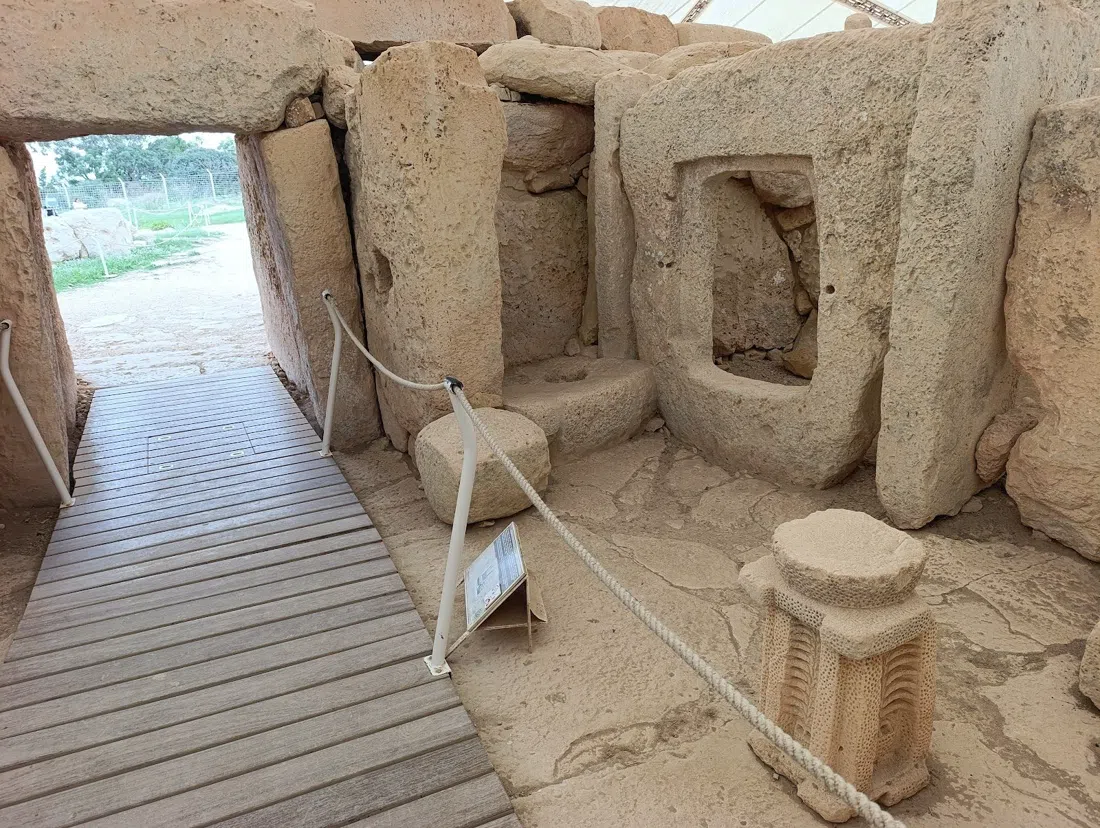
It is set up for numbers, taking school parties and coach groups with group booking available in advance, so a couple arriving at opening time and a party of thirty arriving at eleven have quite different experiences of the same site. The walk out to Mnajdra is exposed and downhill, which matters more than the distance suggests on a hot afternoon.
Filfla and the question everyone asks at the kiosk
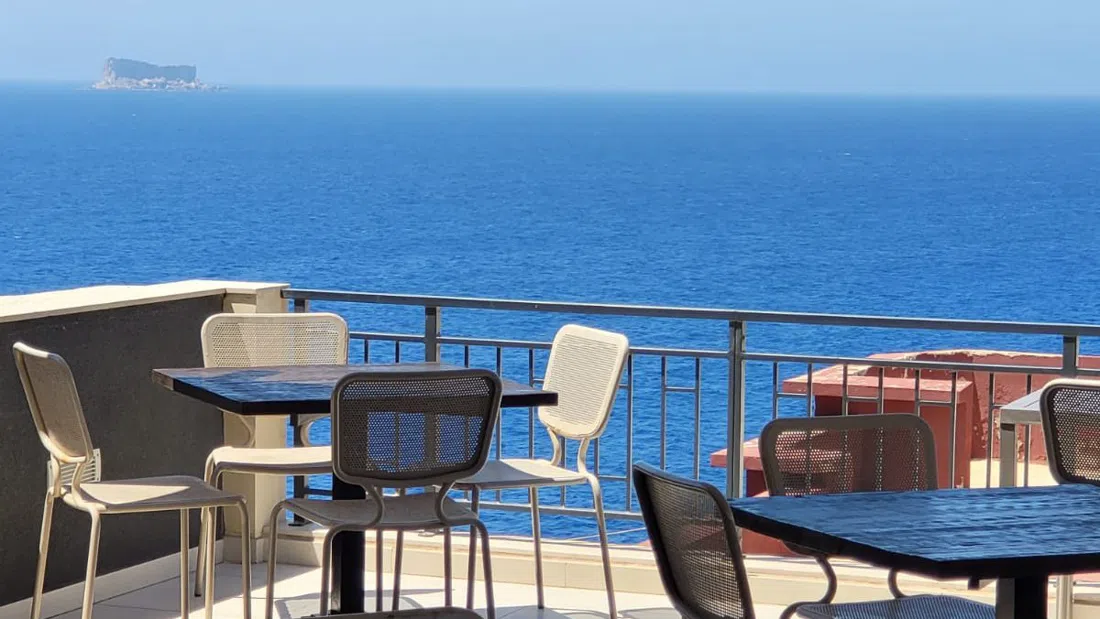
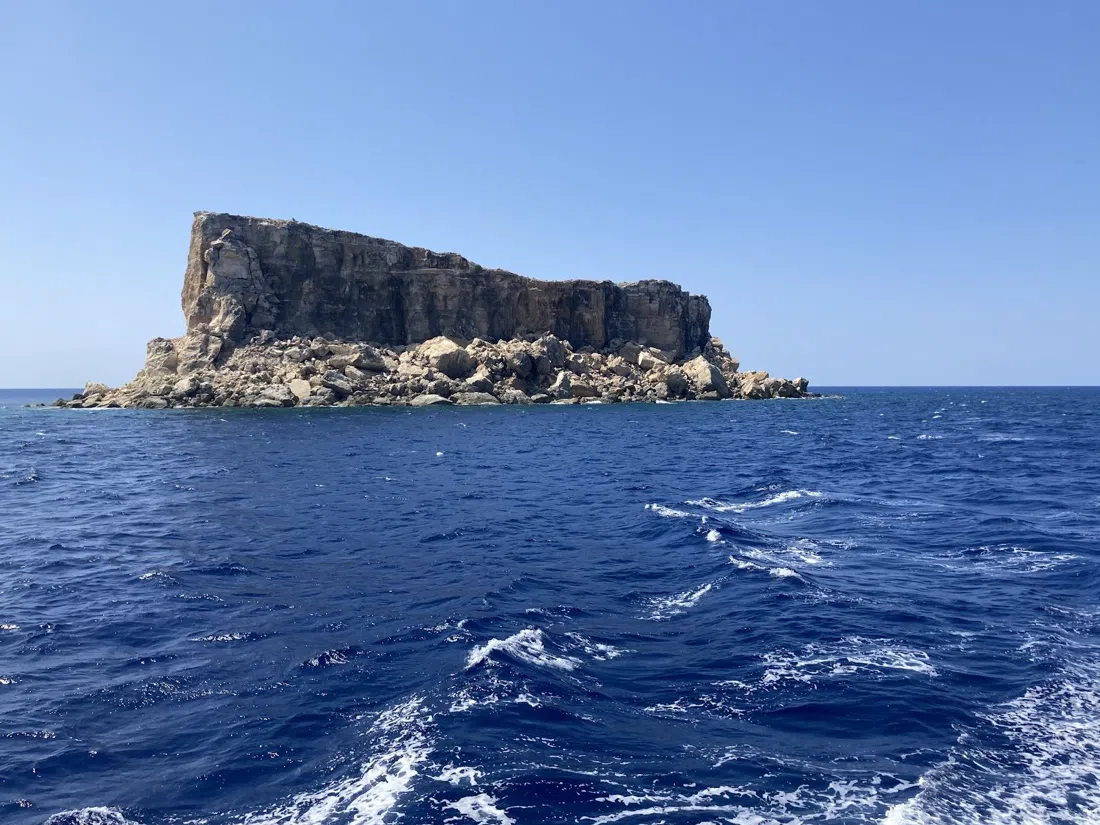
The flat-topped islet on the horizon is Filfla Nature Reserve, and the answer to the question is no. Nobody is permitted to land, because it is a protected reserve and a former bombing range, and it can only be looked at, from the cliffs or from the water. The boats stay in the caves rather than heading out towards it, so do not book anything expecting to get close. The film in the tower is the nearest thing to a visit.
Two stops inland and a room for a bad-weather day
Il-Maqluba sinkhole & St Matthew's Chapel (Qrendi, ten minutes inland) is an open public site with no ticketing and no charge: a fourteenth-century collapse with a legend attached to it and a small chapel on the rim. The viewing platform is narrow, so groups filter through in turns, and the steps down to the belvedere are uneven enough to want proper shoes.
Wied Babu valley walk (Żurrieq) is unmanaged countryside, about half an hour down, with views back towards the grotto on the way. It suits two or three people on a dry day and nobody who is unsteady on loose ground; it is slippery after rain and wrong for a coach party. Treat it as a fair-weather addition rather than a fallback. The fallback is The Limestone Heritage Park & Gardens (Siġġiewi, a short drive inland), around €9 to €12 for an adult, built for groups with coach parking and an audio guide in many languages. It is closed on Sundays and shuts early on Saturdays, so check the day before you rely on it, but on a southerly-wind morning it is the strongest indoor option within reach.
Whether it is worth doing
Yes, with one condition: go for the caves and the water, not for the photograph. The photograph is free, from the layby, and the boat cannot reproduce it. What the €10 buys is the fifteen minutes inside the caves, at sea level, which you cannot get any other way, and at that price the maths works even if the queue costs you forty minutes.
It suits couples, anyone interested in the geology, and families with children old enough to sit still in a moving open boat. It suits groups less well at the wrong hour, though the strip as a whole is built for them: the café and the casual restaurant both take numbers without fuss. Skip it if you are uneasy on small boats in swell, if you need step-free access to a landing stage, or if you only have one fixed day and a southerly forecast, in which case the viewpoint and the temples make a better use of that day.
When to go, by hour and by season
Morning, and early in it. The light in the caves depends on the sun reaching under the surface at an angle, which broadly means the first couple of hours of boat operation rather than late afternoon, when the cliffs put the cave mouths in shade. The kiosk opens in the morning and the last boat goes in the afternoon, with the window shorter in winter and shifting with the sea, so treat any published time as approximate and ask at the kiosk.
By day, weekdays before mid-morning are calmer on the quay than the middle of the day in any season. Friday is the day to aim for if you want the tower open for longer than a short morning window. Avoid Sunday if the Limestone Heritage park is your wet-weather insurance, because it is closed.
By season, April to June and late September into October give you warm, usually settled water with fewer cancellations than winter and without the full heat. July and August work if you are at the kiosk first thing and indoors by noon. November to March is the gamble: cheaper, quieter, and likely to be called off by a southerly, so keep the day flexible and confirm on the morning.
Practical notes
Getting there without a car takes one change. Routes 13, 14 and 16 run along the St Julian's seafront to the terminus in the capital, and route 74 runs from there down to the car park at Wied iż-Żurrieq. Allow 75 to 90 minutes each way including the wait, check the current timetable at the stop rather than trusting a printed one, and look up the last return before you commit, because evening services thin out early. Driving takes roughly 35 to 40 minutes and is the version that makes a half day realistic.
Carry cash. The boat kiosk takes cash only and prefers small notes, the layby parking fee is cash, and the tower runs on donations. The restaurants take cards, but €40 in notes removes every friction point on the strip.
For budgeting, one adult doing the full thing spends about €10 on the boat, €12 to €15 at the temples, and €15 to €30 on lunch, plus bus fares, so roughly €45 to €60 for a substantial day, or under €15 if you do the viewpoint and the boat and eat a pizza from around €12. A private guided day that covers the grotto along with several other stops starts from around 337 USD per person. For a base within reach of the southern coast road and the bus chain, compare rates through the St Julian's hotel search before you fix the date, and keep the date loose if you can, because the wind decides whether the boats run.
13 September 2026 · a first week before the flat: the St Julian's hotel directory