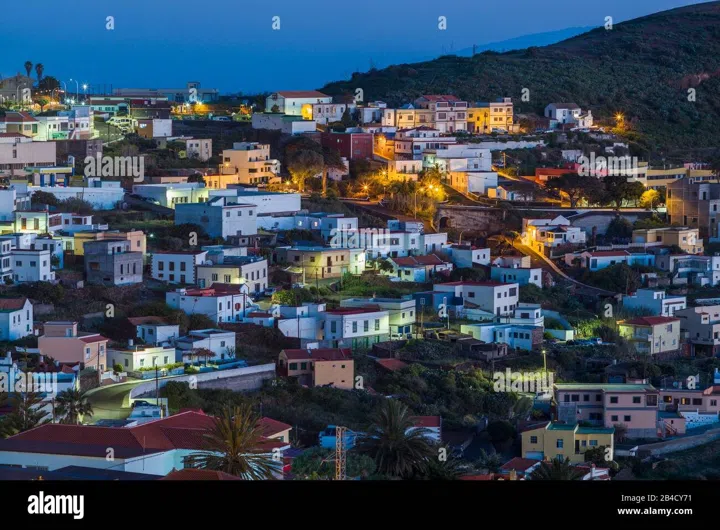
El Hierro · Where to live · 8 min
La Restinga, El Hierro: Life at the Bottom of Spain
At the end of El Hierro's last road, a 650-strong fishing village trades hotels and nightlife for grilled limpets, 20-metre visibility and the quietest harbour in the country.
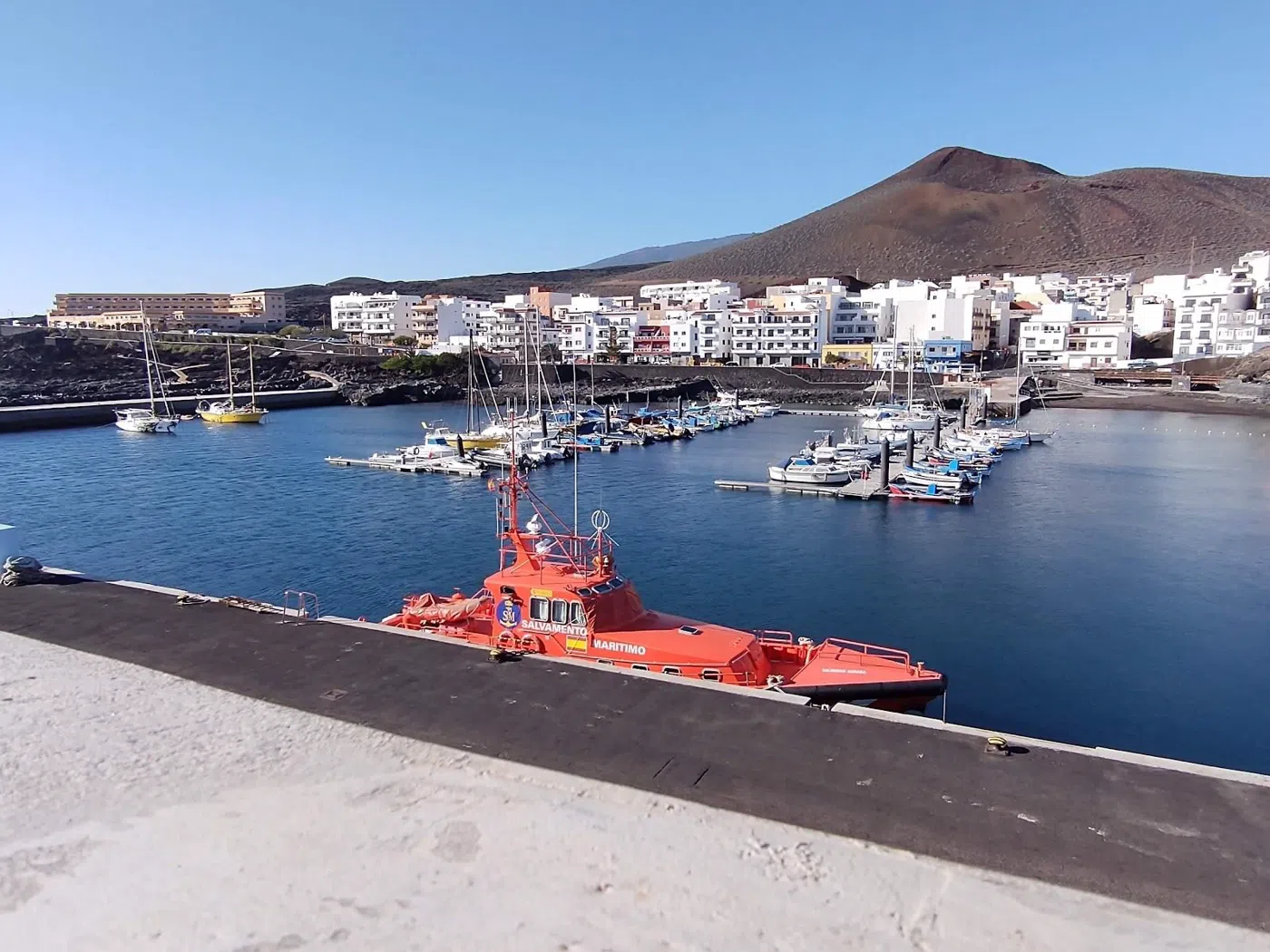
The dive tanks go onto the boats before eight. You hear them before you see anything — aluminium knocking against aluminium, a tailgate dropping, someone's radio half-tuned — and then the engines, and then the harbour at La Restinga goes quiet again for most of the morning. Six hundred and fifty people, give or take fifty, live down here at the southern tip of El Hierro, inside the municipality of El Pinar. The road comes in, does its business along the water, and stops. There is nowhere further south in Spain that anyone permanently calls home.
The southernmost point of Spain — and a volcano that erupted offshore in 2011
That last fact is the village's calling card, and it is more interesting than it first sounds. La Restinga sits further south than Tarifa, the Andalusian town that most people on the mainland assume holds the record. The map says otherwise. Stand on the harbour wall facing out and there is nothing between you and the open Atlantic — no island, no headland, no next thing.
What makes that strange is how new the place is. La Restinga only became a fixed settlement in the 1940s, when small-scale fishers from La Gomera came across and built the first permanent houses. Before that it was a working shore, visited rather than lived in. You can still feel the brevity of that history in the architecture: low white houses, no ornament, a packed little harbour, everything arranged around the business of getting boats in and out of the water.
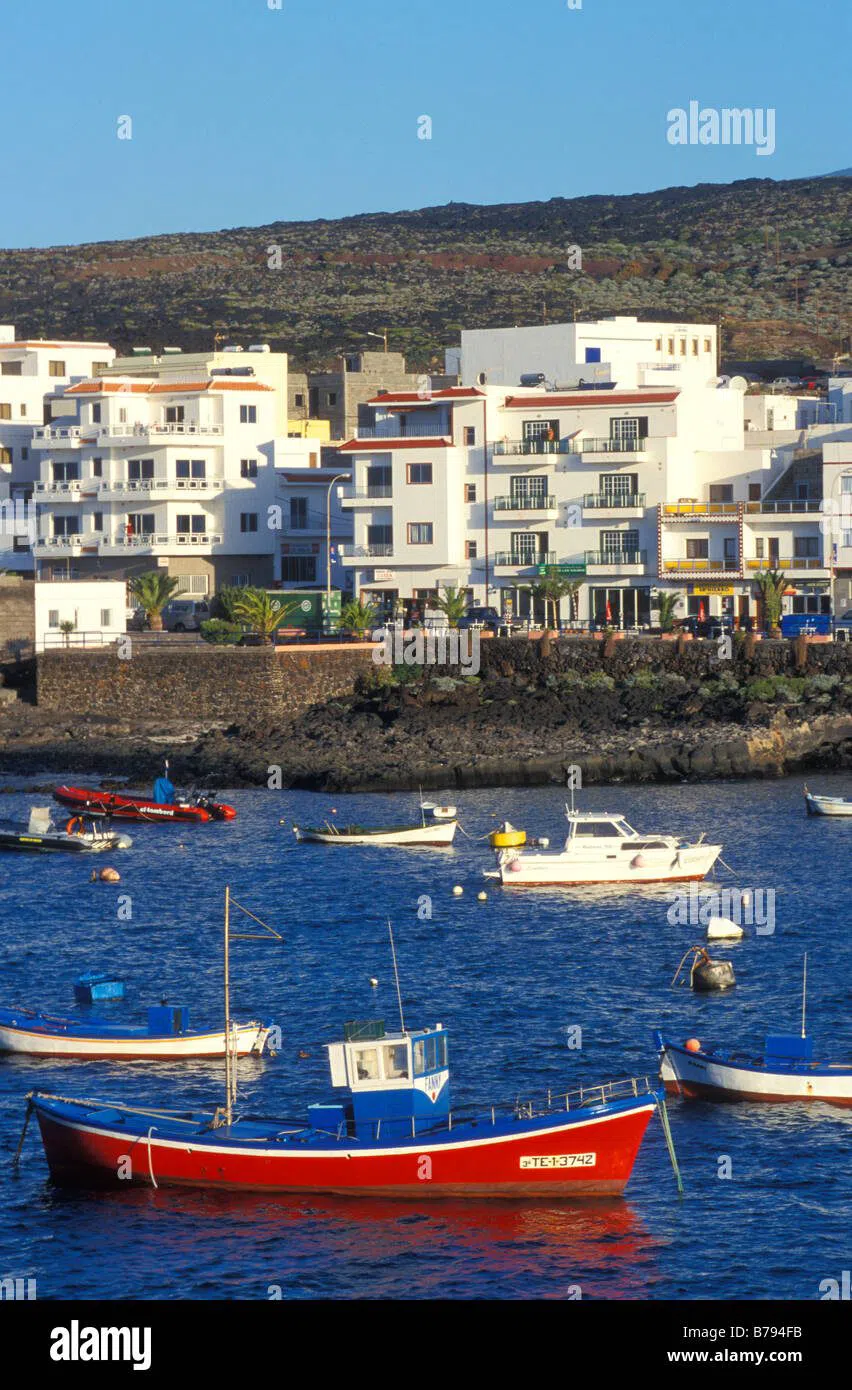
The population swells briefly with divers, and with the occasional fisherman from elsewhere, and then falls back. Nobody is performing village life for visitors here. The smell outside the fish co-op is the smell of the day's catch, not of atmosphere.
And then there is 2011, the year a volcano erupted offshore and gave this small harbour an international address for a few months. El Hierro is the youngest of the Canaries, geologically restless in a way the older islands no longer are, and the eruption made that abstraction suddenly, publicly concrete. The village still carries the story — a museum in the area deals with the eruption directly — but the people who live here talk about it the way you'd talk about a hard winter: a thing that happened, that the sea absorbed, that life resumed after.
Fresh fish, grilled lapas, and not much else — which is the point
Eating in La Restinga is a short conversation with a clear answer. Fish and shellfish, landed that morning, cooked simply, at family-run places strung along Calle Juan Gutiérrez Monteverde and the harbour front. There is no cuisine scene. There is a catch.
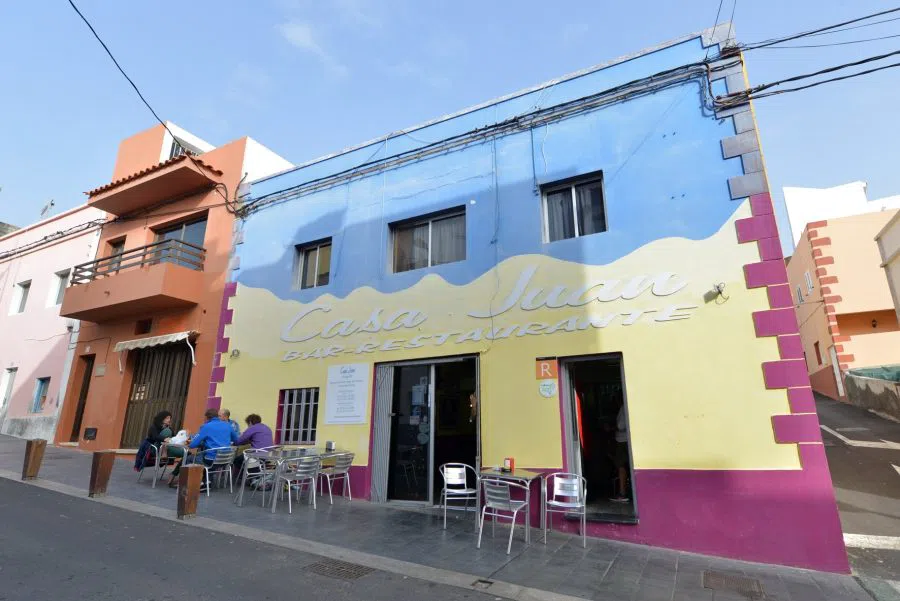
The oldest kitchen in the village is Restaurante Casa Juan, open since 1973 and still running on the same seafood-first logic it started with. Order the grilled lapas — limpets, prised off the rock, hit with heat and little else — and the shellfish soup, which is the dish regulars quietly steer you toward. It is the sort of restaurant that has outlasted every trend that never reached it.
Restaurante El Refugio is the one with the queue. It is family-run in the fullest sense — relatives fish, relatives cook — and the menu is whatever came in that day rather than anything printed. There are no phone bookings. Most evenings there is a waitlist, which in a village this size means standing outside with a drink and talking to whoever else is standing outside with a drink. That is not a workaround; it is roughly how the evening is designed.
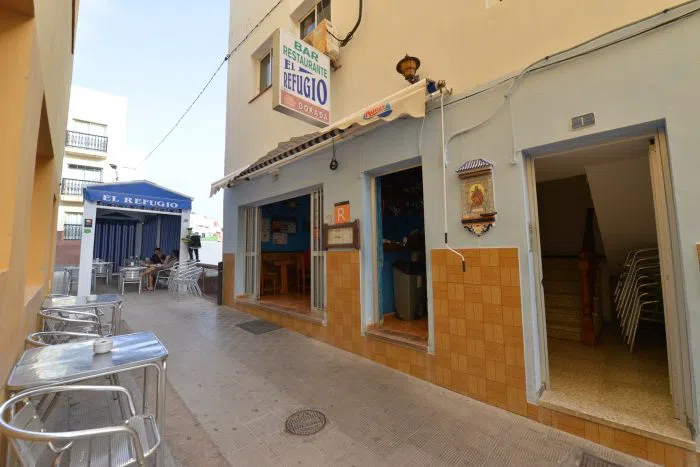
If you'd rather not wait, locals go to La Vieja Pandorga, which serves the same quality of fresh seafood with none of El Refugio's crowd pressure. It is the quieter option in a village where the difference between busy and quiet is perhaps fifteen people. El Rincón, in the village centre, has the harbour-view terrace and — crucially, if you are coming off a late boat — is one of the few kitchens that stays open through the evening rather than closing after the main sitting. And when four straight days of grilled fish have done their work, Amore Mio does Italian food and pizza, which on a remote island is less a cop-out than a mercy.
Prices sit in the budget-to-mid range. For a place at the end of a long supply chain, the seafood is fairly priced — partly because it did not travel far to reach the plate.
Not a nightlife village — a terrace and a beer after diving
Let's be straightforward: there is no club here, no late-bar circuit, no second venue to move on to. That is entirely normal for a few hundred people at the end of a single road, and anyone arriving in search of a night out has misread the island badly.
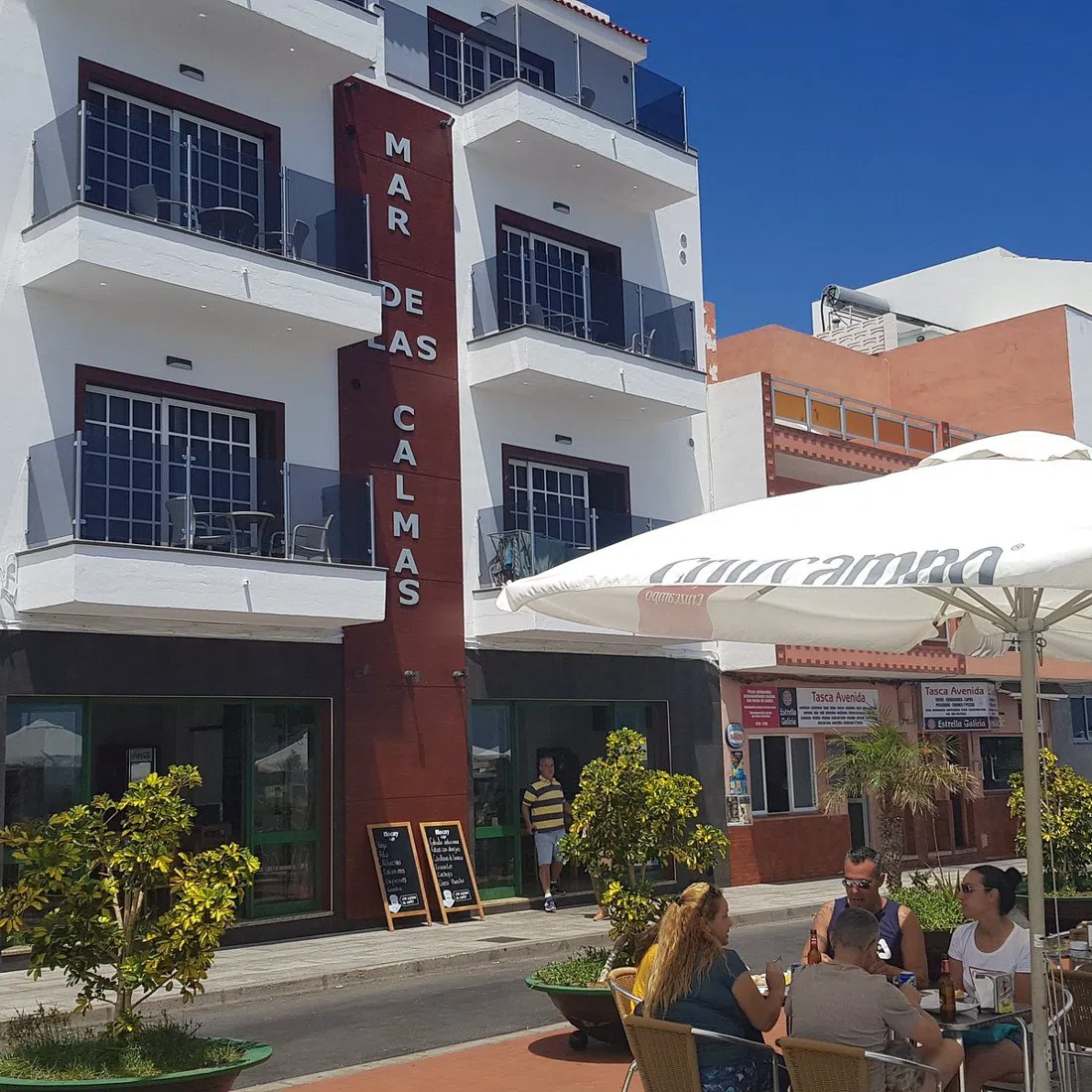
What exists instead is good, and it is specific. A night out in La Restinga is a terrace table, a slow dinner that runs long because nobody is waiting on the table, and a drink afterwards with salt still in your hair. Bar Mar de las Calmas, on the Avenida Marítima facing the harbour, is the place that stays open latest — until around midnight, which here counts as committed. Divers wash up on its terrace in the evening to compare what they saw, and the conversation tends to be about visibility and depths rather than anything happening on land.
Diving is the reason most people come — plus a volcano museum and the road's end
Strip away the diving and La Restinga is a working fishing village that happens to be geographically notable. Add it back and you have one of the best cold-ish-water-free dive bases in Europe, which is why most of the people in those apartments are here.
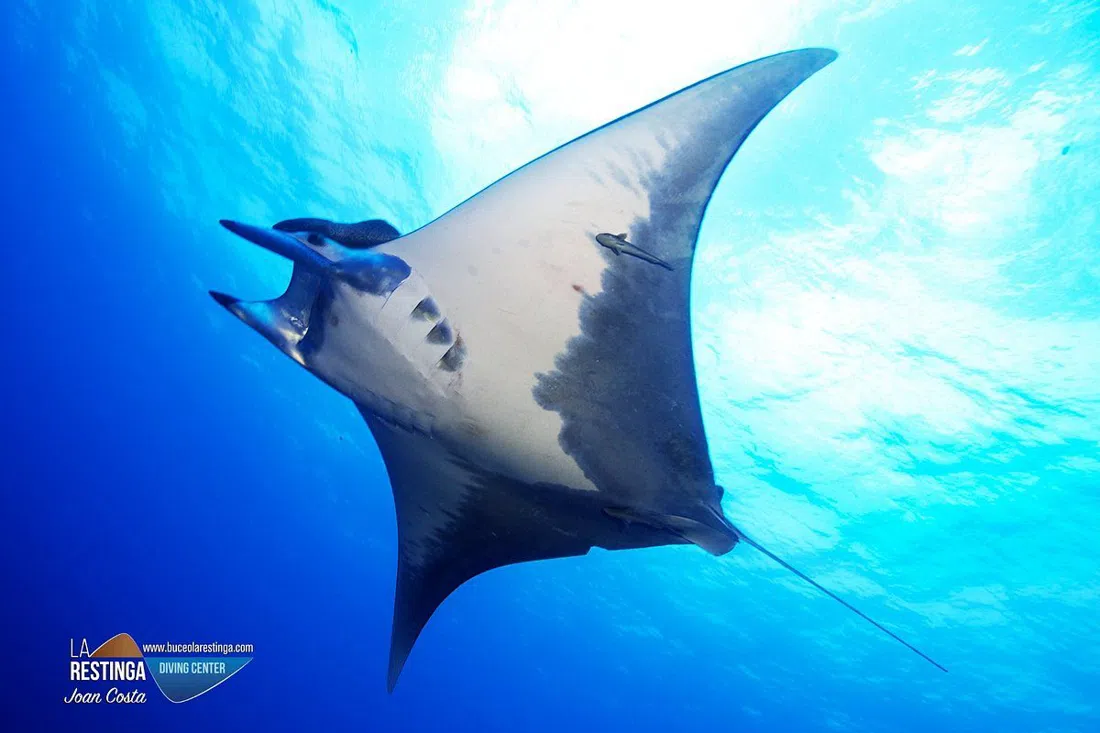
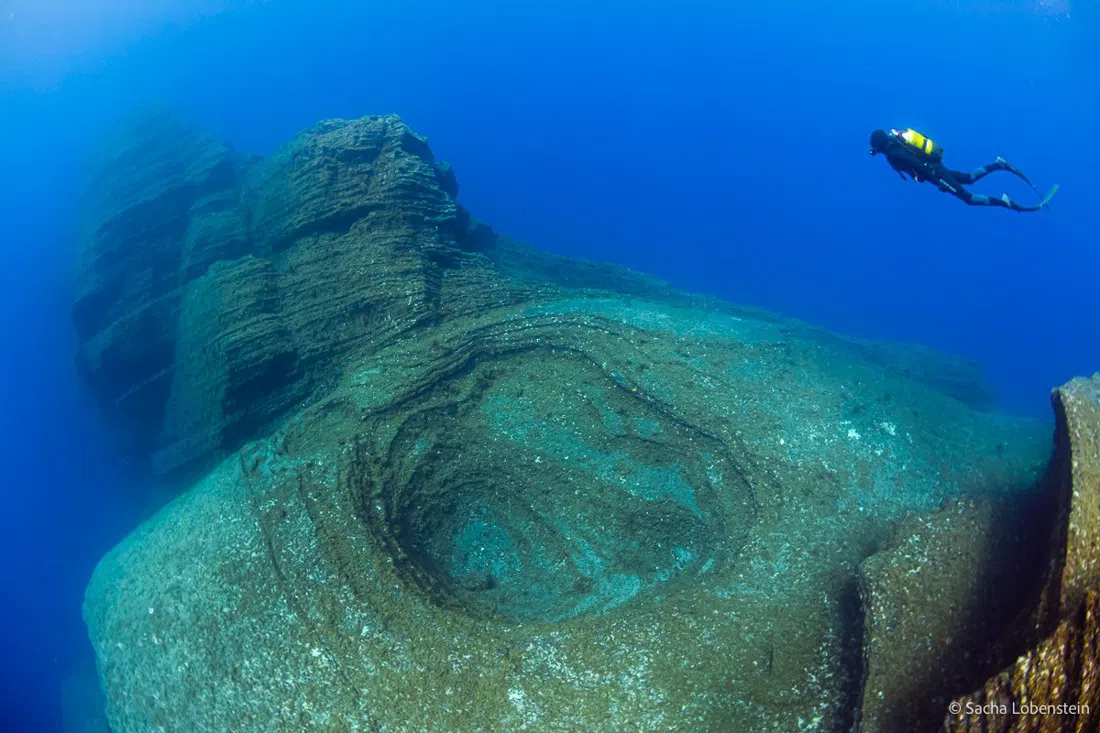
The Punta de la Restinga–Mar de las Calmas marine reserve was created in 1996 and covers around 1,180 hectares of coast and water. Its advantage is wind — specifically, the lack of it. This stretch is sheltered from the trade winds that hammer the rest of the island, which keeps the sea flat when everywhere else is white, and keeps visibility regularly above 20 metres. The name, Mar de las Calmas, is a plain description rather than marketing.
The dive centres have real histories. Centro de Buceo El Hierro has been operating since 1978, with its own boats and local guides, making it the longest-running outfit in the village and the one with the deepest institutional memory of these sites. Buceo El Bajón is the centre founded and run by Herreños — islanders, not outside operators — which matters if you care where your money lands. Tagoro Dive is the PADI option, running courses from first-time beginner all the way up to instructor level inside the reserve itself, which is an unusually good classroom.
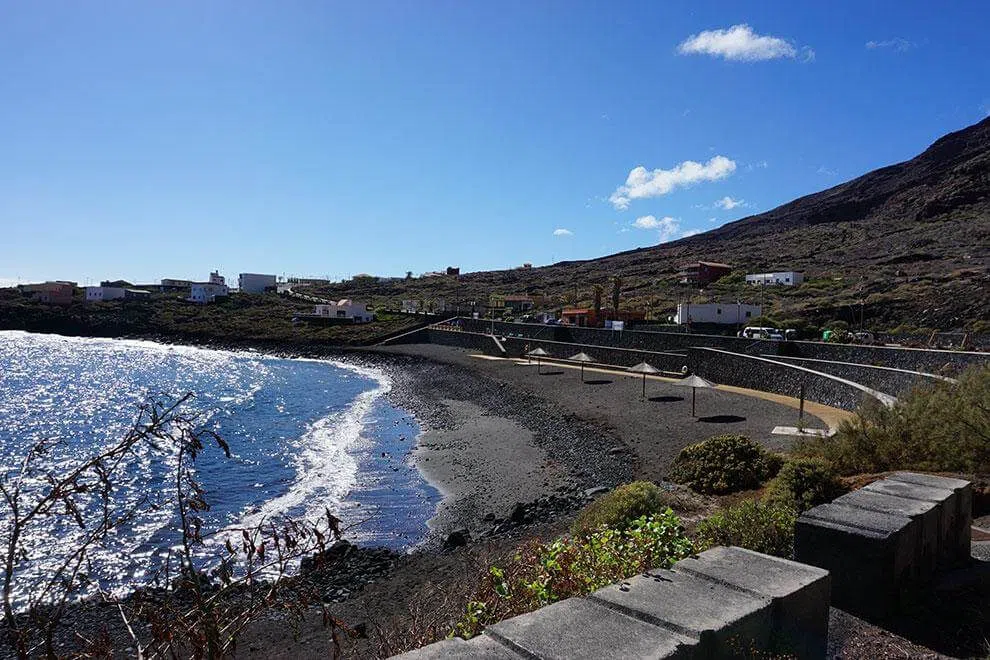
If you don't dive, the black-sand beach is the sheltered place to snorkel and swim, and the volcano museum fills a serious hour. Beyond that, the honest attraction is the road's end: walking out to where the tarmac gives up, looking south at an ocean with nothing in it, and understanding exactly where you are standing.
A fishing village, not a shopping destination
There is no retail scene, and pretending otherwise would be an insult to a place that has never wanted one. The village runs on two or three small supermarkets for self-catering basics — genuinely useful, since almost every bed here comes with a kitchen and most visitors are cooking breakfast before an early boat.
The only other shops, functionally, are the dive centres, which sell and rent masks, fins and wetsuits. Buceo El Bajón and its neighbours are where you go when a strap snaps or you've underestimated how long you want to be in the water.
Stock up in Valverde or El Pinar if you need anything specific. Down here, the answer to most shopping questions is a polite shrug.
Where to stay in La Restinga
There are no hotels in La Restinga. Not few — none. Every bed in the village is a self-catering apartment, and that suits the place precisely: the typical guest stays several nights, dives daily, cooks their own breakfast and wants a drying space for a wetsuit more than they want a lobby.
The front-row addresses are along the Avenida Marítima and the streets immediately behind it, which puts the harbour, the dive boats and Bar Mar de las Calmas within a two-minute walk of your door. Set expectations accordingly — simple, clean, kitchen-equipped, no pool, no spa, no room service. Budget-to-mid pricing across the board. If a resort stay is what you're after, this is the wrong end of the island, and probably the wrong island.
Getting to and around La Restinga
Getting here is the commitment. Fly into El Hierro Airport, connecting via Tenerife or Gran Canaria, or take the Naviera Armas or Fred. Olsen Express ferry from Los Cristianos in Tenerife to Puerto de la Estaca, then drive south through El Pinar until the road runs out.
A car is the realistic answer for everything beyond the village. TransHierro, the island's bus and taxi cooperative, runs the public network, and line 8 serves La Restinga — but only a handful of times a day, which is fine for a planned trip and useless for spontaneity. Inside the village you will not need it at all: everything, from the fish co-op to the last restaurant, is walkable in minutes.
The village is genuinely safe — crime simply isn't a factor in a place this small. The real risks are the sea and the road. Swim and snorkel from the sheltered beach rather than the open rocks, and take the island's narrow mountain roads at the speed they were built for. Do that, and La Restinga gives you the rarest thing on offer in the Canaries: somewhere that is quiet because it is remote, not because someone decided quiet would sell.
24 October 2026