Fuerteventura · Where to live · 8 min
Morro Jable and Jandía: Fuerteventura's Southern Tail, Street by Street
A fishing village that only got its road in 1970, now sharing three kilometres of sand with the island's second-biggest resort strip — and still keeping its siesta hours.
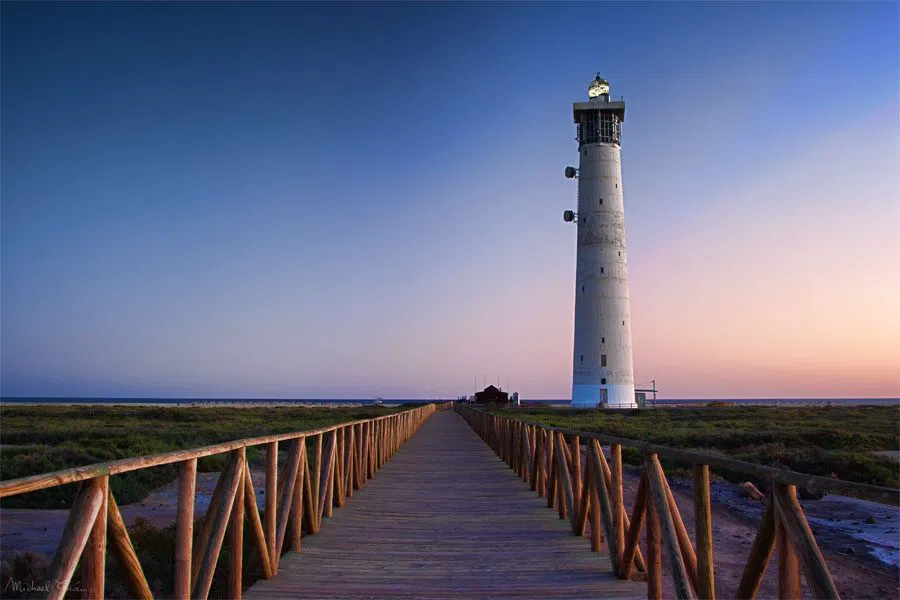
The road only reached Morro Jable in 1970. Before that, this cluster of fishing houses at the southern tip of Fuerteventura was called Puerto de la Cebada — barley harbour — settled around 1900 and effectively cut off from the rest of the island, reached by boat and patience. That is a strange fact to carry in your head while walking a seafront promenade that now runs more than three kilometres along Playa del Matorral, past the lighthouse and out towards the dunes. Fifty-odd years is nothing. Some of the older residents sitting out on chairs in the narrow lanes above the harbour were born before the tarmac arrived.
What Morro Jable is known for
Morro Jable is the gateway to the Jandía peninsula, the long southern tail of Fuerteventura, and after Corralejo in the north it is the island's main resort base. That billing undersells it slightly, because the place never consolidated into a single resort. Instead, two towns share one beach and run on two different clocks.
Walk the promenade from east to west and you feel the gearshift. The Jandía and Esquinzo end is holiday infrastructure: hotels set back behind pools, direct beach access, loungers in rows, people in sliders carrying towels at eleven in the morning.
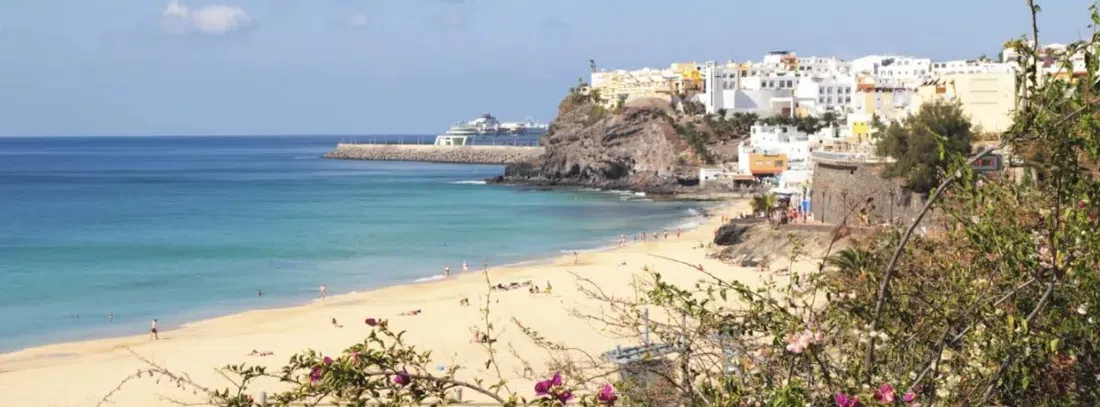
Keep going west and the buildings close in, the lanes narrow, and you arrive in the old fishing quarter centred on the Plaza de los Pescadores. Here the shutters come down for siesta and stay down. Shops reopen when they reopen. Older residents sit out past the point at which visitors have gone to bed, talking in that unhurried Canarian register that doesn't need to go anywhere. On Tuesdays, farmers come in with goat cheese and honey. The two halves of town are a fifteen-minute walk apart and about forty years apart in temperament, and the fact that neither has swallowed the other is the single most interesting thing about Morro Jable.
It is also the jump-off point for the wild stuff. Cofete and Jandía Natural Park sit behind the mountains to the west — the reason couples come here for a week with a rented jeep and a vague plan.
Where to eat and drink
Eating here splits along the same seam as the town itself: harbour or old town, and the difference is not subtle.
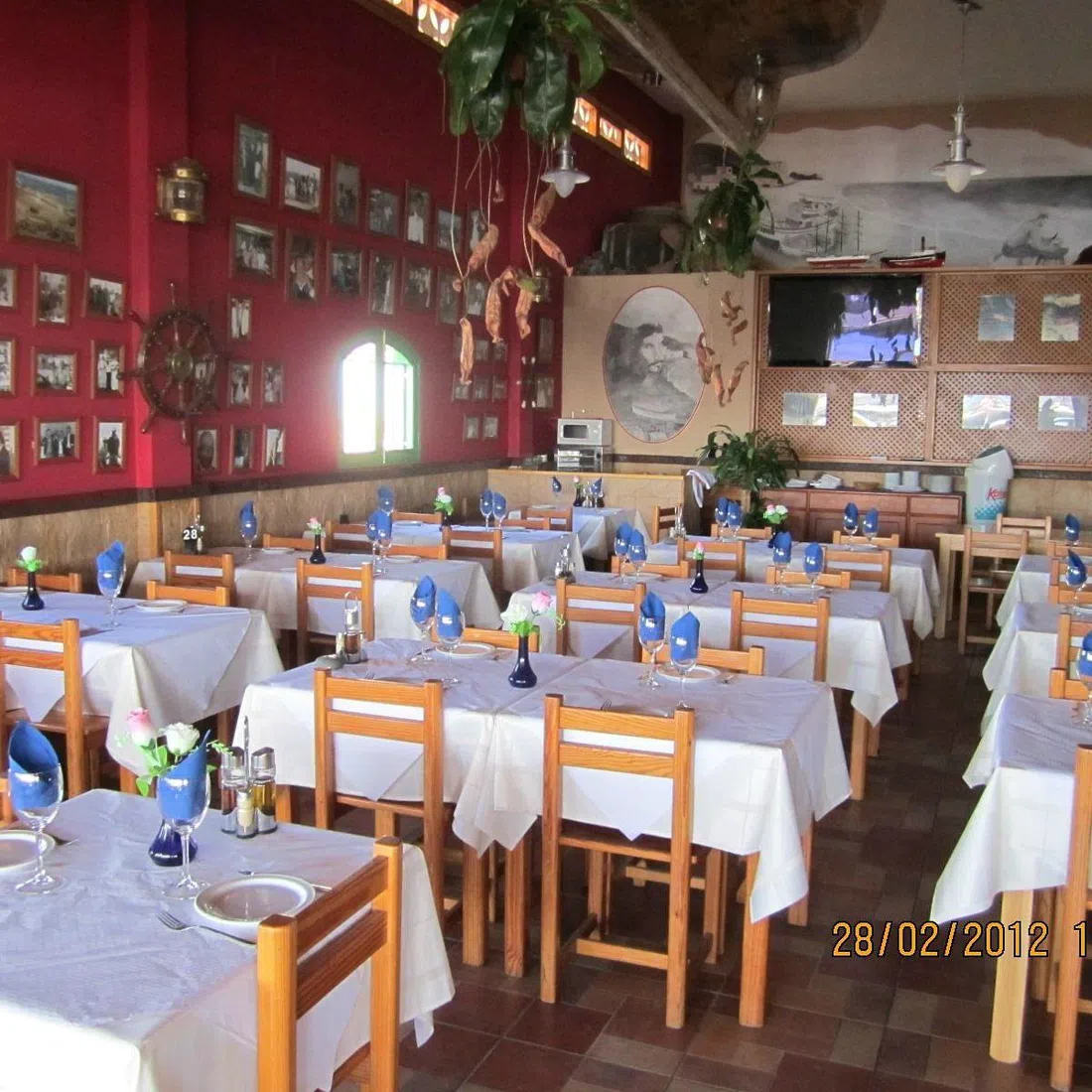
Down by the pier, Restaurante Cofradía is the fishermen's co-op restaurant, and it trades on exactly that — whatever the boats landed that morning, grilled plainly, served without ceremony. It carries a modest 3.8, and you should read that honestly rather than hopefully: this is a working co-op dining room, not a destination kitchen. Go for the provenance and the view of the boats, order the fish, and don't expect a sommelier.
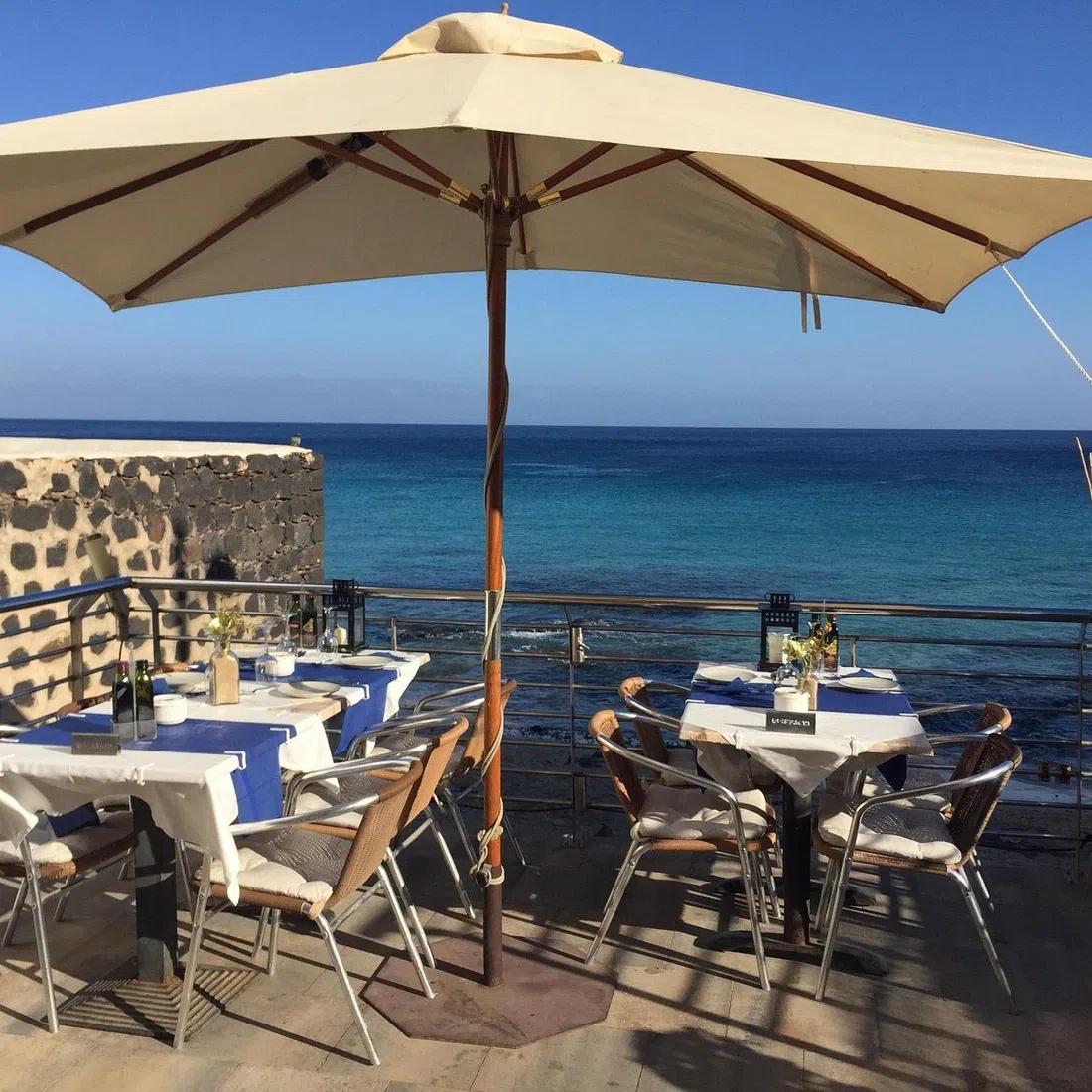
At the far end of Playa del Matorral, past the lighthouse steps, La Farola del Mar does the seafood terrace properly — a 4.3 and a Friday paella that locals and long-stay regulars plan around. It is the kind of lunch that starts at two and has no natural end, with the sand a few metres below and the wind doing its usual afternoon business out at sea.
The best table in town, though, is the hardest to get. La Bodega de Jandía, up in the old town, is reservation-only and run by Ramón, who cooks traditional Canarian tapas — garlic prawns, pork cheek — with the kind of consistency that earns a 4.8 and keeps earning it. Phone ahead. Properly ahead. Turning up on spec and being turned away is a rite of passage here, and it is entirely avoidable.
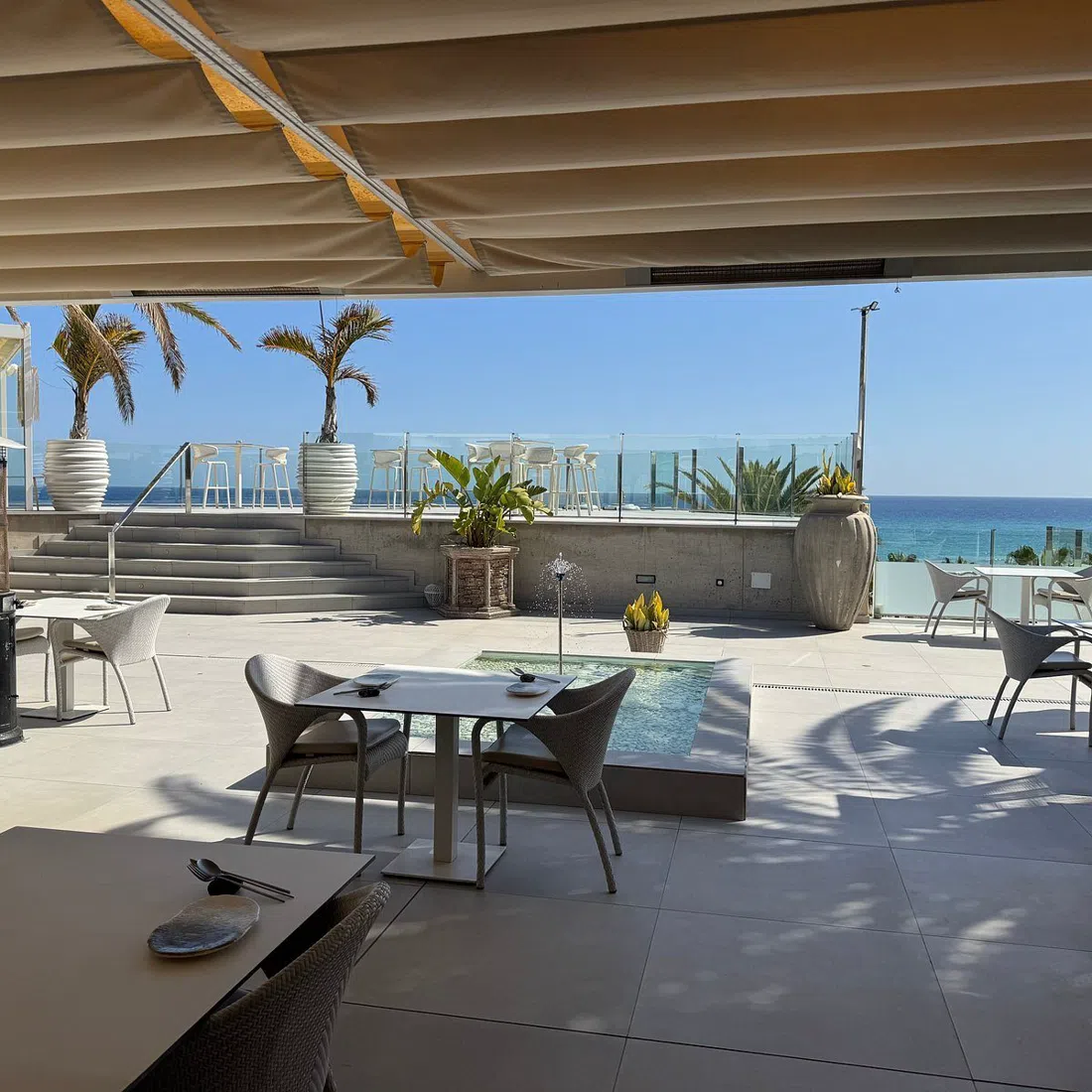
For something looser and more contemporary, El Pellizco on Calle del Carmen applies modern technique to ceviche and octopus, hangs local art on the walls and puts on live music. At 4.7 it is the town's proof that the old quarter isn't preserved in aspic — somebody there is still cooking forward.
Nightlife
Let's be straight: Morro Jable is not a nightlife town, and it has the good sense not to pretend otherwise. If you want clubs, you have come to the wrong latitude of the wrong island.
What exists clusters in two places. The Centro Comercial de Jandía, on the resort strip, is where the Irish and British sports bars live — football on big screens, pints, the game running into the small hours regardless of kick-off time zone. It is unapologetic and it works for what it is.
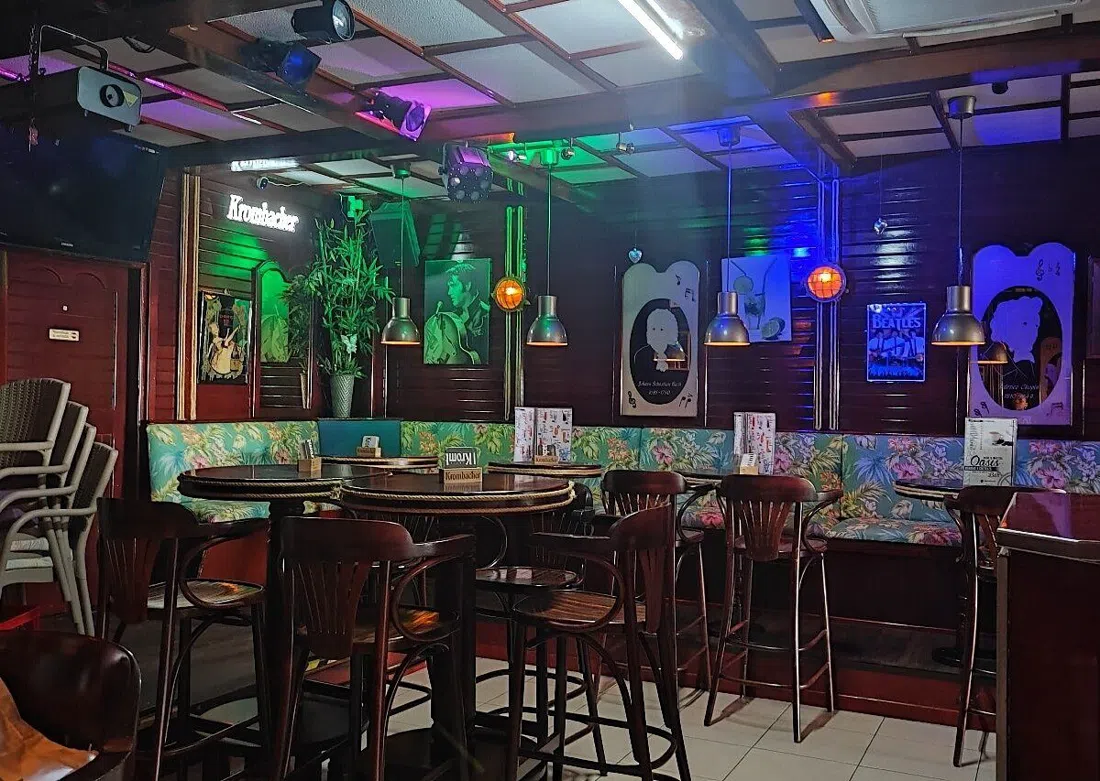
The other pole is the Plazoleta de Cirilo López in the old town, a small square where the evening assembles itself slowly rather than being scheduled. The anchor is Bar Oasis, the old town's go-to cocktail bar, rated 4.5, open from mid-morning right through into the early hours — mojitos, Aperol spritz, and a long slow arc from coffee-adjacent daytime to actual night. One venue that covers fourteen hours of a day tells you most of what you need to know about the local definition of going out.
Things to do
The beach does most of the work, and it does it in two distinct ways. Playa del Matorral is wide and shallow at its western end near the hotels — the family end, where children can go a long way out before anything gets serious. Drift east towards the harbour and the wind picks up, the water gets livelier, and it becomes sailing-sports water rather than paddling water. Be aware that the open stretches carry stronger currents; the beach's gentleness is local, not universal, and sunburn is the other thing that catches people out within about ninety minutes of arrival.
That wind is the reason a whole subculture comes here. The cross-shore breeze that built Fuerteventura's watersports reputation blows reliably along this coast, and Otro Modo Surf School — a 4.8 — runs windsurfing, kitesurfing and stand-up paddle lessons and rentals out of the town, working that wind rather than fighting it. Beginners get the sheltered end; people who already know what they're doing get pointed towards the harbour side.
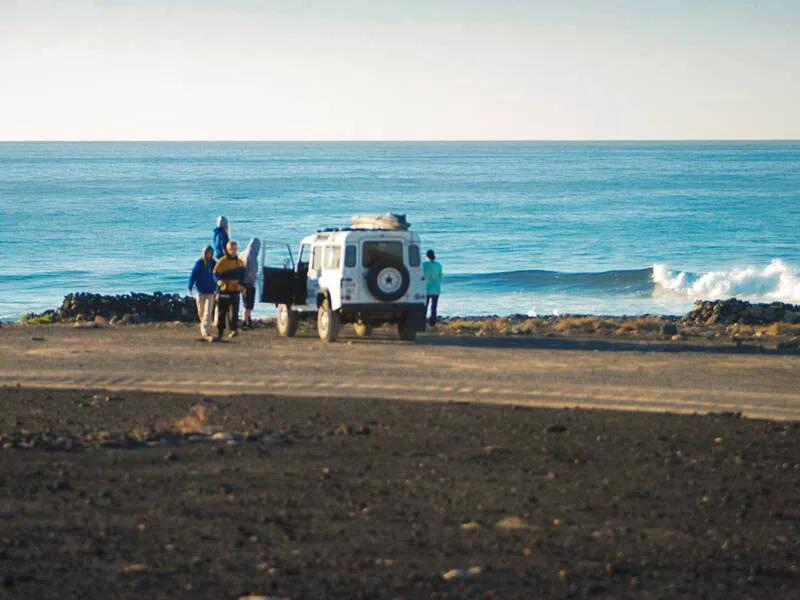
The other essential day is inland and over the ridge. The Cofete & Villa Winter 4x4 safari climbs the Jandía mountains and drops down to Cofete beach and the ruined Villa Winter, and for most visitors it is simply the only practical way in. Its 3.9 rating reflects the ride more than the destination — the track is unpaved, rough and genuinely unsuited to a standard hire car. People try it in a small rental every week. Some of them regret it expensively. Either book the jeep tour or hire a real 4x4, and treat the distinction as a rule rather than advice.
Shopping
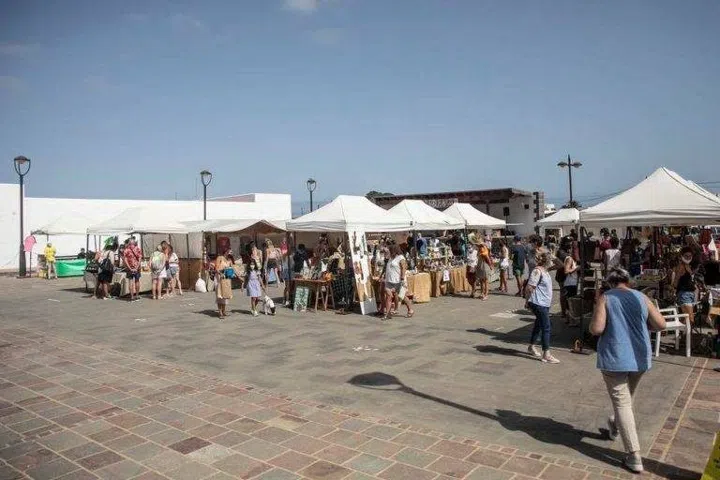
Shopping here is modest and organised by day of the week, which is quietly useful once you know it. Tuesday is the farmers' market: goat cheese, honey, local produce, the kind of stall where the person selling the cheese made the cheese. It is the single best reason to self-cater for a couple of nights even if you are staying somewhere with a buffet.
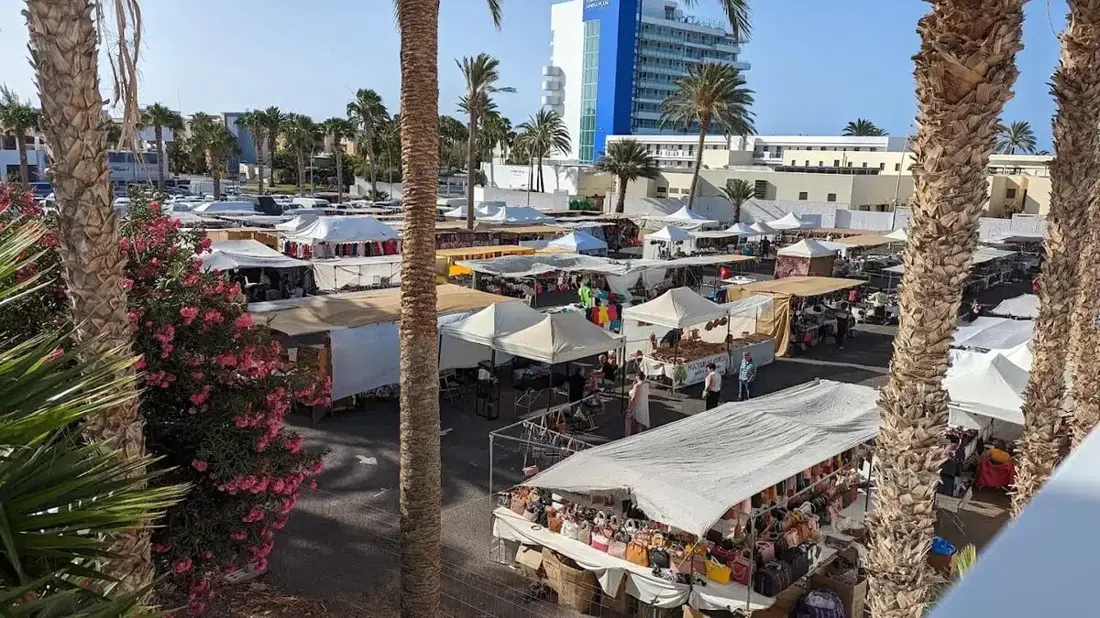
Thursday is a different animal — a street market on Calle Bentejuy, running roughly 9am to 2pm, dealing in clothes, leather goods and craft stalls. This is standard tourist-market territory, haggling included and expected. Arrive early for shade and shoulder room; by noon the aisles are full and the sun is doing real damage.
Where to stay in Morro Jable / Jandía
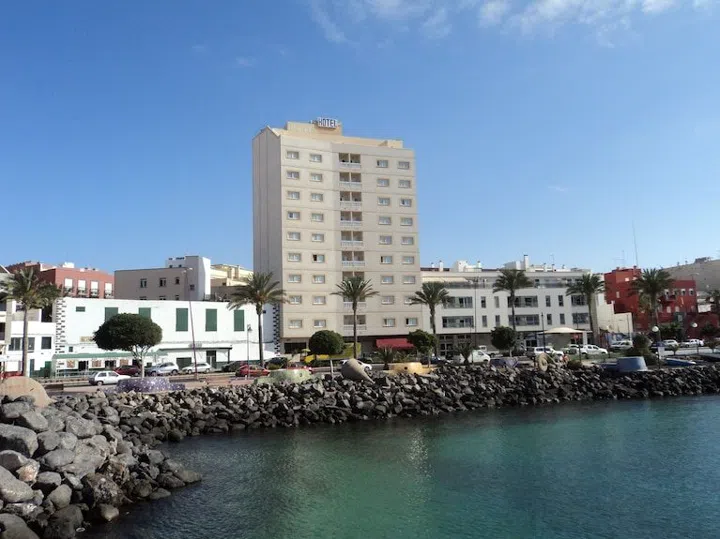
The choice is unusually clean-cut. East of the harbour, the Jandía and Esquinzo strip is almost entirely resort hotels — Hotel Riu Palace Jandía, Robinson Esquinzo Playa and Fuerteventura Princess among them — built for all-inclusive package stays, with direct beach access and pools. Pricing feels mid-range resort rather than luxury, and the proposition is honest: you walk out of your room and onto the sand, and you do not have to think about dinner.
The old town is the other option, and it is cheaper and more local — closer to the Plaza de los Pescadores, the Tuesday market and the harbour restaurants, further from the loungers. Pick the strip if you have children and want the beach to be an extension of the hotel. Pick the old town if you want to hear the town rather than the pool.
Getting around
Fuerteventura has one airport, Fuerteventura Airport (FUE) at Puerto del Rosario, roughly 80km north of here — there is no other way to fly in. From there, Tiadhe's bus Line 1 runs between the airport and Puerto del Rosario and Morro Jable several times a day, taking around 1h30 to 1h45 depending on stops. It is also, notably, the only bus route serving the town, which shapes everything else about how you move.
The alternatives are a transfer or a taxi down the FV-2, or arriving by Fred Olsen ferry from Las Palmas on Gran Canaria, which is a genuinely pleasant way to turn up — a harbour arrival in a town that was only ever reachable by sea for its first seventy years.
Once you're here, you don't need a car for the town. The old town, the harbour and the resort strip are all walkable, strung along that one promenade. You will want a car — ideally a proper 4x4 — the moment you look west towards Cofete and Jandía Natural Park, or north towards the rest of the island, which is well over an hour away. That is the trade Morro Jable asks you to make: a town you can walk end to end, with a wilderness behind it that demands four driven wheels.
24 October 2026