La Gomera · Where to live · 8 min
Valle Gran Rey, La Gomera: Inside the Hippie Valley at the End of the Road
Banana terraces, black-sand beaches, whale boats leaving from a working fishing harbour — a street-by-street feature on La Gomera's slowest, most stubbornly unpolished corner.
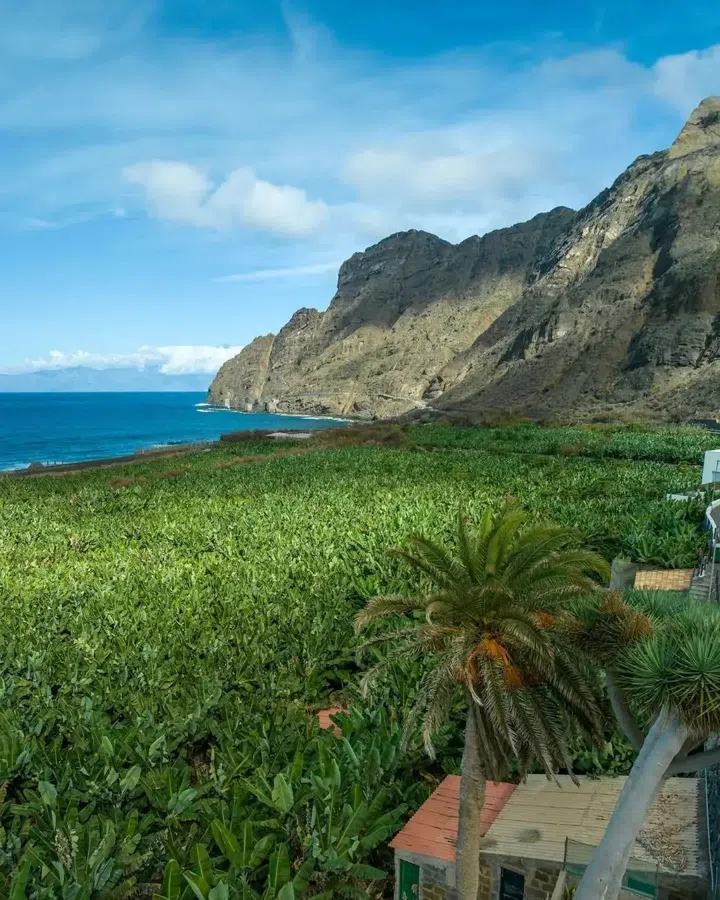
The ferry from San Sebastián still takes over an hour, and there's no airport runway for miles. That inconvenience is not a flaw in Valle Gran Rey — it is the reason the place still exists in the form it does. The valley is a ravine of banana terraces and volcanic cliffs on La Gomera's western coast, ending in a cluster of black-sand beaches where a hippie trail that arrived in the 1960s never quite left. From the terraced farmland up at Arure, the land drops through La Calera, then Vueltas, then La Playa, and finally into the Atlantic. The whole run feels like one long exhale.
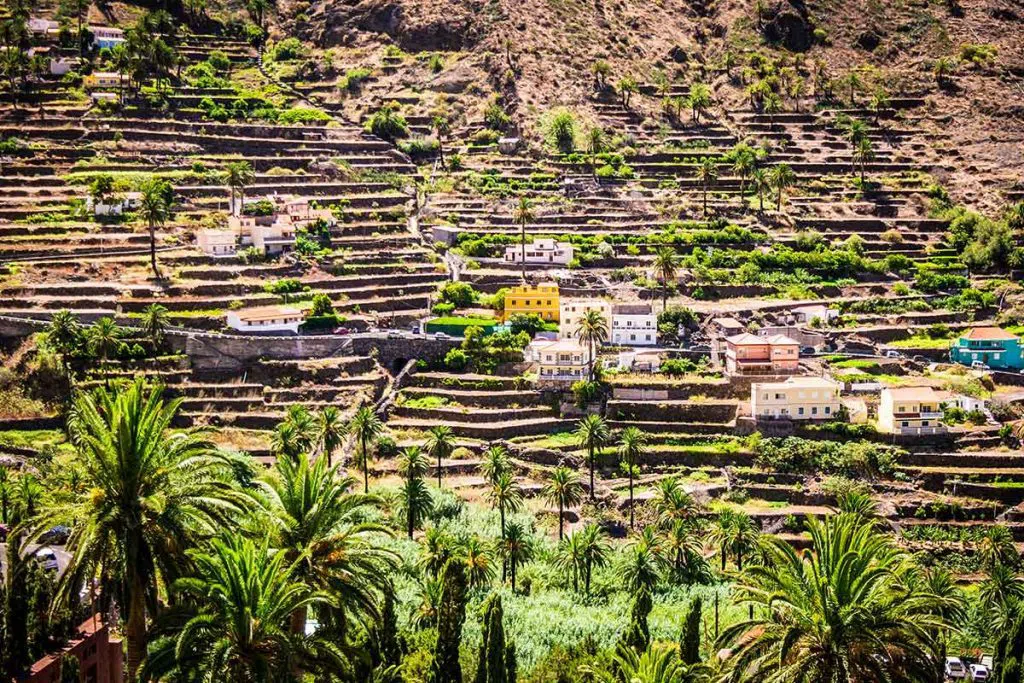
What Valle Gran Rey is known for
This is the hippie valley of La Gomera, and it has worn that identity since the late 1960s, when young Americans avoiding the Vietnam draft began settling at the bottom of the ravine. Germans and British followed through the 1970s, pulled in by cheap living and by the caves at Playa de las Arenas, which some of them simply moved into.
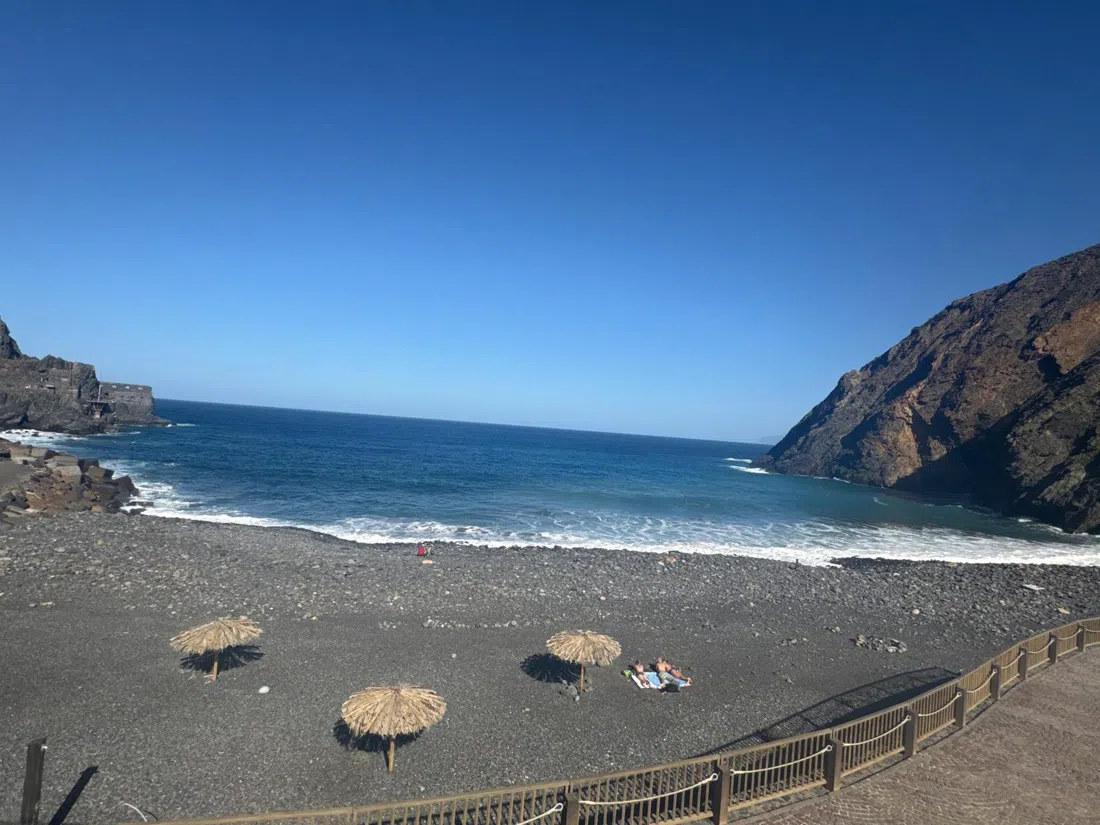
What's left of that era isn't a costume. It's a set of habits that have outlived the people who started them — the Sunday market in La Calera, the retreat fincas on the valley's flanks, the drummers who still turn up on the sand every evening without anyone organising them. The label has faded; the lineage hasn't.
The other thing the valley is known for is being a base rather than a destination in itself. Hikers come here because the GR 131 and GR 132 long-distance routes run within reach and the cliff viewpoints are genuinely on the doorstep — you can walk out of your apartment and be looking down a thousand-metre drop before the morning heat arrives. Whale and dolphin watchers come because the boats leave from the harbour below. And a steady trickle of yoga and retreat visitors come for the fincas.
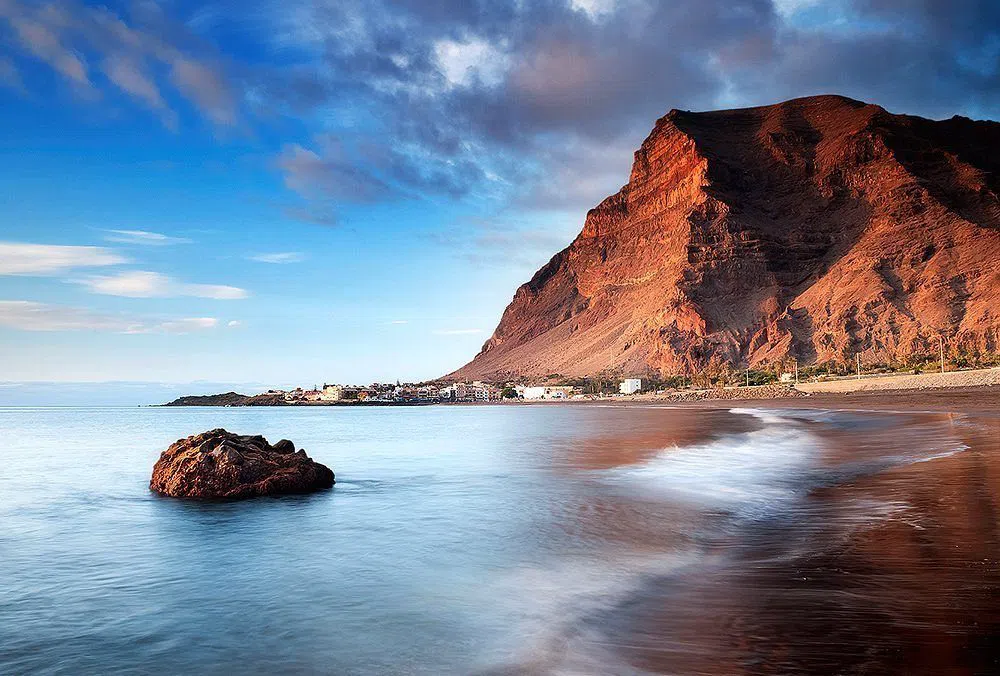
One correction to whatever your imagination is doing with the word beach. These are black volcanic sand with real Atlantic surf, not calm turquoise shallows. Playa de Vueltas, tucked behind its breakwater, and Charco del Conde, a natural rock-enclosed lagoon that families gravitate to, are the two reliably sheltered swims. Playa del Inglés is beautiful and popular and not safe for swimming — that is worth repeating to anyone travelling with teenagers who don't listen.
Where to eat and drink
Eating in Valle Gran Rey splits cleanly in two: harbourside casual, and a small handful of kitchens worth phoning ahead for. Vueltas, the old fishing port, holds the highest concentration and the most unbothered pace. The pitch there is simple and hard to beat — fresh fish off the boats that landed it that morning, eaten at a table a few metres from the water, with nobody hurrying you towards a dessert menu.
The valley's standout kitchen is Restaurante La Salsa, and it earns that with range rather than volume: fresh pasta, duck, tuna tataki, and vegetarian and vegan options that are actual dishes rather than a side salad with apologies attached. Book ahead. It's a small place in a small valley, and in the busier winter weeks turning up hopeful at eight o'clock is how you end up eating crisps on a wall.
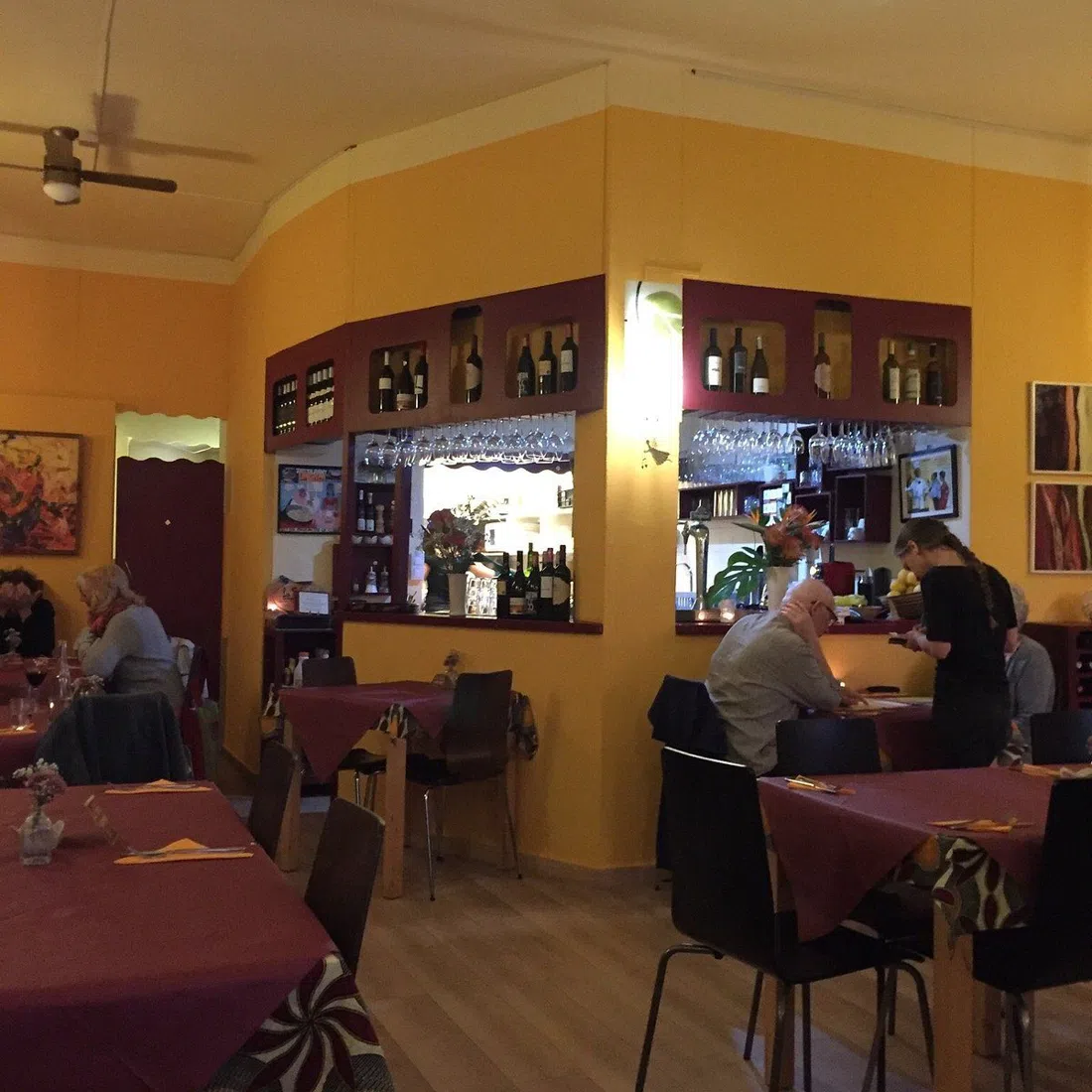
Down in Vueltas, Esperanto la Gomera has been German-run since 2015 and does two things exceptionally well — rabbit, and fish that came in through the port that day. The kitchen takes its time. Accept this early in the evening and the wait becomes part of the experience rather than a grievance; order a drink, watch the harbour, let the light go orange on the cliff behind you.
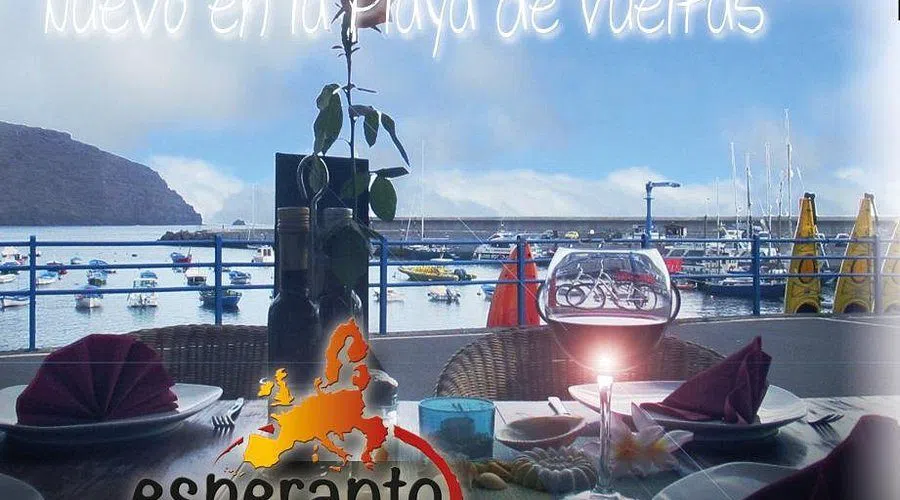
Prices across the valley sit low-to-mid. There are no resort mark-ups here because there is no resort — the hotels are family-run, the apartments are somebody's upstairs, and restaurant bills stay moderate in a way that has quietly disappeared from most of the Canaries' west coasts.
Nightlife
Nightlife in Valle Gran Rey means sunset, not midnight. If you need a club, you need a different island.
The ritual that actually matters is free and happens on the beach. As the sun drops behind the Atlantic horizon, drummers and fire performers gather on the sand around La Calera and La Playa — no stage, no ticket, no start time that anyone has written down. The roots of this run back to the valley's first wave of arrivals, and the remarkable thing is how little it has been packaged. People come, people drum, the light goes, people drift off to eat. Stand at the back with a beer and you'll understand more about this place in forty minutes than any guide can tell you.
When the sand empties, there is one reliable late option, and it's Bar Cacatúa on the Vueltas harbourfront — a fixture for a quarter of a century now, burgers and tapas through the day, cocktails and music after dark. It is not trying to be a scene. It's the place where the boat crews, the hikers and the long-stay Germans end up in the same room, which is better.
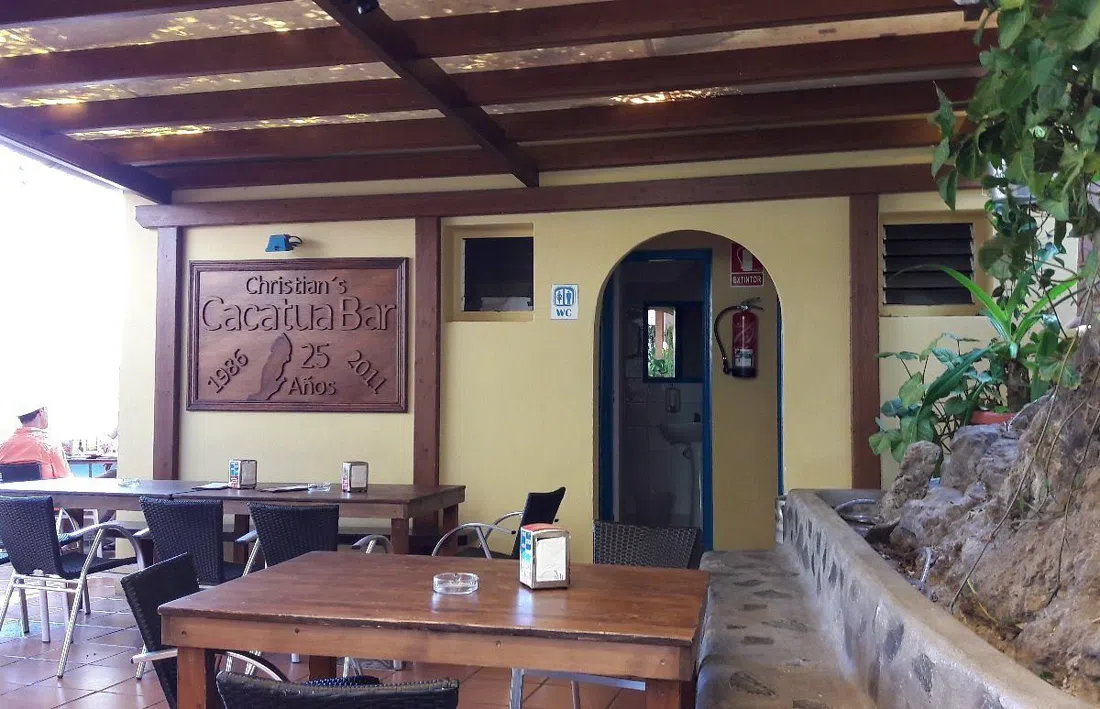
Outside peak winter weeks, the island shuts down early. Plan your evening around the horizon, not the clock.
Things to do
Whale and dolphin watching is the valley's signature activity, and it leaves directly from Vueltas harbour — a two-minute walk from breakfast, which is not something you can say in many places. The channel between La Gomera and Tenerife is one of the most reliable stretches of water in the region for cetaceans, and the trips run three to four hours in traditional boats rather than the glass-bottomed catamarans you'll have endured elsewhere.
Excursiones Yani is the easiest place to start: a traditional boat out of Vueltas port, with a swim stop and tapas included, which turns the morning into something closer to a day out than a sighting mission.
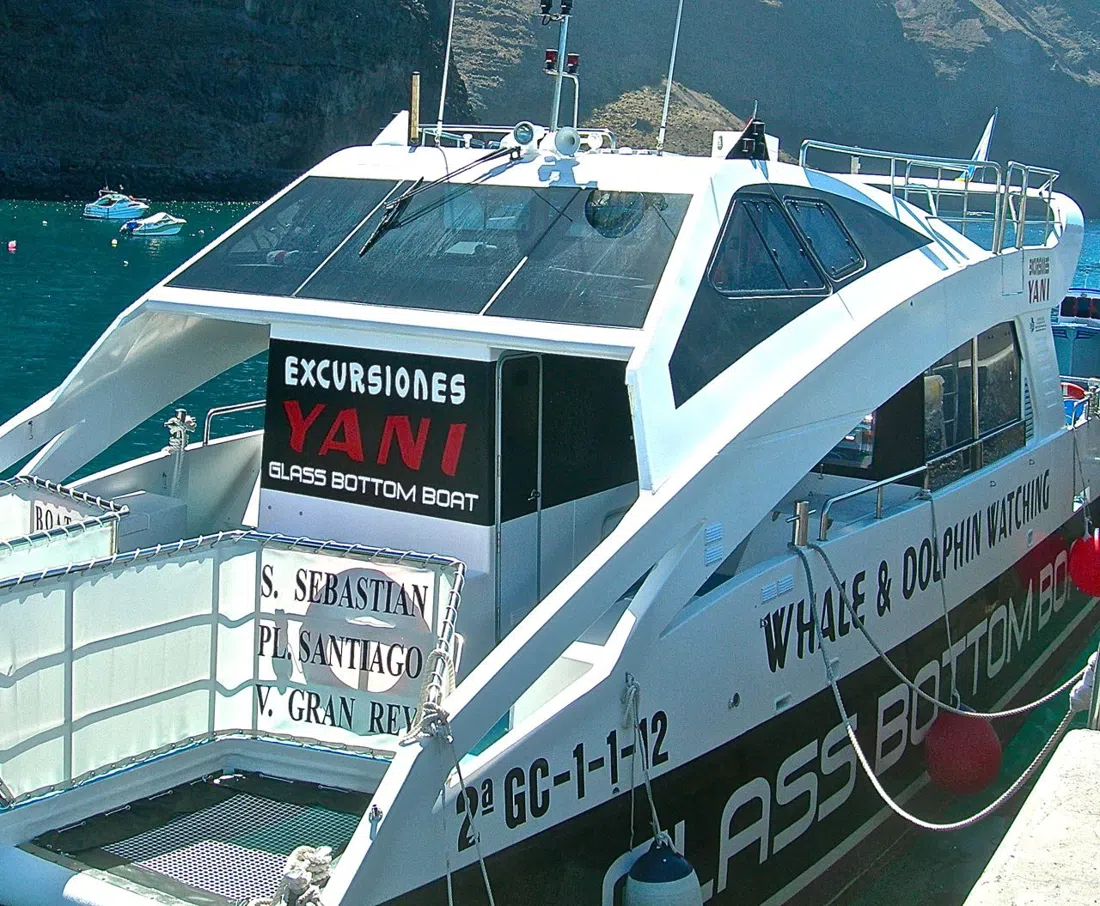
If crowds bother you, Excursiones Pura Vida runs smaller-group trips on the same traditional boats and the same water. Either way, you are going out into open Atlantic — take the sea seriously and the sun cream too.
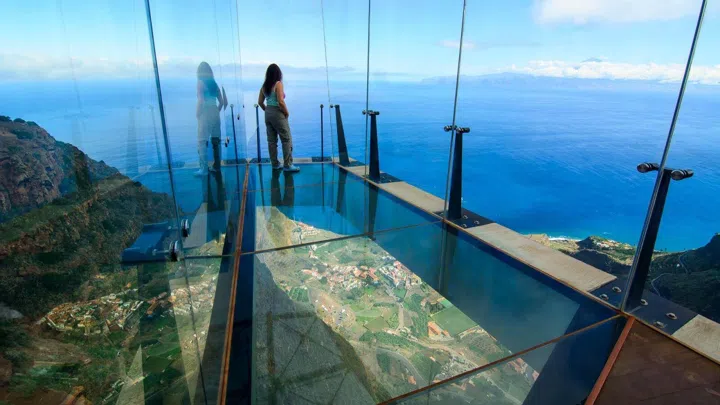
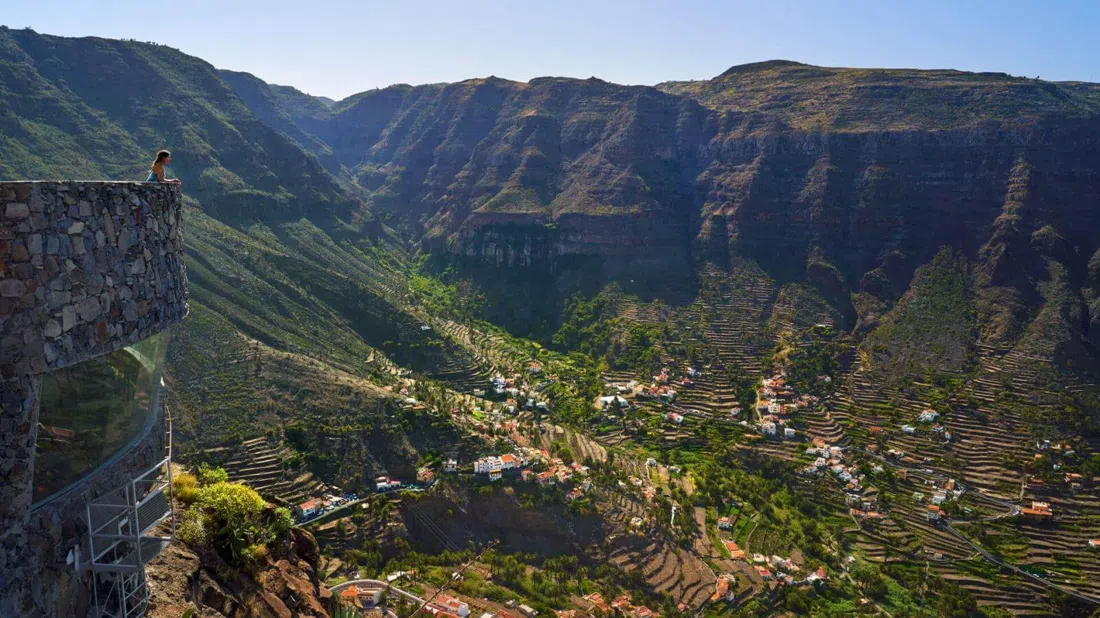
Back on land, the single unmissable sight is Mirador del Palmarejo, the clifftop viewpoint designed by César Manrique, which looks down the entire Valle Gran Rey ravine in one sweep. It is the view that makes sense of everything you've been walking around in: the terraces stacked up the slopes, the palm groves, the rooftops of La Calera, the thin grey crescent of beach at the bottom, the Atlantic beyond it going on forever. Go in late afternoon.
For a different pace, Finca Argayall sits near Vueltas and has been running since 1986, with daily yoga and wellness seminars. It's the most visible survivor of the valley's alternative chapter and still functioning as a working retreat rather than a wellness brand.
Shopping
Shopping here is small-scale and tied to the valley's artisan history rather than to any retail strip. There is no high street. What there is, instead, is the Mercadillo Municipal on Plaza Lomo del Riego, right beside the Valle Gran Rey bus station in La Calera, every Sunday morning from around 9am to 2pm — stalls of handmade goods, a steady flow of locals and long-stayers, and the particular social texture of a market that exists for the people who live there.
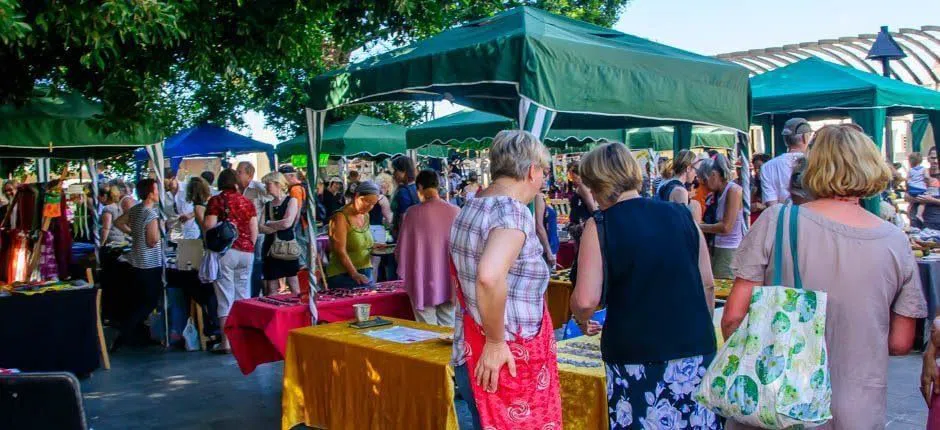
It's worth structuring a week around. Arrive Saturday, market Sunday morning, and you'll have met half the valley before you've had lunch.
Where to stay in Valle Gran Rey
La Playa is the easiest base for most visitors, and the reasoning is practical rather than romantic: it's flat, it's on the beach, it has the highest concentration of restaurants and bars within walking distance, and the sunset drumming happens directly on its sand. Hotel Playa Calera sits here, a five-minute walk from the beach.
Vueltas suits anyone whose mornings start with a boat — the harbour, the fish restaurants and the whale-watching operators are all right there, and Playa de Vueltas is the sheltered swim. La Calera, slightly up the slope, puts you next to the Sunday market and closer to the trailheads, at the cost of a walk down to the water.
Across all three, expect family-run hotels and apartments at low-to-mid prices. Nobody is charging resort rates because nobody is pretending to offer resort facilities.
Getting around
Getting to Valle Gran Rey from anywhere else on the island takes real time, and there is no quick hop. The nearest airport is La Gomera Airport (GMZ), about 45km away: roughly 45 to 50 minutes by taxi at around €60-65, or just over an hour on the direct GuaguaGomera bus. The alternative is flying into Tenerife and taking the ferry to San Sebastián de La Gomera, then bus or taxi across — somewhere between 45 minutes and an hour and a quarter, depending on what you catch. A direct San Sebastián–Valle Gran Rey ferry also runs, which is the gentlest option if the mountain roads don't appeal.
And they may not. The roads in and out of the valley are narrow, winding and genuinely demanding, which is a fair warning rather than a deterrent — but if you're nervous behind the wheel, the bus exists for a reason.
Once you're down in the valley, everything within La Playa, Vueltas and La Calera is walkable, and the bus station on Plaza Lomo del Riego in La Calera is the hub for anything beyond. A hire car buys you the viewpoints, the high villages and the trailheads above Arure. Without one, you'll need patience — but then patience is more or less the local currency, and the valley rewards it better than most places reward efficiency.
25 October 2026