La Palma · Where to live · 8 min
Barlovento, La Palma: Life on the Windward Edge of the Island
Three volcanic pools, a crater lagoon, a laurel forest and an 1867 lighthouse you can sleep in — a slow guide to the greenest, windiest corner of La Palma.
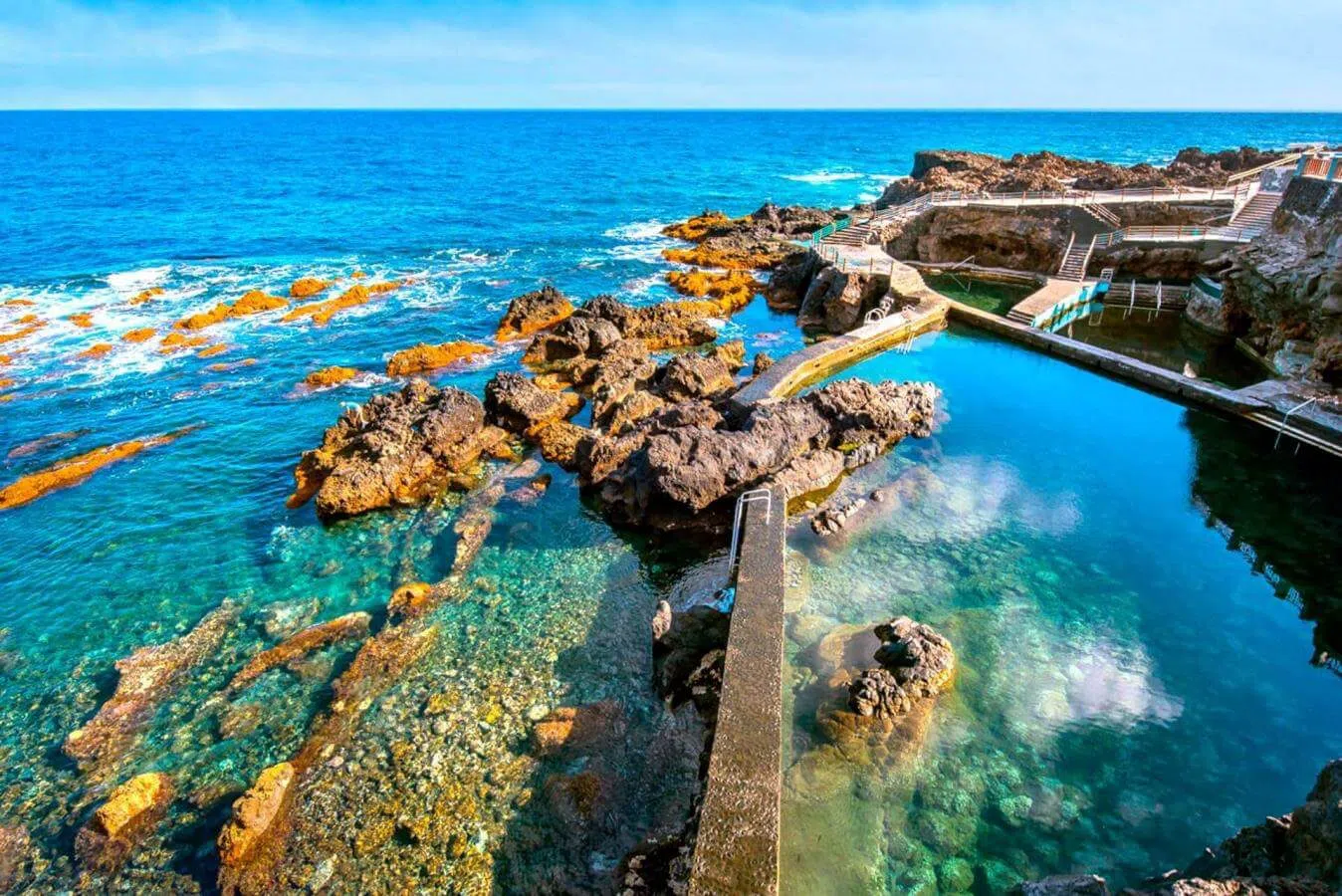
There is no beach in Barlovento. Not a cove, not a strip of black sand, nothing to spread a towel on — the coast at La Palma's windward tip is rock, and what passes for swimming here is three volcanic pools cut into that rock, shielded from the open Atlantic by a natural lava wall. The absence explains most of the place. Barlovento is where the north-easterly trade winds strike the island first, and what they have made is a municipality of roughly 1,900 people with a crater lagoon, a laurel forest and a working 1867 lighthouse you can book a bed in. What it does not have is a promenade, a beach bar, or the faintest ambition to acquire either.
What Barlovento is known for
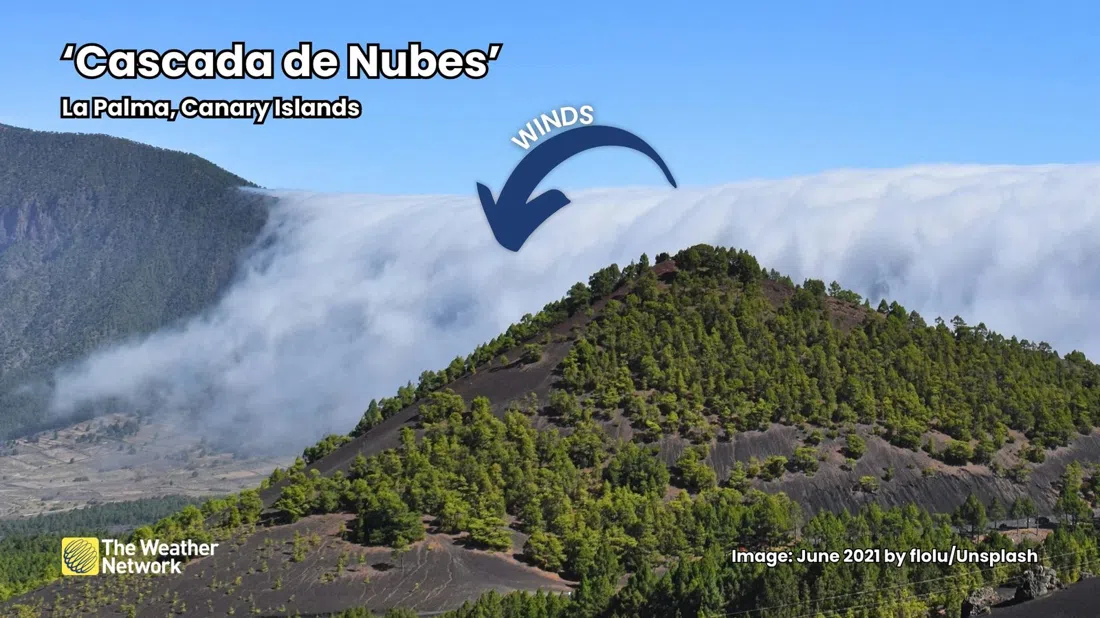
The name is not decorative. Barlovento means windward, and this is literally the stretch of coast where the trade winds arrive, hit the cliffs and dump their moisture before the rest of the island gets a share. The result is the greenest patch of a island that is already wetter and greener than anywhere else in the Canaries. Cloud piles against the high ground most afternoons. The laurel forest survives because of it. The town sits several degrees cooler than the tourist strip in the south, which is either a selling point or a shock, depending on what you packed.
The island's own tourist board leans on the same line locals do: laurel forest, water, wind. You feel it within a kilometre of arriving. Roads climb into damp green, visibility drops to the next bend, and then the cloud tears open and you are looking down several hundred metres of terraced cliff to a white line of surf. The best single frame of this is from the Mirador de la Tosca, a viewpoint at around 700 metres ringed by old dragon trees, looking out over the north coast.
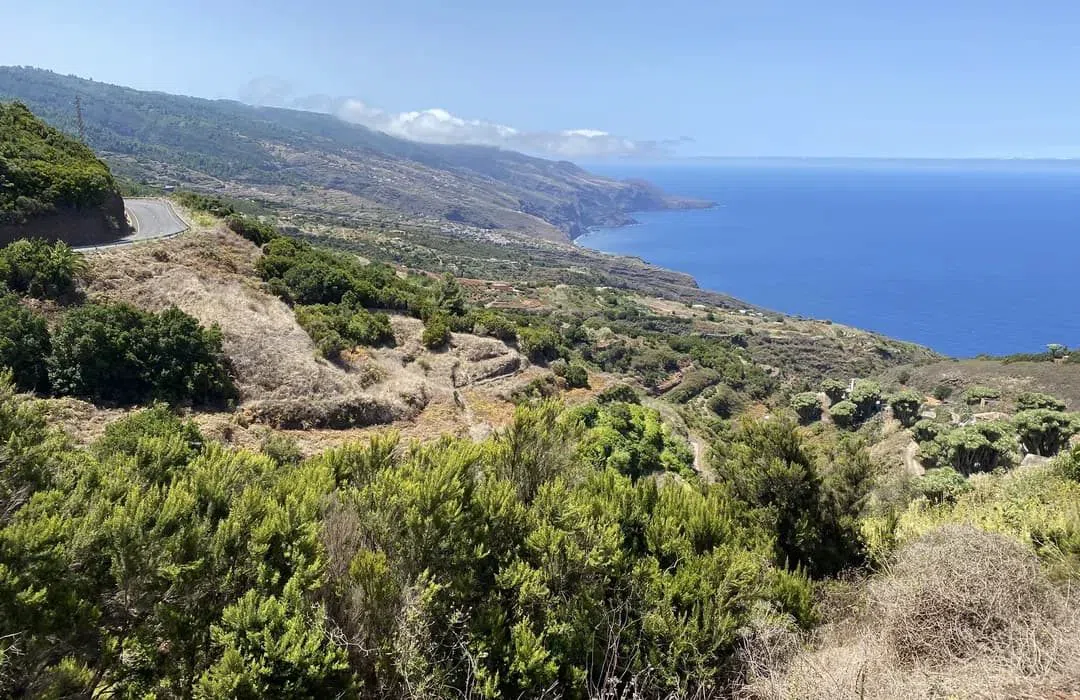
Those dragon trees are the kind of detail that makes Barlovento worth a night rather than a photo stop. They are ancient, absurd-looking things, and the mirador gives you a dozen of them in the foreground of a view that drops straight to the Atlantic. Come up here in the late afternoon, when the cloud is usually moving, and you will watch the weather assemble itself in real time.
Where to eat and drink
Eating in Barlovento is small-scale and tied closely to what is nearby: fish landed on this coast, goat and pork from the island's interior, Canarian wine. The handful of restaurants worth knowing cluster in two places — directly above the La Fajana pools, or in the village centre. Reviewers almost always mention the sea view before the menu, which tells you something about where the kitchens are sited.
La Gaviota Restaurante is the one to book if you only eat out once. Its terrace sits directly above the La Fajana pools, the fish is fresh, and by consensus it is the best-reviewed kitchen in the area. Time it for early evening and you get swimmers in the pools below you, the swell breaking against the outer rock wall, and a plate of whatever came in that morning.
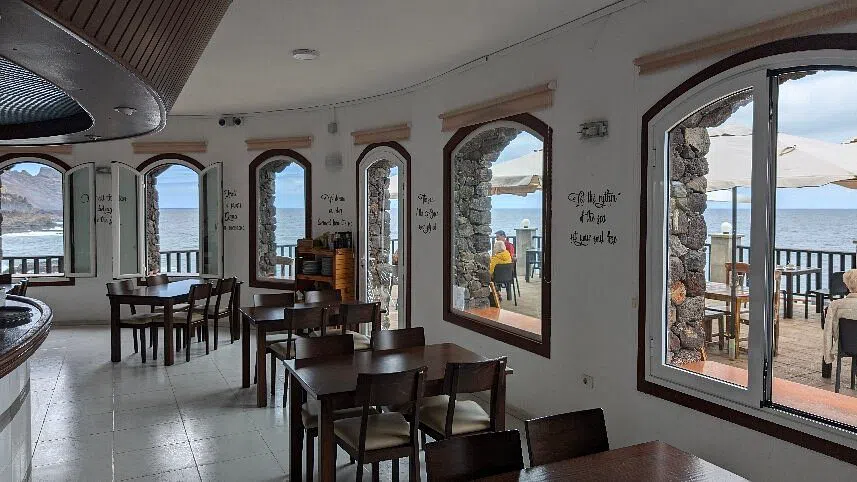
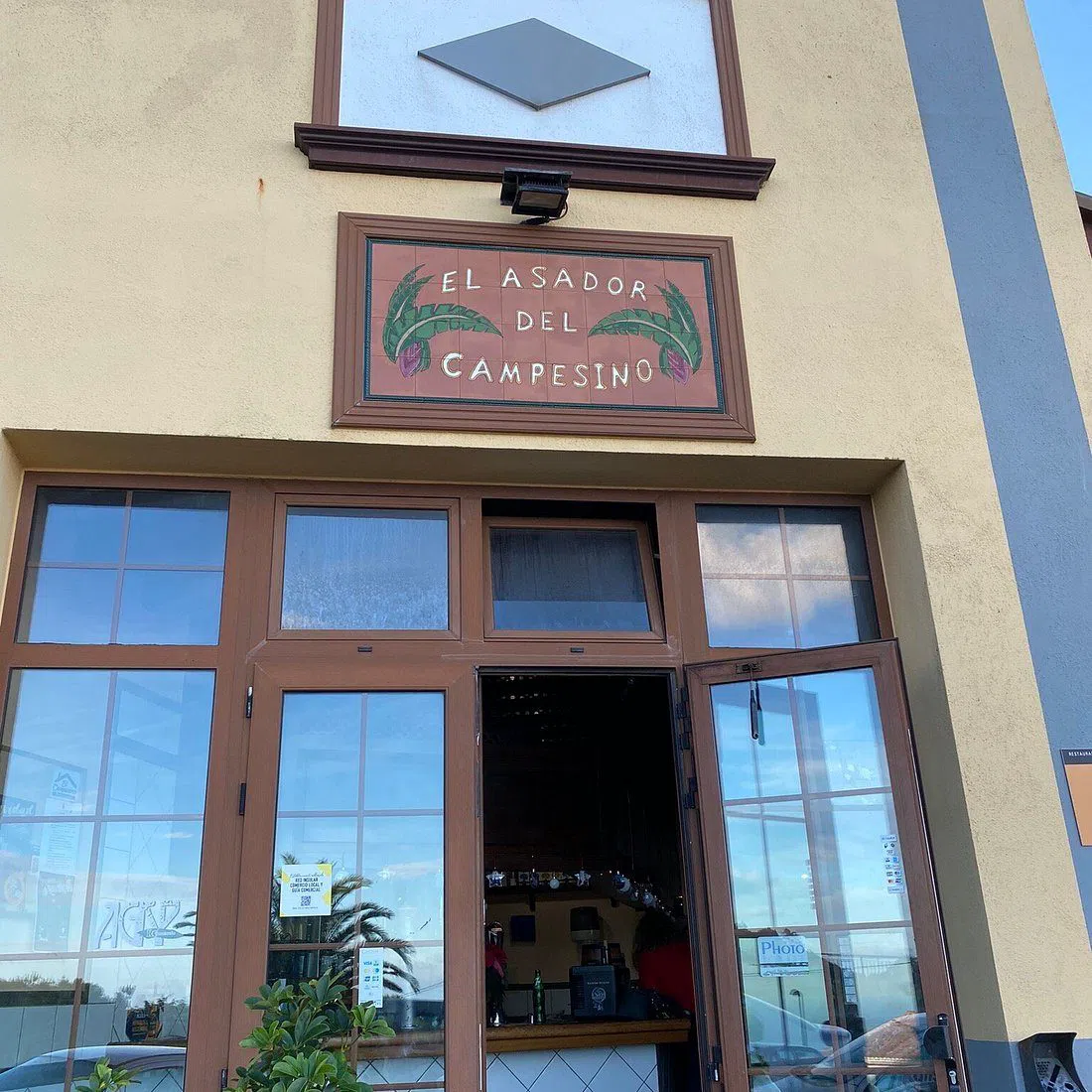
A short walk away, Restaurante la Fajana is also perched over the natural pools, with fair prices and recent praise for its squid and its tuna. It is the sort of place that fills with a mix of locals and whoever has just climbed out of the water with wet hair, and nobody minds which you are. Up in the village, Restaurante El Campesino takes a different line entirely — a steakhouse and Mediterranean grill, strong on the food and, by several accounts, slower on the service. Order, settle in, accept the pace. You are not going anywhere afterwards.
Because that is the other thing to know: Barlovento closes early. There is no bar strip, no late scene, no second act. If you are the kind of traveller who measures a destination by what is open at midnight, this is the wrong end of La Palma for you, and nobody here will pretend otherwise. What you get instead is the village after dark — very quiet, very dark, with enough sky overhead to make up for the lack of a cocktail list.
Things to do
Start at La Fajana. Three volcanic pools sit at the foot of the coast, protected from the open Atlantic by a natural rock wall that takes the force out of the swell before it reaches you. They are free to enter, open around the clock year-round, and come with showers, changing rooms, a solarium and lifeguards in season — which is a remarkable amount of infrastructure for something that costs nothing. Go early. The light is better before the day-trip buses arrive from the south, and for an hour or two you may well have a pool to yourself.
One firm rule, and it matters more here than the gentle tone of most guidebooks suggests: swim in the pools, not off the open rocks beside them. The protected water is considered among the safest sea swimming on La Palma precisely because that lava wall exists. Twenty metres further out, the Atlantic is doing something else entirely, and it does not care how strong a swimmer you are.
Inland and uphill, the Laguna de Barlovento recreation area is the counterweight to all that salt and exposure. It is a crater lagoon ringed by laurel and pine forest, with a trailhead, picnic tables and camping facilities — a place islanders use as much as visitors do. The air up here is cool and damp, the forest closes in, and the contrast with the coast half an hour below is total. If you have come to Barlovento to hike, this is where most days should begin.
Then there is the lighthouse. Punta Cumplida has been operating since 1867 and still is, run by the Port Authority, with a 34-metre tower you can climb. Standing at the top, with the wind doing what the wind does on this coast, you understand the whole logic of the place: this is the corner of the island that gets hit first, and someone has been keeping a light on it for more than a century and a half.
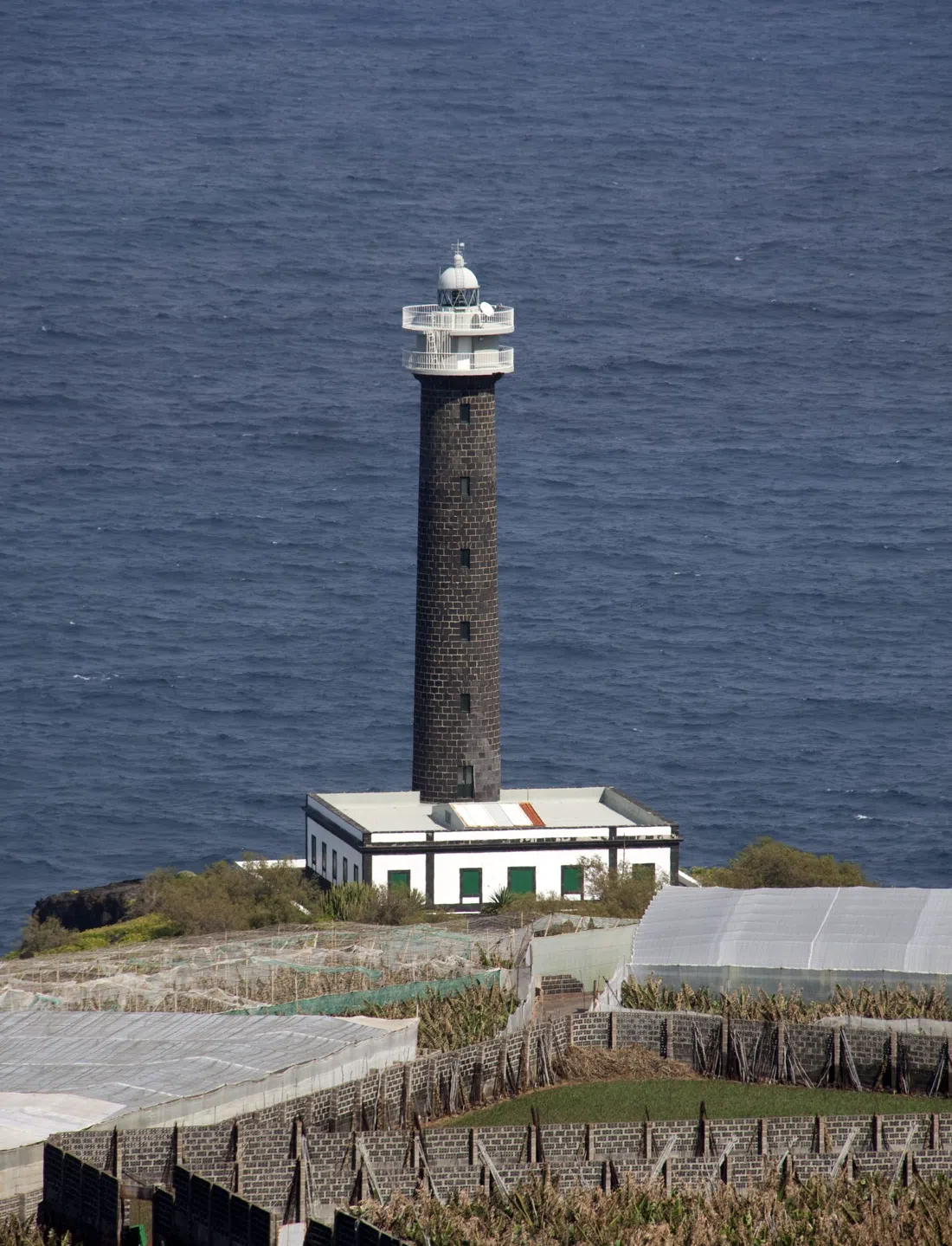
The trails, the pools, the mirador and the lagoon are all within a short drive of one another, but they are not walkable as a single loop. Pick two a day and leave time to sit still.
Shopping
There is no retail strip in Barlovento, and it would be dishonest to dress one up. Shopping here means one thing: the Mercadillo Agrícola y Artesano, the agricultural and craft market held on the second Sunday of every month from 10am to 2pm in Plaza del Rosario, directly in front of the church. Stalls sell fresh fruit and vegetables, local cheeses and mojo, and the whole thing has the feel of a village errand that visitors are welcome to join rather than an attraction staged for them.
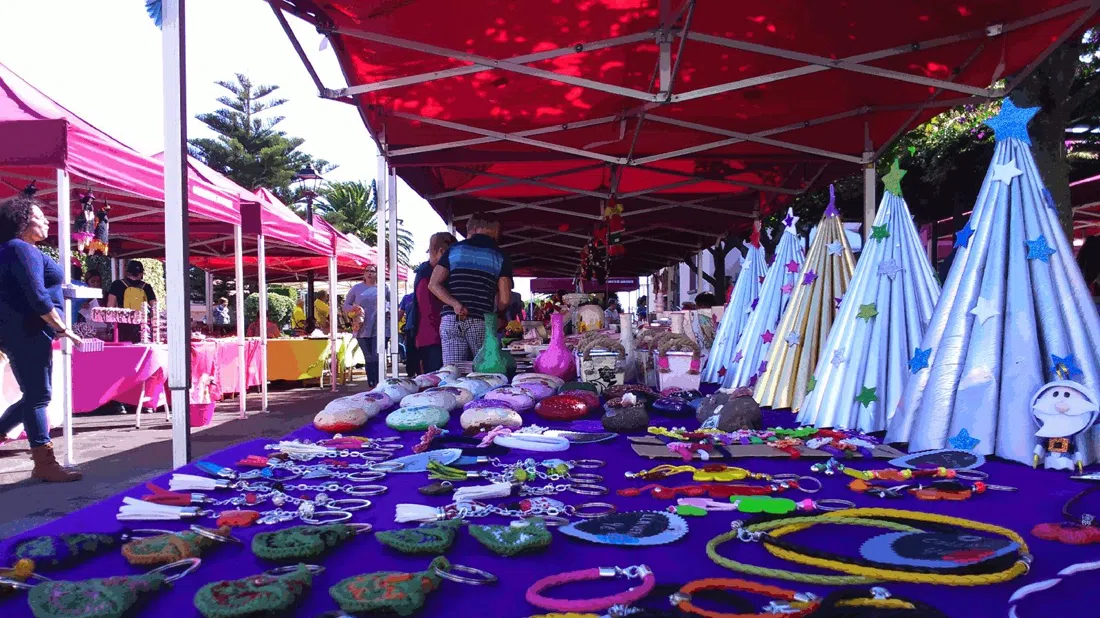
If your dates do not line up with that second Sunday, plan accordingly. Many people who stay in Barlovento cook for themselves, and the market is the best single place to fill a kitchen with island produce. Otherwise, do your shopping before you drive north and treat the cheeses as a bonus rather than a plan.
Where to stay in Barlovento
This is not an area with a hotel strip, and the choice comes down to two very different bases. Hotel La Palma Romántica sits inside the laurel forest with two pools, a spa and half-board dining. Guests rate the staff and the setting highly — the setting especially, because waking up inside that forest is the point — though several reviews flag the decor and some of the rooms as dated. Book it for where it is, not for how new it looks, and you will not be disappointed.
The alternative is the lighthouse. The keeper's quarters at Punta Cumplida have been converted into apartment-style suites ranging from 45 to 110 square metres, while the light itself keeps working under Port Authority operation. It is the one genuine splurge in a municipality where prices otherwise run low — rural guesthouse rates, modest half-board, restaurants that will not frighten you. For a couple trying to disconnect from everything, sleeping at the foot of an active 1867 lighthouse on the windward edge of the Atlantic is hard to improve on.
Getting around
Barlovento has neither airport nor ferry port of its own; both are at the opposite, southern end of the island. La Palma Airport (SPC) is roughly 40 kilometres away, and the ferry terminal at Santa Cruz de la Palma, the island capital, is a similar distance. Allow 50 to 60 minutes by road for either, and more if the cloud is down on the high ground, which it often is.
A hire car is the honest answer to how you should get around. Bus line 100 connects Santa Cruz to Barlovento roughly once an hour, and it works perfectly well as a way of arriving, but the pools, the lagoon, the mirador and the lighthouse are spread far enough apart that waiting on an hourly timetable will eat your days. Self-driving also lets you move with the weather rather than against it — down to La Fajana when the coast clears, up to the forest when it does not.
Pack for the windward side, not for the brochure. Expect wet, windy conditions even in summer, bring a layer and proper shoes for the laurel-forest trails, and accept that the cloud is part of the deal. It is the reason everything here is green.
24 October 2026