La Palma · Where to live · 9 min
El Paso, La Palma: The Island Town With No Sea At All
Seven hundred metres up in La Palma's farming middle, El Paso trades coastline for crater rims, lava fields and the darkest skies on the island.
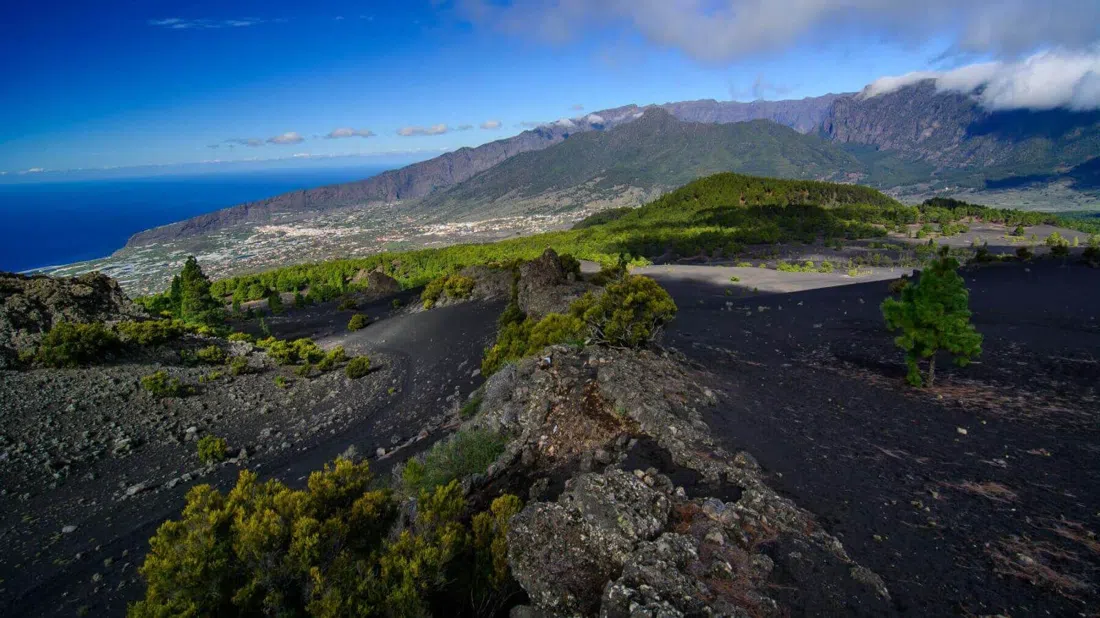
Seven hundred metres above the Atlantic, and not a metre of it its own: El Paso is the only one of La Palma's fourteen municipalities with no coastline at all. You feel that absence as a kind of focus. Almond and orange trees ring a cluster of restored colonial townhouses, and the air carries dust and citrus rather than salt. Drive fifteen minutes out of town and you are either on the rim of a volcanic crater or standing on a plain of black lapilli where the sky does most of the talking. This is the island's agricultural middle, and it has become its best hiking base almost by accident — a working Canarian town that happens to sit at the door of a national park.
What El Paso is known for
The name is literal. El Paso occupies the natural pass between the Caldera de Taburiente, the vast eroded crater that swallows the island's northern interior, and the Cumbre Vieja ridge running away to the south. Geography made it a crossing point long before it made it a destination, and that geography still dictates the rhythm of the place: fields and groves on the flats, cloud piling against the ridge in the afternoon, and roads that climb rather than hug a shoreline.
What El Paso is known for now is what those roads lead to. The Caldera de Taburiente sits on its doorstep. The 2021 Tajogaite eruption, whose aftermath is one of the most extraordinary things to see anywhere in the Canaries, happened on its flank; the eruption is long over and the town has rebuilt, though the lava field remains a landscape nobody forgets. And above it all, the dark skies — El Paso falls inside the island's Starlight Reserve, close enough to observatory-grade darkness that you don't need to grind all the way up to the summit telescopes to get it.
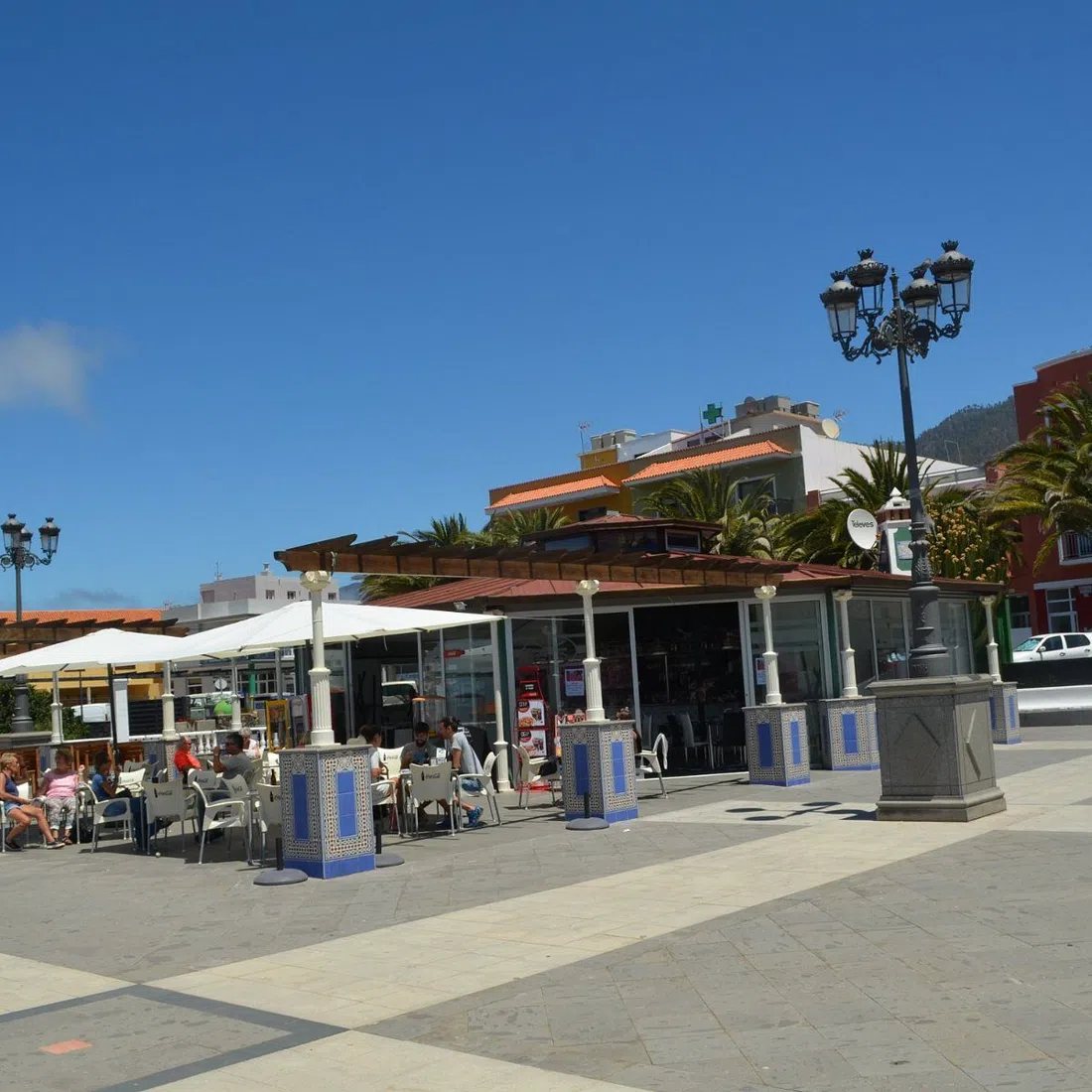
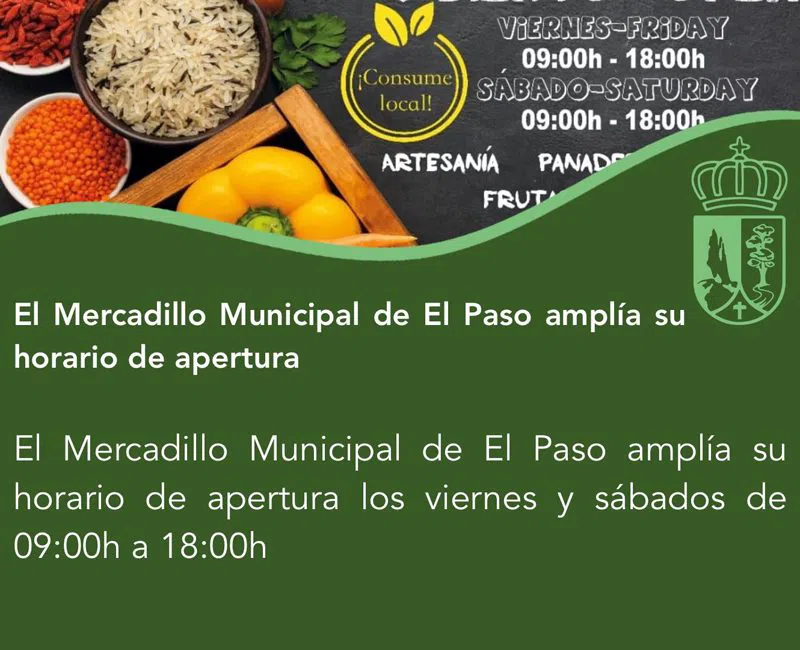
The town's own texture is modest and real. Fridays and Saturdays the mercadillo sets up below the tourist office with stalls of almonds, cheese and cactus-fig jam, and by midday the Plaza Francisca de Gazmira fills with locals on their second coffee of the morning.
It is worth being clear about who this suits. Hikers using the Caldera and La Cumbrecita as a daily base will be very happy here. So will stargazers, and anyone who wants to see the volcano's aftermath from a town rather than a resort strip. If you came to La Palma to swim, you are in the wrong municipality entirely — there is no coast, no late bar scene, and without a hire car you will find your evenings get very small very quickly.
Where to eat and drink in El Paso
El Paso eats plainer and cheaper than the coast, and that is exactly the appeal. Goat's cheese, chorizo de la sierra, tapas priced for people who live here rather than for tour buses. Nobody is performing Canarian cuisine at you; they are just cooking it.
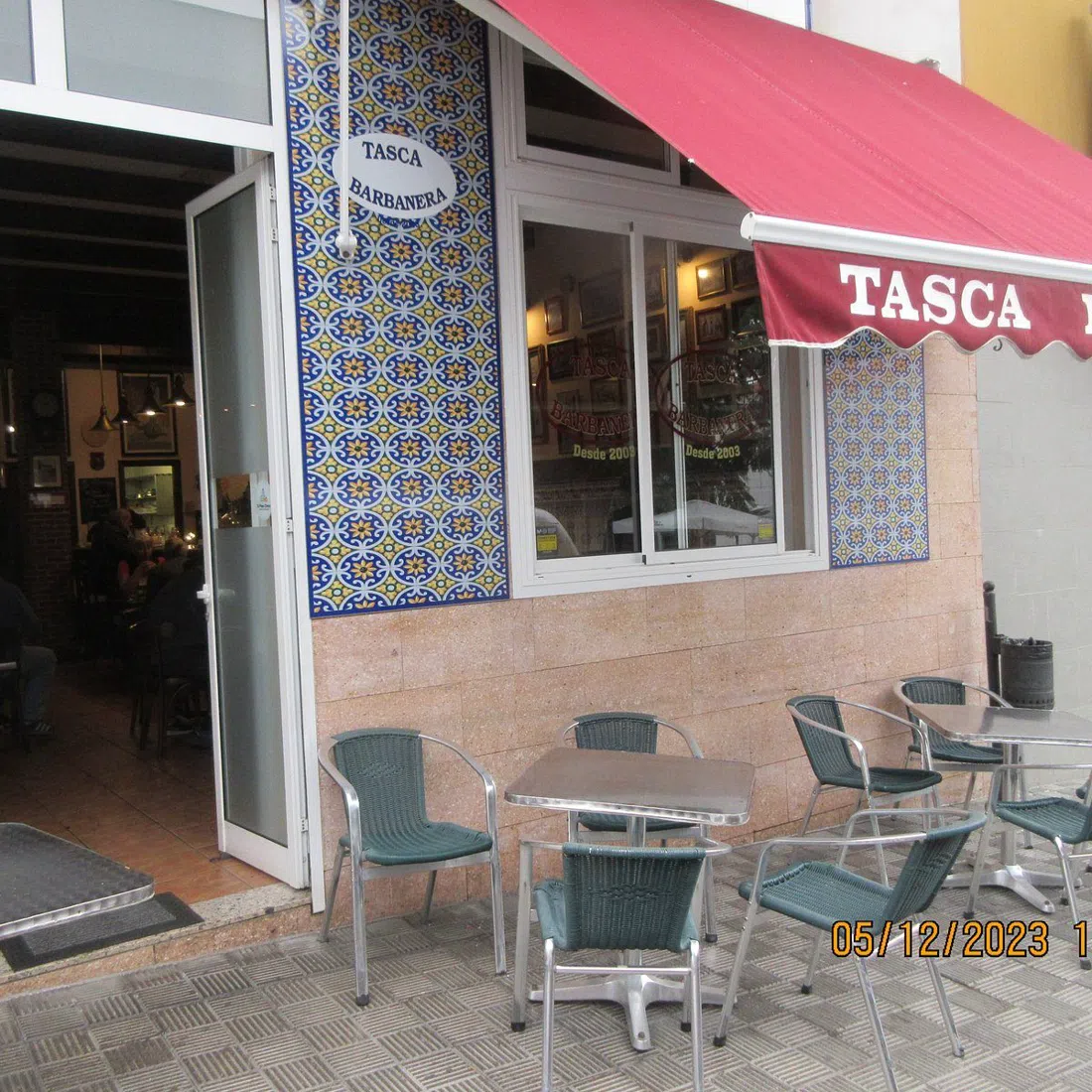
The anchor is Tasca Barbanera on Avenida Islas Canarias, the town's long-running tavern — tiled like an old Spanish bar, more than fifteen years behind it, and an island wine list that rewards asking what's local rather than ordering by habit. It holds a 4.5, and it earns it the slow way: you go once for tapas, you end up going three nights running because it's warm, unhurried and the bar runs later than anywhere else in the old centre.
For something sharper, Bonita Gastro Restaurante is a small Venezuelan-run gastro spot working a French-Mediterranean menu, open evenings only, and rated 4.7 — the kind of place where a town of this size surprises you. Book, because the room is tiny, and don't turn up at lunchtime expecting it to be open.
The highest local score in town, though, belongs to Tasca La Cazuela, a block off the centre, doing straightforward Canarian cooking with no interest whatsoever in being discovered. A 4.8 rating in a working farming town is not a marketing achievement; it is a verdict from neighbours. When the almond-tree evenings turn cool and you want something that tastes like the mountains above you, this is the address.
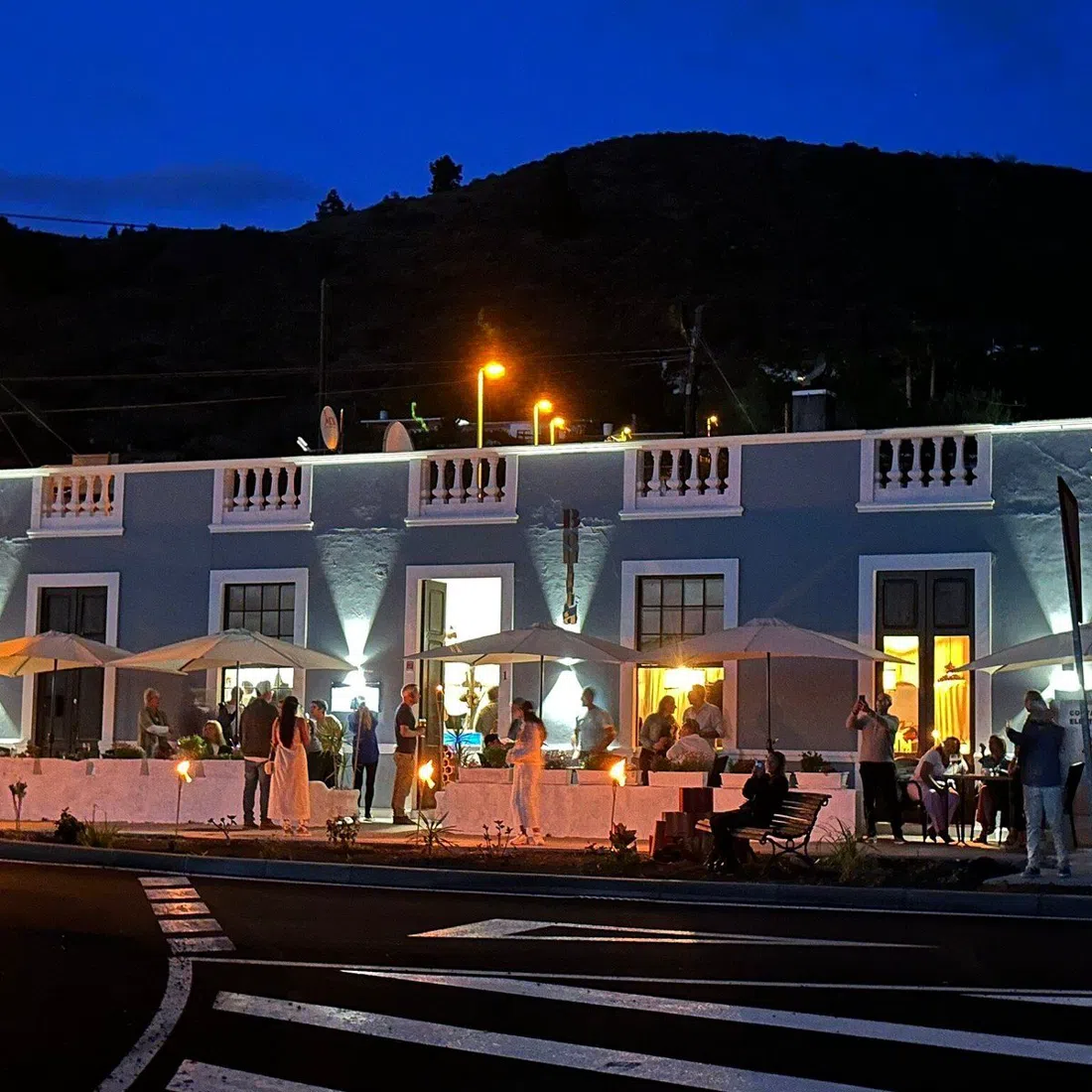
Not everything is Canarian, and that's healthy. La Cantina del Geco runs an Italian kitchen with wood-fired pizza and homemade pasta, with outdoor seating on the main road — an easy, loud, unceremonious 4.5 that is the right answer after a long day on a trail when nobody in your group wants to think. And in the old centre, Bar Central has reopened in a colonial building between the Silk Museum and the Ermita de Nuestra Señora de Bonanza, run by the team behind Las Norias; the tapas are good, the setting is better, and it is the most pleasant place in El Paso to lose an hour outdoors.
For the daytime ritual, La Plaza is the square-side café where locals actually gather — coffee, a quick lunch, the newspaper, the conversation. At 4.6 it is not trying to be a destination. It is simply where the town sits down.
Nightlife in El Paso
There isn't much, and saying so is honesty rather than a gap. El Paso is an agricultural town and most kitchens and bars shut by 10 or 11pm. The streets empty, the temperature drops, and the loudest thing becomes the wind off the ridge.
What you get instead is a good late terrace and a very good sky. Bar Central's terrace, tucked between the Silk Museum and the Ermita de Nuestra Señora de Bonanza, is about as late as the old centre stretches — a glass outside under colonial stonework, with the evening thinning out around you.
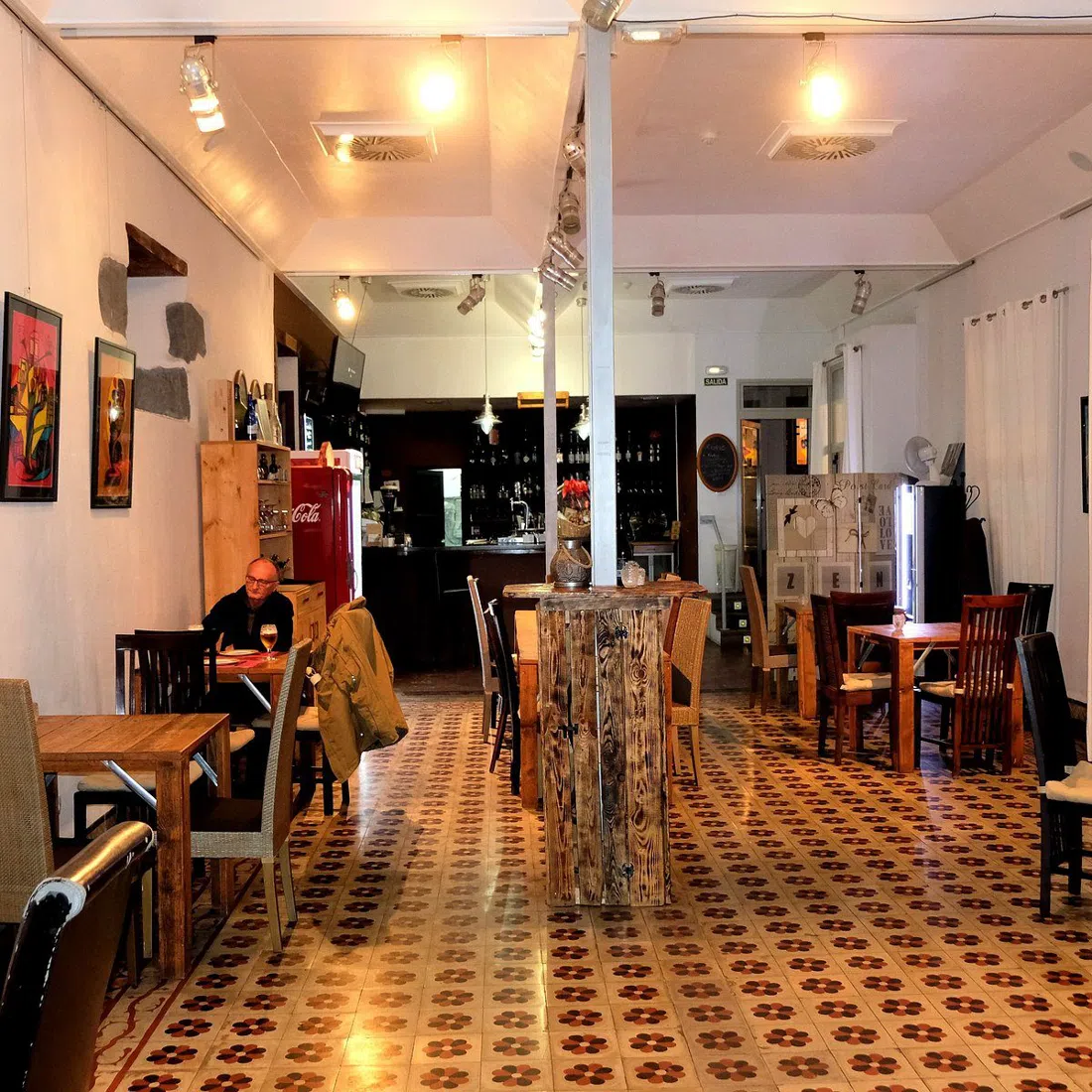
At weekends, Tasca Barbanera is the one spot in the old centre whose bar genuinely runs into the evening, and a weekend night there is the closest El Paso comes to a scene. If you want more than that, you want a different island, or at least a different municipality. The honest local advice: eat early, drink one more than you planned at Barbanera, then drive up to the volcanic plain and look up. That is the nightlife here, and it is better than a club.
Things to do in and around El Paso
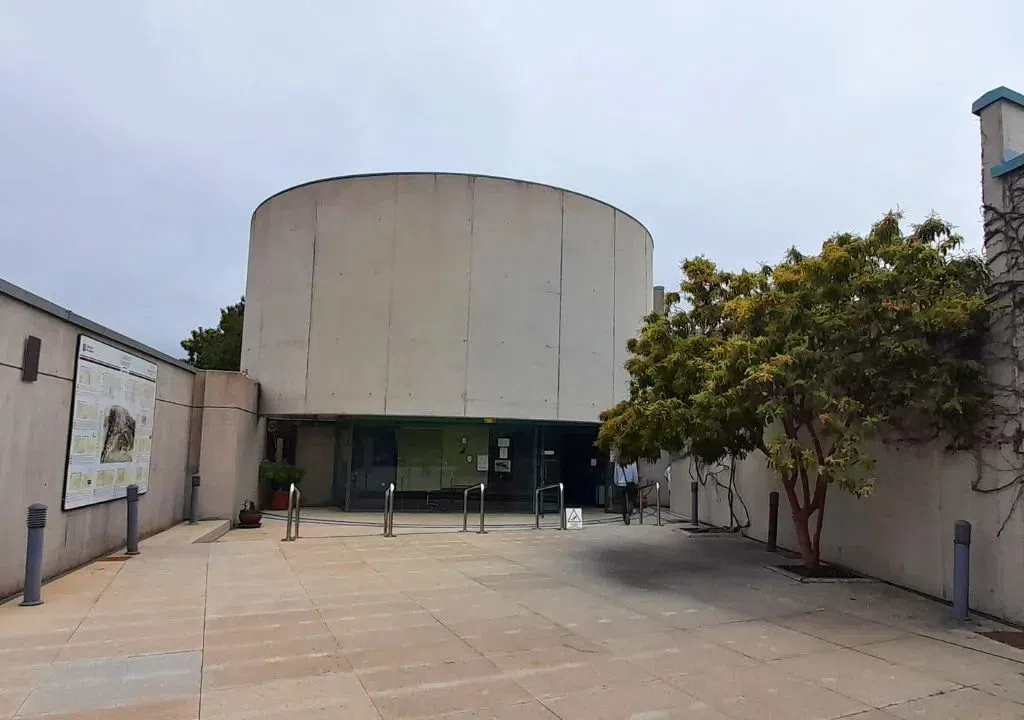
The single best reason to base yourself in El Paso is the Caldera de Taburiente National Park, and the smart first stop is its visitor centre on the Carretera General Padrón, on the edge of town. It opens daily, 9am to 6pm with shorter winter hours, entry is free, there's parking, and the exhibits on the park's geology and ecology are worth twenty minutes before you drive up — a crater makes a great deal more sense once you understand that it was carved by erosion as much as by fire. It also functions as the permit office, which matters.
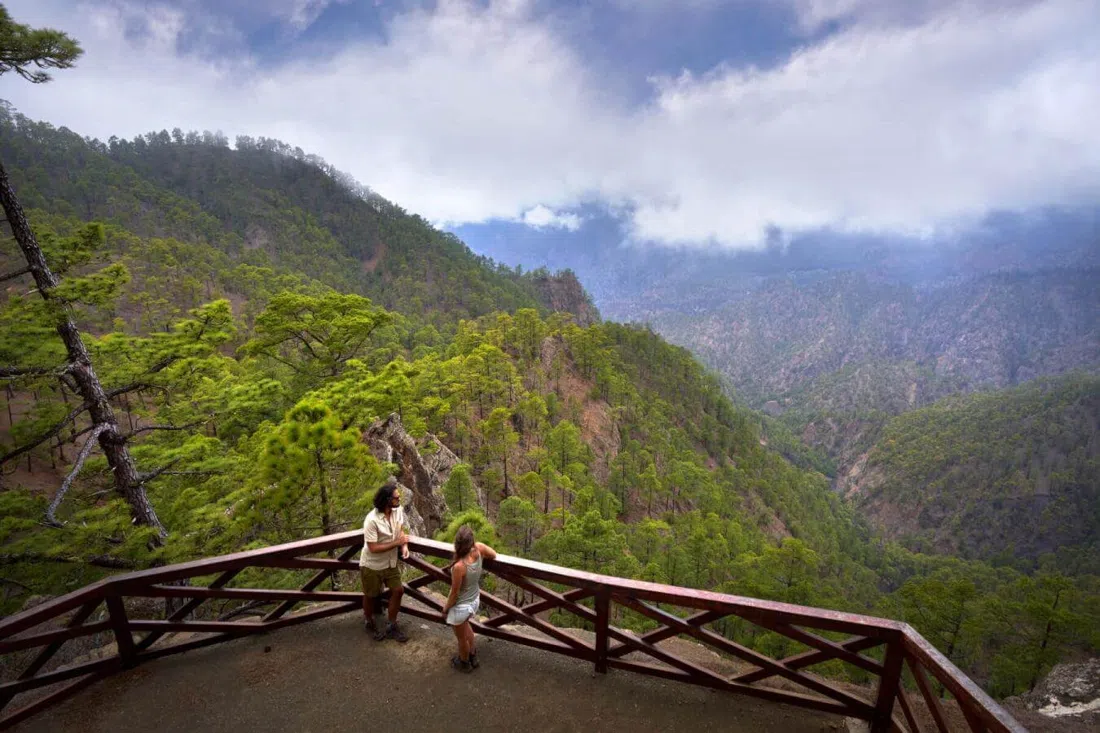
From there the road climbs to the Mirador de La Cumbrecita, the classic viewpoint over the crater floor and, at 4.7, one of the most photographed places on La Palma for entirely legitimate reasons. Walls of rock close around you; cloud spills over the rim and burns off again. Cars need a timed permit, booked in advance — turn up without one and you will be turned back, which is a long, sour drive to repeat.
After dark, head for Llano del Jable, an open volcanic plain at 1,200 metres inside the Starlight Reserve and El Paso's best free stargazing spot. Its 4.8 rating is the quiet consensus of everyone who has stood there with their neck craned. Bring layers — more than you think — and a red torch, and let your eyes adjust for a full twenty minutes before deciding whether it's impressive.
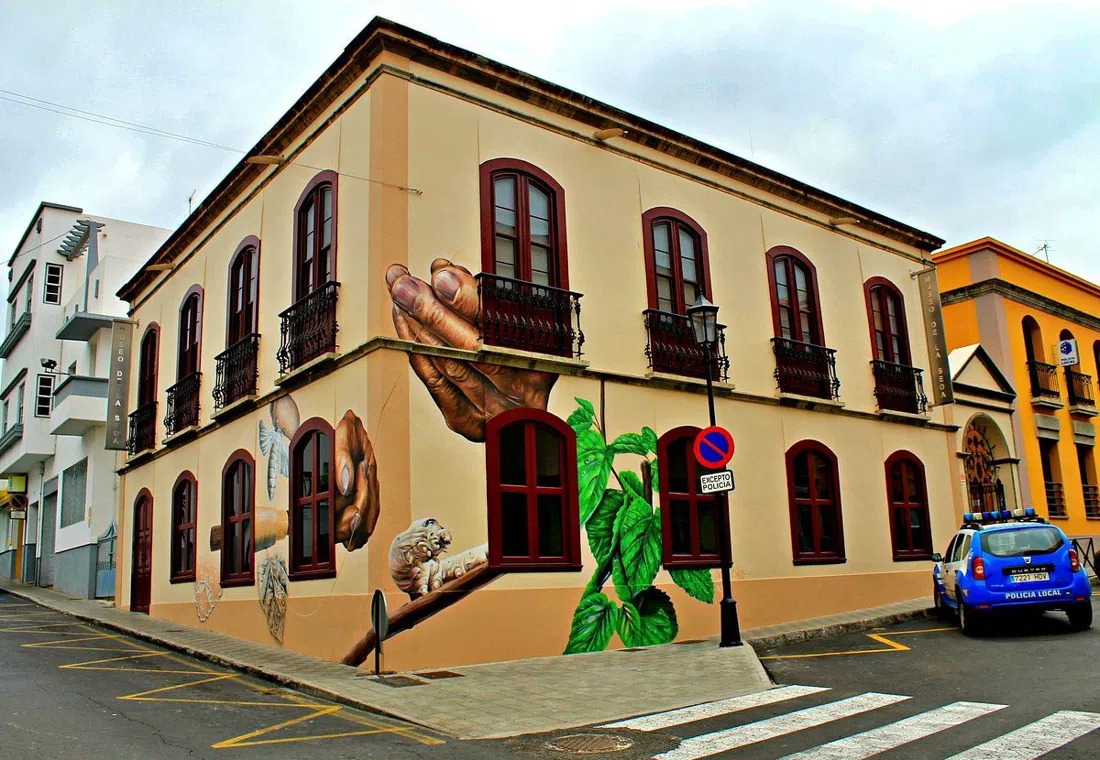
In town, the Museo de la Seda Las Hilanderas is a working silk museum and workshop, hand-weaving since 2002 on a craft that reaches back to the sixteenth century. It is small, it is 4.6, and it is the opposite of a tourist stop: you watch people make something difficult, slowly, by hand, in the same town where the mulberry grows.
And then there is the volcano. El Paso is one of the access points for the 2021 Tajogaite eruption site, with guided tours leaving from offices in town that begin with a briefing video before heading out to the lava field itself. Go with a guide; the ground deserves the context.
Shopping in El Paso
Shopping here is small and agricultural rather than touristy, which fits the town precisely. The Mercadillo Agrícola y Artesanal de El Paso sets up on Calle El Paso de Abajo, below the tourist office, on Fridays from 3–7pm and Saturdays from 10am–3pm: around thirty stalls of local produce, cheese and craft goods. Its 3.6 rating tells you something true — this is a producers' market for the people who cook here, not a curated artisan experience, and it is all the better for it.
Buy almonds. Buy the cactus-fig jam. Buy goat's cheese and chorizo de la sierra and eat it on a terrace at your casa rural with a bottle of island wine, because self-catering is how most people stay in El Paso and the market is the reason that works so well. If you miss the weekend window, the Silk Museum's workshop is the one place in town where what you carry home was made in front of you.
Where to stay in El Paso
No coast means no beachfront resorts, and accommodation here is almost entirely casas rurales and small apartment-villas scattered through the almond and orange groves ringing the town. That suits the area's real appeal: you want a kitchen, a terrace, somewhere to dry boots and a dark patch of sky above the roof.
Bungalows Sombrero de Pico offers self-catering rural bungalows among the almond and orange trees, rated 3.9 and well suited to groups and families who want space and a kitchen table more than a lobby. For couples, El Mirador de El Paso is a small apartment-villa with a pool and views out to the Cumbre Vieja, carrying a 4.8 — the kind of place where the evening's entertainment is the ridge changing colour. Either way, budget-wise you are in cheap-to-mid-range territory, priced for the island's own residents rather than the coastal markup.
Getting around El Paso
The centre is small and genuinely walkable. The old town, the Plaza Francisca de Gazmira, Las Hilanderas and the market are all a few minutes from each other on foot, and you'll cover the lot in a morning.
Beyond that, a hire car is close to essential. The Caldera de Taburiente visitor centre, La Cumbrecita, Llano del Jable and the lava field are not served by public transport, and the La Cumbrecita driving permit has to be booked ahead regardless. Arriving, fly into La Palma Airport near Breña Baja and drive or taxi roughly 35–40 minutes; by bus, take line 500 into Santa Cruz de La Palma and transfer to line 300 toward El Paso.
The town is genuinely safe and sleepy — the real limitation is that it empties after dark, not crime. Which is to say: get the car, get the permit, and treat the empty evenings as the point rather than the problem.
24 October 2026