Lanzarote · Where to live · 8 min
Costa Teguise, Lanzarote: The Resort That Was Told to Stay Low
A planned 1980s seaside town where no building outgrows a palm tree, the trade wind runs the beach schedule and one Manrique-styled square holds the whole evening.
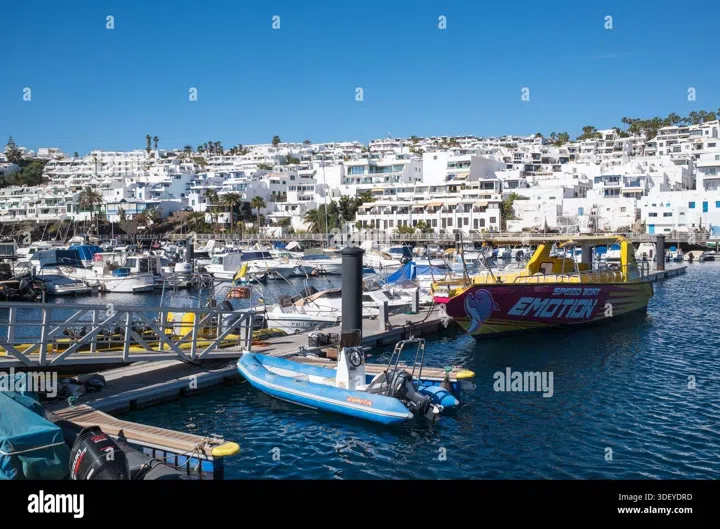
No building in Costa Teguise stands taller than a palm tree. Once you notice it, you cannot unnotice it — the whole resort runs horizontally, white and flat-roofed, spread along the Atlantic rather than stacked up against it. That restraint traces back to César Manrique, whose influence on Lanzarote's building codes shaped a town drawn from scratch from the late 1970s. The result is a planned 1980s seaside town rather than a strip, and it behaves like one: orderly, low, slightly unreal, and considerably quieter than you expect a Canarian resort to be. Then you reach the eastern beach, and the wind takes over.
What Costa Teguise is known for
Most resorts are fishing villages that got lucky. Costa Teguise is the opposite — it exists because of a plan. Lanzarote's own authorities laid the town out from the late 1970s, with Manrique's pressure on the island's building codes behind the whole exercise, and the brief is still legible on the ground: low-rise limits, a central square, a promenade to stitch the beaches together. Walk it for an afternoon and you start reading the resort as architecture rather than accident.
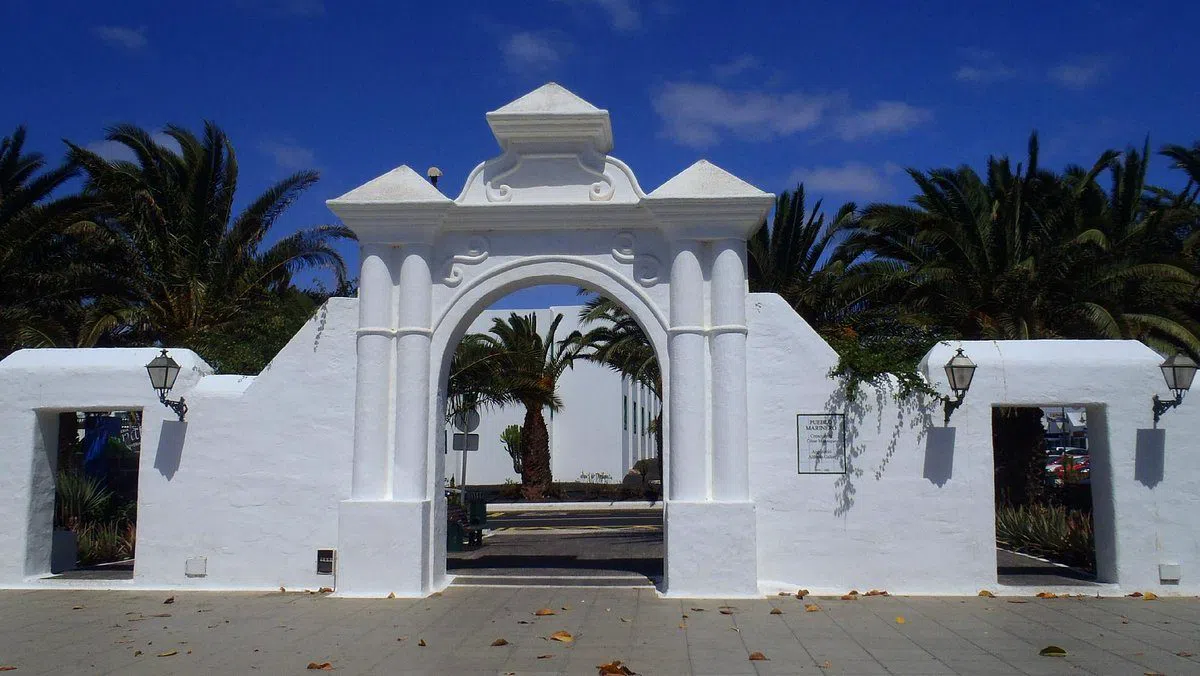
The centrepiece of that plan is Pueblo Marinero, the main square, built to look like a traditional Canarian fishing village. It is convincing in the details and faintly dreamlike in the whole, because it was built in one go — whitewashed walls, green shutters, a courtyard arrangement that funnels you inward instead of along a seafront. There is no older layer underneath. That bothers some travellers and delights others; it is, at minimum, a square with a design idea behind it, which is more than most resort centres can claim.
The other half of the reputation is wind. Playa de las Cucharas has carried a PWA World Tour windsurfing event since the early 1990s, and the trade wind that makes that possible is a daily fact rather than a seasonal one — sails up by late morning, a line of them working the chop while the rest of the beach reads a paperback and holds onto its towel.
Be clear about what this isn't. There is no old town here, no layered history, nothing predating the late 1970s, and the architecture is honest about its decade. Nor is it Puerto del Carmen: anyone chasing a late-night club strip will find the shutters coming down earlier and more quietly than they'd like. What you get instead is a walkable, low-rise, mid-range resort with a genuine identity — apartment-hotel stock rather than five-star towers, restaurant mains mostly in the €15–45 range, and a pace that suits long stays.
Where to eat and drink in Costa Teguise
Roughly ninety restaurants operate across a resort you can cross on foot, and the balance skews where you'd hope: fresh Atlantic seafood, grilled fish, papas arrugadas with mojo, Canarian goat cheese, with a scattering of French, Italian and bistronomic kitchens aimed squarely at the self-catering crowd who still want one proper dinner out a week. The best tables cluster, which makes planning easy — one cluster near Las Cucharas, one along Avenida El Mar toward Playa Bastián, one on Avenida Islas Canarias near Playa del Jablillo.
Start at the top. SeBE, near Playa de las Cucharas, is the Michelin Guide-recognised kitchen here, cooking contemporary Canarian food built around local seafood and volcanic produce — the sort of place where the island's agricultural oddities stop being a novelty and start being the point. It holds a 4.6 and sits, with one other address, at the pricier end of the resort's range. Worth the splurge if you only do one.
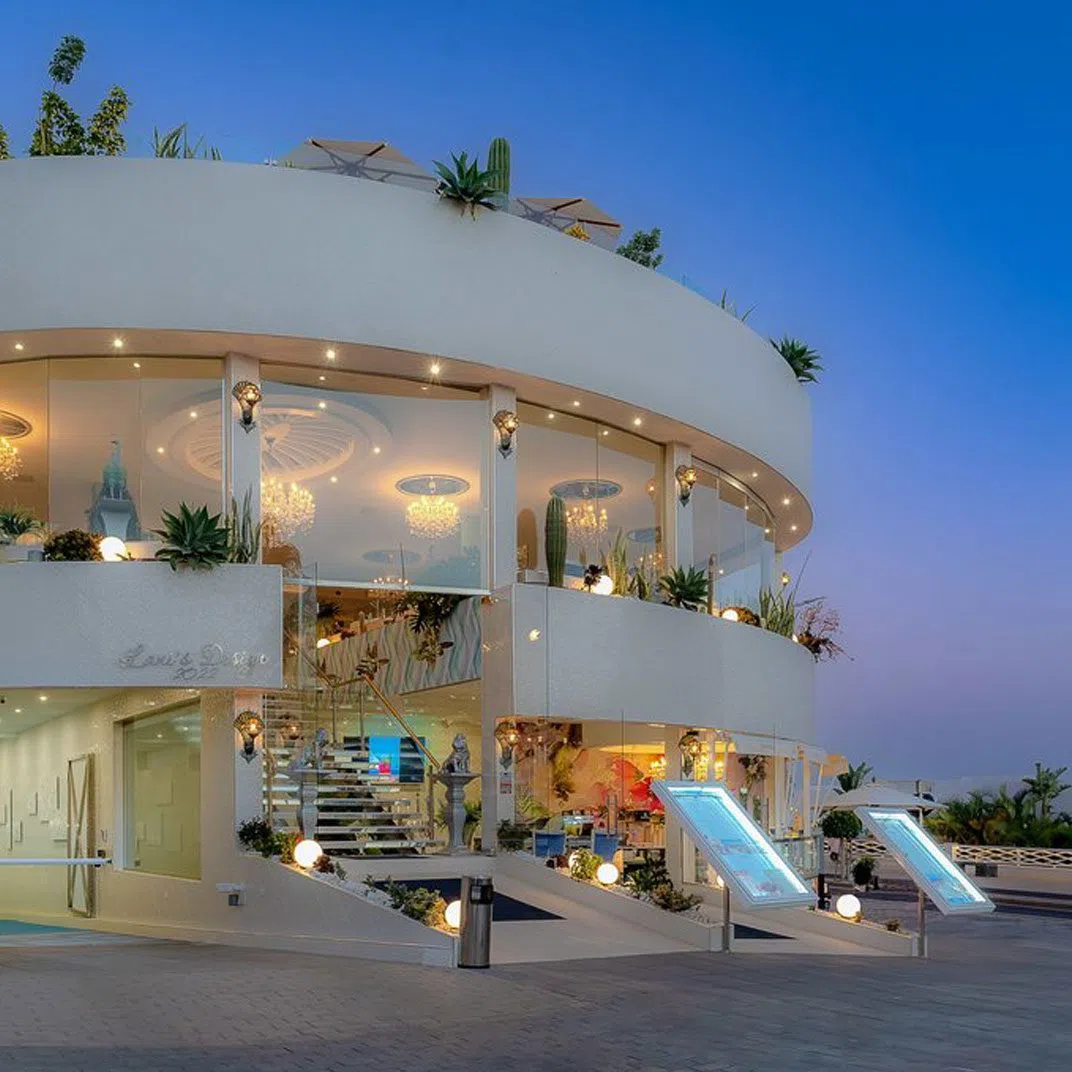
That other address is Restaurante El Navarro, on Avenida El Mar near Playa Bastián — third-generation family-run fine dining, which in practice means a kitchen with its own long memory rather than a seasonal chef passing through. Lamb and seafood are the standout orders. At 4.7 in a resort of ninety restaurants it fills up, so book ahead; turning up hopeful on a Friday is how people end up eating a disappointing pizza instead.
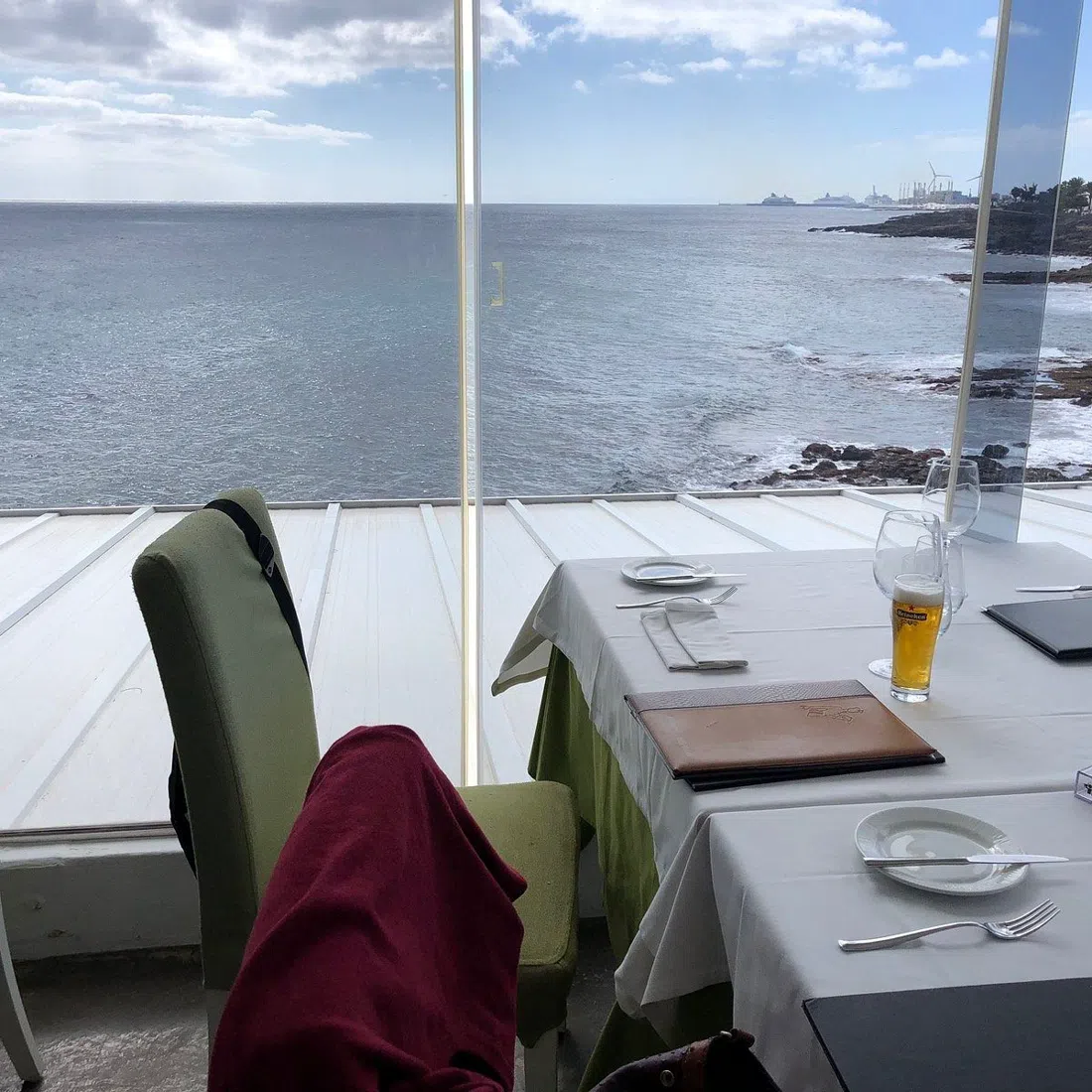
For the unfussy version of the same impulse, Doña Lola on Avenida Islas Canarias, near Playa del Jablillo, does fresh Atlantic seafood without ceremony — a 4.5 and the kind of plate that makes you reconsider how much garnish you actually need. Mojo, bread, fish, done.
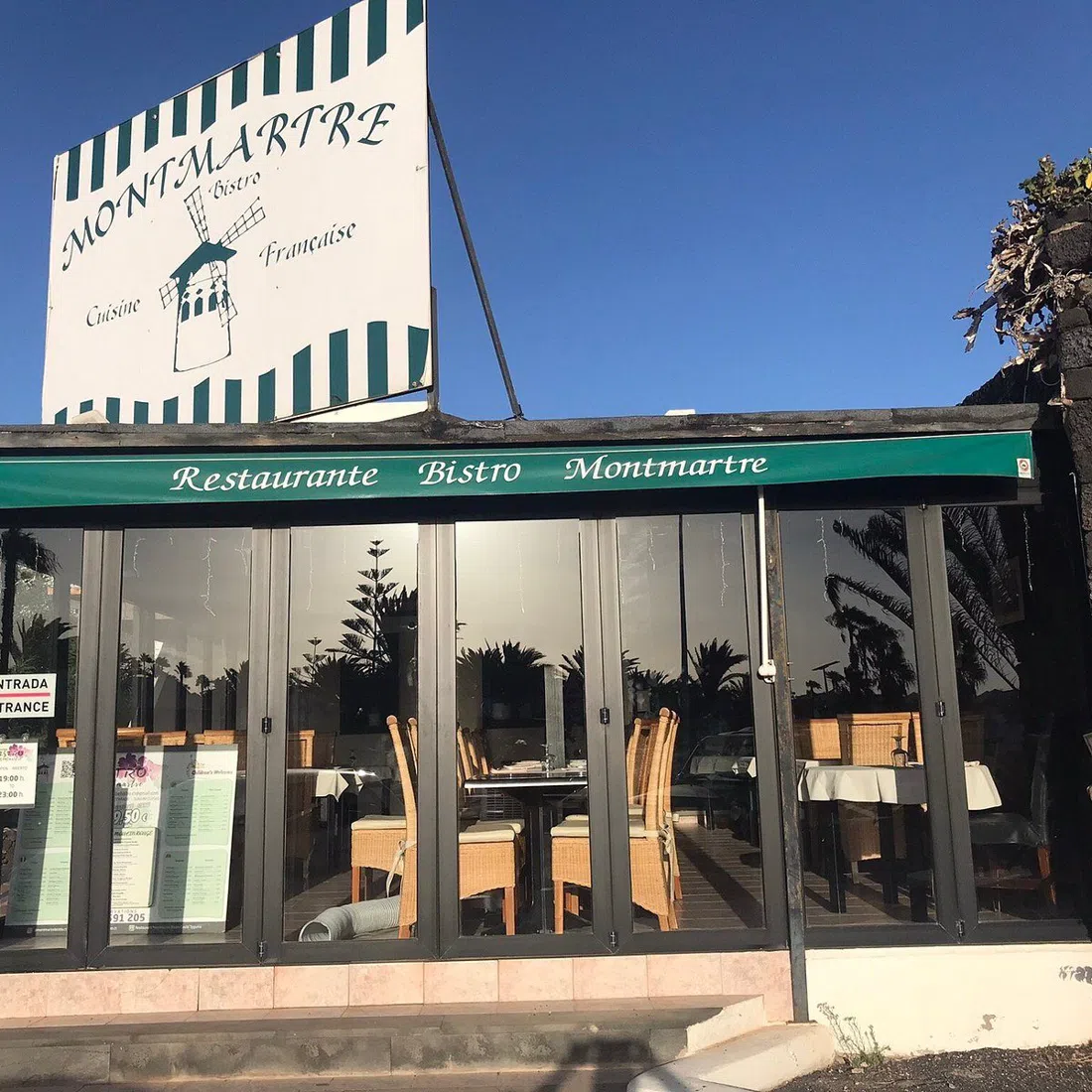
And when you've had your fifth consecutive dinner of grilled catch and want a change of register entirely, Bistro Montmartre, also near Playa del Jablillo, runs French bistro cooking with named tasting menus. It carries a 4.8, the highest score in the resort's restaurant pack, and the shift from Canarian to French is sharp enough to feel like a small holiday from your holiday.
Nightlife in Costa Teguise
Nightlife here runs through a single address, and nobody pretends otherwise: Pueblo Marinero. The Manrique-styled square is the resort's only real concentration of bars after dark — terraces, live music, the whole evening happening in one courtyard. Earlier on it's family-paced, every table taken by diners, children orbiting the middle of the square. Once the restaurant covers clear, it leans into a more conventional bar crowd without ever quite becoming a strip.
Two places anchor it. Tick Tock Bar is the long-running favourite for cocktails and a genuinely warm welcome — a 4.6, and the sort of bar where the staff remember your order by night three. Chispas Bar is the counterweight: the resort's cheapest and longest-established, big beers, friendly regulars, zero pretension, and a 4.7 that tells you how much people value exactly that. Between them you have the full emotional range of a Costa Teguise night out. If that sounds thin, it is — deliberately. Come for the beach and the plan, not for 3am.
Things to do in Costa Teguise
Five beaches, each suiting a different kind of trip, is the resort's real inventory. Playa de las Cucharas is the headline: the windsurf and kitesurf beach, with PWA World Tour freestyle history on its record and a cluster of schools working its shoreline. Pro Center Lanzarote is the standout — a 4.9-rated watersports school renting gear and teaching beginners on that same stretch — and Windsurfing Club Las Cucharas sits alongside it doing the same job. A first lesson here means being taught on a competition beach, which is either inspiring or humbling depending on the hour.

Take the wind seriously as a swimmer, though. The conditions that make Las Cucharas excellent for sails make it genuinely unsuitable for inexperienced swimmers on the wrong day, and the promenade's total lack of shade will find anyone casual about sunscreen. This is a resort where the hazards are meteorological rather than criminal.
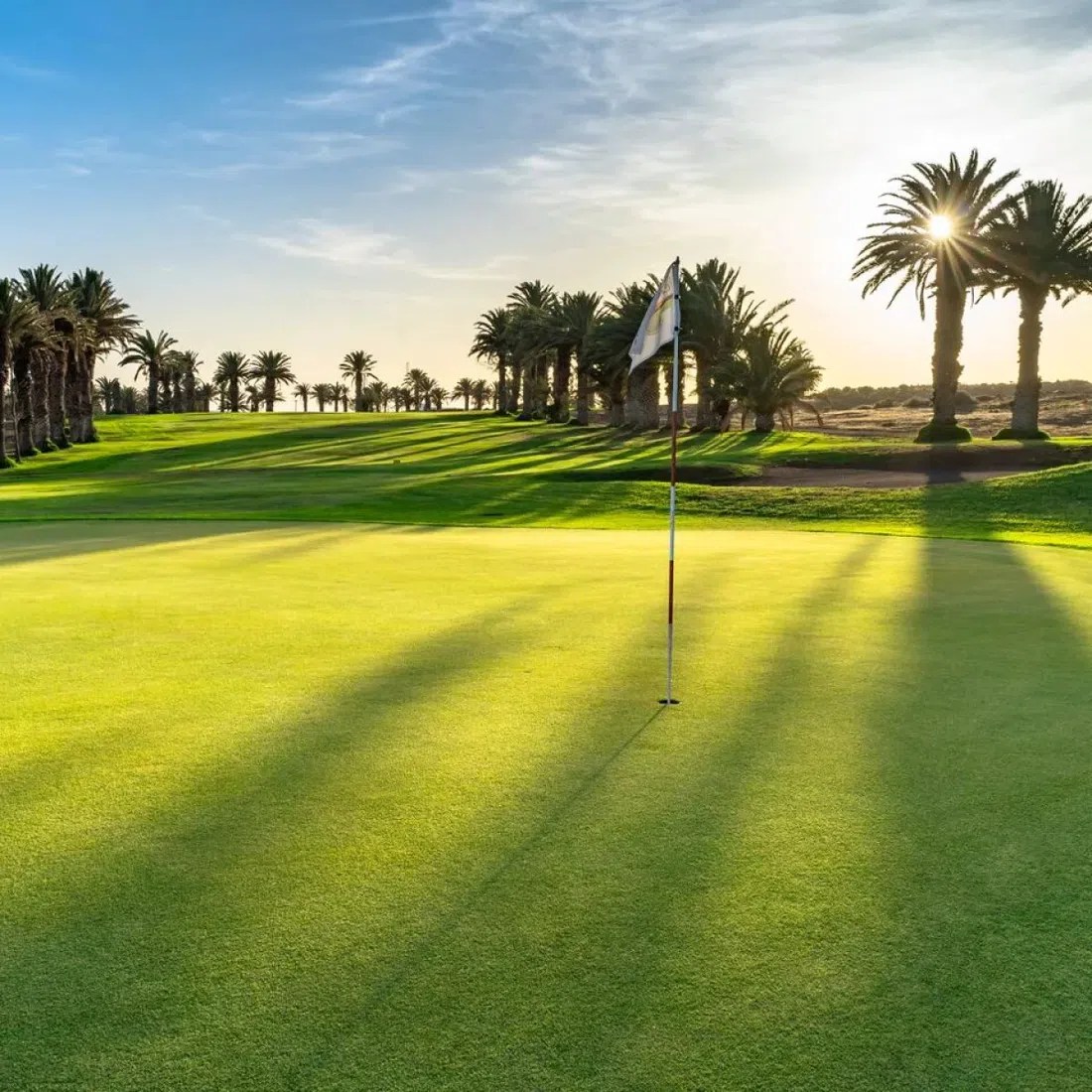
Inland, Costa Teguise Golf was the island's first course, opened in 1978, and it plays like a piece of Lanzarote rather than an import — a demanding layout routed through lava-rock rough with ocean views, where a wayward drive isn't lost so much as swallowed. It rates 4.1, and the volcanic penalty is part of the appeal.
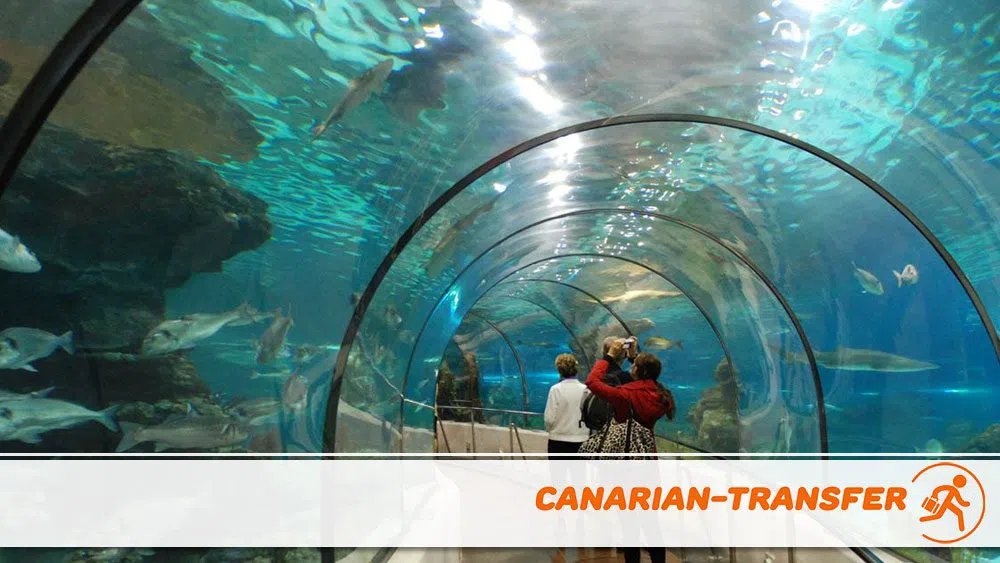
Families have two heavyweights within walking or short-hop distance. Aquapark Costa Teguise is Lanzarote's largest water park, with around 25 slides and more than a dozen pools — a 3.8, so manage expectations, but it reliably consumes a full day of kid energy. Lanzarote Aquarium is the island's only aquarium, roughly 33 tanks of Atlantic and Canary Island marine life, and at 4.6 it's the better-loved of the pair, plus the obvious move on a day when the wind has made the beach unpleasant.
Shopping in Costa Teguise
This is not a shopping resort, and it would be dishonest to dress it up. There's no mall and no designer strip; what exists is geared to self-catering apartments and beach days rather than browsing — the stuff you forgot to pack. Pueblo Marinero holds the main concentration of small shops: beachwear, souvenirs, a handful of jewellery and craft stalls tucked around the square's edges. Treat it as a pleasant twenty minutes between dinner and a drink rather than an afternoon's plan, and budget your retail ambitions for Arrecife instead.
Where to stay in Costa Teguise
Which end of the resort you choose should follow what you came for. The eastern side, close to Playa de las Cucharas, drops you among the windsurf and dive schools and keeps Pueblo Marinero's restaurants and bars within an easy walk — the obvious pick for watersports visitors and anyone who wants to reach dinner and a cocktail without a car. Golfers and long-stay self-caterers often do better further from the surf scene, nearer Costa Teguise Golf, where apartments with kitchens dominate the stock.
That stock is the thing to understand about staying here: this is apartment-hotel country, mid-range and practical, not a luxury-resort market. Expect kitchenettes, balconies, pools and a quieter evening than the island's bigger resorts deliver — and plan for low-rise everything, which means sea views are a matter of position rather than altitude.
Getting around Costa Teguise and the rest of Lanzarote
Inside the resort, your feet are enough. A five-kilometre seafront promenade links the beaches, Pueblo Marinero and most of the restaurants, and the low-rise layout keeps every distance shorter than it looks on a map. Walk it early or late; midday on that promenade is an exercise in sun exposure.
Getting off the resort is where the calculation changes. César Manrique-Lanzarote Airport sits around 15km away — 13 to 20 minutes by taxi — but there's no single direct airport bus, so without a car you're routing via Arrecife on bus line 1 or 3. That works fine for a day in the capital. It works badly for Timanfaya, La Geria, Jameos del Agua or the north coast, where local buses are infrequent enough that a hire car or an organised excursion becomes the only realistic way to see the island that made this resort possible. Book the car if Lanzarote itself — not just the beach — is the reason you came.
24 October 2026