
Spain · the visa
Lanzarote
A base for a remote worker who wants volcanic quiet, year-round 19–24°C and FTTH in every main town, and who does not need a crowd. The catch is scale: the whole island offers four listed workspaces, long-let one-beds start near €700, and the trade winds blow daily from May to September.
- A month · October 2026€1,300–1,900Coworking4 spacesPieces6
The sheet
Researched 24 October 2026 · figures hold for October 2026
- One-bed flat, long let (12-month contract)
- €700–1,000 ($785–1,120)
- Island-wide band for annual contracts; Arrecife typically around €750 ($840), Puerto del Carmen €600–850 ($670–950). Medium-term furnished lets run far higher at €1,200–2,000 ($1,345–2,240).
- Coworking hot desk, one month
- €170–180 ($190–200)
- Coworking Guru's simple shared desk at €170 and Pitaya's community pass at €180; a crowdsourced October 2026 average put the island hot desk at $168.
- Coffee in a café
- about €2.70 ($3)
- October 2026 crowdsourced price for a coffee in a café.
- Menú del día (set lunch, drink included)
- €12–15 ($13–17)
- Costa Teguise, April 2026; a separate guide puts set menus at €10–15 and a full sit-down meal at €15–30.
- Groceries, one person
- €250–350 ($280–390)
- May 2026 figure for one person cooking most meals; a second guide gives €200–300. Mercadona, Lidl, Spar and Hiperdino all trade on the island.
- SIM with data and unlimited national calls
- €10–20 ($11–22) per 28 days
- Orange Prepago 10 is €10 for 80GB with unlimited national calls; the €20 tier carries 320GB. Vodafone's Prepaid S is €10 for 90GB, Prepaid L €20 for 330GB.
- Local transport
- about €7 ($8) per short taxi ride
- October 2026 average for a roughly 3km trip. The intercity bus operator's tariff page would not resolve, so no current bus fare or monthly pass price is given here.
- Gym membership, one month
- €30–50 ($34–56)
- May 2026 range quoted by a resident-run guide.
- Beer, 0.5L in a café
- €2.70–3 ($3–3.40)
- October 2026 crowdsourced price of €2.70; a nomad guide gives draught beer at roughly €3 and a glass of wine at €4.
- Long-term car hire
- €350–800 ($390–895) per month
- Two guides, April–May 2026. Fuel for about 600km adds €80–110 ($90–125). Weekly rates from local firms run from roughly €100.
A month in Lanzarote
EUR (€), converted at the ECB reference rate of €1 = $1.1193 on 23 October 2026€1,300–1,900 ($1,455–2,130) for a single person without a car. Built from the verified line items: a long-let one-bed at €700–1,000, a coworking month at €170–180, groceries at €250–350, eating out two or three times a week at €120–250, a prepaid SIM at €10–20, a gym at €30–50 and occasional taxis — a resident-run guide's higher all-in figure of €1,800–2,500 assumes a hire car and fuel on top.
Fibre to the home is the standard in Arrecife, Costa Teguise, Puerto del Carmen and Playa Blanca, with residential lines from Movistar, Vodafone and Orange starting around 600 Mbps and topping out at 1 Gbps; Coworking Guru runs 1Gb symmetrical and Pitaya reports 300 Mbps. Famara and the remoter north are patchier and worth bonding a mobile line against. The gap between advertised and measured matters: the crowdsourced island average sat at 22 Mbps in October 2026, which reflects what people actually connect over rather than what the fibre can carry, so the line in a specific flat should be tested before signing. Island-wide ISP outages happen a couple of times a year and tend to take the whole of Lanzarote down at once, which makes a mobile fallback a working requirement rather than a precaution. On arrival the cheapest serious SIM is Orange Prepago 10 at €10 ($11) for 80GB over 28 days with unlimited national calls, rising to €20 ($22) for 320GB; Vodafone's equivalents are Prepaid S at €10 for 90GB and Prepaid L at €20 for 330GB, both 5G with unlimited national calls. Physical SIMs posted to the Canaries take 48–72 hours, so a prepaid eSIM bought online and activated on landing avoids the wait.
Where to work
- Coworking Guru · Teguise (the old inland town), 10 minutes' drive from Costa Teguiseday €15 ($17); PRO desk €25 ($28) · month €170 ($190) shared desk; PRO desk €250 ($280); private office €350 ($390)The fastest connection of the four — 1Gb symmetrical fibre over WiFi and wired LAN. Open 08:30–18:00, extendable on request, pet friendly, kitchen. Weekly rate €70 ($78).
- Espacio The Square · Arrecife city centre, Calle La Gaviota 3day €20 ($22) · month €175 ($196), dedicated desk with 24/7 accessThe capital's central option, with kitchen, coffee and air conditioning included. Day and week passes are restricted to 08:00–16:00 Monday to Thursday and 08:00–15:00 Friday, so only the monthly desk suits out-of-hours calls. Week pass €75 ($84).
- Pitaya Coliving & Coworking · Arrecife, by the Charco de San Ginés lagoon, 7km from the airportday Not listed on the site; the week pass is €70 ($78) · month €180 ($200) community pass, 24/7 accessCoworking attached to a nine-room coliving house, so it comes with a built-in group rather than a room of strangers — meals, cleaning, laundry and daily yoga included for residents. Rooms from €990 ($1,108) a month, €33 ($37) a night on a ten-night minimum. Reported fibre at 300 Mbps with ergonomic chairs, standing desks and external monitors.
- Coworking Digital Lanzarote · Arrecife, Carretera Arrecife a Tinajo 48day Not published · month Not publishedRun by the island's chamber of commerce and listed on the Canary Islands tourism register, which makes it the one non-commercial desk option — but no rate card is published, so pricing has to be requested directly.
Cafés that tolerate laptops
- Amélie & Friends · Arrecife marinaReliable WiFi and a marina setting; the most dependable laptop stop in the capital outside the paid desks.
- La Orilla · Playa HondaBeachfront with outdoor seating, on the promenade strip between the airport and Arrecife.
- Bonbon · Costa TeguisePancakes and smoothie bowls with fast internet — the default morning desk in a resort town that otherwise has none.
- La Mar Café · FamaraThe surf village's working café, useful on the days the north coast is the point of being there. Mobile reception is weaker here than on the south coast.
- Simple y Natural · Playa BlancaFresh food and decent coffee at the sunniest end of the island, an hour south of the capital.
Where nomads live
- Arrecifearound €750 ($840) for a one-bed; island-wide long lets run €700–1,000 ($785–1,120)The capital, and the only genuinely urban choice: the densest concentration of workspaces — three of the four listed are here — plus year-round shops, hospital and the bus station. Playa El Reducto is in the middle of town.
- Costa Teguiseno area-specific figure verified; within the island-wide long-let band of €700–1,000 ($785–1,120)Residential and quiet after dark, fibre throughout, four walkable beaches and a supermarket within a few minutes' walk, 15 minutes from the airport by car. Coworking Guru is a 10-minute drive, The Square 20 minutes.
- Puerto del Carmen€600–850 ($670–950) for a one-bedThe largest resort, so the deepest supply of furnished flats and the most competition for them in winter. FTTH fibre is standard. Prices run above Arrecife because long-stay visitors and tourists bid for the same stock.
- Playa Hondano area-specific figure verified; within the island-wide long-let band of €700–1,000 ($785–1,120)A strip of flats between the airport and the capital, on the promenade and cheap to reach anywhere on the south coast — the compromise for a worker who wants Arrecife's desks without living in the capital.
A four-desk island
The Canary Islands tourism board lists exactly four coworking or coliving operations on Lanzarote: The Square and Pitaya in Arrecife, the chamber of commerce's Coworking Digital also in Arrecife, and Coworking Guru inland at Teguise. Three of the four are in or beside the capital. That is the entire formal supply for an island of 850 square kilometres, and it sets the terms of living here — the scene is a few dozen people who mostly know each other, not a rotating cast of hundreds.
Listings beyond the official register disagree with each other and should be treated with suspicion. A long-running space called Lanzarote Coworking appears variously as open in central Arrecife, open in Puerto del Carmen and closed outright, depending on which directory is consulted; it does not appear on the tourism board's list at all. Anything found on a directory is worth a phone call before a flight is booked.
The practical consequence is that café work is not a supplement here, it is half the week. Each main town has one or two places that tolerate a laptop for a few hours, and they are known by name rather than discovered.
How the week actually works
The viable shapes are narrow. Living in Arrecife puts three desks and the bus station within walking distance and removes the car question entirely — the capital is the only place on the island where that holds. Living in Costa Teguise or Playa Honda buys quiet, beaches and 15 minutes to the airport, at the cost of a 20-minute drive to the nearest paid desk.
That drive is what makes a car the biggest single discretionary line in the budget. Long-term hire runs €350–800 a month with another €80–110 of fuel for 600 kilometres, which can comfortably exceed the rent on a shared room. Skipping it is what separates a €1,300 month from a €2,500 one, and it is only realistic from Arrecife or from a coliving that sits next to its own desk.
Coworking access hours are a real constraint rather than a footnote. The Square's day and week passes stop at 16:00 on Monday to Thursday and 15:00 on Friday; only the €175 dedicated desk opens 24/7. Anyone holding calls with the Americas needs the monthly rate or a flat with a tested line, not a day pass.
Money and paperwork
Spain's digital nomad visa is the usual route for a non-EU worker, and in 2026 the income threshold sits at roughly €2,849 ($3,189) gross a month for a single applicant. The sources that quote that figure describe it differently — one as 200% of the 2026 minimum wage, another as 225% — so the multiple should be confirmed against the consulate rather than a guide. The initial permit runs three years, processing through the UGE takes about 20 working days, and no more than 20% of income may come from Spanish clients.
Costs sit in an awkward middle. Lanzarote is reasonable, not cheap: groceries, set lunches and beer are all cheaper than mainland European cities, but the long-let housing floor of about €700 for a one-bed is firm, and furnished medium-term stock jumps straight to €1,200–2,000. A one-year contract is the only way to reach the lower band, which does not suit a three-month stay.
Crowdsourced trackers put a nomad month at $3,751 in October 2026, against a resident-run guide's €1,800–2,500 all-in with a car. The gap is mostly accommodation type — the tracker's figures lean on nightly and Airbnb rates, where the median monthly listing runs $5,293. Anyone paying tourist rates for housing will land nearer the higher number.
What recent arrivals report
The consistent complaint is wind, not internet. Reports from 2026 describe persistent north-easterly gusts every day from May to September, with terrace furniture going over balconies and a general sense that the weather is an active participant in the day. It is the one condition that no amount of fibre compensates for.
The second recurring theme is fragility rather than slowness. Connections are fast, but island-wide ISP failures knock out everything at once a couple of times a year, which is why residents treat a second connection as standard kit rather than paranoia.
The third is expectation management, put bluntly by a guide written from the island: Lanzarote does not work for someone who wants a 500-person community with daily events, international restaurants within walking distance, or a low cost of living. What it does deliver is 19–24°C all year, four beaches within a walk in Costa Teguise, gigabit fibre in the towns and almost no one competing for a desk.
Seasons
October and November are the best working months: the sea is at its warmest and the streets are at their quietest, with average temperatures across the year sitting at 19–24°C and January bottoming out near 19°C. February and March are also quiet but cooler, with the occasional calima pushing Saharan dust across the island. The structural problem is wind — the trade winds blow daily from May to September, strongly enough from the north-east that terrace furniture is a liability, and they are the single thing most likely to end a stay early. August is the month to avoid outright: crowds, heat peaking around 28°C, the worst of the wind and the highest prices all at once. Rain is close to irrelevant at roughly 122mm a year.
Researched from casalosalisios.com · casalosalisios.com · hellocanaryislands.com · coworkingspain.es · coworkingguru.com · pitayacoliving.com · camaralanzarote.org · coworksurf.com · figures hold for October 2026
Where to live
6 pieces by the writers on the ground
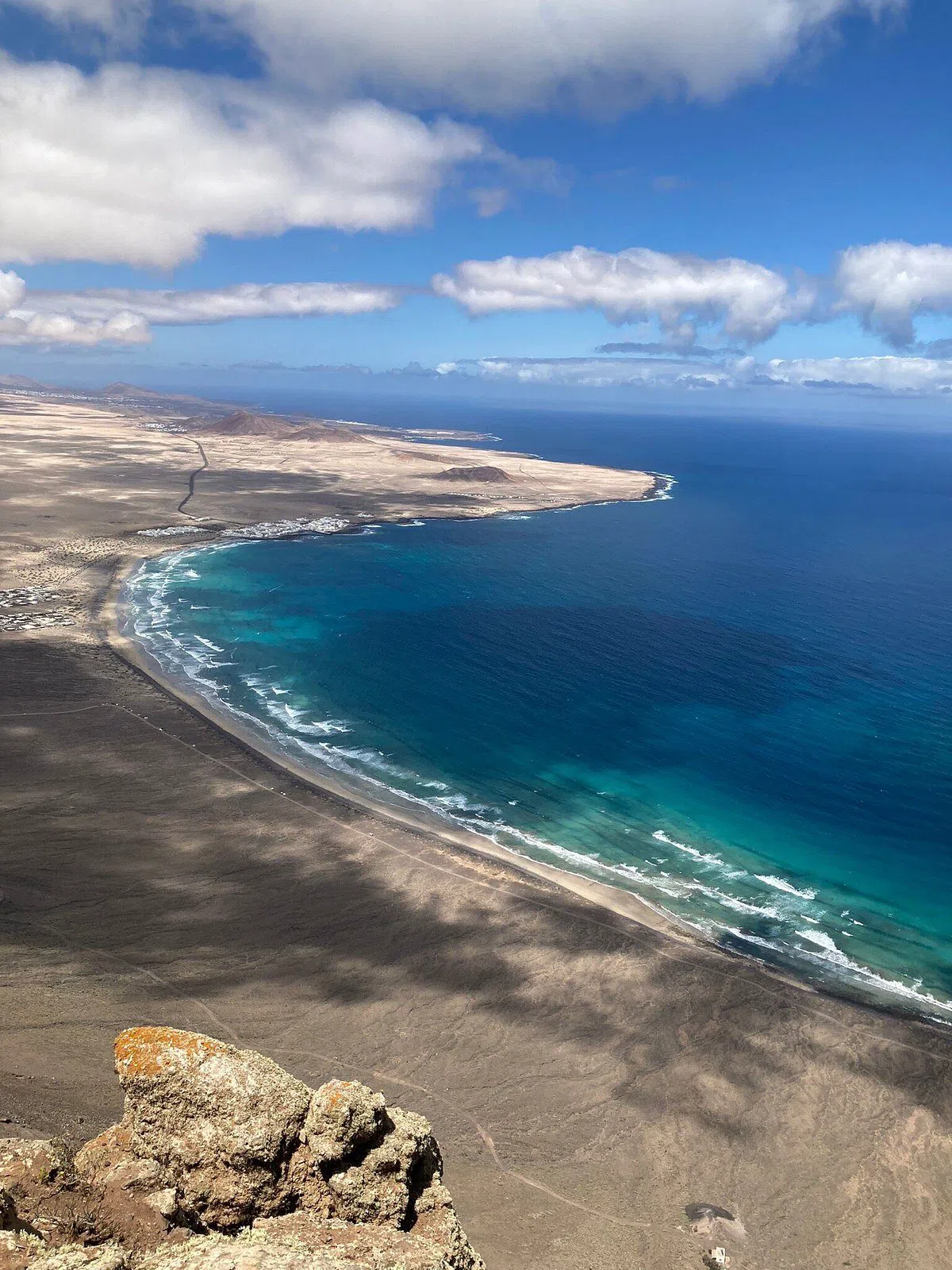
 Where to live · LanzaroteCaleta de Famara, Lanzarote: Life Under a 600-Metre CliffSurf village with local vibe and no high-rises
 Where to live · LanzaroteTeguise, Lanzarote: Six Quiet Days and One Loud Sunday in the Island's First CapitalHistoric capital with market, calm days, and local tips
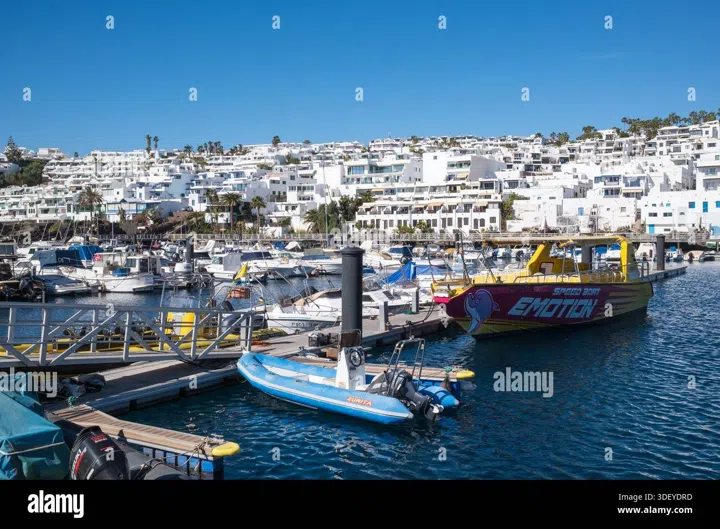 Where to live · LanzarotePuerto del Carmen, Lanzarote: The Fishing Port That Grew a Seven-Kilometre StripFishing port turned resort with seafood and diving
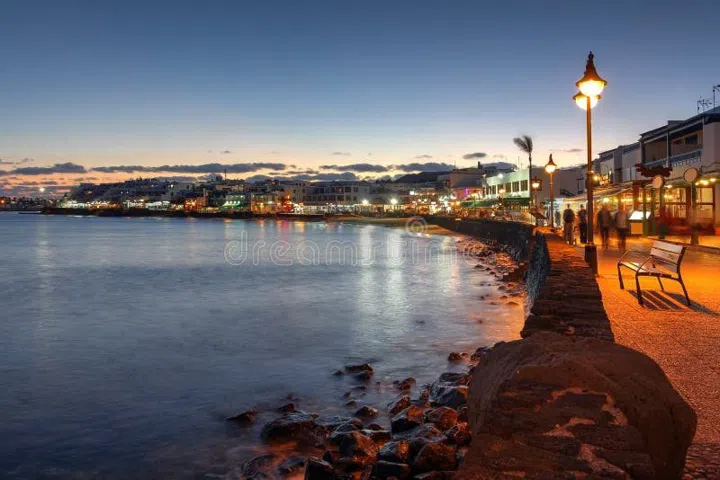 Where to live · LanzarotePlaya Blanca, Lanzarote: The Harbour Town at the Island's Southern EdgeCalm resort town with fishing and beach details
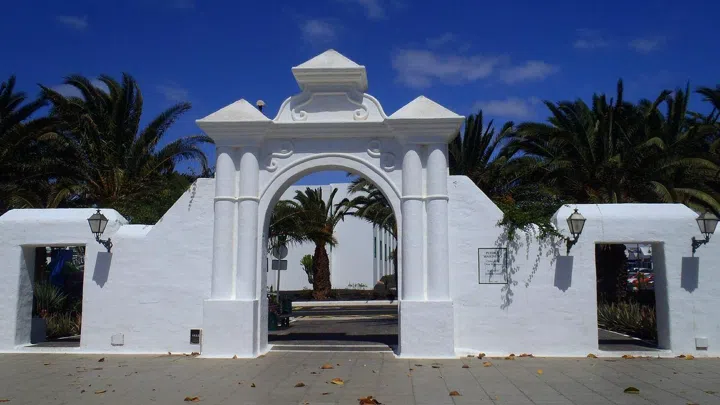 Where to live · LanzaroteCosta Teguise, Lanzarote: The Resort That Was Told to Stay LowPlanned resort town with local beach and evening life
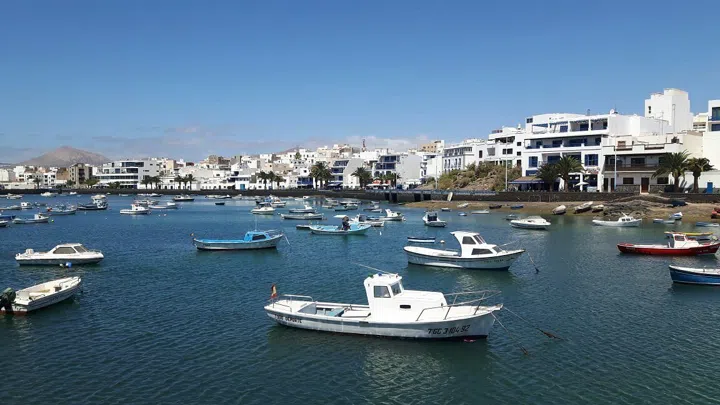 Where to live · LanzaroteArrecife, Lanzarote: The Capital That Doesn't PerformCapital city with local food and historic sites