Tenerife · Where to live · 8 min
Candelaria, Tenerife: Nine Bronze Kings, One Tiny Virgin, and the Best Fish on the East Coast
Tenerife's pilgrimage town trades resort polish for black-sand coves, a fishermen's-association kitchen and the island's first Christian sanctuary — half a day to see it, longer to understand it.
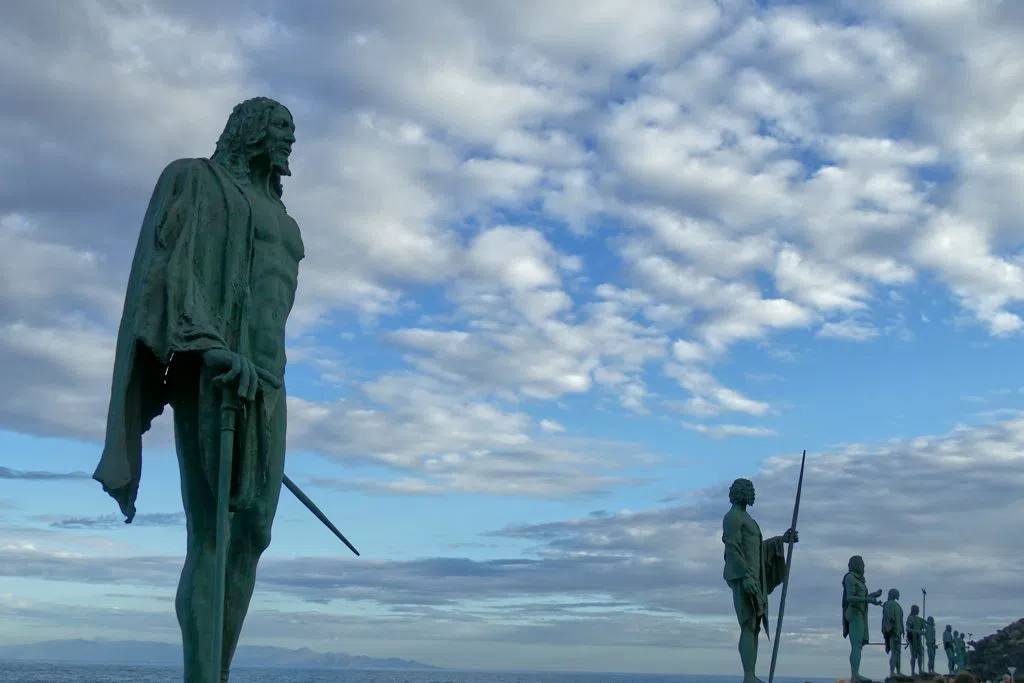
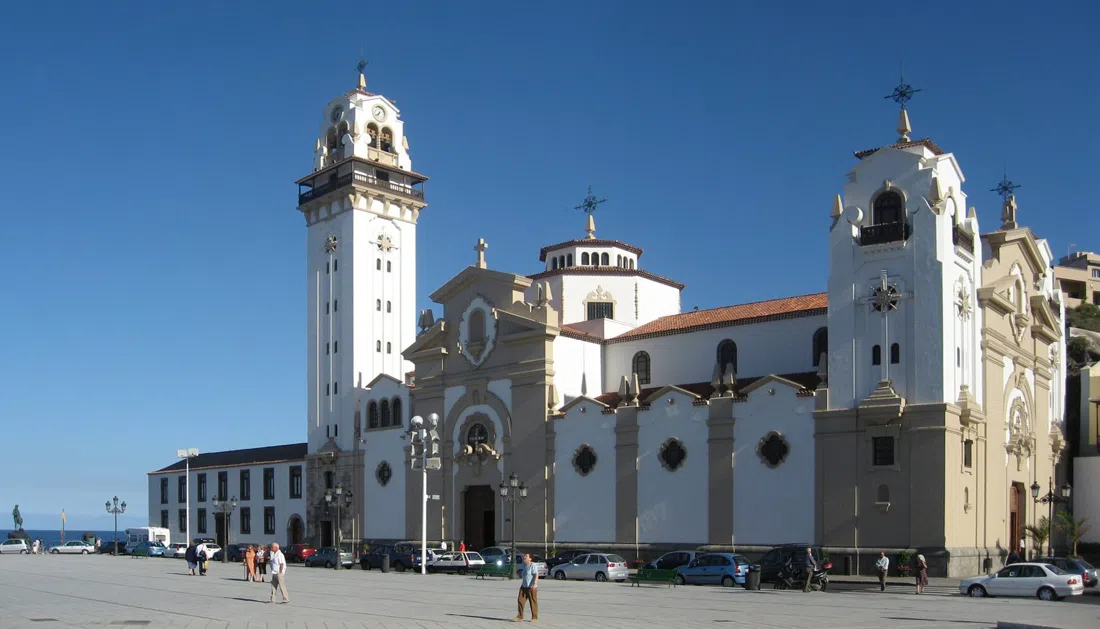
Nine bronze kings stand in a row on the seafront at Candelaria, backs to the town, faces to the Atlantic, and the locals walking past them with shopping bags do not give them a second glance. Behind the statues rises a plain white basilica that pulls in something like 2.5 million visitors a year, all of them coming to see a carved wooden Virgin barely half a metre tall. That is the strange arithmetic of this place: one of the most visited buildings in the Canary Islands, sitting in a working town of fishing boats, black volcanic coves and quiet mid-afternoon streets, 17km south of Santa Cruz on Tenerife's east coast. Candelaria is a pilgrimage town that happens to have a seafront, rather than a seafront town that happens to have a church.
The basilica, the Virgin, and the nine Guanche kings
Everything here orbits a single object. The Virgin of Candelaria has been the patron saint of the entire Canary Islands archipelago since Pope Clement VIII said so in 1599, and the story that got her there is older still: Guanche shepherds, the island's indigenous people, are said to have found the original image washed up on this stretch of coast in 1392 — before the Spanish conquest, before any missionary set foot on Tenerife. That chronology is the whole point. The island's patron arrived, in the telling, by sea and by accident, and was received by people who had never heard of the faith she represented.
The basilica's facade is austere, almost municipal, and it faces the ocean across the broad expanse of Plaza de la Patrona de Canarias. Step inside and the scale inverts: a cavernous nave, and at the far end, high above the altar, the statue itself — small, dark, dressed, and considerably less imposing than the crowds filing past would suggest. Come on a pilgrimage weekend and the square fills; come on an ordinary Tuesday morning and you will share the nave with a dozen people and the sound of the door.
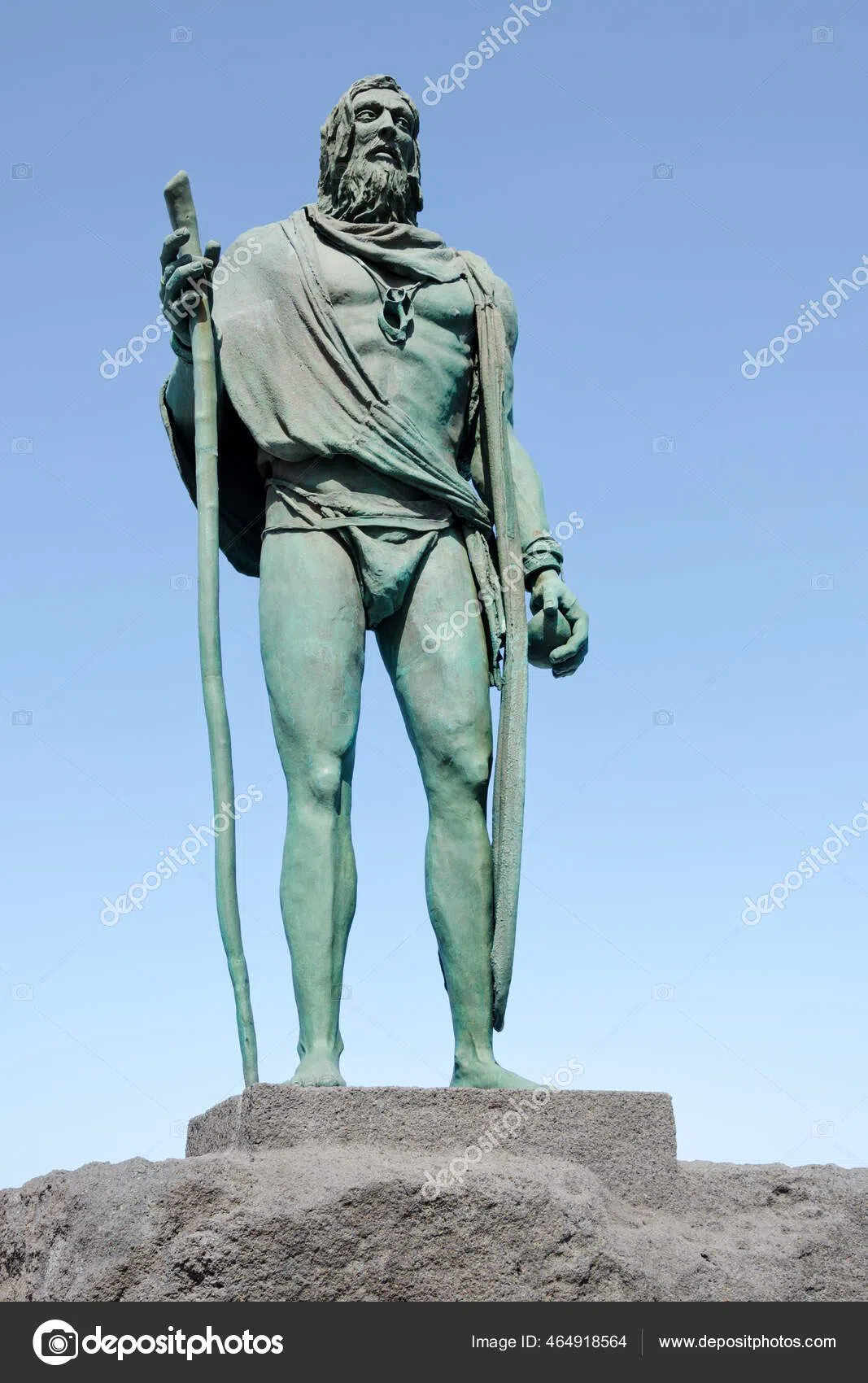
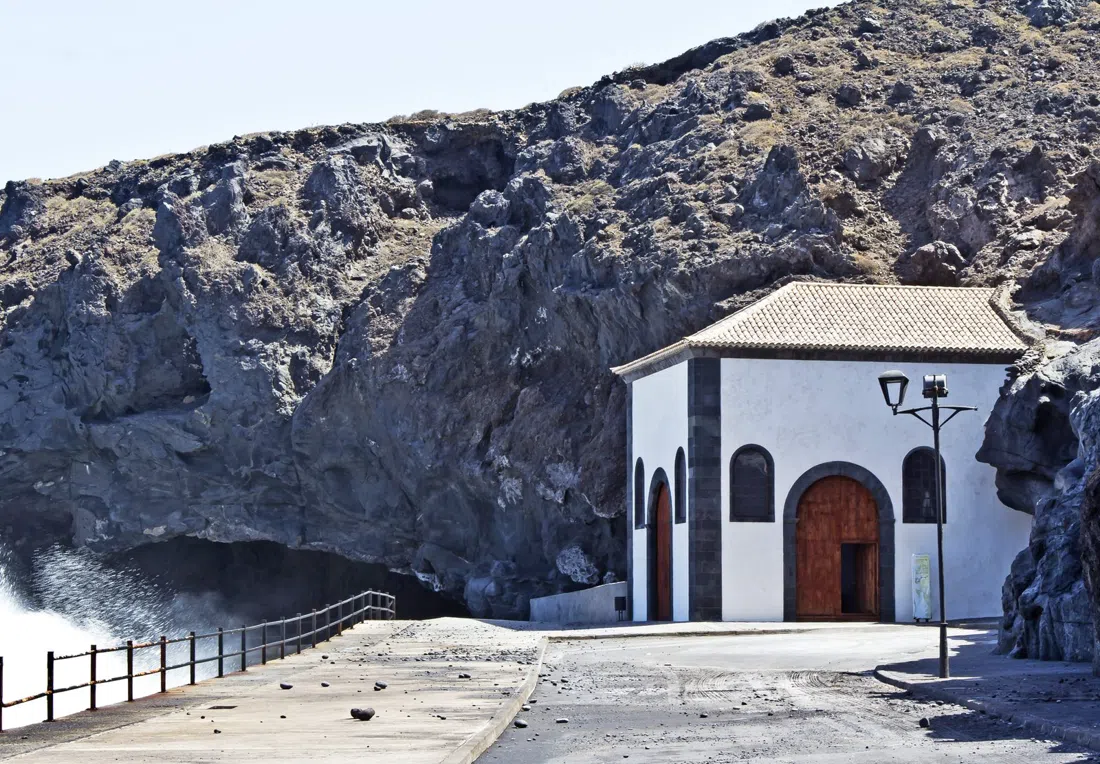
Outside, the nine menceyes get the better view. These were the Guanche kings who ruled the island's nine territories before the conquest, cast in bronze and lined up along the plaza's sea wall, spears and staffs and bare shoulders against the spray. Children climb them. Photographers wait for the light to come round. The combination — indigenous kings in bronze, a Catholic basilica at their backs, the Atlantic hitting the rocks below — says more about Tenerife's layered history in one glance than any museum caption manages.
Where to eat: the harbour, not the plaza
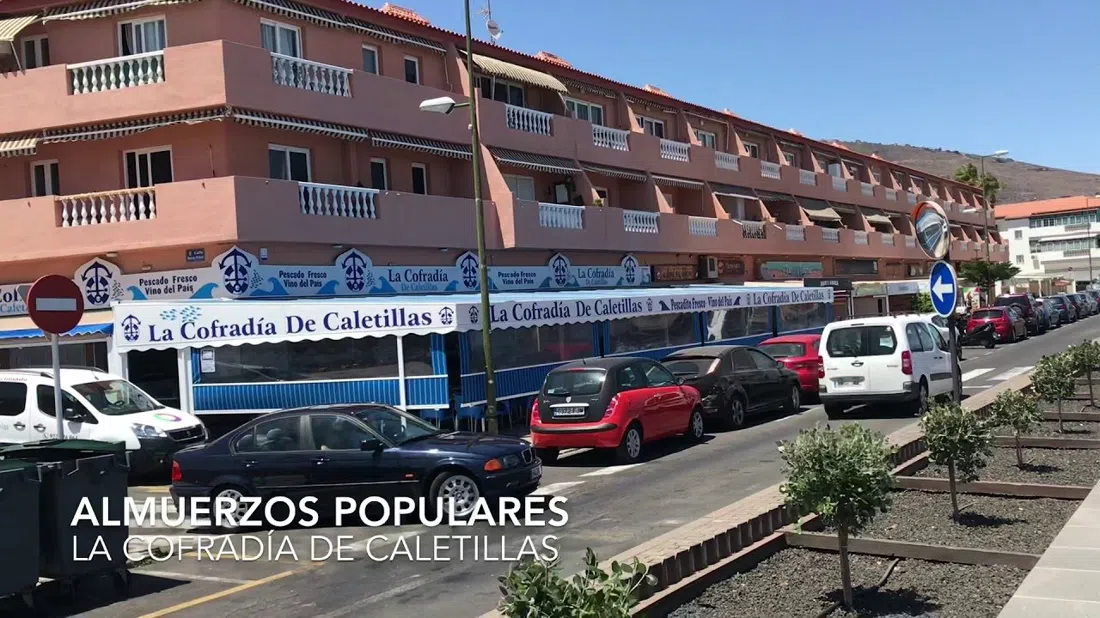
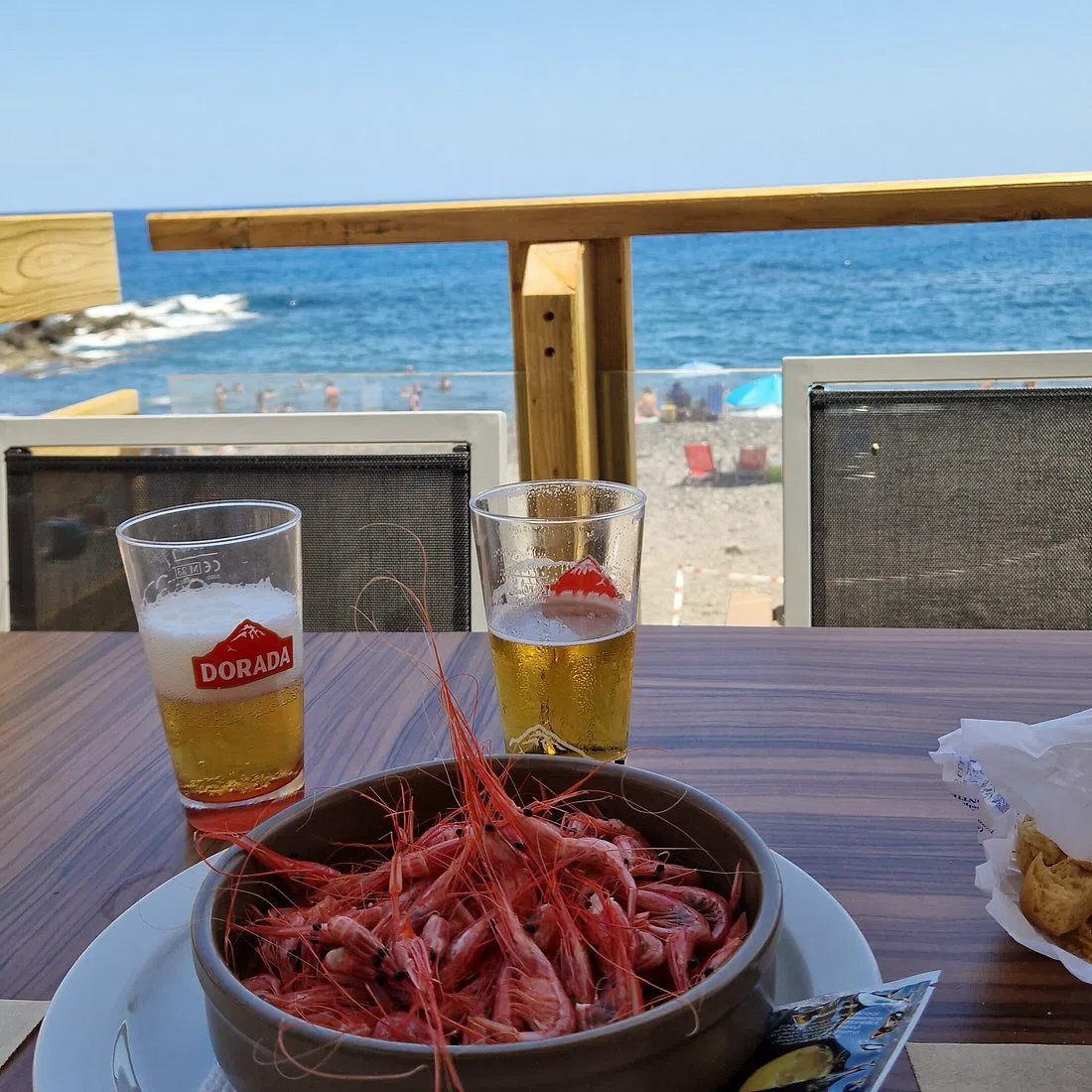
Here is the single most useful thing to know about eating in Candelaria: the plaza is for the basilica, and the seafront is for the food. Avenida Marítima is where the town actually eats, a run of terraces built around fresh fish rather than photographs, and the benchmark is La Cofradía de Caletillas. It is tied to the local fishermen's association, which means the dining room is as no-frills as the name suggests and the menu is whatever the boats brought in that morning. You order what they tell you is good. Cuttlefish, whatever came up in the nets, priced fairly rather than scenically. It is the kind of room where the tablecloths are paper and the fish is not.
For something more composed, El Palafito Restaurante sits on Calle Gumersindo Rodríguez Sosa with a deck over the water and a seafood menu that has clearly been thought about, backed by a list of Tenerife wines worth exploring — the island's volcanic whites are a genuinely good match for anything that came out of the sea an hour earlier. Book the sunset slot and you get the water turning metallic in front of you.
Taberna Girón, also on Avenida Marítima, is the octopus specialist, and unusually for a small Canarian seafood house it runs a genuinely gluten-free menu alongside the standard Canarian dishes — worth knowing if you have spent a week being told that everything comes with bread. And if you want to eat where the town eats without paying for the view, Cofradía El Muelle de Candelaria is the cheaper beachfront balcony: fried moray eel, octopus stew, a crowd that skews firmly local rather than visiting. Moray is the Canarian test dish — bony, crisp, aggressively salty, better than it sounds.
Budget accordingly: harbour seafood here runs roughly €8–25 a dish, which places Candelaria well below the resort coast and makes two long lunches a reasonable plan rather than an indulgence.
Nightlife: there isn't much, and the town knows it
No pretence is made on this front. Candelaria was not built for nightlife and has never tried to retrofit it. The evening routine is fixed and honestly rather lovely: a long seafood dinner on one of the Avenida Marítima terraces, then a walk along the promenade with the basilica lit up over the water, and then home. Most kitchens are closing by midnight, and the streets empty soon after.
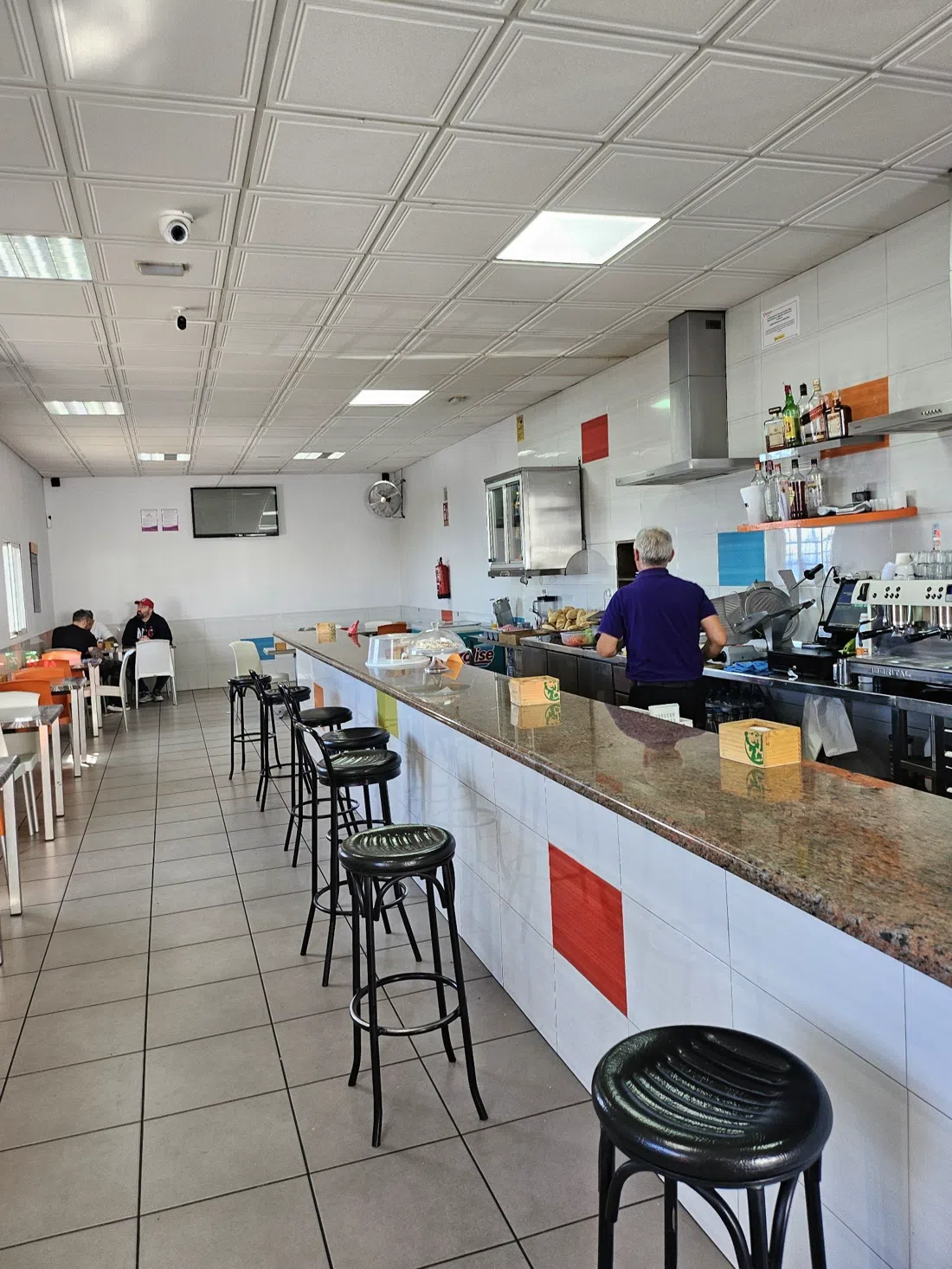
The one genuine local option is Bar Costa Azul, an independent neighbourhood bar set back from the seafront, known for community atmosphere rather than tourist footfall — the sort of place where the regulars have a tab and the television is on for whatever match matters. If you want clubs or late bars, you want Santa Cruz, a short drive north. If you want a quiet drink among people who live here, you are already in the right town.
Beyond the basilica: caves, pottery, and a ravine hike
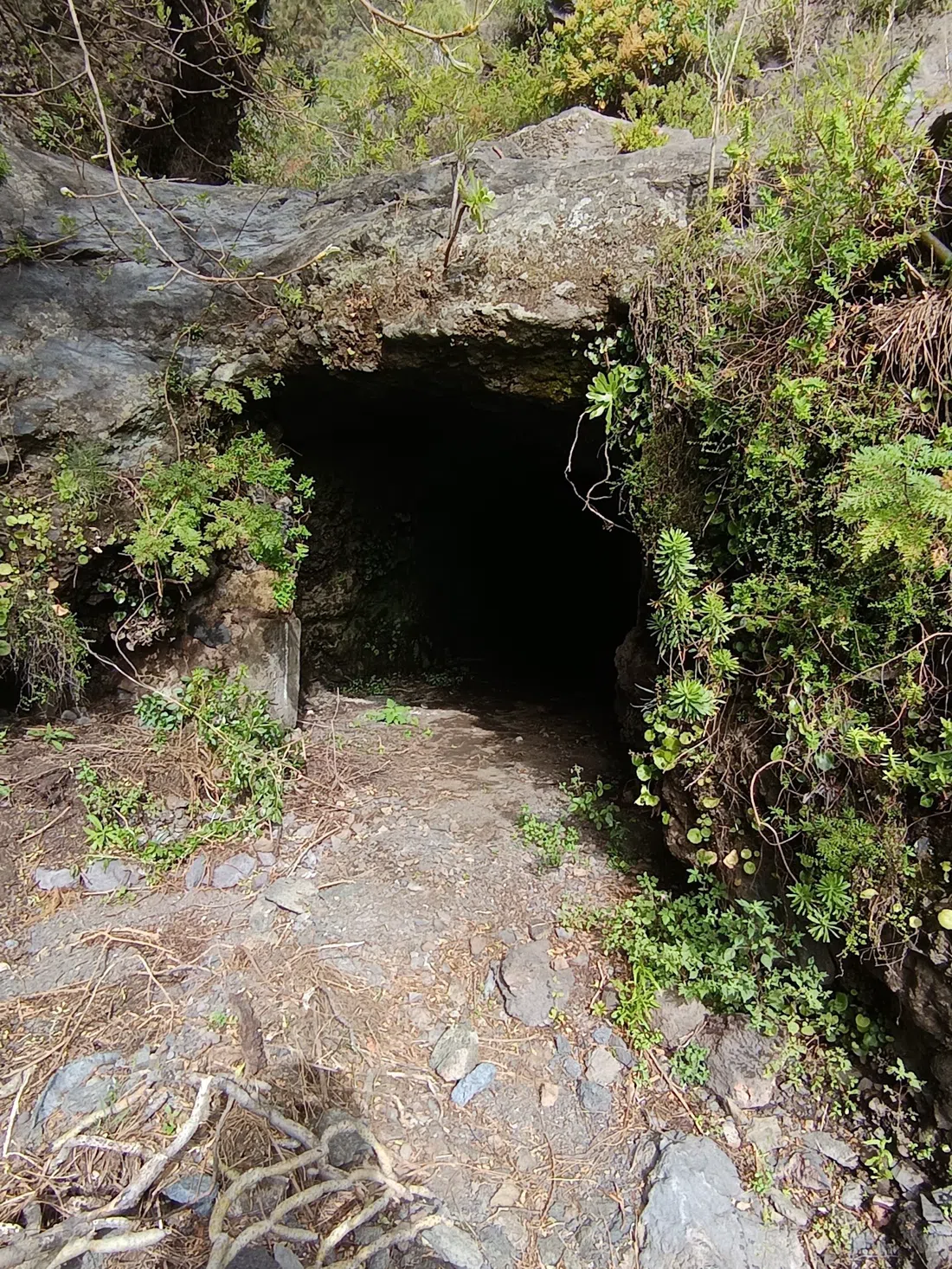
Most visits begin on Plaza de la Patrona de Canarias and should not end there. Walk round to the back of the basilica and you reach the Cave of Achbinico, also known as the Hermitage of San Blas: a small natural cave with a chapel built around its mouth, and the island's first Christian sanctuary. It is free to step inside, it takes four minutes, and it is arguably more affecting than the basilica — low, dark, rough-walled, the actual rock where the story began rather than the monument built to commemorate it.
A few streets away, the Casa de las Miquelas pottery museum does something small and specific extremely well: three rooms on Candelaria's 18th- and 19th-century pottery trade, with hand-thrown demonstrations when the wheel is running. This was a potters' town long before it was a pilgrimage destination at scale, and watching clay pulled up by hand puts the souvenir stalls outside into useful perspective.
Then there is the inland option. From the village of Igueste de Candelaria, the Barranco de Chacorche trail — signed SL-TF 296.2 — climbs 3.6km of ravine into the Corona Forestal pine forest. It is graded intermediate and deserves the grading: steep, and prone to fog rolling in without warning. Take layers, take water, and do not start it late in poor weather. The payoff is the transition, from a coastal town where the dominant sound is surf to a silent pine canopy a few hundred metres above it.
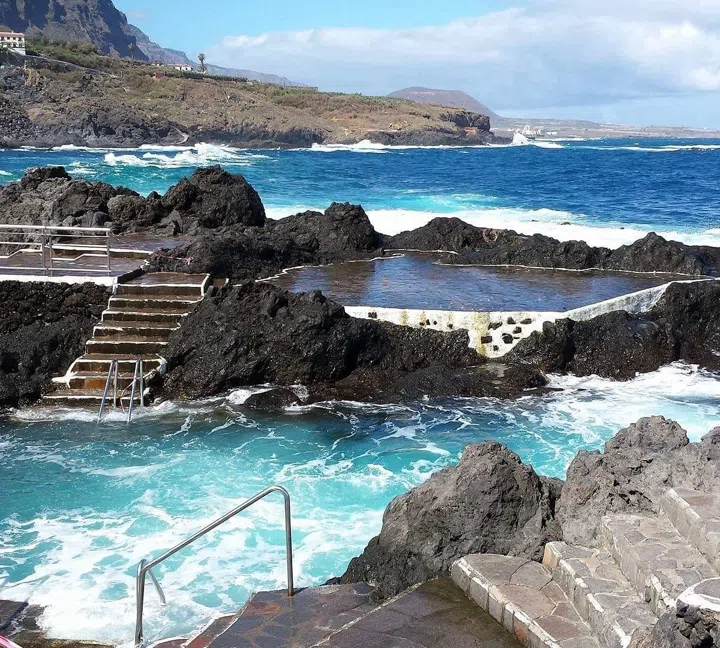
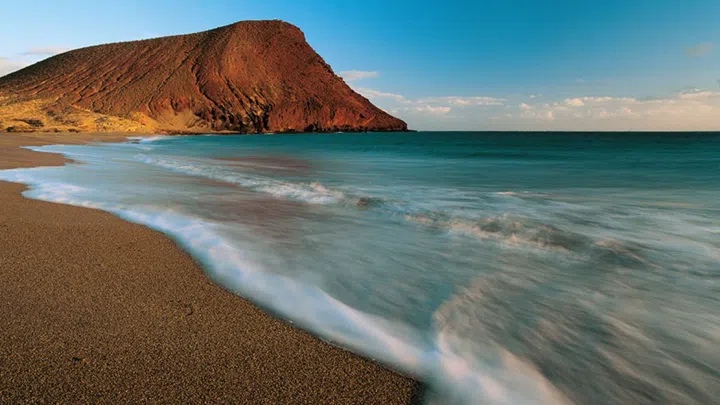
Closer to home, the coast itself is the attraction: Playa de las Caletillas and Playa de Punta Larga are black volcanic sand, small and unpolished, and the honest caveat is that the sea here can turn when the swell is up. Watch the water before you commit to it.
Shopping: a pedestrian street and one mall
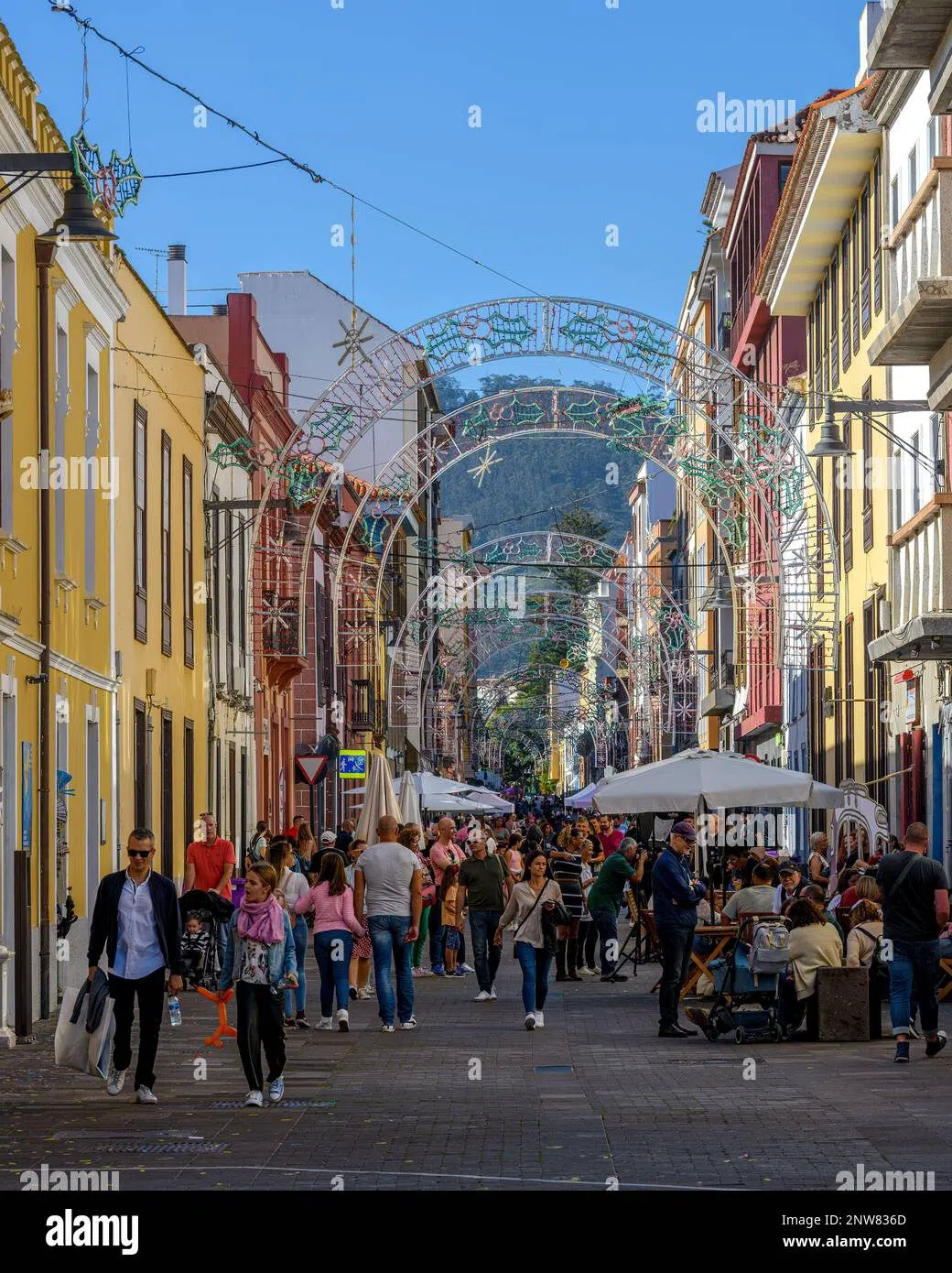
Shopping in Candelaria runs along two stretches rather than occupying a district. Calle Obispo Pérez Cáceres is the pedestrian strip behind the plaza, and it is a straightforwardly odd mix: religious imagery and souvenir stalls feeding off the basilica trade, sitting next to the hardware shop, the bakery and the pharmacy that the town actually uses. Browse it for the devotional kitsch, stay for the glimpse of ordinary Canarian high-street life.
The other stretch is the town's single mall, which covers chains and practicalities, plus Ale-hop — instantly identifiable by the cow sculpture parked outside, as every branch in Spain is, and reliably good for cheap, slightly ridiculous gifts.
Where to stay in Candelaria
There is one large resort hotel and then there is everything else. The Catalonia Punta del Rey is a 423-room four-star on Avenida Marítima, a couple of minutes on foot from Playa de las Caletillas and Punta Larga, with two outdoor pools, a spa running a sauna and jacuzzi, and family rooms. If you want resort amenities while staying in a real town, that is the obvious pick. Beyond it, the stock is modest guesthouses and apartments, which suits the town's low-to-mid price feel and the kind of traveller who wants a base rather than a programme.
Be clear-eyed about the trade-off. Candelaria is an excellent quiet base with genuine history on the doorstep and a working fishing harbour at the end of the street. It is not a resort, the beaches are small and black, and if you are after sandy expanses or a nightlife scene you will spend your week driving away from where you sleep.
Getting around Candelaria, and on and off the island
The historic centre is flat and entirely walkable: the basilica, the Cave of Achbinico, the Rambla de los Menceyes and the harbour restaurants all sit within ten to fifteen minutes of each other on foot, and you will not need a car for a single one of them.
Getting here is the part to plan. There is no direct airport bus. Driving or taking a taxi, reckon on 25–30 minutes from Tenerife North and 40–45 minutes from Tenerife South. By public transport you route through the Intercambiador de Santa Cruz and pick up Línea 120 or 122 down the coast. Note also that Candelaria has no tram link — Tenerife's only tram line runs between Santa Cruz and La Laguna, nowhere near here.
Which leads to the one real caveat for car-free travellers: if your plan is to day-trip around the whole island from a single base, the bus frequencies will test your patience. Rent a car and Candelaria becomes a smart, inexpensive, genuinely Canarian home for a week. Rely on timetables alone and you may find yourself eating very well on Avenida Marítima and seeing rather less of Tenerife than you intended — which, on the evidence of the moray eel, is not the worst outcome available.
24 October 2026