Tenerife · Where to live · 8 min
La Laguna, Tenerife: The Grid That Spain Took to the Americas
A UNESCO old town five minutes from the airport, where a 15th-century street plan, volcanic-stone churches and a few hundred metres of student bars share the same dead-straight lanes.
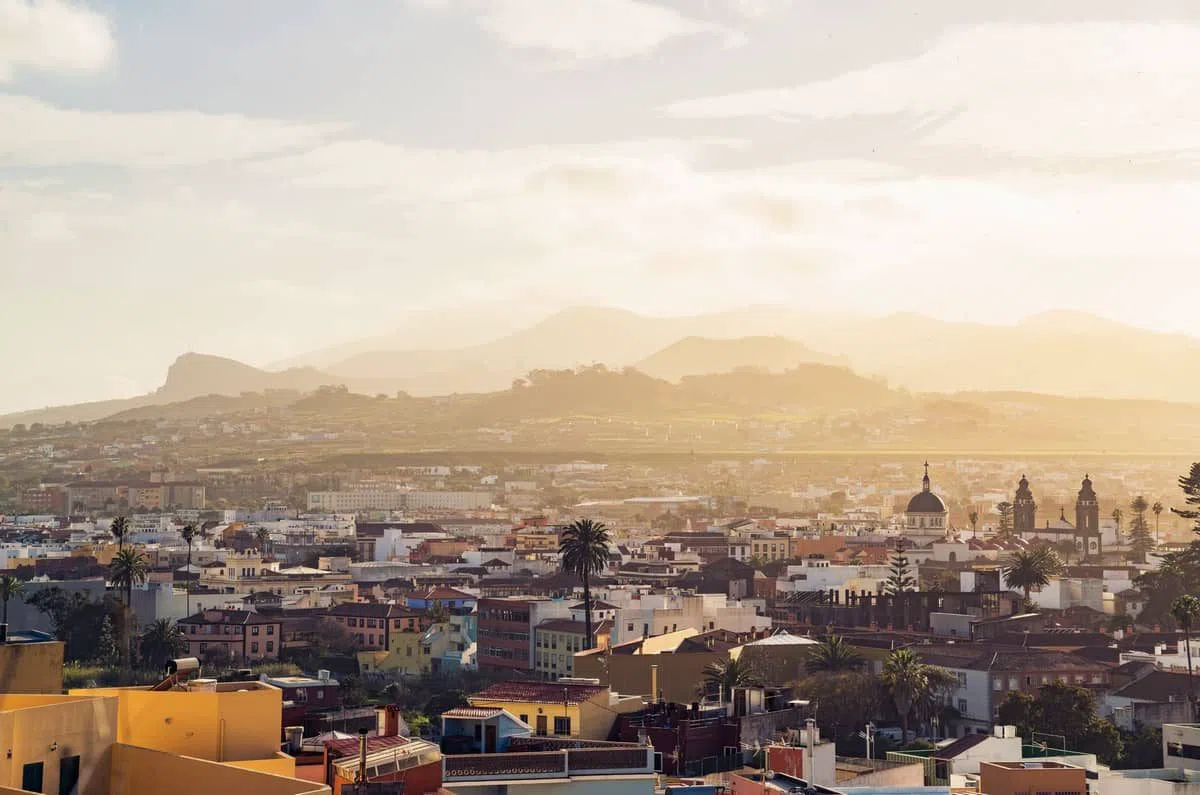
Look down almost any street in La Laguna's old town and it runs dead straight to its vanishing point — no bend, no curve to soften it. That grid was drawn in the late 15th century, and Spain went on to copy it across its colonial cities in the Americas. UNESCO listed the whole historic centre in 1999. Meanwhile, planes come in low over the rooftops, because Tenerife's main airport sits five minutes down the hill and carries the town's own name: Tenerife North–Ciudad de La Laguna. It's an odd and rather wonderful combination — a town that exported an urban blueprint to two continents, with the arrivals hall practically at the end of the street.
A UNESCO street plan and a university town
What UNESCO actually cited here is unusual, and it's worth understanding before you start walking. La Laguna's historic centre was never fortified — no walls, no gates, no defensive squeeze shaping the lanes — and it was never built around a single dominant monument either. There's no one great pile on a hill that the rest of the town kneels toward. What you get instead is a layout radiating out from two main squares, Plaza del Adelantado and Plaza de la Concepción, with everything between them ruled onto that late-15th-century grid.
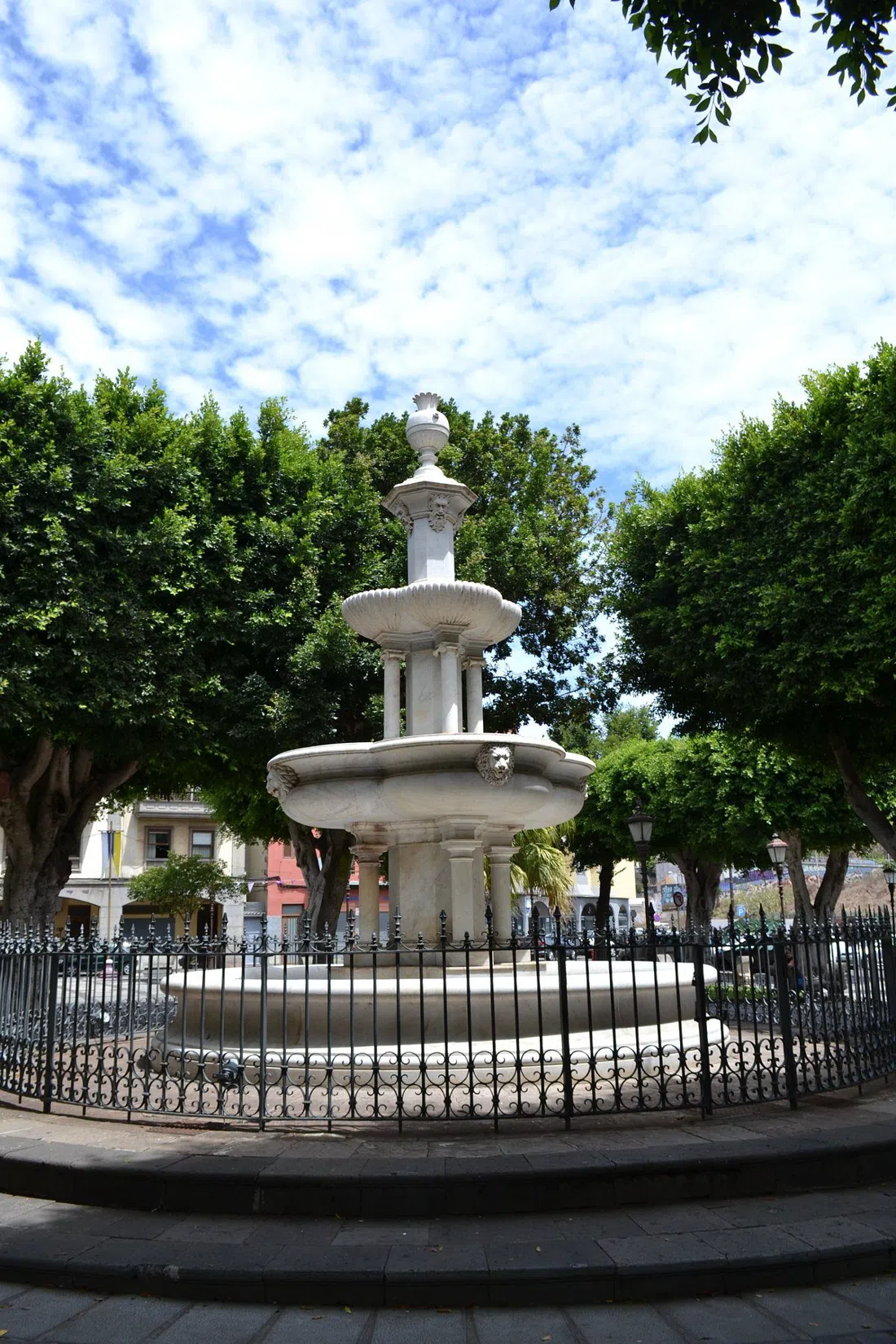
This was Tenerife's first capital, the seat of government until Santa Cruz took the title in the 18th century, and the place still carries itself that way. Volcanic-stone churches, dark and heavy at the base of a pale street. Shuttered colonial mansions built inward around internal patios, so the best of each house is hidden from the pavement and you only catch it through an open doorway — a glimpse of greenery, a stone well-head, a staircase going up into shadow. Wooden balconies leaning out over lanes too narrow for much of anything.
Then there's the other half of the character, and it changes the entire texture of the town: La Laguna is a working university town, not a preserved one. The old town isn't a film set that empties at six. It's where people buy bread, argue about parking, and drink on a Thursday because they have a seminar on Friday afternoon rather than a flight home. Come expecting that, and come expecting weather that doesn't match the brochure either — up here the climate runs noticeably cooler and cloudier than the resort south, and there is no coastline at all. If a beach is the point of your trip, this isn't your base. If a UNESCO old town without the coach-tour crowd is the point, it very much is.
Where to eat and drink in La Laguna
Cooking in La Laguna starts at the produce stalls of the Mercado Municipal, and it leans considerably more traditional-Canarian than the tourist-menu Spanish food you'll be handed on the coast. Papas arrugadas, salt-crusted, with mojo. Local goat cheese. Fish brought up from the Santa Cruz docks. It is food with a supply chain you can trace on foot, which is not something you can say about most of the island's eating.
La Hormiga, tucked into the old town, handles that tradition with a lighter and more contemporary hand — it's the address locals offer up when they've decided you deserve better than standard tapas-bar fare.
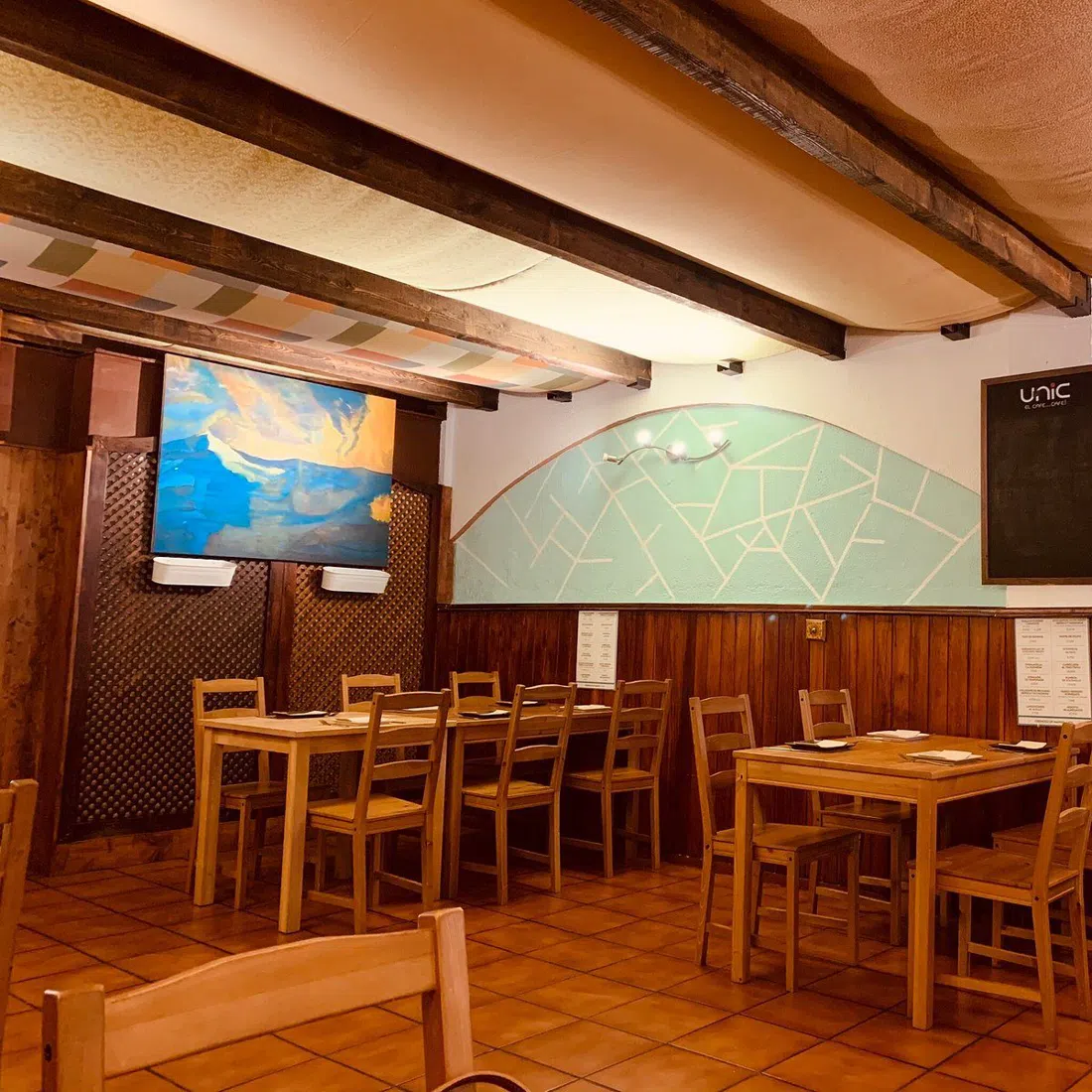
For a proper sit-down dinner, Restaurante Maquila builds a Spanish and international menu around Canarian ingredients, which is the right balance for a night when you want something more composed than a plate of potatoes and a jug of wine. And when dinner is clearly going to turn into drinks — as it does here more often than you plan for — La Abadía Gastrobar is the one to aim at: grilled local produce with international touches, served in a lounge-bar setting that doesn't push you out of the door the moment the plates are cleared.
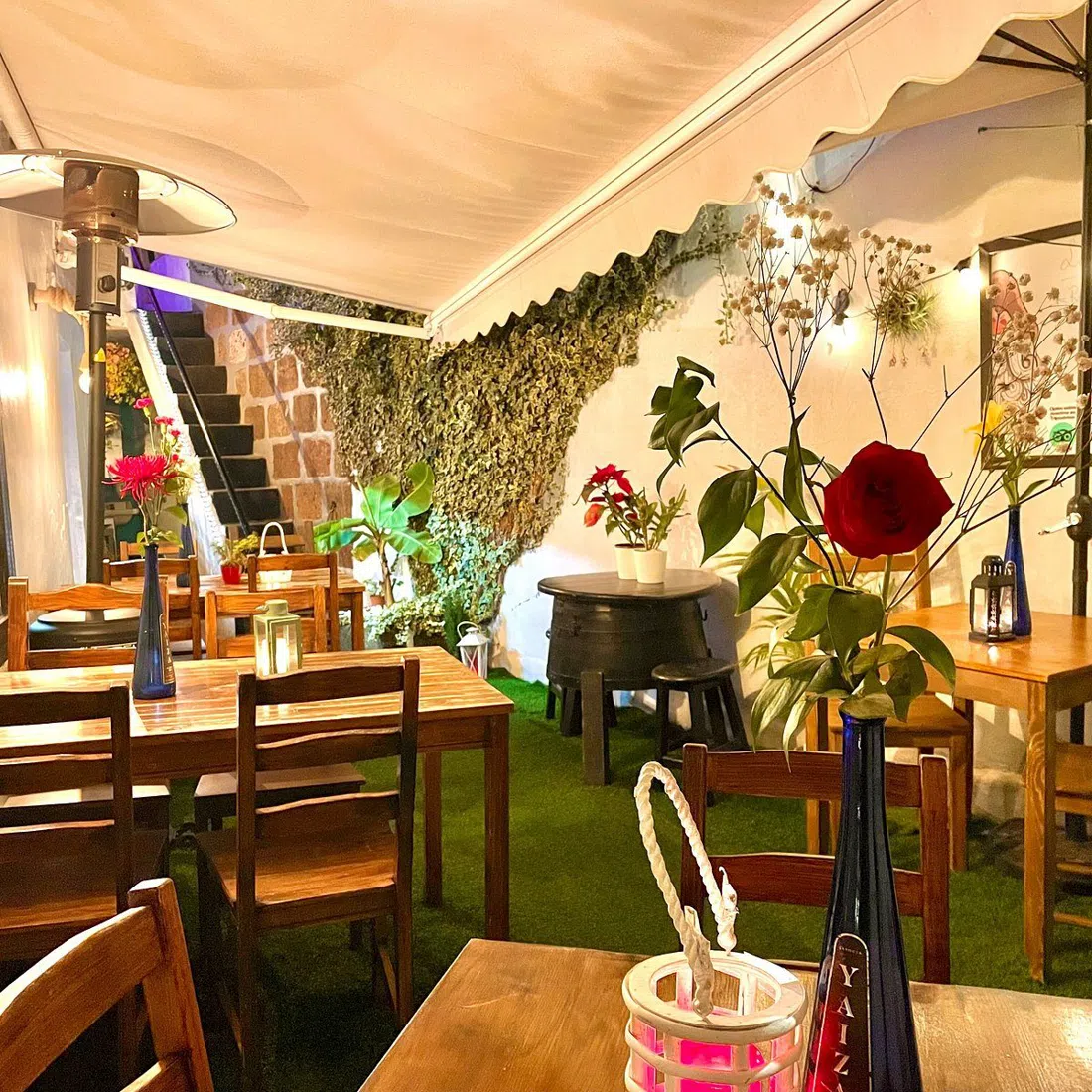
Budget honestly and you'll be pleasantly surprised. Restaurants here run around €20–€40 a head, generally cheaper than the coastal resorts, and the combination of a working market and a student-bar economy keeps everyday prices low in a way that's become rare on this island.
El Cuadrilátero and the student circuit
Nightlife in La Laguna is a university phenomenon long before it's a tourist one, and understanding that is the difference between a great night and a baffling one. El Cuadrilátero — a block of streets near the old campus, laid out, as the name promises, in a near-perfect square — packs bar after bar into a few hundred metres. Almost all of it is priced and pitched at students: cheap jarras, no dress code worth the name, no one checking whether you look like you belong.
La Herradura is one of the longest-running bars in the block, and it makes a sensible anchor. Start there, get your bearings, then walk the square and let the noise tell you where to stop next — that's genuinely how the circuit works. Nobody books anything.
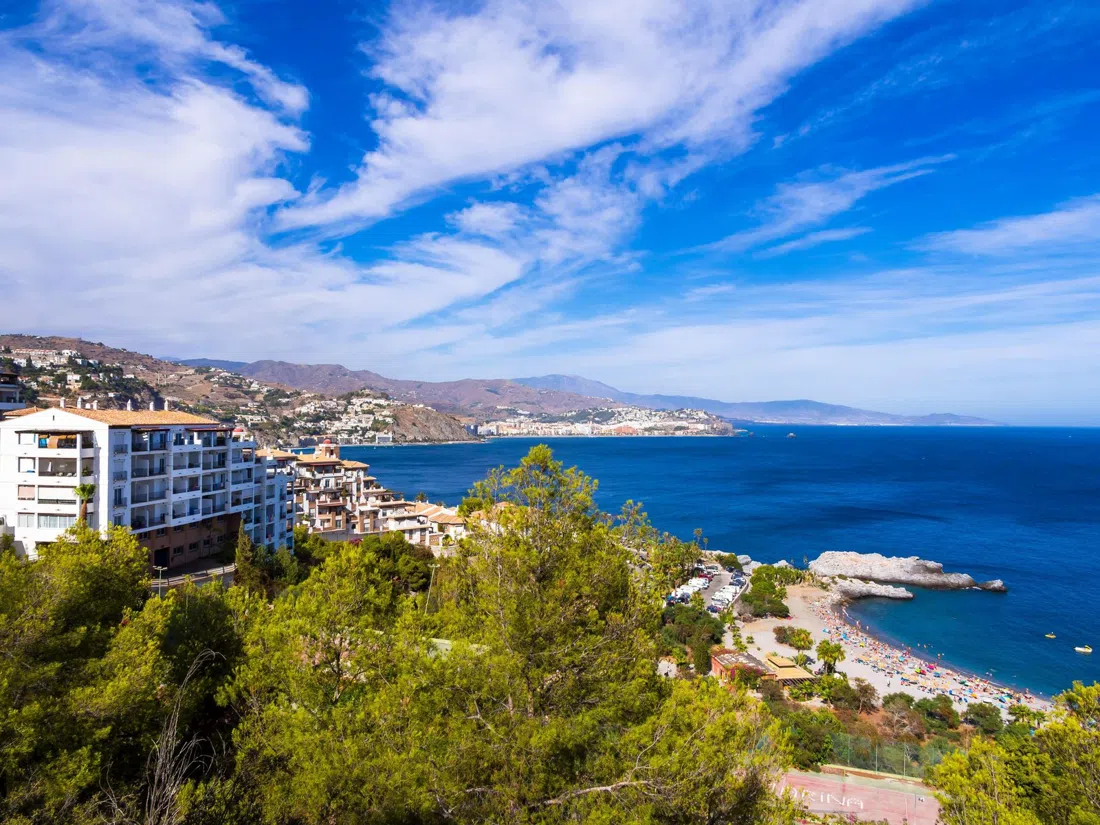
One caveat, delivered plainly: late on Thursday-to-Saturday nights in term time, El Cuadrilátero gets loud and heavily student-drunk. It's rowdy rather than dangerous — the old town is generally safe to walk by day and evening — but if you're hoping for a candlelit stroll back to your hotel, pick your night, or pick your street.
What to see and do
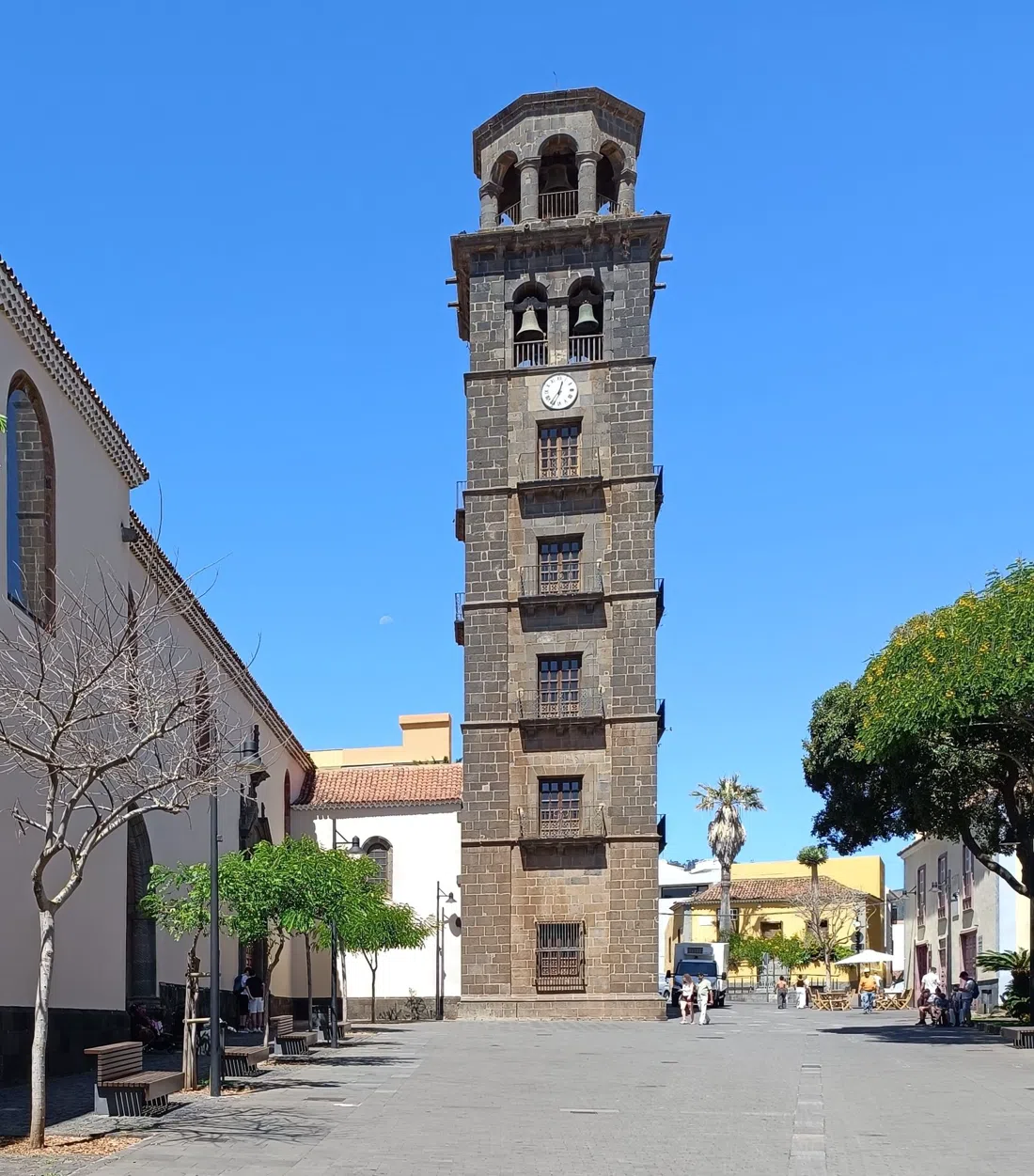
Start at the two squares, because the grid will keep returning you to them anyway. Plaza del Adelantado gathers the town hall, the Palacio de Nava and the Convento de Santa Catalina around one open space. Plaza de la Concepción is anchored by the Iglesia de la Concepción, whose 28-metre bell tower is open to climb for about €2 — the cheapest thing you'll do all week and arguably the best. It holds the largest bell in the Canary Islands, and from the top the whole roofline of the old town resolves into that improbable geometry: straight lines, 360 degrees, with planes dropping toward Tenerife North in the middle distance.
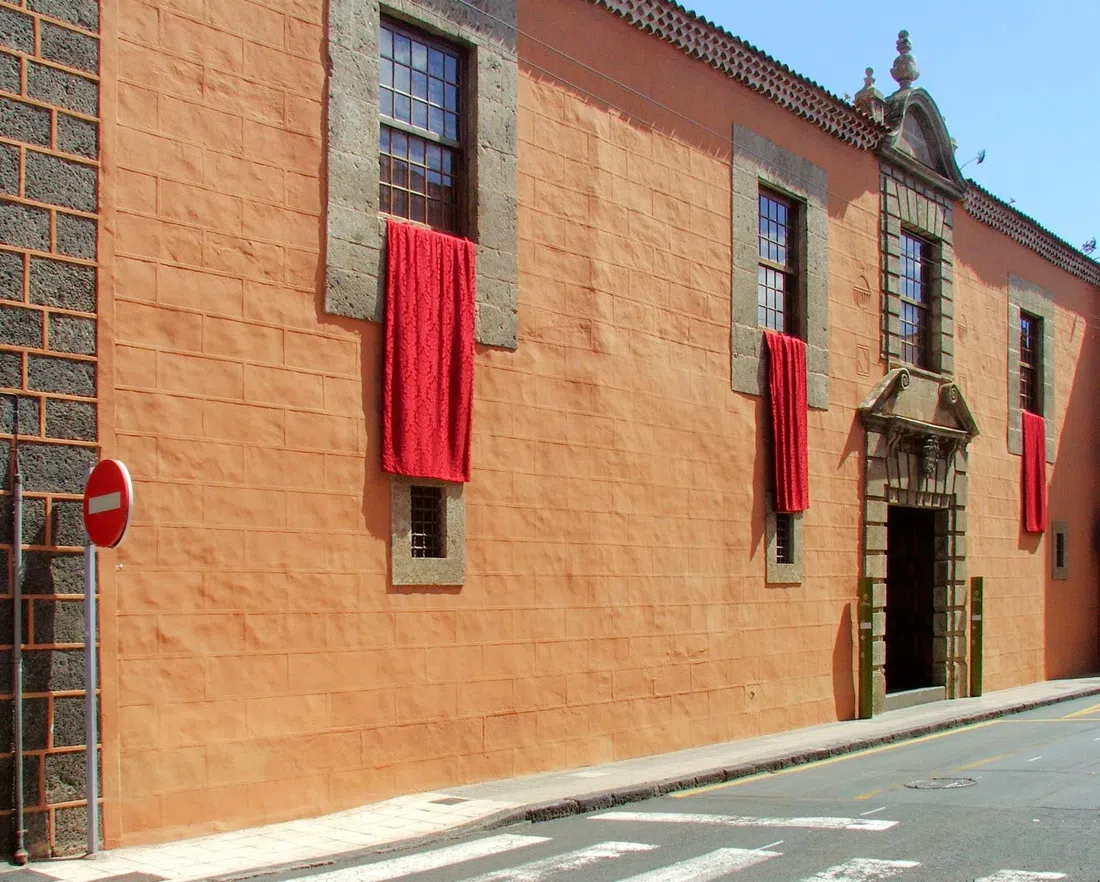
For the story behind the stone, Casa Lercaro is the one to give real time to. It's a 16th-century merchant's house now operating as the Museum of History and Anthropology of Tenerife, covering the island from before the Spanish conquest through the colonial centuries — which means you can stand inside exactly the kind of patio-centred mansion you've been peering into from the street, and read about how it came to be there.
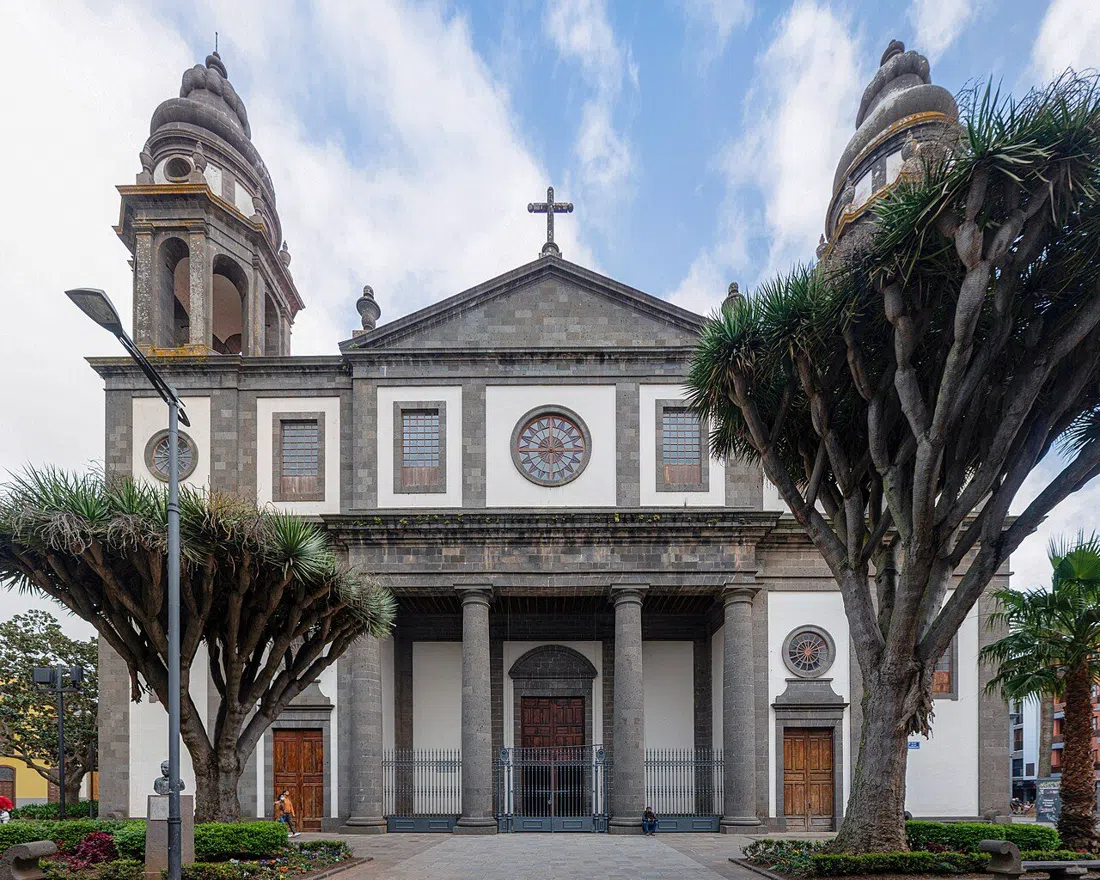
A short walk from Plaza de la Concepción brings you to the Catedral de Nuestra Señora de los Remedios, one of the most significant churches in the Canary Islands. Note how it sits: important, yes, but not lording it over the plan. That was always the point here.
Shopping
The real reason to shop in La Laguna is the Mercado Municipal on Plaza del Cristo — an early-20th-century covered market that has not been prettified into a food court. Fruit and vegetable stalls fill the central patio, fish occupies one end, meat and dry goods run along the sides. It opens Monday to Saturday from roughly 6am to 2pm, which tells you everything about who it's for: this is a morning building, busiest early, winding down while the rest of the town is still deciding about lunch.

Go before nine if you want the full performance — the shouting, the crates, the goat cheese being cut to order. Even if you're not cooking, it's the clearest window onto what the town actually eats, and it explains the menus you'll read later that evening.
Where to stay in La Laguna
The old town is the only part of La Laguna worth basing in, and happily it's also small enough to make that easy: everything described above sits within a 10-15 minute walk of Plaza del Adelantado. A handful of the historic buildings now operate as hotels, which is a rare chance to sleep inside the architecture you came to look at — La Laguna Gran Hotel occupies an 18th-century colonial house a short walk from the Cathedral.
One practical note on choosing your street: if you want a guaranteed quiet night right in the old town during university term time, you may not get it. Weigh that against the walkability, which is considerable, and against a five-minute run to the airport, which is close to unbeatable on this island.
Getting around La Laguna and the rest of Tenerife
The grid that earned La Laguna its UNESCO listing also makes it one of the easiest towns in the Canaries to navigate on foot. It's flat-ish, entirely walkable, and most sights sit inside a 15-minute walk of each other — you will not need a map for long, because the streets simply don't trick you.
For everything beyond, Line 1 of the Tenerife Tram runs 21 stops from La Laguna down to Santa Cruz, connecting you to the Intercambiador bus station and the ferry port without ever touching a steering wheel. The airport, Tenerife North–Ciudad de La Laguna, is 5km away by bus line 20 or a short taxi ride. TITSA buses will get you to the nearest beaches on the north coast at Bajamar and Punta del Hidalgo.
Where a car starts to earn its keep is the Anaga villages, the north-coast beaches on your own schedule, and any day trip to the south-coast resorts — those are 40+ minutes by road with no fast bus link, and bus coverage out that way is thin. For the old town, the airport run and Santa Cruz, though, you genuinely don't need one.
24 October 2026