Tenerife · Where to live · 7 min
Garachico, Tenerife: The Town the Volcano Tried to Erase
Three centuries after lava buried its harbour, Tenerife's old main port is a walkable, unhurried town where you swim in the rock that destroyed it.
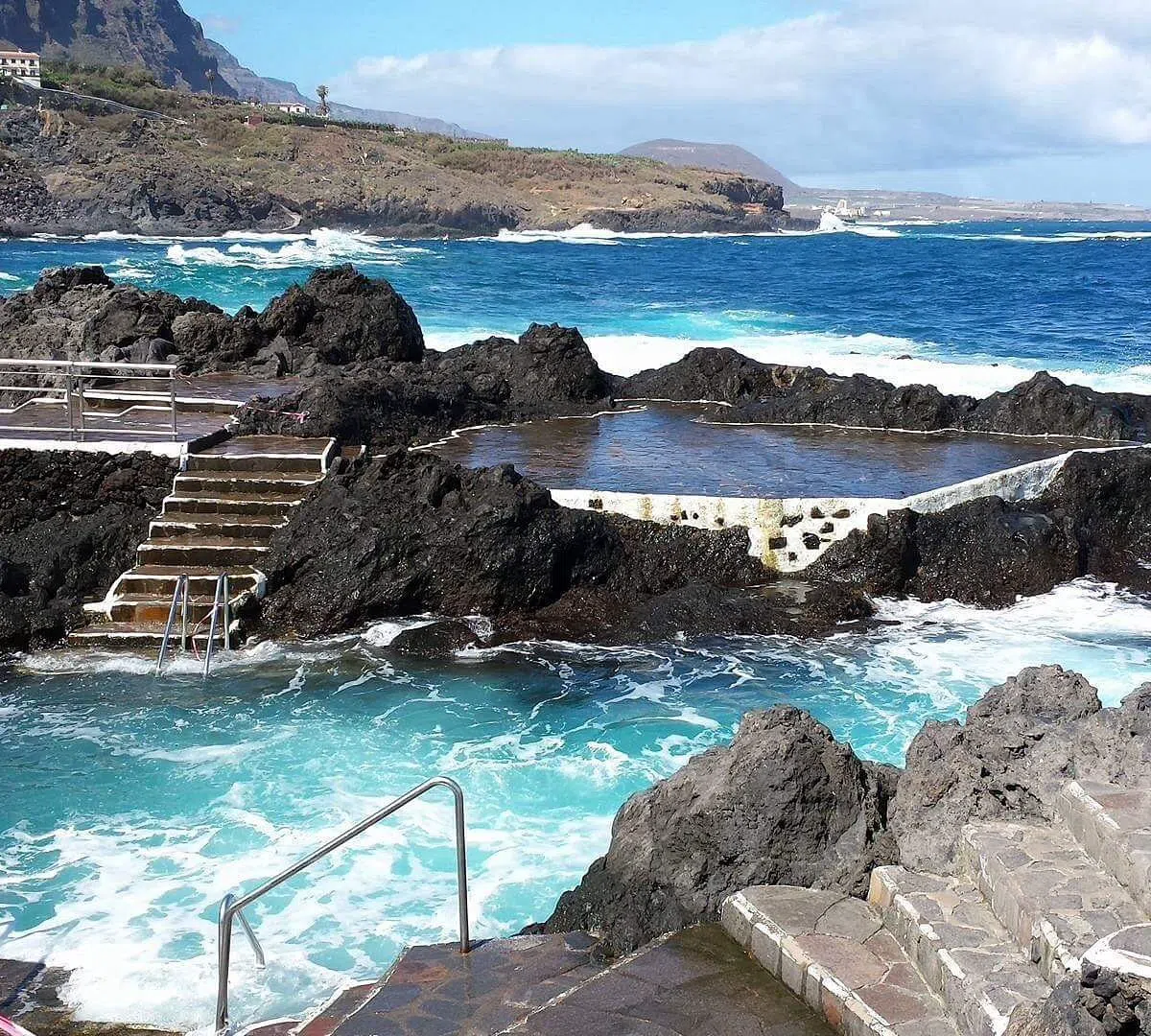
The rock you lower yourself onto at El Caletón is the same lava that ruined the town. On 24 May 1706 the Trevejo volcano opened in the hills above Garachico and sent a river of it down through the streets, over the quay and into the bay — filling in the harbour that had made this the most important port on Tenerife. Where the flow hit the Atlantic it cooled into shelves and basins of black rock, and those shelves are what people swim in today, for free, before the day's first coffee. Three centuries on, the rebuilt core holds some of the best-preserved 16th-century streets on the island, along with roughly 5,000 people who fish, grow bananas and get on with it while the coaches come and go.
The town the volcano tried to bury
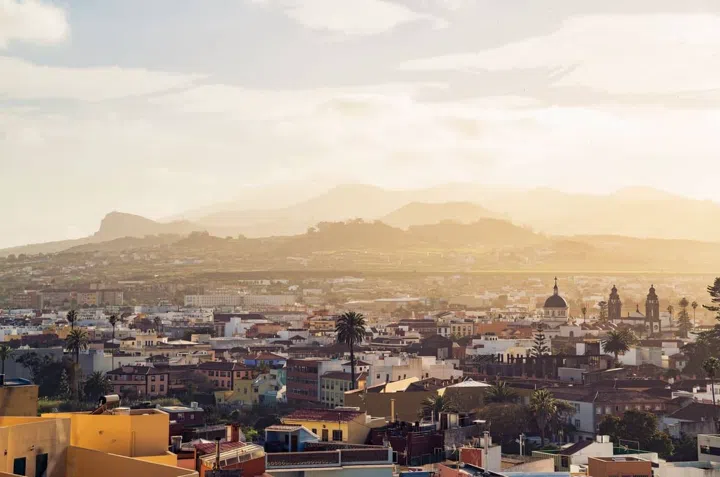
It is worth sitting with the scale of what happened here, because the whole town is organised around it. Before 1706, Garachico was where Tenerife's wine left for Europe: a deep natural harbour, merchant houses, money. Then the eruption came down the slope and across the quay, and the port simply stopped existing. The bay silted up with cooled lava. The trade moved elsewhere. What was left rebuilt itself smaller and lower, on a shelf of black rock wedged between the Teno cliffs and the sea, and never regained its former status — which is precisely why the old streets survived rather than being flattened for hotel blocks.
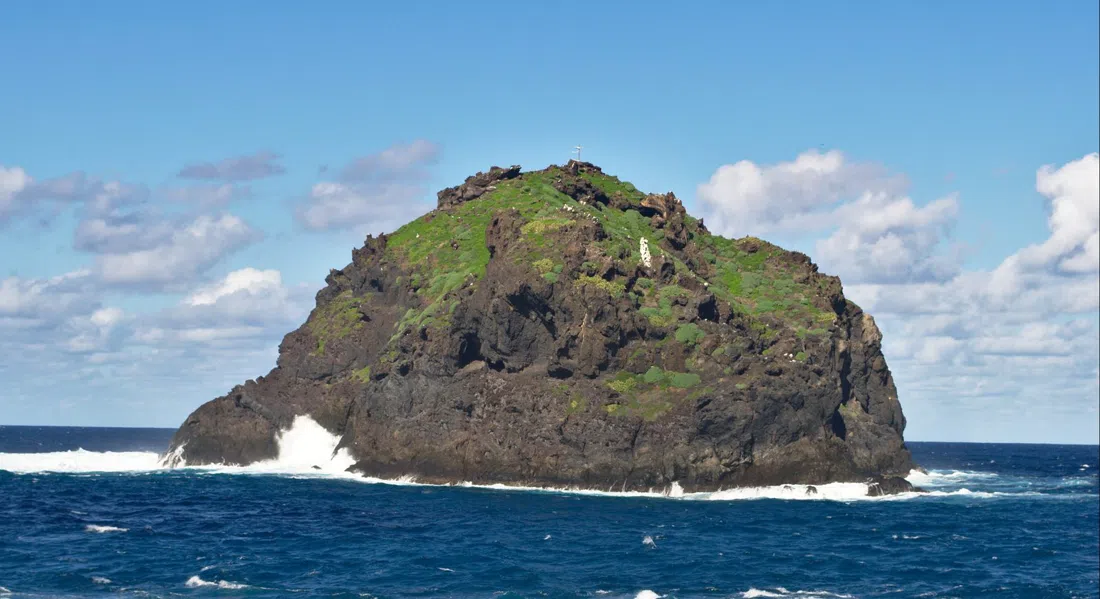
The result is the anti-resort. There is no strip of bars, no all-inclusive tower, no promenade of souvenir kiosks. Offshore, the Roque de Garachico rises out of the water like a punctuation mark, the thing every photograph of the town eventually includes and the first shape you orient yourself by when you come down the road from Icod.
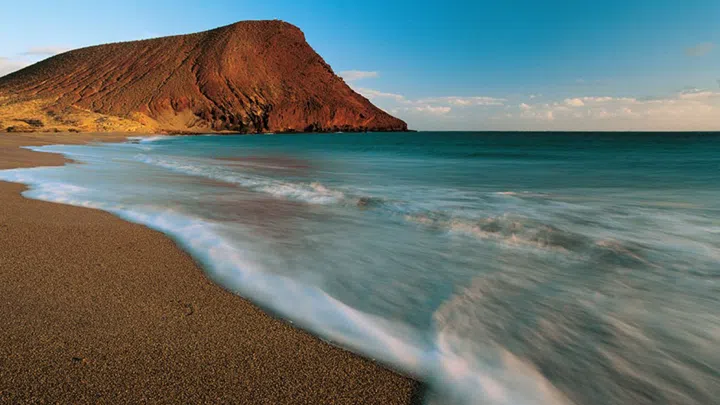
Be clear-eyed about the trade-off. The shoreline is black volcanic rock and pools, not soft sand, and if you need a beach on your doorstep you will be disappointed. If you want nightlife, you are in the wrong town entirely — most bars are shuttered well before midnight. What Garachico offers instead is pace: slow mornings, real town life, and a historic centre you can cross in twenty minutes on foot.
Where to eat and drink in Garachico
The food here is Canarian and mostly unfussy. Fresh fish, papas arrugadas under a slick of mojo, goat stew, and local Malvasía wine from the terraced vineyards above the town. There is no reservation-only tasting-menu circuit, and nobody is pretending otherwise. The best tables are the ones with a sightline to the pools or the old harbour wall, and the going rate for a menu or a round of tapas sits somewhere between €8 and €15 — cheaper than the south-coast resorts, a little pricier than the inland villages.
The area's most consistently loved kitchen isn't in the historic centre at all. Casa Floro, a short run west in La Caleta de Interián, does home-style Canarian cooking with menus from around €8.50, and it has quietly become the top-rated table in the area — the sort of place where the dining room fills with families rather than visitors, and where the value is almost confrontational.
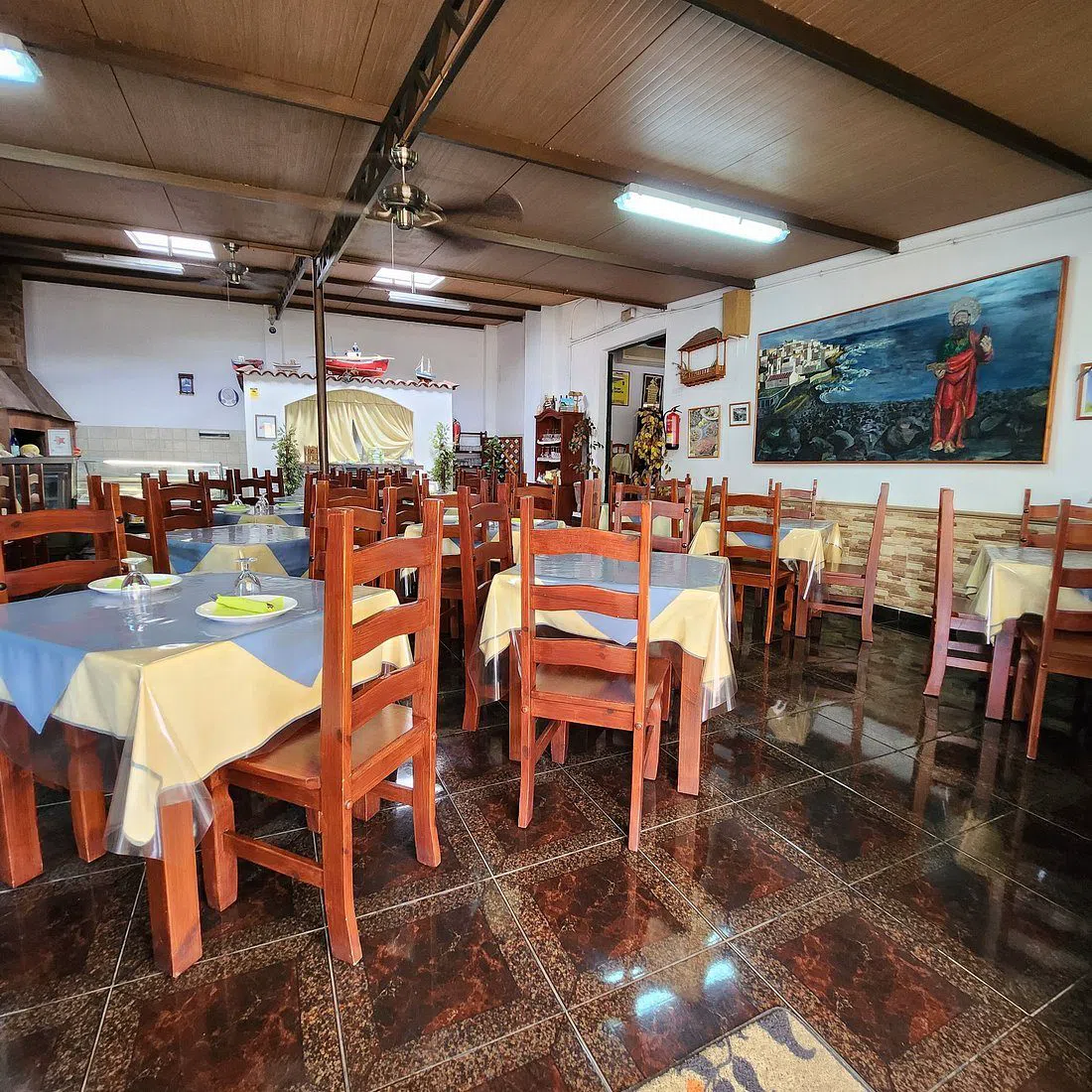
For something with more theatre, Bestia Marina grills seafood over charcoal using a family recipe book dating to 1912, handed down through the chef's grandmother and great-grandmother. That lineage isn't marketing filler; you taste it in the restraint, in how little gets done to a good fish beyond fire and salt.

Down by the water, El Rebojo keeps things straightforward: seafood and ceviche, no ceremony, the kind of lunch that runs long because nobody is rushing you out. Afterwards — and this is non-negotiable in the local rhythm — there is Heladería Artesanal Italiana Fragola, the artisan ice cream shop directly opposite the El Caletón pools. Swim, dry off on hot black rock, cross the road, order a cone. Half the town appears to operate on this exact sequence.
Going out in Garachico
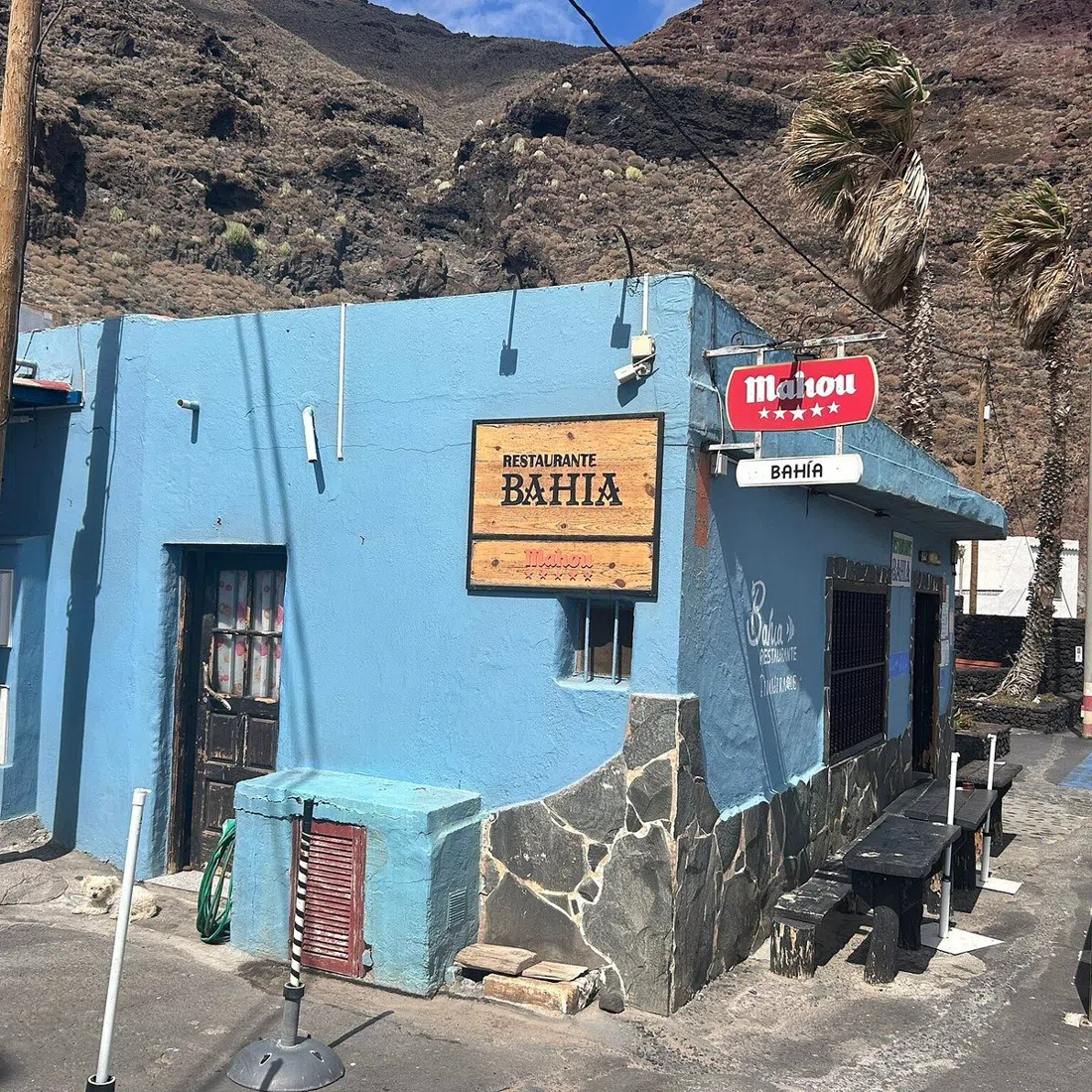
Set your expectations honestly: this is a town for a drink, not a night out. There is no club scene, and the evening tends to dissolve rather than build. Bar Bahía on Calle Pérez Zamora is the reliable move for cocktails and copas — a local bar in the proper sense, where the conversation at the counter is in Spanish and the volume stays civilised.
What replaces nightlife is the hour before and after dinner, when the day-trip coaches have gone and the town resets. The squares fill with people who live here. Kids run the paved edges of the old harbour. The light goes long and orange across the rock. If you came from a week in the south expecting a scene, this will initially read as nothing happening — give it two evenings and it starts to read as the point.
Things to do in Garachico
Everything in the centre is walkable inside twenty minutes, which is most of the appeal. This is a town to wander rather than tick off.
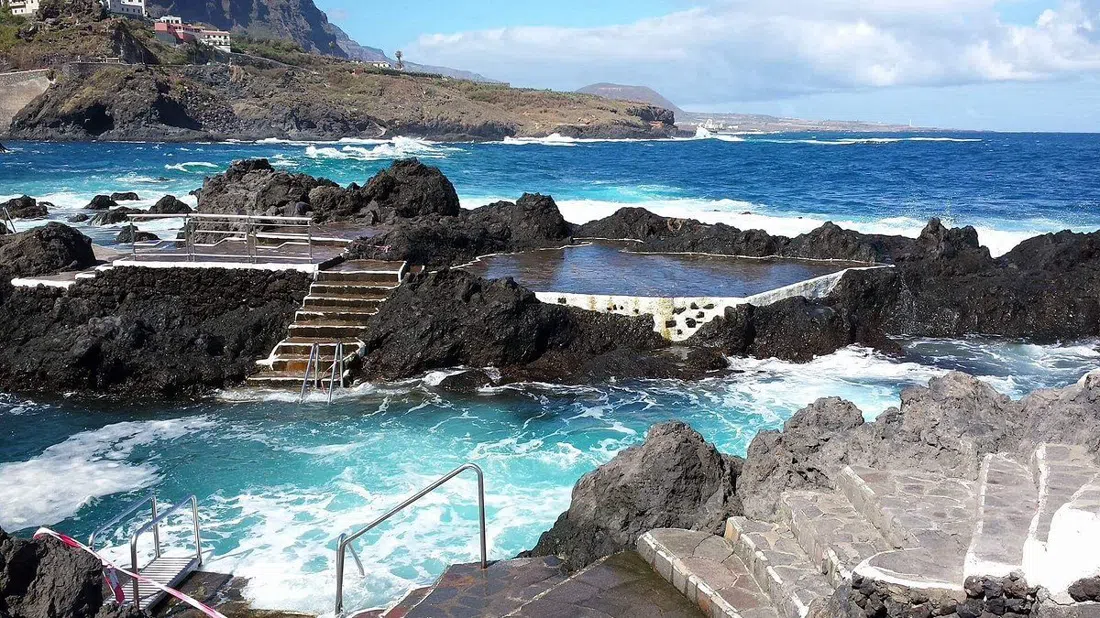
The Piscinas Naturales de El Caletón are why most people come. These are the 1706 lava flow made swimmable: free, fitted with steps down into the water, changing rooms and lifeguards, with the Atlantic sloshing in and out of the basins. They are also at the mercy of the sea. The pools close without notice when the swell gets up — shut for a day in November 2025 when waves passed three metres, and closed again in August — so check conditions before you plan a morning around them.
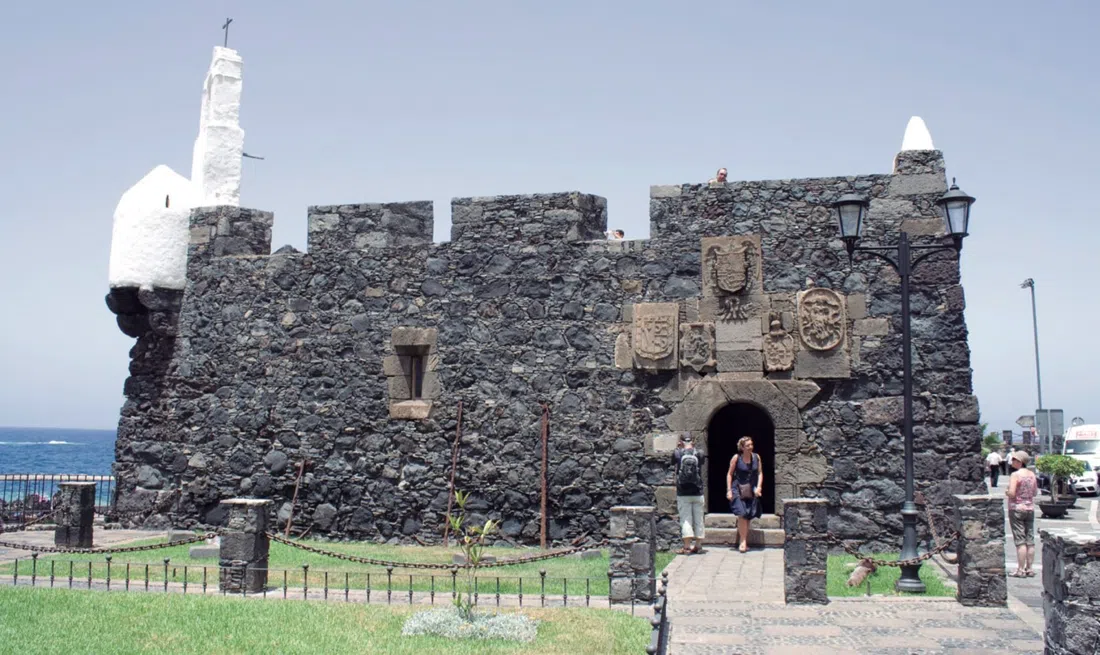
Beside the pools stands the Castillo de San Miguel, a squat fortress from 1575 that survived the eruption flowing around it — one of the few structures that did. Inside there's a small museum, and the tower gives you the view that explains the town's geography in a single glance: lava shelf, pools, Roque, cliffs.
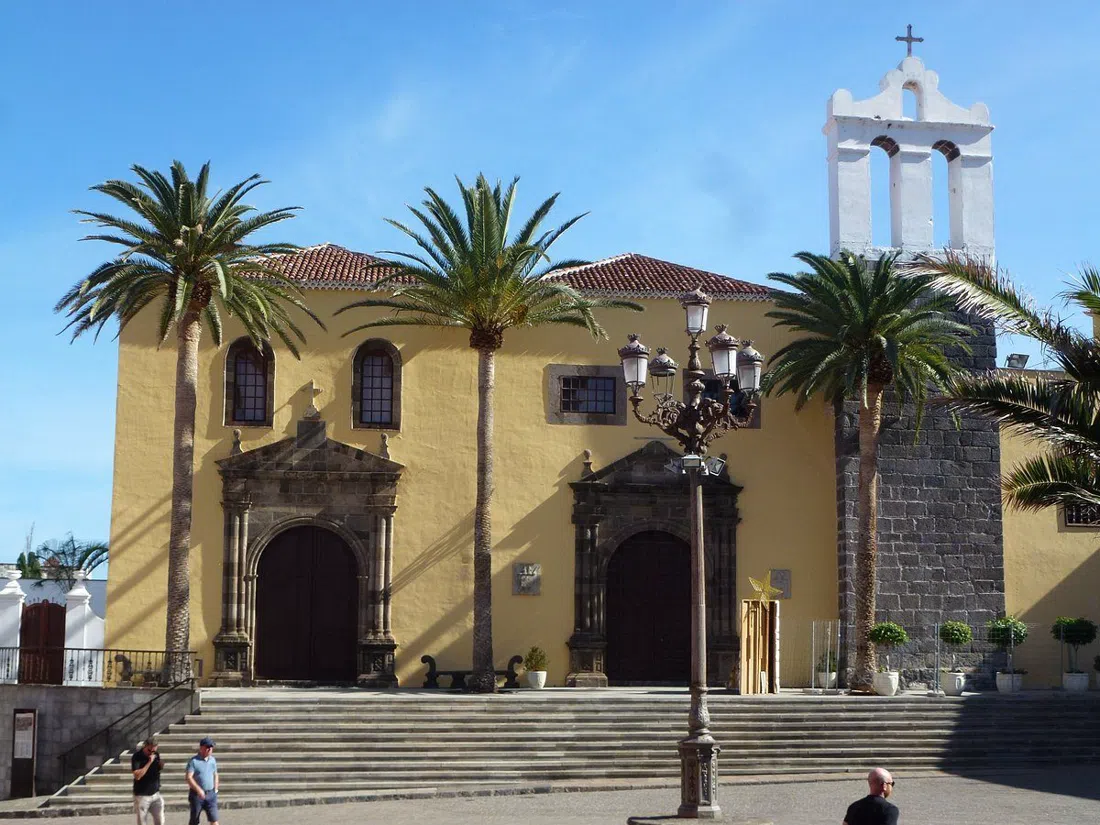
For the story itself, go to the Convento de San Francisco, where a quiet courtyard fronts a small museum devoted to the 1706 eruption. It is modest and all the better for it; you come out understanding what you have been walking on.
Beyond the town, Garachico works hard as a hiking base. Teno Rural Park is on the doorstep, the Camino Real de la Costa runs the old coastal route, and Masca sits within day-trip range for anyone with wheels and a tolerance for switchbacks.
Shopping in Garachico
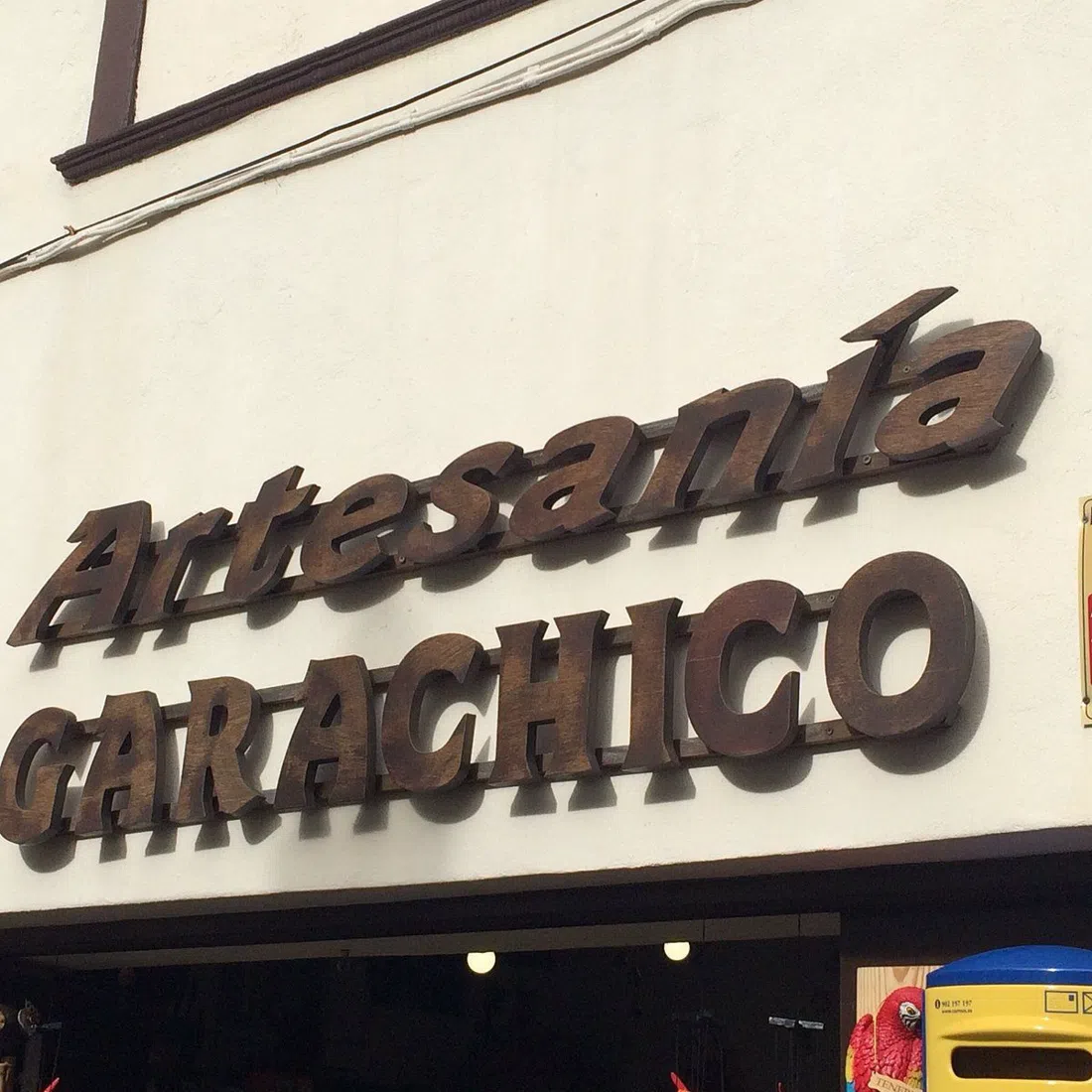
Garachico isn't a shopping destination and makes no attempt to be one. No mall, no chain-store strip — just a handful of small craft shops clustered around Plaza de la Libertad and the Glorieta de San Francisco. Artesanía Garachico is the one to seek out, selling handmade leather, pieces worked from volcanic stone, and jewellery. Buying a lump of polished local basalt in the town the basalt destroyed has a certain logic to it.
Otherwise, treat shopping as incidental. Pick up Malvasía from the vineyards above town, a bag of papas for the apartment kitchen if you're self-catering, and leave the retail ambitions for Santa Cruz.
Where to stay in Garachico
The hotel stock is small and skews characterful rather than big-resort, largely because the historic centre physically hasn't room for anything larger. Think converted merchant houses and manor buildings rather than high-rise blocks. Hotel LIVVO La Quinta Roja is the emblem of the type — a restored 16th-century mansion, the sort of building that would be a museum in a busier town. Expect roughly €90–150 a night for a boutique room, which undercuts the south-coast resorts while costing more than the inland villages.
Staying in the centre means you can walk to the pools in slippers and eat without driving, which matters more here than it sounds, because the evening options are compact and the parking is finite.
Getting to and around Garachico
Garuchico sits on Tenerife's north-west coast — about 45 minutes' drive from Tenerife North Airport (Rodeo) and over an hour from Tenerife South or Santa Cruz — so most visitors arrive by hire car or organised tour rather than public transport alone. The TITSA network does connect it to the rest of the island, and line 363 is the one to know: it runs the north coast linking Garachico with Icod de los Vinos, Puerto de la Cruz and Buenavista del Norte, roughly every half hour.
Once you're here, you walk. The centre is flat, compact and best covered on foot. The caveat is the hinterland: reaching Teno Rural Park or Masca without a car is genuinely awkward, so if hiking is the plan, budget for a hire car even if you only keep it a couple of days.
The town is calm and low-crime in a way that quickly stops being remarkable. The sea is the thing to respect, not the streets.
24 October 2026