Tenerife · Where to live · 8 min
Costa Adeje, Tenerife: Two Michelin Stars Above the Sunbeds
A thirteen-course tasting menu upstairs from a Blue Flag beach, a shark tank you fall through at 80km/h, and a fishing village serving butterflied wreckfish five minutes up the coast — inside Tenerife's most polished resort strip.
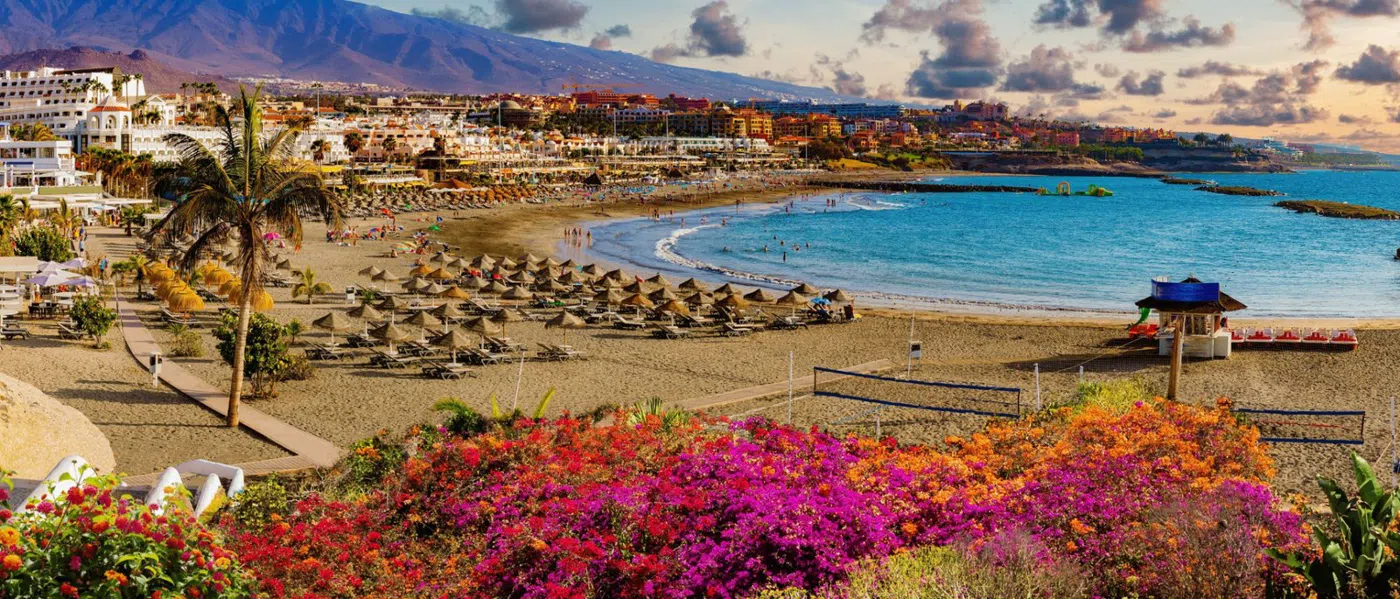
Thirteen courses for around €180, served a few floors above people dozing on sunbeds — that single detail explains Costa Adeje faster than any brochure line. El Rincón de Juan Carlos holds two Michelin stars inside the Royal Hideaway Corales Beach, and the sand below it is the same groomed, lifeguarded Blue Flag stretch families cross in flip-flops at ten in the morning. This is where Tenerife's south puts on its good clothes: a two-mile run of beaches and five-star resorts on the island's dry, sunny southwest coast, with a converted fishing village, La Caleta, fraying off the northern edge and a Thai-themed water park sitting inland behind the whole thing. It is polished, deliberately so, and refreshingly honest about what it is.
What Costa Adeje is known for
This is the address Tenerife's hotel groups fight over. Walk the clifftop above Playa del Duque and the names arrive in quick succession — Bahía del Duque, Royal Hideaway Corales, and a short way up the coast the Ritz-Carlton Abama, which sits technically in Guía de Isora but has long been marketed into the same belt. The word "resort" does a lot of lazy work in travel writing. Here it means something you can check. The hotels are genuinely five-star. The shopping centre at the heart of the strip carries the brands you'd expect in a city, not a holiday town. The restaurant upstairs from the beach holds two stars.
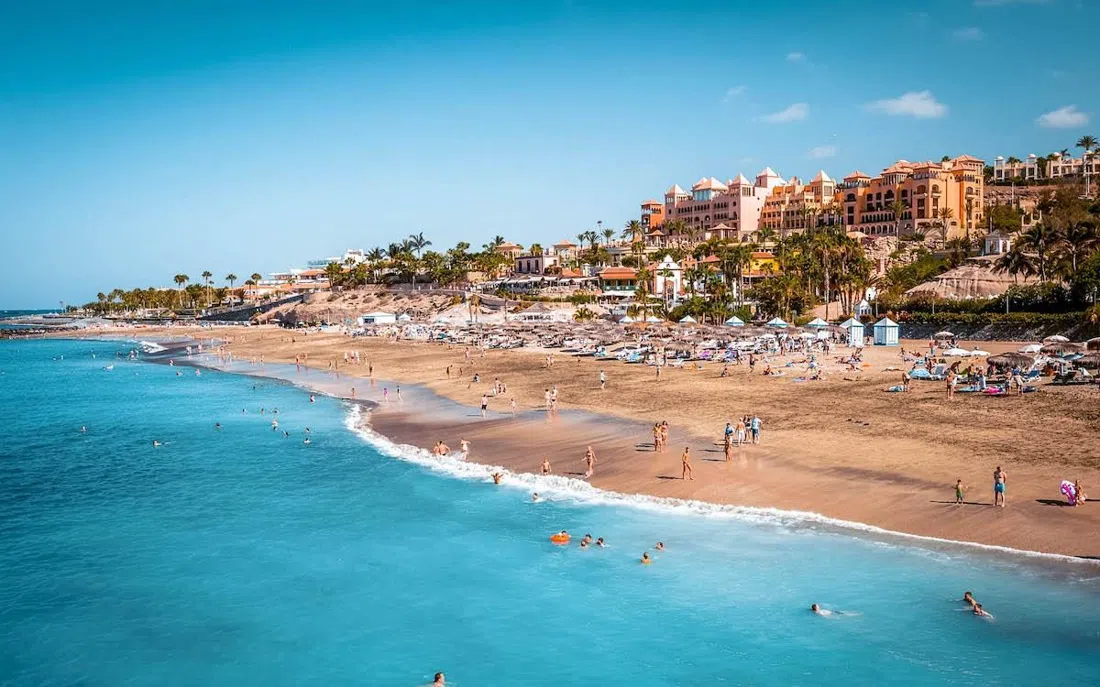
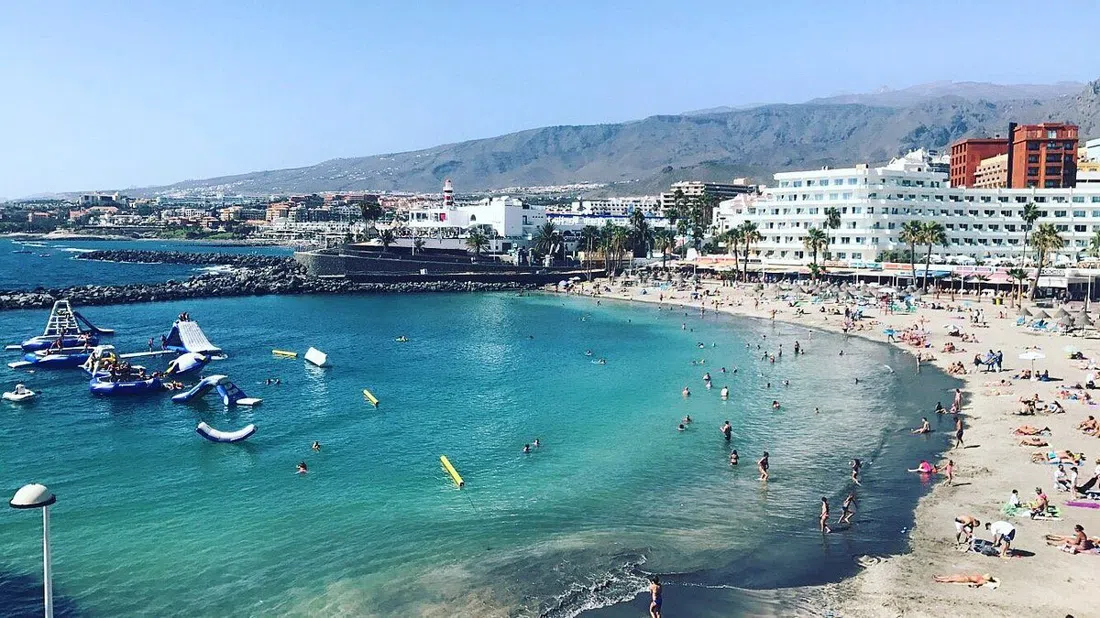
What holds it all together is unglamorous: weather and sand. This is the driest, sunniest corner of an island whose north can spend an entire morning under cloud, which is why Costa Adeje fills in January as readily as July. The beaches are Blue Flag and lifeguarded, raked and calm — a detail that matters far more than it sounds when you are travelling with someone who is four years old. Families get a water park on the doorstep. Couples get two-Michelin-star and one-star kitchens a five-minute taxi from the hotel lobby. Package-holiday regulars get reliable sun, English-speaking staff and a dependable line of bars and restaurants that does not require a plan.
It is worth being equally clear about who will leave disappointed. Anyone hunting an authentic Canarian town should keep driving: Adeje's old centre just inland, or Garachico up on the north coast, will give you that, and Costa Adeje will not pretend otherwise. Budget backpackers will find the hotel stock skews upmarket and the prices follow it faithfully. And anyone whose idea of a good night ends at three in the morning is in the wrong resort by about a mile — that is Playa de las Américas, immediately next door.
Where to eat and drink
The top end here is genuinely top end, and the story of El Rincón de Juan Carlos is the clearest version of it. The kitchen won its first star in Los Gigantes in 2016, moved into the Royal Hideaway Corales Beach in 2021, and took a second in 2022 — chef Juan Carlos and pastry chef Jonathan Padrón building a thirteen-course Canarian tasting menu that lands at around €180 a head. Diners give it 4.6, which for a room at that price and that level of scrutiny is a quietly remarkable number. Book it weeks out, not days.
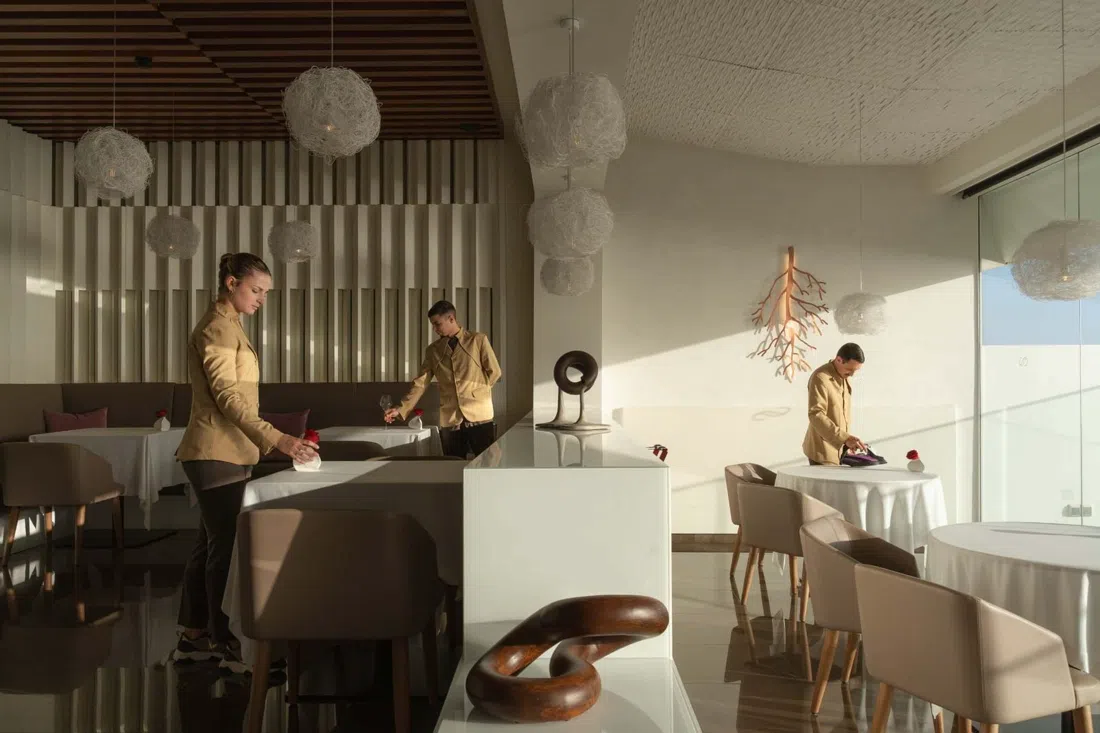
There are two more starred rooms within a few minutes of it, and they could not be more different. Nub sits inside the Bahía del Duque, holding one star for tasting menus that read Chilean, Italian and Canarian all at once, served across three separate rooms so the meal moves as you eat it; it rates 4.3. Donaire, one star at the GF Victoria, is dinner-only, glass-fronted and facing straight out over the Atlantic, and its savoury cooking is led by pastry technique — sugar-work precision applied to things that are not sweet. At 4.8 it is the highest-rated of the three, which tells you something about how hard it lands with the people who go.
Then, five minutes north, the counterweight. La Caleta was a fishing village before the resort strip reached it, and the cooking there is simpler, louder and cheaper. La Vieja Restaurante is the one people come back for, two nights running if they have the time: butterflied wreckfish and parrotfish, soupy rice dishes that arrive in the pan, a 4.3 rating earned on consistency rather than theatre.
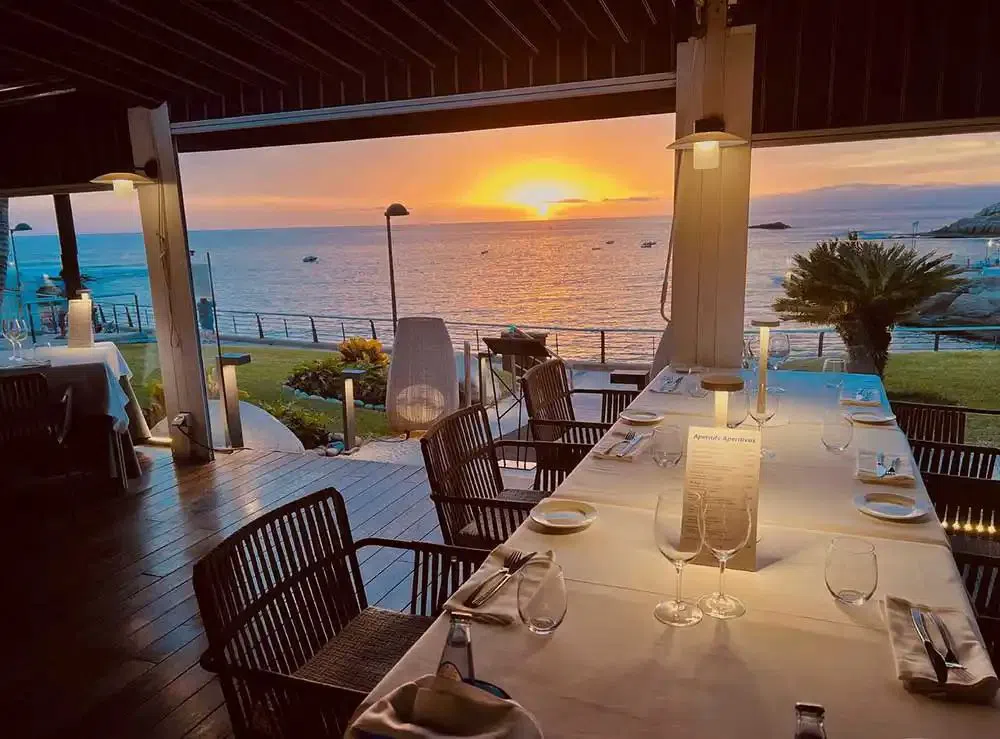
A few doors along the seafront, Restaurante Salitre works the same seam — seafood rice and grilled fresh fish off the local boats — and rates 4.6. Eat at either one at sunset, with the water doing what the Atlantic does on that coast, and the €180 menu down the road starts to feel like a different holiday altogether rather than a better one.
Nightlife
Costa Adeje's evening scene concentrates in two linked hubs: Puerto Colón marina, and the San Eugenio district just inland from it, sitting directly north of the louder Playa de las Américas strip. It is walkable, and more varied than most single-resort nightlife — you are not stuck with one hotel bar and a karaoke machine — but it also winds down earlier and quieter than its neighbour, and that is the honest trade.
Kingston Reggae Bar is the one that consistently tops the area's nightlife rankings on Tripadvisor: reggae, tropical decor, a 4.6 rating and a cash-only till, so visit an ATM before you settle in for the evening. For something louder and closer to the water, Kaluna Beach Club occupies the beachfront between Puerto Colón and Torviscas, running DJs and light shows out over the sand.
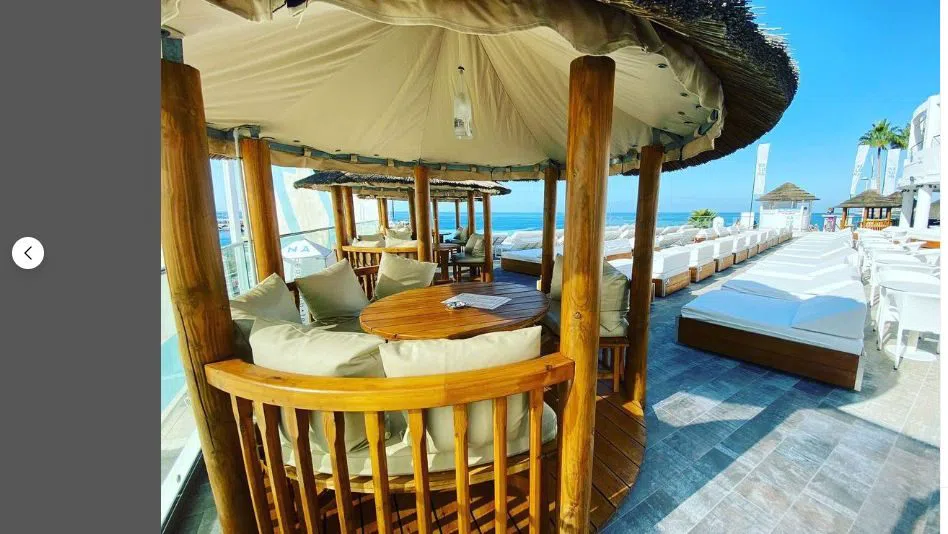
If you want a club at 2am, walk south into Playa de las Américas. Costa Adeje does a long, slow, good-value evening out; it does not do last orders at dawn.
Things to do
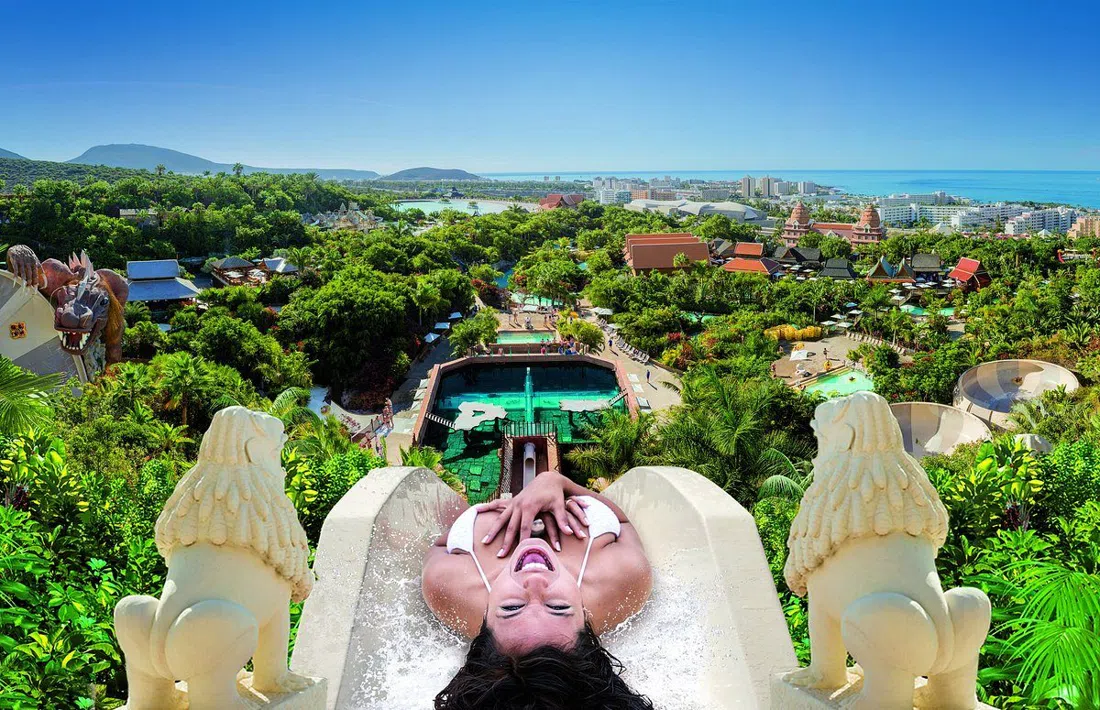
Siam Park is the headline act, sitting inland of the beach strip and themed, wholeheartedly, as Thailand. The ride everyone queues for is Tower of Power: an eight-second, near-vertical 28-metre drop that reaches up to 80km/h and sends you through a shark-filled aquarium on the way out. Minimum age is fourteen, the queue for it regularly outlasts every other line in the park, and the whole place rates 4.4. Buy timed tickets in advance in high season — this is not a turn-up-and-see attraction in August.
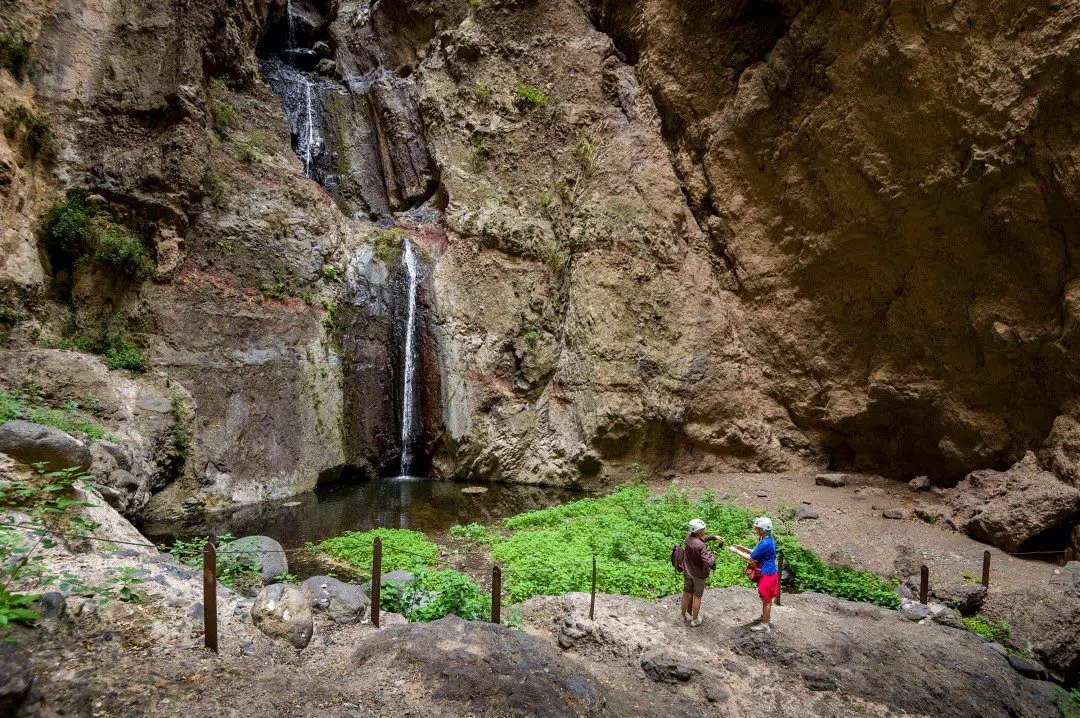
For something at the opposite end of the adrenaline scale, the Barranco del Infierno nature reserve runs 6.5km up a ravine to a 200-metre waterfall, and entry is strictly capped: twenty people per thirty-minute slot, compulsory online booking, compulsory helmet. You cannot walk in off the street, and people who try are turned away at the gate. It rates 4.5, and it is the clearest reminder that the island behind the resorts is volcanic, steep and wild.
Back at sea level, Puerto Colón is the departure point for boat trips where the wildlife is close to a sure thing — pilot whales and dolphins live in these waters year-round, and the marina's operators run out to them daily. It rates 4.5, and a morning on the water is the cheapest way to understand why this coast feels so different from the north.
Shopping
Plaza del Duque is the centrepiece and the reason Costa Adeje can claim a shopping scene at all: three floors and more than fifty stores, running from international fashion houses to perfume and optics, arranged around a landscaped atrium with fountains and a skylight roof that keeps the whole thing bright without cooking it. There are restaurants and cafés with terraces built in, which makes it a genuinely usable hour rather than a retail errand.
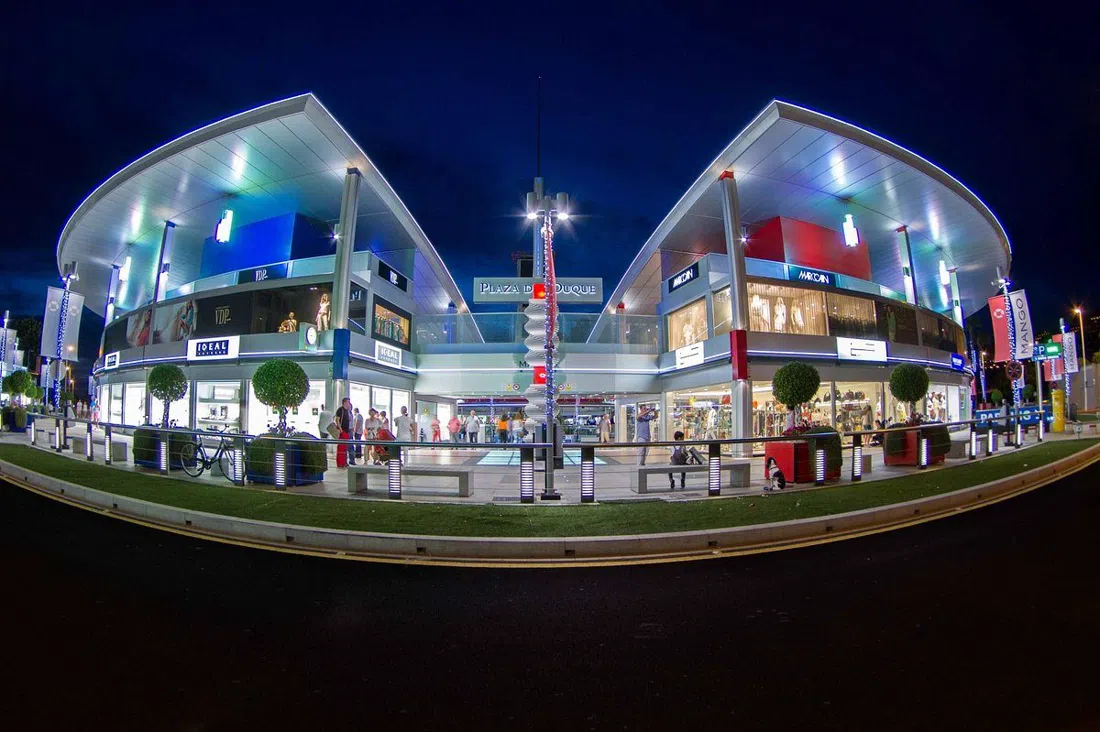
It sits a short walk from the Playa del Duque hotels, which is precisely the point — the strip was designed so that the five-star beach, the starred kitchens and the fashion floors are all within the same flat ten minutes.
Where to stay in Costa Adeje
The Playa del Duque stretch is Costa Adeje at its most polished. Bahía del Duque, Royal Hideaway Corales Beach and the GF Victoria sit directly behind the Blue Flag beach, a short walk from Plaza del Duque, and this is where the Michelin-starred kitchens live — Nub inside one hotel, El Rincón de Juan Carlos inside another, Donaire in the third. Expect top-end pricing to match; this is the most expensive resort belt on the island and the hotel stock does not apologise for it.
If you want the same coast with less gloss, aim north to La Caleta, where the converted fishing village keeps its own rhythm and the seafood is the main event. If you want the bar strip within staggering distance, San Eugenio and Puerto Colón put you closest to it.
Getting around
The resort core — Playa del Duque to Puerto Colón to Fañabé — is flat and strung together by a seafront promenade, and almost everything that matters falls inside a twenty-to-thirty-minute walk from end to end. Anything further is a short local taxi, and the area is very safe to walk by day or night: well-lit, heavily touristed, lifeguarded beaches. Standard resort caution applies — watch your bag on the sand and in the busy spots, and that is genuinely the extent of it.
For the rest of the island, TITSA bus route 40 is the connection to know. It runs direct between Estación Costa Adeje and Tenerife South Airport every thirty minutes, taking roughly 27 to 40 minutes for €3.70; a taxi covers the same ground in 15 to 25 minutes depending on traffic. Tenerife North, at Los Rodeos, is a 40 to 60 minute drive and mainly serves a different kind of flight. Hire a car for a day or two if you want Adeje's old centre or the north coast — Costa Adeje is an excellent base for the island, and a poor substitute for it.
24 October 2026